Monsoon Hair and Skincare

Monsoon-Hair-and-Skincare

Monsoons call for special care for your skin and hair. RASHMI GOPAL RAO speaks to experts on how to tackle some common issues during this season.

While rains are a welcome change from the sweltering summers and monsoon is a season that is much looked forward to, it is also a season that takes a toll on your skin and hair.  A sudden change in temperature and humidity leads to issues like dull and listless skin, excessive hair fall and dandruff.  The skin becomes prone to dryness, leading to acne breakouts and fungal infections. Fret not, for below are some expert tips for a comprehensive hair and skincare routine that not only takes care of these problems but also help you enjoy the true essence of the joyous monsoons.  

For Those Luscious Locks

Have a Nourishing Hair Care Regime

Monsoon hair care is all about rejuvenating your scalp and providing it with the right amount of moisture and conditioning.  Hair masking with nutrition and moisture-rich ingredients helps in soothing the scalp, thereby improving hair growth and scalp health.  “A gentle massage with warm oil is the best way to kickstart your monsoon hair care as it prevents your scalp and hair from drying out. Make sure to apply warm oil twice a week as it gets absorbed easily into the hair and provides nourishment to the scalp,” advises Saurav Patnaik, COO and co-founder of Anveya Living. 
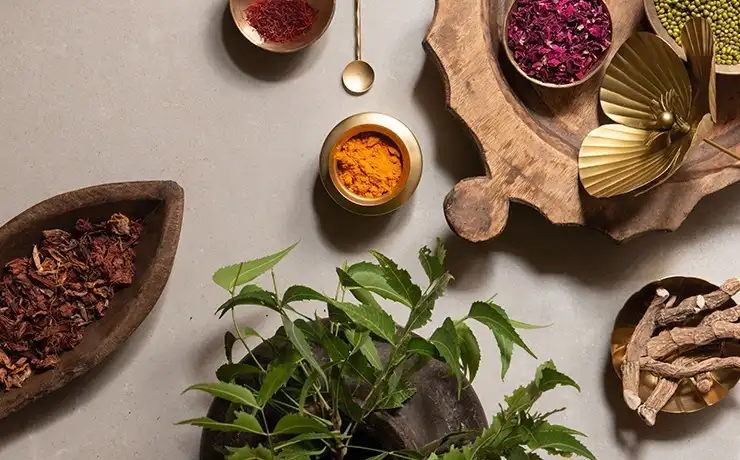
Have a Nourishing Hair Care Regime

“Monsoons are those times when the humidity level increases which means sweat accumulates in your hair roots. It leads to frizziness or drying of the hair and increased hair fall.  Providing nutrition to our scalp should be our top focus as it helps in strengthening our roots.  A well-balanced diet, regular cleansing of the scalp, conditioning and oiling coupled with hair packs and good sleep are some of the most important aspects of hair care during the rainy season,” said Pooja Karegoudar and Tanushree Ishani D, co-founders of BodyCafe

Hair Care Essentials!

  • Coconut oil, olive oil, and almond oil work wonders for the skin.  They are rich in vitamins and minerals and work magically to strengthen the hair and stimulate the scalp for better hair growth while reducing hair breakage and hair loss.  
  • Effective natural hair masks: Try a curd and banana hair mask or even one of aloe vera and hibiscus.  Virgin coconut oil infused with fenugreek, onion and curry leaves is great to reduce hair fall while a mask of yoghurt and fenugreek is effective for nourishing the scalp and controlling itchiness.

The Importance of Washing Your Hair

It is key to note that you need to wash your hair at least twice a week during the rains to keep it clean of any impurities.  “Use the right shampoo; one that is free from harsh chemicals and sulphates. Conditioning helps moisturise your hair and keeps them frizz-free. Always remember to gently dry your hair with soft towels.  You can use hair serums for extra protection and nourishment,” says Zeal Shah, founder of Bare Body Essentials.

Maintain a Balanced Diet

A well-balanced diet nourishes your hair from within. “Food rich in Vitamin E, D and Zinc are especially good in keeping hair and the scalp healthy. Also, remember to be gentle with your hair. Mild combing, not combing wet or oiled hair, not tying it too much up are some ways to take care of hair during monsoons,” comments Amritha Gaddam, founder of The Tribe Concepts.  

Avoid Excessive Styling Treatments

Another key point to note is to avoid exposure to heat and styling treatments. “Try and minimise the usage of harsh chemicals such as hair colours or excessive heat via hair dryers or curling tongs very frequently as that could aggravate the problem of hair breakage and might weaken hair roots” add Pooja Karegoudar and Tanushree Ishani D.

For That Glowing Skin

Monsoon Skin Love 

Monsoon Skin Love 

During monsoons, a fool-proof skincare regime for the face and body would be gentle cleansing, periodical exfoliating, daily moisturising, and toning. Oils like sandalwood and coconut oil can be used to improve skin elasticity and give the skin a glow. Using good sunscreen is a habit one must cultivate as it protects the skin against any damage. “Over layering your skin with excessive beauty products during monsoons leads to acne breakouts and clogging of pores. So, opt for a simple makeup routine and remove the same before sleeping,” adds Saurav Patnaik.

The Science of Skincare during Monsoons

Expert tips by Amritha Gaddam

Expert tips by Amritha Gaddam

1. Humidity attracts a lot of dirt, and this causes bacterial infections on the skin. Hence it is important to clean your skin at least twice a day preferably with natural powder-based cleansers.  

2. Exfoliating is important as it helps remove dead skin keeping it healthy and refreshed.  

3. Hydrate well: The most important step for healthy skin is having an adequate amount of water. Drinking at least 3-4 litres of water a day is extremely essential.  

4. Food rich in Vitamin C help nourish skin from the inside.

DIY masks for radiant, healthy skin!

Pooja Karegoudar and Tanushree Ishani D recommend: Homemade packs to nourish the skin from within and regain its PH balance.
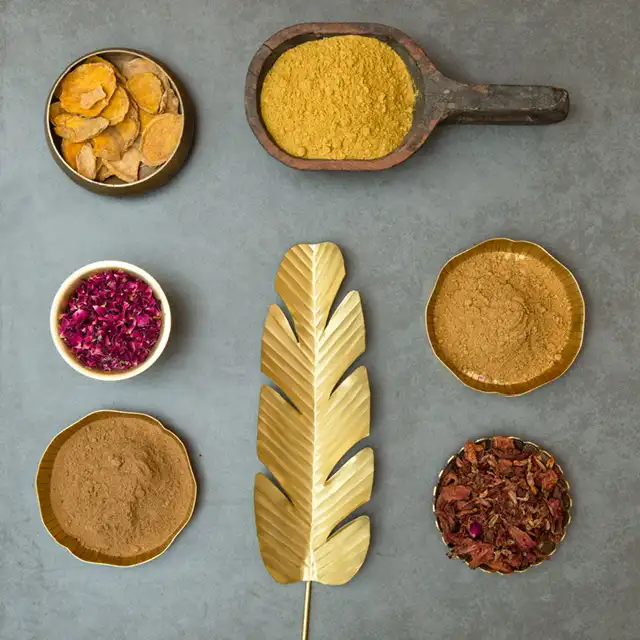
DIY masks for radiant, healthy skin!


  • Mix 2 tablespoons of turmeric, lemon juice, honey and curd and applying it to the face and body. 
  • Another Ubtan hack would be applying a paste of lemon juice, ripe papaya, and a spoonful of milk powder. 
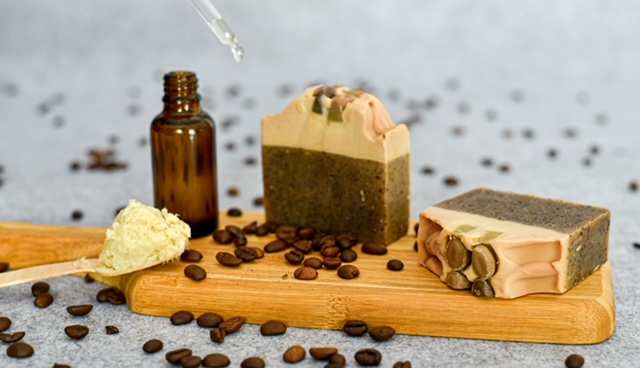
  • Coffee is a good exfoliator too. 
  • Packs ideally must be kept on for at least 20-25 minutes and rinsed off with cold water.

Amritha Gaddam recommends: Body scrubs and homemade cleansing mixes.

  • A paste of besan, turmeric and curd acts as a great face cleanser while a mixture of almond meal and honey is an effective face exfoliator.  
  • Coconut oil and brown sugar work well as a body scrub.

Leave a comment

Your email address will not be published. Required fields are marked *

Myth vs. Medicine: Skin Experts Bust the Biggest Beauty Beliefs

In an age of reels, trends, and skincare hacks, it’s harder than ever to separate beauty facts from fiction. Hashtag Magazine turned to dermatologists and skincare experts to decode what truly benefits your skin, and what belongs in the bin. Here’s the expert-approved truth your skin has been waiting for. Dr Anupriya Goel is an Aesthetic Dermatologist and Medical Director of Berkowits Hair and Skin Clinics. She is the author of the book, How to Get Glass Skin, published by Penguin House. She actively writes articles in medical journals and newspapers and has more than 20 million views on her YouTube videos. She is a National trainer of anti-ageing procedures like Botox, fillers and threadlift and an international trainer for hair growth treatments. Can climate and pollution directly affect skin health and trigger skin problems? Yes. Climate and pollution have a direct impact on skin health. Extreme temperatures, low humidity, and UV exposure can disrupt the skin barrier, leading to dryness, sensitivity, pigmentation, acne, and premature ageing. Pollution particles generate free radicals that increase oxidative stress, damage collagen, worsen inflammation, and aggravate conditions like acne, eczema, and melasma. Is it necessary to change skincare products when the seasons change? In many cases, yes. Skin needs change with the weather. During colder or drier months, the skin tends to lose moisture faster and may require richer moisturisers and gentler cleansers. In hot or humid seasons, lighter formulations, non-comedogenic products, and better oil control are often needed. Adjusting skincare helps maintain a healthy skin barrier year-round. Can a damaged skin barrier cause multiple skin issues at the same time? Absolutely. The skin barrier is essential for retaining moisture and protecting against irritants, allergens, and microbes. When it is compromised, the skin becomes more prone to dryness, redness, acne, sensitivity, infections, and flare-ups

New Year, New Goals: Fitness and Wellness Experts Reveal Their 2026 Focus

As 2026 begins, Hashtag Magazine speaks to fitness and wellness influencers to learn about their goals, routines, and trends for the year ahead. From mindful movement to holistic health, here’s how they plan to stay strong, balanced, and inspired. Mihir Jogh: Bringing Balance and Clarity through Yoga Mihir Jogh is a seasoned yoga teacher and founder of JogaShala, an online platform rooted in classical Hatha yoga and enriched with modern movement, mobility, and breath work practices. With over 15 years of teaching experience, Mihir is celebrated for his thoughtful sequencing, alignment focus, and ability to make yoga practical, grounding, and relevant to modern life. His work empowers people to find freedom in their bodies, clarity in their minds, and confidence in movement both on and off the mat. New Year’s Resolution for 2026–For 2026, Mihir plans to place self-care at the heart of his life. “This means prioritizing rest, sleep, and intentional travel, and allowing myself time to absorb each experience truly,” he explains. He is also returning to study in an ashram, approaching his own practice with humility and curiosity. Transformative Habits–He recommends a straightforward habit for overall well-being: a daily disconnect. Even a few minutes away from screens, notifications, and constant stimulation through quiet reflection, journaling, conscious breathing, or yoga, which can reset the nervous system and reconnect us with our inner rhythm. Yoga for Stress and Digital Fatigue–Mihir observes that people are turning to yoga not just for flexibility, but to cope with stress, burnout, and digital overload. “Yoga teaches us to slow down, breathe consciously, and respond instead of reacting,” he says. Simple practices like mindful movement, breath awareness, and strategic pauses help regulate the nervous system and cultivate resilience in an increasingly demanding world. Karina Trigubchak: Mindful Movement, Meaningful Strength Karina Trigubchak is a wellness

Decoding Modern Mental Health

In a world where stress, digital overload, and rising expectations shape our everyday lives, mental well-being has become more crucial than ever. Experts like Dr. Sarthak Dave and Dr. Era Dutta break down the modern pressures affecting our minds and offer clear, science-backed ways to cope. Understanding Anxiety TodayDr. Sarthak Dave Breaks Down Myths, Warning Signs & Everyday Coping Tools Dr. Sarthak Dave, MBBS, MD (Psychiatry), is one of India’s most trusted voices in mental health. Based in Ahmedabad, Gujarat, he is the founder of Vibha Healing Center, a safe, accessible space for individuals seeking support and guidance. In this conversation, he sheds light on anxiety what people misunderstand most, when stress becomes a clinical concern, and how simple, science-backed tools can help restore balance. 1. What’s the most misunderstood aspect of anxiety today? Two misconceptions stand out. First, many people believe their level of anxiety is the only “real” version of anxiety. So they often struggle to understand or accept that someone else might experience it far more intensely. Second, people assume anxiety must always have an external cause. But clinical anxiety often arises from internal factors hormonal changes, genetics, or neurotransmitter imbalances. In such cases, changing your environment won’t fix the issue. Addressing the biological changes is what helps. 2. When does “normal stress” turn into a clinical concern? Stress is a natural human response. But it becomes a clinical issue when it causes socio-occupational or socio-academic dysfunction meaning your ability to function in daily life is affected. If you’re unable to eat, sleep, concentrate, work, study, or connect with people the way you used to, that’s a red flag. Additionally, if symptoms persist for more than 2 weeks and continue to worsen rather than resolve, they should be taken seriously. In such situations, stress is no longer

Ayurveda in the Modern Age: How India’s Ancient Science Is Going Global

Ayurveda is an ancient Indian system of medicine that focuses on achieving harmony between the body, mind, and spirit through natural methods such as diet, herbal remedies, and lifestyle adjustments. This “science of life” is moving far beyond its Indian origins to become a globally embraced approach to health, attracting millions who seek natural balance. The global market for Ayurvedic medicine and related services was estimated at $17.15 billion in 2024 and is projected to reach $85.83 billion by 2033, demonstrating explosive growth. This expansion reflects a global shift toward balanced, natural living. For example, Ayurveda views leisure as essential for well-being. Taking time for sports, socializing, or even playing the wonderland live casino game supports this balance, offering mental renewal through engaging experiences. As this philosophy spreads, it is reshaping health, beauty, and wellness worldwide, moving beyond purely allopathic approaches. Global Acceptance of Ayurvedic Practices The international community is increasingly recognizing Ayurveda as a viable complementary health system. Organizations around the world are taking steps to regulate and promote its use. For instance, the World Health Organization (WHO) has actively supported the development and regulation of traditional and complementary medicine globally. Official Recognition and Integration The integration of Ayurvedic principles into mainstream health systems is a major trend. Over 80 percent of the population across 170 countries reportedly use traditional medicine, including Ayurveda. Academic and clinical collaborations are also expanding. The acceptance is moving beyond simple acknowledgment into formal regulatory frameworks. Several Western nations now permit registered practitioners to operate legally: The United States National Institutes of Health recognizes Ayurvedic medicine as a form of complementary and alternative medicine. Five nations within the European Union formally recognize Ayurvedic therapy, acknowledging its therapeutic value. India established the Ministry of Ayush to promote education, research, and propagation of indigenous medicine systems

You May Also Like

Connect with us