
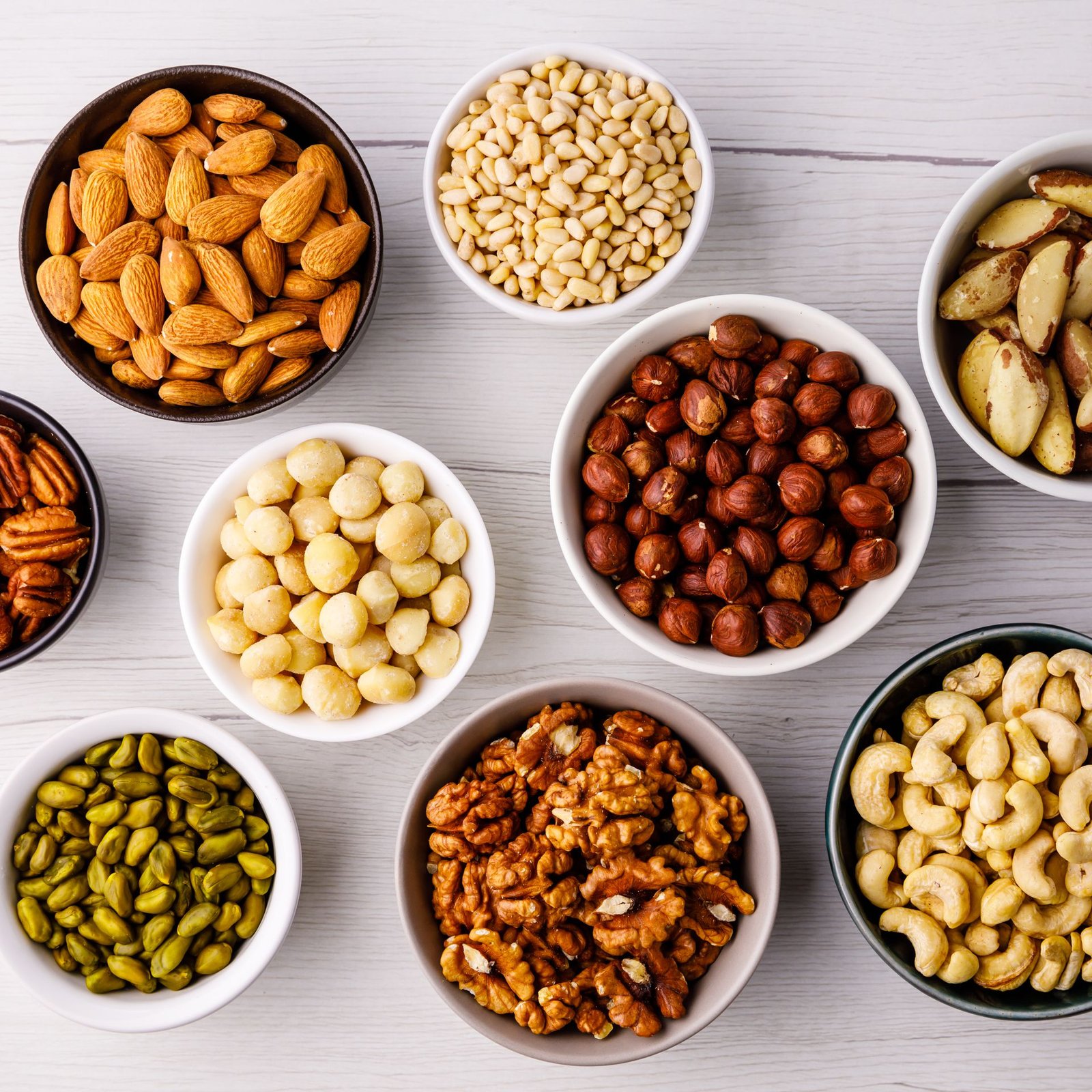
Healthy Simply Superfoods by Chef Kaviraj Khialani

SUPERFOOD NUTS

The importance of health is riding high on everyone’s mind given the Covid-19 pandemic. Eating healthy has been linked directly with a strong immunity that can protect us against the deadly virus. And while the concept of superfoods has been gaining steady traction over the years, it seems to have exploded now, given the times. HASHTAG INDIA picks the brains of celebrity CHEF KAVIRAJ KHIALANI on how best to incorporate superfoods into our diet, and whether they really are worth the hype that they’ve attracted.
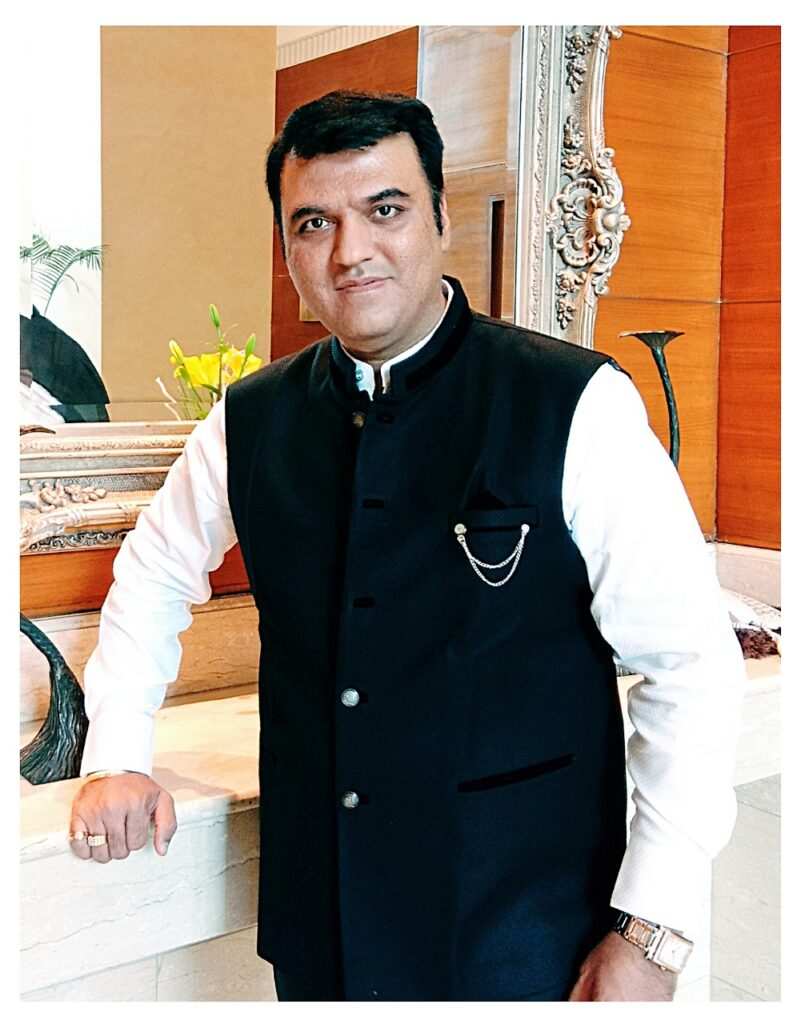
A recipient of eminent titles such as Best Chef Asia award, Bharat Vidya Ratna, Global Icon for Culinary and Hospitality, Chef Kaviraj is a familiar face on Indian television, having made celebrity appearances in several food shows on major channels.

Superfoods refers to foods which have been found to possess high nutrition density thanks to high quantities of vitamins, minerals, fiber, omega 3 fatty acids and antioxidants which are so crucial for our body.

The concept of superfoods is also so titled to gain attention and quick response from those who wish to live a super lifestyle. There are some very simple and daily ingredients too from our kitchen which have been shelved on that showcase of being superfoods and we know most of them already.

Chef Kaviraj’s Shopping List: Top 6 Superfoods:

1. Berries: While some of us do have a concern over the cost factor attached to berries, we can try using them in a cyclic manner, two or three times a week. Be it black, blue, strawberries, cranberries, or raspberries,all of them come handy in our fruit salads, as in-between munchies and delicious breakfast bowls!

2. Turmeric: Turmeric in all forms has been a long standing staple for all cures in the typical Indian kitchen. This humble spice is an absolute superfood, and is used it turmeric water, detox versions, adding to curries, subzis, marination, pulaos and other preparations. Of late, we have even heard of turmeric latte! 

3. Seeds: The benefits of the variety of seeds available to us such as chia, flaxseeds, pumpkin seeds, sunflower seeds, sesame seeds, have a great role to play nutritionally. Sprinkle them into health shakes, smoothies, raitas, breakfast choice of cereals and choice of freshly tossed salads too.
4. Salmon: One of the best rated superfoods when it comes to seafood for its omega 3 fatty acids, and for being dense in high quality nutrition, salmon is easy to use, simple to handle and tasty in varied preparations. Simply marinate and grill, a nice crusty outing and bake, an interesting citric flavoured sauce to a poached version and to be converted to salmon cakes with dill cream dip.

5. Legumes: These are a part of our home kitchen shelf. Involve them simply cooked with mild spices, add them to lunch menus, brunch menus, salads, soups, fillings for parathas, side dishes. Variate them to suit your taste, do not over spice or overcook them.

6 .Ginger: One of those root wonders we have in our kitchens, ginger must be a part of our day and routines. From adding it to chai, a fresh squeeze of it to a detox water or a kadha as we make for cold coughs, it can also be grated into curries, rice, and paratha stuffing. Ginger has loads of medicinal properties and can help boost immunity as well.

  1. Is the term superfoods misleading in any way, and has it been recognised by the experts? 

Many experienced chefs from our community would not say it’s misleading. We need to highlight the importance of healthy eating and involve certain essentially nutritive ingredients in our kitchens.

  1. What are some seasonal superfoods in the summer?

I would personally recommend watermelon, mangoes, pineapples, pomegranates, and alkaline foods such as spinach, beetroots, carrots, and sweet potatoes. Also amla or our Indian gooseberries are very beneficial. I also include fresh and medicinal herbs such as tulsi, ashwagandha, and brahmi since they help detoxify the body, soothe nerves and help reduce stress levels.

  1. What is the best way to consume superfoods?

Enjoy the seasonal fruits freshly cut at room temperature; avoid juicing up your fresh fruits. Berries can be added to your breakfast cereal bowl, into shakes, smoothies, and health drinks. Legumes should be just cooked to the point and prepared in mild spices with fresh ingredients. They are not to be overcooked and reheated several times since it kills the nutrients. Foods like ginger, lemon, turmeric can be added to our detox water jars or make a nice kadha with them and add in some cinnamon, pepper, cloves.

  1. Most superfoods are ingredients and condiments that come straight from our grandma’s kitchens, so to speak. Why has the rage taken over the west now?

When the Covid pandemic started last year, and with the lockdown happening across several parts of the world, people were forced to stay in-house and work was shut too for many. This kind of rare and unprecedented situation offered a lot of free time on hand to explore, read up and look for immunity boosting ingredients to keep our vitamin c and other levels up to fight the virus. In my opinion it forced people to go back to our grandma’s days and cooking styles, lost recipes were revived and a lot of people turned home chefs sharing their healthy ideas with food on social media as well.

It was an apt moment to bring about a hype around superfoods and to get people to be more receptive of the trend and incorporate them into shopping lists, conversations, advice sessions, and counselling classes which kept happening during the lockdown.

  1. What are the top 3 benefits of superfoods?

1 . Helps us to maintain high levels of immunity in order to be strong internally. Superfoods serve the purpose of picking local, grown on the same land we live in.

2. Keeps the essential nutrients flowing in our body if practised wisely and regularly. Keeps various other complications away. They are also rich in micronutrients and taste too.

3. It also adds a touch of variety and balance into our day to day meals and offers us a rainbow of colors and textures to treat our palate and add diversity in our menus and diet as well.

  1. Tips to economically include superfoods into our diets:

Adding superfoods to our shopping list is not very cumbersome and won’t always pinch our pockets. There are loads of ingredients in our kitchen which are reasonably priced. We need to pay a little attention to what we pick, cook, eat and relish, and practice the art of eating slowly and enjoying our food.

Here are a few tips on how to incorporate them:

  • Superfoods are good to add to your bowl of daily salads and give them a light toss of freshness and crunch, add in seeds like flax, sunflower, chia, melon seeds and enjoy it.
  • We can also choose to add superfoods to our in-between meal binge and cravings to ensure that we are consuming the right foods. Have a few nuts, pick on a few options of healthy shakes.
  • Using superfoods seasonally works economically since the rates are usually what we expect. It makes more sense to choose them by season and that won’t pinch the pocket as well.
  • Having one pot meal dishes are trending these days with work from home still happening in some parts, therefore there are many of us who wish to do something like a khichdi or a pulao or something which is less of a wind up burden at the end of the day.
Super Drink

Green Tea: There is still considerable confusion on how to consume, how much to consume, when to consume and what to add into green tea. A good cuppa green tea ideally has no sugar, no spices, no acids, no milk added to it. Avoid honey and jaggery as well. Have it first thing in the morning after a glass of simple lukewarm water. Have a cup a little after meals during and end of the day. 


Leave a comment

Your email address will not be published. Required fields are marked *

New Year, New Goals: Fitness and Wellness Experts Reveal Their 2026 Focus

As 2026 begins, Hashtag Magazine speaks to fitness and wellness influencers to learn about their goals, routines, and trends for the year ahead. From mindful movement to holistic health, here’s how they plan to stay strong, balanced, and inspired. Mihir Jogh: Bringing Balance and Clarity through Yoga Mihir Jogh is a seasoned yoga teacher and founder of JogaShala, an online platform rooted in classical Hatha yoga and enriched with modern movement, mobility, and breath work practices. With over 15 years of teaching experience, Mihir is celebrated for his thoughtful sequencing, alignment focus, and ability to make yoga practical, grounding, and relevant to modern life. His work empowers people to find freedom in their bodies, clarity in their minds, and confidence in movement both on and off the mat. New Year’s Resolution for 2026–For 2026, Mihir plans to place self-care at the heart of his life. “This means prioritizing rest, sleep, and intentional travel, and allowing myself time to absorb each experience truly,” he explains. He is also returning to study in an ashram, approaching his own practice with humility and curiosity. Transformative Habits–He recommends a straightforward habit for overall well-being: a daily disconnect. Even a few minutes away from screens, notifications, and constant stimulation through quiet reflection, journaling, conscious breathing, or yoga, which can reset the nervous system and reconnect us with our inner rhythm. Yoga for Stress and Digital Fatigue–Mihir observes that people are turning to yoga not just for flexibility, but to cope with stress, burnout, and digital overload. “Yoga teaches us to slow down, breathe consciously, and respond instead of reacting,” he says. Simple practices like mindful movement, breath awareness, and strategic pauses help regulate the nervous system and cultivate resilience in an increasingly demanding world. Karina Trigubchak: Mindful Movement, Meaningful Strength Karina Trigubchak is a wellness

Ayurveda in the Modern Age: How India’s Ancient Science Is Going Global

Ayurveda is an ancient Indian system of medicine that focuses on achieving harmony between the body, mind, and spirit through natural methods such as diet, herbal remedies, and lifestyle adjustments. This “science of life” is moving far beyond its Indian origins to become a globally embraced approach to health, attracting millions who seek natural balance. The global market for Ayurvedic medicine and related services was estimated at $17.15 billion in 2024 and is projected to reach $85.83 billion by 2033, demonstrating explosive growth. This expansion reflects a global shift toward balanced, natural living. For example, Ayurveda views leisure as essential for well-being. Taking time for sports, socializing, or even playing the wonderland live casino game supports this balance, offering mental renewal through engaging experiences. As this philosophy spreads, it is reshaping health, beauty, and wellness worldwide, moving beyond purely allopathic approaches. Global Acceptance of Ayurvedic Practices The international community is increasingly recognizing Ayurveda as a viable complementary health system. Organizations around the world are taking steps to regulate and promote its use. For instance, the World Health Organization (WHO) has actively supported the development and regulation of traditional and complementary medicine globally. Official Recognition and Integration The integration of Ayurvedic principles into mainstream health systems is a major trend. Over 80 percent of the population across 170 countries reportedly use traditional medicine, including Ayurveda. Academic and clinical collaborations are also expanding. The acceptance is moving beyond simple acknowledgment into formal regulatory frameworks. Several Western nations now permit registered practitioners to operate legally: The United States National Institutes of Health recognizes Ayurvedic medicine as a form of complementary and alternative medicine. Five nations within the European Union formally recognize Ayurvedic therapy, acknowledging its therapeutic value. India established the Ministry of Ayush to promote education, research, and propagation of indigenous medicine systems

Bridal Beauty 2025: Trends, Tips & Timeless Looks for Modern Brides

In 2025, bridal beauty is all about achieving glowing skin, embracing individuality, and exuding timeless elegance. Celebrity makeup artist Bianca Louzado, known for her work with some of India’s most famous brides, shares her expert insights on the looks, palettes, and tips that are defining this year’s weddings. What’s the most significant bridal makeup trend of 2025? Fresh, luminous skin with a ‘your skin but better’ finish is dominating this year. Brides want understated elegance soft sculpting, creamy products, and light-reflecting highlights that create an ethereal glow. Brides are still inspired by celebrity weddings. “For Sanjana Ganesan at her wedding with Jasprit Bumrah, I created a fresh, skin-focused look that remains a favourite today. Kiara Advani’s dewy glow and Alia Bhatt’s romantic minimalism are also top references, while Priyanka Chopra’s modern-traditional fusion appeals to brides who want balance. For intimate and destination weddings, soft glam effortless, romantic looks are most popular. But in grand, multi-day North Indian celebrations, traditional glam with bold eyes and vibrant colours continues to shine. Colours & Palettes to Watch Warm peach, muted rose, soft corals Gold, champagne, and bronze shimmer for the eyes Matte berry lips for winter weddings Glossy nude lips for summer ceremonies How does destination wedding makeup differ by climate? Beach weddings: Lightweight, sweat-resistant products with SPF and minimal powdering. Cold climates: Rich hydration layers, creamy textures, subtle highlighter. Dry regions like Rajasthan: Matte long-wear bases with hydrating prep, warm earthy tones. Do’s & Don’ts for Brides See a dermatologist several months in advance and stick to a consistent skincare routine. Avoid experimenting with facials or new skincare products right before the big day. What mistakes do brides commonly make? Over-exfoliating, last-minute treatments, and ignoring the event’s lighting when finalizing looks. Lighting matters more than most people realize. If a trial is

Shahnaz Husain’s Timeless Beauty Wisdom for Brides & Grooms

With decades of experience as India’s beauty and wellness pioneer, Shahnaz Husain has transformed countless brides and grooms into their most radiant selves. Her integrated approach blends Ayurveda, herbal care, and time-tested rituals to ensure you look and feel your best on your big day. Here, she shares her essential tips. What is the ideal pre-bridal skincare routine you recommend for glowing skin? You must begin with proper skincare first; it should include CTMPN–Cleansing, toning, moisturizing, protection, and nourishment. These are the crucial skincare steps that you should always remember. Start by cleansing your face with a mild, soap-free cleanser, then refresh your skin with a rose essence toner, suitable for all skin types. Apply a light moisturizer to lock in hydration and never skip daily SPF to shield your skin from UV damage. At night, pamper your skin with a hydrating and repairing serum to restore its natural balance. For the best results, choose gentle herbal products. With consistent care, this routine will leave your skin naturally radiant, giving you that soft, bridal-like glow. How early should a bride begin her skincare preparations before the wedding? It all depends on what procedure you are opting for. If you are looking for skin corrective procedures addressing concerns like dark spots or uneven skin tone, then it takes six months to show results. If you are opting for glowing skin procedures, then three months is ample time. Additionally, it takes time to understand and get accustomed to various procedures, and for your skin to react or accept them. To be on the safer side, six months at least. For those in a hurry, I recommend nothing less than 3 months, and they should indulge in an instant glow facial 2 weeks in advance, avoiding getting any such procedure a couple of

You May Also Like

Connect with us