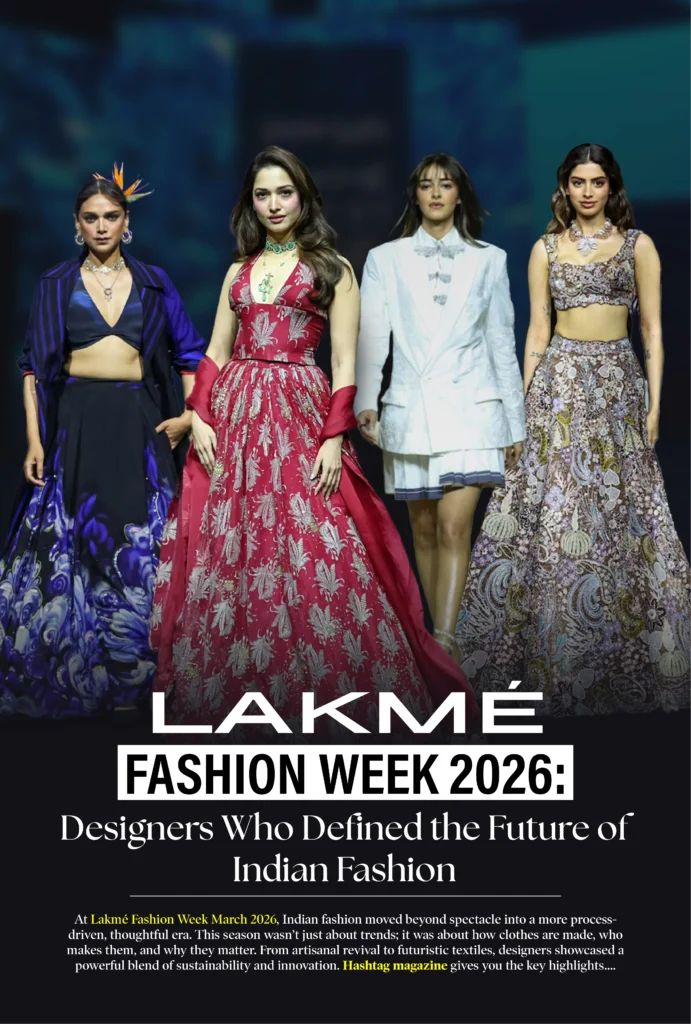
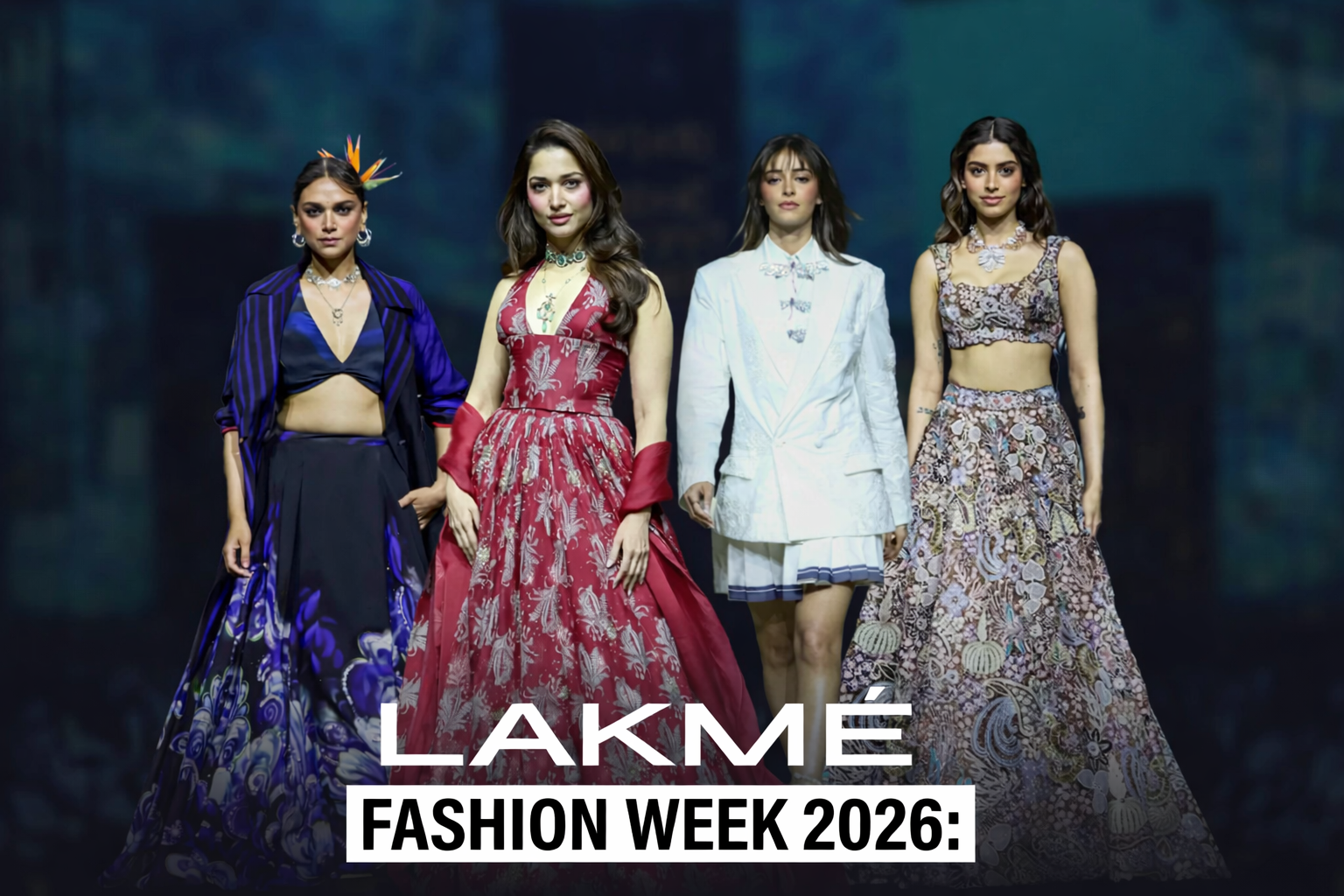
At Lakmé Fashion Week March 2026, Indian fashion moved beyond spectacle into a more process-driven, thoughtful era. This season wasn’t just about trends; it was about how clothes are made, who makes them, and why they matter. From artisanal revival to futuristic textiles, designers showcased a powerful blend of sustainability and innovation. Hashtag magazine gives you the key highlights
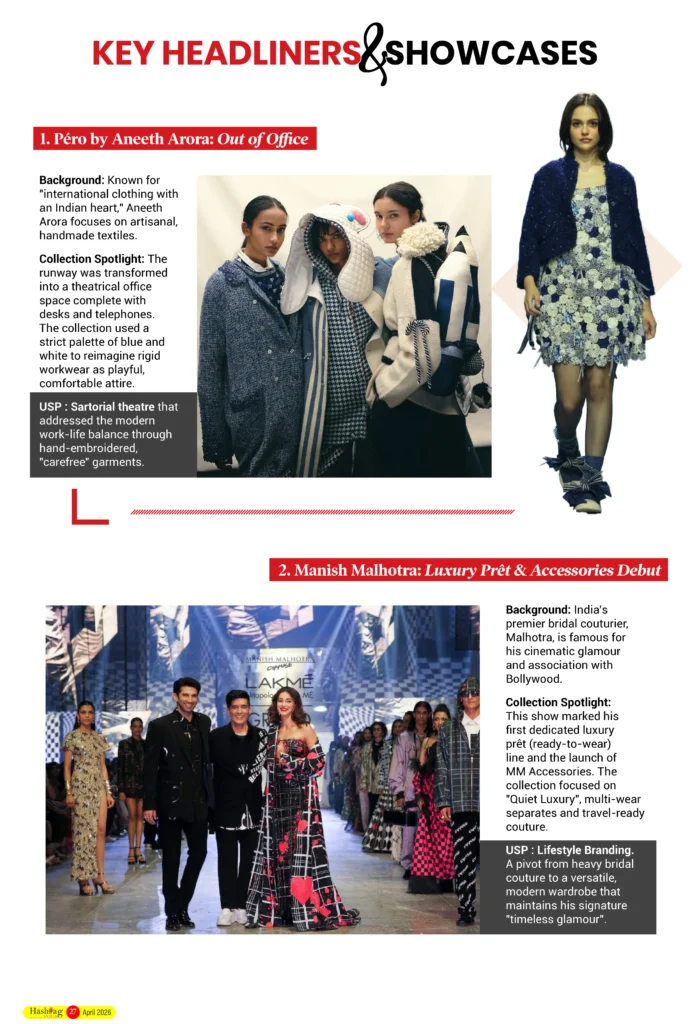
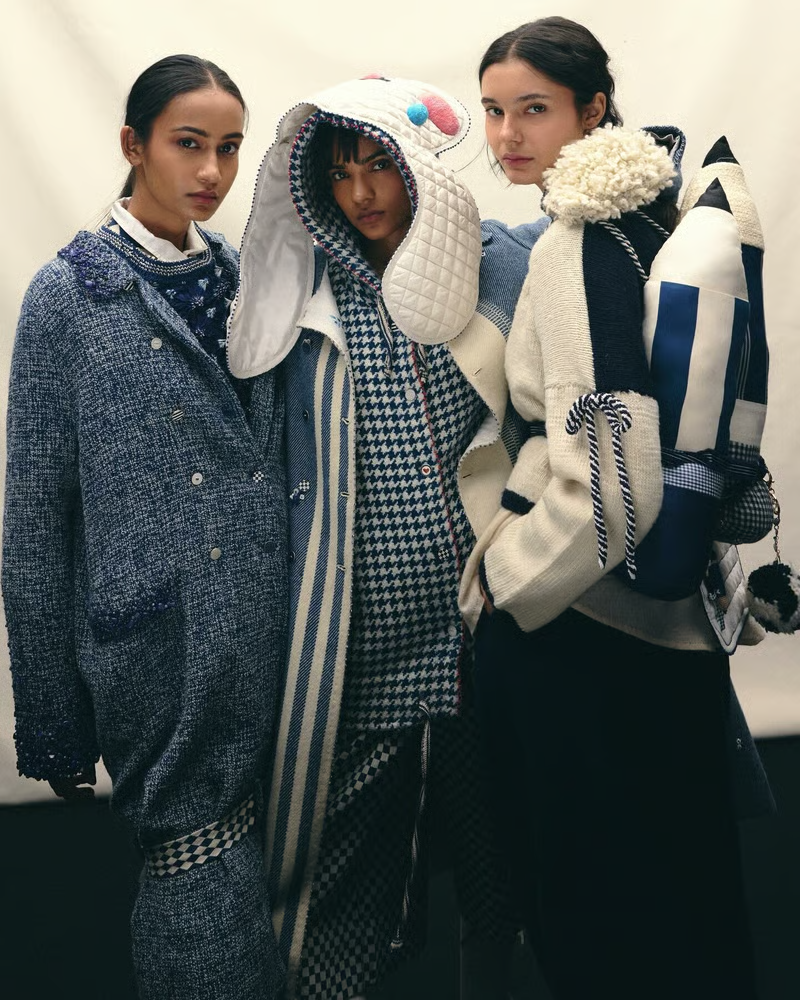
Péro by Aneeth Arora: Out of Office
Background: Known for “international clothing with an Indian heart,” Aneeth Arora focuses on artisanal, handmade textiles.
Collection Spotlight: The runway was transformed into a theatrical office space complete with desks and telephones. The collection used a strict palette of blue and white to reimagine rigid workwear as playful, comfortable attire.
USP: Sartorial theatre that addressed the modern work-life balance through hand-embroidered, “carefree” garments.
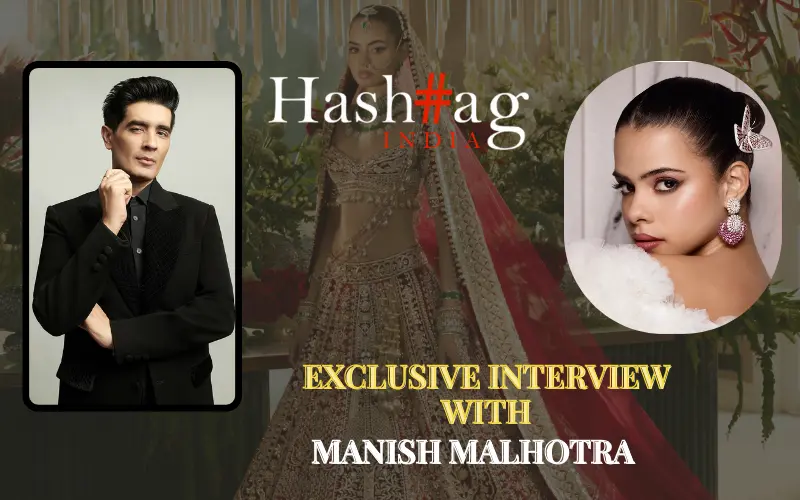
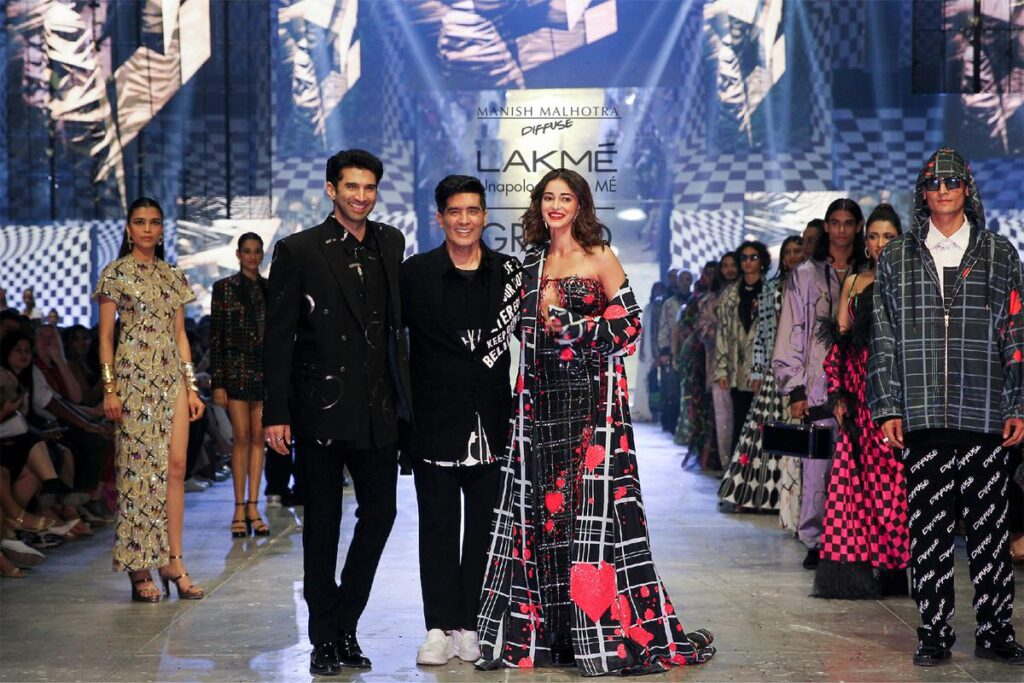
Manish Malhotra: Luxury Prêt & Accessories Debut
Background: India’s premier bridal couturier, Malhotra, is famous for his cinematic glamour and association with Bollywood.
Collection Spotlight: This show marked his first dedicated luxury prêt (ready-to-wear) line and the launch of MM Accessories. The collection focused on “Quiet Luxury”, multi-wear separates and travel-ready couture.
USP: Lifestyle Branding. A pivot from heavy bridal couture to a versatile, modern wardrobe that maintains his signature “timeless glamour”.
AFEW by Rahul Mishra: White Gold
Background: Mishra is a global pioneer in sustainable luxury and was the first Indian to win the International Woolmark Prize.
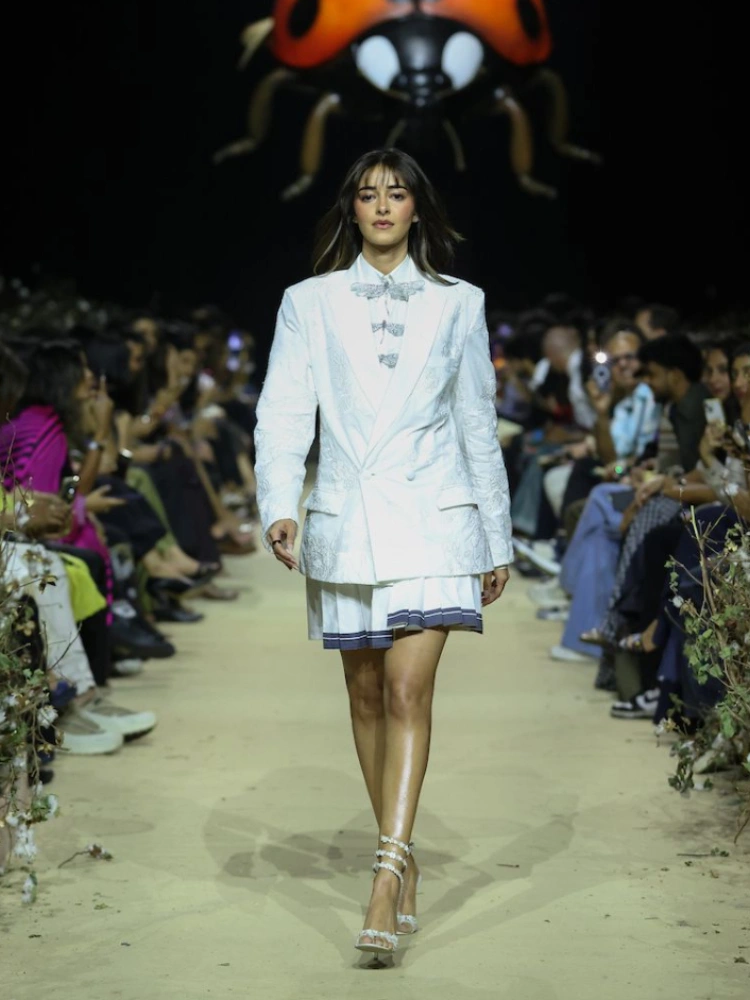
Collection Spotlight: In partnership with SUPIMA, this collection explored the ecology of cotton. Motifs included dragonflies, marigolds, and insects, all hand-embroidered on fine cotton and Chanderi weaves.
USP: “Cotton into Couture.” Repositioning humble cotton as a high-luxury fibre through artisanal density and a quieter, more restrained aesthetic.
Amit Aggarwal: Orizon
Background: A master of structured, architectural fashion who uses recycled materials and signature metallic polymer strips.
Collection Spotlight: In collaboration with Indriya Jewels, Aggarwal presented Orizon, inspired by light as a transformative force. It featured sculptural silhouettes in Banarasi weaves paired with heritage Polki jewellery.
USP: Illuminated Structure. The seamless integration of futuristic, engineered garments with traditional Indian heritage jewellery.
- Background: Satya Paul is legendary for its bold, narrative prints.Aditi Rao Hydari
stepped in as the brand’s Co-Creative Director.
- Collection Spotlight: The collection merged the brand’s iconic dragonfly and floral motifs with modern layering like sheer bomber jackets and trench coats.
- USP: Celebrity Authorship. Moving beyond a celebrity showstopper to true design collaboration, creating a “lived-in elegance” that transitions from daywear to occasionwear.
Background: Known for her craft-rooted aesthetic and effortless silhouettes, Pratap often draws from personal nostalgia and nature.
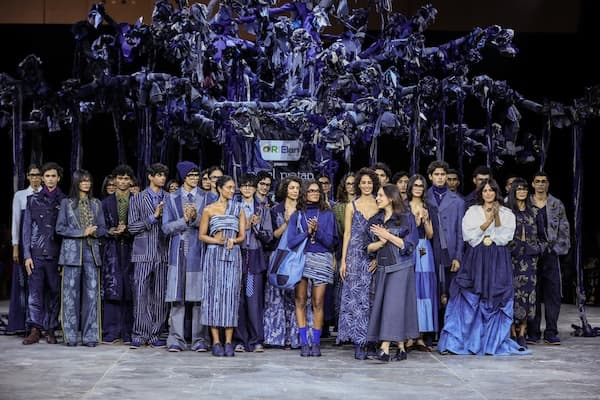
Collection Spotlight: This was her first-ever all-denim collection. Using sustainable R|Elan fabrics, she treated denim as a “living canvas,” featuring cyanotype-inspired botanical prints and “fossil-like” floral impressions.
USP: The transformation of rugged denim into poetic, archival garments through intricate handwork and sustainable textile technology.
Kartik Research: India Runway Debut
Background: Founded by Kartik Kumra in 2021, the label is celebrated globally for restoring “humanness” to clothing through direct collaboration with local artisans.
Collection Spotlight: Marking his first-ever show in India, Kumra used Bhujodi khadi, Rabari embroidery, and hand knitting from Almora. The silhouettes were clean and tailored but finished with layered textures and patchwork.
USP: A “quiet, introspective energy” that successfully positioned traditional Indian craft within a modern, global menswear context.
Anamika Khanna: AK|OK
Background: An industry veteran and the first Indian woman to showcase at Paris Fashion Week, Khanna is a master of blending Indian craft with global silhouettes.
Collection Spotlight: Her opening night showcase featured the White Gold collection, celebrating 20 years of her label. It introduced fluid drapes, tropical prints, and a major foray into fluid menswear.
USP: “Democracy” in design and experience, featuring a seating plan that gave every guest a front-row view and clothes designed to blur gender boundaries.
Aisha Rao: Inter-Hana
Background: Based in Hyderabad, Rao is recognised for her maximalist approach to colour and intricate surface design.
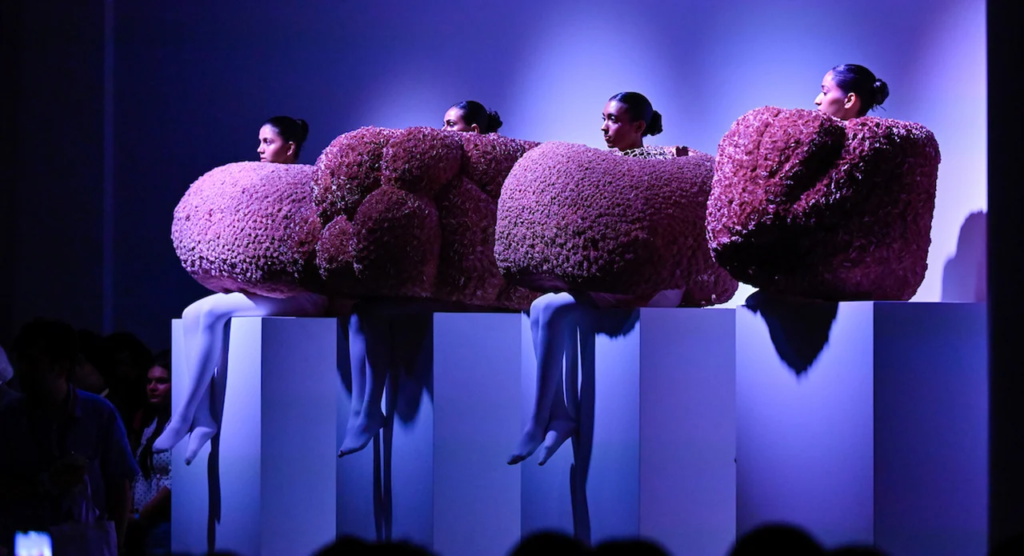
Collection Spotlight: Inspired by Japanese artist Fumi Imamura, the collection blended Japanese minimalism with Indian craft. It featured an in-house developed “engineered mesh” that mimicked floral textures.
USP: The concept of “in-betweenness,” where structural interdependence meets soft, detailed floral motifs in a high-glam, maximalist format.
Bhumika Sharma: Afterglow
Background: Sharma is known for her romantic, feminine aesthetic that often features vintage-inspired prints and modern luxury tailoring.
Collection Spotlight: A showcase of modern femininity featuring romantic textures and subtle prints. The collection focused on dreamy, ethereal qualities intended for high-glamour occasions.
USP: The juxtaposition of sculptural forms with heritage-style luxury, creating a “vintage romance” feel for the contemporary woman.
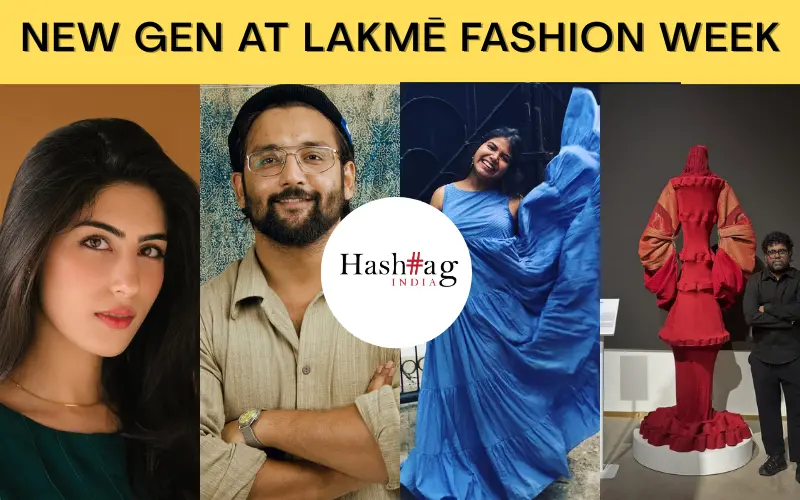
GenNext: The Class of 2026–Emerging & Special Showcases
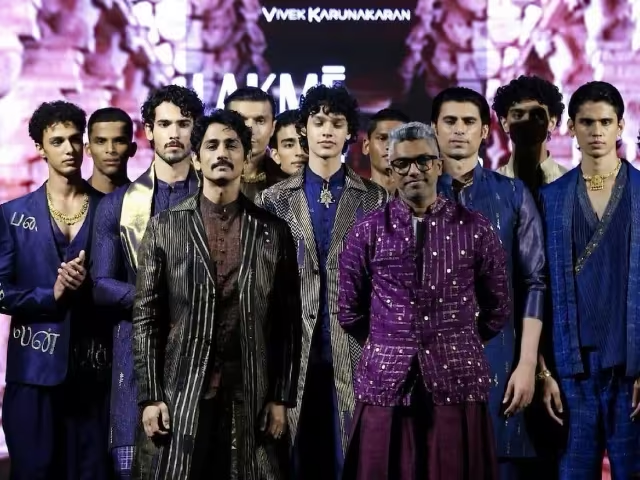
The Boys Club”: Dedicated Menswear Showcase
Background: A curated segment featuring four distinct brands: Countrymade, Dhruv Vaish, Sahil Aneja, and Vivek Karunakaran.
Collection Spotlight: The showcase moved menswear away from “wedding wear” into utility-chic and relaxed tailoring. Countrymade used military-inspired silhouettes with hand-stitched detailing, while Vivek Karunakaran focused on “fluid luxury” using lightweight linens and silks.
USP: The “New Masculinity.” A focus on gender-fluid silhouettes and high-utility garments that bridge the gap between street style and luxury.
Navdhara Khadi: Modernising the Freedom Fabric
Background: A collaborative showcase by the Khadi and Village Industries Commission (KVIC) featuring veteran designers Samant Chauhan, Shruti Sancheti, and Pawan Sachdeva.
Collection Spotlight: Each designer reinterpreted Khadi (hand-spun cotton). Samant Chauhan used his signature embroidery on raw khadi silks, while Pawan Sachdeva created structured, sporty khadi jackets.
USP: Textile Versatility. Proving that Khadi is not just a “political” fabric but a high-fashion textile capable of structured tailoring and intricate evening wear.
Circular Design Challenge (CDC): Winner – CRCLE
Background: A global award recognising designers who incorporate circularity (recycling, upcycling, and ethical sourcing) into their core business model.
Collection Spotlight: CRCLE presented a collection entirely made from pre-consumer textile waste and deadstock fabrics, transformed into high-concept outerwear.
USP: Radical Transparency. Every garment featured a QR code that allowed buyers to track the source of the recycled materials and the artisans involved.
Major Takeaways: What We Learned
The Democratisation of Luxury (Ready-to-Wear Over Couture)
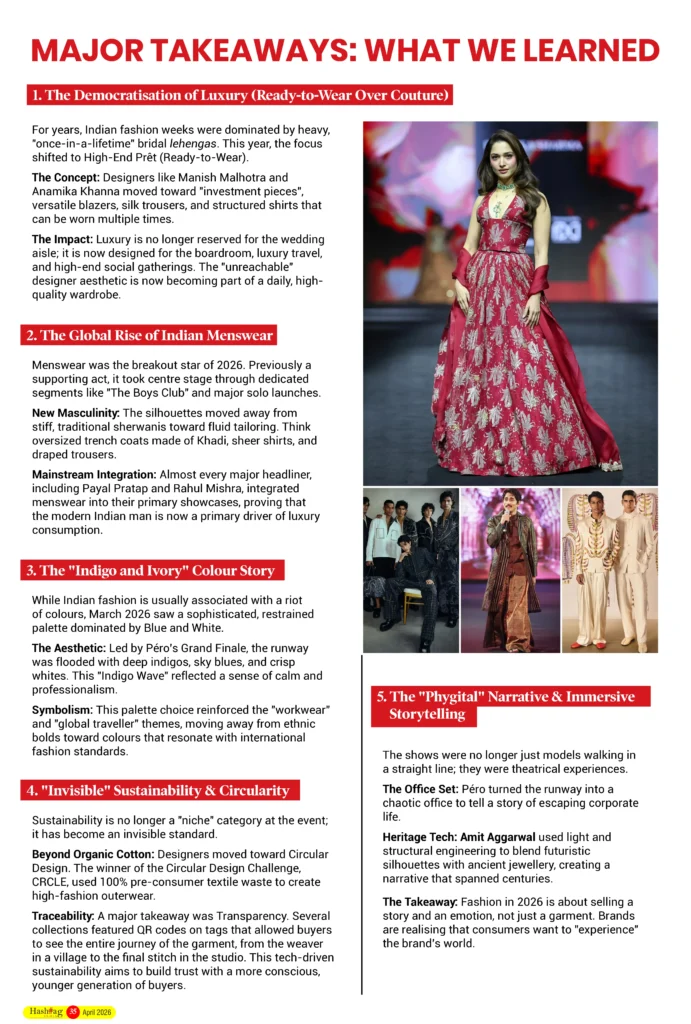
For years, Indian fashion weeks were dominated by heavy, “once-in-a-lifetime” bridal lehengas. This year, the focus shifted to High-End Prêt (Ready-to-Wear).
The Concept: Designers like Manish Malhotra and Anamika Khanna moved toward “investment pieces”, versatile blazers, silk trousers, and structured shirts that can be worn multiple times.
The Impact: Luxury is no longer reserved for the wedding aisle; it is now designed for the boardroom, luxury travel, and high-end social gatherings. The “unreachable” designer aesthetic is now becoming part of a daily, high-quality wardrobe.
The Global Rise of Indian Menswear
Menswear was the breakout star of 2026. Previously a supporting act, it took centre stage through dedicated segments like “The Boys Club” and major solo launches.
New Masculinity: The silhouettes moved away from stiff, traditional sherwanis toward fluid tailoring. Think oversized trench coats made of Khadi, sheer shirts, and draped trousers.
Mainstream Integration: Almost every major headliner, including Payal Pratap and Rahul Mishra, integrated menswear into their primary showcases, proving that the modern Indian man is now a primary driver of luxury consumption.
The “Indigo and Ivory” Colour Story
While Indian fashion is usually associated with a riot of colours, March 2026 saw a sophisticated, restrained palette dominated by Blue and White.
The Aesthetic: Led by Péro’s Grand Finale, the runway was flooded with deep indigos, sky blues, and crisp whites. This “Indigo Wave” reflected a sense of calm and professionalism.
Symbolism: This palette choice reinforced the “workwear” and “global traveller” themes, moving away from ethnic bolds toward colours that resonate with international fashion standards.
“Invisible” Sustainability & Circularity
Sustainability is no longer a “niche” category at the event; it has become an invisible standard.
Beyond Organic Cotton: Designers moved toward Circular Design. The winner of the Circular Design Challenge, CRCLE, used 100% pre-consumer textile waste to create high-fashion outerwear.
Traceability: A major takeaway was Transparency. Several collections featured QR codes on tags that allowed buyers to see the entire journey of the garment, from the weaver in a village to the final stitch in the studio. This tech-driven sustainability aims to build trust with a more conscious, younger generation of buyers.
The “Phygital” Narrative & Immersive Storytelling
The shows were no longer just models walking in a straight line; they were theatrical experiences.
The Office Set: Péro turned the runway into a chaotic office to tell a story of escaping corporate life.
Heritage Tech: Amit Aggarwal used light and structural engineering to blend futuristic silhouettes with ancient jewellery, creating a narrative that spanned centuries.
The Takeaway: Fashion in 2026 is about selling a story and an emotion, not just a garment. Brands are realising that consumers want to “experience” the brand’s world.