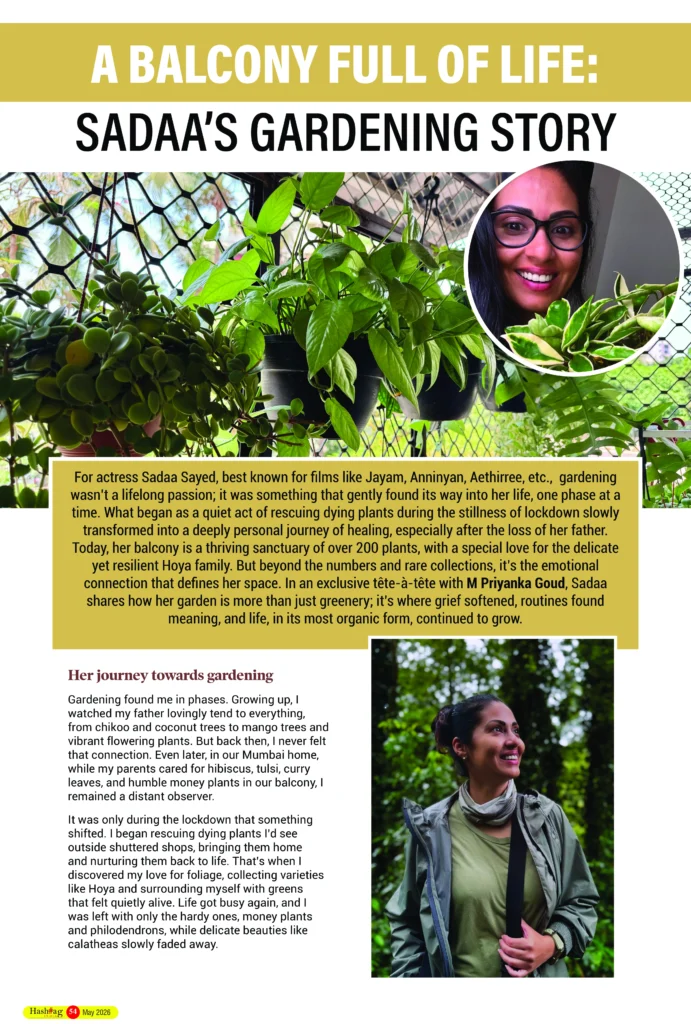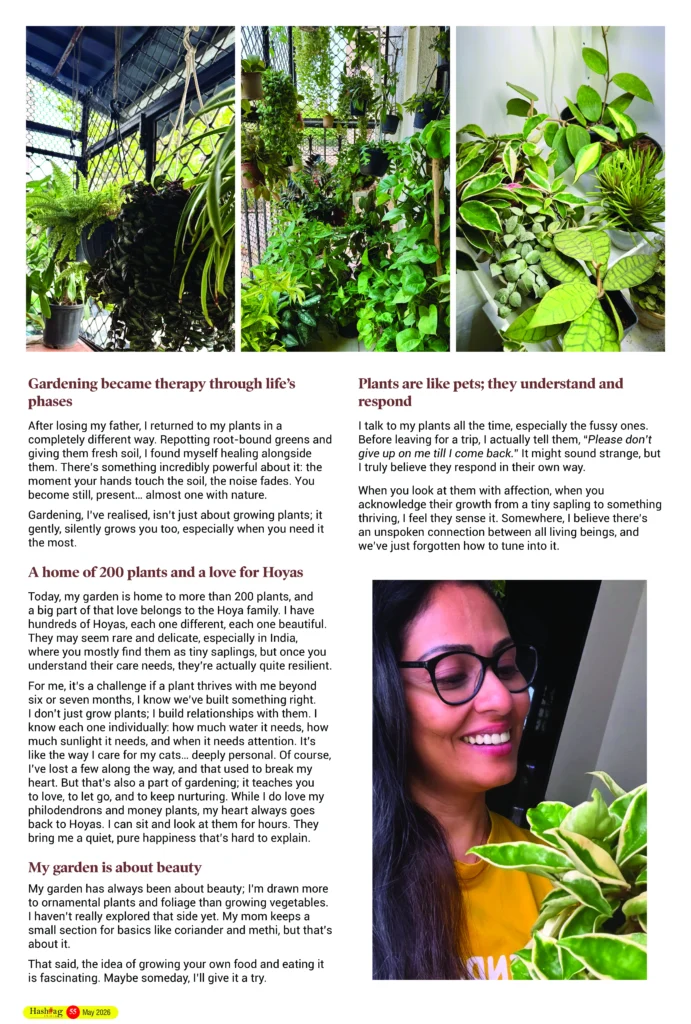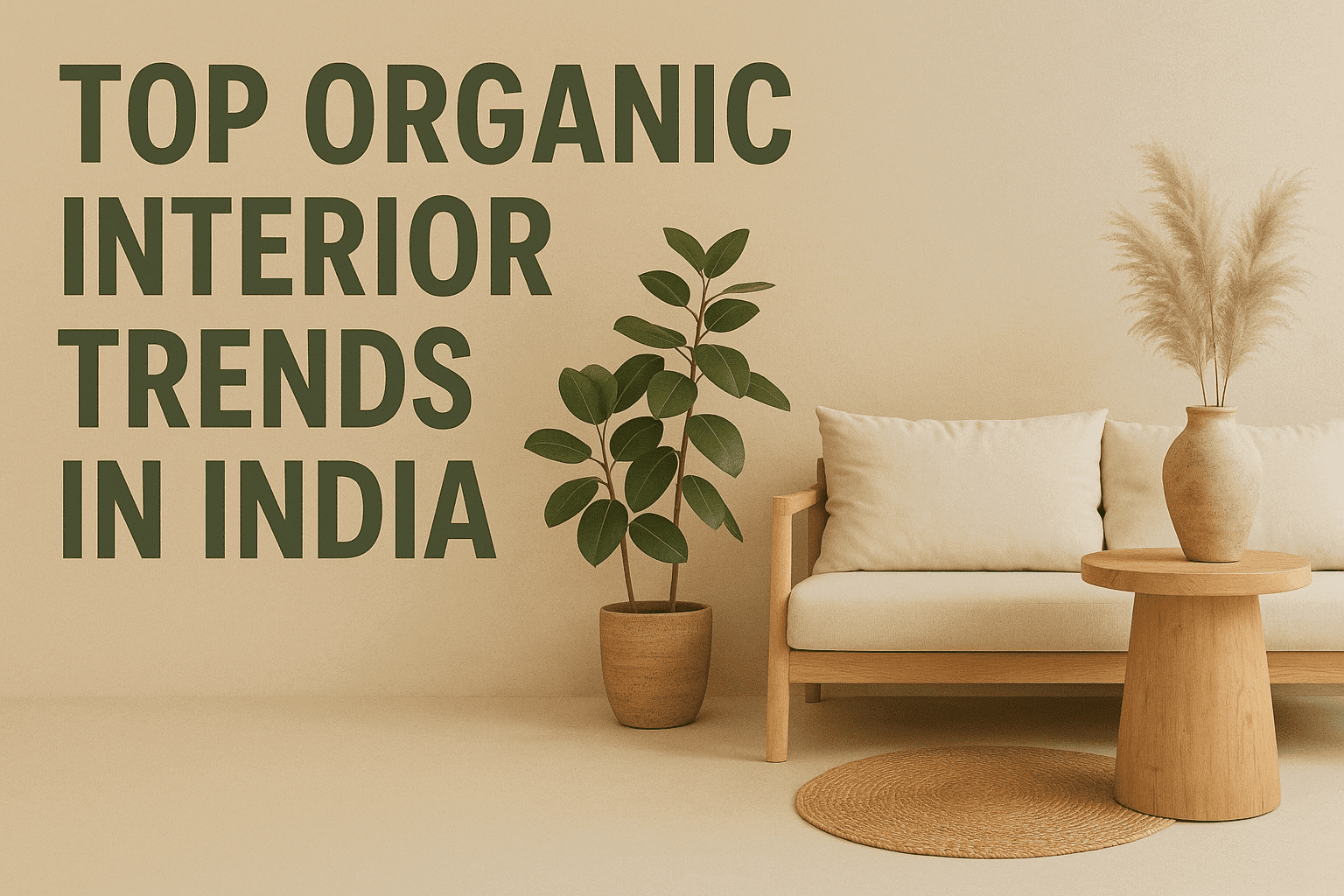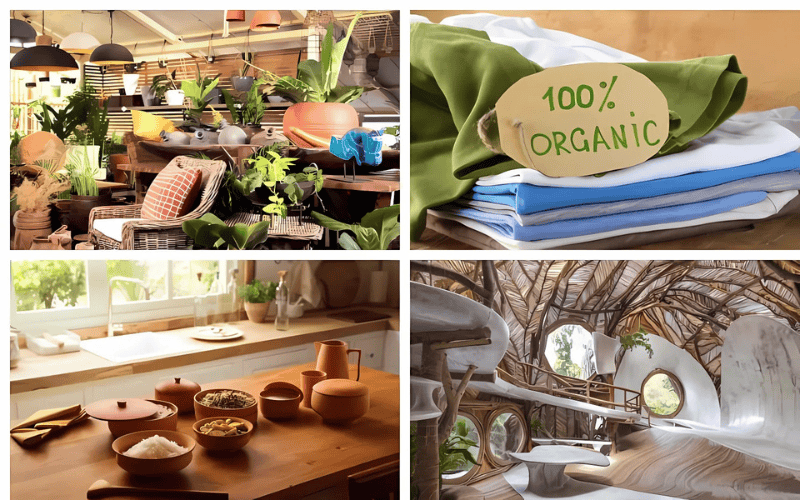
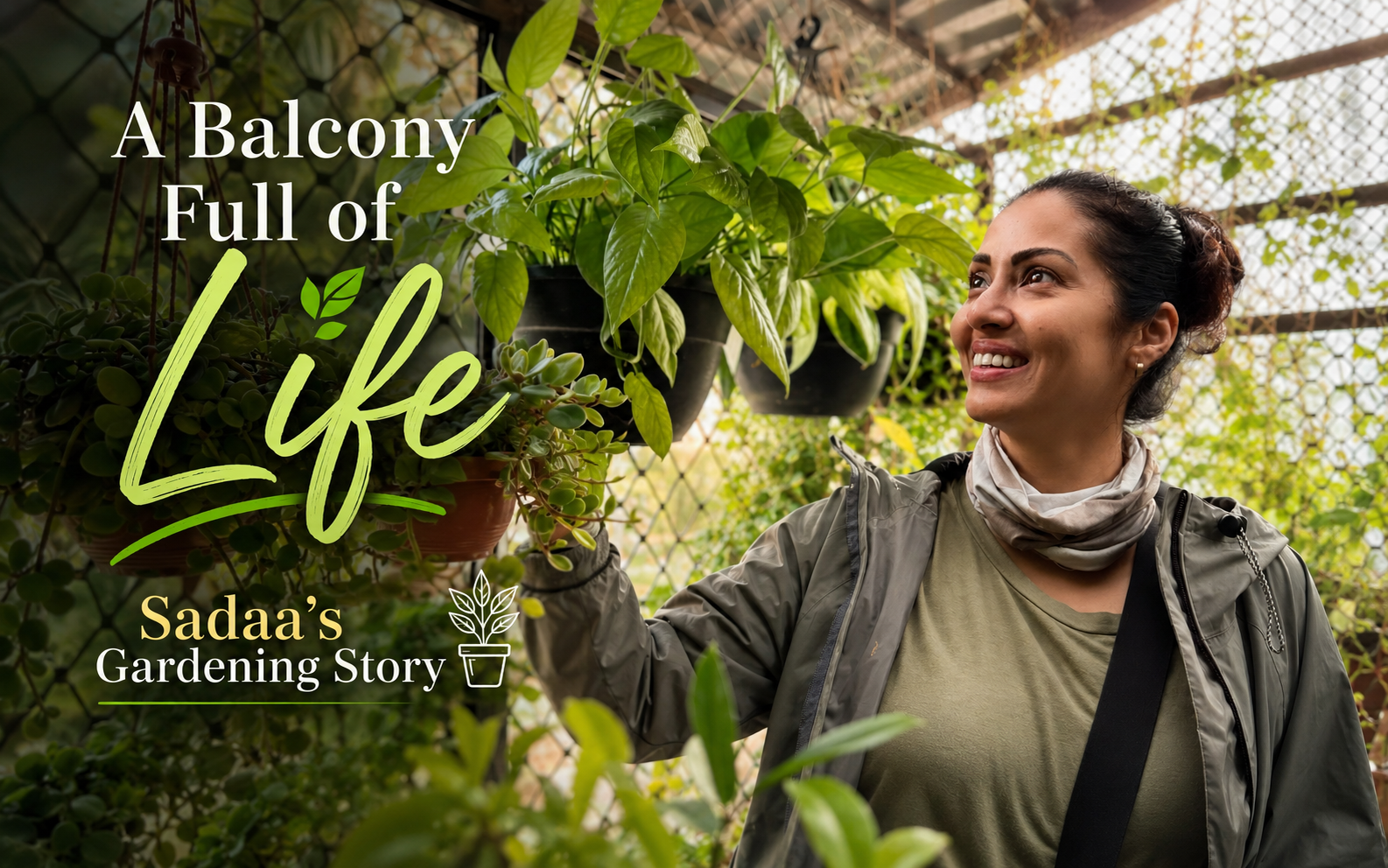
For actress Sadaa Sayed, best known for films like Jayam, Anninyan, Aethirree, etc., gardening wasn’t a lifelong passion; it was something that gently found its way into her life, one phase at a time. What began as a quiet act of rescuing dying plants during the stillness of lockdown slowly transformed into a deeply personal journey of healing, especially after the loss of her father. Today, her balcony is a thriving sanctuary of over 200 plants, with a special love for the delicate yet resilient Hoya family. But beyond the numbers and rare collections, it’s the emotional connection that defines her space. In an exclusive tête-à-tête with M Priyanka Goud, Sadaa shares how her garden is more than just greenery; it’s where grief softened, routines found meaning, and life, in its most organic form, continued to grow.”
Her journey towards gardening
Gardening found me in phases. Growing up, I watched my father lovingly tend to everything, from chikoo and coconut trees to mango trees and vibrant flowering plants. But back then, I never felt that connection. Even later, in our Mumbai home, while my parents cared for hibiscus, tulsi, curry leaves, and humble money plants in our balcony, I remained a distant observer.
It was only during the lockdown that something shifted. I began rescuing dying plants I’d see outside shuttered shops, bringing them home and nurturing them back to life. That’s when I discovered my love for foliage, collecting varieties like Hoya and surrounding myself with greens that felt quietly alive. Life got busy again, and I was left with only the hardy ones, money plants and philodendrons, while delicate beauties like calatheas slowly faded away.
Gardening became therapy through life’s phases
After losing my father, I returned to my plants in a completely different way. Repotting root-bound greens and giving them fresh soil, I found myself healing alongside them. There’s something incredibly powerful about it: the moment your hands touch the soil, the noise fades. You become still, present… almost one with nature. Gardening, I’ve realised, isn’t just about growing plants; it gently, silently grows you too, especially when you need it the most.
A home of 200 plants and a love for Hoyas
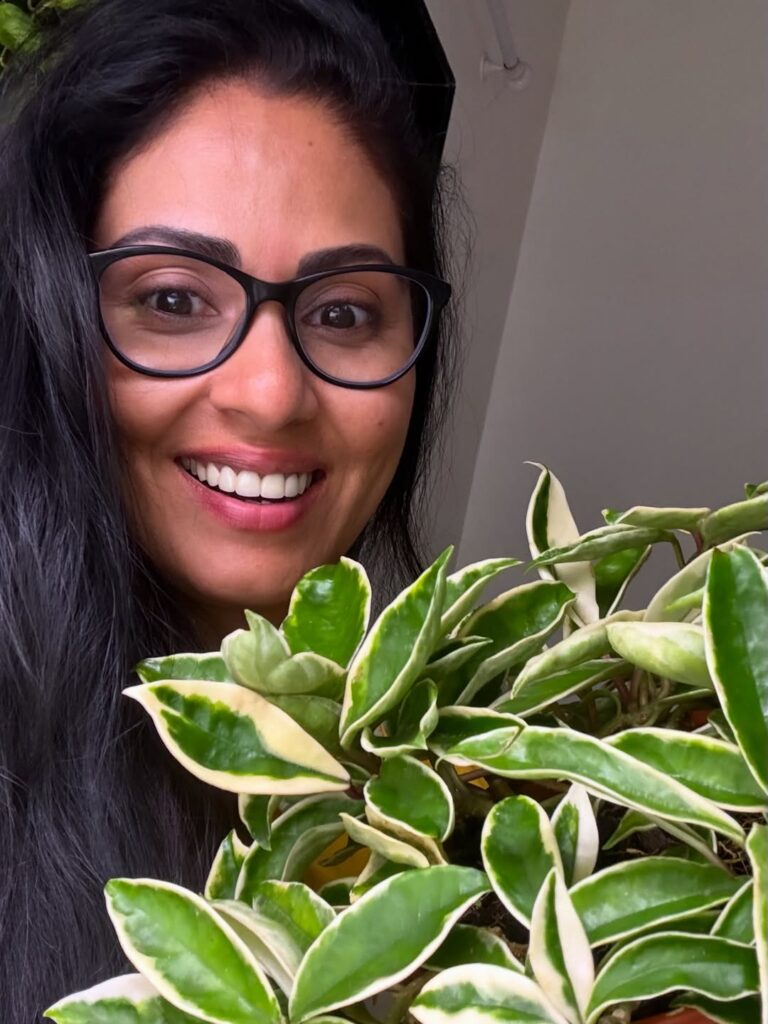
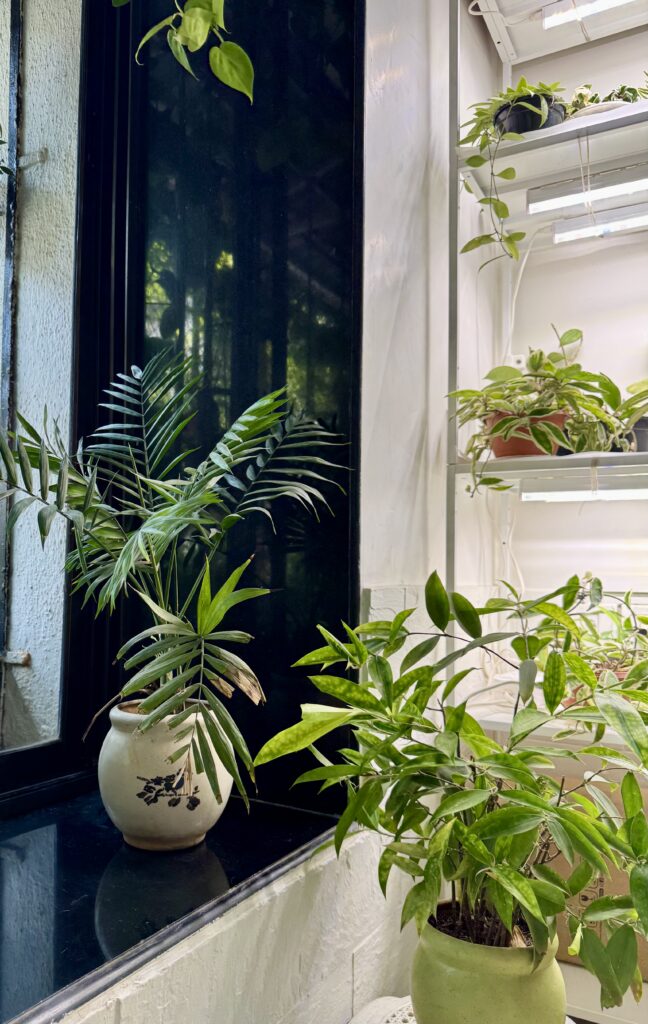
Today, my garden is home to more than 200 plants, and a big part of that love belongs to the Hoya family. I have hundreds of Hoyas, each one different, each one beautiful. They may seem rare and delicate, especially in India, where you mostly find them as tiny saplings, but once you understand their care needs, they’re actually quite resilient.
For me, it’s a challenge if a plant thrives with me beyond six or seven months, I know we’ve built something right. I don’t just grow plants; I build relationships with them. I know each one individually: how much water it needs, how much sunlight it needs, and when it needs attention. It’s like the way I care for my cats… deeply personal. Of course, I’ve lost a few along the way, and that used to break my heart. But that’s also a part of gardening; it teaches you to love, to let go, and to keep nurturing. While I do love my philodendrons and money plants, my heart always goes back to Hoyas. I can sit and look at them for hours. They bring me a quiet, pure happiness that’s hard to explain.
My garden is about beauty
My garden has always been about beauty; I’m drawn more to ornamental plants and foliage than growing vegetables. I haven’t really explored that side yet. My mom keeps a small section for basics like coriander and methi, but that’s about it.
That said, the idea of growing your own food and eating it is fascinating. Maybe someday, I’ll give it a try.
Plants are like pets; they understand and respond
I talk to my plants all the time, especially the fussy ones. Before leaving for a trip, I actually tell them, “Please don’t give up on me till I come back.” It might sound strange, but I truly believe they respond in their own way. When you look at them with affection, when you acknowledge their growth from a tiny sapling to something thriving, I feel they sense it. Somewhere, I believe there’s an unspoken connection between all living beings, and we’ve just forgotten how to tune into it.
My balcony is my safe space
I find myself going back to my balcony several times a day; it’s almost like a quiet ritual. I love watching how my plants transform with light. In the soft morning glow of my west-facing balcony, they feel calm and subtle, but as the sun sets, the same leaves come alive in the most beautiful way. Watering them has also become something I look forward to, usually around mid-morning or in the evening when everything feels still. That’s when I truly spend time with them.
Following sustainable practices in gardening
For me, gardening is as much about sustainability as it is about growing plants. I avoid chemical fertilisers, even though they’re effective, because they can harm the soil and eventually our water systems. Instead, I use organic options like seaweed, leaf compost, and neem; they’re gentler and work beautifully.
I’m also mindful of reducing waste. Instead of collecting more plastic pots, I reuse the ones I already have and usually ask for plants as root balls so I can repot them myself. Since I have cats at home, everything I use, even for pest control, is natural, like neem oil. Gardening, for me, is about living in harmony with your plants, your home, and the environment.
Tips to start gardening
Even in cities, anyone can have plants; it’s really about understanding light. If you have a bright window, you can create a small setup with plant racks or stools so they get a few hours of sunlight every day. If you’re a beginner, there are many easy options. ZZ plants and snake plants are incredibly forgiving; they can handle neglect and even prefer less watering. Money plants are another favourite, with beautiful green, white, and yellow variegated varieties.
The idea is simple: start small, choose the right plants for your space, and grow from there.