

Top 10 Herbs to grow at home

Top 10 Herbs to grow at home - Hashtag Magazine

Herbs can be used in anything. The kitchen isn’t complete without herbs, they carry distinct flavours to dishes, apart from a few herbs that are used for antiseptic purposes and to lower blood pressure. It is important to grow some medicinal herbs like tulsi, sage, and other herbs as well. Here is a list of some useful herbs to grow in your home backyard.

  • Tulsi:

Tulsi is an auspicious plant that is also known for its medicinal properties. A widely used herb in Indian cuisine that can be found in almost any garden is also known as Holy basil. Some of the medicinal benefits include aiding in blood sugar control due to its anti-bacterial and antioxidant properties and treating mental health issues and depression. Tulsi is a summer plant and requires it to be grown in sunny locations.
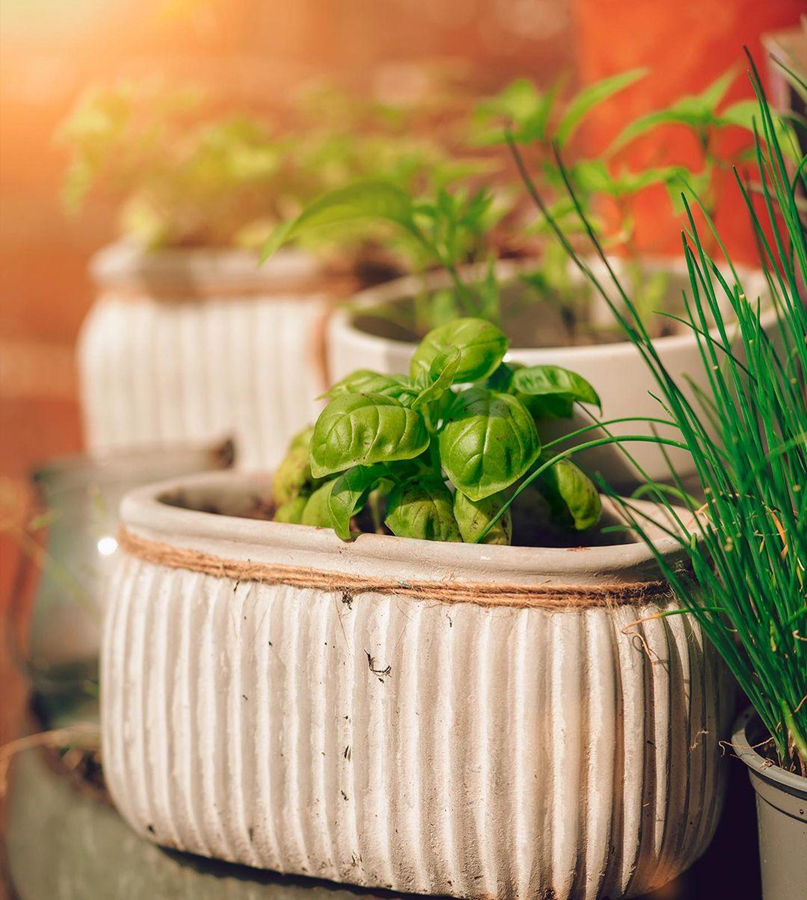
Best time to grow: Any time of the year

2. Turmeric: Turmeric is also called the Golden Spice. It is India’s most anti-inflammatory herb, which has numerous medicinal and biological properties. Turmeric can increase the antioxidant capacity in the body, and it increases the enzymes and protects your body from free radicals. Turmeric is an excellent healing agent for skin diseases, digestive problems, arthritis, pains, and wounds.
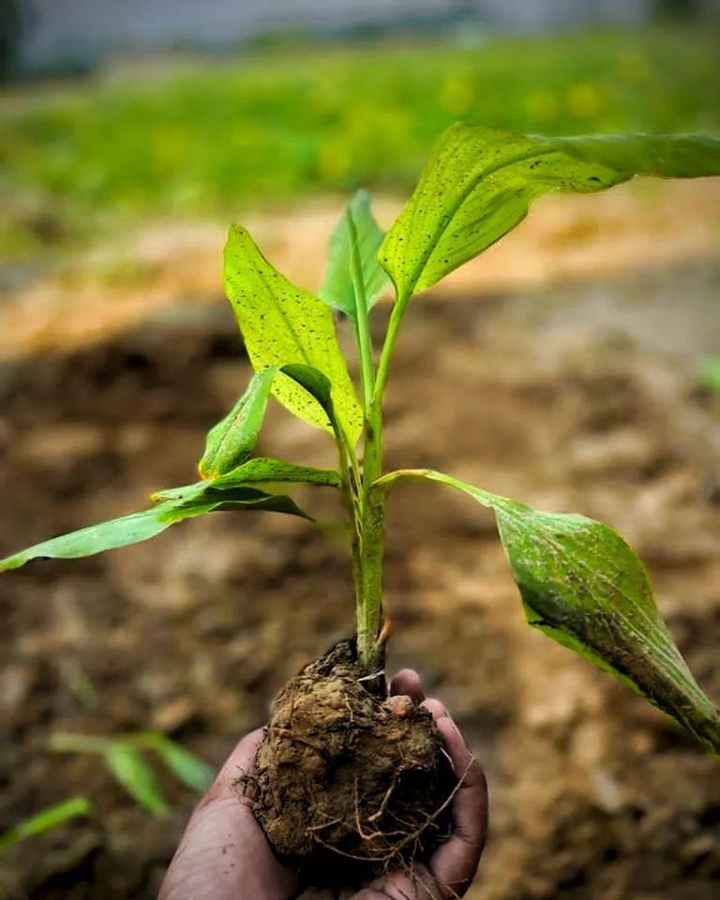
Best time to grow: September or October

3. Cinnamon- Cinnamon is a metabolism powerhouse. It increases metabolism, lowers cholesterol, and is good for people suffering from Type-2 diabetes. It is important to understand that cinnamon trees are native to tropical regions, and they grow wonderfully as outdoor plants. It takes utmost patience and care to grow cinnamon trees as they have a slow moderate growth rate.
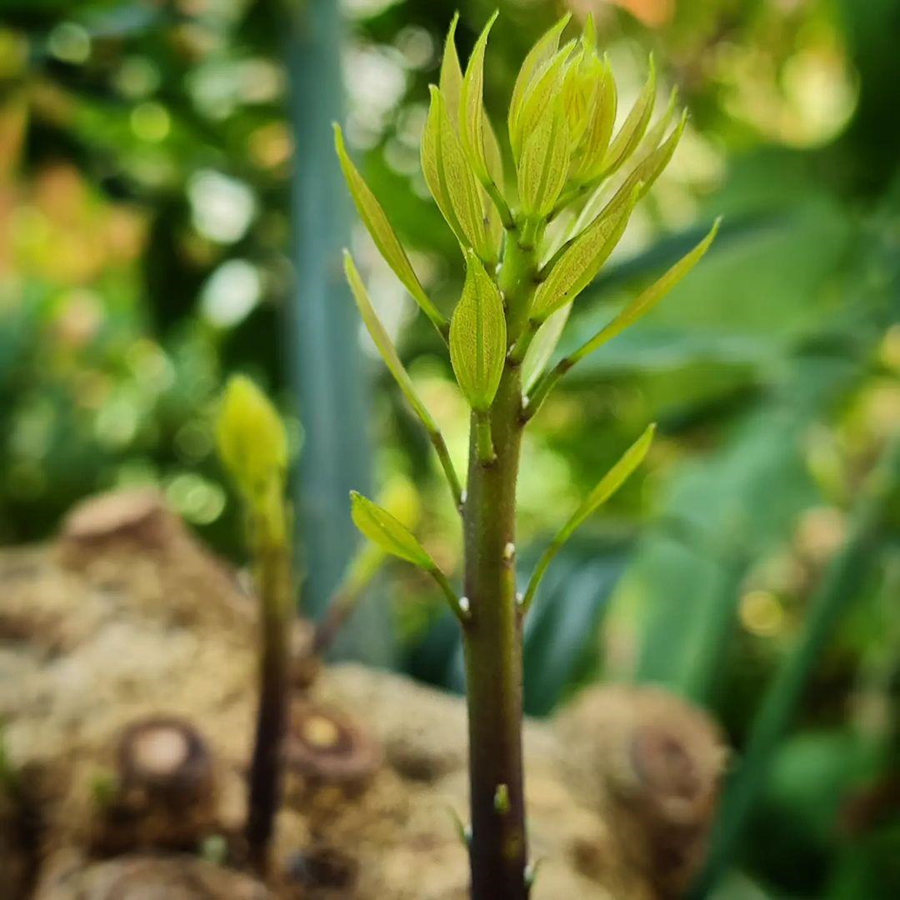
Best time to grow: Spring or Early Fall

4. Sage: Sage, a member of the mint family, has numerous health benefits. It can be used to improve memory as well as other mental functions. It also improves oral health and lowers bad cholesterol and blood sugar levels. Sage can be grown from stem cuttings and young plants from a garden centre. It takes at least three weeks for the seeds to sprout.
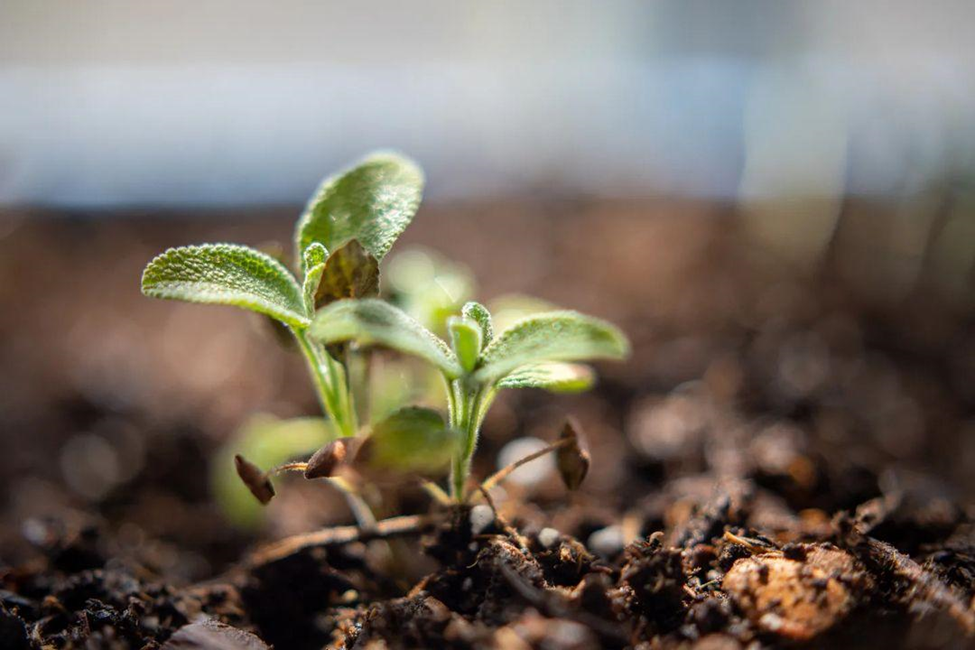
Best time to grow: Early Spring

5. Parsley: Parsley is a green leafy herb and is used as a garnish in food. Parsley is rich in antioxidants, minerals, and vitamins like A, C, and K. It prevents blood clotting and increases bone mineral density, and also lowers blood sugar levels in the body. Growing parsley takes quite some time as it is a slow-growing plant.
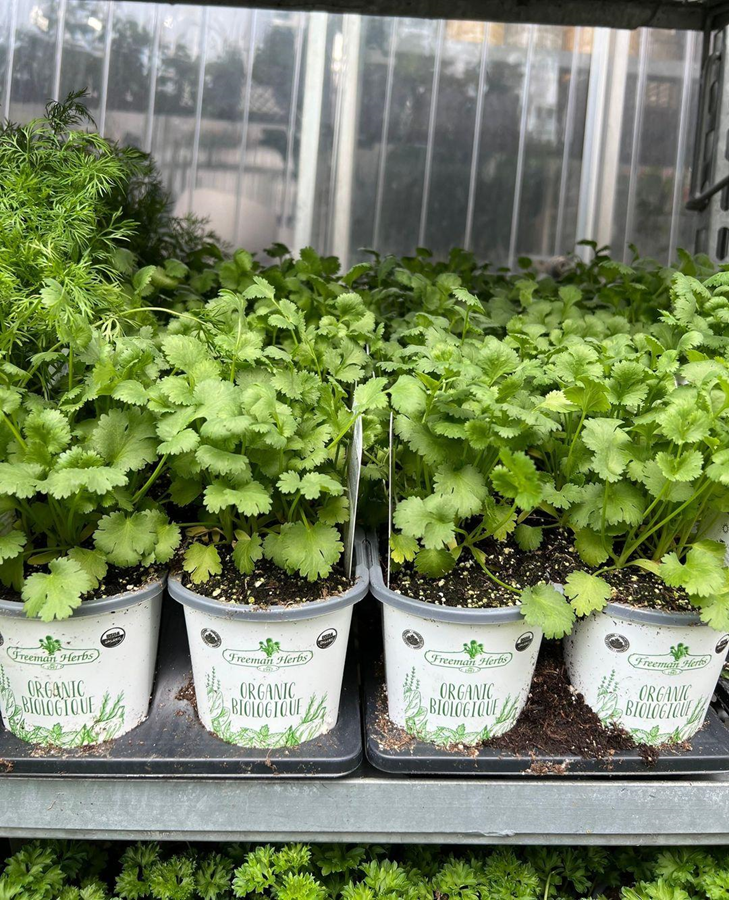
Best time to grow: Before Spring

6. Rosemary: Rosemary is a fragrant and potent mint family herb. Rosemary herb has numerous skin benefits and is high in vitamins A, B, C, and D, as well as calcium and iron. It boosts the immune system and improves blood circulation. Rosemary can be grown directly in pots, in the ground, or raised garden beds from stem cuttings at home.
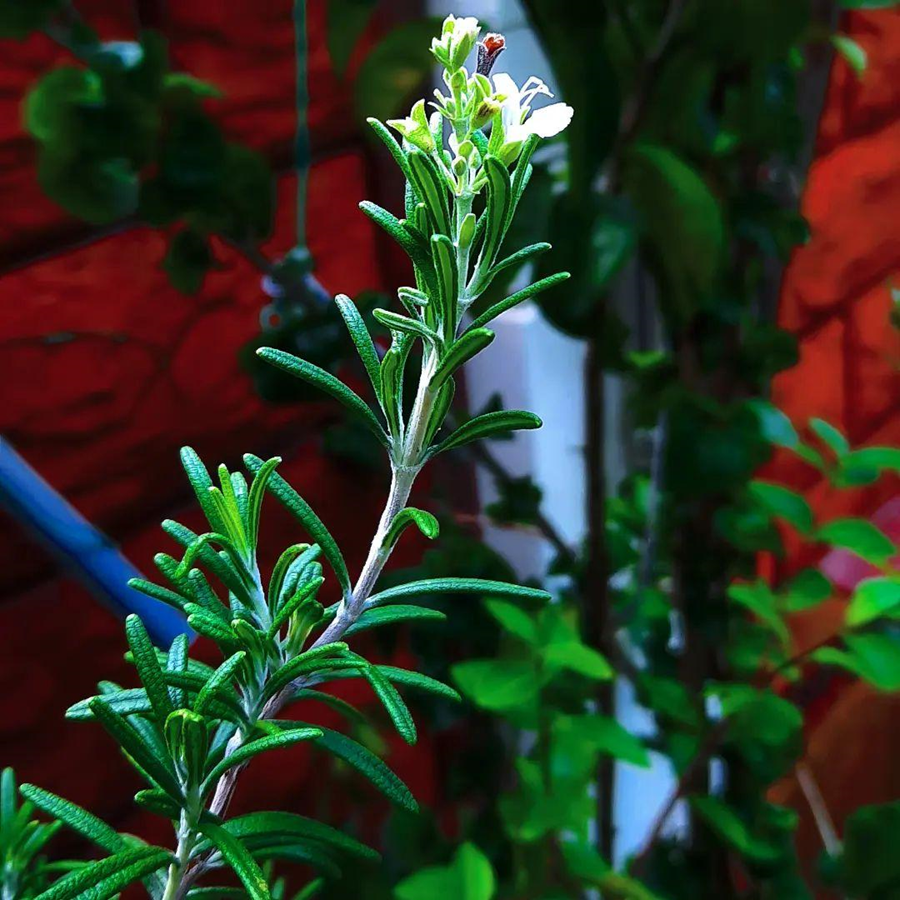
Best time to grow: Early Spring

7. Lemon Grass: Lemon Grass is widely used in tea, soups, and seafood. All you have to do is place the lemon grass stalks in a jar in a sunny spot to grow. Lemongrass helps in preventing the growth of some bacteria and yeast. It also helps to relieve pain, swelling, and fever and also improves levels of sugar in the blood.
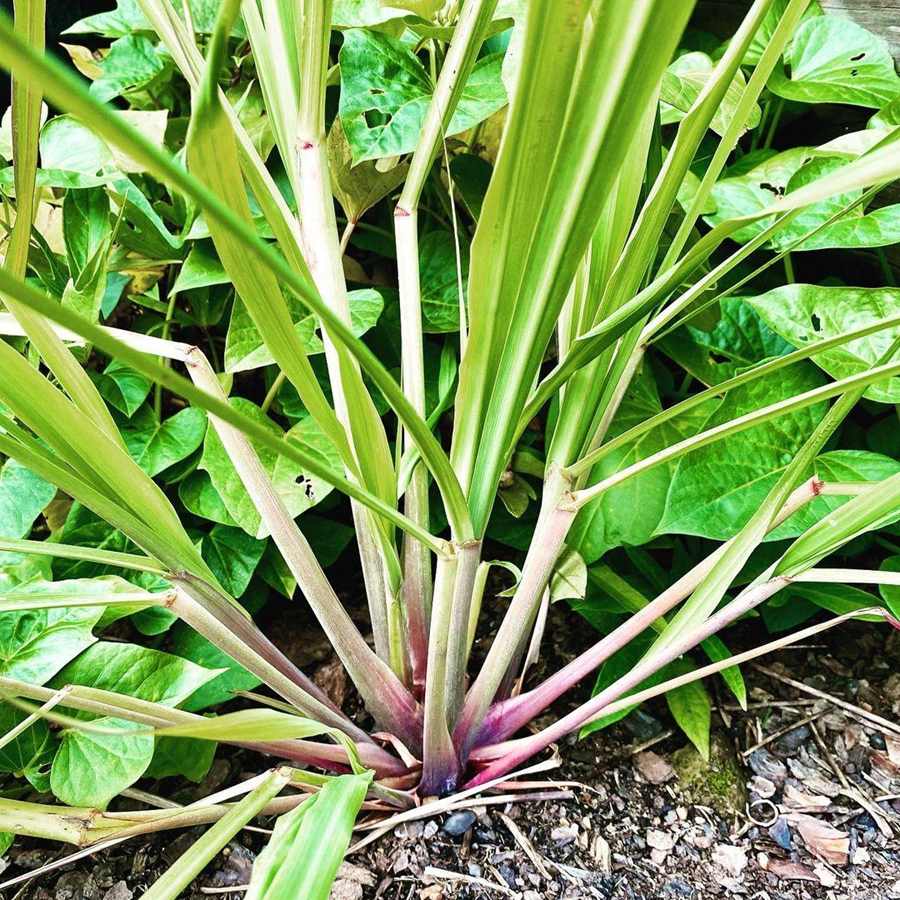
Best time to grow: Early Spring

8. Aloe Vera: Aloe Vera is one of the most common plants found in every garden that helps treat burns and soothes dry skin. It has many healthy plant compounds and has antioxidant and anti-bacterial properties, which accelerate wound healing, reduce dental plaque, improves skin, and prevent wrinkles.
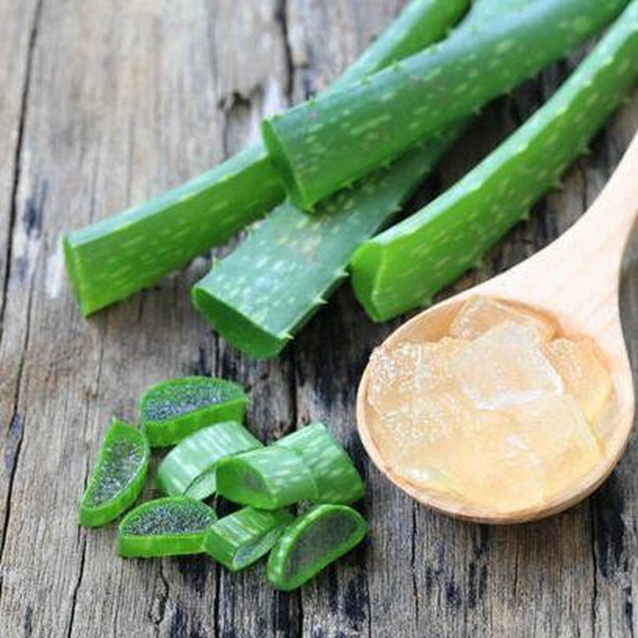
Best time to grow: Spring and Summer

9. Oregano: Oregano is a medicinal herb and is widely used in pizza, pasta, and salad. It works wonderfully on respiratory and urinary disorders and treats skin problems like acne and dandruff. Oregano contains anti-microbial and anti-inflammatory properties which relieve pain and improves gut health. This plant loves the sun, so ensure that it is grown under direct sunlight.
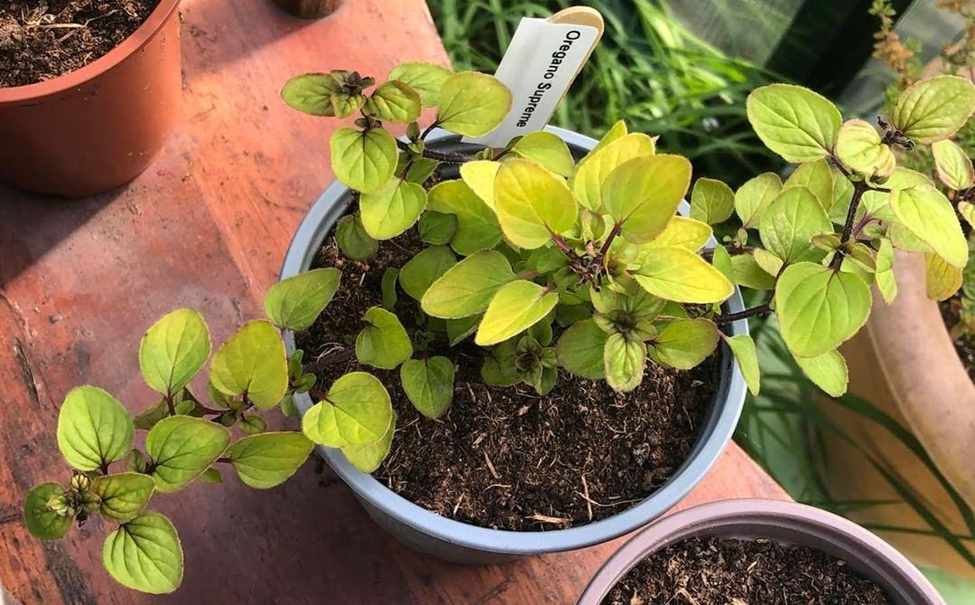
Best time to grow: April-July.

10. Cumin- Cumin also called Zeera, is a dried herb with antioxidant, anti-fungal, and anti-bacterial properties. Cumin helps in keeping your skin tight and moist for young and healthy skin. It also helps in proper digestion, and diabetes and improves blood cholesterol. This plant requires long care, and the seeds take four weeks to sprout.
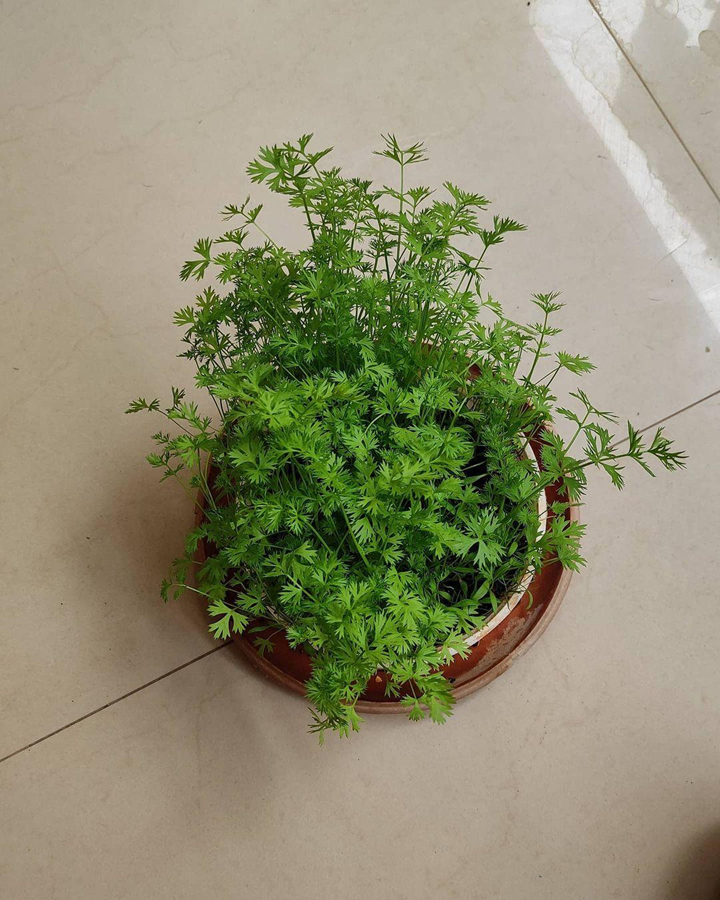
Best time to grow: Spring

Conclusion: These are a few herbs to grow in your home. Growing herbs can also be a cost-saving measure as you can add these herbs to your dishes to keep you and your family healthy. Most of the herbs need to be watered once or twice a day and make sure that they get good sunlight.


Leave a comment

Your email address will not be published. Required fields are marked *

Myth vs. Medicine: Skin Experts Bust the Biggest Beauty Beliefs

In an age of reels, trends, and skincare hacks, it’s harder than ever to separate beauty facts from fiction. Hashtag Magazine turned to dermatologists and skincare experts to decode what truly benefits your skin, and what belongs in the bin. Here’s the expert-approved truth your skin has been waiting for. Dr Anupriya Goel is an Aesthetic Dermatologist and Medical Director of Berkowits Hair and Skin Clinics. She is the author of the book, How to Get Glass Skin, published by Penguin House. She actively writes articles in medical journals and newspapers and has more than 20 million views on her YouTube videos. She is a National trainer of anti-ageing procedures like Botox, fillers and threadlift and an international trainer for hair growth treatments. Can climate and pollution directly affect skin health and trigger skin problems? Yes. Climate and pollution have a direct impact on skin health. Extreme temperatures, low humidity, and UV exposure can disrupt the skin barrier, leading to dryness, sensitivity, pigmentation, acne, and premature ageing. Pollution particles generate free radicals that increase oxidative stress, damage collagen, worsen inflammation, and aggravate conditions like acne, eczema, and melasma. Is it necessary to change skincare products when the seasons change? In many cases, yes. Skin needs change with the weather. During colder or drier months, the skin tends to lose moisture faster and may require richer moisturisers and gentler cleansers. In hot or humid seasons, lighter formulations, non-comedogenic products, and better oil control are often needed. Adjusting skincare helps maintain a healthy skin barrier year-round. Can a damaged skin barrier cause multiple skin issues at the same time? Absolutely. The skin barrier is essential for retaining moisture and protecting against irritants, allergens, and microbes. When it is compromised, the skin becomes more prone to dryness, redness, acne, sensitivity, infections, and flare-ups

New Year, New Goals: Fitness and Wellness Experts Reveal Their 2026 Focus

As 2026 begins, Hashtag Magazine speaks to fitness and wellness influencers to learn about their goals, routines, and trends for the year ahead. From mindful movement to holistic health, here’s how they plan to stay strong, balanced, and inspired. Mihir Jogh: Bringing Balance and Clarity through Yoga Mihir Jogh is a seasoned yoga teacher and founder of JogaShala, an online platform rooted in classical Hatha yoga and enriched with modern movement, mobility, and breath work practices. With over 15 years of teaching experience, Mihir is celebrated for his thoughtful sequencing, alignment focus, and ability to make yoga practical, grounding, and relevant to modern life. His work empowers people to find freedom in their bodies, clarity in their minds, and confidence in movement both on and off the mat. New Year’s Resolution for 2026–For 2026, Mihir plans to place self-care at the heart of his life. “This means prioritizing rest, sleep, and intentional travel, and allowing myself time to absorb each experience truly,” he explains. He is also returning to study in an ashram, approaching his own practice with humility and curiosity. Transformative Habits–He recommends a straightforward habit for overall well-being: a daily disconnect. Even a few minutes away from screens, notifications, and constant stimulation through quiet reflection, journaling, conscious breathing, or yoga, which can reset the nervous system and reconnect us with our inner rhythm. Yoga for Stress and Digital Fatigue–Mihir observes that people are turning to yoga not just for flexibility, but to cope with stress, burnout, and digital overload. “Yoga teaches us to slow down, breathe consciously, and respond instead of reacting,” he says. Simple practices like mindful movement, breath awareness, and strategic pauses help regulate the nervous system and cultivate resilience in an increasingly demanding world. Karina Trigubchak: Mindful Movement, Meaningful Strength Karina Trigubchak is a wellness

Ayurveda in the Modern Age: How India’s Ancient Science Is Going Global

Ayurveda is an ancient Indian system of medicine that focuses on achieving harmony between the body, mind, and spirit through natural methods such as diet, herbal remedies, and lifestyle adjustments. This “science of life” is moving far beyond its Indian origins to become a globally embraced approach to health, attracting millions who seek natural balance. The global market for Ayurvedic medicine and related services was estimated at $17.15 billion in 2024 and is projected to reach $85.83 billion by 2033, demonstrating explosive growth. This expansion reflects a global shift toward balanced, natural living. For example, Ayurveda views leisure as essential for well-being. Taking time for sports, socializing, or even playing the wonderland live casino game supports this balance, offering mental renewal through engaging experiences. As this philosophy spreads, it is reshaping health, beauty, and wellness worldwide, moving beyond purely allopathic approaches. Global Acceptance of Ayurvedic Practices The international community is increasingly recognizing Ayurveda as a viable complementary health system. Organizations around the world are taking steps to regulate and promote its use. For instance, the World Health Organization (WHO) has actively supported the development and regulation of traditional and complementary medicine globally. Official Recognition and Integration The integration of Ayurvedic principles into mainstream health systems is a major trend. Over 80 percent of the population across 170 countries reportedly use traditional medicine, including Ayurveda. Academic and clinical collaborations are also expanding. The acceptance is moving beyond simple acknowledgment into formal regulatory frameworks. Several Western nations now permit registered practitioners to operate legally: The United States National Institutes of Health recognizes Ayurvedic medicine as a form of complementary and alternative medicine. Five nations within the European Union formally recognize Ayurvedic therapy, acknowledging its therapeutic value. India established the Ministry of Ayush to promote education, research, and propagation of indigenous medicine systems

Bridal Beauty 2025: Trends, Tips & Timeless Looks for Modern Brides

In 2025, bridal beauty is all about achieving glowing skin, embracing individuality, and exuding timeless elegance. Celebrity makeup artist Bianca Louzado, known for her work with some of India’s most famous brides, shares her expert insights on the looks, palettes, and tips that are defining this year’s weddings. What’s the most significant bridal makeup trend of 2025? Fresh, luminous skin with a ‘your skin but better’ finish is dominating this year. Brides want understated elegance soft sculpting, creamy products, and light-reflecting highlights that create an ethereal glow. Brides are still inspired by celebrity weddings. “For Sanjana Ganesan at her wedding with Jasprit Bumrah, I created a fresh, skin-focused look that remains a favourite today. Kiara Advani’s dewy glow and Alia Bhatt’s romantic minimalism are also top references, while Priyanka Chopra’s modern-traditional fusion appeals to brides who want balance. For intimate and destination weddings, soft glam effortless, romantic looks are most popular. But in grand, multi-day North Indian celebrations, traditional glam with bold eyes and vibrant colours continues to shine. Colours & Palettes to Watch Warm peach, muted rose, soft corals Gold, champagne, and bronze shimmer for the eyes Matte berry lips for winter weddings Glossy nude lips for summer ceremonies How does destination wedding makeup differ by climate? Beach weddings: Lightweight, sweat-resistant products with SPF and minimal powdering. Cold climates: Rich hydration layers, creamy textures, subtle highlighter. Dry regions like Rajasthan: Matte long-wear bases with hydrating prep, warm earthy tones. Do’s & Don’ts for Brides See a dermatologist several months in advance and stick to a consistent skincare routine. Avoid experimenting with facials or new skincare products right before the big day. What mistakes do brides commonly make? Over-exfoliating, last-minute treatments, and ignoring the event’s lighting when finalizing looks. Lighting matters more than most people realize. If a trial is

You May Also Like

Connect with us