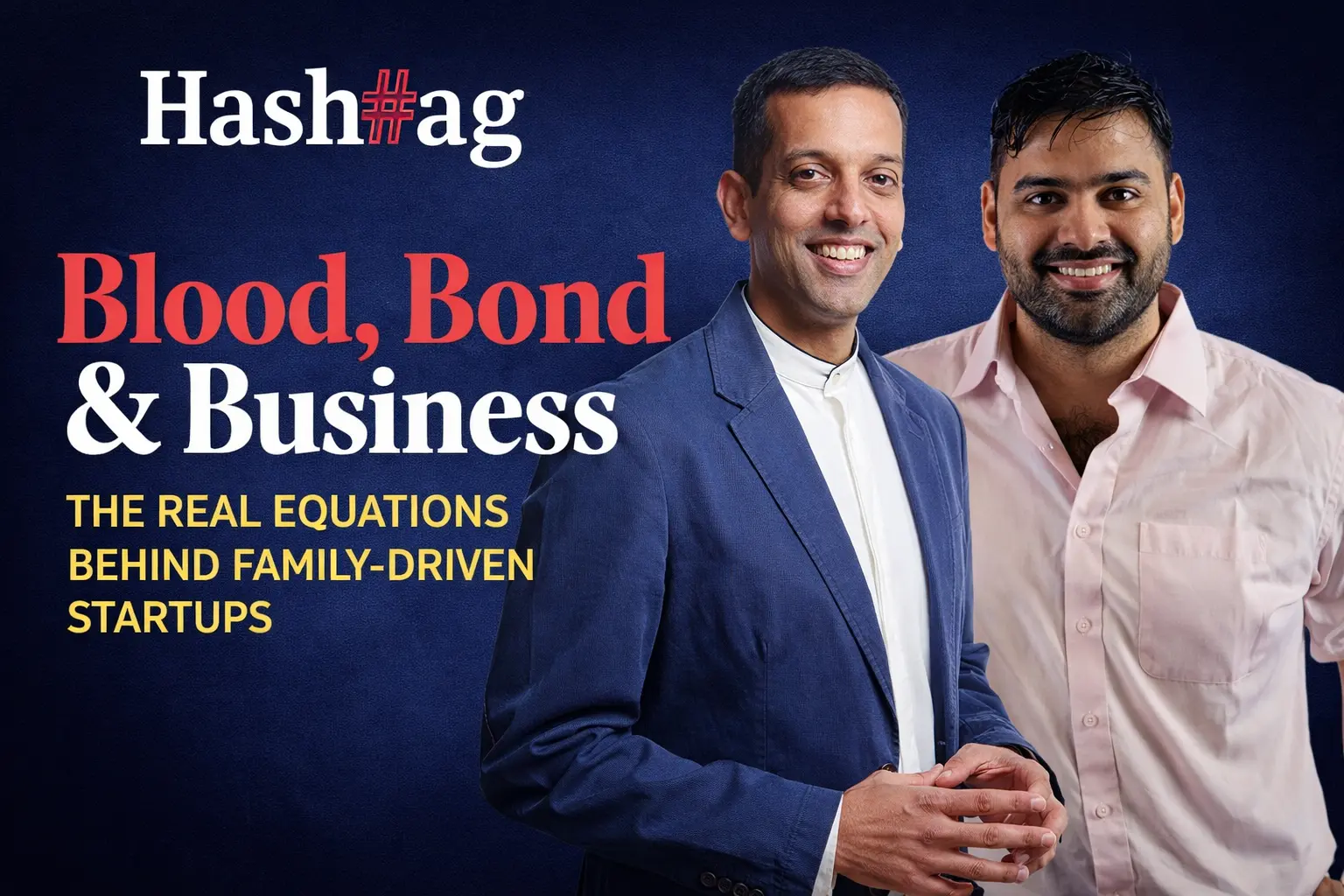
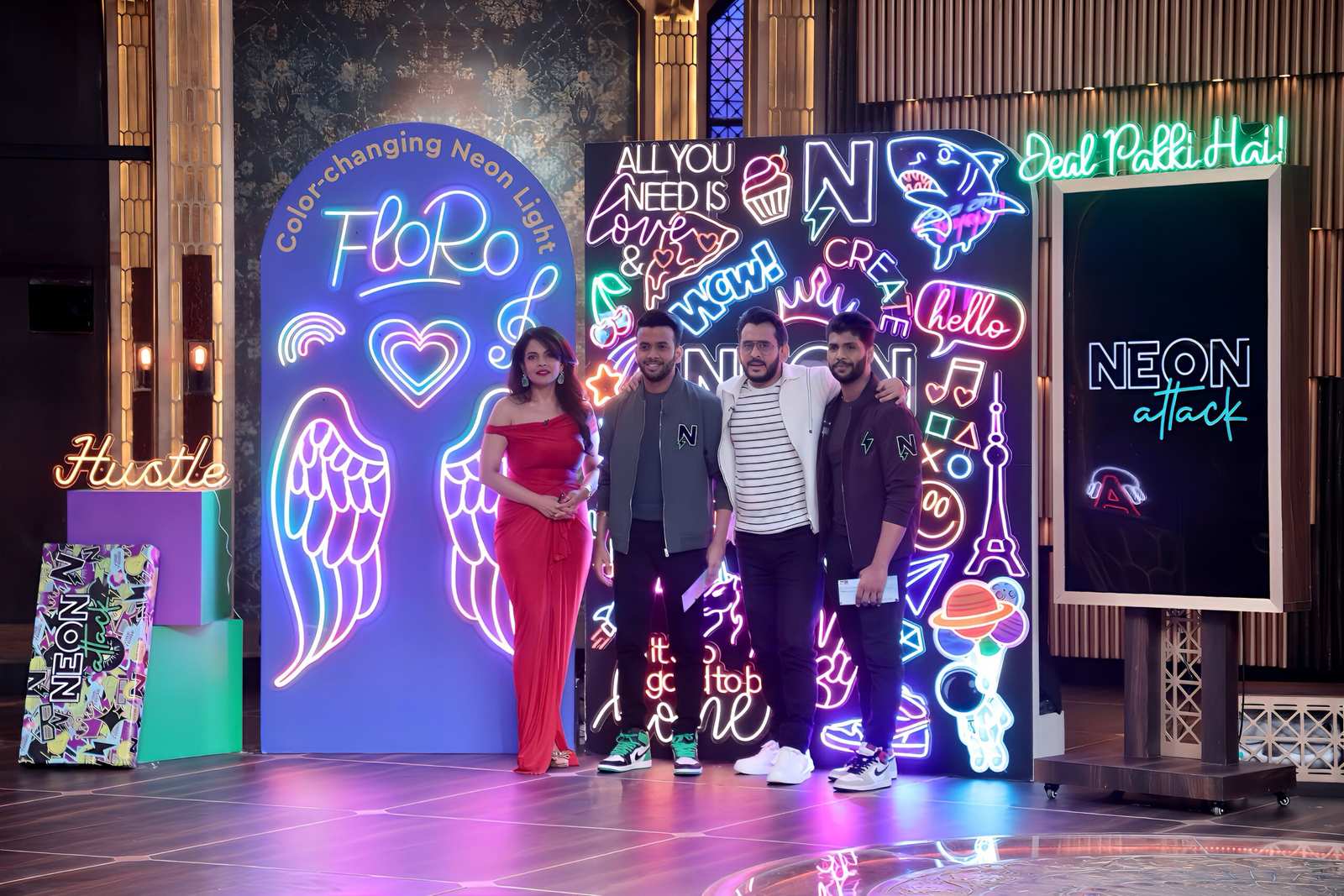
Neon Attack, founded amidst the 2020 pandemic, reflects the entrepreneurial drive of brothers Hardik (CEO) and Kartik Kedia (co-founder) at 24 and 26 years old, respectively. They embarked on a journey using Amazon’s e-commerce savvy with B2B marketing insights. Inspired by neon sign trends embraced by celebrities like Darshan Raval, Shivani Bafna, and Jhanvi Kapoor, their venture aimed to address market gaps. Join us as Surabhi Goel delves into the inspiring story of the founders of Neon Attack, the Kedia brothers, where passion, creativity, and entrepreneurship converge to illuminate the world with brilliance and style.
Hardik’s pursuit of a master’s at IE Business School in Spain added a global dimension to their efforts. With Hardik spearheading branding and marketing and Kartik managing operations, Neon Attack swiftly found its niche. As the brand gained organic traction, validating its product-market fit, it boldly launched its website in 2021. The duo’s dedication attracted the attention of Shark Tank India, where they secured funding from Aman Gupta and Namita Thapar. Neon Attack has since emerged as a trailblazer in India’s neon sign market, headquartered in Hyderabad. Offering bespoke neon signage with a focus on craftsmanship, hassle-free shipping, and a generous 1-year warranty, the brand has earned a stellar customer rating of 4.8. With a mission to revolutionize spaces with vibrant, high-quality neon creations, Neon Attack promises to elevate the ambiance of homes, offices, and events. Made in India with meticulous attention to detail, their neon signs offer a personalized touch through live previews on their website.
What motivated you to start Neon Attack and dive into the world of neon lights and technology?
Well, it all began during the pandemic in September 2020 when we found ourselves pondering how to make the most of our time. With backgrounds in e-commerce and marketing, why not make the most of this time and do something productive? You know, me and Kartik are constantly brainstorming on different ideas. When Kartik got married, and he was innovating his room, we always wanted to decorate this blank wall in our room. We didn’t want to paint or hang photo frames, so we thought, let’s do a neon sign. When we searched the market, we couldn’t find anyone making neon signs back then, so we decided to do it ourselves, like a DIY project. The final product was so good that we thought, why not turn this into a business? So we did, and Neon Attack was born.
Can you share a bit about your journey as an entrepreneur and any challenges you’ve faced with Neon Attack?
Our journey as entrepreneurs with Neon Attack has been a rollercoaster of experimentation and learning. We embraced a trial-and-error approach without supervision or mentorship, often burning our hands. Every challenge became a lesson, teaching us what not to repeat. E-commerce was vastly different then, making talent acquisition and collaboration a struggle. However, our insistence on quality and refusal to settle led us to where we are today. The growth has been phenomenal, from just the two of us to a team of over 30, managing multiple agencies and in-house manufacturing. Every obstacle has strengthened our resolve, shaping us into resilient entrepreneurs.
How does Neon Attack differentiate its neon lights from competitors, especially regarding design options and technological advancements?
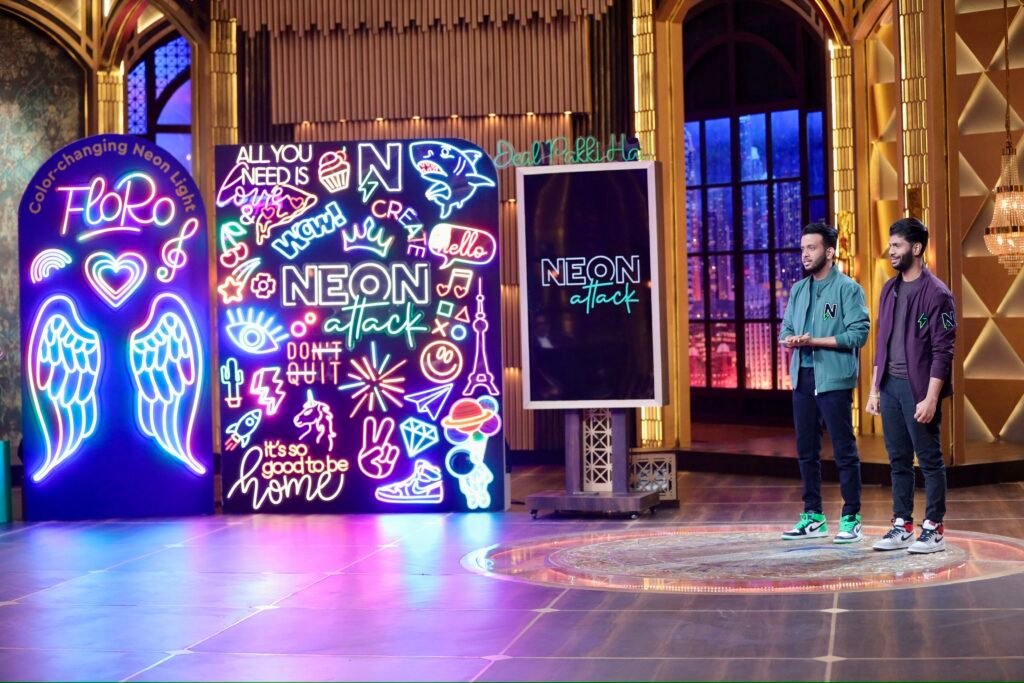
From the outset, Neon Attack strategically positioned itself as a premium brand, prioritizing quality over mass appeal. We differentiate based on brand identity, uncompromising quality, and exceptional service. Our focus on delivering the highest quality products to discerning customers and strategic partnerships with over 500 influencers and celebrities have solidified our position in the market. We understand the growing demand in India for premium products delivered conveniently to customers’ doorsteps, and we have capitalized on this niche. Our innovative products, such as ‘Floro’ and waterproof neon lights, have revolutionized the industry, further enhancing our brand reputation and setting us apart from competitors. This new technology of colour-changing lights with customization is one-of-its-kind in the world. The intelligent technology of 1 million colours and 200+ flow modes to the customized neon signs in India is creating a new revolution.
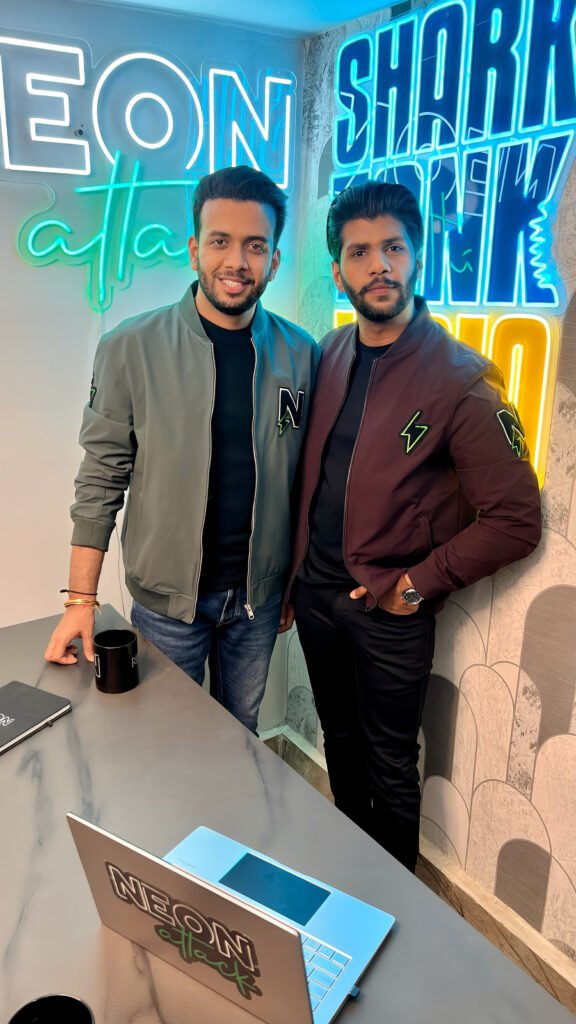
What inspired you to pitch your idea on Shark Tank and ultimately secure a deal with the sharks?
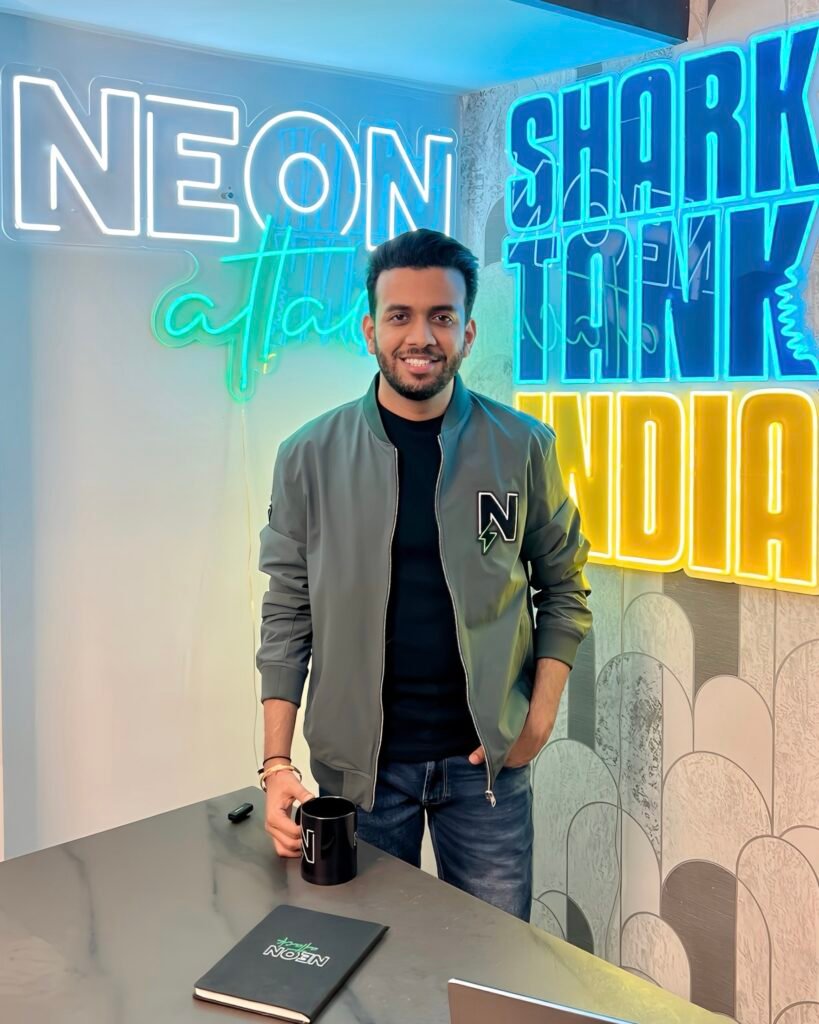
Karthik and I have been avid fans of Shark Tank since its inception, closely following its success in the US and when it aired in India. Despite our interest, we waited until we felt fully prepared to apply for Season 3. Even then, knowing the fierce competition, we approached the application process with utmost seriousness and dedication. With over two lakh applicants vying for limited spots, we understood the importance of standing out. Our meticulous planning and collaborative efforts, supported by a talented team of copywriters, designers, and strategists, contributed to our successful pitch to the sharks. It was a challenging yet rewarding journey, and we’re grateful for the opportunity to showcase our business on such a prestigious platform.
What do you find most rewarding about being an entrepreneur in the neon lighting business?
The most rewarding aspect of being entrepreneurs in the neon lighting business is the joy we bring to our customers. Seeing their satisfaction, glowing reviews, and excitement when they receive our products is genuinely fulfilling. While sales and growth are essential, genuine feedback and referrals from satisfied customers truly validate our efforts. Each neon sign we create has a unique story, and knowing that our creations hold special meaning for our customers adds immense value to what we do. Our mission is to illuminate their spaces and bring happiness into their lives, and seeing that mission fulfilled is incredibly rewarding.
Could you highlight any upcoming product launches or innovations that customers can look forward to from Neon Attack?
We’re excited about our upcoming product launches and innovations at Neon Attack. One of the developments we’re considering is the introduction of battery-operated neon signs, offering portability and versatility for various applications. BJP is handling election rallies with its mascots and logo. These signs would cater to the growing demand in the car accessories vertical, allowing customers to personalize their vehicles with unique neon designs. Additionally, we’re expanding our market reach by launching websites targeting international markets such as the US, UK, and Dubai.
Can you share any lessons or advice you have learned from the experience with the Neon Attack that might inspire other aspiring entrepreneurs?
Indeed, one of the most crucial lessons I’ve learned from Neon Attack is taking that first step. Many aspiring entrepreneurs are held back by fear or uncertainty, but you’ll never know if your idea will work unless you start. We began with minimal resources and no external funding, proving that you don’t need much money or a big team to get started. The key is to act and iterate as you go.
Another vital lesson is the significance of swift implementation. Instead of spending excessive time validating ideas, we trust our instincts and move forward rapidly. Overthinking can lead to missed opportunities and wasted time. By acting swiftly and continuously iterating, we’ve managed to stay ahead of the curve and adapt to changes effectively. So, my advice to aspiring entrepreneurs is simple: don’t let fear hold you back; start now, and don’t hesitate to implement your ideas swiftly.
Quick Takes
- What is your favourite travel destination, and how does it improve your work?
Before pursuing my master’s degree, I hadn’t travelled extensively, but the experience changed my perspective significantly. In Europe, the culture around travel is distinct from India; people prioritize vacations for creative inspiration and networking. Exploring diverse cultures and observing international work dynamics broadened my understanding, enabling me to establish valuable connections. Networking played a pivotal role; through my contacts, we secured a significant sales project in Spain where we did a whole wall with Neon signs. Europe’s diverse landscapes and cultures expanded my worldview, fostering creativity and strategic thinking crucial for business development.
- Who is your ideal entrepreneur, and why?
Rather than focusing on big names backed by extensive resources, I admire those who start from scratch and manage tasks efficiently.
Karthik particularly admires entrepreneurs like Piyush Bansal, who excel in customization, scaling, and global expansion—a path we aspire to follow in our journey.
- Is there any favourite book or podcast that shaped your journey with Neon Attack?
Hardik: I’m not much into books or podcasts, but Karthik spends his days immersed in them.
Karthik: Doglapan is one of my favourite books, along with Founder Office by Sarthak Ahuja, a mentor we frequently consult. As for podcasts, Raj Shamani’s Figuring Out and Ranveer Allahbadia, aka beer biceps, are invaluable for any founder.
- How do you balance work and personal life?
Balancing work and personal life is an ongoing challenge for us. One thing that helps is having our office on the ground floor and our living space above. This proximity allows us to take lunch breaks and spend time with family, but we’re still refining this balance.
- What hobbies do you enjoy outside of entrepreneurship?
Outside of entrepreneurship, we’re pretty family-oriented. During weekends, we enjoy exploring new places, trying different cuisines, and hanging out with friends. We love attending live music events, watching movies, and unwinding to chillax.