A food trail in the heart of Ahmedabad

A food trail in the heart of Ahmedabad (1)

Khavanu, pivanu, majja ni life! This is the mantra residents of Ahmedabad swear by! Whether they are catching up with friends, or a business meeting, shopping, or picking groceries, snacks and especially street snacks are looked forward to more than often and are the highlights of the day. KETKI GADRE goes on a lip-smacking journey…

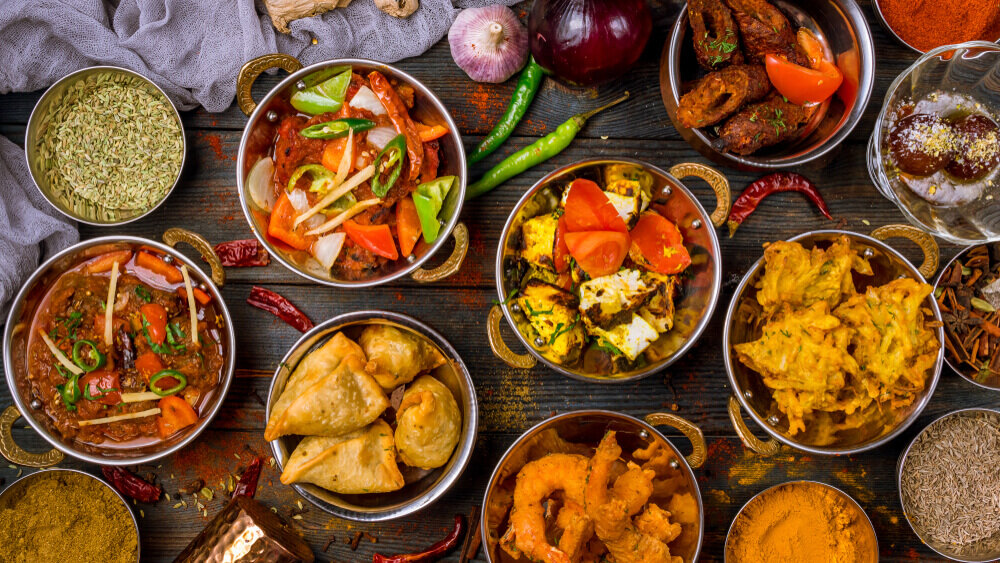
You wouldn’t know the number of items that can be cooked up with besan (gram flour) unless you visit Gujarat. Fried besan snacks are especially popular in Ahmedabad and form the majority of their street food. Ahmedabad’s street food scene is evergreen – no matter what season or time of day. Let’s dig into the favourites!

Fafda and Jalebi
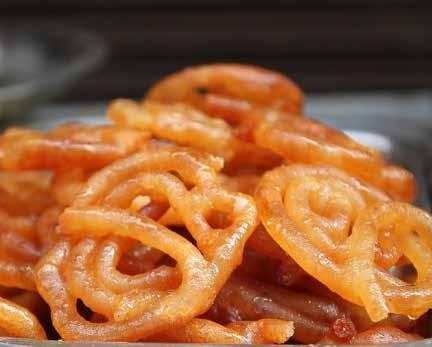
This is the breakfast staple in Ahmedabad and Saurashtra. A day cannot start without eating this fried plateful served with green papaya spiced salad and kadhi (a thick gravy made from gram flour and yoghurt, with Indian spices) On the side? Crispy jalebis. There are generationally run chains of family-run restaurants that make and sell fafda and jalebi for all days of the year, making it a staple street food and must-have. Fafda-jalebi is especially popular during Dussehra when locals line up at midnight in queues to get a piece of fried heaven.

Where: Oshwal, 14, Ajanta Commercial Complex, Ashram Rd, Usmanpura

Khaman
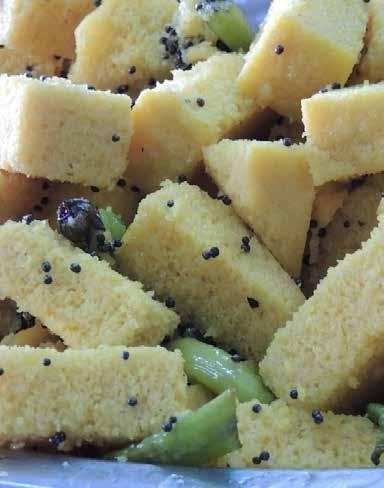
Soft, spongy, sweet, and savoury is how khaman can be described. Though it is confused with dhokla, khaman is softer and juicier and one of the favourite street foods of Ahmedabad. Garnished with mustard seeds, green chillies and coriander, khaman is a healthy and delicious snack. 

Where: Das Khaman, 2, Trade Center, Stadium Cross Rd, Navarangpura Gam, Navrangpura

Dal-Wada
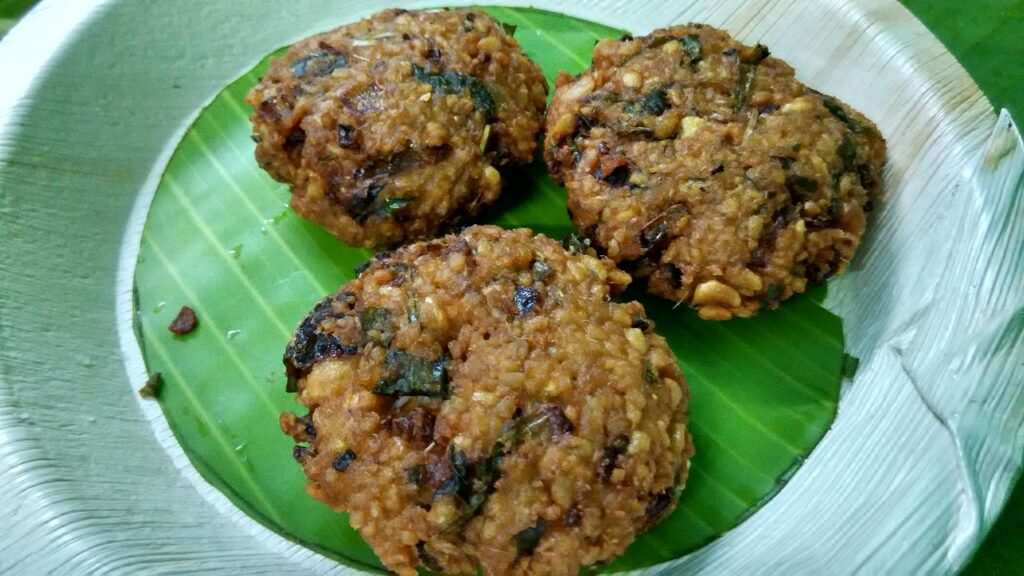
Dal-Wada is to Ahmedabad what kanda bhajji is to Pune, especially when it rains. This deep-fried concoction of ground fermented yellow lentils with ginger and chilli paste is a monsoon must-have street food and enjoyed otherwise too.


Where: Ambica Dalwada Centre, G – 3, Shivam Complex, B/h H. L. Commerce College

Chai and maska-bun
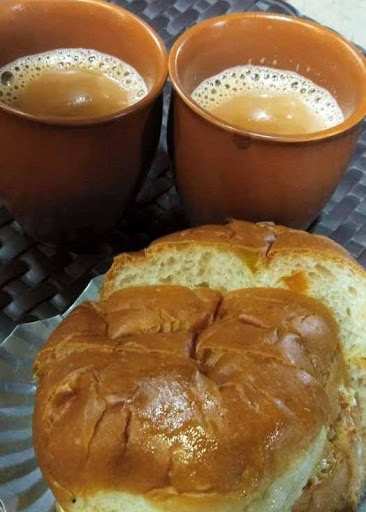
Bread-Butter is revered in Ahmedabad in the form of maska-bun. Tea is the official beverage of Ahmedabad, and it is known that business deals worth crores happen over chai-ki-kitli in this city. The maska-bun makes for the perfect tea accompaniment on street in between meetings

Where: Lucky Restaurant, Opposite City College, Lal Darwaja

Dabeli
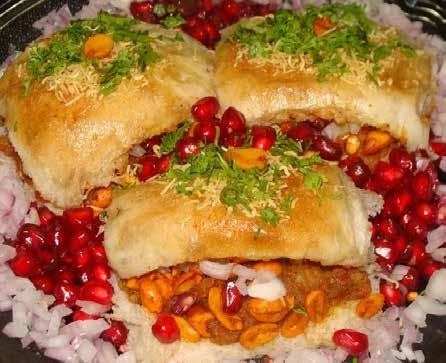
Also known as the Indian burger, dabeli is a bread bun sandwiched in the perfect mix of potato filling, spices, chutneys, peanuts, and pomegranate, nicely bathed in butter and served hot. It is an explosion of sorts in the mouth with crunchy as well as soft textures and a combined taste of sweet, hot, and sour. It feels like a festival when one is savouring dabeli – a gift from Kutch.

Where: Karnavati Dabeli, Shop No. 1/ Ground Floor, Radhamandir Complex, Opp. Hirabhai Tower, Uttamnagar, Maninagar

Bhajiya 
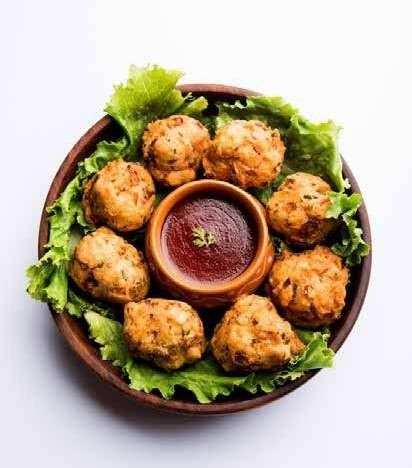
A brand in itself, this small shop in the old city of Ahmedabad has been serving bhajiyas for over 87 years and has an ardent fan base thanks to the consistent taste maintained over the years. The mix bhajiyas are the most sought-after option.

Where: Raipur Bhajiya House, Raipur Darwaja

Samosa
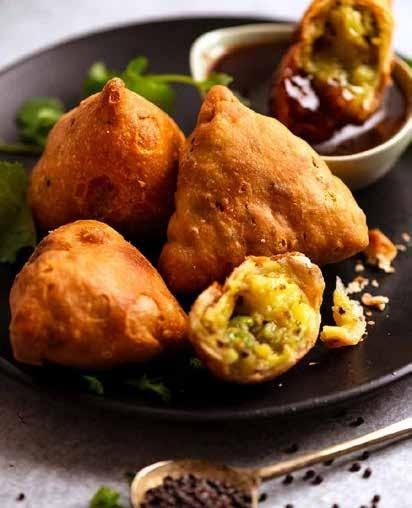
Samosa is probably the favourite street snack all over India, served in so many varieties and versions. There is no dearth of options: while the most common is the potato filling, there is also the Chinese flavoured noodle filling, as well as paneer or chicken fillings. Samosas in Ahmedabad have a special daal filling available and is known as Navtad na Samosa.

Where: Maharaj Samosa Centre, Kunjan Complex, 1 & 2, Kumkum Society, Sardar Patel Stadium Rd, Naranpura 

Burgers
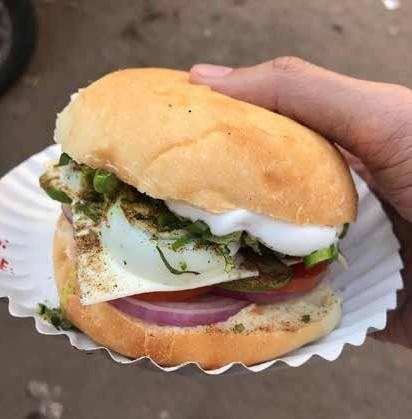
This is a place that serves desi burgers in the heart of Ahmedabad and has a fan following due to its variety of meat burgers as well. For almost two decades, this place has been selling burgers with different fillings such as aloo tikki, egg, chicken burgers, and many more, all topped with cheese. Other snacks which make it to their shelves are paneer puff, aloo puff, Danish buns and cupcakes. 

Where: Salimbhai’s Burger and Puffs, Besides L.J Campus, Sarkhej – Gandhinagar Hwy, Sarkhej

Kulfi
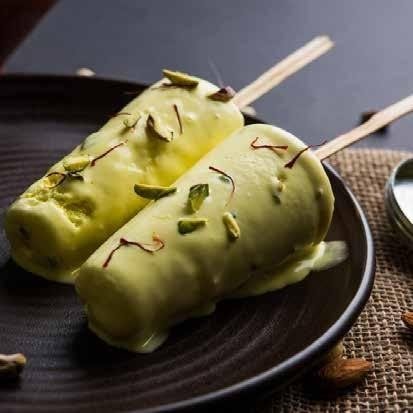
This list would be incomplete without mentioning the sweet tooth of Gujaratis. This street dessert is a favourite among the locals. The humble kulfi is the one that can single-handedly take on the frosty cupcakes, chocolate pancakes and maple syrup waffles. 


Where: Asharfilal Kulfi, Nr. Happiness Parlour, Vijay Cross Road, Navrangpura

All these food haunts are a beloved part of the city and their wares can be best enjoyed standing by the roadside, or sitting on rickety benches and plastic chairs, while the Ahmedabad traffic moves on. 

Leave a comment

Your email address will not be published. Required fields are marked *

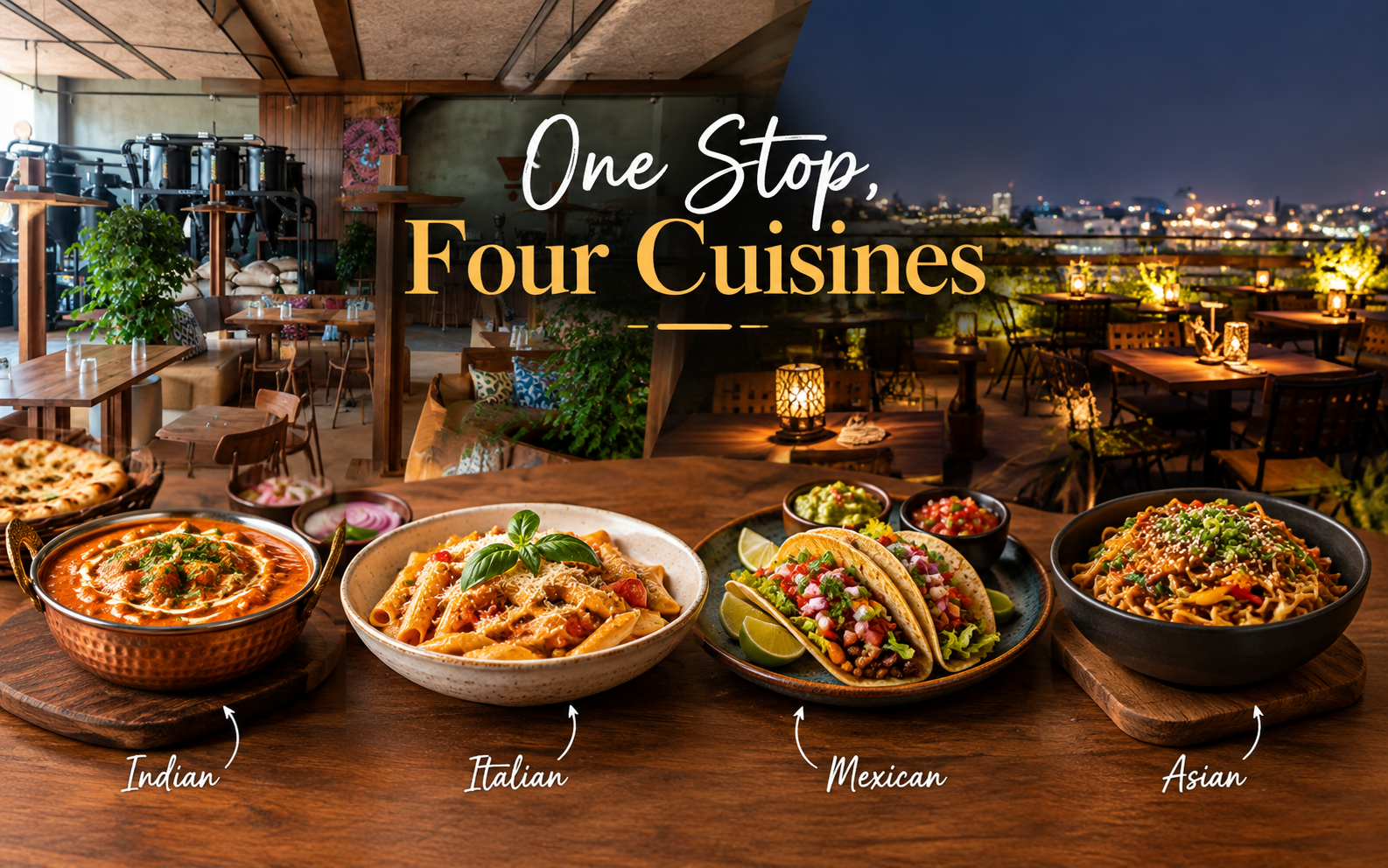
One Stop, Four Cuisines

A F&B revolution of sorts is quietly brewing in a building opposite Hyderabad’s landmark Durgam Cheruvu Cable Bridge, and the city of Nizams is approving wholeheartedly. Interestingly, the four F&B properties spawned by hospitality start-up Viksit Hospitality have distinct identities, ranging from regional cuisines showcased at Orlo (derived from our Indian hospitality anthem, Aur Lo Beta!), artisanal coffees from India at Naad, immersive nightlife experiences at Kadamba, to the latest addition of fine dining Japanese restaurant Izumi, in partnership with founder Nooresha Kably. Kadamba Cultural Compound A rooftop terrace bar, Kadamba has, arguably, the grandest ringside views of Durgam Cheruvu, with the night sights of an illuminated cable bridge and the city lights twinkling away on the distant horizon being a definite crowd-puller. The vibe is breezy (literally!) and informal, with the ambience highlights being the kadamba trees with pristine-white ‘chaupals’ (a la village panchayats) around them, where you can sit around and enjoy your drinks. The Japanese izakaya-styled bar promotes the concept of an easy, interactive experience with the team of mixologists. The cocktails are a rage, with colloquial names such as Rambha Ho, a rum-based offering with pineapple, lime juice and chilli pickle; a nod-to-Hyderabad-Kya Toh Bhi, a vodka drink; T-loop, which is tequila, mezcal, muskmelon cordial, caper foam, and Maska made with whisky, brown butter and lime cordial. The cuisine is Indian, including both comfort food and gourmet. Some of the iconic dishes here are the Chelo Kebabs platter; Compound walla Ceviche, which is steamed seabass topped with pani puri dressing, and 50-50, which is corn or bhutta in three different avatars. Orlo Orlo has, at its core, the idea of a Great Indian Dining table where everyone sits together for a relaxed meal, peppered with conversations and slow eating. The distinct aspect of dining at Orlo

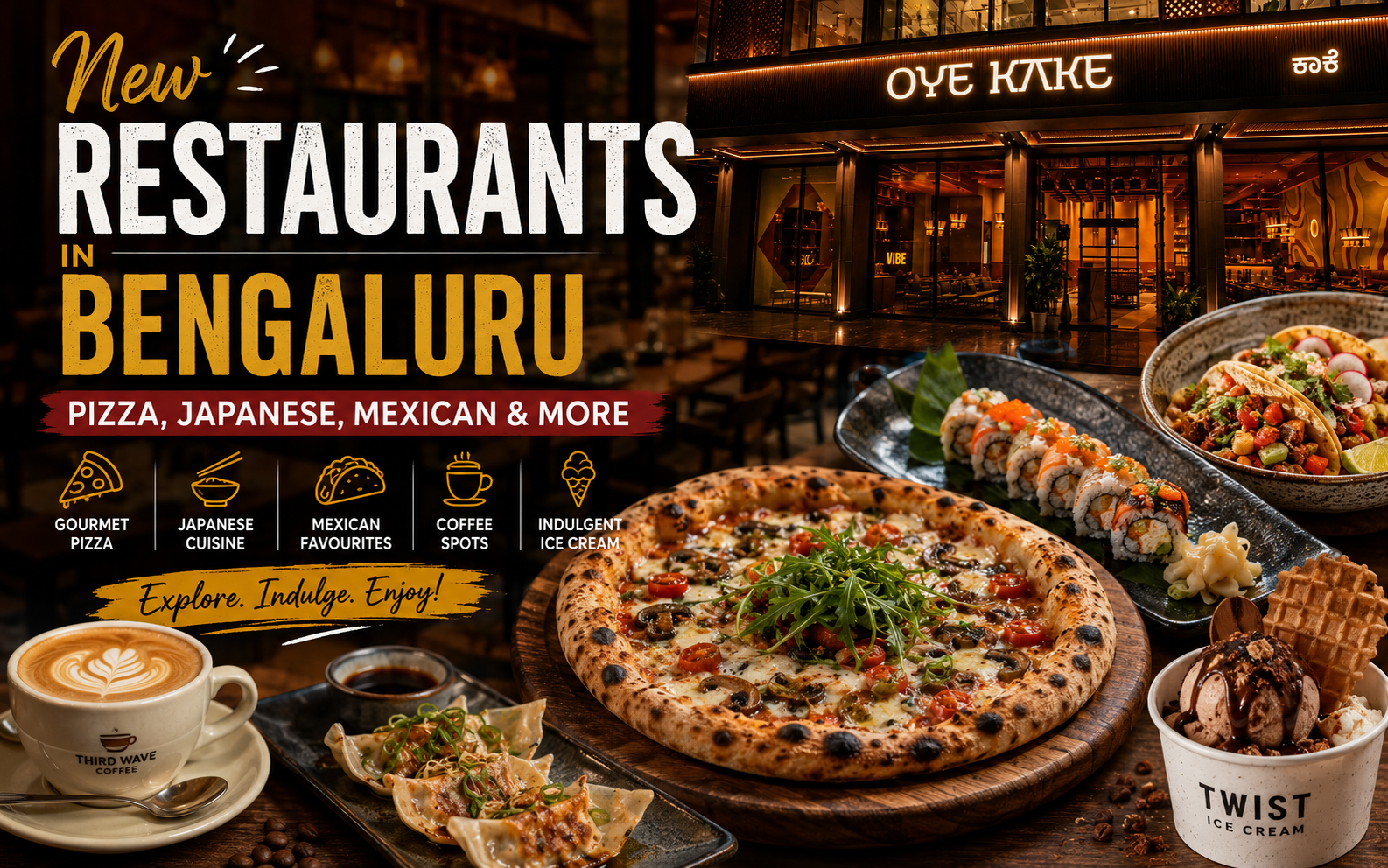
Bookmark these Bengaluru restaurants

The culinary scene of Bengaluru has got a spanking new makeover with several new restaurants that offer a range of cuisines that are sure to make every palate happy. Known for its vibrant gastronomy, the city continues to offer plenty for food lovers to discover, as Bindu Gopal Rao explores these new dining destinations. Oye Kake, Bengaluru Oye Kake is Mumbai’s beloved 100% vegetarian Amritsari restaurant brand, founded in 2020 by Pankaj Gupta and Avinash Gupta under Flavour Pot Foods. The new space in Bengaluru on MG Road brings the soul of Amritsar, built around three pillars of Punjab’s food culture: the langar, the street, and the home kitchen. Pankaj Gupta, Co-founder, Flavour Pot Foods says, “The food is cooked by Amritsari-trained Ustaads using live tandoor cooking, hand-rolled breads, slow-cooked dals, and clay/iron-based methods, staying true to time-honoured recipes rather than experimenting.” Designed with RAD Co + Lab, the restaurant is a sensory tribute to Punjab and Bengaluru. Every Thursday, the restaurant hosts the Guru Seva Ki Thali, an unlimited community-style feast inspired by the Sikh concept of Seva. Must try: Amritsari De Kulche: classic Bharwan Kulche (Aloo, Pyaaz, Gobi, and Mooli) plus loaded versions like Paneer, Methi Masala, Cheese Garlic, and Nutree Wale Kulcha. Kalpaney Kalpaney is a modern vegetarian dining destination built around the idea of ‘kalpana’, or imagination. Conceptualised by Avinash Kapoli, Co-Founder, Kompany Hospitality, and Chef Sombir Chaudary, Co-Founder, Kompany Hospitality, the restaurant brings together familiar flavours, childhood memories and global culinary influences in unexpected ways. “What makes Kalpaney special is its ability to make vegetarian dining feel playful and contemporary while retaining the comfort and nostalgia of Indian food. The spaces extend this philosophy through carefully curated Indian art and craftsmanship, including Kalamkari-inspired elements and Kavi artwork at the Indiranagar restaurant, created by one of

NEW ON THE PLATE

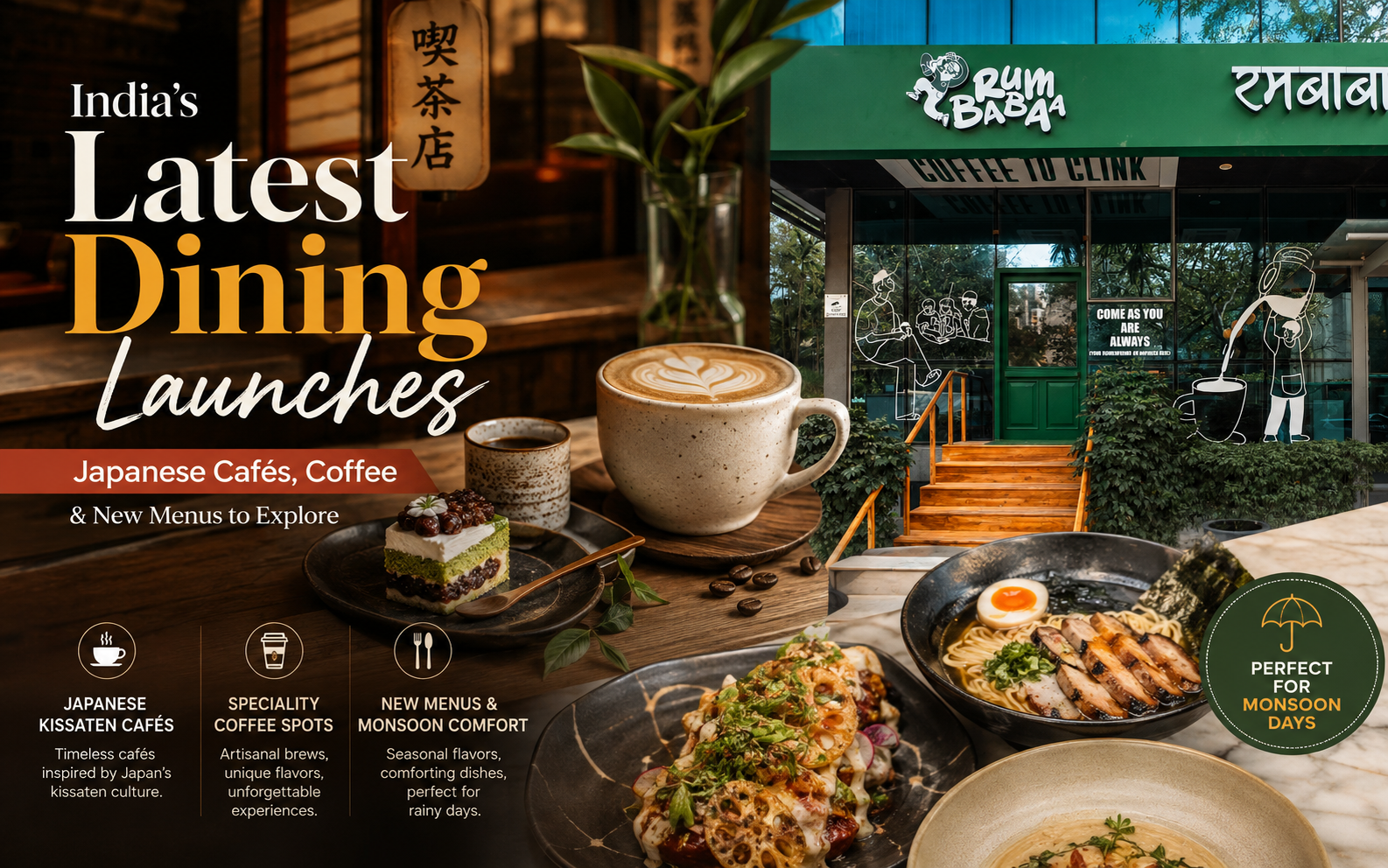
From fresh restaurant launches and contemporary cafés to exciting new menus and dining concepts, India’s food scene is constantly evolving. Here’s a look at the latest places worth knowing about, and what they bring to the table. What: Momoka Where: Pune Bringing the spirit of a Japanese kissaten to Prabhat Road, Momoka is Chef Brainard Colaco’s contemporary take on Japan’s neighbourhood cafés, combining comforting food, desserts, coffee and tea in one relaxed space. The menu draws on Yoshoku, Japan’s Western-influenced culinary tradition, alongside inspiration from Kissatens and Konbinis. Expect house-made shokupan sandos such as Chicken Katsu, Miso Mushroom Korokke and Ebi Katsu, alongside Udon bowls, Okonomiyaki, Sarada and signature Risoni. The dessert bar features Shibuya Honey Toast, Mochi Brownie and Matcha Fudge Brownie, while the beverage programme includes Uji matcha, Hojicha, Neri Goma and Ube creations. Guests can also take home artisanal cookies, Shiroi Koibito Cookies, Shibuya Kurutons and Nama Chocolates. Open from 8 am to 11 pm, Momoka offers Pune a casual, all-day introduction to the comforting flavours and everyday charm of Japanese café culture. What: RumBabaa Where: Mumbai Bringing together specialty coffee, vinyl, thoughtful food and an unhurried atmosphere, RumBabaa has opened in Andheri as an all-day café designed around good coffee, music and slow moments. Inspired by Japanese minimalism, the space features warm natural materials, soft lighting and a vinyl setup that sets the mood through the day, with plans to transition into wine-led evenings. The menu balances mindful and indulgent offerings, from the Longevity Bowl, Kodo Power Bowl and Rumbabaa Eggs to Tiramisu French Toast, Kataifi Prawns, Bajra Tacos, Peruvian Chicken Pot Pie and an Asian-inspired sushi selection. Pizza options include Scamorza Affumicata, Bianca Trifolata and Krapao Nero, while desserts range from Ambe Turmeric Crème Brûlée to Affogatos and seasonal tea cakes.Coffee takes centre stage with

7 Indian Superfoods You’ll Find in Your Kitchen

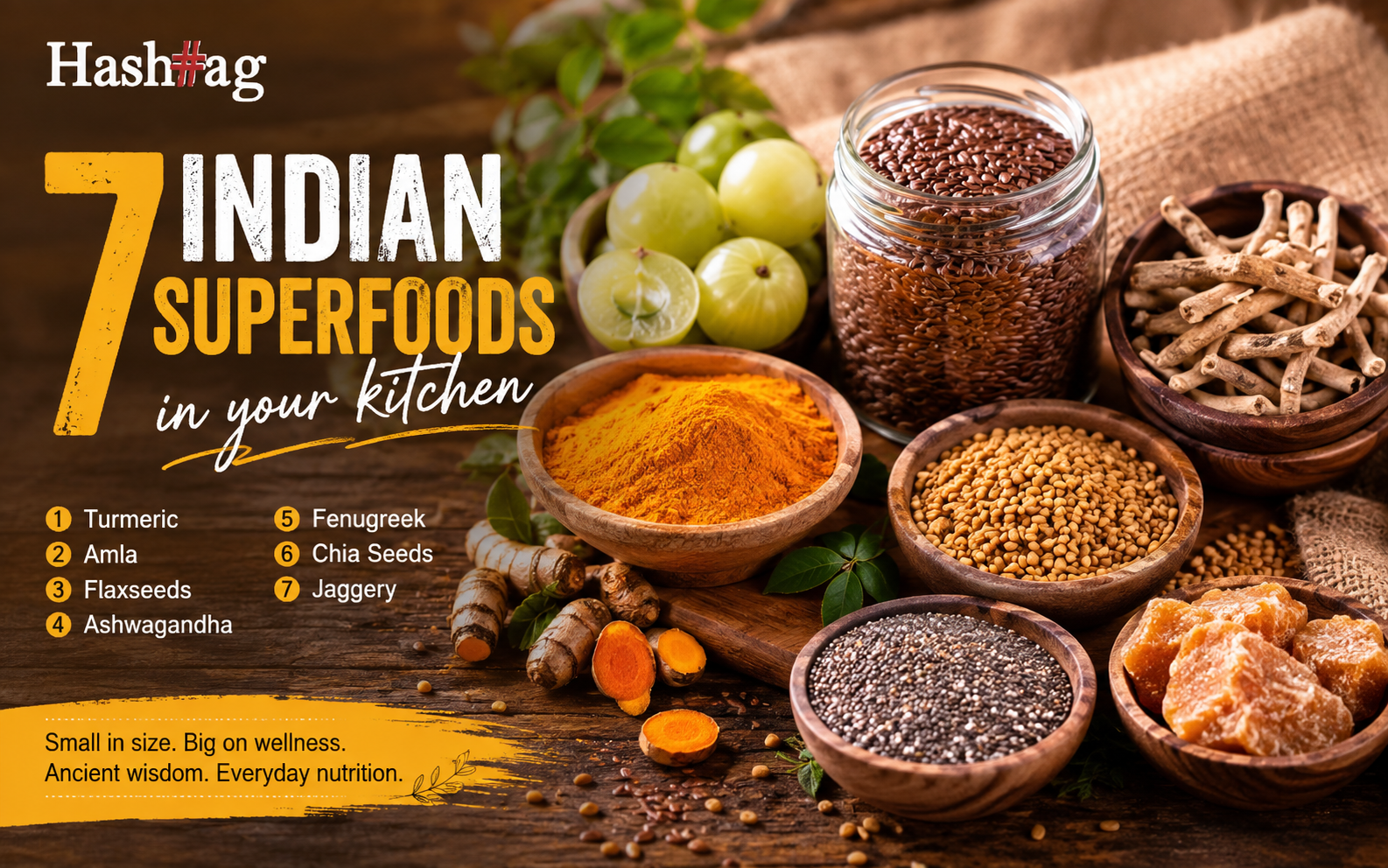
The world may call them superfoods today, but Indian households have trusted these ingredients for centuries. Take a closer look at the nutritional powerhouses hiding in your kitchen. Long before the term “superfood” became a global wellness trend, Indian kitchens had already been home to ingredients celebrated for their nutritional and healing properties. Passed down through generations, these everyday staples are rich in antioxidants, essential nutrients, and natural goodness, proving that some of the most powerful wellness secrets are often found right on our shelves. Turmeric: The golden powerhouse A staple in almost every Indian kitchen, turmeric has been valued for centuries for its vibrant colour and medicinal properties. Rich in curcumin, a compound known for its antioxidant and anti-inflammatory benefits, turmeric is used in everything from traditional curries to the comforting glass of haldi doodh. Today, its popularity extends to wellness drinks, supplements, and skincare routines around the world. Amla: The vitamin C champion Small in size but mighty in benefits, amla or Indian gooseberry has long been celebrated in Ayurveda. Naturally rich in vitamin C and antioxidants, it is traditionally consumed in the form of juices, pickles, chutneys, and preserves. Its refreshing tartness and nutritional profile make it a favourite ingredient for those seeking natural ways to support overall wellbeing. Millets: The ancient grains making a comeback Once a common part of Indian diets, millets are enjoying renewed attention for their high fibre, mineral content, and versatility. From ragi and bajra to jowar, these traditional grains are being rediscovered as nutritious alternatives for modern meals. Used in rotis, dosas, porridges, and snacks, millets are a reminder that ancient food wisdom remains relevant today. Ghee: The traditional golden fat For generations, ghee has held an important place in Indian cooking and culture. Made from clarified butter, it is valued