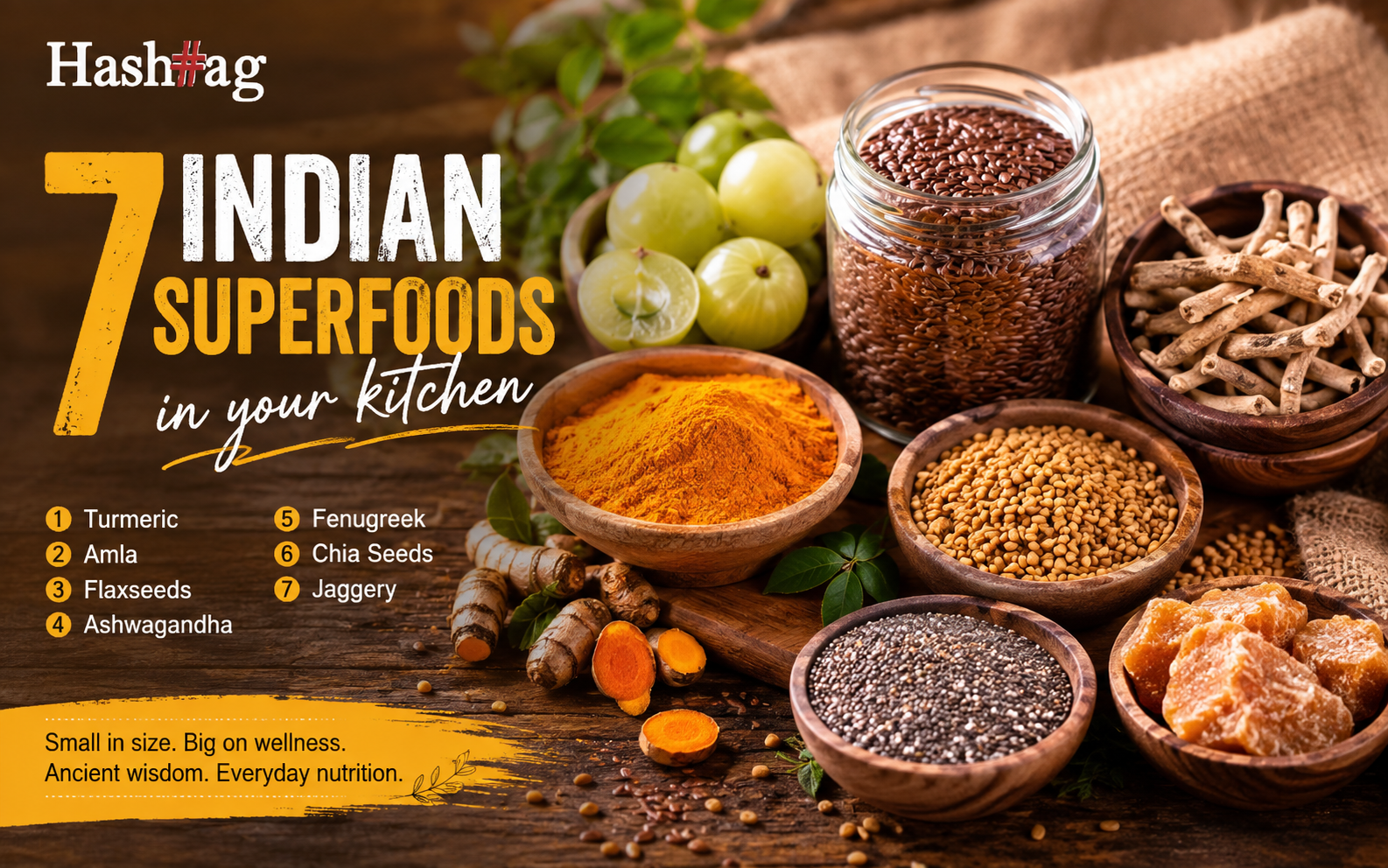
7 Indian Superfoods You’ll Find in Your Kitchen

7 Indian Superfoods You’ll Find in Your Kitchen

The world may call them superfoods today, but Indian households have trusted these ingredients for centuries. Take a closer look at the nutritional powerhouses hiding in your kitchen.

Long before the term “superfood” became a global wellness trend, Indian kitchens had already been home to ingredients celebrated for their nutritional and healing properties. Passed down through generations, these everyday staples are rich in antioxidants, essential nutrients, and natural goodness, proving that some of the most powerful wellness secrets are often found right on our shelves.

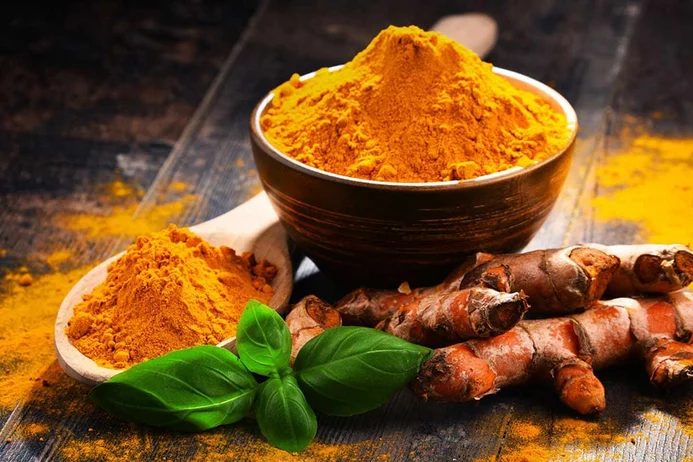
Turmeric: The golden powerhouse

A staple in almost every Indian kitchen, turmeric has been valued for centuries for its vibrant colour and medicinal properties. Rich in curcumin, a compound known for its antioxidant and anti-inflammatory benefits, turmeric is used in everything from traditional curries to the comforting glass of haldi doodh. Today, its popularity extends to wellness drinks, supplements, and skincare routines around the world.
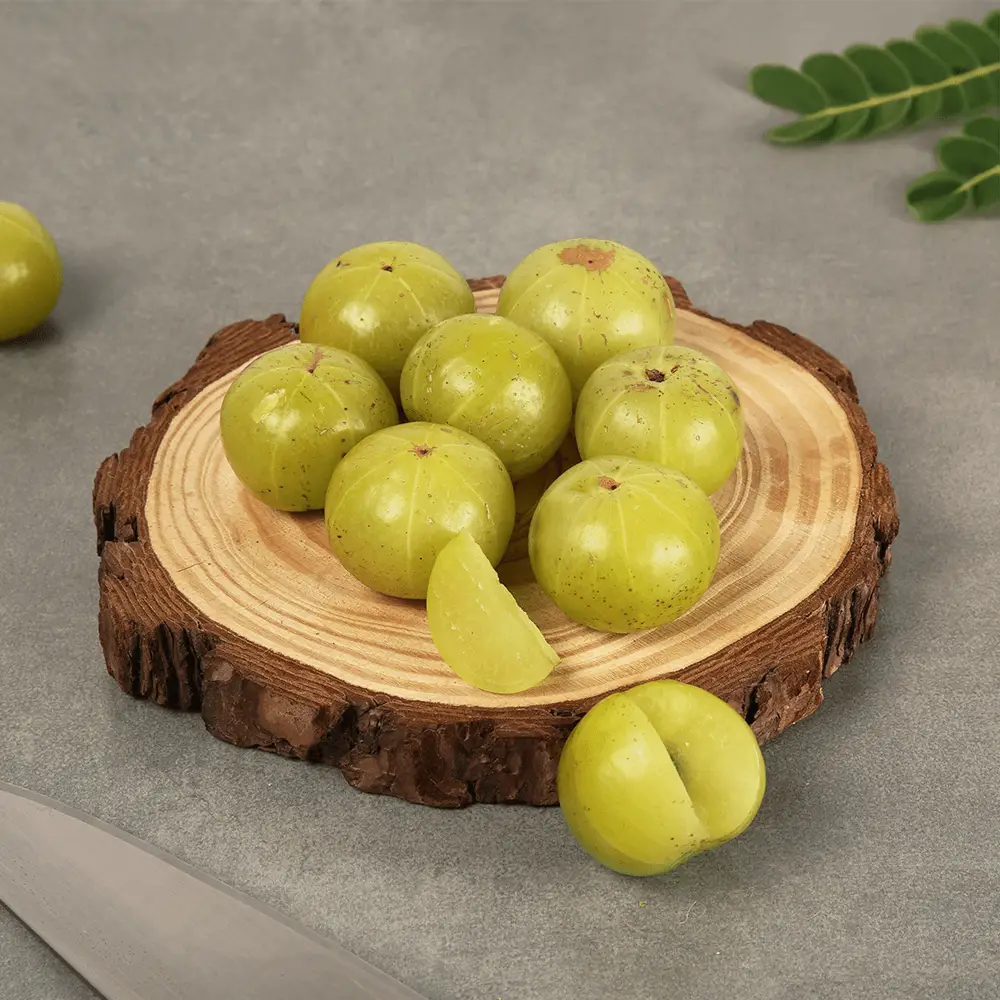
Amla: The vitamin C champion

Small in size but mighty in benefits, amla or Indian gooseberry has long been celebrated in Ayurveda. Naturally rich in vitamin C and antioxidants, it is traditionally consumed in the form of juices, pickles, chutneys, and preserves. Its refreshing tartness and nutritional profile make it a favourite ingredient for those seeking natural ways to support overall wellbeing.
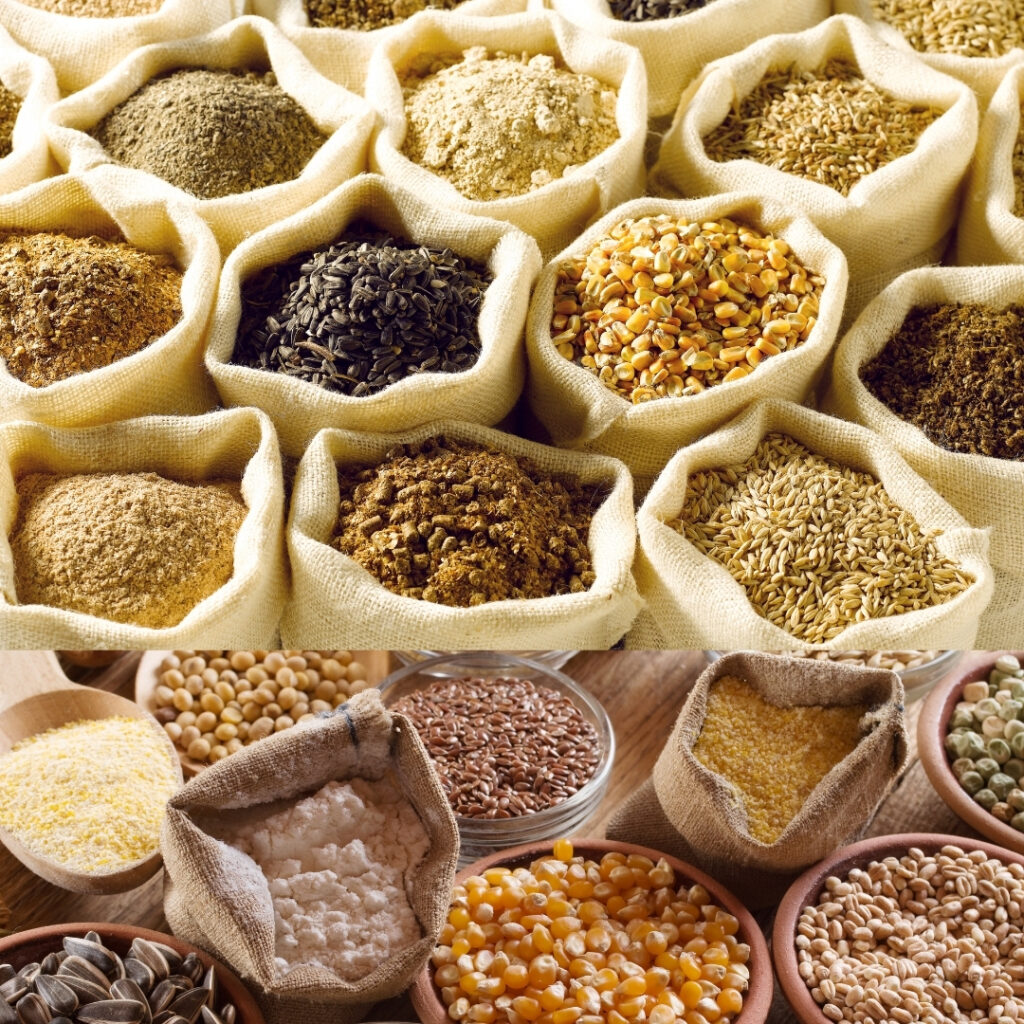
Millets: The ancient grains making a comeback

Once a common part of Indian diets, millets are enjoying renewed attention for their high fibre, mineral content, and versatility. From ragi and bajra to jowar, these traditional grains are being rediscovered as nutritious alternatives for modern meals. Used in rotis, dosas, porridges, and snacks, millets are a reminder that ancient food wisdom remains relevant today.
Ghee: The traditional golden fat

For generations, ghee has held an important place in Indian cooking and culture. Made from clarified butter, it is valued for its flavour, energy, and role in traditional diets. Used in moderation, ghee continues to be celebrated as a nourishing ingredient that adds richness to everyday meals.

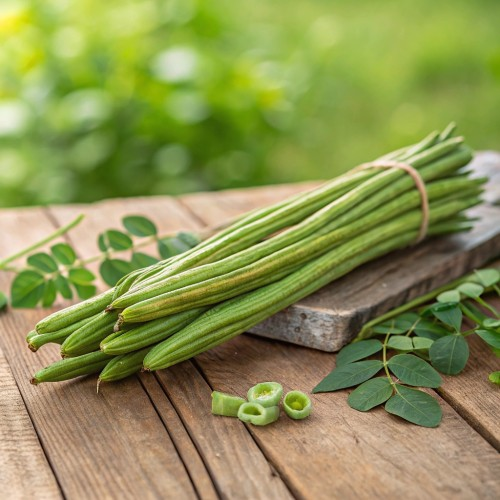
Moringa: The miracle leaf

Known as drumstick leaves in many parts of India, moringa has gained global recognition as a nutrient-dense ingredient. Traditionally used in regional cuisines, these leaves are packed with vitamins, minerals, and antioxidants. From soups and curries to powders and wellness blends, moringa has become a favourite among health-conscious consumers.
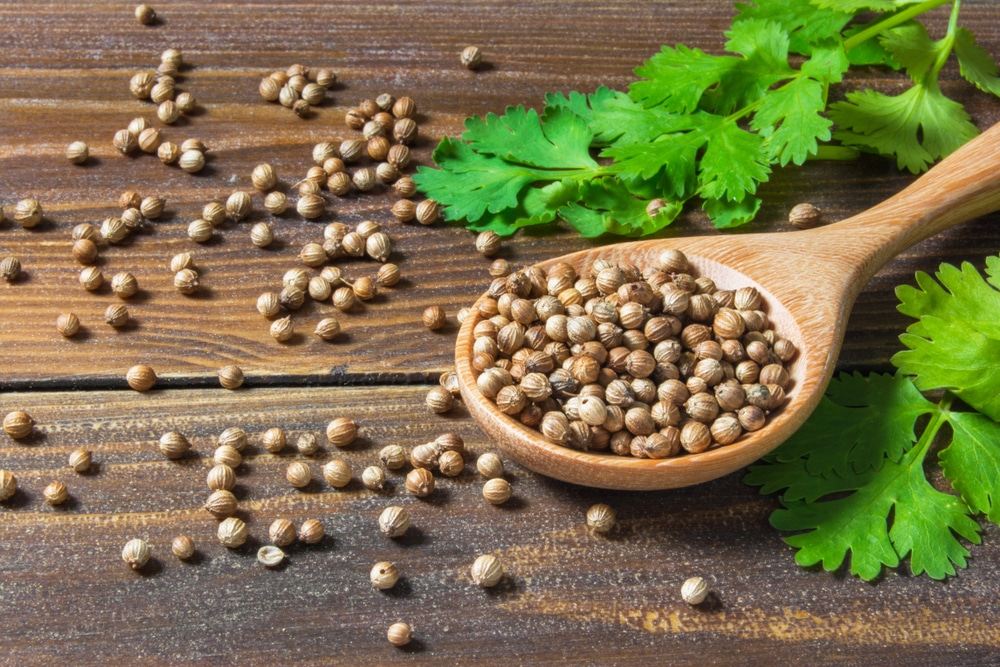
Cumin and coriander: The everyday healers

Spices such as cumin and coriander do more than enhance flavour. Used across Indian cuisines, they have traditionally been valued for their digestive properties and warming qualities. Whether in a simple tadka or a spice blend, these humble ingredients add both taste and wellness benefits to everyday cooking.
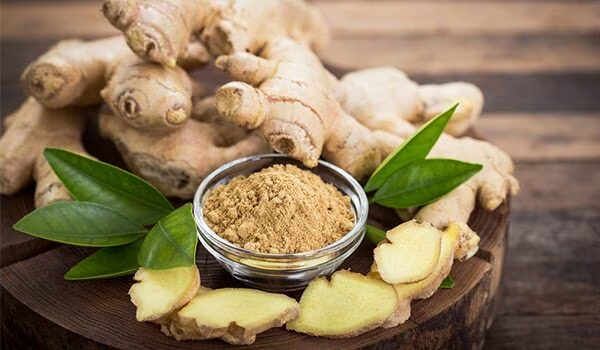
Ginger: Nature’s warming spice

A kitchen essential, ginger has been used in Indian homes for generations. Whether added to chai, curries, or home remedies, it is appreciated for its distinctive flavour and traditional wellness associations. Its warming quality makes it especially popular during seasonal changes.
The power of everyday ingredients

India’s culinary heritage has always been rooted in balance, combining flavours, textures, and ingredients that nourish the body as well as delight the senses. These kitchen staples remind us that wellness does not always require exotic ingredients or complicated routines. Sometimes, the most powerful choices are already within reach, waiting in our spice boxes and pantry shelves.

Leave a comment

Your email address will not be published. Required fields are marked *

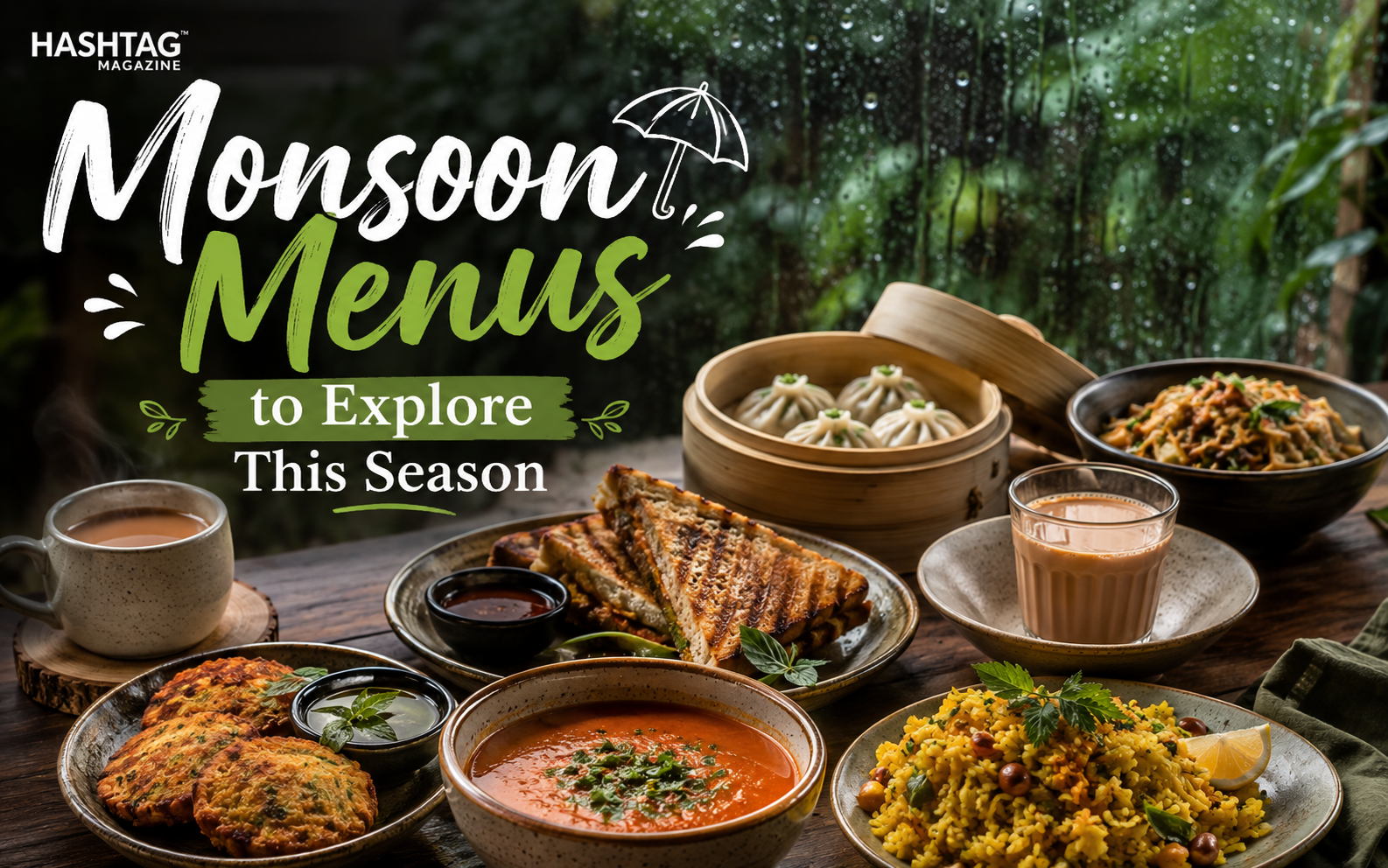
Monsoon Menus to Explore This Season

From cosy cafés perfect for slow afternoons to destination restaurants offering immersive seasonal menus, this monsoon is all about savouring flavour in its most comforting form. Here’s a curated guide to the most exciting monsoon menus that promise to turn every meal into a memorable escape. LOYA, Taj West End | Bengaluru: This monsoon, LOYA at Taj West End invites guests to savour the season through an immersive dining experience set amidst lush gardens, tranquil water features, and elegant alfresco seating. Inspired by the culinary heritage of North India, the seasonal menu features standout dishes like the smoky Wari Spiced Sigdi Macchi, the tangy Burni Ka Jhinga, the slow-cooked Cha Gosht, and the earthy Chaunk Wali Arbi, alongside the comforting Tudkiya Bhaath from Kangra. The experience is elevated with signature cocktails from the Vriksh menu and the evocative sounds of Jashn 2.0, creating a refined celebration of the monsoon. The Deli | Mumbai: The Deli introduces Good Mood Food, a thoughtfully curated menu inspired by the everyday moments that bring comfort and joy. Celebrating the café as a space to reconnect, unwind, or simply indulge, the menu brings together wholesome all-day dishes, comforting favourites, and satisfying desserts designed to suit every mood. Whether it’s a leisurely breakfast, a mindful lunch break, or a relaxed dinner with friends, Good Mood Food transforms simple café dining into a feel-good experience that lingers long after the meal. Hunaaan | Bengaluru: Hunaaan is bringing warmth to Bengaluru’s rainy season with its exclusive Dim Sum Festival, celebrating one of Asia’s most beloved culinary traditions through a thoughtfully curated menu of handcrafted dumplings and baos. Running across its Indiranagar and BEL Road outlets, the festival showcases authentic Pan-Asian flavours that are perfect for the monsoon. Vegetarian highlights include the indulgent Charcoal Mushroom & Cheese Truffle Dumpling,

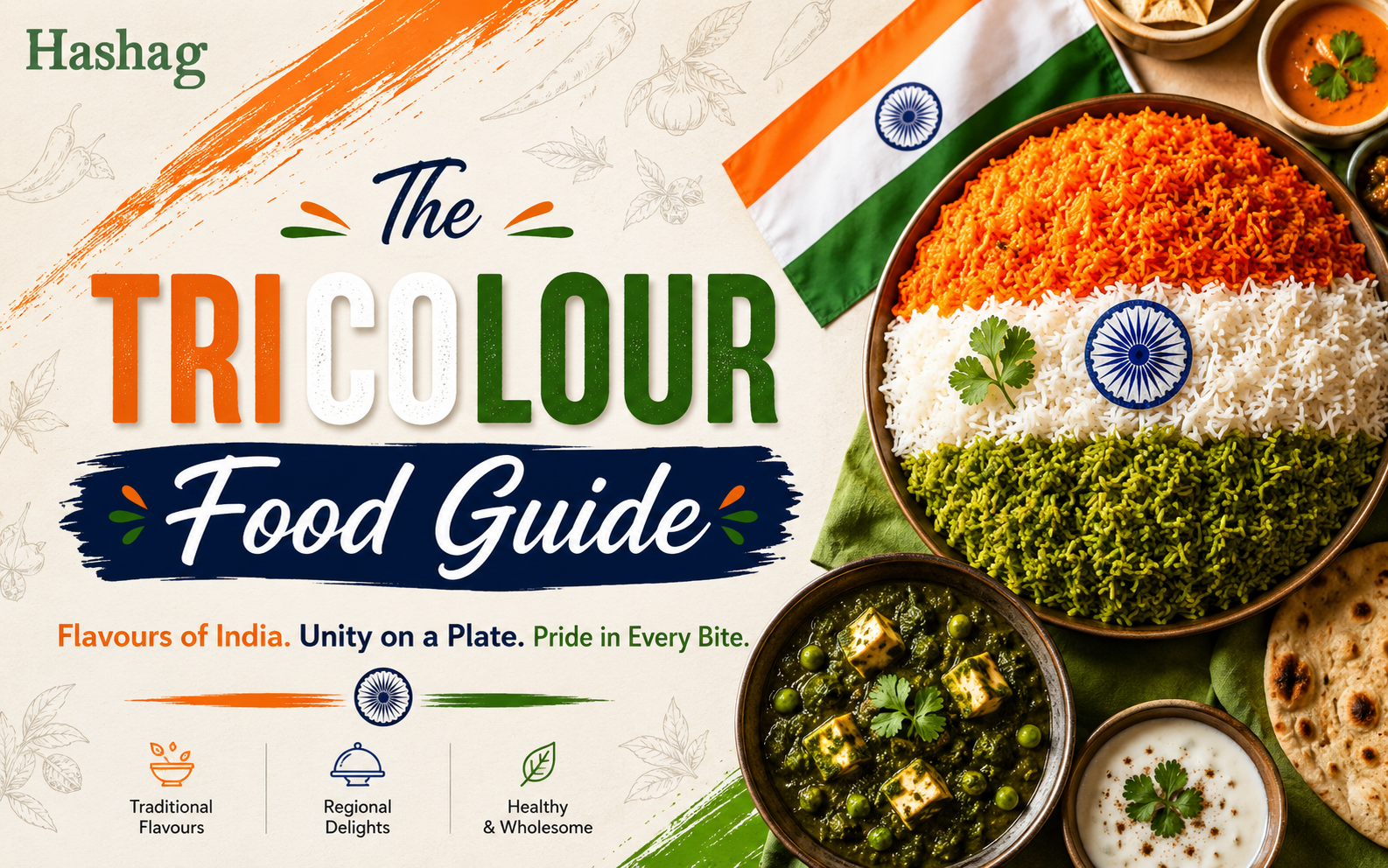
The Tricolour Food Guide

Celebrate the spirit of India through its vibrant flavours and colours. From saffron-inspired delicacies to fresh greens and pure whites, explore a tricolour feast that brings pride to the plate. Saffron – The Colour of Warmth & Celebration 1. Kesari Bath – Karnataka: A beloved South Indian sweet dish, Kesari Bath gets its golden saffron hue from saffron strands and saffron-coloured ingredients. Made with semolina, ghee, sugar, and cardamom, it is a festive favourite across Karnataka. 2. Zafrani Pulao – Hyderabad: A royal rice preparation infused with saffron, dry fruits, and aromatic spices, Zafrani Pulao reflects the rich culinary heritage of Hyderabad. Its delicate flavours and golden colour make it a celebration-worthy dish. 3. Kesar Peda – Uttar Pradesh: A classic Indian sweet made with milk solids, sugar, and saffron, Kesar Peda is synonymous with festivities. Its rich flavour and vibrant colour make it a timeless favourite across the country. 4. Rajasthani Gatte Ki Sabzi – Rajasthan: A royal Rajasthani delicacy, this dish features gram flour dumplings simmered in a rich, spiced yoghurt gravy. Its warm golden tones and aromatic spices make it a festive favourite. 5. Manipuri Chak-Hao Kheer – Manipur: Made with the rare black rice of Manipur, this traditional kheer takes on a beautiful purple-golden hue when prepared with milk and saffron. It is a celebration of the region’s unique culinary heritage 6. Kesar Shrikhand – Maharashtra/Gujarat: A creamy dessert made with strained yoghurt, sugar, saffron, and cardamom, Shrikhand is a staple at celebrations across western India. Its rich saffron colour and delicate flavour make it a festive classic. White – The Colour of Purity & Balance 1. Appam with Stew – Kerala: Soft, lacy white appams made from fermented rice batter are paired with a mild coconut milk-based vegetable or meat stew. This comforting combination reflects

Oiya Panjim Review: Best Mediterranean Food in Goa

From what might just be Goa’s best pita bread to rich muhammara and light shawarmas, Oiya proves that great Mediterranean food doesn’t need to shout. Tucked into the colourful lanes of Fontainhas, Oiya brings together flavours from Turkey, Greece, Spain and the wider Mediterranean with a menu that feels thoughtful, comforting and refreshingly unpretentious. Founded by entrepreneur Vishal Salgia, whose travels across Turkey and the Mediterranean inspired much of the concept, the restaurant focuses less on theatrics and more on getting the food right, and that’s exactly where it shines. The meal began with what was genuinely one of the best pita breads I’ve had. Served warm with just enough char on the edges, it arrived soft, airy and impossibly fresh. Before we started, the server suggested we “smell, cut and dip,” and strangely enough, it completely changed the experience. Paired with the muhammara, the table went silent for a moment. Smoky, nutty, slightly sweet and rich without becoming heavy, it was easily one of the strongest dishes of the evening. Oiya’s Mediterranean influence leans softer and creamier compared to sharper Middle Eastern interpretations. Their hummus and dips carry a richness that feels indulgent yet balanced, making even simple dishes memorable. The veg pide followed and immediately stood out because of the bread itself, crisp at the edges with a pillowy centre that tasted unmistakably house-made. The chicken shawarma was another highlight: light, juicy and deeply flavourful without the greasiness that often comes with the dish elsewhere. Everything felt balanced and clean instead of overloaded. Then came the mutton lahmacun, thin, crisp and layered with beautifully spiced minced meat that carried just enough heat without overpowering the dish. Nothing at Oiya felt overworked. Every plate arrived with restraint and confidence. The owner confidently claimed they serve “the best falafel in

India’s Best New Food Spots and Culinary Experiences

New menus, exciting launches and fresh culinary concepts are redefining the way we dine. Hashtag Magazine rounds up the latest food spots and flavour-forward experiences worth checking out. What: RumBabaaWhere: Mumbai Mumbai’s café culture welcomes a refreshing new entrant with RumBabaa, an all-day coffee and vinyl-led space in Andheri that feels less like a conventional café and more like a carefully curated pause from the city’s pace. Rooted in Japanese minimalism and slow-living philosophy, the space combines warm lighting, natural textures and an intentionally unhurried atmosphere where music, coffee and conversation take centre stage. The vinyl setup at the heart of the café gives the space its soul, creating a rhythm that evolves gently from calm mornings to relaxed evening wine sessions. The menu balances nourishment with indulgence thoughtfully. Breakfast bowls, inventive egg dishes and globally inspired small plates sit comfortably alongside playful desserts and elevated comfort food. Dishes like the Krapow Omelette, Kataifi Prawns and Tiramisu French Toast showcase the café’s willingness to blend familiar flavours with creative presentation. The coffee programme is equally expansive, featuring everything from V60 pour-overs and cortados to flavour-forward creations like Mango Matcha, Black Sesame Latte and Salted Caramel Espresso Oat Latte. What makes RumBabaa stand out is its emotional warmth. It doesn’t rely on spectacle or excess, instead offering a slower, more mindful hospitality experience where good music, thoughtful food and excellent coffee come together effortlessly. Quietly stylish and deeply comforting, RumBabaa feels like the kind of neighbourhood café Mumbai didn’t realise it needed. What: ButterBrewsWhere: Pune Pune’s café culture continues to evolve, and ButterBrews’ newest outpost in Aundh arrives with a format that feels larger, more polished and intentionally experience-driven. Designed as an all-day café built around comfort and community, the new space balances functionality with warmth through thoughtfully divided indoor, outdoor