As India celebrates the spirit of freedom this August, there’s no better time to revisit the stories, sacrifices and ideas that shaped the nation. Whether you’re a history enthusiast, an avid reader, or simply looking to reconnect with India’s remarkable journey, these books deserve a spot on your reading list.
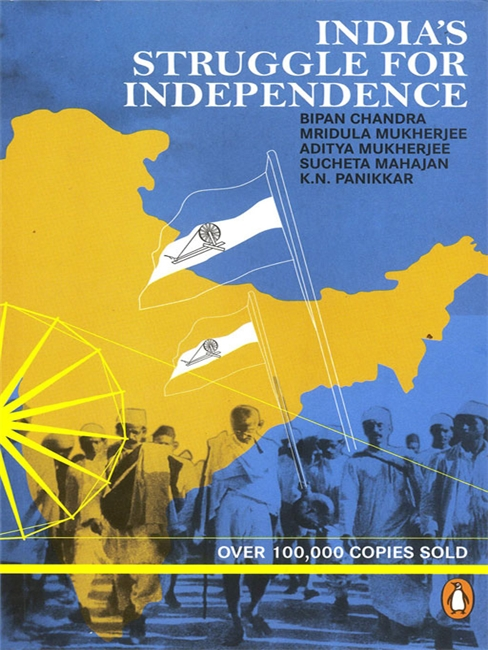
1. India’s Struggle for Independence by Bipan Chandra
One of the most authoritative books on India’s freedom movement, this landmark work traces the country’s fight against British colonial rule from the Revolt of 1857 to Independence in 1947. Rich in historical detail, it highlights the contributions of leaders, revolutionaries, peasants, workers and ordinary citizens, making it an essential read for anyone seeking to understand the sacrifices behind India’s freedom.
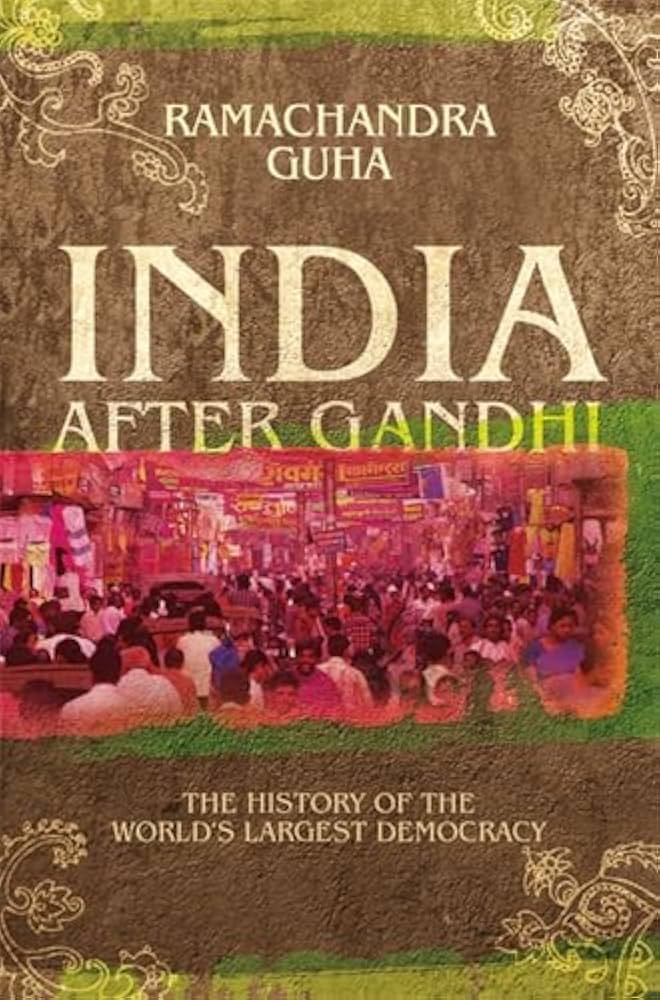
2. India After Gandhi by Ramachandra Guha
While many books end at Independence, this modern classic begins there. Guha explores the enormous challenges India faced after 1947, from Partition and integration of princely states to democracy, economic reforms and social change. It is a compelling account of how India evolved into the world’s largest democracy despite immense odds.
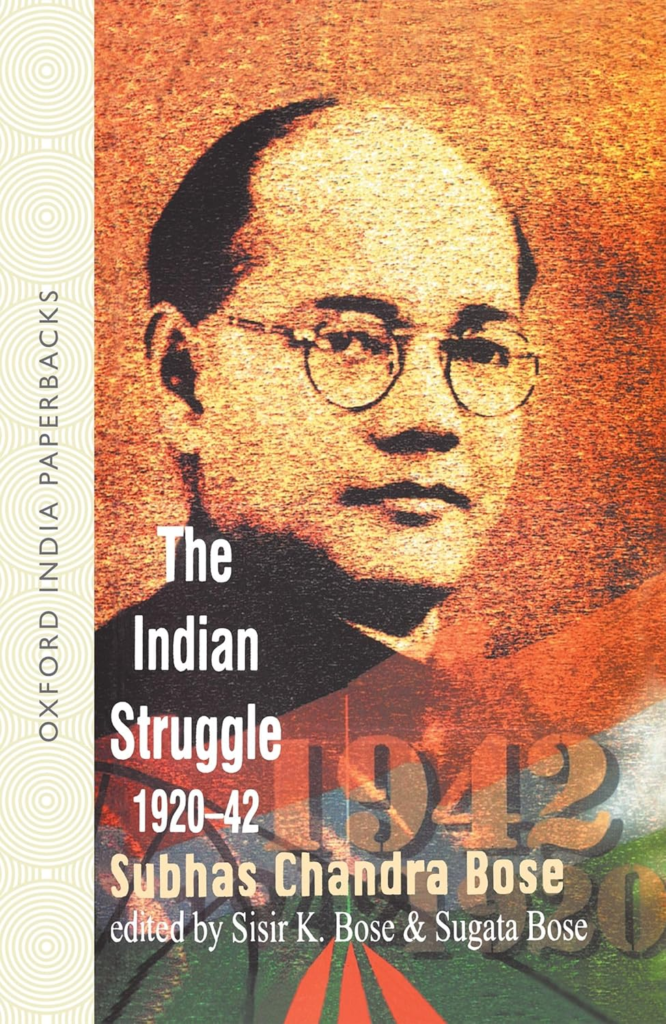
3. The Indian Struggle (1920–1942) by Subhas Chandra Bose
Written by one of India’s most iconic freedom fighters, this book presents Bose’s firsthand account of the nationalist movement. It offers unique insights into the political developments of the era, the ideological differences among leaders, and Bose’s vision for achieving complete independence
4. The Battle of Rezang La by Kulpreet Yadav
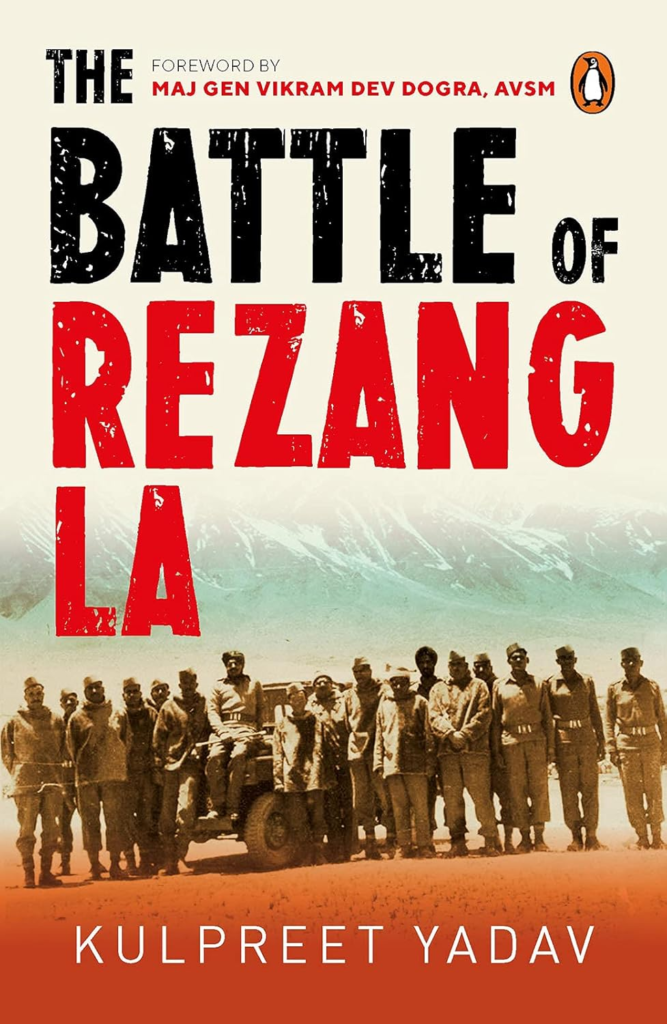
This gripping military history recounts one of the bravest chapters in the 1962 India-China War. It tells the extraordinary story of the soldiers of 13 Kumaon Regiment, who fought against overwhelming odds in Ladakh. Their courage, sacrifice and unwavering commitment to the nation make this an inspiring read for every Indian.
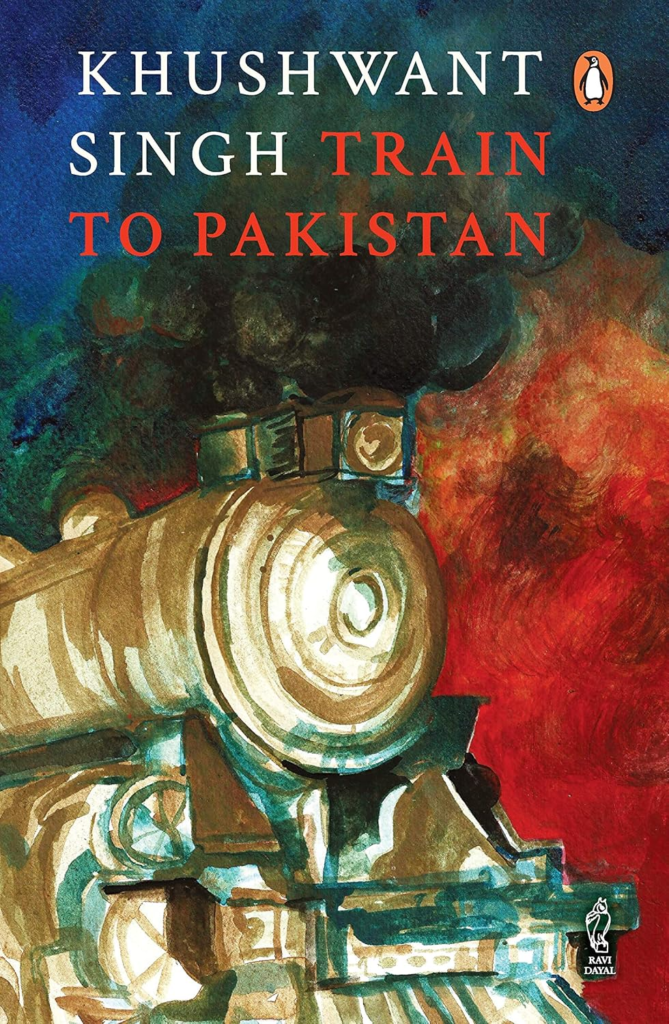
5. Train to Pakistan by Khushwant Singh
Set during the Partition of 1947, this acclaimed novel captures the human cost of one of history’s most traumatic events. Through the lives of villagers caught in communal violence, the book explores themes of humanity, compassion and resilience, reminding readers of the importance of unity and peace in building a stronger nation.