
Luke Coutinho on Men’s Health, Testosterone & Cancer Prevention

Testosterone: Understanding the numbers

The most common mistake men make when chasing low testosterone is treating a lab number instead of trying to understand the man behind it. It usually goes like this: a man feels tired, notices his libido has dropped, watches a few videos online, and the next thing he knows, he’s buying a testosterone booster or thinking about injections someone at the gym swears by. But has anyone asked him about his sleep, stress, weight, alcohol intake, medications, medical history or whether he wants children?

Testosterone deficiency is a real medical condition. Feeling tired doesn’t establish the diagnosis, though, and neither does a single low reading. You need compatible symptoms and consistently low levels, confirmed through proper testing.

Testosterone levels shift through the day and from one day to the next. That’s why they’re generally checked with an early-morning blood test, and a low result should usually be confirmed with a second morning test. Depending on the results, a doctor may look at free testosterone, SHBG, LH and FSH, and sometimes prolactin or other markers. Thyroid function, blood sugar, vitamin B12 and vitamin D may also be considered, depending on symptoms.
The fertility risk men should know about

If you’re considering testosterone therapy, please understand this: testosterone taken from outside the body can suppress the hormonal signals that tell your testes to make testosterone and sperm. That can significantly affect fertility. So, if children are part of your plans, have that conversation with a qualified doctor before starting treatment. Understand whether you truly and clinically need it. TRT does have a legitimate role for men with confirmed deficiency. My problem is when it’s used as a shortcut around the fundamentals, or taken without understanding the cause, benefits, risks and long-term implications.

Andropause: The midlife shift men don’t talk about

Andropause, sometimes loosely referred to as “male menopause”, describes age-associated hormonal changes in men, particularly a gradual decline in testosterone. Unlike menopause in women, it is not a universal or clearly defined hormonal transition. Ageing alone does not necessarily mean a man will develop testosterone deficiency.

Some signs men may notice include less interest in sex, fewer spontaneous or morning erections, persistent tiredness, low motivation, loss of muscle or strength, increasing belly fat, irritability, mood changes, brain fog, restless sleep and slower recovery. None of these symptoms, by themselves, prove that testosterone is low. They could just as easily be linked to sleep problems, long-term stress or metabolic health.

Part of the reason these changes go ignored is that they happen gradually, so men begin to see them as a normal part of getting older. There’s also the discomfort around talking about libido, erections or emotional struggles. I’ve had men reach out to me privately about what they’re going through because they find it difficult to bring up openly. But experiencing emotional changes doesn’t make you weak.

What genuinely helps (put in a box)

  • Prioritise sleep — 7-9 hours for most adults; get checked for a sleep disorder if you snore heavily or wake repeatedly.
  • Tackle belly fat — steady, realistic weight loss, not crash diets.
  • Build muscle, and hold on to it — strength training with proper recovery, not training too hard on too little food.
  • Manage chronic stress — breathwork, time outside, support, counselling and proper rest.
  • Eat enough, and eat well — enough protein, healthy fats and nutrient-rich foods; very restrictive diets can throw off hormone function.
  • Fix actual deficiencies — vitamin D and zinc matter, but only supplement with a confirmed need.
  • Cut back on the habits that hold you back — smoking, heavy drinking, poor sleep, long hours of sitting.

What’s mostly noise?

Most over-the-counter testosterone boosters, where evidence is thin, and quality varies. The idea that soy lowers testosterone, which clinical studies don’t support. And chasing the highest possible number when the real goal is treating a genuine deficiency, not maximising a figure. If your symptoms persist and your testosterone keeps coming back low, stop experimenting with supplements and see a qualified doctor. Foundational medicine isn’t about rejecting medication or chasing natural fixes. It’s about understanding the whole person and using the right intervention for the right reason.

What Cancer Patients Taught Him About Prevention

The lesson healthy men should take seriously

Don’t wait for a diagnosis before you start taking care of yourself. When you sit with people going through cancer treatment, your idea of health shifts. The things they care about most are usually simple: a night of comfortable sleep, a meal they can actually enjoy, time with their family, and enough energy to get through an ordinary day.

Where lifestyle helps, and where it doesn’t

Does lifestyle matter? Absolutely. But I want to be honest about what it can and can’t do. Eating well, staying active, resting enough and having emotional support can help people hold on to their strength and maintain their quality of life. What lifestyle cannot do is replace cancer treatment. Lifestyle and foundational medicine always work alongside treatment, never instead of it.

A reminder to take your health seriously

If your symptoms persist and your testosterone keeps coming back low even after working on lifestyle factors, stop experimenting with supplements and see a qualified doctor. I’ve always believed in starting with the foundation, investigating what needs investigating, and using medical treatment when it’s appropriate. Foundational medicine isn’t about rejecting medication or chasing natural fixes. It’s about understanding the whole person and using the right intervention for the right reason.

Leave a comment

Your email address will not be published. Required fields are marked *

Men’s Sexual Health: Dr Prateek Makwana on ED & Fertility

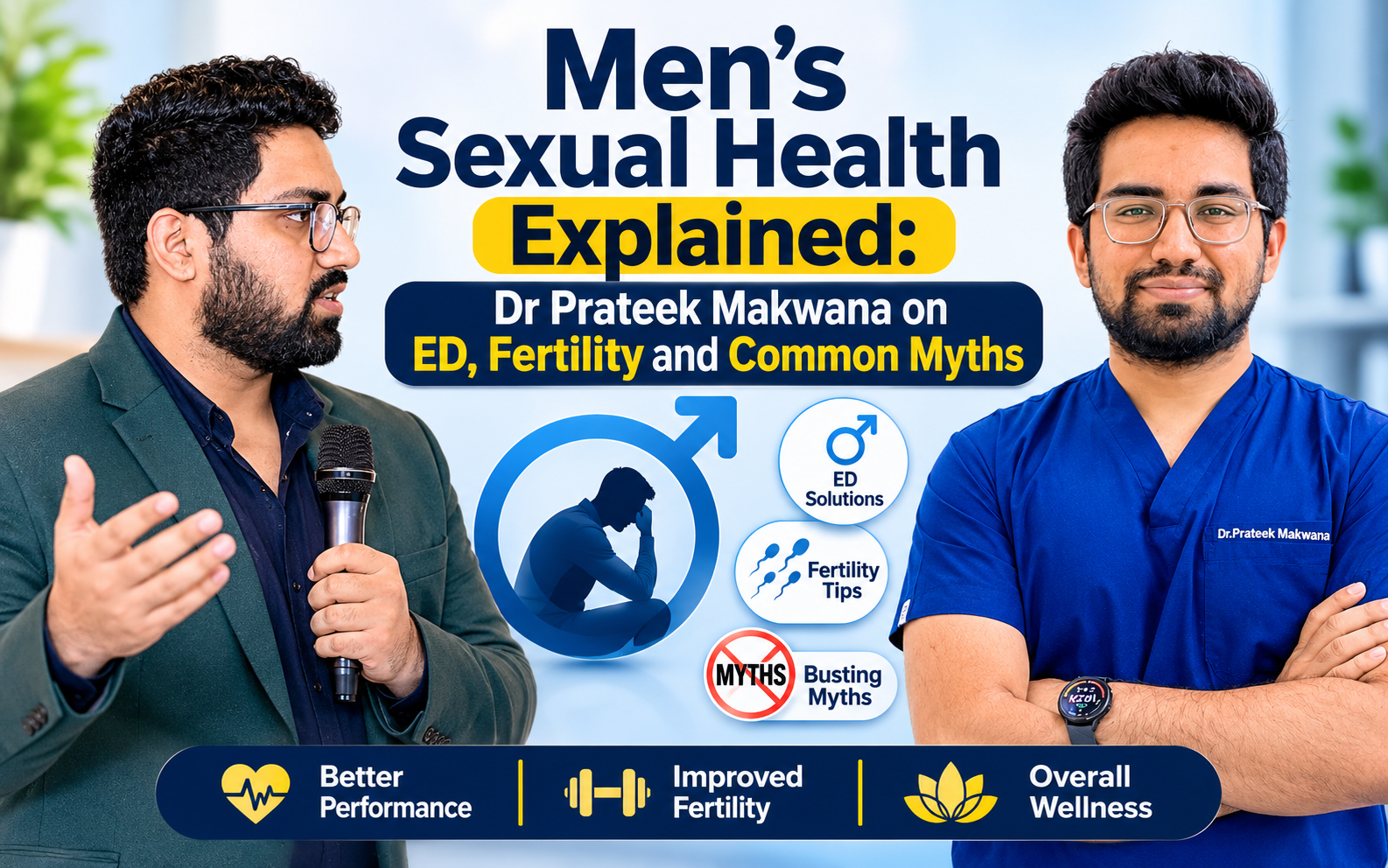
Dr Prateek Makwana is a Consultant Embryologist and Director of Vasundhara IVF in Jodhpur, recognised as an ESHRE Young Ambassador and a two-time TEDx speaker. Through his platform @fertility_scribbles, he’s been busting myths around infertility and sexual wellness for years. Here, he tackles the questions men are too embarrassed to ask out loud, from rising ED cases in their 20s to the one myth he wishes would finally die. What are the most common sexual health concerns men come to you with, and at what age do these typically start showing up?There isn’t just one, but quite a few sexual health concerns that young men reach out to me with. The ones I see most commonly are questions like: Is masturbation bad, and does it affect testosterone levels? I’ve also noticed a rise in cases of erectile dysfunction among men aged 24-28. Something I tell everyone is that masturbation itself is not harmful and does not affect hormone levels. However, excessive or compulsive behaviour can negatively affect libido and interest in real-life sexual encounters, especially when it starts interfering with relationships, productivity, motivation or daily activities. That’s when one needs to cut back. So, do it, but responsibly. Erectile dysfunction in younger men has been on the rise. Beyond underlying medical factors, body image issues, the depiction of men in adult videos, performance pressure, and insecurities around size can cause undue stress, making men feel they aren’t enough, even when they absolutely are. This is why access to the right information and professional support matters, so young men don’t fall into a vicious cycle of self-doubt. How much of men’s sexual health is actually tied to lifestyle factors like stress, sleep, diet and exercise, versus underlying medical conditions?Men’s sexual health is very closely connected to lifestyle factors. Whenever we speak

Crystal Clear: Top Indian Brands Fueling the Spiritual Wellness Boom

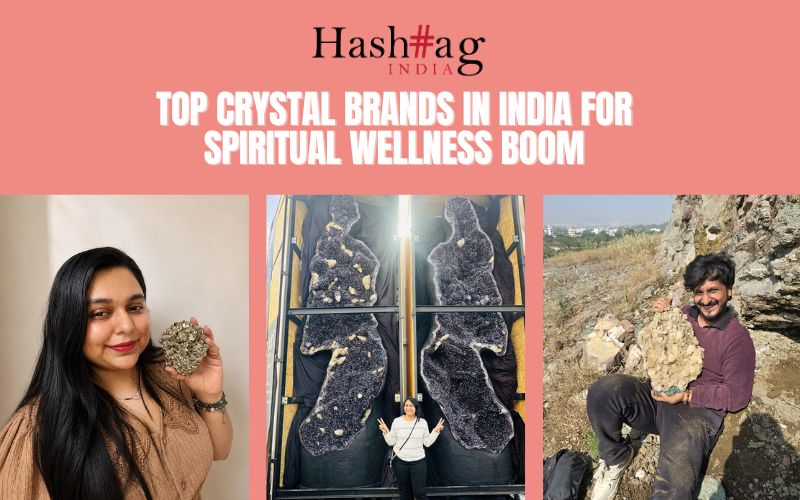
From rose quartz tucked into handbags to amethyst clusters doubling up as bedside décor, crystals have quietly made their way from niche spiritual circles to the everyday routines of a generation searching for balance. In a world obsessed with self-care, manifestation, and mindful living, these shimmering stones have become more than just beautiful objects. Across India, a new wave of homegrown brands is redefining how people engage with crystals. What was once limited to a handful of metaphysical stores has evolved into thoughtfully curated businesses offering everything from ethically sourced stones and crystal jewellery to workshops, energy healing, and personalised spiritual experiences. Backed by growing communities and a desire to make alternative wellness more approachable, these brands are proving that spirituality can be both deeply personal and beautifully modern. Meet the homegrown brands bringing a touch of magic, mindfulness, and meaning to the country’s thriving spiritual wellness space. Top 6 Homegrown Brands Fueling India’s Crystal Wellness Boom Crystals by Riya: What began as curiosity eventually became a life-changing journey for founder Riya Jain. After completing her MBA and working in the corporate world, she found herself drawn to something more meaningful. Fascinated by crystals and spiritual wellness, she left her job to launch Crystals by Riya, which has now completed six years and fulfilled over 50,000 orders. Customisation remains one of the brand’s defining pillars. “We believe jewellery should tell a personal story,” says Jain. “We work closely with our clients to transform their ideas into meaningful pieces they can cherish for years.” More than sales, she values the community the brand has built, adding, “Many of our customers return to us not just for products, but because they resonate with the values we stand for.” Having watched the spiritual wellness space evolve, Jain believes people are becoming “far more

Tre Wellness: A Thoughtfully Curated Healing Retreat Near Hyderabad

Just two hours from Hyderabad, surrounded by open skies, birdsong, and the calming calls of peacocks, Tre Wellness feels more like a serene healing sanctuary than a typical wellness escape. Located in Kolkunda, the 20-room retreat blends Ayurveda, naturopathy, and mindful hospitality into a deeply restorative experience. Sinduri Vuppala shares her stay at Tre Wellness, where every detail is thoughtfully designed around holistic wellbeing. I honestly didn’t know what to expect before arriving. Wellness retreats often promise transformation, but very few manage to balance authentic healing with genuine comfort. Tre Wellness surprised me because it did both, thoughtfully, quietly, and without feeling performative. The experience began on a warm and welcoming note the moment we checked in. Before anything else, there was a detailed wellness questionnaire followed by a one-on-one consultation with the in-house doctor that lasted close to 30 minutes. It didn’t feel rushed or standardised. The doctors genuinely tried to understand lifestyle patterns, health concerns, stress levels, sleep habits, digestion, and overall well-being before suggesting therapies. What stood out immediately was how personalised everything felt. Rather than placing guests into fixed wellness packages, the team carefully blended Ayurveda and naturopathy based on individual needs. By lunchtime on the very first day, each of us already had a customised healing plan prepared. My therapies began with an Abhyanga massage, and from there, every treatment felt intentionally curated. Day two was Udwartana, an Ayurvedic dry powder massage therapy known for stimulating the lymphatic system and activating pressure points and improving circulation, while another involved a deeply relaxing potli massage. Reflexology is also given daily for around 15 minutes as part of the healing routine. There were also mud packs, liver treatments, water yoga, face yoga, detox therapies, and herbal treatments woven seamlessly into the schedule. Every guest follows a structured

A Slower Side of Goa: Elements by Rosetta and Evenings at Ouzo Delmar

There’s a version of Goa that doesn’t try too hard to be seen. It’s quieter, a little more contained, and far more rewarding if you let yourself slow down. That’s the space Elements by Rosetta fits into. Set in Varca, slightly removed from the busier stretches, the property feels designed to hold you in, not isolate you, but gently detach you from everything outside. You’re close enough to the beach, but not constantly aware of it. Instead, the focus stays within, on space, light, and how you move through it. The layout is simple but effective. Low-rise blocks frame a central pool that becomes the heart of the property. Most rooms face into it, so no matter where you are, there’s always a visual connection to water. Check-in is smooth, without the usual over-explaining. You’re handed fresh coconut water, branded, yes, but still refreshing enough to land in your room, within minutes. Room tariffs typically range from ₹10,000 to ₹15,000, with higher rates for premium categories. The jacuzzi room with direct pool access is easily the one to pick. It changes the way you use the space entirely. You’re not scheduling pool time, you’re stepping in and out of it between everything else. The pool itself carries most of the day’s energy. Some people are stretched out with books, some in the water, others parked by the poolside bar, which adds just enough movement to keep things from feeling too still. It never tips into being loud, which is what makes it work. Mornings are slow. Afternoons are slower. Evenings naturally find their way back to the jacuzzi or a quiet corner of the property. It’s indulgent, but in a way that doesn’t feel forced. Beyond the obvious, the property is fairly well-rounded. There’s a small game room, a gym,

You May Also Like