There was a time when getting tattooed meant walking into the most popular studio in town and choosing a design off a wall. But India’s tattoo culture has evolved far beyond that. Today, people are searching for something far more personal, with art that carries identity, emotion, storytelling, and individuality. In an era where self-expression matters more than trends, independent tattoo artists are becoming the real stars of the ink scene. Mehak Walia in conversation with six independent tattoo artists, discussing their specializations and beyond.
From hyper-detailed realism and hand-poked art to experimental linework and culturally rooted designs, a new generation of tattoo artists across India is building loyal communities purely through their distinct styles and creative vision. They are not just creating tattoos; they are creating experiences, safe spaces, and deeply personal collaborations that stay with people for life. So, let’s just shine a spotlight on some of the most exciting independent tattoo artists making their mark and redefining what India’s modern ink culture looks like today.
Six Must-Check Independent Tattoo Artists:
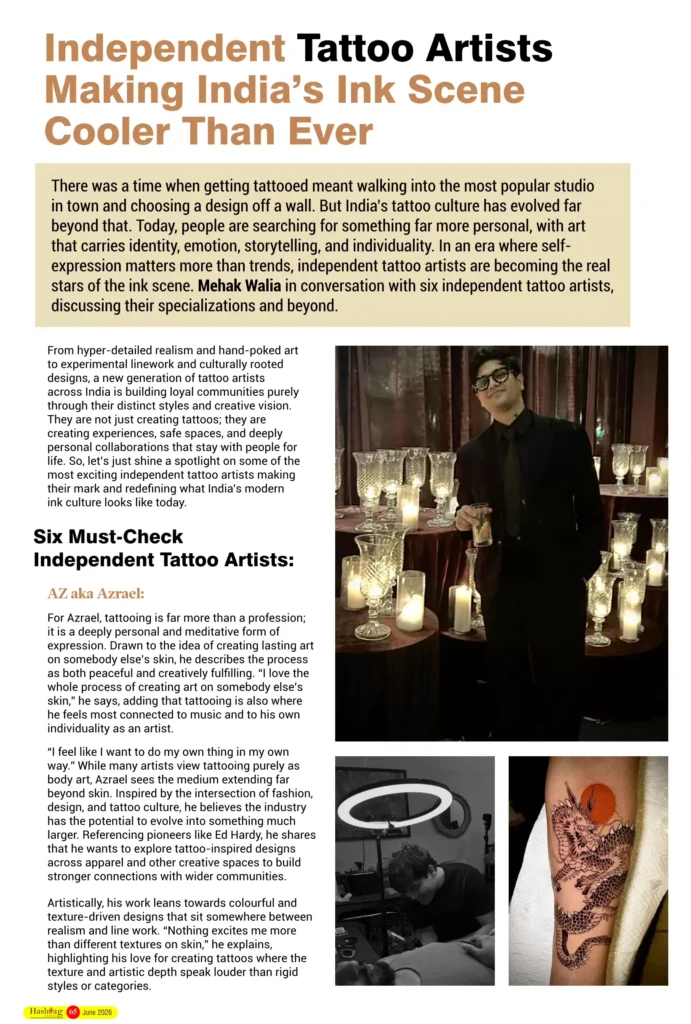
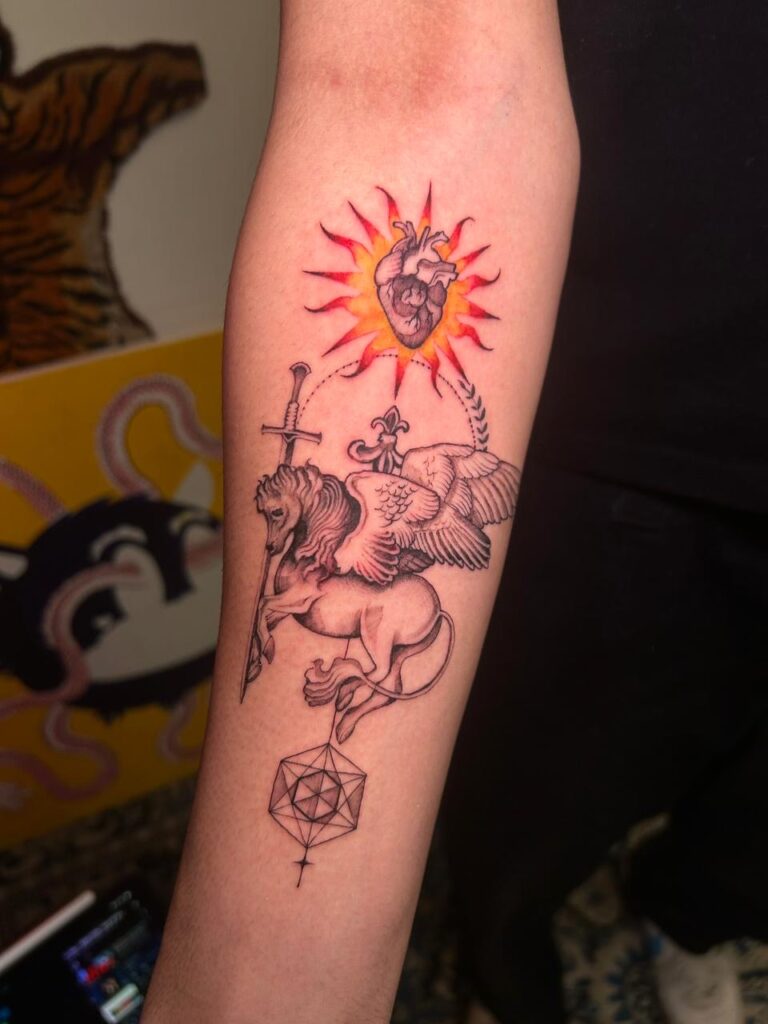
AZ aka Azrael: For Azrael, tattooing is far more than a profession; it is a deeply personal and meditative form of expression. Drawn to the idea of creating lasting art on somebody else’s skin, he describes the process as both peaceful and creatively fulfilling. “I love the whole process of creating art on somebody else’s skin,” he says, adding that tattooing is also where he feels most connected to music and to his own individuality as an artist.
“I feel like I want to do my own thing in my own way.” While many artists view tattooing purely as body art, Azrael sees the medium extending far beyond skin. Inspired by the intersection of fashion, design, and tattoo culture, he believes the industry has the potential to evolve into something much larger. Referencing pioneers like Ed Hardy, he shares that he wants to explore tattoo-inspired designs across apparel and other creative spaces to build stronger connections with wider communities. Artistically, his work leans towards colourful and texture-driven designs that sit somewhere between realism and line work.
“Nothing excites me more than different textures on skin,”
he explains, highlighting his love for creating tattoos where the texture and artistic depth speak louder than rigid styles or categories.
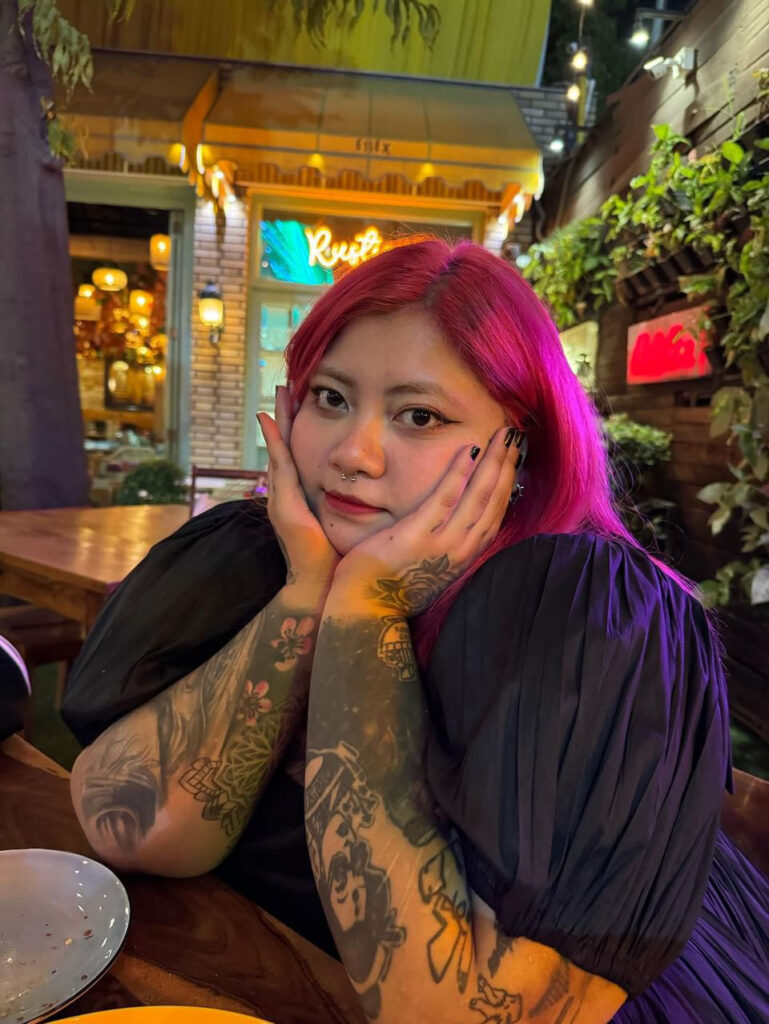
Akki aka Ink Hashira: For Akki, tattooing is about transforming emotion, identity, and imagination into something permanent. Drawn to the idea of skin being “the coolest canvas on the planet,” the artist fell in love with the depth and storytelling that tattoo art allows. “Tattoos are the ultimate way to make art timeless, you’re literally wearing your story, your vibes, or just a beautiful piece of design forever,” she says. Beyond the creative aspect, what excites her most is the opportunity to collaborate with different people and bring their visions to life while maintaining complete artistic freedom.
“There’s honestly no better rush,” she adds. Working out of her own home studio has allowed Ink Hashira to move away from conventional trends and fully embrace experimental styles that reflect her artistic identity. For her, tattooing is about channelling “wild, personal energy into something permanent,” often through custom cybersigil and anime-inspired creations that feel futuristic and deeply individualistic. Her signature aesthetic blends cybersigilism, anime art, gothic influences, and elements of traditional Japanese artistry to create tattoos that feel dark, immersive, and cinematic.
“If you want something dark, futuristic, that’s exactly my playground,”
she says. From sharp cyberpunk-inspired details to flowing body-conscious compositions, her work stands out for turning skin into a bold, sci-fi-inspired canvas.
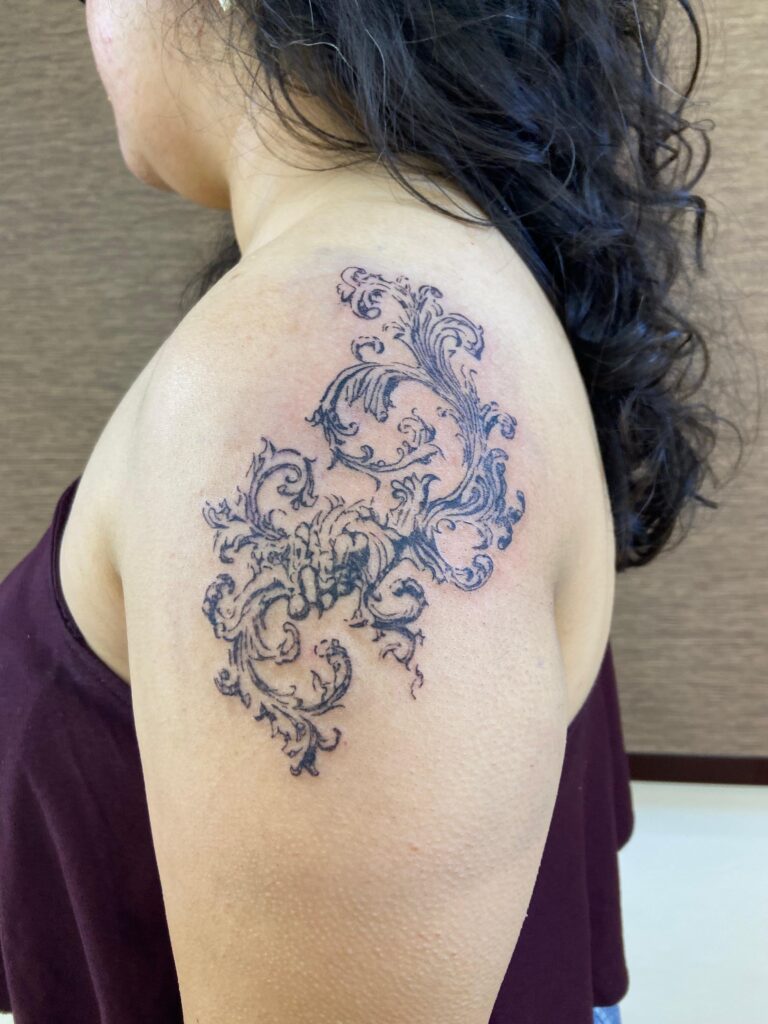
Fifi aka Fifipoke: For Fifipoke, tattooing emerged naturally through a long-standing love for exploring different artistic mediums. What began as curiosity eventually turned into a deeper calling when they discovered handpoke tattooing and connected with its slow, intentional nature. “I fell in love with the intimate and intentional process of creating art that lives permanently on someone’s skin,” they say. For Fifi, the beauty of tattooing lies in its ability to transform emotions, memories, and personal stories into something timeless.
“The idea of turning emotions and stories into something timeless made me realise this was the form of art I truly wanted to pursue.” To them, tattoo art goes far beyond aesthetics and trends. They view it as a deeply personal form of self-expression that becomes part of a person’s identity and journey. Specialising in handpoke tattooing inspired by pointillism, their work often incorporates Indian and desi visual influences while maintaining a sense of minimal storytelling. Rather than chasing temporary trends, Fifi focuses on creating designs that feel intentional and personal to the wearer.
“I focus on creating tattoos that feel personal and intentional, a balance between my artistic style and the individuality of the person wearing it,”
they explain, highlighting the emotionally rooted approach that defines their work.
Mannat aka Art By The Gods: For Mannat, becoming a tattoo artist felt less like a planned career move and more like fate taking its course. “Honestly, I can just say God’s plan,” she says, summing up her journey into tattooing with quiet honesty. Her relationship with tattoo art is deeply philosophical, viewing it as “a cool art form that expresses the desire to feel some sort of permanence in an otherwise uncertain and temporary life.” Whether decorative, ritualistic, deeply emotional, or completely meaningless, she believes tattoos hold space for all kinds of human experience and that freedom is what makes the medium so powerful.
Mannat specialises in freehand tattooing, a process that allows her designs to naturally flow with the body’s anatomy instead of feeling separate from it.
“I specialise in freehanding my designs, which helps me establish a relationship between my artwork and the natural anatomy of the body,”
she explains. Rather than confining herself to one fixed aesthetic, she is drawn towards versatility and creative fluidity in her work. Beyond her artistic practice, Mannat also points out that she was among the first few artists to introduce the concept of home studios in Delhi, something she feels helped create space for more independent artists, especially women, to emerge within the tattoo scene. For her, that growing sense of dialogue and community remains one of the most rewarding shifts within the industry today.
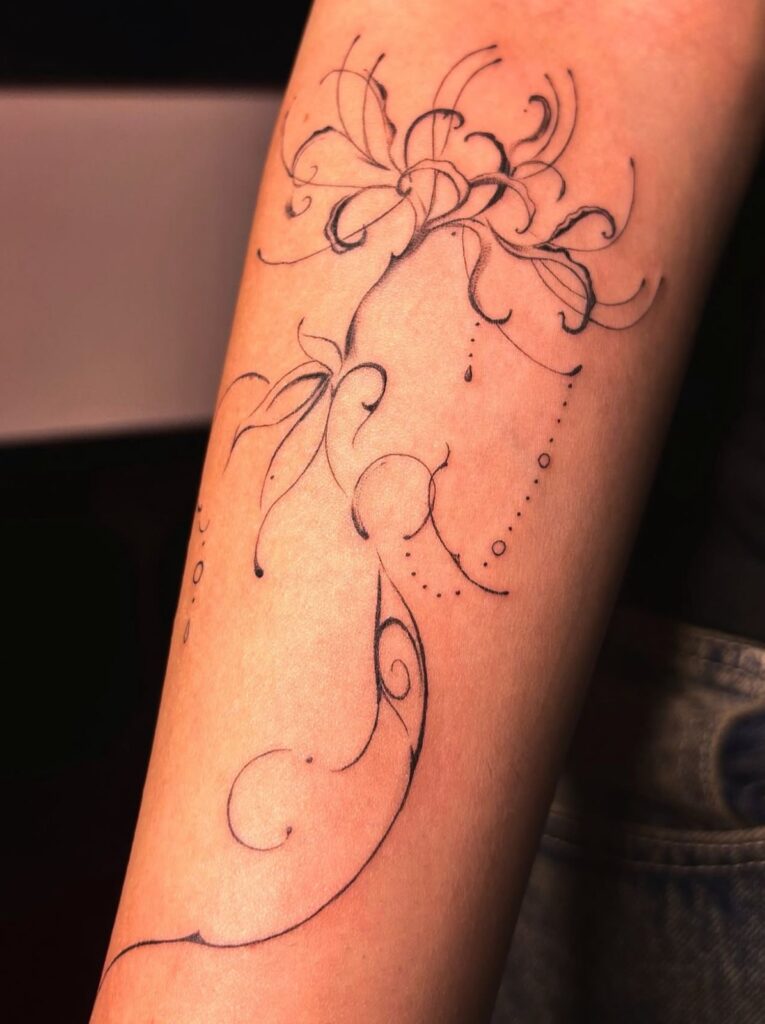
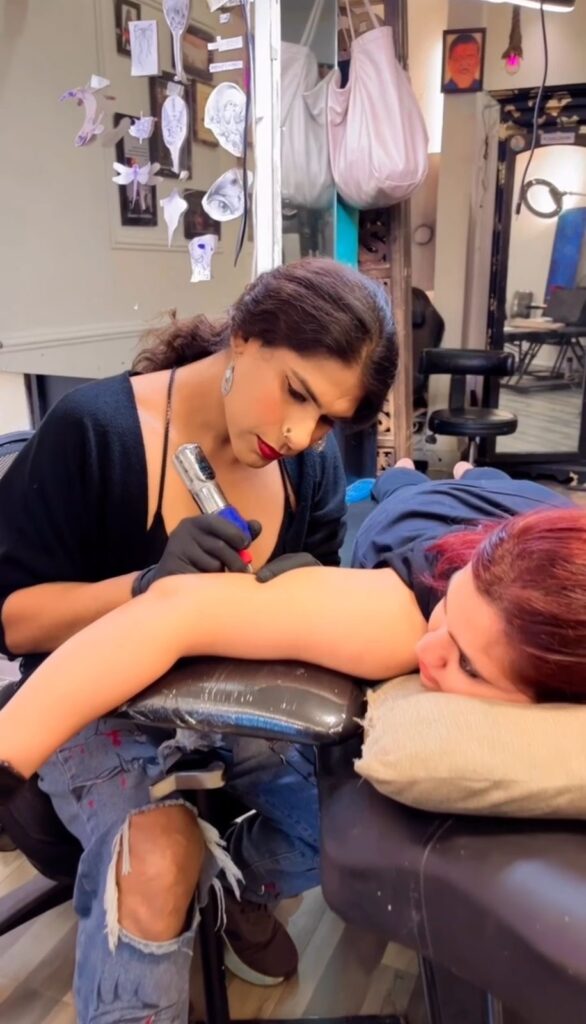
Bruna aka Bruna Freespirit: For Bruna, tattooing became more than just a creative profession; it became a space for freedom, self-expression, and human connection. As a trans woman, she shares that conventional corporate spaces never felt like they could offer the kind of independence she was looking for. Her journey into tattooing began while working as a social media manager at a tattoo studio, where she became fascinated by the idea of creating permanent art on somebody’s body.
“You are your own boss, which is very important,”
she says, adding that connecting with people and turning their stories into tattoos is what made her fall in love with the craft. “When I started learning, I found my passion, and I genuinely don’t even feel like it’s work; it’s what I love to do.” To Bruna, tattoo art is both self-expression and self-celebration. She believes tattoos can carry deep emotional meaning while also existing as beautiful art. One of her earliest tattoos, a sunflower and a woman emerging from a black hole that she tattooed on herself, reflected her experience of coming out as a trans woman.“ I felt like I’m finally coming out from a dark hole and blooming like a sunflower in a feminine body,” she shares. Having worked in the industry for over seven years, Bruna specialises in fine line and minimal tattoos, styles she admires for their delicacy and precision. “It looks easy, but there’s no room for error,” she says, explaining the discipline and practice that define her work.
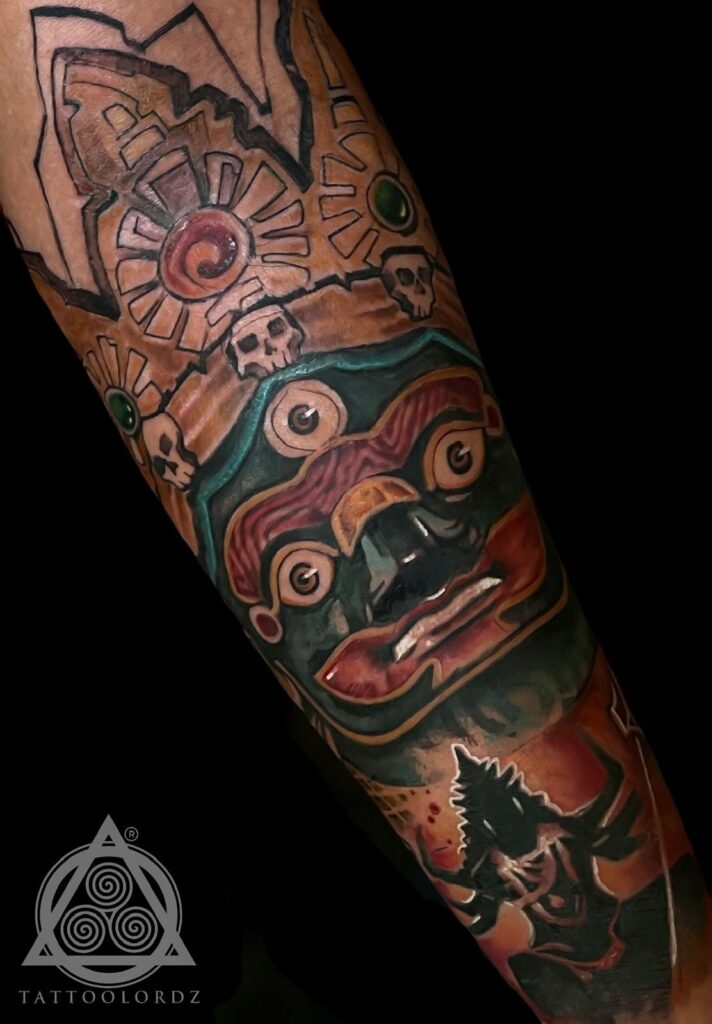
Amey Acharya aka TattooLordz.Inc: For Amey, tattooing was never a carefully planned career path but something that gradually became inseparable from his life. Having started tattooing over 16 years ago, he reflects on how his early years in football shaped his personality through discipline, patience, emotional strength, and resilience. Over time, art became the only outlet through which he could process and express his inner world.
“Tattooing gave me a purpose where human emotions, storytelling and creativity could exist together permanently on skin,”
he says. What initially began as an escape slowly transformed into something far deeper and more devoted. To Amey, tattoo art exists far beyond trends or surface-level aesthetics. He describes it as “a conscious exchange of energy and emotions between two individuals,” where every tattoo carries a story, memory, belief, transformation, or personal scar that someone chooses to live with forever. Specialising primarily in freehand tattooing, his work is deeply rooted in spiritual concepts, symbolic storytelling, organic flows, and body-fitting compositions that move naturally with anatomy. Rather than relying on replicated designs, he prefers building tattoos through conversations and lived experiences. “For me, the strongest tattoos are the ones that feel lived in, personal and timeless,” he explains, highlighting the emotionally driven philosophy that shapes his artistic process.
The rise of independent tattoo artists in India signals a larger shift in the way people approach body art today. Tattoos are no longer seen as impulsive trends or decorative statements alone; they have become deeply personal extensions of memory, identity, emotion, and individuality. At the centre of that shift, independent artists are creating spaces that feel more collaborative, intimate, and creatively liberating for the people who walk into them.