Visit: Offbeat and Stunning Architectural Marvels—Stepwells Of Gujarat

There is more to Gujarat other than the White Rann, the temples, the festivals and the mouthwatering delicacies. Stepwells have served their purpose in the yesteryears and now are one of the most important symbols of Gujarat’s architecture. Ketki Gadre helps you catch a glimpse of the traditional architecture and explore a different side of Gujarat with the stepwells of Gujarat. 

Gujarat boasts of over a 100 stepwells in different cities, dating as far back as 300 AD to 400 AD. Stepwells, locally known as ‘Vav’ have been mentioned in the Vedas and early examples can be found in the Indus Valley Civilization. It is believed that wells were constructed by the rulers from 500 AD to 1100 AD as a source of water for local people.

Stepwells traditionally served the purpose of storing water in the times of drought. Locals had to go down the steps to reach a water reservoir which was usually two to seven storeys deep. The depth made sure there was negligible evaporation and the water remained cold and fresh. Earlier there were only steps but they evolved into timeless architectural marvels with intricate carvings on each storey. Most stepwells are so technologically sound that they can withstand an earthquake of upto 7.5 Richter scale.
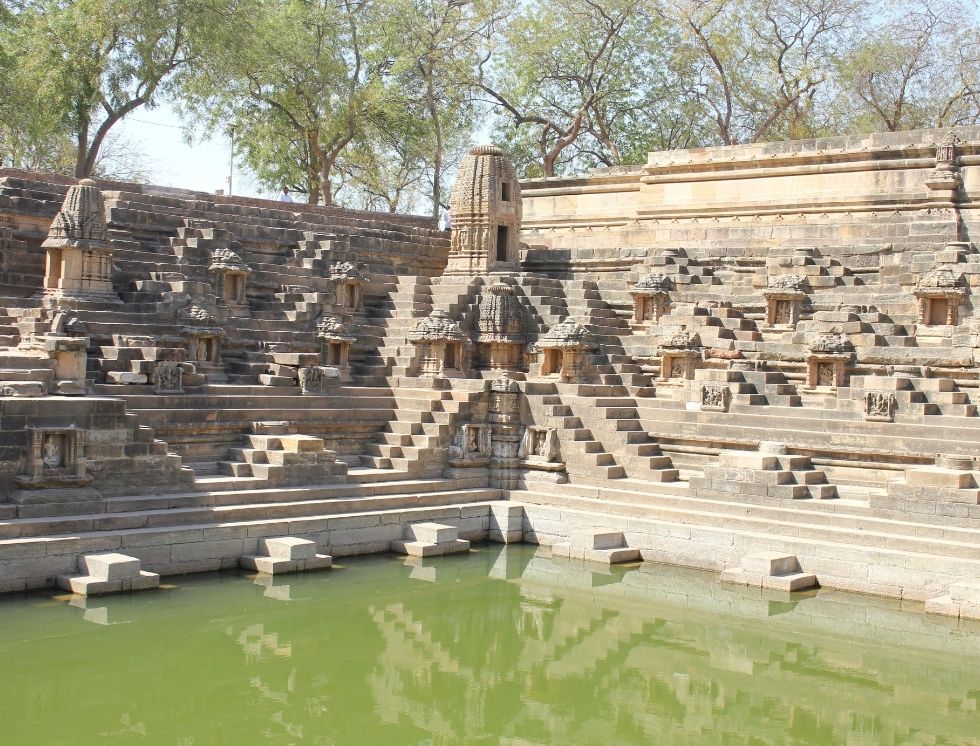
Stone Stepwells of Gujarat

The architecture of the stepwells is so stunning that many are preserved by UNESCO as World Heritage Sites. 

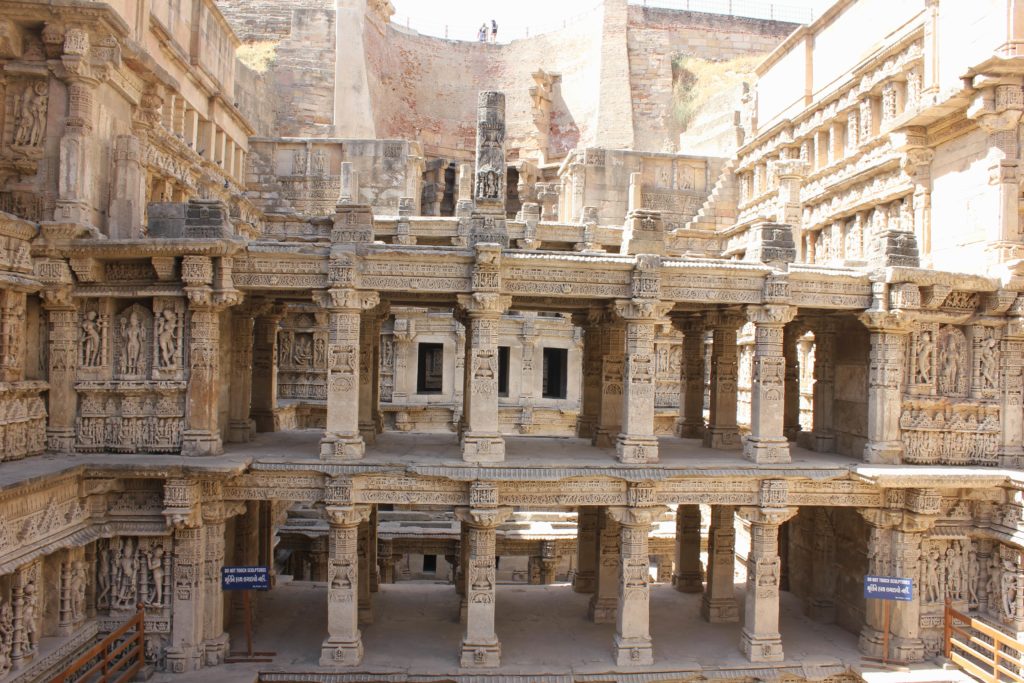
Rani Ki Vav, Patan

The Rani Ki Vav, a UNESCO world heritage site, was built in the early 11th century, by Queen Udayamati, in memory of her husband. The stepwell was flooded by the nearby Saraswati River, in the 15th century, and got completely silted. It was rediscovered in the 1980s by the Archaeological Survey of India upon excavation with the carvings in pristine condition. 

This multi-storied stepwell has ornately carved walls, columns and steps with various forms of gods and goddesses. Every inch of this stepwell has carvings related to Lord Vishnu, Vishkanyas and Apsaras and has a spiritual significance. The stepwell is known to house over 800 sculptures.

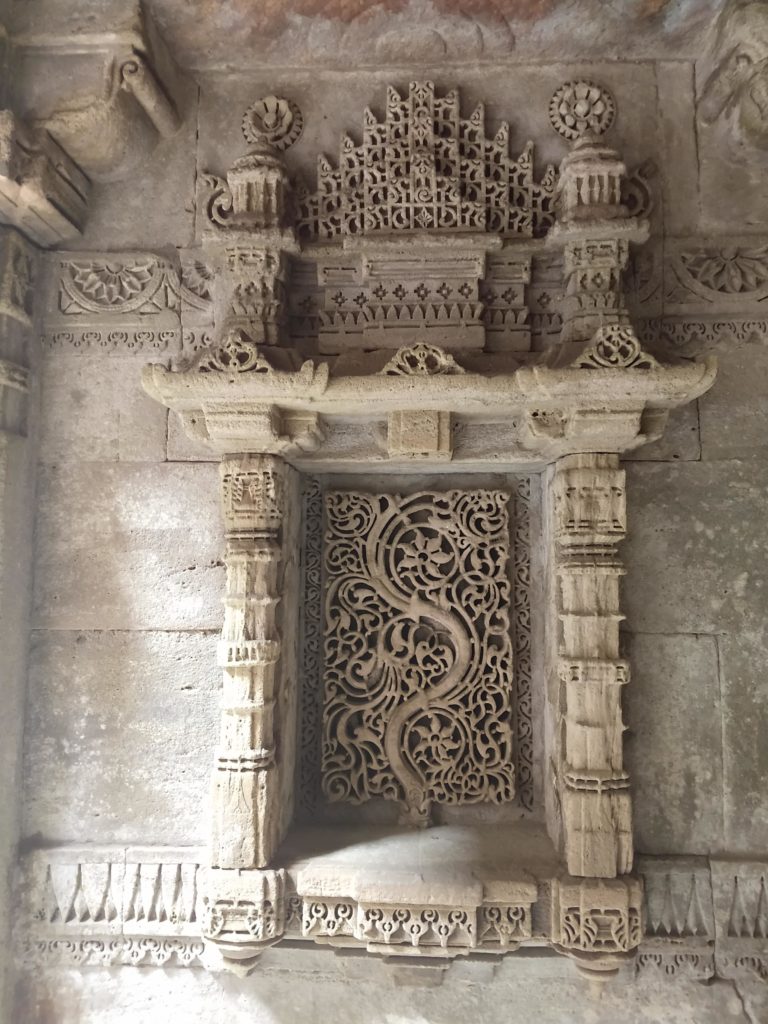
Adalaj ni Vav, Adalaj-Gandhinagar
Stone Stepwells of Gujarat

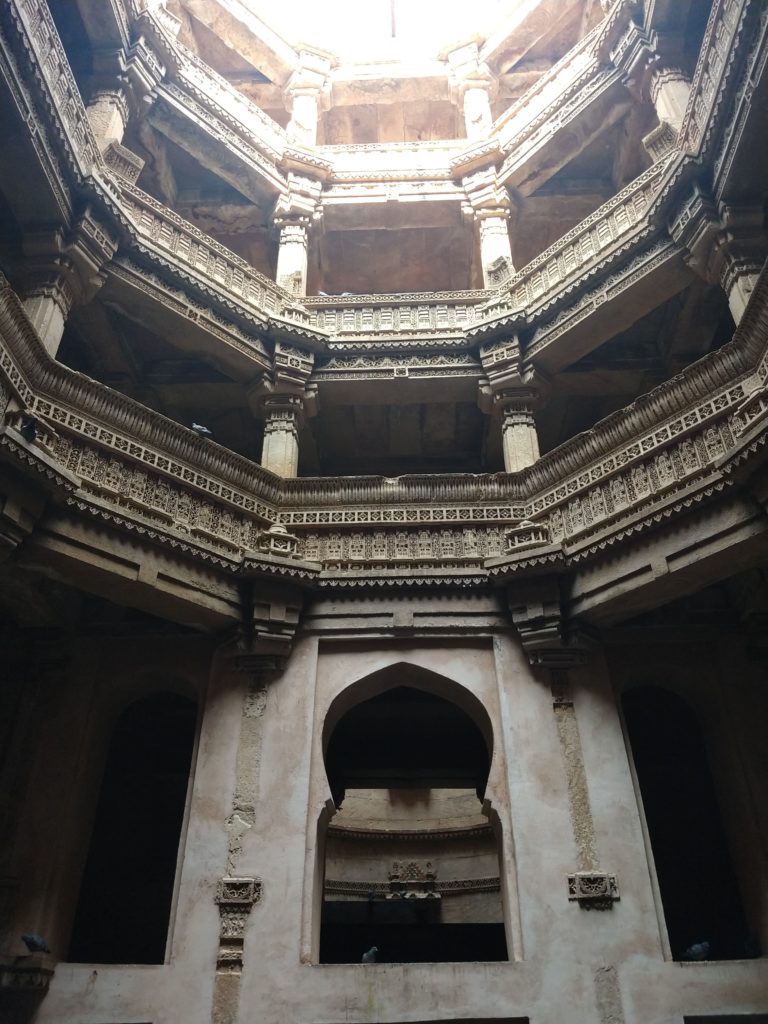
Located in Adalaj Village near Gandhinagar, the stepwell was built in the 15th century by Queen Rudabai. The five storeyed stepwell is designed in Indo-Islamic architecture, with intricate floral carvings on the pillars and walls demonstrating Jain and Hindu symbolism. The stepwell is octagonal in shape and follows the Solanki style of architecture. The entrance and steps going down five floors have beautifully carved pillars. 

Modhera Surya Kund, Modhera

The Modhera stepwell is part of the larger Sun temple complex. The Modhera Sun Temple is a unique temple in Gujarat dedicated to the God Sun. Adjacent to the temple is a huge stepwell called the Surya Kund. This stepwell characterises not only the storage of water but also has religious rituals wherein worshippers could take a bath before entering the temple premises for praying. The stepwell consists of 108 miniature shrines carved on the steps and makes for an astounding architecture and backdrop.

Dada Harir Vav, Ahmedabad

One of the better-kept stepwells in the city of Ahmedabad is the 500-year-old Dada Harir Vav. The seven storeyed octagonal stepwell has intricately carved walls and columns with floral sculptures and scriptures in Arabic and Sanskrit. The stepwell, with its Indo-Islamic architecture, had a huge significance in the history of the area as it provided relief to the locals and travelers in hot months with water and shade.

Adi-Kadi Vav, Junagadh

Unlike the other stepwells in Gujarat, this stepwell does not feature extensive carvings. Instead Adi-Kadi Vav was entirely carved out of the hard rock. A lean path of 120 stairs goes down through the stone to reach a small water reservoir. 

Sevasi Vav, Vadodara

The seven storeyed Sevasi Vav is on the outskirts of Vadodara town with amazing architecture and carvings. The stepwell is constructed in the combination of brick masonry and stone and known to be constructed 500 years ago. It is laid out in the east-west direction and has intricate carvings on the walls and pillars such as motifs, floral prints, bells, and animals. The stepwell has a residing deity and the locals visit here to pay their respects which also helps in maintaining the structure


Leave a comment

Your email address will not be published. Required fields are marked *

Bookstore Tourism: India’s Most Beautiful Literary Escapes

Travel usually means ticking off monuments or finding the perfect beach, but there is a quieter, more rewarding way to see India, through its bookshelves. Bookstore Tourism is the art of slowing down, trading the chaos of the streets for the scent of old paper and the creak of wooden floorboards. In a world of digital scrolls, these physical spaces offer a sanctuary. They aren’t just shops; they are cultural anchors housed in heritage bungalows, 150-year-old mansions, and even on islands. Dhanush Kumar writes about the popular Indian bookstores that invite you to get lost in a labyrinth of stories. Kitab Khana, Mumbai Nestled in a 150-year-old building in the historic Fort area, Kitab Khana feels like a time capsule. With its soaring ceilings, Corinthian Columns, and floor-to-ceiling wooden shelves, it offers a majestic escape from Mumbai’s humidity. Find a corner by the tall windows and watch the world go by. The bookstore has a Subko coffee outlet inside, blending Mumbai’s best third-wave coffee with its most beautiful reading room. They have one of the best collections of Marathi and Gujarati books in the city. Literati Bookshop and Café, Goa Forget the beach parties for attention. Located in a lush, red-tiled Indo-Portuguese villa in Calangute, Literati is where the Slow Goa movement truly lives. Browse through sun-drenched rooms filled with second-hand treasures, then take your find out to the garden. It feels more like visiting a well-read friend’s home than a retail store. Keep an eye out for first-edition Goan history books or rare out-of-print paperbacks often tucked in the second-hand corners. Rachna Books, Gangtok Perched in the heart of the Himalayas, Rachna Books is a pilgrimage site for bibliophiles. It’s a family-run space that has won “Bookstore of the Year” awards for its curated collection and cultural impact. This

Budget Spiritual Travel: How to go Deep, Not Cheap in India

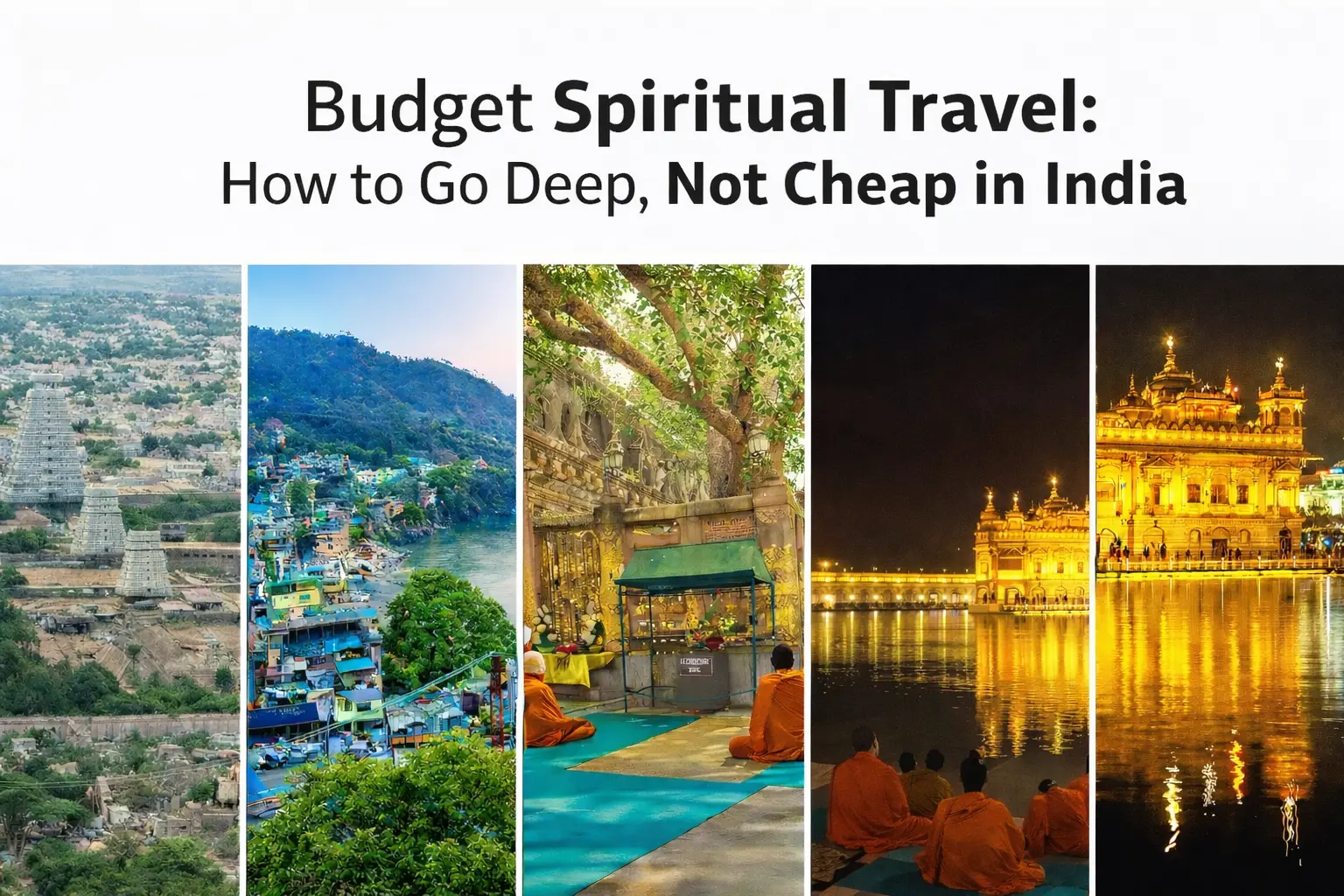
In 2026, spiritual tourism in India has become a massive industry. From high-end meditation boutiques in the Himalayas to luxury detox villas in Kerala, it is easier than ever to spend a fortune on enlightenment. But here is the truth that every true seeker eventually realises: spirituality is one of the few things in life that actually becomes less authentic the more you pay for it. Going deep isn’t about the thread count of your yoga mat; it’s about the intensity of your immersion. Dhanush Kumar writes about how to experience the spiritual soul of India without falling into the trap. The Power of Seva: Amritsar The Golden Temple is the ultimate classroom for humility. While thousands of tourists visit to take photos, the deep experience lies in the Langar, which is the community kitchen. Instead of just walking through, volunteer for two hours in the kitchen. Peeling garlic or washing giant vats alongside people from every walk of life is a more profound meditation than any paid workshop. Arrive at 4 AM for the Paki Sahib procession. You will hear the low, rhythmic chanting of Gurbani hymns that seem to vibrate through the very marble floor. The air is cool, and the reflection of the illuminated temple in the Amrit Sarvoar creates a sense of being in a world between worlds. The Path of Self Inquiry: Tiruvannamalai While many spiritual hubs feel like a circus, the town of Tiruvannamalai, home to the sacred Arunachala Hill, remains a sanctuary for serious meditators. Stay at the Sri Ramanasramam or a nearby simple guesthouse. Avoid the spiritual cafes and instead participate in the Girivalam, a 14 km walk around the mountain at 4 AM with thousands of others, but the experience is intensely deep. The scent of camphor from small roadside shrines

Family Road Trips in India: 6 Routes with Kid-Friendly Stops and Food

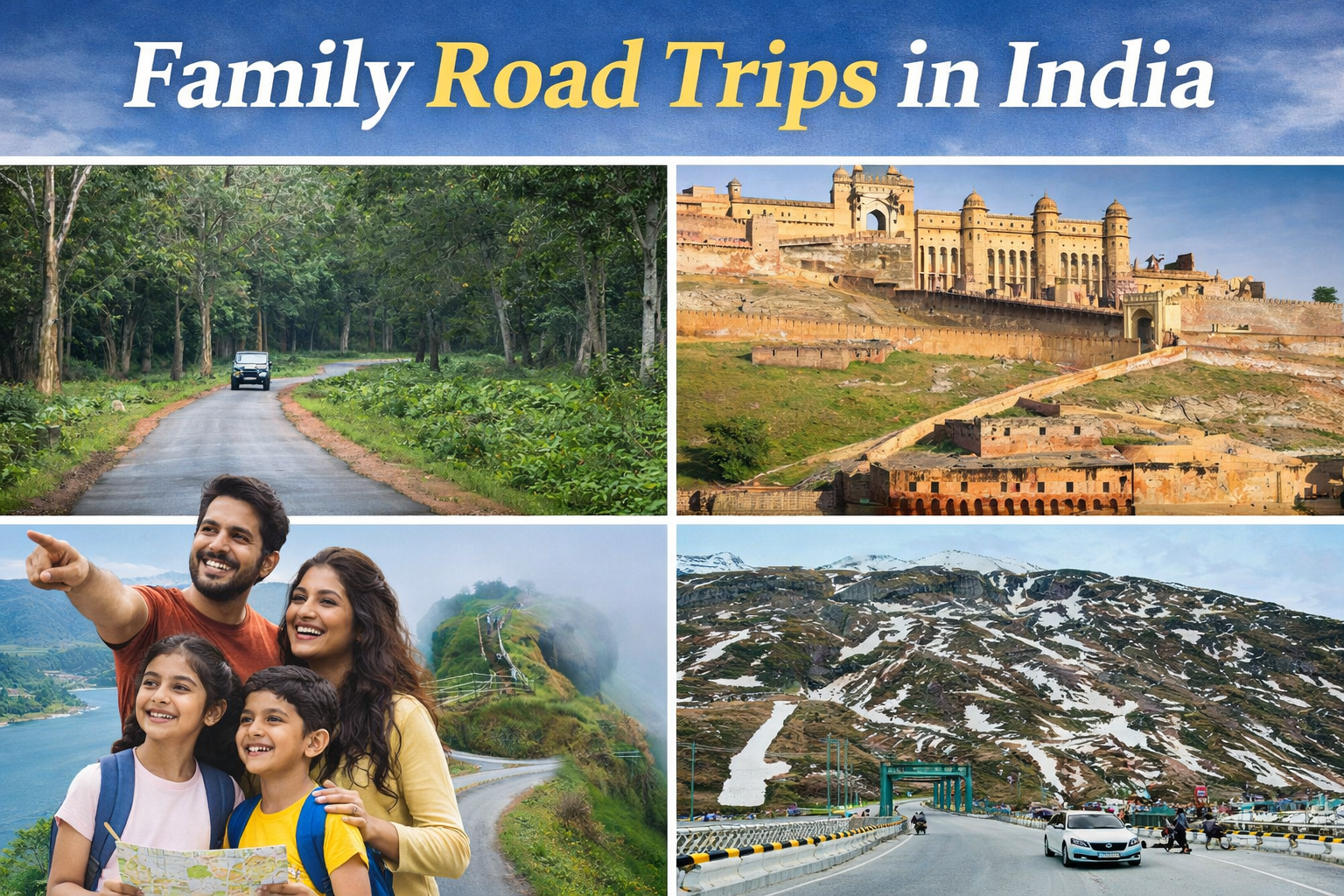
The engine is humming, the bags are packed, and the open road awaits. But as every parent knows, a successful family road trip in India is a fine art. It requires more than just a GPS; it requires a strategy for clean restrooms, engaging pit stops, and food that won’t result in a backseat tantrum. When the logistics are handled, a road trip becomes more than just travel; it becomes a core childhood memory. From the misty mountains of the North to the coastal breezes of the South, Dhanush Kumar brings you six iconic Indian routes designed to keep the kids happy and the parents’ stress levels low. 1. Delhi to Jaipur: The Golden Path The transition from the skyscrapers of Gurgaon to the pink walls of Jaipur is a visual treat. The expansion of the NH48 makes this a smooth drive for families. You can break the journey at Neemrana Fort Palace, the sprawling gardens are perfect for kids to burn off energy, and the vintage car museum is a guaranteed hit. On the way, you can stop at a dhaba and order Paneer Parathas and fresh curd. 2. Mumbai to Mahabaleshwar This route offers a dramatic climb through the Western Ghats. The Mumbai-Pune Expressway provides world-class tarmac, while the climb to the hill station offers cooler air and scenic views. You can stop at Mapro Garden, also known as Panchgani. This isn’t just a stop, it’s a destination. With dedicated play zones and a chocolate factory tour, it’s the ultimate reward for a long drive. 3. Bangalore to Coorg The drive through the lush landscapes of Karnataka is refreshing, but the winding roads near the end require planned breaks to keep motion sickness at bay. A slight detour near Dubare Elephant Camp allows children to interact with elephants

What Lies Ahead in 2026

What Lies Ahead in 2026As we step into the year ahead, astrologer and psychologist Kirron Shahppuri gives us a playful, insightful peek at what the stars have planned from surprises and shifts to fresh beginnings worth getting excited about. ♈ ARIES (March 21 – April 19) Theme 2026: Leadership with emotional maturity Prediction: In 2026, Aries is pushed into positions of responsibility. Career growth is certain, but results come only through patience and strategic action. Financial stability improves gradually. Relationships become smoother once impulsive reactions are controlled. Health requires proper rest and stress management. Avoid: Anger-driven decisions, confrontations, and impulsive spending.Lucky Dates: 9, 18, 27Lucky Colours: Red, CoralRemedy: Offer water to the Sun daily and chant Om Suryaya Namah every Sunday. ♉ TAURUS (April 20 – May 20) Theme 2026: Stability through adaptability Prediction: This year strengthens Taurus financially, but only through long-term planning. Property, savings, and business foundations grow steadily. Emotionally, relationships demand flexibility and openness. Those who resist change may feel stuck. Avoid: Stubbornness, emotional possessiveness, risky investments.Lucky Dates: 6, 15, and 24Lucky Colours: Pastel Pink, Earthy GreenRemedy: Donate milk or rice on Fridays and chant Om Shukraya Namah. ♊ GEMINI (May 21 – June 20) Theme 2026: Mental clarity and communication power Prediction: Gemini experiences professional growth through communication, networking, teaching, and media-related work. New contacts open doors. Mental discipline is essential to avoid anxiety. Personal bonds improve with honest conversations. Avoid: Gossip, multitasking overload, mental exhaustion.Lucky Dates: 5, 14, and 23Lucky Colours: Light Green, YellowRemedy: Chant Om Budhaya Namah on Wednesdays and keep a green plant nearby. ♋ CANCER (June 21 – July 22) Theme 2026: Emotional healing and inner security Prediction: A deeply introspective year where home, family, and emotional balance take priority. Property-related matters may arise. Career growth remains steady if emotional boundaries are

You May Also Like

Connect with us