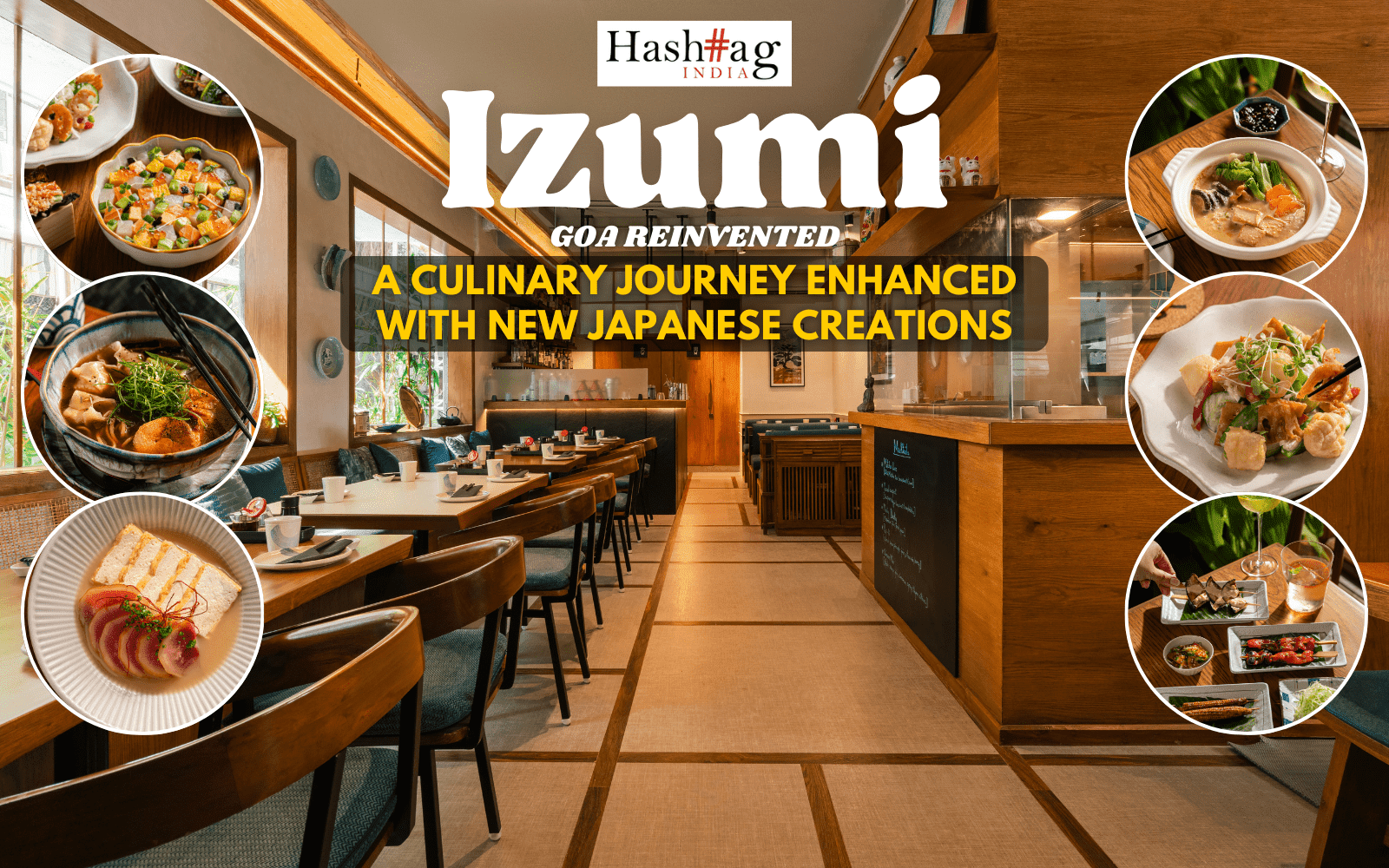
Izumi, Goa Reinvented: A Culinary Journey Enhanced with New Japanese Creations

New Japanese Restaurants In Goa

Nestled in the charming lanes of Assagao, IZUMI has long been a cherished destination for lovers of authentic Japanese cuisine. Known for its expertly crafted sushi and soul-warming ramen, the restaurant has now entered an exciting new phase. With the recent addition of Chef Raffael Kably alongside founder Chef Nooresha Kably, IZUMI unveils a refreshed menu that seamlessly blends tradition with innovation. Inspired by their travels to Japan, the new offerings introduce bold flavors while staying true to the restaurant’s roots. RATNA BHUPAL explores the new flavors, from inventive small plates to flavorful mains, promising an elevated dining experience that captivates and delights.

Founded by Chef Nooresha Kably, the restaurant has been a go-to for classics like sushi and ramen. Now, with the recent addition of Chef Raffael Kably, Izumi has introduced a series of new dishes to its existing menu. Inspired by their recent travels to Japan, these creations add a fresh, innovative touch while staying true to the restaurant’s roots. The chef’s approach is rooted in authenticity but not afraid to experiment, resulting in dishes that excite the palate and pay homage to the classics Izumi was loved for.

Journey through the New Menu

The new offerings are a revelation. Traditional sushi lovers need not worry – the sushi remains stellar but with inventive additions. We began our meal with the Ohitashi Tomato & Crispy Tofu Salad, a vibrant mix of lotus root, snow peas, and white onion, all brought to life with a zesty yuzu dressing. Refreshing and light, this salad felt like a reinvention of a classic, offering a delightful start to our meal.

Next came the Avocado Tartare with Corn Cream, a dish that balanced flavours and textures beautifully. Its creamy, soothing taste lingered on the palate, making it an instant favourite.

From the vegetable robata grills, the Dashi Red Bell Pepper with Maple Butter and Aubergine with Shiraae stood out. Despite their simplicity in appearance, both dishes were bursting with flavour, perfectly cooked, and served as two sticks – a must-try for anyone exploring this section.

From the non-veg robata grill, the Chicken with Sansho Emulsion was a standout. Juicy, tender, and paired with a perfectly balanced misoreni sauce, it was one of the most succulent pieces of chicken I have ever had.

For seafood lovers, the Prawn Okonomiyaki is a revelation. This savoury pancake, made with prawns, cabbage, and pickled ginger, is topped with a rich sauce, Japanese mayo, and bonito flakes. The dish delivers an authentic oceanic taste, staying true to traditional Japanese techniques.

In the small plates section, the Camembert Cheese Sticks with Cranberry Sauce stole the show. The interplay of creamy cheese with the tart sweetness of cranberry created a flavour that was both comforting and indulgent. It’s a dish worth returning for.

Memorable Mains

Chef Nooresha and Chef Raffael’s travels influenced the mains most delightfully. The Sapporo Soup Curry is a prime example, inspired by the chef’s experience in Sapporo, where lamb was used in a broth. “It blew our minds,” says Chef Raffael, and this dish, with its authentic flavours, does exactly that for diners.

The Spicy Miso & Sesame Chonak, made with locally sourced fish, was another standout. The perfectly cooked Chonak paired with seasoned rice highlighted both the dish’s traditional Japanese roots and its Goan essence.

For vegetarians, the Shoyu Chintan Ramen is a must-try. Featuring flavourful konbu, shiitake, and soy broth, this comforting bowl of noodles, tofu, and vegetables is both hearty and delicious, with an optional spicy twist.

Drinks and Beyond

The drinks menu at Izumi remains unchanged, retaining its charm with a selection of expertly crafted cocktails. We sampled two of their crowd-favourite classics, and they didn’t disappoint.

The Kill Bill, a tequila-based drink, delivered on its promise of being spicy, zesty, and smoky – a perfect profile for those seeking bold flavours. Meanwhile, the Imperial Bee’s Knees, a gin-based cocktail, was bubbly and refreshing, making it an ideal companion to the diverse dishes on the menu.

Izumi’s commitment to excellence extends beyond the food, ensuring that the drink pairings enhance the overall dining experience.

The Ambiance

Izumi’s tranquil vibe remains intact, with its minimalist decor, warm wood accents, and soft lighting that evoke a Zen-like calm. It’s the perfect backdrop for the culinary journey that awaits.

Final Thoughts

Izumi’s new offerings are a game-changer, taking an already beloved restaurant to greater heights. The new offerings not only pay homage to classic Japanese flavours but also introduce bold, innovative twists that elevate the dining experience.

Whether you’re a long-time patron or a first-time visitor, Izumi’s updated menu is an invitation to rediscover the magic of Japanese cuisine, now elevated and reimagined in the heart of Assagao.

Leave a comment

Your email address will not be published. Required fields are marked *

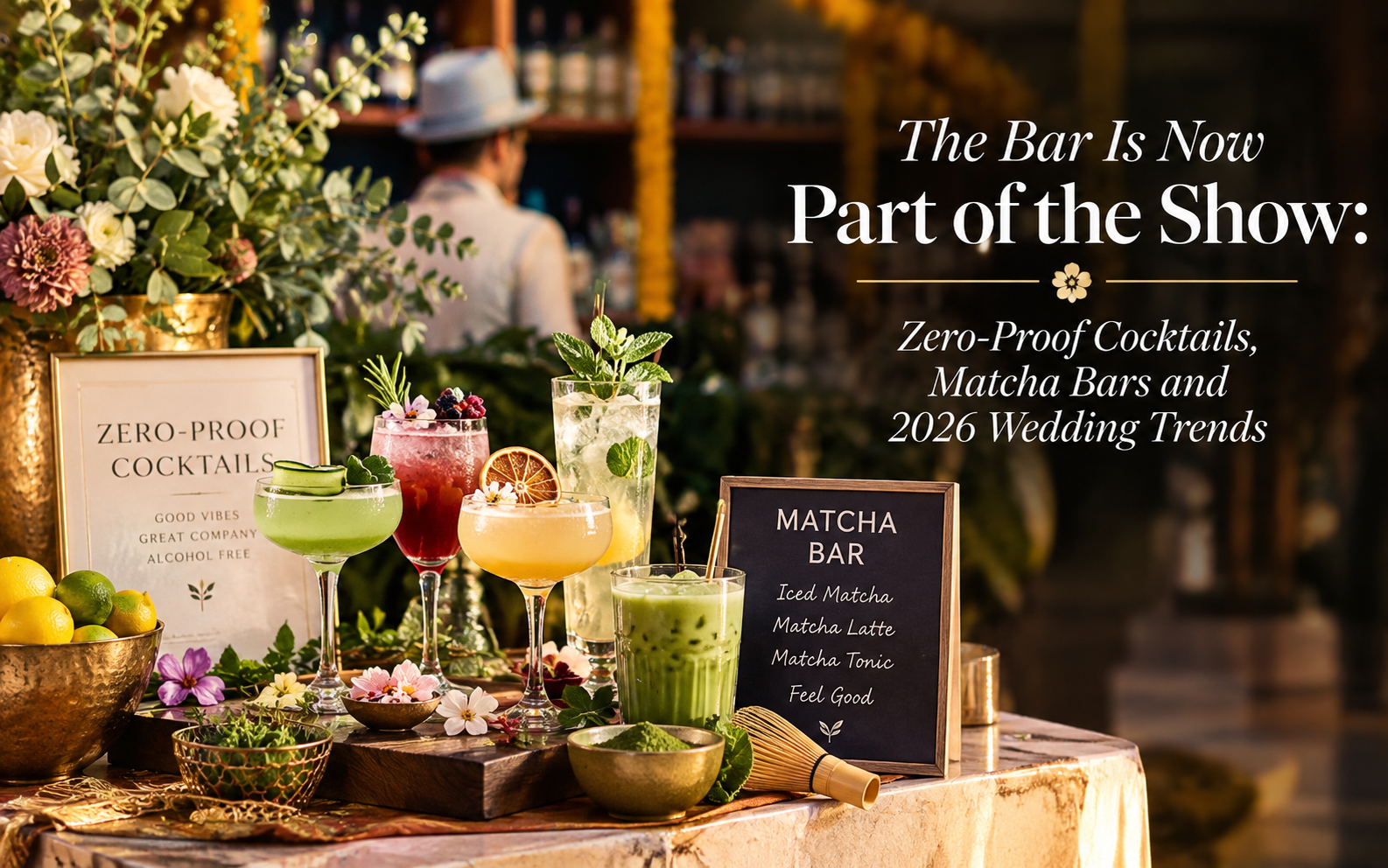
The Bar Is Now Part of the Show: Zero-Proof Cocktails, Matcha Bars and 2026 Wedding Trends

Founded in Bangkok in 2010 by a group of hotel bartenders, FLAIRMIX Thailand began with a single Indian wedding and has grown into a bar and beverage service company working across Thailand, India, Indonesia, Oman, Bahrain and Qatar. Their belief is that a bar is more than a place to pick up a drink: it can shape the atmosphere, the entertainment and the guest experience. Here is what they see changing behind the bar in 2026. Wellness Drinks and Zero-Proof CocktailsThe clearest change from 2025 is in what guests are asking for. Last year still centred on customised cocktails, classics with a twist and drinks with a fancy, luxurious presentation. In 2026, weddings are going beyond the traditional cocktail and mocktail, with hydration bars, electrolyte drinks, kombucha and fully developed zero-proof cocktails joining the menu. What sets this trend apart is the standard. These drinks are no longer treated as a secondary option for guests who don’t drink. They are designed with the same attention to flavour, ingredients, glassware and presentation as alcoholic cocktails. The principle is simple: a guest who chooses not to drink alcohol should enjoy the same level of creativity and experience as everyone else, and a zero-proof menu should be developed to the same standard as the main one. For multi-day Indian weddings, where guests move through a welcome party, haldi, mehendi, sangeet, ceremony, reception and after-party, a bar that offers refreshing, well-crafted options at every stage is a real upgrade for the guest experience. The Rise of the Matcha BarThe second trend is more surprising: Japanese matcha has grown steadily in popularity over the past year, particularly among younger consumers in Asia and internationally, and FLAIRMIX’s clients are now asking for dedicated matcha bars as part of the wedding experience.It also opens up new creative

Food Is No Longer Part of the Wedding, It’s the Experience!

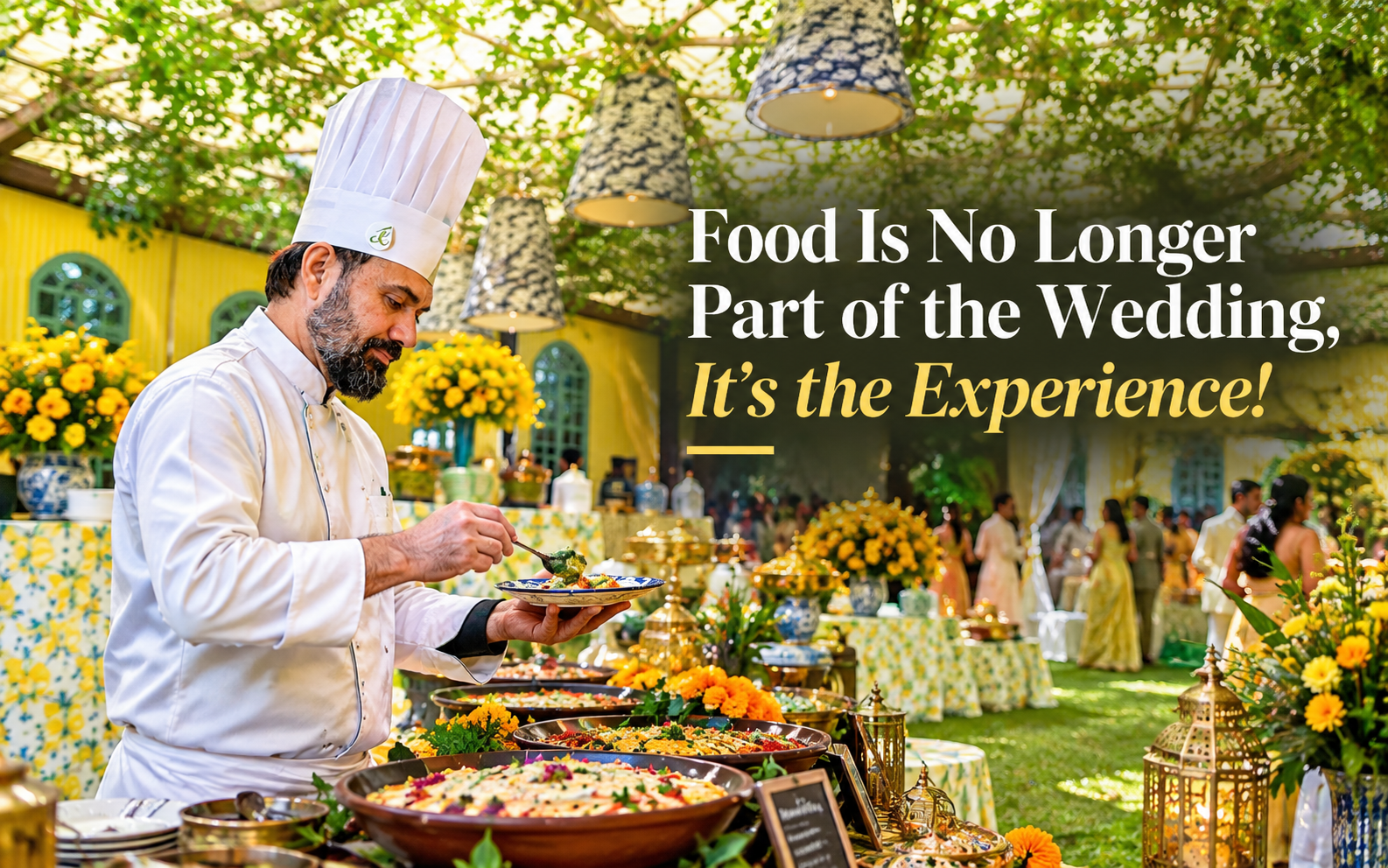
Sanjay Vazirani, Chairman & Managing Director of Foodlink Group, has curated menus for some of India’s most talked-about celebrations, including Deepika Padukone and Ranveer Singh’s Lake Como wedding, Allu Sirish’s celebrations and Arjun Tendulkar’s too. His view for 2026: couples no longer judge catering by the size of the spread, but by how well the food tells their story. Here’s what he sees defining the plate this wedding season. Food as the Defining ExperienceFood has moved from being an important part of a wedding to one of its defining experiences. Couples aren’t counting dishes anymore; they’re asking how the menu can tell their story and create moments guests remember. Hyper-PersonalisationMenus are being built from family traditions, regional heritage, travel memories and favourite cuisines, with growing interest in micro-regional and community-specific Indian cuisines presented with contemporary finesse. At Deepika and Ranveer’s Lake Como wedding, the menus drew on Sindhi and Kannada culinary traditions, brought to an Italian setting with an elevated presentation. Personalisation isn’t adding a few favourite dishes to a standard menu; it’s a culinary narrative that feels intrinsic to the couple. Experiential, Multi-Sensory DiningLive culinary theatres, interactive stations, artisanal grazing tables, regional food trails, bespoke beverage experiences and dessert ateliers are turning dining into entertainment. Aroma, presentation, live preparation and chef interaction are all part of the experience. Allu Sirish’s celebration showed this in action, with Mutton Brishta Dumplings in a bone-broth reduction, Smash Paratha Burgers and a Dal Makhani flambéed live with a Jack Daniel’s tadka. Nostalgia, ReimaginedThe best menus balance nostalgia and innovation. For Arjun Tendulkar, Foodlink curated a traditional Maharashtrian Pangat with aamras, puran poli, handmade modak and varan bhaat, alongside undhiyo and ghughra nodding to Anjali Tendulkar’s Gujarati roots. At a Maldives wedding, Mumbai Misal Pav and Dal Khichdi shared the table with Cannoli and

One Stop, Four Cuisines

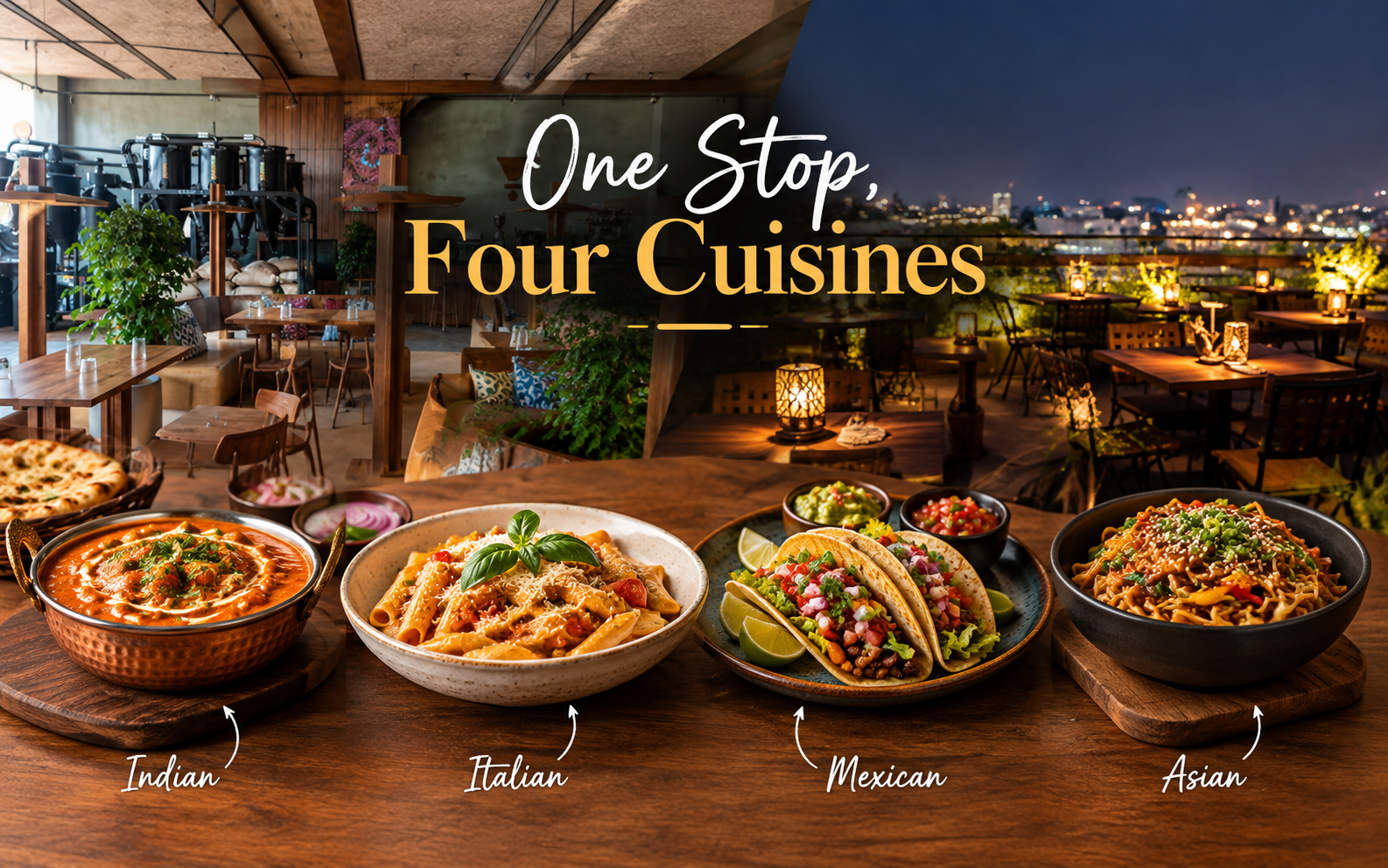
A F&B revolution of sorts is quietly brewing in a building opposite Hyderabad’s landmark Durgam Cheruvu Cable Bridge, and the city of Nizams is approving wholeheartedly. Interestingly, the four F&B properties spawned by hospitality start-up Viksit Hospitality have distinct identities, ranging from regional cuisines showcased at Orlo (derived from our Indian hospitality anthem, Aur Lo Beta!), artisanal coffees from India at Naad, immersive nightlife experiences at Kadamba, to the latest addition of fine dining Japanese restaurant Izumi, in partnership with founder Nooresha Kably. Kadamba Cultural Compound A rooftop terrace bar, Kadamba has, arguably, the grandest ringside views of Durgam Cheruvu, with the night sights of an illuminated cable bridge and the city lights twinkling away on the distant horizon being a definite crowd-puller. The vibe is breezy (literally!) and informal, with the ambience highlights being the kadamba trees with pristine-white ‘chaupals’ (a la village panchayats) around them, where you can sit around and enjoy your drinks. The Japanese izakaya-styled bar promotes the concept of an easy, interactive experience with the team of mixologists. The cocktails are a rage, with colloquial names such as Rambha Ho, a rum-based offering with pineapple, lime juice and chilli pickle; a nod-to-Hyderabad-Kya Toh Bhi, a vodka drink; T-loop, which is tequila, mezcal, muskmelon cordial, caper foam, and Maska made with whisky, brown butter and lime cordial. The cuisine is Indian, including both comfort food and gourmet. Some of the iconic dishes here are the Chelo Kebabs platter; Compound walla Ceviche, which is steamed seabass topped with pani puri dressing, and 50-50, which is corn or bhutta in three different avatars. Orlo Orlo has, at its core, the idea of a Great Indian Dining table where everyone sits together for a relaxed meal, peppered with conversations and slow eating. The distinct aspect of dining at Orlo

Bookmark these Bengaluru restaurants

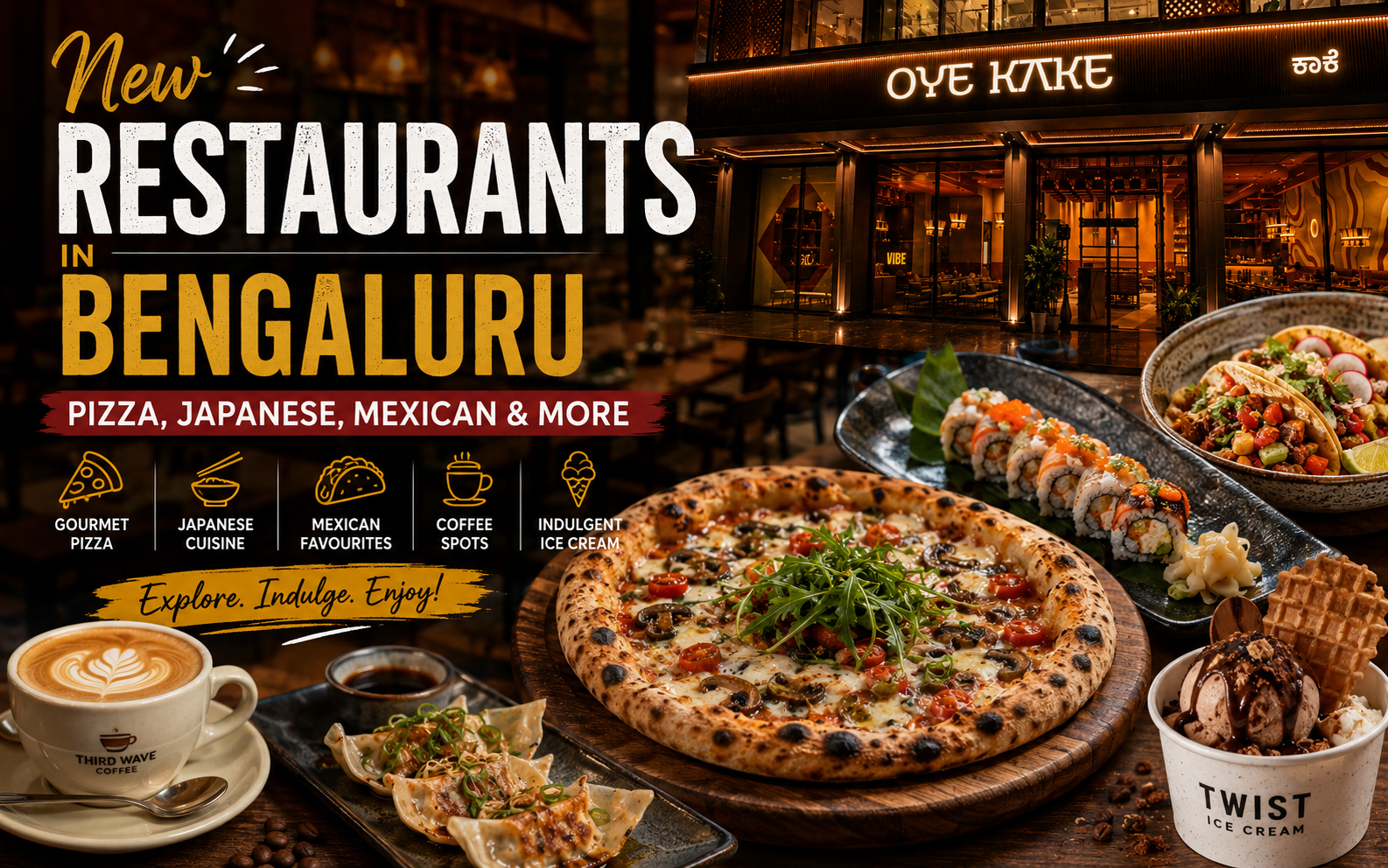
The culinary scene of Bengaluru has got a spanking new makeover with several new restaurants that offer a range of cuisines that are sure to make every palate happy. Known for its vibrant gastronomy, the city continues to offer plenty for food lovers to discover, as Bindu Gopal Rao explores these new dining destinations. Oye Kake, Bengaluru Oye Kake is Mumbai’s beloved 100% vegetarian Amritsari restaurant brand, founded in 2020 by Pankaj Gupta and Avinash Gupta under Flavour Pot Foods. The new space in Bengaluru on MG Road brings the soul of Amritsar, built around three pillars of Punjab’s food culture: the langar, the street, and the home kitchen. Pankaj Gupta, Co-founder, Flavour Pot Foods says, “The food is cooked by Amritsari-trained Ustaads using live tandoor cooking, hand-rolled breads, slow-cooked dals, and clay/iron-based methods, staying true to time-honoured recipes rather than experimenting.” Designed with RAD Co + Lab, the restaurant is a sensory tribute to Punjab and Bengaluru. Every Thursday, the restaurant hosts the Guru Seva Ki Thali, an unlimited community-style feast inspired by the Sikh concept of Seva. Must try: Amritsari De Kulche: classic Bharwan Kulche (Aloo, Pyaaz, Gobi, and Mooli) plus loaded versions like Paneer, Methi Masala, Cheese Garlic, and Nutree Wale Kulcha. Kalpaney Kalpaney is a modern vegetarian dining destination built around the idea of ‘kalpana’, or imagination. Conceptualised by Avinash Kapoli, Co-Founder, Kompany Hospitality, and Chef Sombir Chaudary, Co-Founder, Kompany Hospitality, the restaurant brings together familiar flavours, childhood memories and global culinary influences in unexpected ways. “What makes Kalpaney special is its ability to make vegetarian dining feel playful and contemporary while retaining the comfort and nostalgia of Indian food. The spaces extend this philosophy through carefully curated Indian art and craftsmanship, including Kalamkari-inspired elements and Kavi artwork at the Indiranagar restaurant, created by one of

You May Also Like

Connect with us