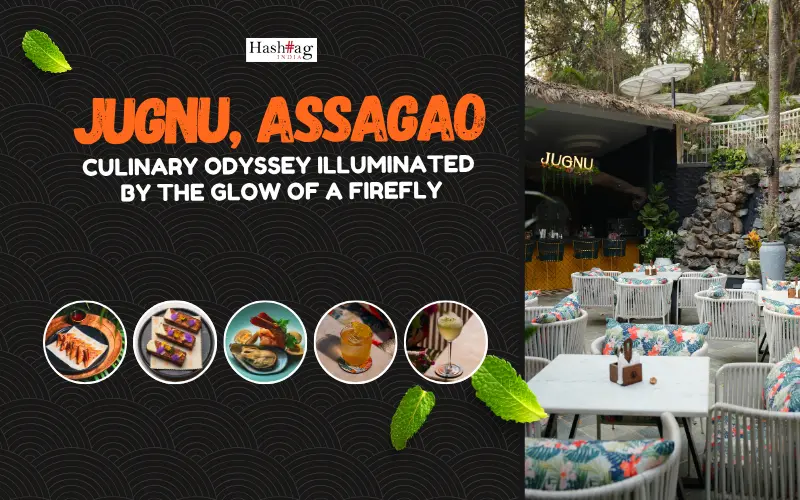
Jugnu Assagao: A Culinary Odyssey Illuminated by the Glow of a Firefly

Jugnu Assagao: A Culinary Odyssey Illuminated by the Glow of a Firefly

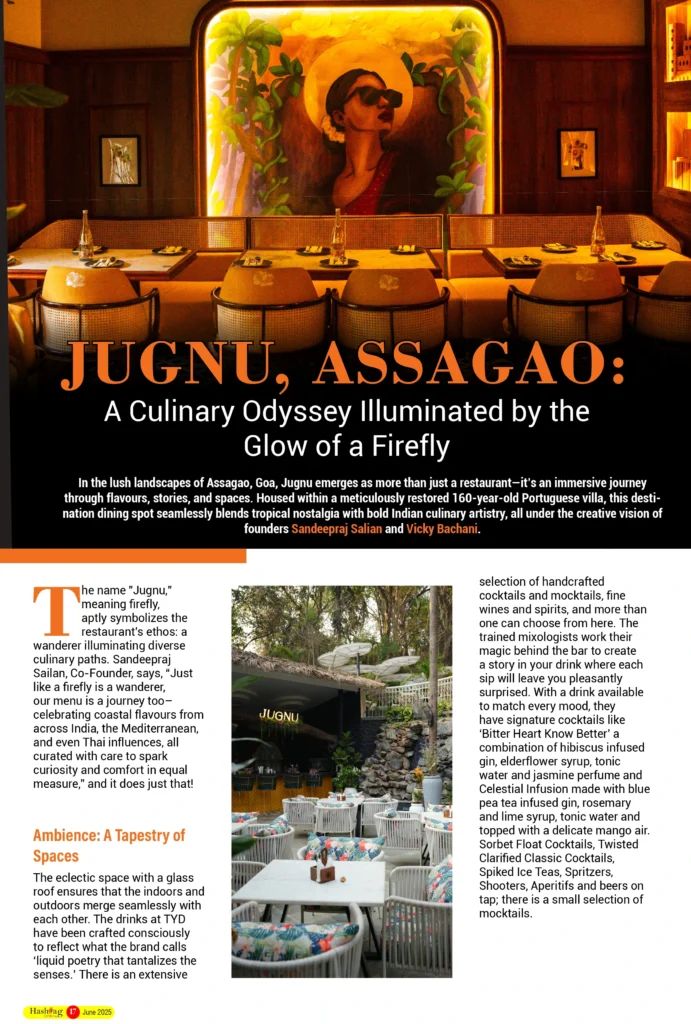
In the lush landscapes of Assagao, Goa, Jugnu emerges as more than just a restaurant; it’s an immersive journey through flavours, stories, and spaces. Housed within a meticulously restored 160-year-old Portuguese villa, this destination dining spot seamlessly blends tropical nostalgia with bold Indian culinary artistry, all under the creative vision of founders Sandeepraj Salian and Vicky Bachani.

The name “Jugnu,” meaning firefly, aptly symbolizes the restaurant’s ethos: a wanderer illuminating diverse culinary paths. Sandeepraj Sailan, Co-Founder, says, “Just like a firefly is a wanderer, our menu is a journey too celebrating coastal flavours from across India, the Mediterranean, and even Thai influences, all curated with care to spark curiosity and comfort in equal measure,” and it does just that!

Ambience: A Tapestry of Spaces

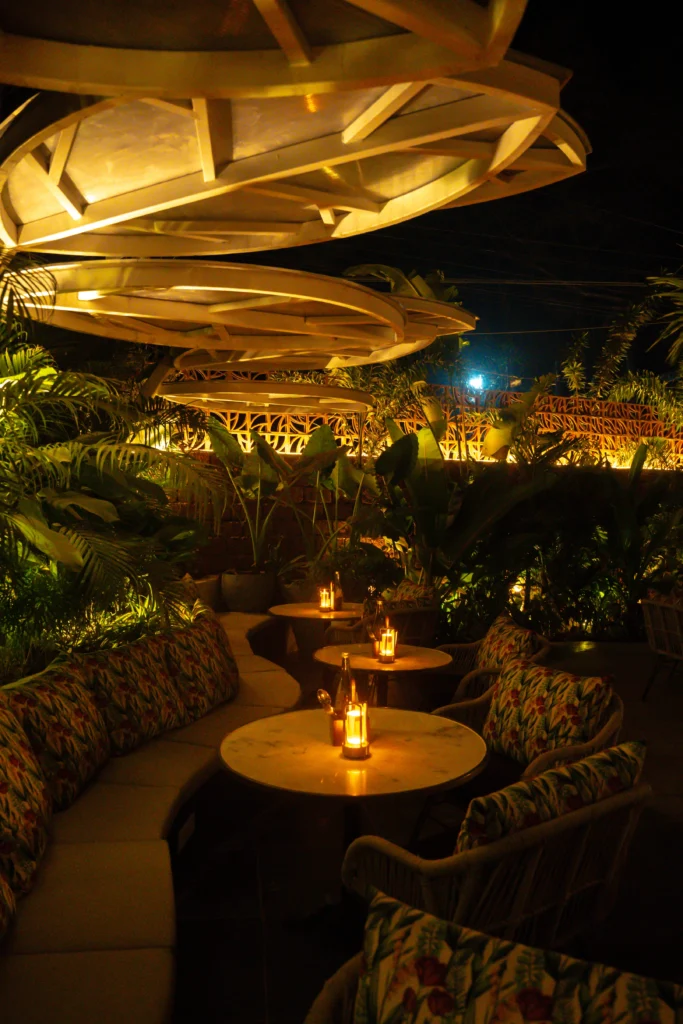
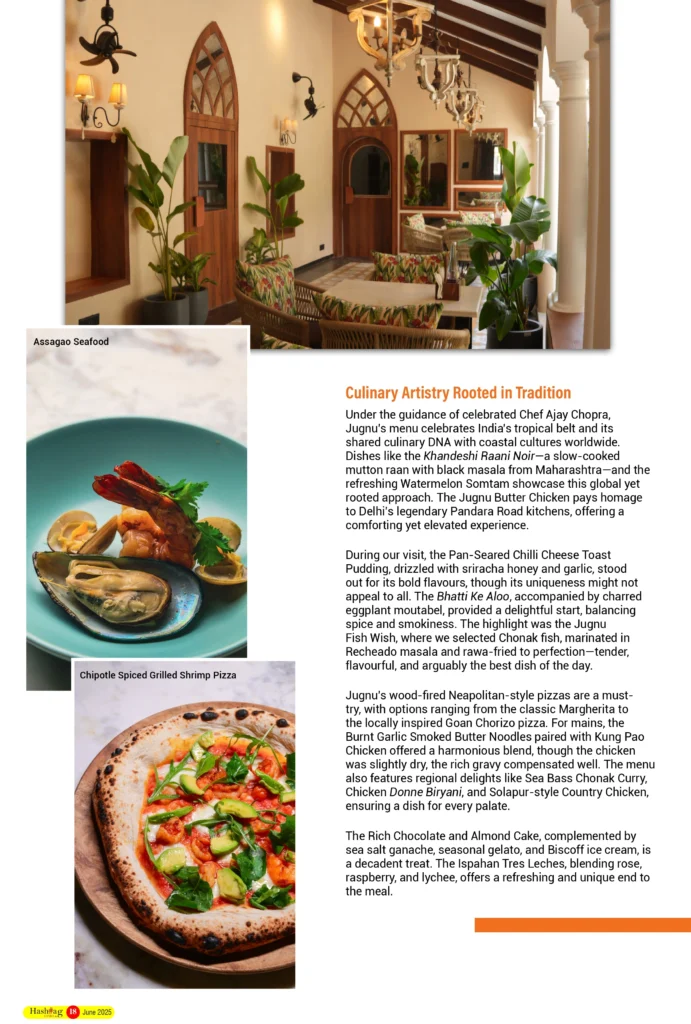
Jugnu’s design is a masterclass in creating immersive environments. The property unfolds through nine distinct dining zones, each thoughtfully curated to evoke emotion and curiosity. From the lush tropical garden and alfresco decks to the cozy indoor dining rooms and a moody dance floor, every corner tells a story. A standout feature is the striking indoor and outdoor bars, all tastefully done, combining rustic and modern aesthetics. 

Culinary Artistry Rooted in Tradition

Under the guidance of celebrated Chef Ajay Chopra, Jugnu’s menu celebrates India’s tropical belt and its shared culinary DNA with coastal cultures worldwide. Dishes like the Khandeshi Raani Noir, a slow-cooked mutton raan with black masala from Maharashtra—and the refreshing Watermelon Somtam showcase this global yet rooted approach. The Jugnu Butter Chicken pays homage to Delhi’s legendary Pandara Road kitchens, offering a comforting yet elevated experience.

jugnu assagao goa
jugnu assagao goa

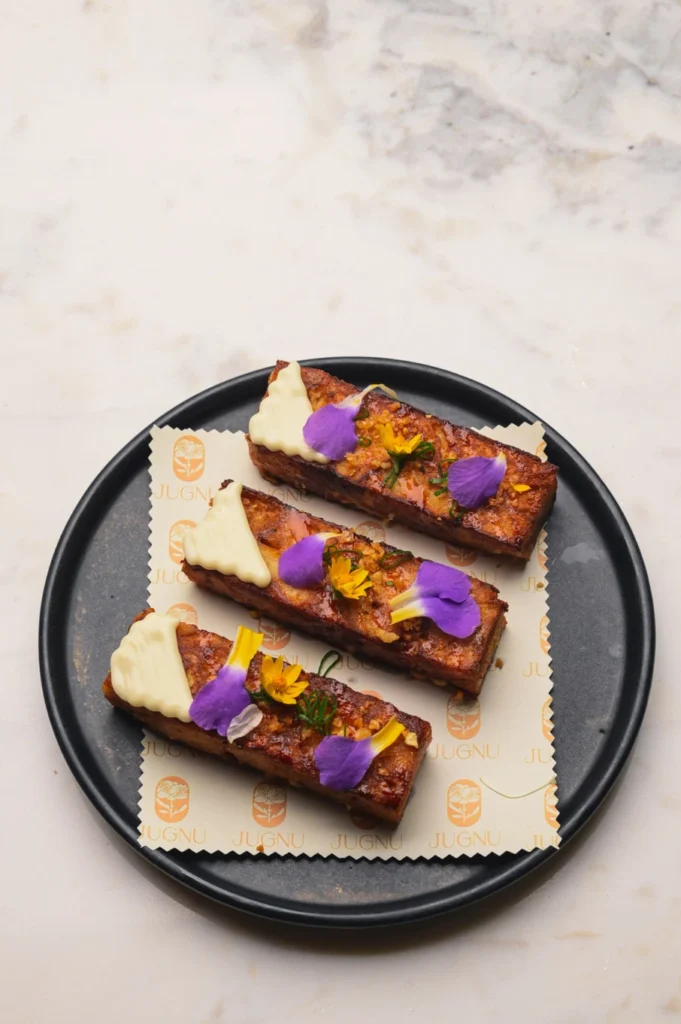
During our visit, the Pan-Seared Chilli Cheese Toast Pudding, drizzled with sriracha honey and garlic, stood out for its bold flavours, though its uniqueness might not appeal to all. The Bhatti Ke Aloo, accompanied by charred eggplant moutabel, provided a delightful start, balancing spice and smokiness. The highlight was the Jugnu Fish Wish, where we selected Chonak fish, marinated in Recheado masala and rawa-fried to perfection tender, flavourful, and arguably the best dish of the day.

Jugnu’s wood-fired Neapolitan-style pizzas are a must-try, with options ranging from the classic Margherita to the locally inspired Goan Chorizo pizza. For mains, the Burnt Garlic Smoked Butter Noodles paired with Kung Pao Chicken offered a harmonious blend, though the chicken was slightly dry, the rich gravy compensated well. The menu also features regional delights like Sea Bass Chonak Curry, Chicken Donne Biryani, and Solapur-style Country Chicken, ensuring a dish for every palate.

The Rich Chocolate and Almond Cake, complemented by sea salt ganache, seasonal gelato, and Biscoff ice cream, is a decadent treat. The Ispahan Tres Leches, blending rose, raspberry, and lychee, offers a refreshing and unique end to the meal.
jugnu assagao goa
jugnu assagao goa

Cocktails: Artistry in a Glass

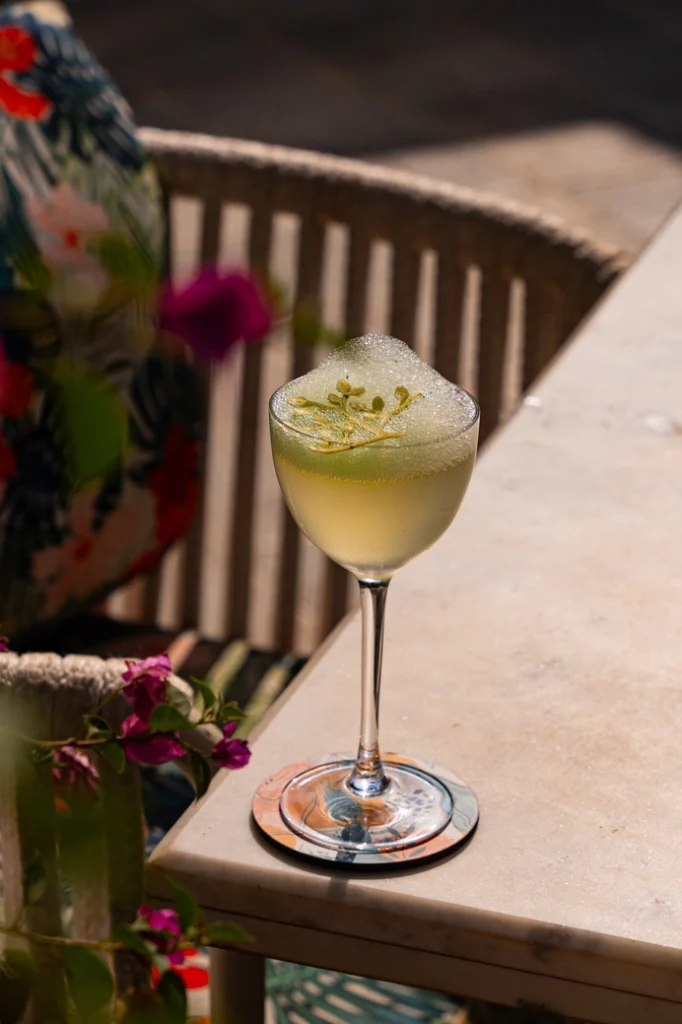
Jugnu’s cocktail menu, curated after experimenting with over 76 cocktails, is impressive. Each drink is a visual and sensory delight. We tried the Aguava: A harmonious blend of tequila, herbs, citrus, Bianco, and guava, delivering a sweet and sour profile that’s both invigorating and smooth. The Purple Zest: This visually striking purple cocktail combines vodka with spiced jamun, offering a taste as delightful as its appearance. Crème de la Crème: A dessert-inspired concoction where rum meets cheesecake, resulting in a creamy, indulgent drink. Jugnu Sour: For those preferring less sweetness, this takes on the classic whiskey sour and balances tartness with depth. Let’s Go to Mexico: Tequila and Bianco come together with the oceanic zest of celery and the spiciness of jalapeño, creating a cocktail that’s both sweet and spicy.

A Commitment to Sustainability and Community

Jugnu’s commitment to sustainability is evident in its locally sourced ingredients, vegan-friendly dishes, and thoughtful packaging. The restaurant also engages with the local creative community through events, pop-ups, and cultural collaborations, ensuring that every visit offers something new, a moment, a feeling, a connection.

In the words of co-founder Vicky Bachani, “Jugnu isn’t just a restaurant it’s a mood, a memory in the making.” This sentiment resonates throughout the space, making Jugnu a must-visit for those seeking a dining experience that feeds both the soul and the senses.
Leave a comment

Your email address will not be published. Required fields are marked *

The Bar Is Now Part of the Show: Zero-Proof Cocktails, Matcha Bars and 2026 Wedding Trends

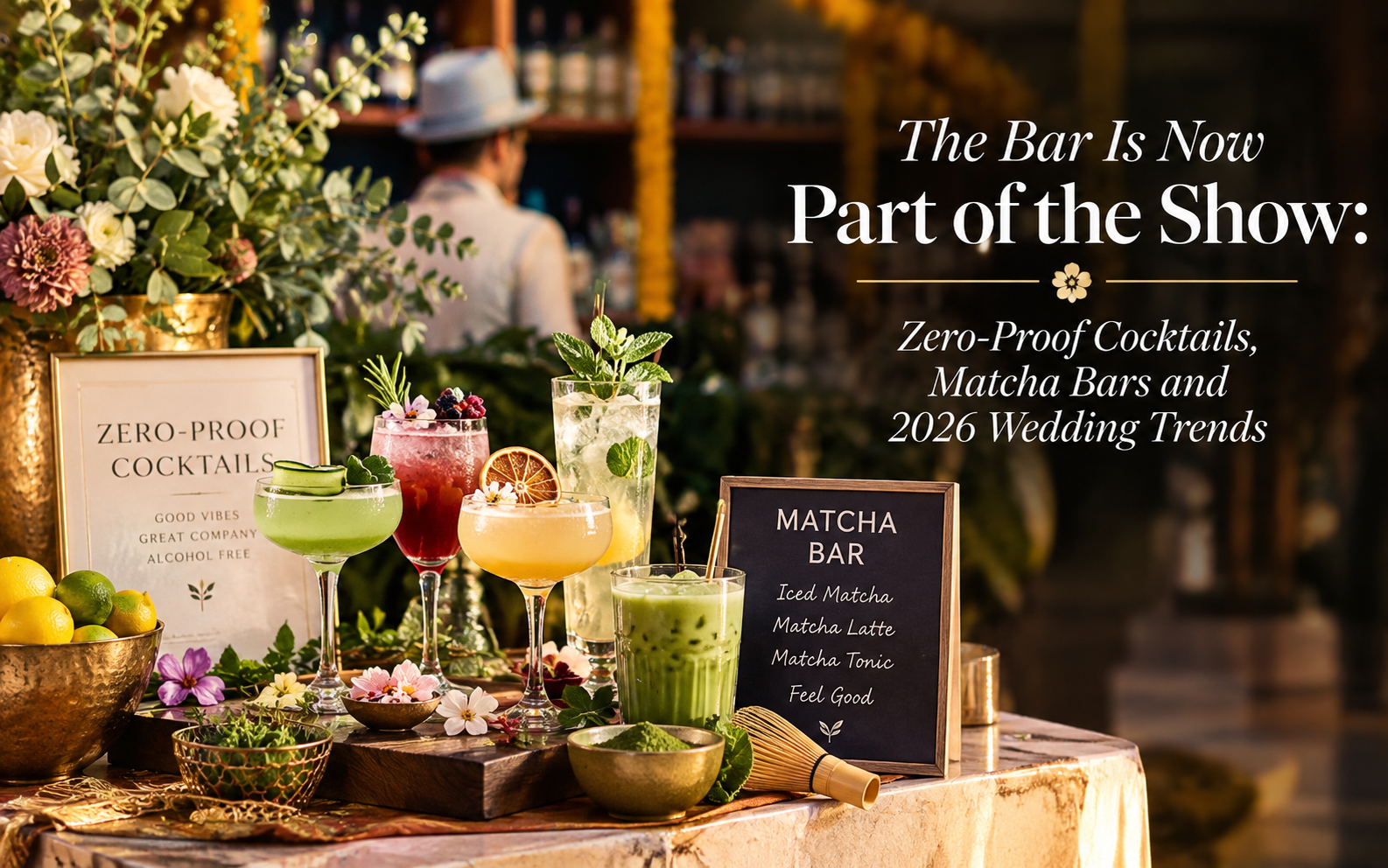
Founded in Bangkok in 2010 by a group of hotel bartenders, FLAIRMIX Thailand began with a single Indian wedding and has grown into a bar and beverage service company working across Thailand, India, Indonesia, Oman, Bahrain and Qatar. Their belief is that a bar is more than a place to pick up a drink: it can shape the atmosphere, the entertainment and the guest experience. Here is what they see changing behind the bar in 2026. Wellness Drinks and Zero-Proof CocktailsThe clearest change from 2025 is in what guests are asking for. Last year still centred on customised cocktails, classics with a twist and drinks with a fancy, luxurious presentation. In 2026, weddings are going beyond the traditional cocktail and mocktail, with hydration bars, electrolyte drinks, kombucha and fully developed zero-proof cocktails joining the menu. What sets this trend apart is the standard. These drinks are no longer treated as a secondary option for guests who don’t drink. They are designed with the same attention to flavour, ingredients, glassware and presentation as alcoholic cocktails. The principle is simple: a guest who chooses not to drink alcohol should enjoy the same level of creativity and experience as everyone else, and a zero-proof menu should be developed to the same standard as the main one. For multi-day Indian weddings, where guests move through a welcome party, haldi, mehendi, sangeet, ceremony, reception and after-party, a bar that offers refreshing, well-crafted options at every stage is a real upgrade for the guest experience. The Rise of the Matcha BarThe second trend is more surprising: Japanese matcha has grown steadily in popularity over the past year, particularly among younger consumers in Asia and internationally, and FLAIRMIX’s clients are now asking for dedicated matcha bars as part of the wedding experience.It also opens up new creative

Food Is No Longer Part of the Wedding, It’s the Experience!

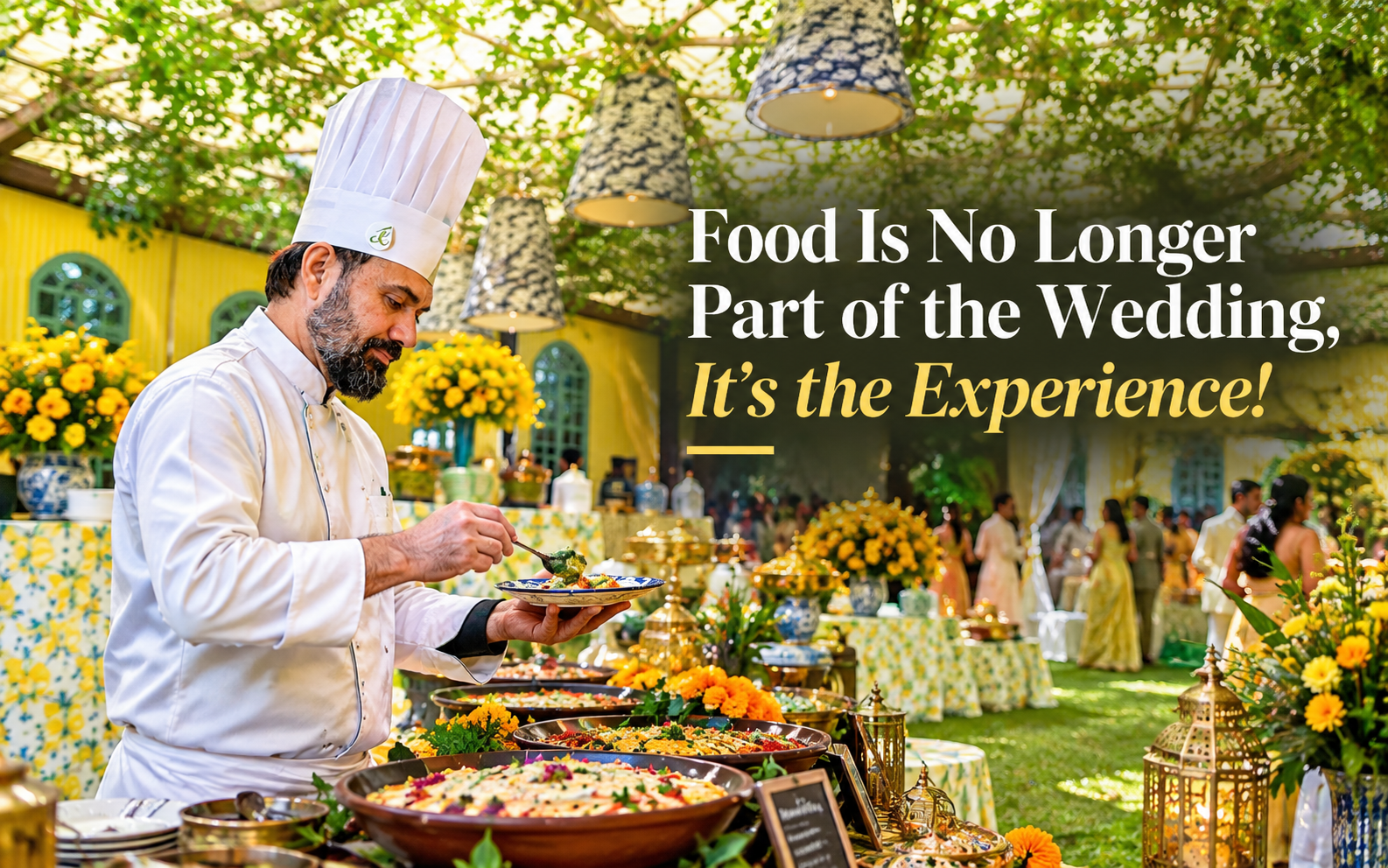
Sanjay Vazirani, Chairman & Managing Director of Foodlink Group, has curated menus for some of India’s most talked-about celebrations, including Deepika Padukone and Ranveer Singh’s Lake Como wedding, Allu Sirish’s celebrations and Arjun Tendulkar’s too. His view for 2026: couples no longer judge catering by the size of the spread, but by how well the food tells their story. Here’s what he sees defining the plate this wedding season. Food as the Defining ExperienceFood has moved from being an important part of a wedding to one of its defining experiences. Couples aren’t counting dishes anymore; they’re asking how the menu can tell their story and create moments guests remember. Hyper-PersonalisationMenus are being built from family traditions, regional heritage, travel memories and favourite cuisines, with growing interest in micro-regional and community-specific Indian cuisines presented with contemporary finesse. At Deepika and Ranveer’s Lake Como wedding, the menus drew on Sindhi and Kannada culinary traditions, brought to an Italian setting with an elevated presentation. Personalisation isn’t adding a few favourite dishes to a standard menu; it’s a culinary narrative that feels intrinsic to the couple. Experiential, Multi-Sensory DiningLive culinary theatres, interactive stations, artisanal grazing tables, regional food trails, bespoke beverage experiences and dessert ateliers are turning dining into entertainment. Aroma, presentation, live preparation and chef interaction are all part of the experience. Allu Sirish’s celebration showed this in action, with Mutton Brishta Dumplings in a bone-broth reduction, Smash Paratha Burgers and a Dal Makhani flambéed live with a Jack Daniel’s tadka. Nostalgia, ReimaginedThe best menus balance nostalgia and innovation. For Arjun Tendulkar, Foodlink curated a traditional Maharashtrian Pangat with aamras, puran poli, handmade modak and varan bhaat, alongside undhiyo and ghughra nodding to Anjali Tendulkar’s Gujarati roots. At a Maldives wedding, Mumbai Misal Pav and Dal Khichdi shared the table with Cannoli and

One Stop, Four Cuisines

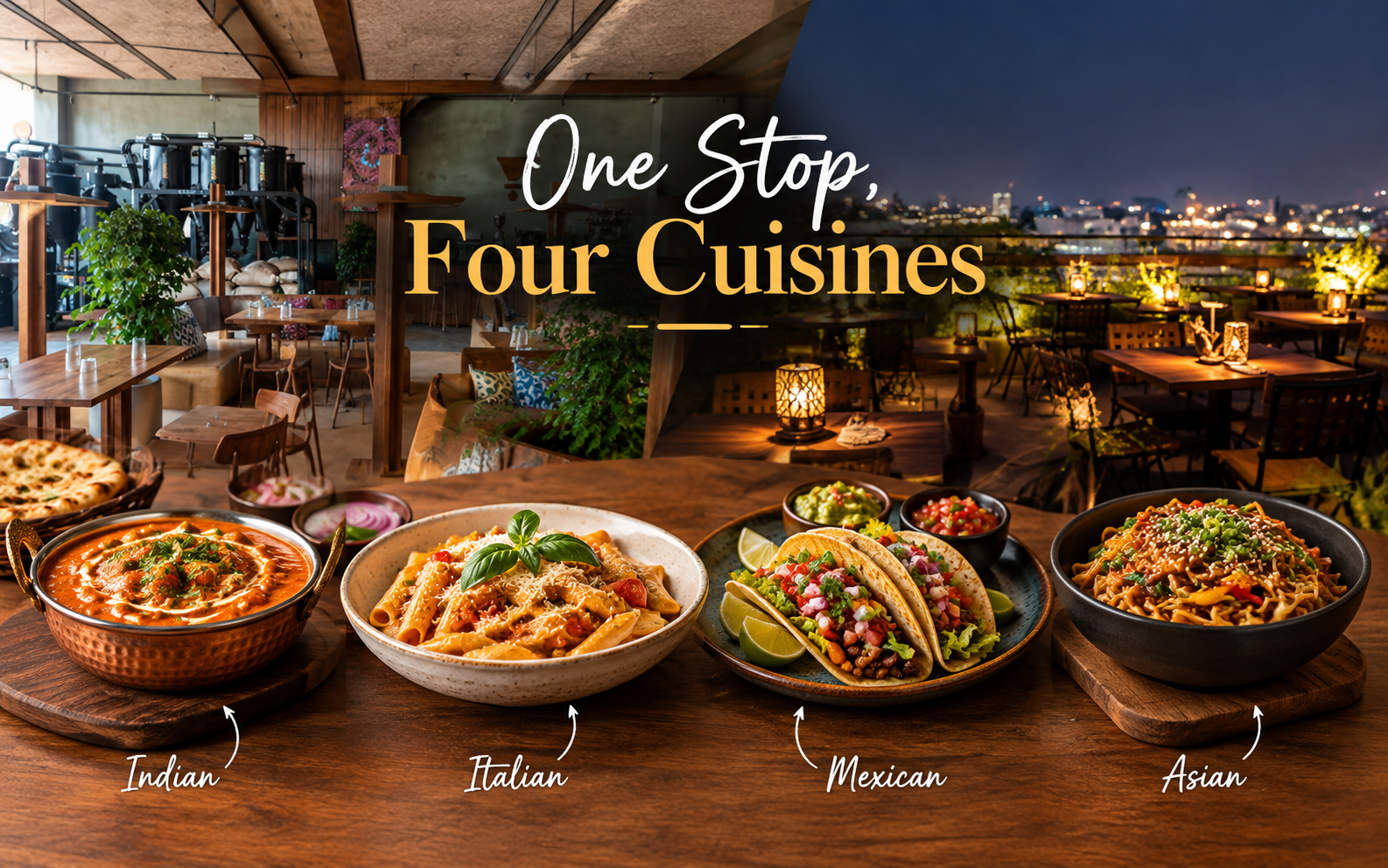
A F&B revolution of sorts is quietly brewing in a building opposite Hyderabad’s landmark Durgam Cheruvu Cable Bridge, and the city of Nizams is approving wholeheartedly. Interestingly, the four F&B properties spawned by hospitality start-up Viksit Hospitality have distinct identities, ranging from regional cuisines showcased at Orlo (derived from our Indian hospitality anthem, Aur Lo Beta!), artisanal coffees from India at Naad, immersive nightlife experiences at Kadamba, to the latest addition of fine dining Japanese restaurant Izumi, in partnership with founder Nooresha Kably. Kadamba Cultural Compound A rooftop terrace bar, Kadamba has, arguably, the grandest ringside views of Durgam Cheruvu, with the night sights of an illuminated cable bridge and the city lights twinkling away on the distant horizon being a definite crowd-puller. The vibe is breezy (literally!) and informal, with the ambience highlights being the kadamba trees with pristine-white ‘chaupals’ (a la village panchayats) around them, where you can sit around and enjoy your drinks. The Japanese izakaya-styled bar promotes the concept of an easy, interactive experience with the team of mixologists. The cocktails are a rage, with colloquial names such as Rambha Ho, a rum-based offering with pineapple, lime juice and chilli pickle; a nod-to-Hyderabad-Kya Toh Bhi, a vodka drink; T-loop, which is tequila, mezcal, muskmelon cordial, caper foam, and Maska made with whisky, brown butter and lime cordial. The cuisine is Indian, including both comfort food and gourmet. Some of the iconic dishes here are the Chelo Kebabs platter; Compound walla Ceviche, which is steamed seabass topped with pani puri dressing, and 50-50, which is corn or bhutta in three different avatars. Orlo Orlo has, at its core, the idea of a Great Indian Dining table where everyone sits together for a relaxed meal, peppered with conversations and slow eating. The distinct aspect of dining at Orlo

Bookmark these Bengaluru restaurants

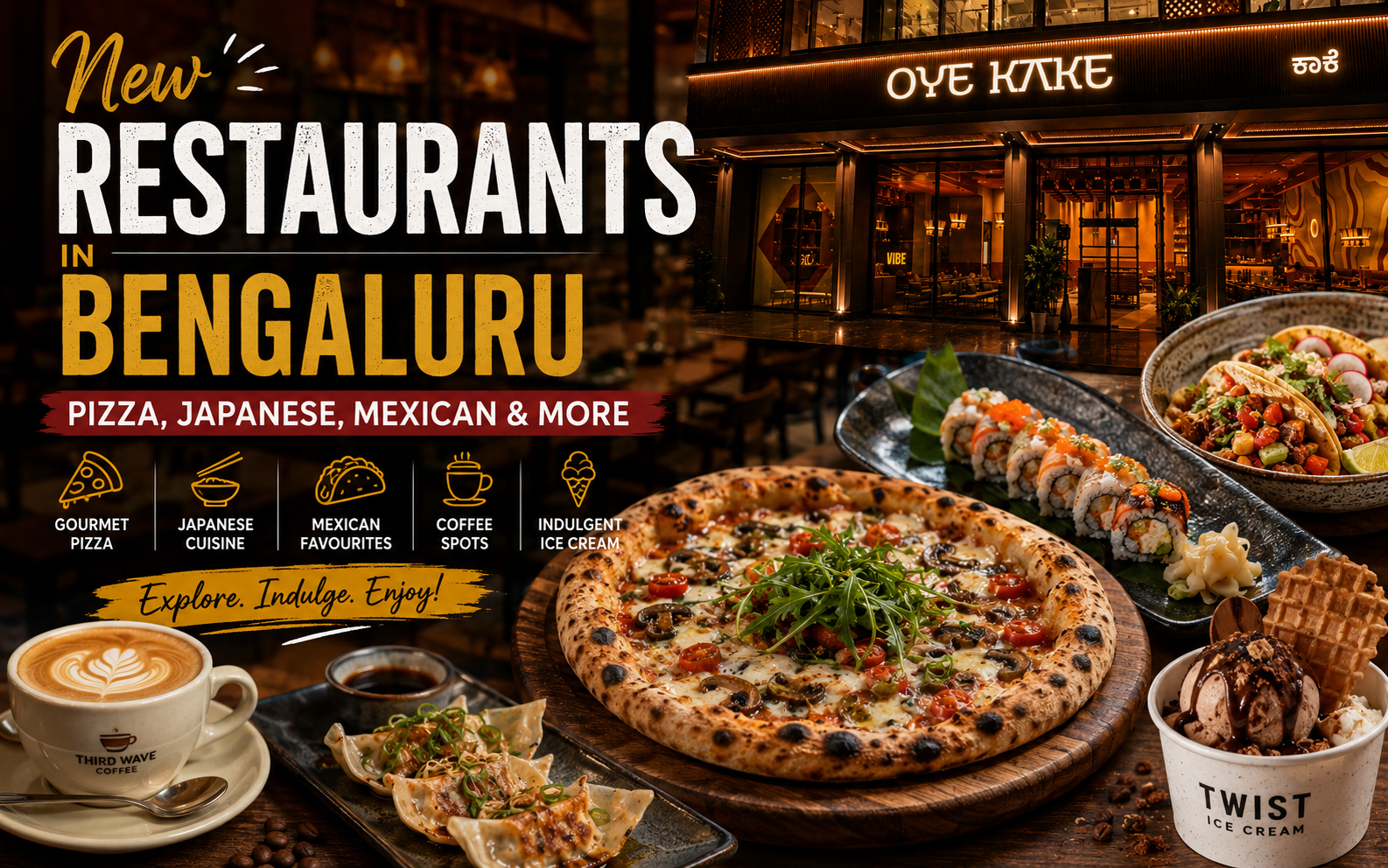
The culinary scene of Bengaluru has got a spanking new makeover with several new restaurants that offer a range of cuisines that are sure to make every palate happy. Known for its vibrant gastronomy, the city continues to offer plenty for food lovers to discover, as Bindu Gopal Rao explores these new dining destinations. Oye Kake, Bengaluru Oye Kake is Mumbai’s beloved 100% vegetarian Amritsari restaurant brand, founded in 2020 by Pankaj Gupta and Avinash Gupta under Flavour Pot Foods. The new space in Bengaluru on MG Road brings the soul of Amritsar, built around three pillars of Punjab’s food culture: the langar, the street, and the home kitchen. Pankaj Gupta, Co-founder, Flavour Pot Foods says, “The food is cooked by Amritsari-trained Ustaads using live tandoor cooking, hand-rolled breads, slow-cooked dals, and clay/iron-based methods, staying true to time-honoured recipes rather than experimenting.” Designed with RAD Co + Lab, the restaurant is a sensory tribute to Punjab and Bengaluru. Every Thursday, the restaurant hosts the Guru Seva Ki Thali, an unlimited community-style feast inspired by the Sikh concept of Seva. Must try: Amritsari De Kulche: classic Bharwan Kulche (Aloo, Pyaaz, Gobi, and Mooli) plus loaded versions like Paneer, Methi Masala, Cheese Garlic, and Nutree Wale Kulcha. Kalpaney Kalpaney is a modern vegetarian dining destination built around the idea of ‘kalpana’, or imagination. Conceptualised by Avinash Kapoli, Co-Founder, Kompany Hospitality, and Chef Sombir Chaudary, Co-Founder, Kompany Hospitality, the restaurant brings together familiar flavours, childhood memories and global culinary influences in unexpected ways. “What makes Kalpaney special is its ability to make vegetarian dining feel playful and contemporary while retaining the comfort and nostalgia of Indian food. The spaces extend this philosophy through carefully curated Indian art and craftsmanship, including Kalamkari-inspired elements and Kavi artwork at the Indiranagar restaurant, created by one of

You May Also Like

Connect with us