
Pulp Cosmetics : Superfoods on Your Skin

Pulp Cosmetics

Pulp Cosmetics

With shoutouts on Instagram from stars such as Tapsee Pannu and Malaika Arora, Pulp Cosmetics has garnered enough support for its vegan, cruelty-free and superfood-based skincare offerings. A start-up that first made a mark on the market in 2020, it is funded by Rana Daggubatti and Rakul Preet Singh. Juveria Tabassum chats with co-founder Deepthi Alapati for more…

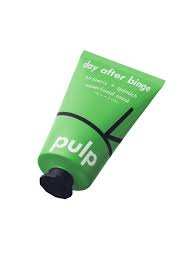
Deepti Alapati believes that consumers today are super conscious about what goes into their food, and onto their skin. Particular about criteria such as sustainable and environment-friendly, shoppers today read labels for more than just the numbers that are going to burn their pockets. “People look for brands that share their ethos. They are aware of the concept of veganism, and of being cruelty and chemical-free. They look for brands that can tick these boxes,” shares Deepti, who is the co-founder of Pulp Cosmetics, a skincare brand that is based on superfoods, clean testing, and sustainable veganism. 

Targeting Millennial and Gen-Z customers, Pulp began R&D in 2018, looking to cater to an audience they believed was in with the times. With co-founder Goutham Uppaluri formulating products that make use of superfoods such as green gram, spinach and turmeric, the brand officially made a mark on the market in 2020 with masks and scrubs tailored to nourish and refresh skin. 

Based out of Hyderabad and boosted by investments from stars such as Rana Daggubatti and Rakul Preet Singh, Pulp, says Deepti is rooted in the ethos of inclusivity and sustainability. Passing up on the usual serums and moisturisers, Pulp constructs products that revolve around the lifestyle of their customers. Their rose and kombucha face pack, customised for date nights when you’d want to look at your sparkling, replenished best are a hot seller. Kombucha has taken the younger crowd on social media by storm as a popular superfood drink, and Pulp made the decision to incorporate it into their skincare products.

“Superfoods don’t always have to be exotic plants,” explains Deepti, adding that the company, which currently only makes sales online, experiments with various combinations of the simplest of superfoods, to create solutions for those mulish acne marks and dark circles, and add glow and hydration to the skin. Another popular pick is the cocoa and coffee scrub to exfoliate the skin, and detoxify it with a dash of Kaolin clay. Plans are in place for introducing about a dozen more products this year, including a natural make-up line. 

Address: Pulp Cosmetics: Vegan Superfood Skincare
Price Range: ₹800 – ₹1200

Turning the Tables on Beauty:

  1. Inclusivity: “All skin types and shades deserve the best of care”
  2. Gender-fluidity: “Skincare is a human thing. We encourage men to reach out to us with questions and concerns about their skin.”
  3. Transparency: “Customers are now vigilant about the source and science behind the products, and we work on making our labels as honest as possible.”

Leave a comment

Your email address will not be published. Required fields are marked *

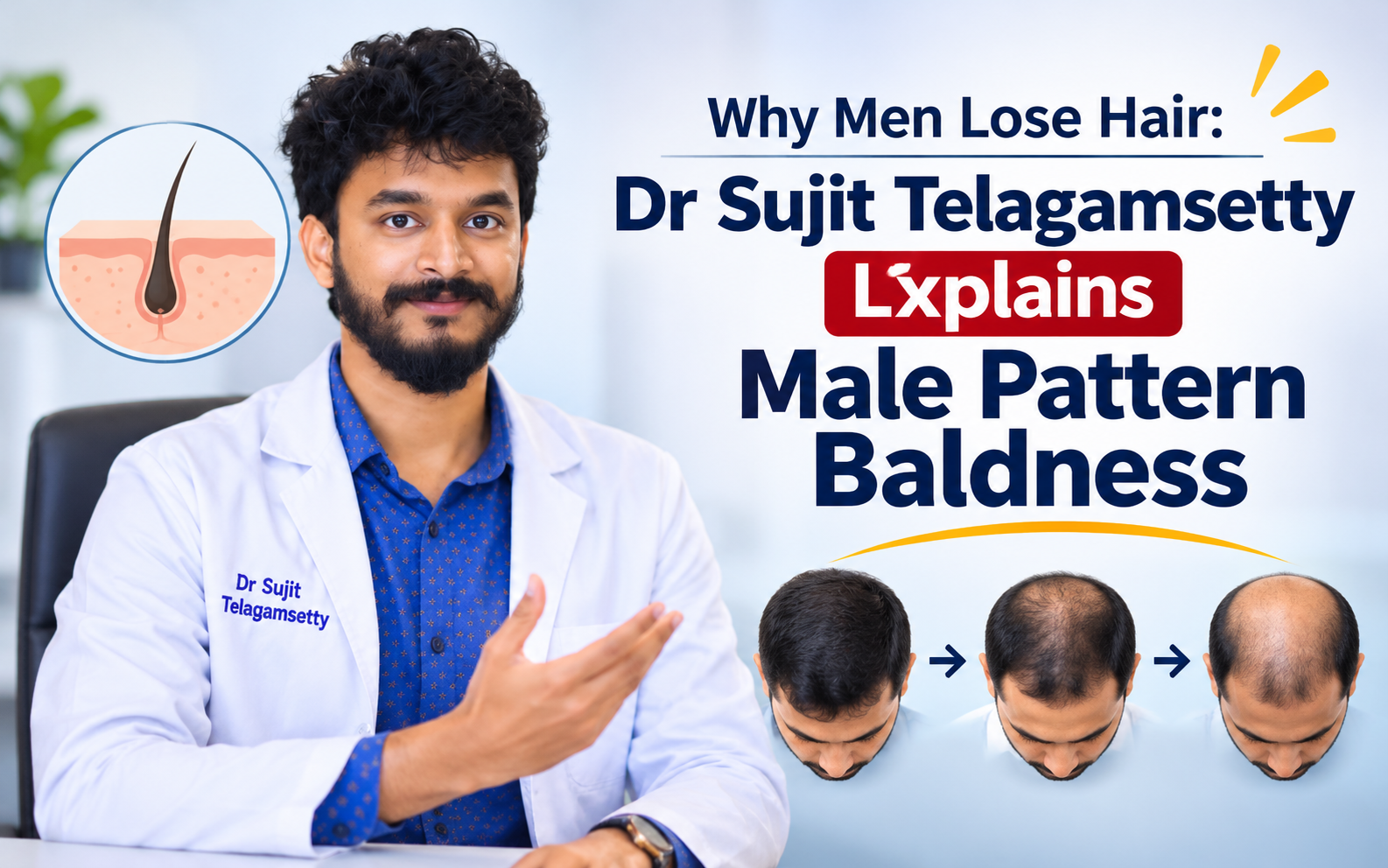
Why Men Lose Hair: Dr Sujit Telagamsetty Explains Male Pattern Baldness

Dr Sujit Telagamsetty is a first-generation doctor and founder of Helios Homoeopathy, with over eight years of clinical experience and more than 10,000 cases handled. A health educator with a community of roughly 475,000 followers on Instagram, he’s built a reputation for busting hair-loss myths with accessible, no-nonsense science. Here, he breaks down what’s really behind male pattern baldness, and why there’s no shortcut around it. What are the most common causes of hair loss and thinning in men, and how do genetics, stress, hormones and lifestyle habits contribute?Hair loss in men is influenced by several factors, including genetics, hormones, stress, nutrition and everyday lifestyle habits. One of the most common causes is male pattern baldness, which is strongly influenced by genetics and the sensitivity of hair follicles to a hormone called dihydrotestosterone (DHT). This hormone gradually miniaturises susceptible follicles, causing hair to become thinner, shorter and weaker over time. Stress also plays a significant role. Prolonged psychological stress, inadequate sleep, severe illness and sudden weight loss can disrupt the normal hair-growth cycle and trigger excessive shedding. Nutrition is equally important; hair follicles need adequate protein, iron, zinc and other essential nutrients to support normal growth. Crash dieting, skipping meals, and highly restrictive diets can compromise this and contribute to shedding. Lifestyle habits like smoking, poor sleep and chronically inadequate nutrition affect overall hair health too. My approach focuses on the fundamentals: strong nutrition, consistent sleep, stress management, regular physical activity and a healthy scalp. These habits can’t eliminate genetic baldness, but they support overall health and address the preventable contributors to hair shedding. What are the biggest myths around male pattern baldness, hair regrowth and hair-care products that men should stop believing?One common myth is that wearing caps or helmets causes baldness. Normal use doesn’t; hair loss is primarily

The Secret to Wedding-Ready Skin? Start Six Months Before the Big Day

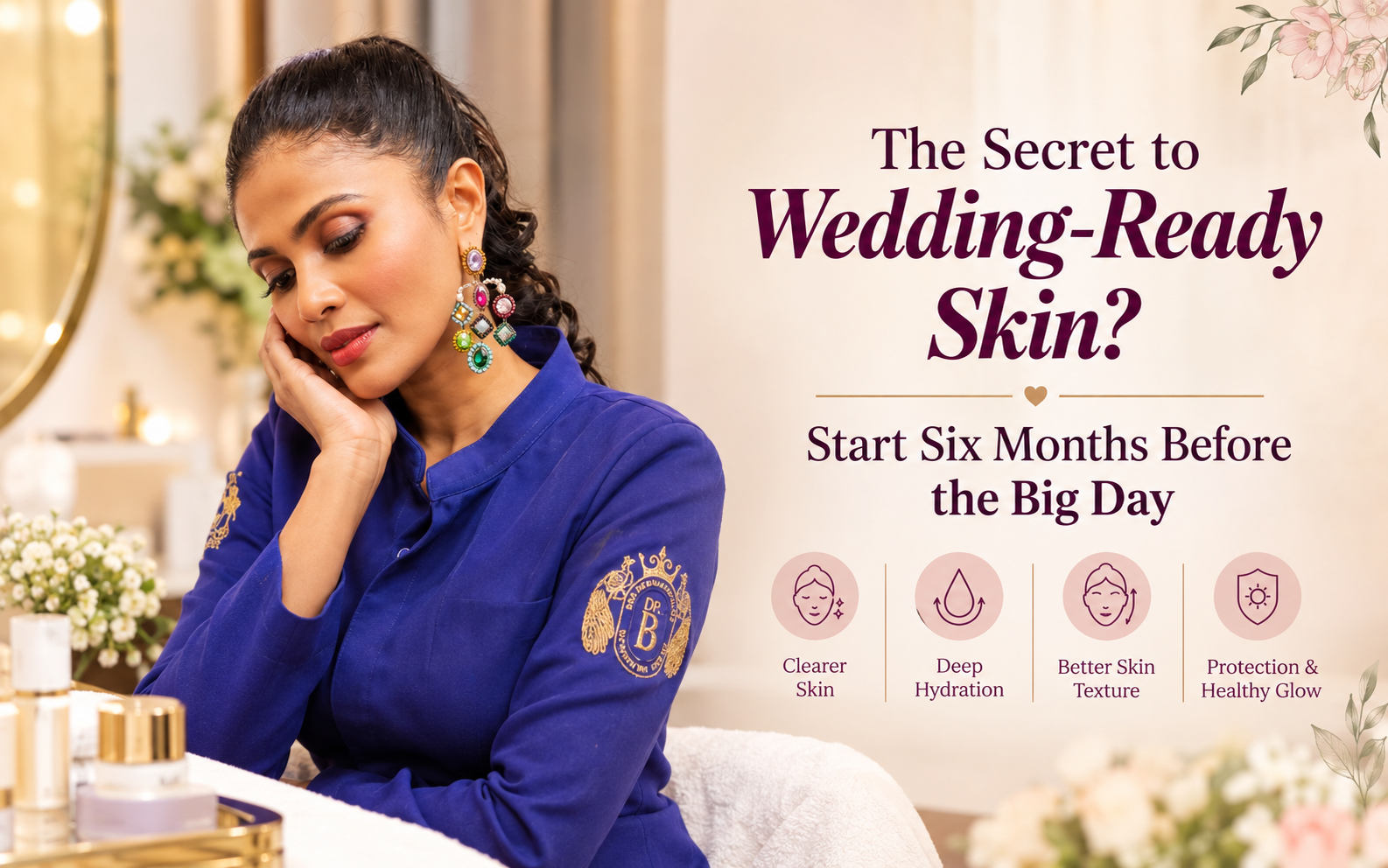
Dr Bhairavi Senthil is a Chennai-based dermatologist and founder of The Dr B 360 Dermatology Experiential Centre. Her advice for 2026 couples: skip the last-minute “bridal glow” fix; real results come from starting six months ahead, and the final few weeks should be about stability and hydration, not experimenting with something new. Skincare Trends 2026Couples are moving away from a last-minute glow and toward skin preparation as a long-term process. Brides want to look like themselves, just healthier and more even-toned; not heavily treated or made up. Grooms are becoming far more proactive about skincare and grooming too. There’s also a shift toward personalised, science-led routines over viral trends, and a growing focus on prevention and maintenance rather than dramatically changing how skin looks. Pre-Wedding Treatments & TimelineThere’s no universal best treatment; it depends on your skin and timeline. Ideally, meet a dermatologist six months before the wedding, earlier if there’s active acne, pigmentation or hair concerns, since collagen remodelling and barrier repair can’t be rushed. Peels, lasers, microneedling and injectables like botulinum toxin or fillers may all be options depending on the concern, but they all need proper consultation and time to settle. The golden rule: don’t experiment close to the wedding; the final weeks should focus on stability and hydration. Customising Skincare PlansIt starts with one question: what do you want your skin to look and feel like on your wedding day? From there, the plan factors in barrier health, pigmentation, acne, hydration, the wedding timeline, climate and even travel plans. A bride with pigmentation needs a completely different approach from someone dealing with acne or sensitivity, and sometimes the healthiest skin needs no procedures at all, just maintenance. The goal isn’t perfection. It’s healthy, balanced skin that lets you feel confident without hiding behind makeup.

Skin That Still Looks Like Skin: Bridal Beauty in 2026

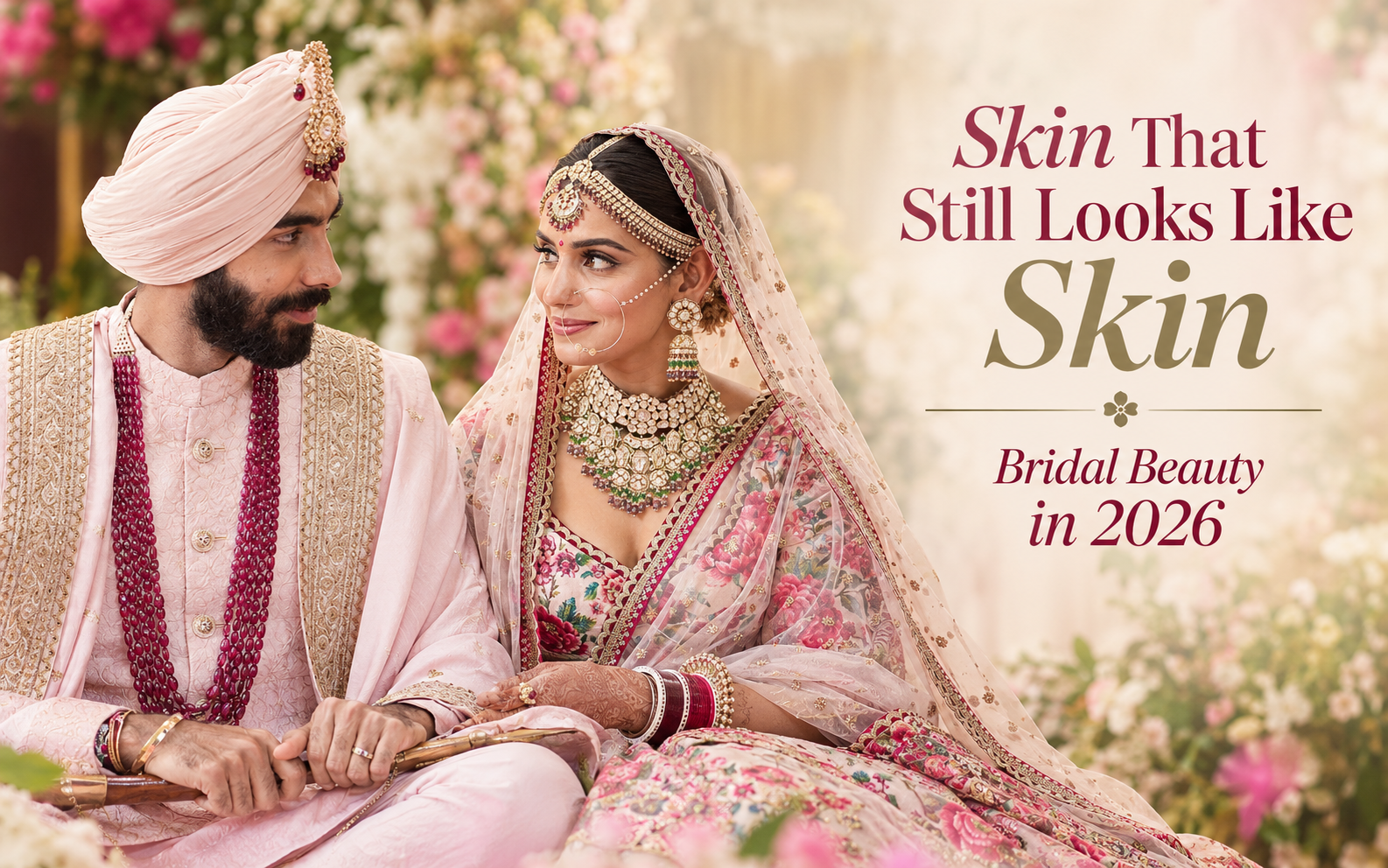
Celebrity makeup artist Bianca Louzado has spent over two decades in Indian beauty, from her start at India Couture Week working on Manish Malhotra to becoming one of the country’s most trusted names in luxury bridal makeup, with a portfolio that includes Jasprit Bumrah and Sanjana Ganesan, Randeep Hooda and Lin Laishram, and Radhika Ambani’s pre-wedding event. She breaks down why real bridal beauty starts weeks before the wedding, not the morning of, and why 2026 brides are choosing skin that still looks like skin over heavy, “done-up” makeup. What skin prep should brides start ahead of the wedding?Skin prep is about healthy, balanced skin, not last-minute transformation. Start a consistent routine 6–8 weeks out: gentle cleanser, moisturiser, daily SPF, and any new actives introduced early enough to see how skin responds. No experimenting in wedding week. In the final week, simplify: hydration, sleep, water, and skip aggressive treatments or picking at breakouts. Well-prepped skin means less product and a complexion that looks like skin, not a mask. What’s the biggest mistake brides make choosing their look?Picking a look because it worked on someone else, rather than one that suits their own features, outfit and personality. Chasing every trend at once is another; bridal makeup needs to photograph beautifully today and still feel elegant years later. References are useful, but they’re a starting point, not a blueprint. And don’t wait until the wedding morning to find your look; the trial is where that conversation happens. How has airbrush vs. traditional makeup evolved for 2026?The debate itself is outdated! It’s about what the skin needs. Brides want longevity without heaviness, especially for long Indian wedding days. Traditional techniques now allow thin, strategic layering with more control and natural dimension, and unlike airbrush, they can be touched up rather than redone entirely.

Less Face, More You: The Restraint-First Approach to Bridal Beauty

Mumbai-based makeup and hair artist Elton J Fernandez has spent nearly 25 years across fashion, advertising, celebrity, bridal and film work, from a nine-year run as Maybelline India’s spokesperson to backstage seasons at New York Fashion Week and India Fashion Week. Here, he makes the case for a very different kind of bridal beauty in 2026: less about a prescribed “bridal face” and more about restraint, identity and letting the woman herself remain present in the frame. What bridal makeup trends are defining 2026, versus 2025?The biggest shift is away from a prescribed bridal face. For years, trends travelled uniformly: the same brow, the same contour, accelerated by social media. Now brides want to recognise themselves in their photographs. That means skin that still behaves like skin, colour that responds to the person rather than the trend, and enough restraint to let the woman remain present. 2025 was about the look; 2026 is about the person wearing it. Has grooming for grooms become mainstream?Yes, but the bigger shift is that men are less afraid of being seen to care. Grooming today often means correcting fatigue or balancing skin rather than looking visibly “made up”; the best work is often invisible. The principle stays the same as with brides: understand who’s in front of you before deciding how much intervention is actually needed. How do you approach daytime ceremonies versus evening receptions?Daylight doesn’t automatically mean less makeup, and evening doesn’t mean more; context matters more than the clock. Light, climate, photography, jewellery and ceremony all shape the decision. Indian bridal beauty already carries so much visual information: textiles, jewellery, ritual- that makeup doesn’t need to compete for attention. Sometimes the most sophisticated choice is knowing what to leave alone. After 25 years, what’s changed most in how you see a face?Early

You May Also Like