Everything You Need to Know about Green Tea

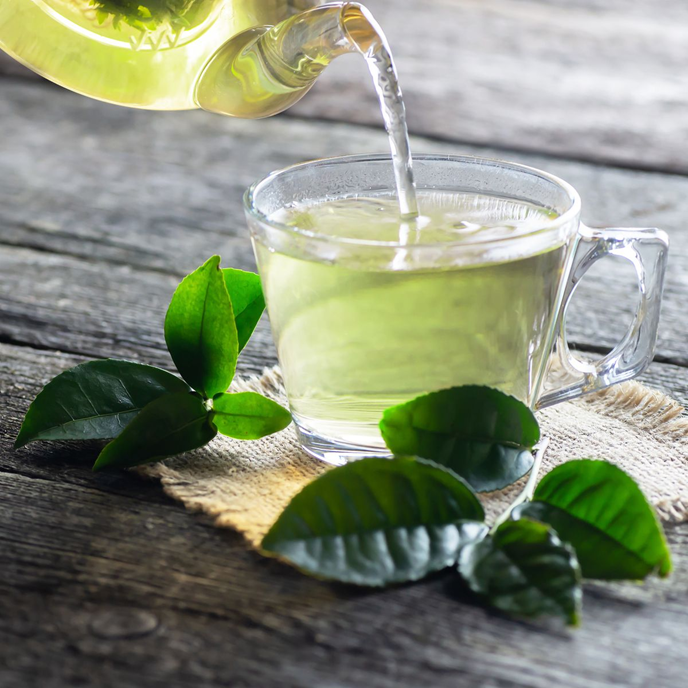
Green tea is an ancient beverage that has been enjoyed for centuries due to its exquisite taste, medical qualities, and nutrients. It is a fantastic option for those looking for a simple, healthy, and delicate tea to start their day or enjoy as an after-meal pick-me-up. However, with so many varieties and brewing techniques, it can be challenging to make the perfect cup of green tea. In this article, we will explore the easy and healthy ways to prepare green tea, teach you how to make green tea and how to derive maximum health benefits from it.

Recipe

Green tea is a popular and healthy beverage, known for its numerous health benefits and delicious taste. Preparing green tea at home is an easy and economical way to experience its unique flavour and many health benefits. Try this recipe and experience the many benefits of green tea for yourself!
Ingredients:

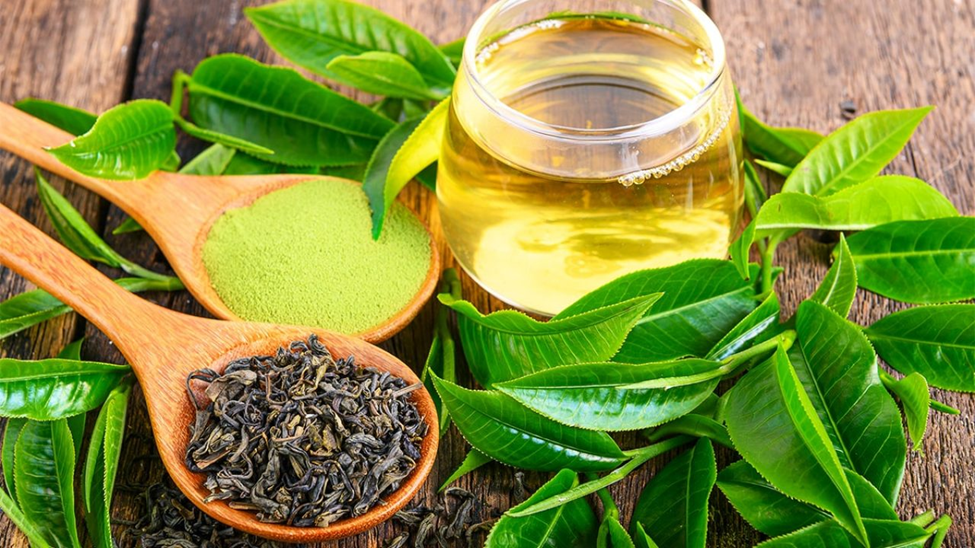
  • 2 teaspoons green tea leaves
  • 2 cups water
  • Honey (optional) to taste

Instructions:

  1. Fill a kettle or a pot with 2 cups of fresh water and bring to a boil.
  2. Once the water boils, turn off the heat and let it cool for a few minutes (to around 160-180°F or 70-80°C).
  3. Place two teaspoons of green tea leaves into a tea infuser.
  4. Dip the tea infuser filled with the green tea leaves into the hot water and let steep for 2-3 minutes.
  5. Remove the tea infuser and pour the green tea into a cup.
  6. Add honey to taste (optional).

Your green tea is ready to serve! Enjoy your hot, healthy and refreshing cup of green tea.

Benefits
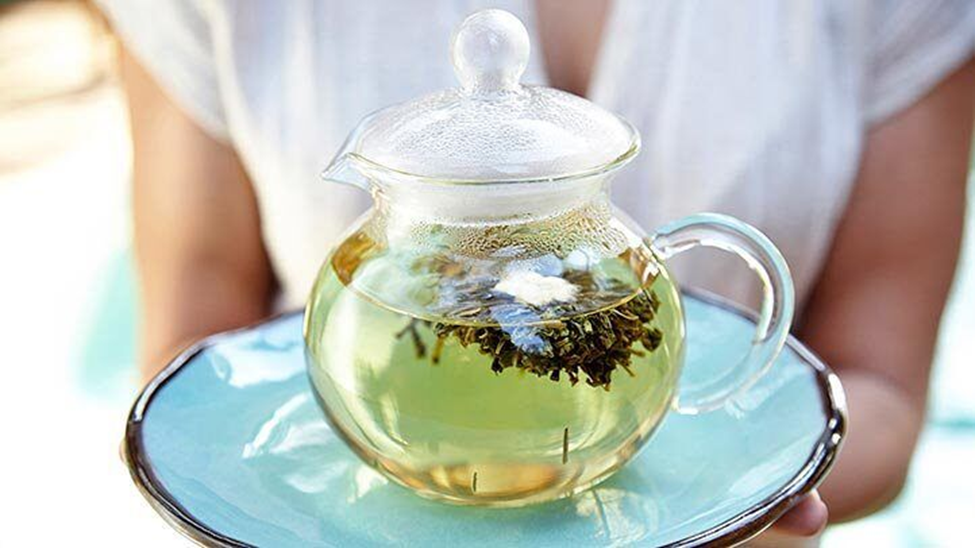
Green Tea is an excellent source of antioxidants that has been found to have various health benefits, including improving brain function, reducing the risk of cancers, and promoting weight loss. Green tea can boost metabolism, increase fat burning, and reduce the risk of developing cavities, gum disease, and bad breath. It can be an easy and convenient way of adding these health benefits to your diet. A cup of green tea is an ideal way to start your day, especially if you need a refreshing and healthy boost. These benefits make it worth considering green tea as a healthier alternative to other sugar-laden drinks. Whether hot or iced, green tea is an excellent choice for supporting overall health and well-being. However, preparing the perfect cup of green tea can be tricky, as it requires a delicate balance between the water temperature and the brewing time.

Here are some easy and healthy ways to make green tea to ensure that you get the best flavour and maximum health benefits:

  1. Use fresh, cold water: Always use fresh, cold water to brew your tea and avoid using hot water from the tap as it may contain impurities.
  2. Steep for the right amount of time: The perfect brewing time for green tea is between two to three minutes. Brewing too long can cause the tea to become bitter and unpleasant.
  3. Use the right temperature: Use water that is between 160-180°F (70-80°C) to steep your green tea. Water that is too hot can burn the tea leaves and ruin the taste.
  4. Don’t overuse the tea bags or leaves: Using too many tea bags or leaves can result in a bitter taste and negate the health benefits.
  5. Add some flavour: You can add a slice of lemon or a sprig of mint to your green tea to add some flavour without adding calories.
  6. Do not add milk: Adding milk to green tea can change the taste and reduce the antioxidants’ benefits.

Conclusion
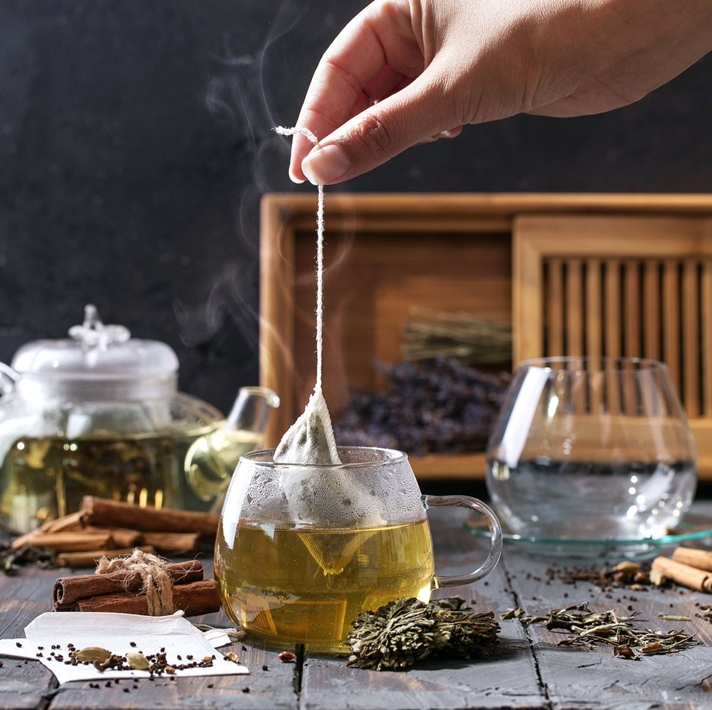
Green tea is a healthy and easy-to-prepare beverage that can be enjoyed at any time of the day. Whether you’re looking for a quick and refreshing drink or a health-boosting beverage, green tea is an excellent choice. With its high antioxidant content and unique flavour, green tea is perfect for promoting overall health and well-being. So, go ahead and explore the world of green tea – your taste buds and your body will thank you for it!


Leave a comment

Your email address will not be published. Required fields are marked *

Men’s Hormonal Health: Dr Vikrant Singh Thakur on Nutrition, Sleep and Stress

Dr Vikrant Singh Thakur is a neurologist based in Karimnagar, Telangana, affiliated with Time Neuro Care Hospital and Orchid Hospitals. His work focuses on catching lifestyle-related health problems before they turn serious, especially in men who tend to deprioritise their own health. Here’s his take on nutrition, fad diets and the hormonal fallout of poor sleep and stress. The Convenience Food ProblemOne of the biggest nutritional challenges men face today is the increasing dependence on convenience foods, processed meals, sugary beverages, and diets that are high in calories but low in essential nutrients. Many men consume excess refined carbohydrates, unhealthy fats and added sugars while neglecting adequate protein, dietary fibre, fruits, vegetables and essential micronutrients. What that Imbalance actually causesThis imbalance can contribute to weight gain, abdominal obesity, insulin resistance, type-2 diabetes, high cholesterol, fatty liver disease and cardiovascular problems. Irregular eating makes it harder still; skipping meals, eating late at night, frequent restaurant meals and overeating after long working hours can make weight management difficult. Excessive alcohol consumption further affects liver health, nutritional status and metabolic function. The Deficiencies Nobody Talks AboutMicronutrient deficiencies are also worth considering. Inadequate intake of iron, vitamin B12, vitamin D, folate and other essential nutrients may contribute to fatigue, weakness or other health problems, depending on the specific deficiency, and these often go unrecognised for a long time because the symptoms are vague and easy to attribute to simply being busy or tired. What a Balanced Plate Actually Looks LikeThe advice is to focus on balanced, sustainable eating rather than restrictive diets. A healthy plate should generally include vegetables, whole grains, appropriate portions of protein, fruit and healthy fats. Pulses, eggs, dairy products, nuts, fish and lean meats can all be part of a balanced diet, depending on individual preferences and health requirements. The

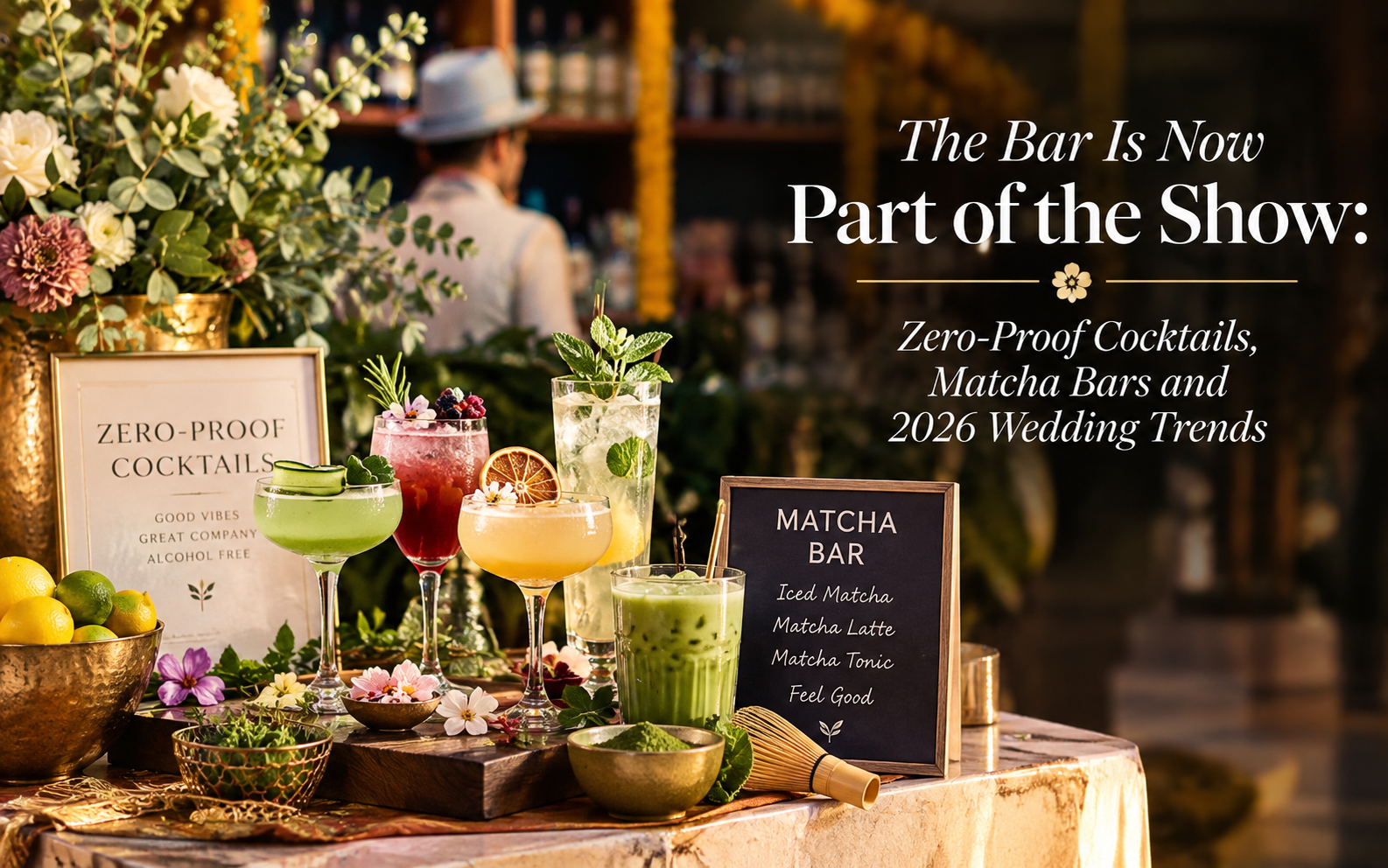
The Bar Is Now Part of the Show: Zero-Proof Cocktails, Matcha Bars and 2026 Wedding Trends

Founded in Bangkok in 2010 by a group of hotel bartenders, FLAIRMIX Thailand began with a single Indian wedding and has grown into a bar and beverage service company working across Thailand, India, Indonesia, Oman, Bahrain and Qatar. Their belief is that a bar is more than a place to pick up a drink: it can shape the atmosphere, the entertainment and the guest experience. Here is what they see changing behind the bar in 2026. Wellness Drinks and Zero-Proof CocktailsThe clearest change from 2025 is in what guests are asking for. Last year still centred on customised cocktails, classics with a twist and drinks with a fancy, luxurious presentation. In 2026, weddings are going beyond the traditional cocktail and mocktail, with hydration bars, electrolyte drinks, kombucha and fully developed zero-proof cocktails joining the menu. What sets this trend apart is the standard. These drinks are no longer treated as a secondary option for guests who don’t drink. They are designed with the same attention to flavour, ingredients, glassware and presentation as alcoholic cocktails. The principle is simple: a guest who chooses not to drink alcohol should enjoy the same level of creativity and experience as everyone else, and a zero-proof menu should be developed to the same standard as the main one. For multi-day Indian weddings, where guests move through a welcome party, haldi, mehendi, sangeet, ceremony, reception and after-party, a bar that offers refreshing, well-crafted options at every stage is a real upgrade for the guest experience. The Rise of the Matcha BarThe second trend is more surprising: Japanese matcha has grown steadily in popularity over the past year, particularly among younger consumers in Asia and internationally, and FLAIRMIX’s clients are now asking for dedicated matcha bars as part of the wedding experience.It also opens up new creative

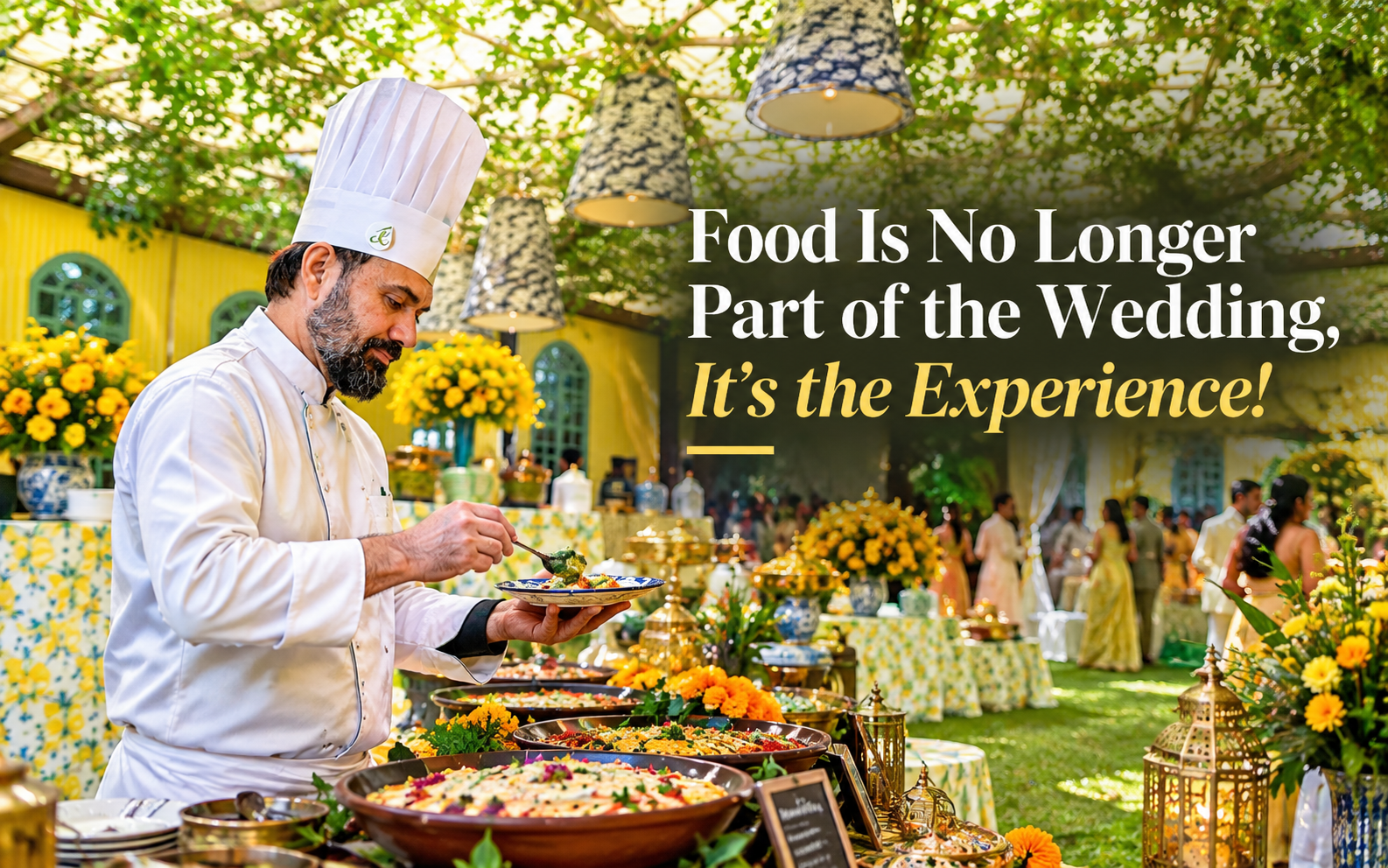
Food Is No Longer Part of the Wedding, It’s the Experience!

Sanjay Vazirani, Chairman & Managing Director of Foodlink Group, has curated menus for some of India’s most talked-about celebrations, including Deepika Padukone and Ranveer Singh’s Lake Como wedding, Allu Sirish’s celebrations and Arjun Tendulkar’s too. His view for 2026: couples no longer judge catering by the size of the spread, but by how well the food tells their story. Here’s what he sees defining the plate this wedding season. Food as the Defining ExperienceFood has moved from being an important part of a wedding to one of its defining experiences. Couples aren’t counting dishes anymore; they’re asking how the menu can tell their story and create moments guests remember. Hyper-PersonalisationMenus are being built from family traditions, regional heritage, travel memories and favourite cuisines, with growing interest in micro-regional and community-specific Indian cuisines presented with contemporary finesse. At Deepika and Ranveer’s Lake Como wedding, the menus drew on Sindhi and Kannada culinary traditions, brought to an Italian setting with an elevated presentation. Personalisation isn’t adding a few favourite dishes to a standard menu; it’s a culinary narrative that feels intrinsic to the couple. Experiential, Multi-Sensory DiningLive culinary theatres, interactive stations, artisanal grazing tables, regional food trails, bespoke beverage experiences and dessert ateliers are turning dining into entertainment. Aroma, presentation, live preparation and chef interaction are all part of the experience. Allu Sirish’s celebration showed this in action, with Mutton Brishta Dumplings in a bone-broth reduction, Smash Paratha Burgers and a Dal Makhani flambéed live with a Jack Daniel’s tadka. Nostalgia, ReimaginedThe best menus balance nostalgia and innovation. For Arjun Tendulkar, Foodlink curated a traditional Maharashtrian Pangat with aamras, puran poli, handmade modak and varan bhaat, alongside undhiyo and ghughra nodding to Anjali Tendulkar’s Gujarati roots. At a Maldives wedding, Mumbai Misal Pav and Dal Khichdi shared the table with Cannoli and

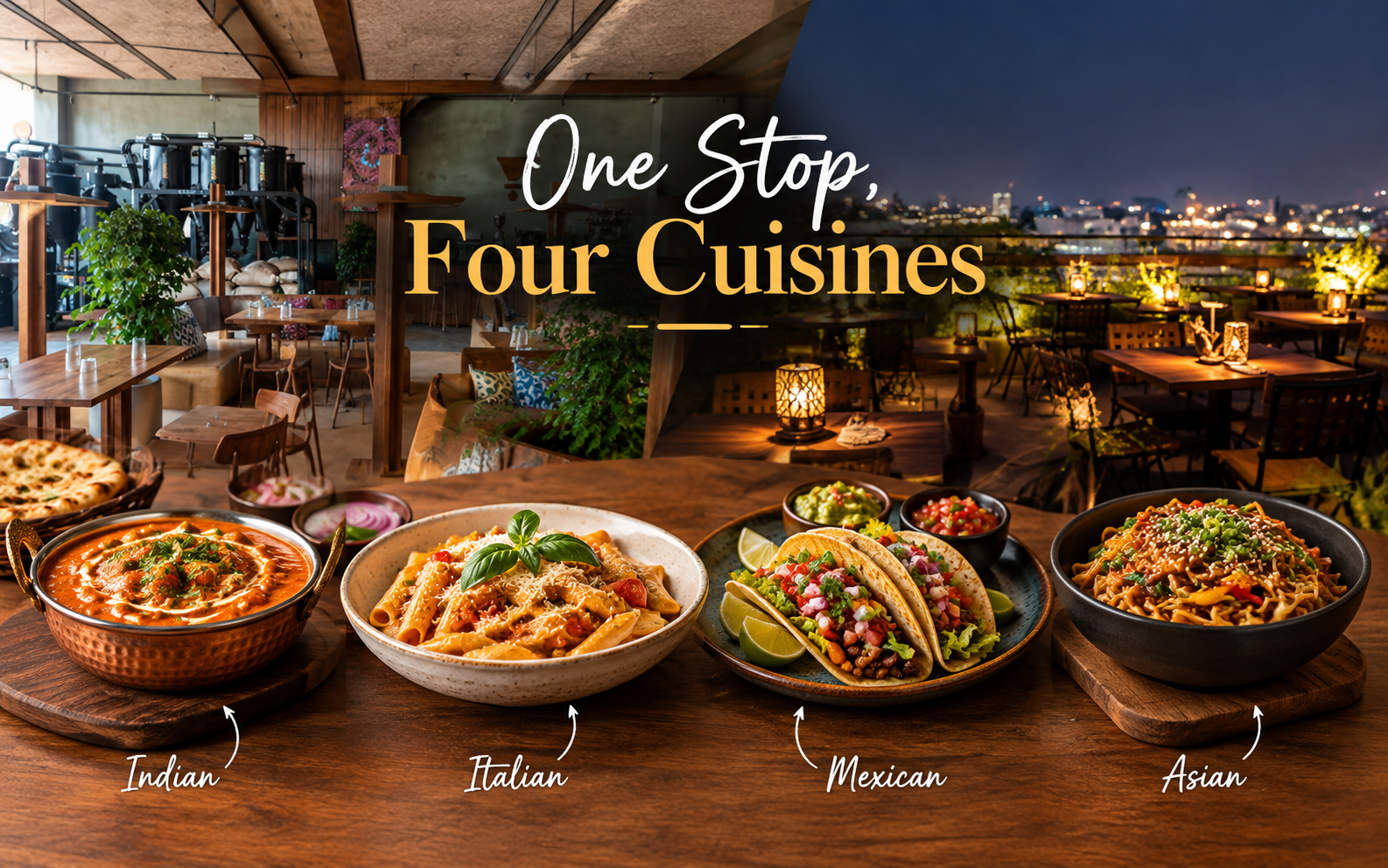
One Stop, Four Cuisines

A F&B revolution of sorts is quietly brewing in a building opposite Hyderabad’s landmark Durgam Cheruvu Cable Bridge, and the city of Nizams is approving wholeheartedly. Interestingly, the four F&B properties spawned by hospitality start-up Viksit Hospitality have distinct identities, ranging from regional cuisines showcased at Orlo (derived from our Indian hospitality anthem, Aur Lo Beta!), artisanal coffees from India at Naad, immersive nightlife experiences at Kadamba, to the latest addition of fine dining Japanese restaurant Izumi, in partnership with founder Nooresha Kably. Kadamba Cultural Compound A rooftop terrace bar, Kadamba has, arguably, the grandest ringside views of Durgam Cheruvu, with the night sights of an illuminated cable bridge and the city lights twinkling away on the distant horizon being a definite crowd-puller. The vibe is breezy (literally!) and informal, with the ambience highlights being the kadamba trees with pristine-white ‘chaupals’ (a la village panchayats) around them, where you can sit around and enjoy your drinks. The Japanese izakaya-styled bar promotes the concept of an easy, interactive experience with the team of mixologists. The cocktails are a rage, with colloquial names such as Rambha Ho, a rum-based offering with pineapple, lime juice and chilli pickle; a nod-to-Hyderabad-Kya Toh Bhi, a vodka drink; T-loop, which is tequila, mezcal, muskmelon cordial, caper foam, and Maska made with whisky, brown butter and lime cordial. The cuisine is Indian, including both comfort food and gourmet. Some of the iconic dishes here are the Chelo Kebabs platter; Compound walla Ceviche, which is steamed seabass topped with pani puri dressing, and 50-50, which is corn or bhutta in three different avatars. Orlo Orlo has, at its core, the idea of a Great Indian Dining table where everyone sits together for a relaxed meal, peppered with conversations and slow eating. The distinct aspect of dining at Orlo

You May Also Like