
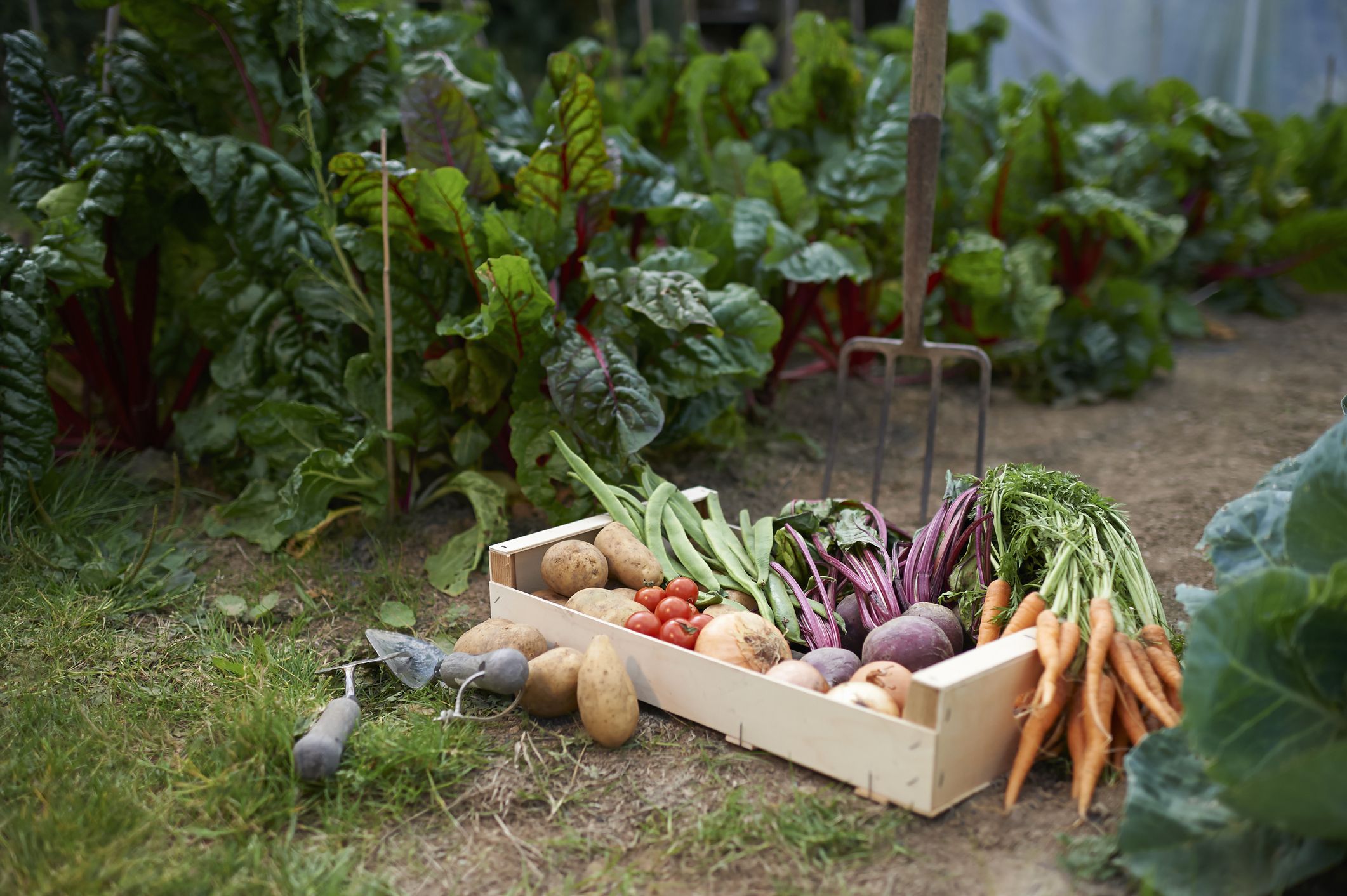
If you are interested in growing vegetables at home, It is important to learn which vegetables grow well during the summer. The hottest season is also the perfect season to grow different types of vegetables because the soil temperature increases and the sunlight is more than enough for the plants. Vegetables that grow in summer grow more abundantly when compared to other seasons. Let us find out about the vegetables grown in summer in India.
15 Vegetables To Grow In Summer
Here are some vegetables that grow in summer and how to grow them in your backyard!
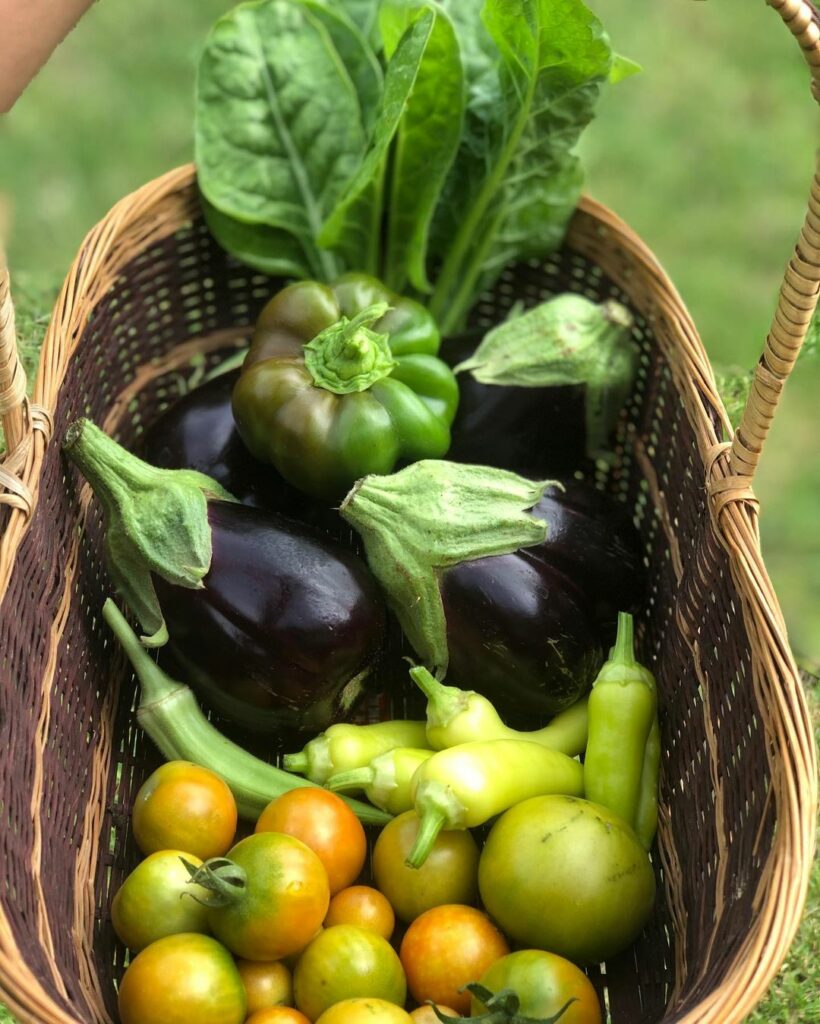
1)Brinjal– Brinjals are the perfect vegetable that grows in summer. They come with minerals, vitamins, antioxidants, and fiber content which is good for health. Brinjals come in different colours like purple, black, white, and green. Potatoes, tomatoes, and spinach are used as brinjal companions.
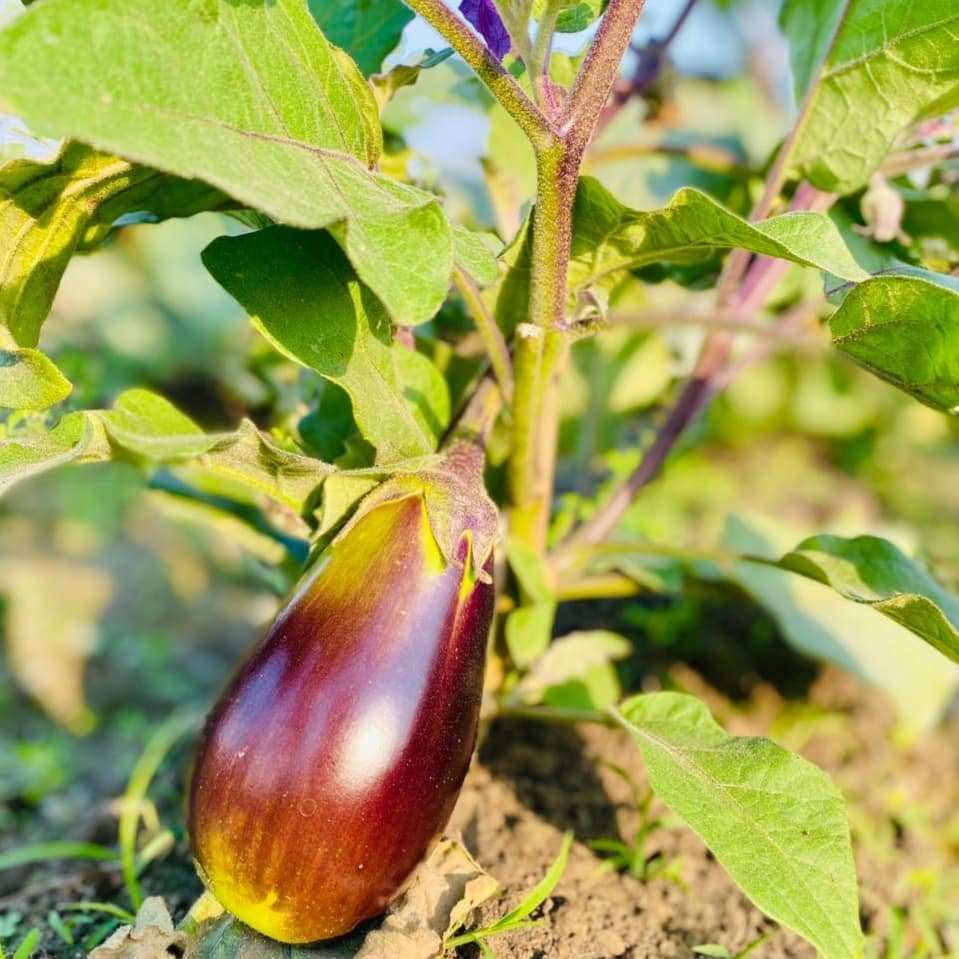
How to grow at home: First prepare the soil with manure, then sow brinjal seeds and water them regularly. Once the young plants grow, transfer them carefully into larger pots. You can tie the plant to a stick for better support in growth.
2)Bottle Gourd– Bottle gourd or lauki is the best summer vegetable in India because of its refreshing properties. Bottle gourd comes with high water content and keeps blood pressure under control. Bottle gourd has choline which improves brain functions as well. We can also prepare a bottle gourd juice which is ideal for summer. Onion and sweet potatoes are companion plants for bottle gourd.
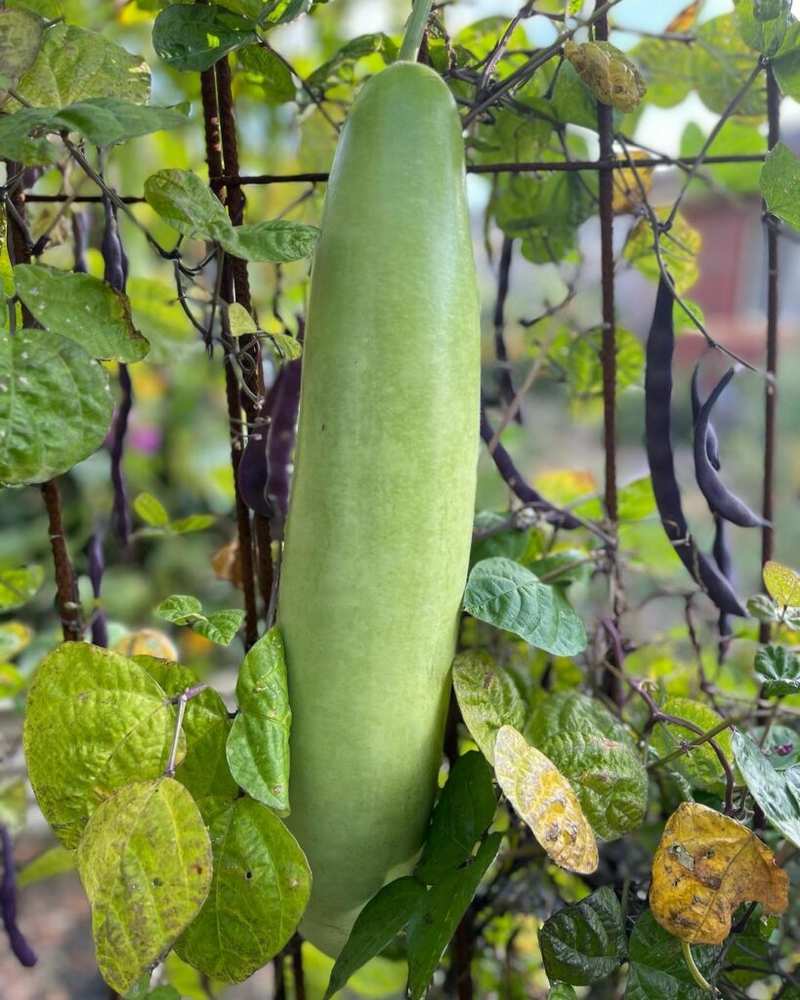
How to grow at home: First soak the seeds in water for germination then sow them in the pot. Remember they should have a distance of at least 24 inches. For supporting the young plant, we can add a rope and place them where they should receive good sunlight.
3)Cucumber– Cucumbers are a part of the squash family. They can balance the body temperature because cucumber has water content higher than any other vegetable. Cucumber comes with potassium, fiber, and magnesium which helps us to control our blood pressure levels as well. Corn and any other root vegetables are companion plants for cucumbers.
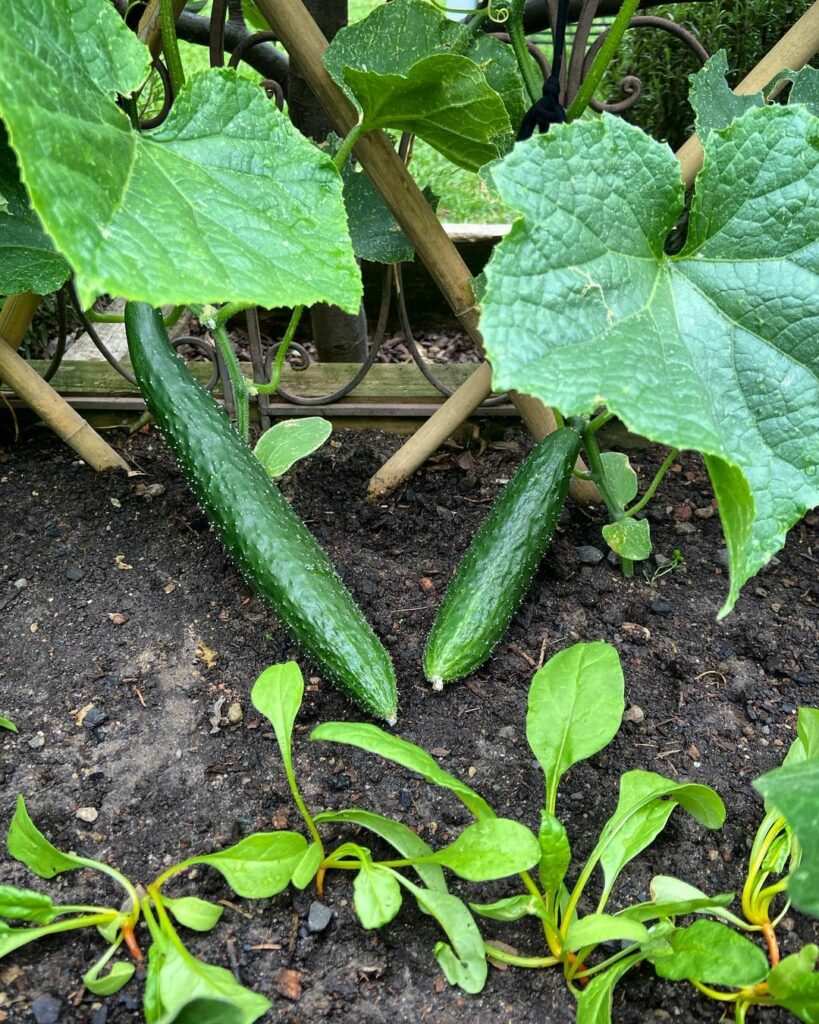
How to grow at home: Before planting cucumber seeds make sure that the soil is moist enough, and add the organic matter up to 2 inches. Plant the seeds and water them immediately as per the requirement.
4)Tomatoes– Tomatoes need several months of warm weather to grow bountifully. So it is important to choose a place where the plant receives full sun (at least 6 to 8 hours a day). It is best to plant them as soon as the summer begins because by the time of August many more tomatoes will spring up in your backyard.
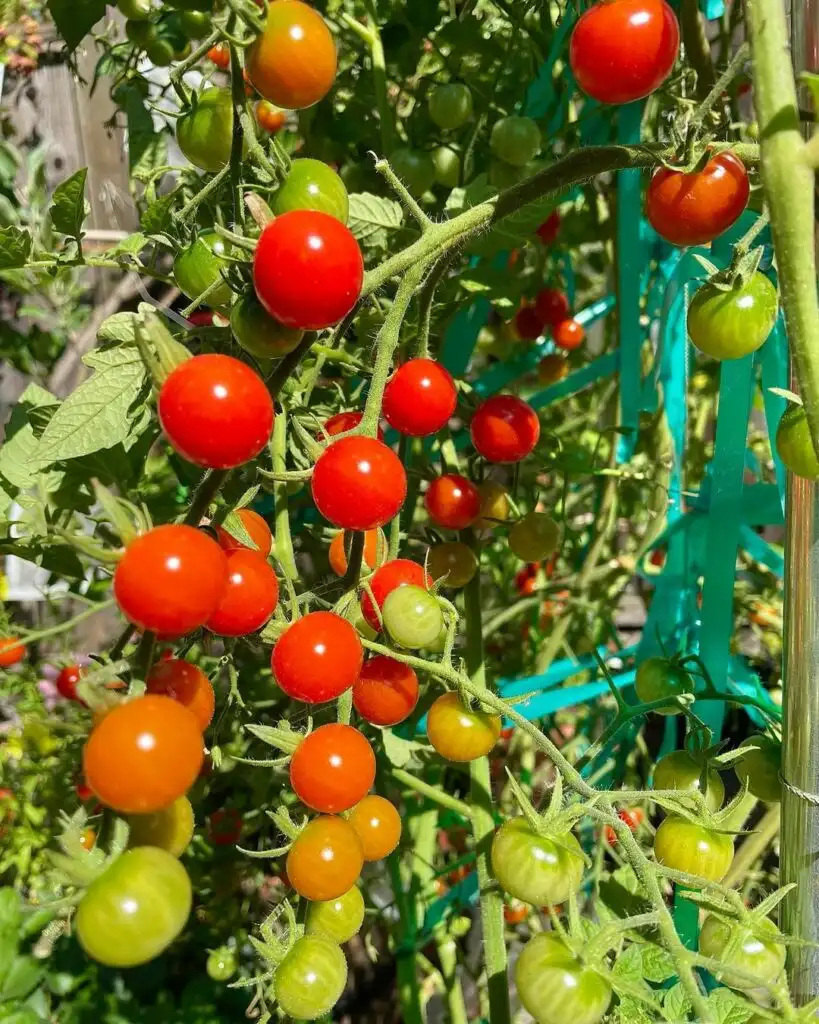
How to grow at home: Fill the garden soil with rich organic matter and add tomatoes seeds into the soil. Remember that tomatoes need 8 hours of full sun. Do not plant the tomatoes in the spot where eggplant, potatoes, and corn have recently grown.
5)White Onions– White onions are known for improving body strength and stability. Adding white onions into our regular diet helps with bleeding disorders like piles and nasal bleeding. White onions have a cooling effect that will relax our minds and stay calm in the hot summer heat.
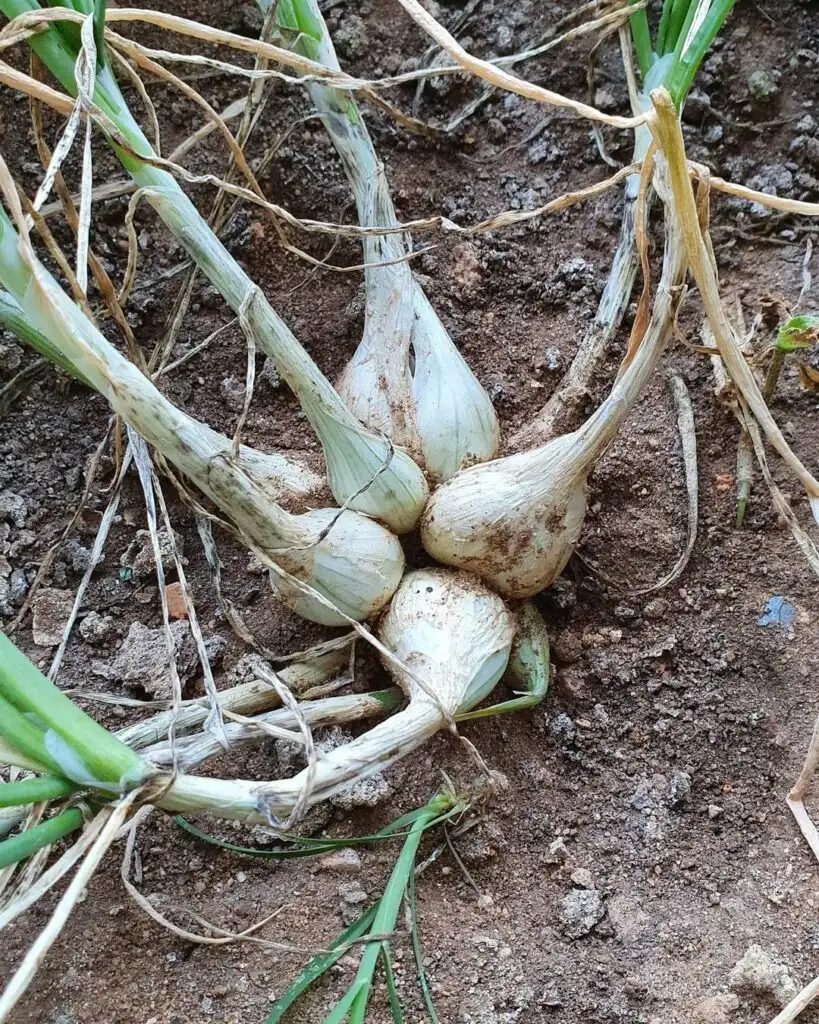
How to grow at home: Choose a spot where there is full sun and plant white onion seeds into the soil. After planting the seeds, cover them with 1/4th inch of fine soil and water it regularly to keep the soil moist.
6)Peppers– Peppers and tomatoes have the same growing requirements. Both of them prefer full sun, rich soil, and consistent watering. Peppers come in hundreds of varieties which suit every taste. You must keep the plant indoors during its early stages. Once they get mature enough, You can bring them out and plant them near carrots, squash, and onions.

How to grow at home: Plant the pepper seeds in nutrient-rich, well-draining soil that is rich in organic matter. Once you have planted the seeds, cover the soil with organic mulch.
7)Pumpkin– Pumpkin is a widely used vegetable in summers. It is beneficial for our health because they come with vitamins and anti-oxidants. Pumpkins have a low-calorie count which will help us in weight loss. Pumpkins are fast-growing vines and they must be grown at an ideal temperature. Pumpkin, radishes, and corn grow wonderfully together.
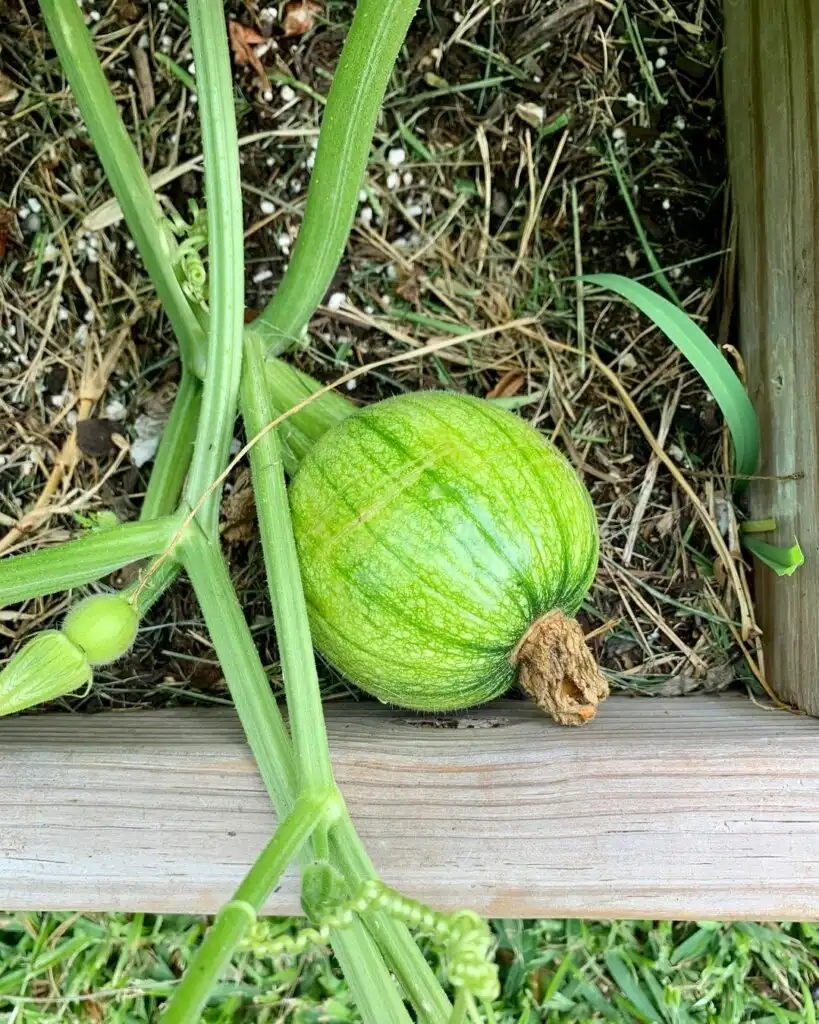
How to grow at home: Before you sow seeds directly into the soil, it is important to understand that pumpkins are not suitable for cold conditions. Plant the seeds in rows and water them regularly. In less than a week, the plant will begin budding.
8)Beans– Beans are the best vegetables that come with highly nutritious values and proteins. Even though green beans are very popular across the country but they are also some other types of beans like black, pinto, and fava beans. Beans cannot be planted indoors because they are sensitive to transplant shock. You can add carrots, cabbage, peas, and broccoli as companion plants.
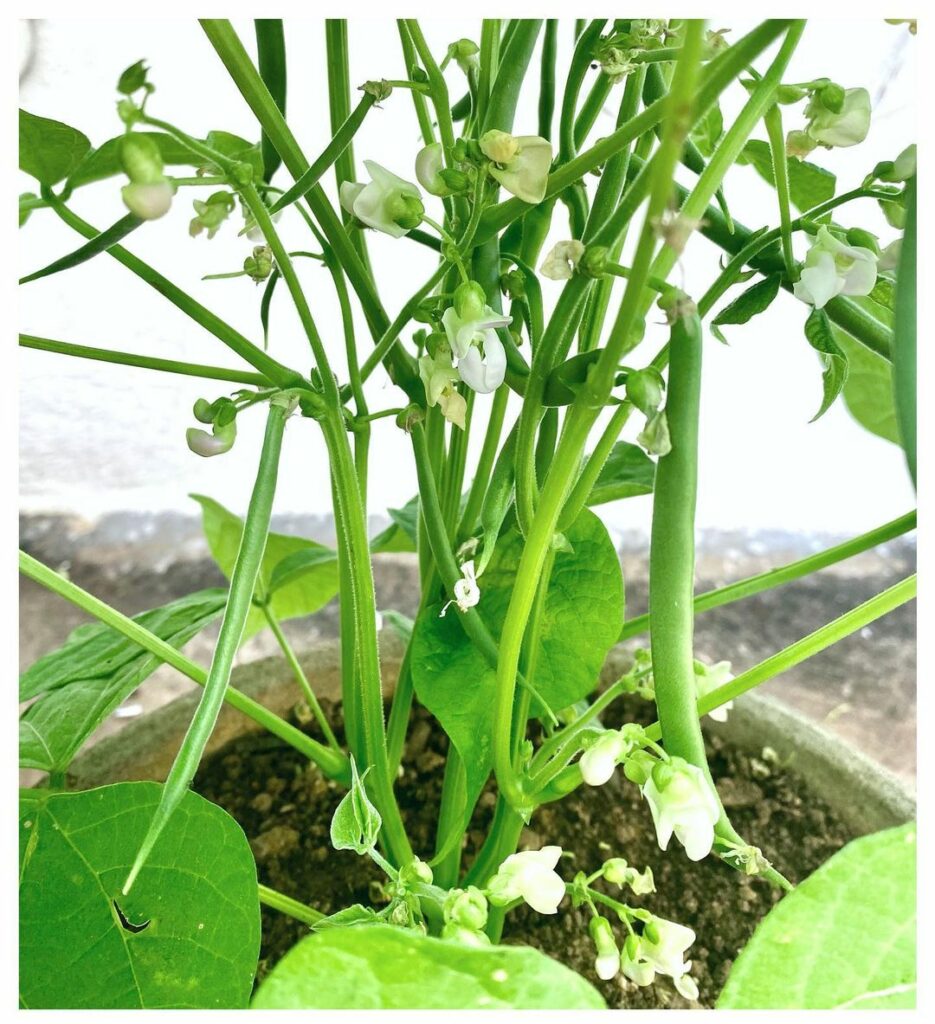
How to grow: Plant the seeds in warm fertile soil where there is abundant sunlight and water them regularly. Beans grow more in number when they are planted near companion plants like carrots, and peas.
9)Spinach– Spinach is a healthy leafy green vegetable, that belongs to the amaranth family and is loaded with tons of nutrients that will help in improving skin, hair, and bone health. Spinach comes with anti-oxidants to control sugar levels. Spinaches also help in tackling the risk of developing asthma. Spinach grows supportively with eggplants, radish, strawberries.
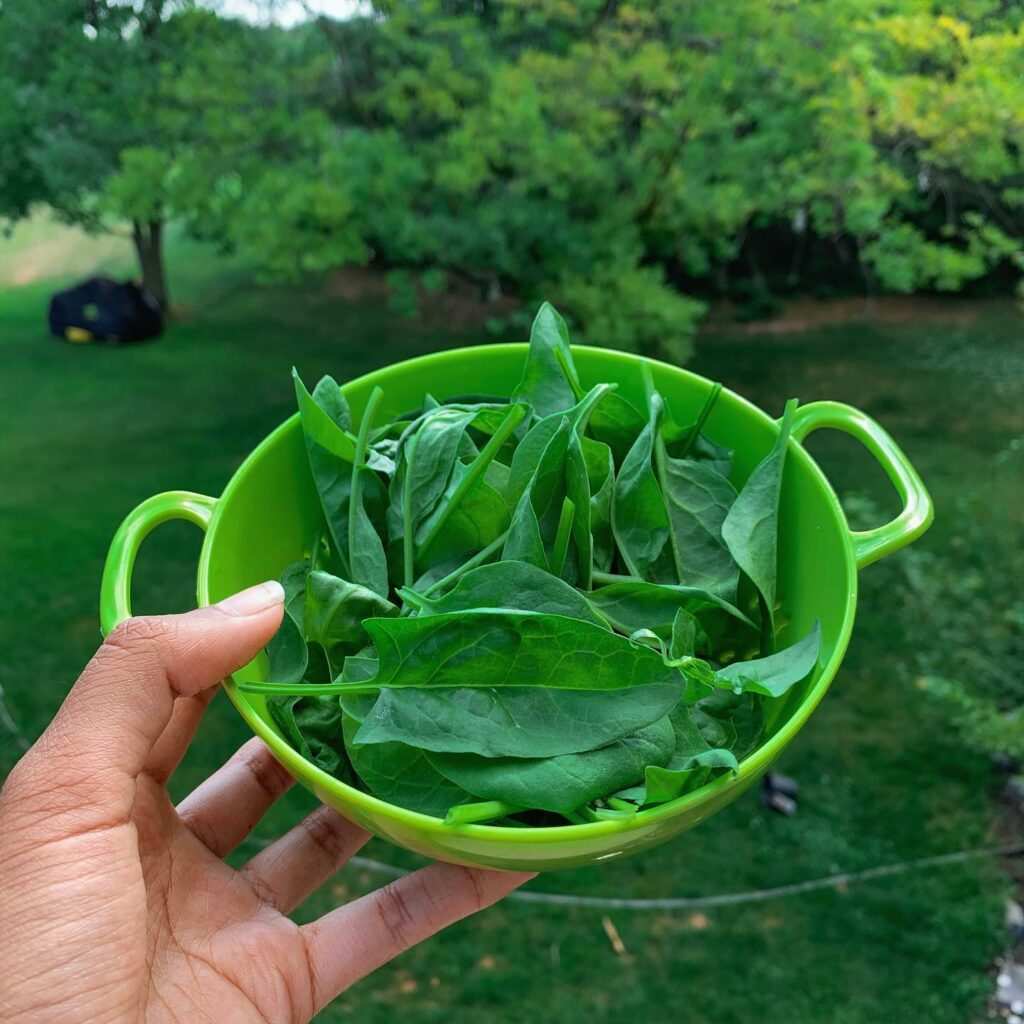
How to grow: First add aged manure to the soil before planting the seeds. Sow seeds 1 inch deep into the soil and cover them with little dirt. Water the seeds regularly and within a week, the plant will sprout up.
10)Sweet Potatoes– Sweet potatoes are suitable vegetables that grow in the tropical region. Unlike regular potatoes, These vegetables come with minerals, vitamins, beta-carotene, and nutrients. They need several months of heat to grow up and the soil temperature must be at least 15 degrees celsius. Do not plant sweet potatoes near squashes.
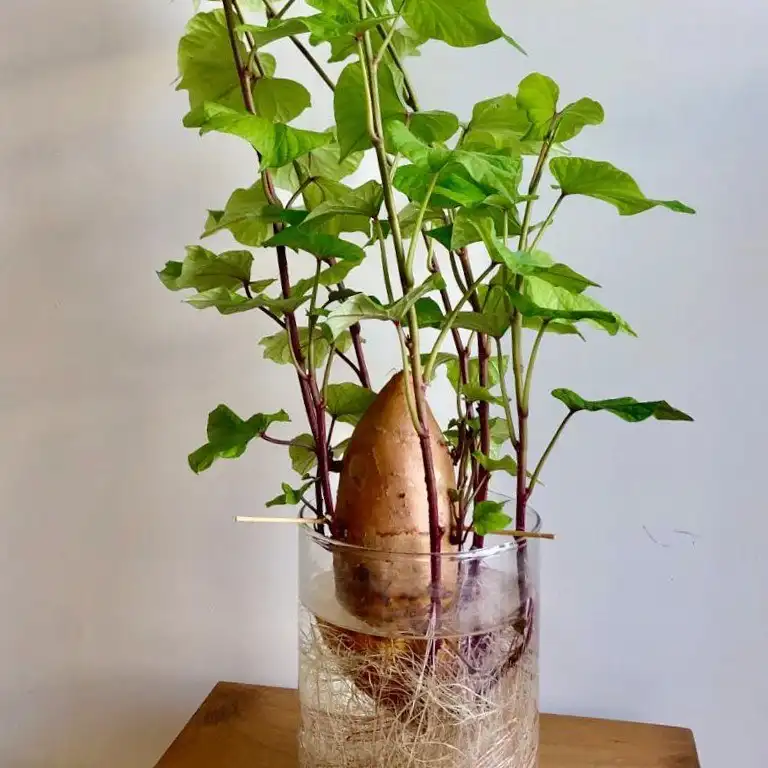
How to grow: Plant the seeds in a sunny site with well-draining soil. It is important to keep the soil moist with 1 inch of water every week. Stop watering for 2 to 3 weeks when the foliage turns into yellow colour.
11)Okra– Okra is popularly known as ladies fingers or bhindi andgrows in many parts of the country. The flowering plant contains vitamins, minerals, calcium, and zinc which will support our immunity system and improve digestion and vision as well. Okra grows well with companion plants like cucumbers, eggplants, and melons.

How to grow: Plant okra seeds about 1 inch deep into the soil. Before that, you have to soak the seeds overnight to speed up the germination process. Okra grows tall and it requires space of at least 3 to 4 feet from other plants. Regular watering is required for better growth.
12)Corn– Sweet corn is the fastest growing vegetable. Just like okra, corn also needs a lot of space and pollination to grow up perfectly. Corns are shallow-rooted plants so they can be planted with squash and beans. This combination of beans, corns, and squash is commonly called as three sisters.
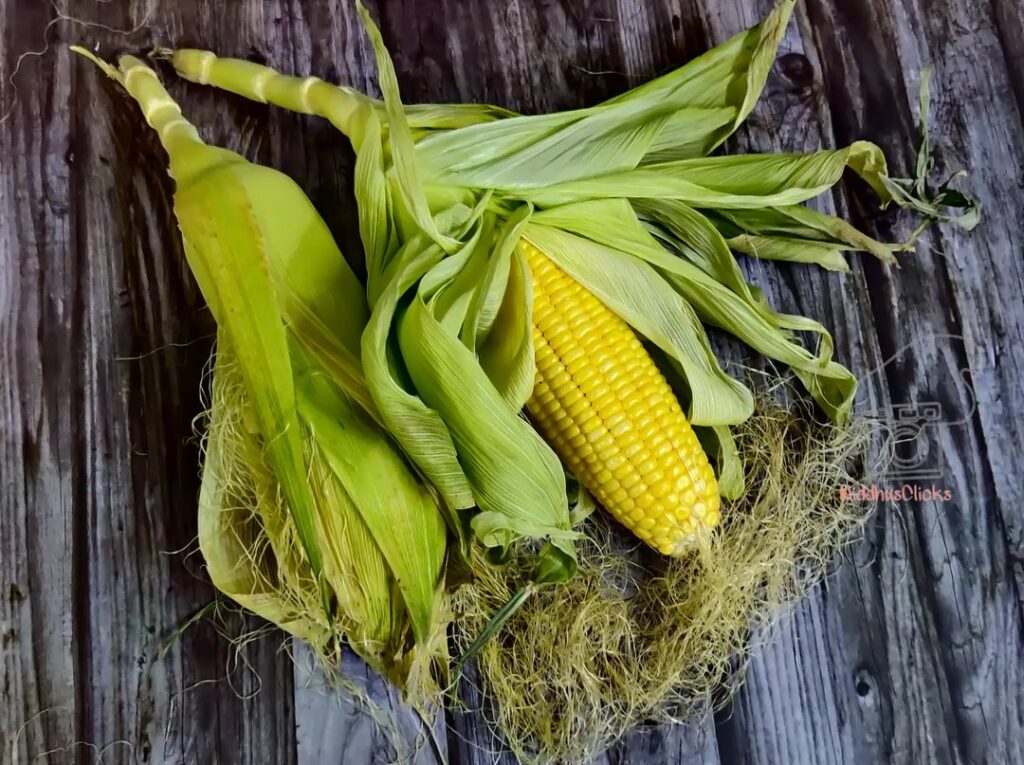
How to grow: Plant the seeds in 4×4 square pots in multiple rows to ensure cross-pollination. The vegetable needs regular watering to produce softer edible shells.
13)Cowpeas– Cowpeas is a type of bean which comes with an oval structure and a black eye. Cowpeas are the heroes of the summer season because they contain some essential vitamins, minerals, potassium, and calcium which have several health benefits like weight loss and controlling blood cholesterol. Planting black-eyed peas with onions and garlic is not a good idea because they are delicate. It is better to plant them with cucumbers and strawberries.
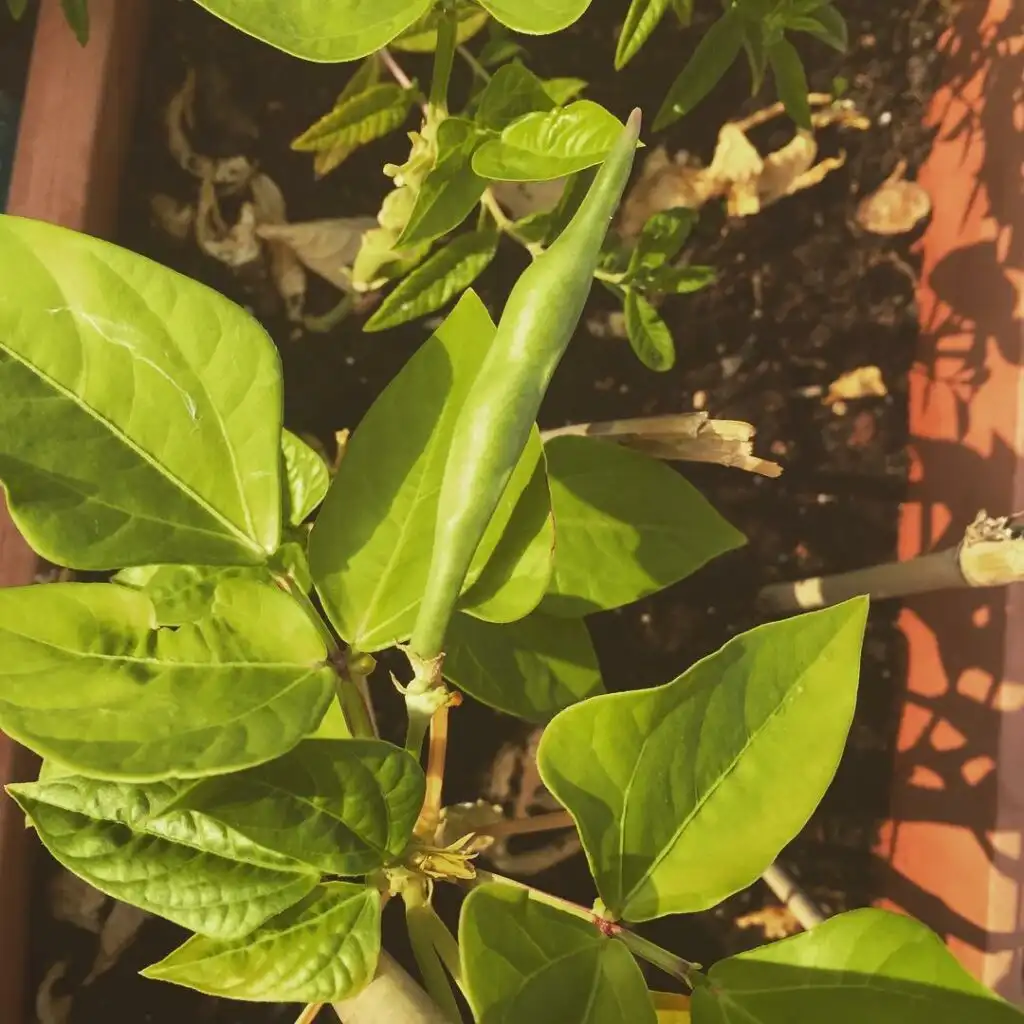
How to grow: Plant the seeds straight into the soil which is ready for sowing. Water regularly and wait for a few days for the seeds to grow into flower buds. From those buds, cowpeas will start sprouting up.
14)Amaranth– Amaranth is an easily adoptable summer crop that grows well in warm soil. Amaranth comes with plenty of fiber and protein which has some extra-ordinary health benefits like reducing cholesterol levels, inflammation, and weight loss. Amaranth needed to be taken care of a bit because once the seeds started growing up, birds will show interest in pecking at the plants. So you can shift the plant with eggplant or corn for better growth and protection from birds.
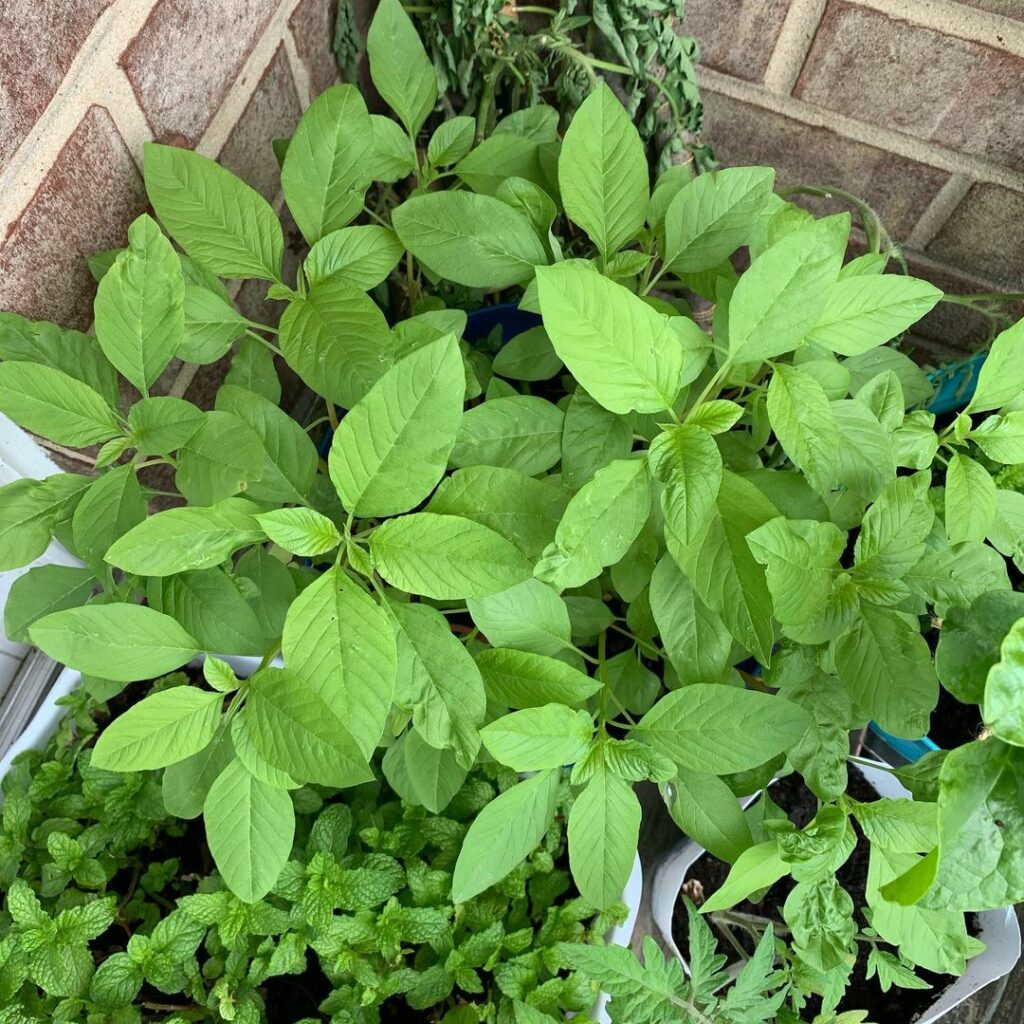
How to grow: Plant the seeds in any type of soil and keep it moist regularly. Shade and plenty of water are required to support their growth.
15)Green Chillies– Green chilies are important in cooking, and they are available throughout the year. Some enjoy eating green chilies raw because they are widely known for improving metabolism levels and helping your body burn calories quickly. Green chilies are loaded with fibers and antioxidants which cleanse your stomach and improve vision. Green chilies grow wonderfully with garlic, chives, and onions.
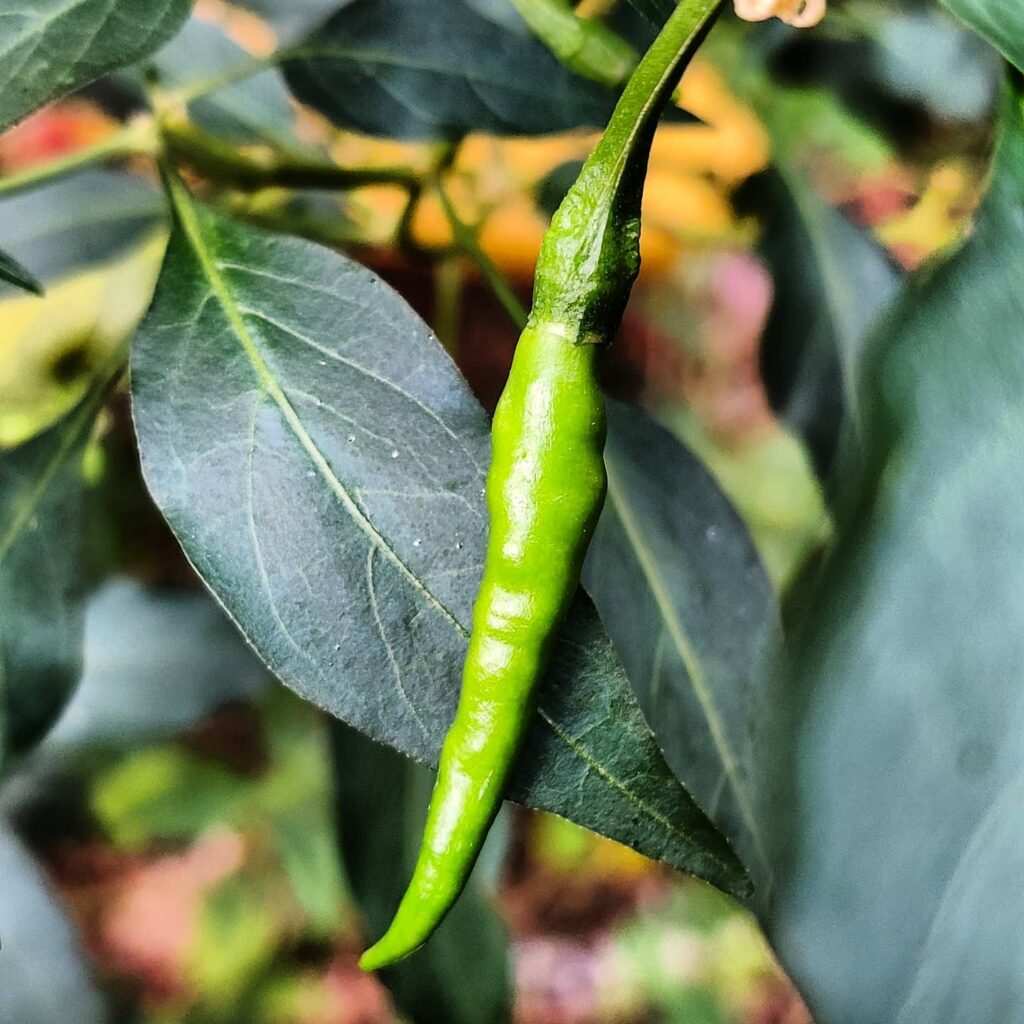
How to grow: Plant hot chili seeds at ½ inch deep into the soil and water them regularly. Once they are grown 4 to 6 inches tall then we can transplant them into another big pot.
So these are some of the best vegetables which can grow in the summer. All of these vegetables have many health benefits and they will keep you refreshed this summer. So let’s start sowing some seeds in our backyard.