
“I fail to understand why there is such a hue and cry about age difference in relationships” : Mugdha Godse

MUGDHA GODSE

Mugdha Godse opens up about the relationship between the “Complete Couple” that she forms with Rahul Dev. Speaking to LIPIKA VARMA, Mugdha shares her relationship mantra in an exclusive for HASHTAG INDIA.

My parents are fine with our live-in status. Parents want their kids to be happy. And if they see them being happy as a couple then there are no complaints. You can’t hide your happiness, and for parents that is enough.

What was the lockdown like for you?

I will come to Mumbai when the lockdown is over. Now I am caught up with sweeping and swapping and cooking at home. It’s not as bad as the first lockdown as this time maids are allowed. The whole Covid situation has taken us back to our roots and taught us all about life. We should do our own work and take care of our environment. There is nothing greater than health. All this realisation has happened in people owing to the recent development.

Are you looking to go on vacation now?

I remember I had a long holiday of about three months at home. We were sitting at home and relaxing. After the Pandemic is over it will be work time. Rahul has been working continuously. I have been working on, and off. We want to get busy and work. And then holidays will happen.

Is space important to you two as a couple?

Space is definitely crucial in a relationship. We have two sets of TV in different rooms so we can watch our own channels. We are not one of those who sit and watch TV together, because our watching interests are very different. We are from the industry so it’s homework for us to watch films and shows. I like watching series, right from chick flicks and light comedy and murder mysteries. And he likes watching movies. Generally, it depends on mood. I want to watch horror films and probably he doesn’t want to watch that, so why force him to watch it. I am a morning person and he is a night person. I do my yoga, and chanting. He has his set of time for his gym. We don’t like disturbing each other’s personal space.

You guys are the poster couple for live-in relationships. How have you managed to make it work, especially in the industry?

We were open about our relationship, but we never blabbered about it unnecessarily. It’s a personal decision. Everyone has their own comfort zone. We are very happy together. That’s what matters whether you are living in or married or just dating, being happy together and enjoying each other’s space is the ultimate goal.”

What perfection do you find in Rahul?

He is a very simple person. He just goes with the flow. It’s easy to understand each other’s work style and space our thought process. We are deeply connected spiritually.

Rahul is older than you so do you feel he handles you with care as a partner?

Age is just a number. Actual age is what we think and do. As long as you connect with each other, that age does not matter. I guess I didn’t even realise when we were dating. He is older, and he did mention it initially. But then it didn’t really matter to me. There is something that got us well connected. There are so many couples in our industry with age differences.

Leave a comment

Your email address will not be published. Required fields are marked *

Men’s Mental Health: Dr Vee on Mind-Body Connection

Dr Vishakha Shivdasani, known as Dr Vee, is a medical doctor and a recognised voice in longevity medicine and metabolic health, with over 20 years of clinical experience in conditions like obesity, PCOS and type 2 diabetes. Through her platform @doctorvee and her bestselling book COVID and Post-COVID Recovery, she’s built a reputation for connecting the dots between emotional and physical health. Here, she breaks down why men’s mental health shows up differently, and what to actually do about it. What are the most common mental health challenges in men, and why do many hesitate to seek help?Men most commonly face depression, anxiety, burnout, substance use and chronic sleep disruption. The problem is, men often don’t recognise these as mental health issues. Depression in men frequently shows up as irritability, anger, fatigue, withdrawal or a reliance on alcohol rather than as sadness. The consequences are serious: men die by suicide at several times the rate of women, even though they seek help far less often. Many hesitate because they’ve been taught that vulnerability is weakness. In my practice, I see men who’ll see a doctor for a cholesterol number but stay silent about months of poor sleep, low mood or constant gut trouble. The body often says what the man won’t. How do work pressure, stress and societal expectations affect men’s emotional wellbeing?Men are often expected to be providers, problem-solvers and the strong ones. When that pressure never switches off, the body stays in a prolonged stress response. Elevated cortisol disrupts sleep, promotes abdominal fat, raises blood pressure and blood sugar, lowers testosterone, and alters the gut microbiome. This is the gut-brain axis at work: the gut produces most of the body’s serotonin, which is why chronic stress so often appears as acidity, bloating or irritable bowel symptoms alongside anxiety

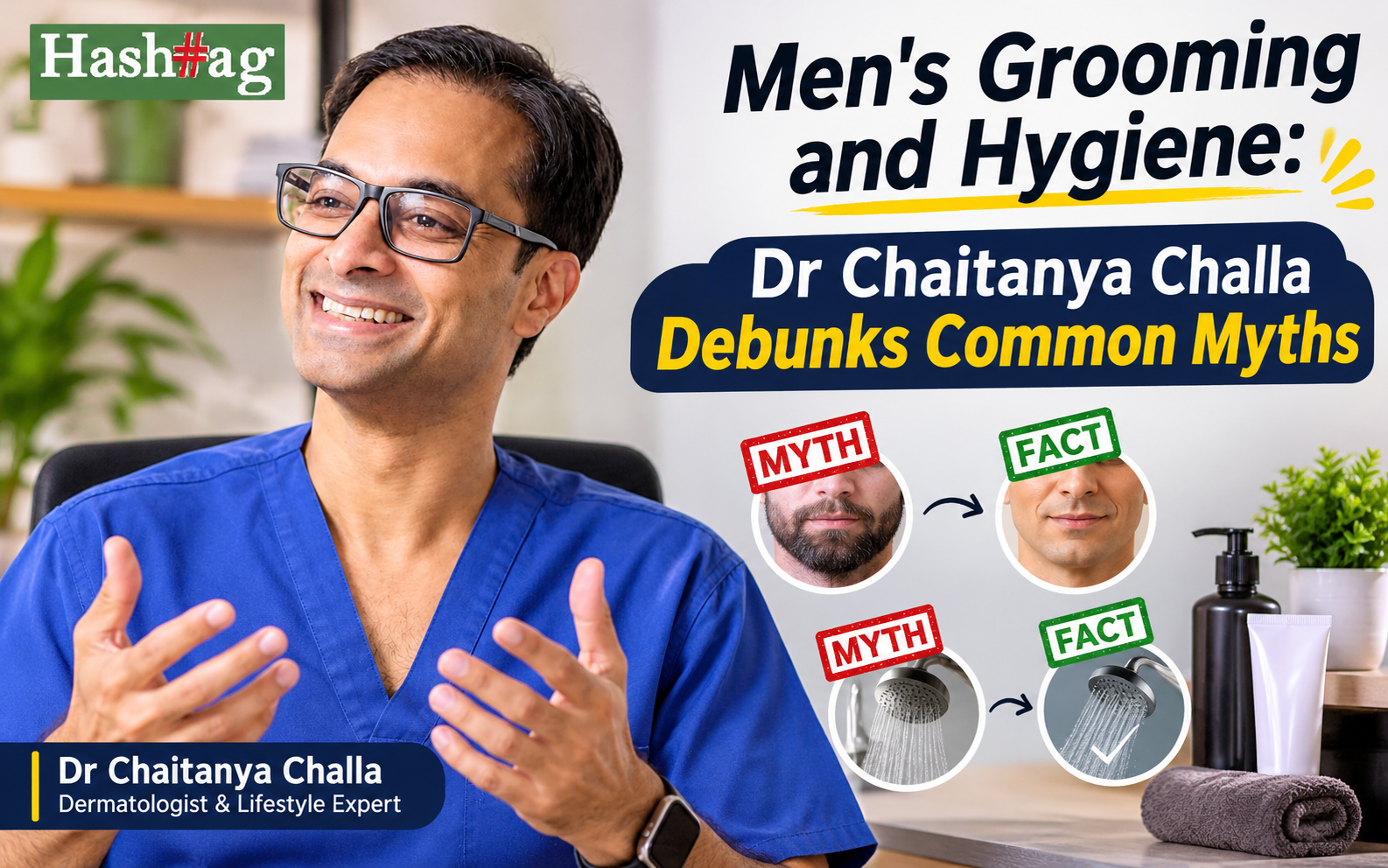
Men’s Grooming and Hygiene: Dr Chaitanya Challa Debunks Common Myths

Dr Chaitanya Challa is a Hyderabad-based physician specialising in Internal Medicine and Critical Care, with a focus on preventive healthcare and lifestyle-related disorders. He believes good health starts with everyday choices, including the ones men tend to overlook or get wrong. Here, he breaks down common hygiene mistakes, persistent myths and the essentials of a practical daily routine. Does sweating actually cause body odour, and what’s the risk of staying in sweaty clothes for too long?One of the most common mistakes is assuming that sweating itself causes body odour. Sweat is largely odourless; the smell develops when bacteria on the skin break down components of sweat. Areas like the underarms and groin are particularly prone to this. Staying in sweaty clothes for too long, especially after exercise, creates a warm, moist environment that encourages skin irritation and fungal infections. Men should change out of sweaty clothing, dry themselves thoroughly after bathing, and pay attention to areas where moisture accumulates. What should a basic daily grooming routine look like, including underarm and oral care?It doesn’t have to be complicated or expensive. Consistency matters far more than the number of products you use. Bathe regularly, paying attention to the underarms, groin, feet and other areas that accumulate sweat. Use a gentle cleanser, rinse thoroughly and dry properly, particularly between the toes and in skin folds. Change your underwear and socks daily, and change out of damp clothing after exercise. Underarm care also depends on choosing the right products. An antiperspirant helps reduce sweating, while a deodorant primarily controls odour. Choose what suits your needs and skin, and avoid applying fragranced products to irritated or freshly shaved skin. Oral hygiene deserves equal attention. Brush twice daily with fluoride toothpaste, clean between your teeth using floss or an interdental cleaner, and keep up with

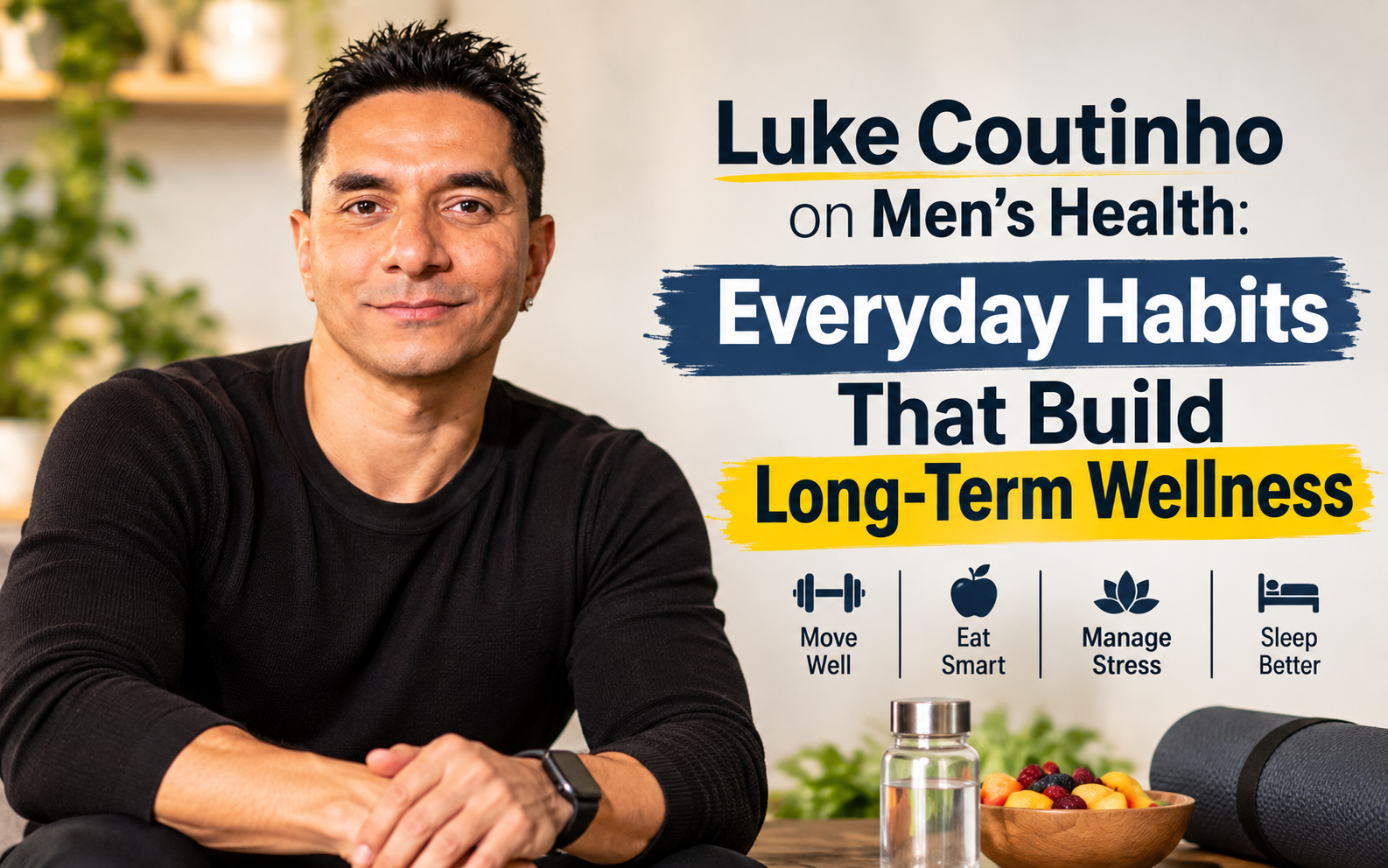
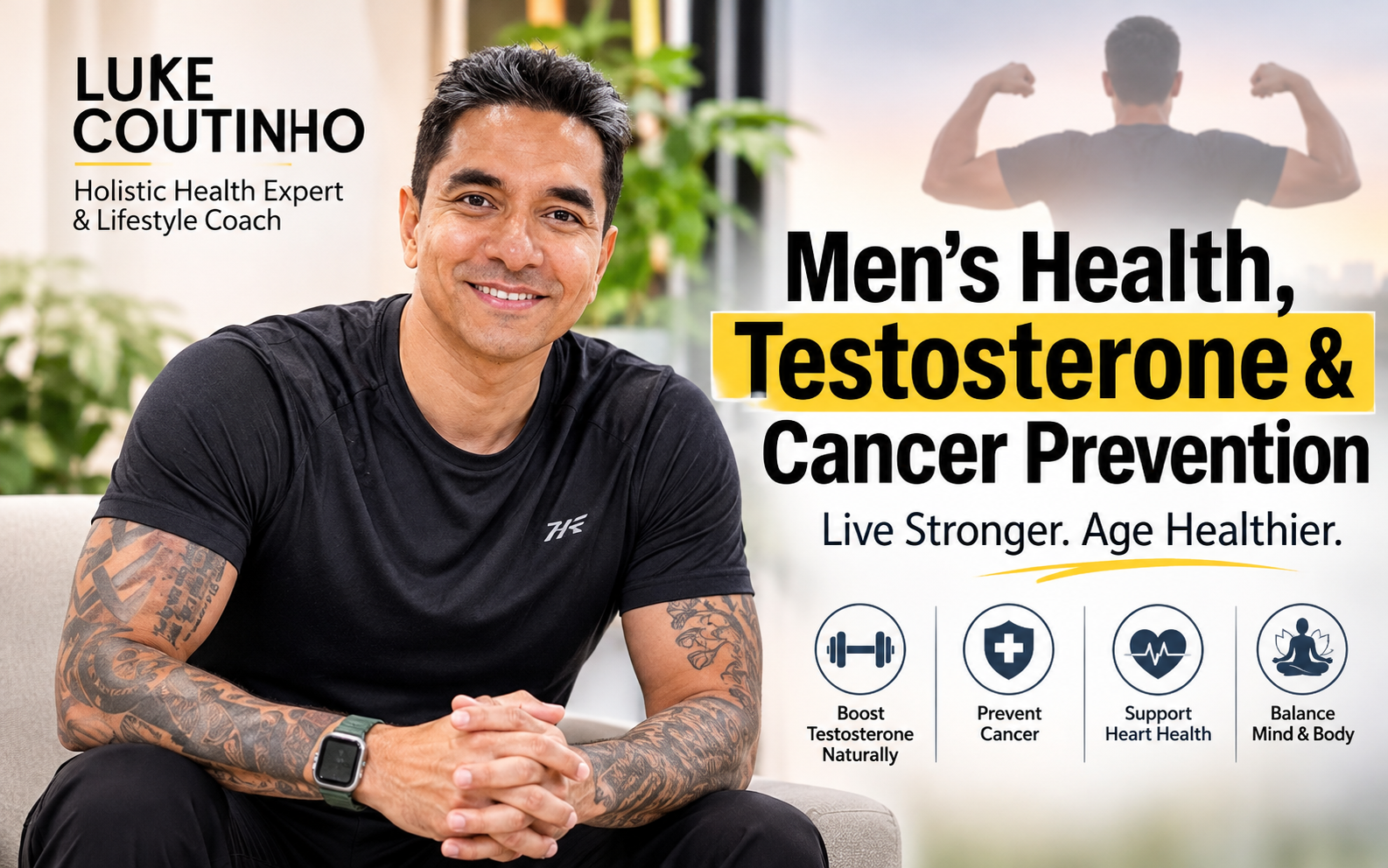
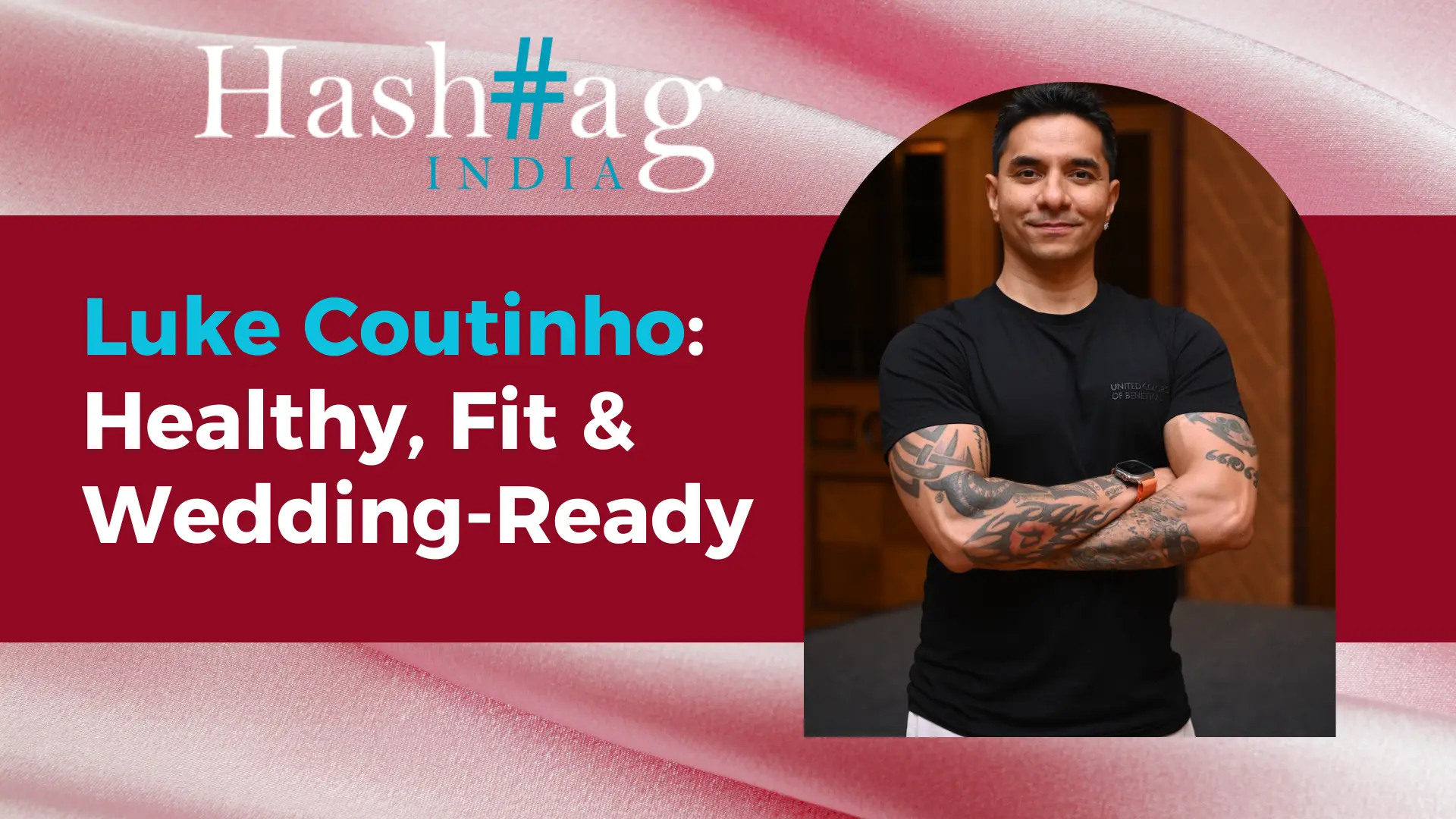
Luke Coutinho on Men’s Health: Everyday Habits That Build Long-Term Wellness

Luke Coutinho didn’t set out to become one of India’s most recognised voices in holistic health. He spent a decade at IBM, chasing a conventional corporate career, before a quiet realisation changed everything: the most successful people he knew, with access to the best doctors and trainers money could buy, still weren’t healthy. That gap between excellent medical care and the way people actually live became his life’s work. Fifteen years, a team of over 160, and thousands of patients later, his philosophy of Foundational Medicine and Lifestyle has become essential reading for anyone trying to understand why effort alone doesn’t always translate to health. His Journey From Goa to the corporate world I grew up in Goa in the late 90s and early 2000s. Like most young people, I went through different phases, and I think that’s how it should be. Each chapter teaches you something and leads you to the next. During college, I worked weekends at my cousin’s restaurant, waiting tables, helping in the kitchen and sometimes running the bar. It was hard work, but it taught me a lot about people and service. After college, I worked in hospitality before joining a multinational company that took me to Dubai, London and Qatar. When I returned to India, I spent 10 years at IBM. Throughout those years, nutrition remained a personal interest. I studied it out of curiosity, never imagining it would eventually become my career. The realisation that changed my approach to health My turning point came from what I saw in the corporate world. Many senior executives, people with impressive titles who travelled constantly, were neglecting their health. They had access to the best doctors, nutritionists, trainers and gyms. They could afford any superfood they wanted. And still, they weren’t healthy. That didn’t add up

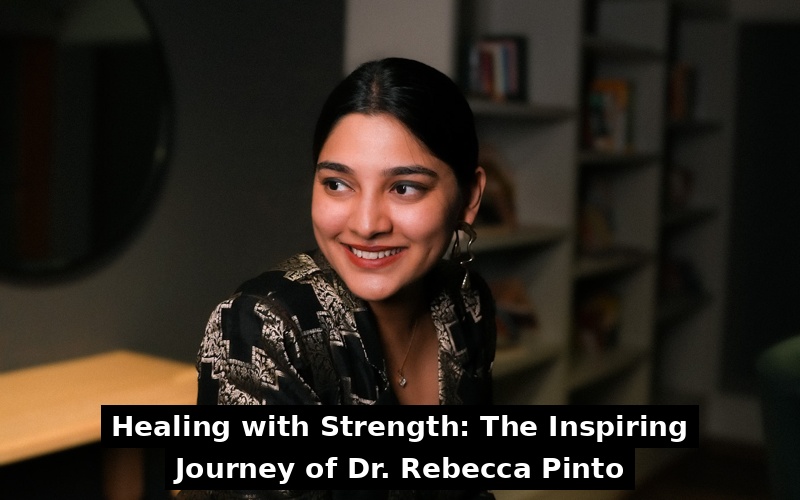
Healing with Strength: The Inspiring Journey of Dr. Rebecca Pinto

Based in Bangalore, Dr. Rebecca Pinto is a physiotherapist by qualification, but as she says, “My life has been shaped far more by experience than by textbooks.” Losing her mother at a young age, Rebecca grew up in a single-parent household with her father. Financial constraints were not abstract concepts; they were lived realities. “I saw what a lack of money really does, not just to your lifestyle, but to your peace, your choices, even your relationships,” she shares. That early exposure instilled two beliefs: financial independence creates freedom, but happiness remains a choice. Known among friends as vibrant and dependable, she describes herself as “caring, witty, and observant.” Her critics may call her detached, but she believes that detachment “has helped me survive more than anything else.” Health Beyond Information Today, Dr. Pinto wears multiple hats: physiotherapist, nutritionist, and content creator. But her mission extends beyond treatment plans. She challenges deeply ingrained habits. “When you understand health, you don’t just treat people, you change how they live,” she explains. Content creation began casually, a simple experiment. But the moment people began telling her, “This helped me,” the weight shifted. “That’s when it stopped being content and became responsibility.” For Rebecca, health isn’t about longevity alone. “It’s about living without constantly feeling tired, inflamed, or uncomfortable, which unfortunately has become normal.” Clarity Over Comfort In an industry flooded with trends, her voice stands out for its directness. “Most people don’t change because they lack information. They don’t change because no one has made them question their habits.” She positions herself deliberately between comfort and awareness. Her approach is simple, sometimes blunt, but always rooted in science. “If something is harming you, I’ll say it, even if it’s something you enjoy.” Her audience associates her with two defining qualities: clarity and

You May Also Like