Combating PCOS: The Ideal Indian Vegetarian Diet

PCOS-The-Ideal-Indian-Vegetarian-Diete

Hashtag India speaks to Dr Shweta Goswami on how PCOS can be brought under control and the role of a good diet in one’s health.

Polycystic Ovarian Syndrome, widely known as PCOS, is a condition that causes hormonal imbalances and creates problems with your metabolism. A study conducted by AIIMS shows that 20.25% of Indian women of menstruating age (ages 15 to 44) are suffering from PCOS. PCOS can lead to serious health conditions such as diabetes, depression, cardiovascular problems, and affects the ability to conceive as well, sometimes transgressing to endometrial cancer. 

For women with PCOS, the subsequent hormonal imbalance causes skips in menstrual periods and makes conceiving all the more tougher. Solutions for control however, exist. One’s diet is the stepping stone to better health. Good food choices are good investments. There is no definite cure or medication for PCOS. Yet switching to a healthy lifestyle that is based on a better diet and regular exercise can help you fight the disorder by manifolds.

Dr Shweta Goswami, Senior Consultant IVF for Jaypee Hospital and Medical Director at Zeeva Fertility Clinic, Noida, gives some prime tips to combat the condition.

  • Fiber-Rich Foods

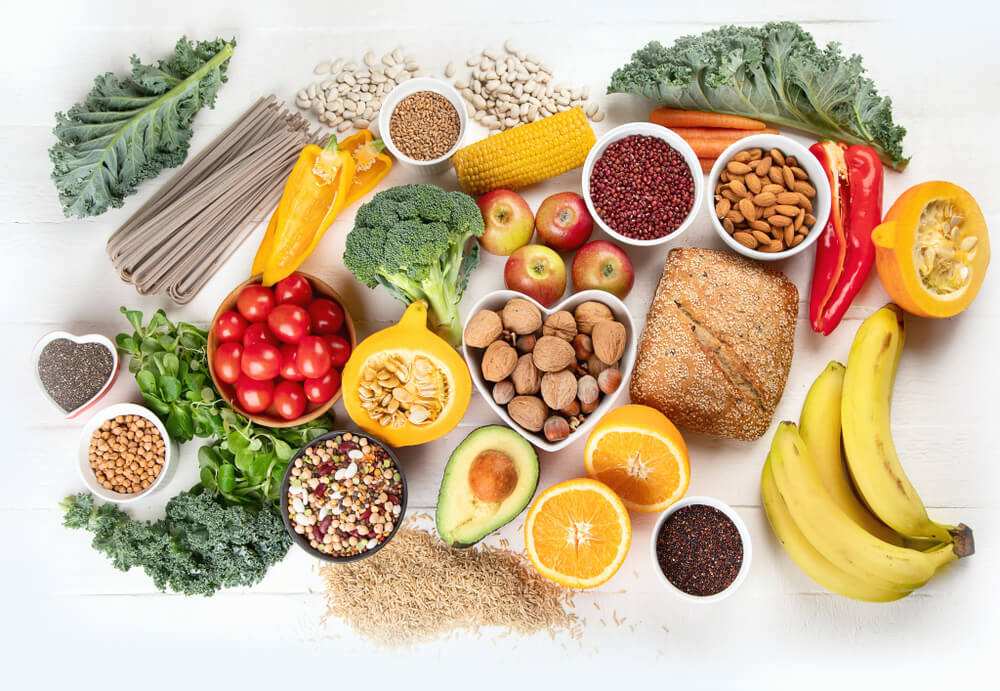
Fibre keeps you full, improves health, and aids weight loss. Good sources include barley, oatmeal, beans, nuts, and fruits. Broccoli, cauliflower, beans, almond, sweet potatoes, and pumpkin are also full of good fibre content.
  • Green Leafy Vegetables

These are particularly recommended for a woman struggling to lose weight due to PCOS. They are rich in iron, potassium, calcium and Vitamin K, C, E, and B.

  • Anti-Inflammation Food and Spices

The anti-inflammatory diet carries plenty of probiotics, fibre, antioxidants, and omega-3s, which means a diet rich in vegetables, whole fruit, whole grains, legumes. Tomatoes, spinach, almond and walnuts, olive oil, turmeric, and cinnamon also serve the purpose.

  • Fruits

Some may hesitate to consume them due to the fructose content; however, fruits have several minerals, poly nutrients, and fibre. Consume fruits with a low glycaemic index like guava, pears, strawberries, blueberries, kiwi, apples, oranges, and watermelons.

  • Healthy Fats

To most people, the word ‘fat’ does not seem to go hand in hand with PCOS, but you need to eat healthy fats to provide essential fatty acids. This includes seeds, olive oil, avocado, and nuts.

  • Low Glycaemic Index or GI Diet

The GI measures how quickly any food raises blood sugar levels. A low GI diet helps prevent insulin spikes by raising blood sugar levels slowly. The low-GI diet consists of eating whole lean protein, whole grains, fruits and vegetables, and healthy fats. Moreover, the advantages of consuming a low GI diet are clinically backed by lots of studies and surveys.

Avoid:

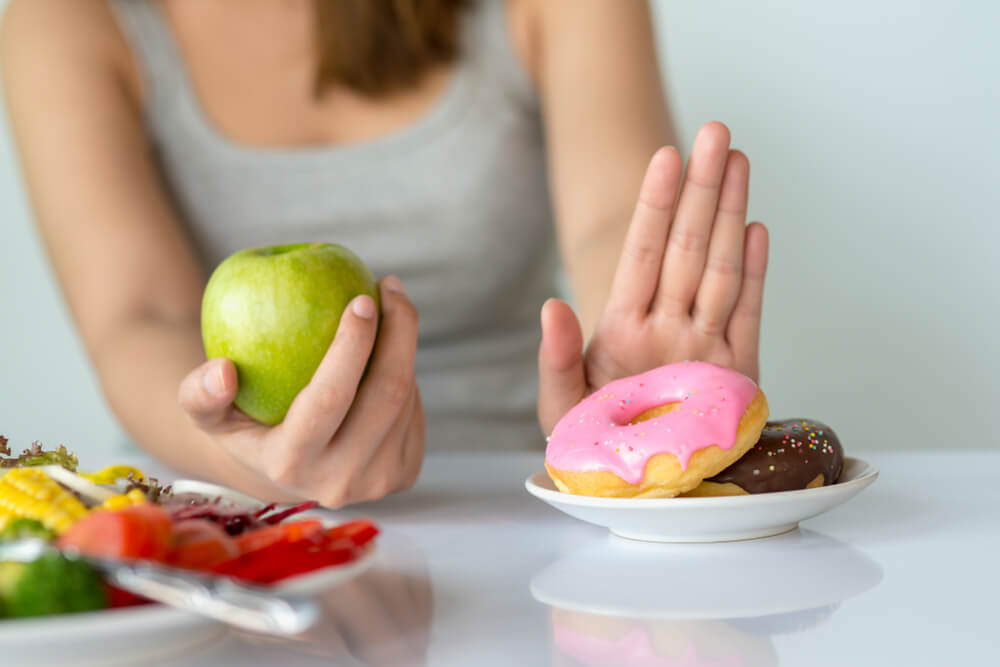
  • Sugar and involved snacks/drinks such as soda or juice.
  • Food that is high in refined carbohydrates such as white bread and muffins.
  • Avoid high consumption of dairy products, as they tend to cause an increase in testosterone levels.
Pcos Avoid foods
  • Caffeine in general affects fertility in women.
  • Any stuff made with white flour.
  • Starchy vegetables like potatoes, corn, and peas.
  • Sugary foods like cookies, cakes, and candy.
  • Avoid packaged, processed food, junk, and fast food.

Pro-Tips:

  • Have lots of fluid and low calorie (chana, fruits, sprouts) snacks throughout the day.
  • One can balance out the imbalance of hormones in PCOS by making breakfast the biggest meal and dinner the smallest. 
  • Reducing your carb intake may improve the hormonal imbalance linked to PCOS and boost weight loss in women with PCOS.
  • Keep stress at bay. Try to peacefully go through the diet plan or medication along with exercise. 

Leave a comment

Your email address will not be published. Required fields are marked *

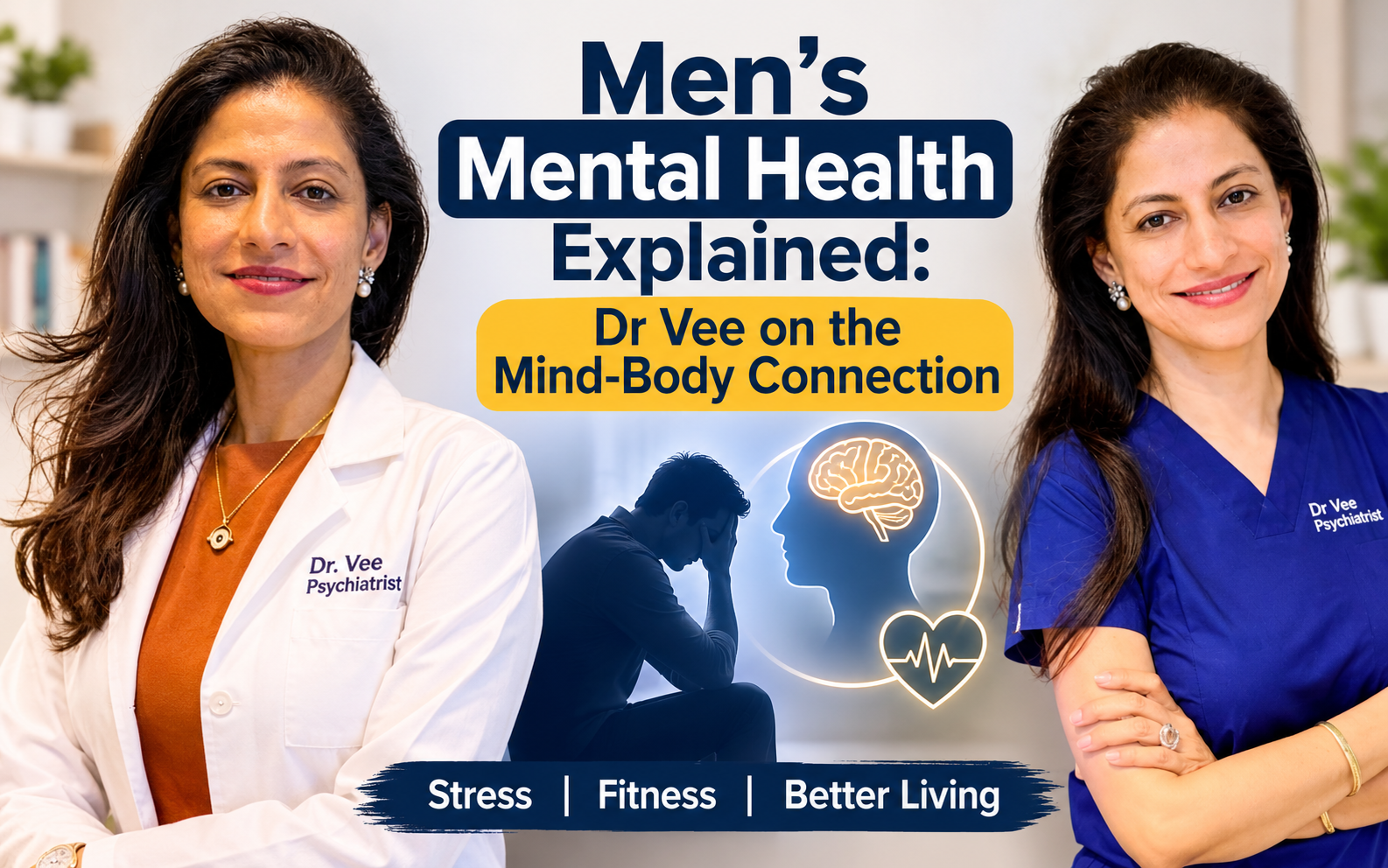
Men’s Mental Health: Dr Vee on Mind-Body Connection

Dr Vishakha Shivdasani, known as Dr Vee, is a medical doctor and a recognised voice in longevity medicine and metabolic health, with over 20 years of clinical experience in conditions like obesity, PCOS and type 2 diabetes. Through her platform @doctorvee and her bestselling book COVID and Post-COVID Recovery, she’s built a reputation for connecting the dots between emotional and physical health. Here, she breaks down why men’s mental health shows up differently, and what to actually do about it. What are the most common mental health challenges in men, and why do many hesitate to seek help?Men most commonly face depression, anxiety, burnout, substance use and chronic sleep disruption. The problem is, men often don’t recognise these as mental health issues. Depression in men frequently shows up as irritability, anger, fatigue, withdrawal or a reliance on alcohol rather than as sadness. The consequences are serious: men die by suicide at several times the rate of women, even though they seek help far less often. Many hesitate because they’ve been taught that vulnerability is weakness. In my practice, I see men who’ll see a doctor for a cholesterol number but stay silent about months of poor sleep, low mood or constant gut trouble. The body often says what the man won’t. How do work pressure, stress and societal expectations affect men’s emotional wellbeing?Men are often expected to be providers, problem-solvers and the strong ones. When that pressure never switches off, the body stays in a prolonged stress response. Elevated cortisol disrupts sleep, promotes abdominal fat, raises blood pressure and blood sugar, lowers testosterone, and alters the gut microbiome. This is the gut-brain axis at work: the gut produces most of the body’s serotonin, which is why chronic stress so often appears as acidity, bloating or irritable bowel symptoms alongside anxiety

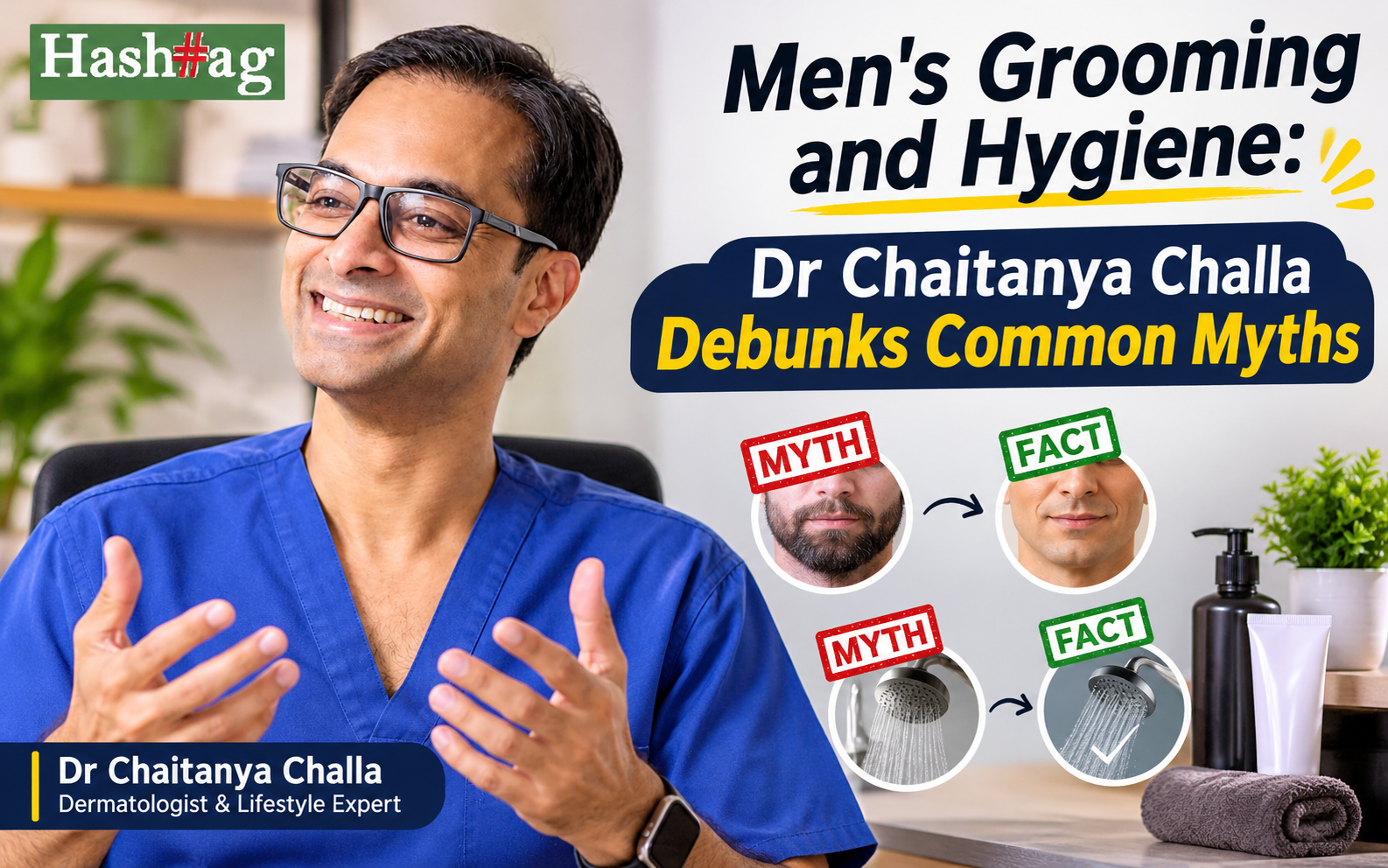
Men’s Grooming and Hygiene: Dr Chaitanya Challa Debunks Common Myths

Dr Chaitanya Challa is a Hyderabad-based physician specialising in Internal Medicine and Critical Care, with a focus on preventive healthcare and lifestyle-related disorders. He believes good health starts with everyday choices, including the ones men tend to overlook or get wrong. Here, he breaks down common hygiene mistakes, persistent myths and the essentials of a practical daily routine. Does sweating actually cause body odour, and what’s the risk of staying in sweaty clothes for too long?One of the most common mistakes is assuming that sweating itself causes body odour. Sweat is largely odourless; the smell develops when bacteria on the skin break down components of sweat. Areas like the underarms and groin are particularly prone to this. Staying in sweaty clothes for too long, especially after exercise, creates a warm, moist environment that encourages skin irritation and fungal infections. Men should change out of sweaty clothing, dry themselves thoroughly after bathing, and pay attention to areas where moisture accumulates. What should a basic daily grooming routine look like, including underarm and oral care?It doesn’t have to be complicated or expensive. Consistency matters far more than the number of products you use. Bathe regularly, paying attention to the underarms, groin, feet and other areas that accumulate sweat. Use a gentle cleanser, rinse thoroughly and dry properly, particularly between the toes and in skin folds. Change your underwear and socks daily, and change out of damp clothing after exercise. Underarm care also depends on choosing the right products. An antiperspirant helps reduce sweating, while a deodorant primarily controls odour. Choose what suits your needs and skin, and avoid applying fragranced products to irritated or freshly shaved skin. Oral hygiene deserves equal attention. Brush twice daily with fluoride toothpaste, clean between your teeth using floss or an interdental cleaner, and keep up with

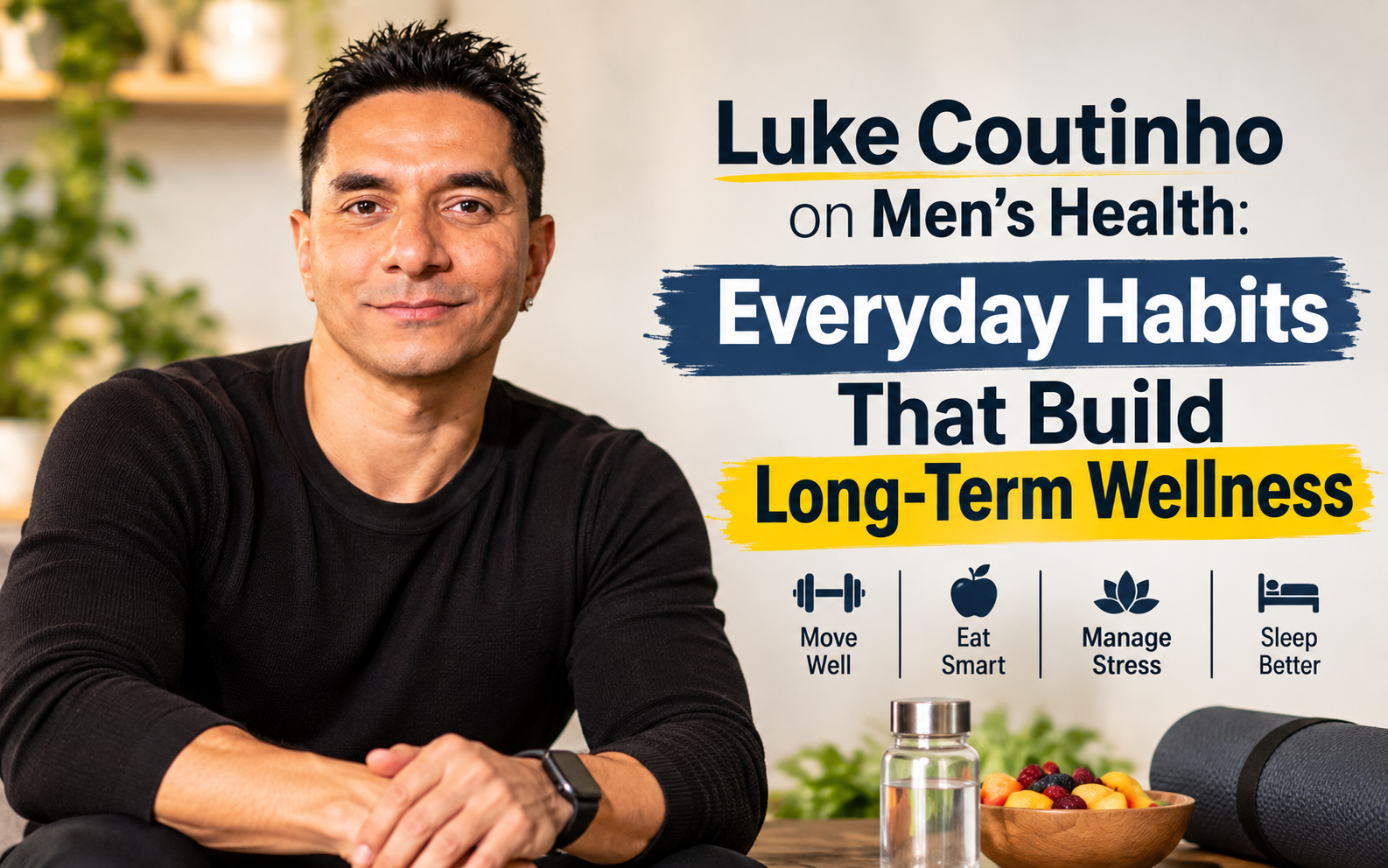
Luke Coutinho on Men’s Health: Everyday Habits That Build Long-Term Wellness

Luke Coutinho didn’t set out to become one of India’s most recognised voices in holistic health. He spent a decade at IBM, chasing a conventional corporate career, before a quiet realisation changed everything: the most successful people he knew, with access to the best doctors and trainers money could buy, still weren’t healthy. That gap between excellent medical care and the way people actually live became his life’s work. Fifteen years, a team of over 160, and thousands of patients later, his philosophy of Foundational Medicine and Lifestyle has become essential reading for anyone trying to understand why effort alone doesn’t always translate to health. His Journey From Goa to the corporate world I grew up in Goa in the late 90s and early 2000s. Like most young people, I went through different phases, and I think that’s how it should be. Each chapter teaches you something and leads you to the next. During college, I worked weekends at my cousin’s restaurant, waiting tables, helping in the kitchen and sometimes running the bar. It was hard work, but it taught me a lot about people and service. After college, I worked in hospitality before joining a multinational company that took me to Dubai, London and Qatar. When I returned to India, I spent 10 years at IBM. Throughout those years, nutrition remained a personal interest. I studied it out of curiosity, never imagining it would eventually become my career. The realisation that changed my approach to health My turning point came from what I saw in the corporate world. Many senior executives, people with impressive titles who travelled constantly, were neglecting their health. They had access to the best doctors, nutritionists, trainers and gyms. They could afford any superfood they wanted. And still, they weren’t healthy. That didn’t add up

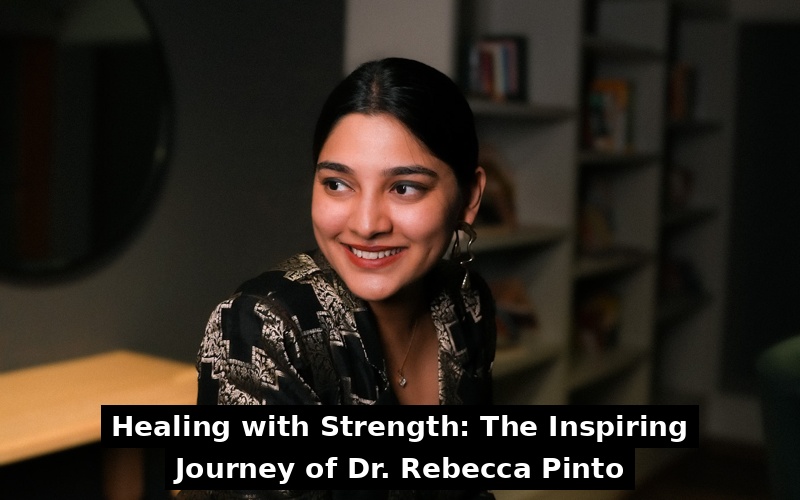
Healing with Strength: The Inspiring Journey of Dr. Rebecca Pinto

Based in Bangalore, Dr. Rebecca Pinto is a physiotherapist by qualification, but as she says, “My life has been shaped far more by experience than by textbooks.” Losing her mother at a young age, Rebecca grew up in a single-parent household with her father. Financial constraints were not abstract concepts; they were lived realities. “I saw what a lack of money really does, not just to your lifestyle, but to your peace, your choices, even your relationships,” she shares. That early exposure instilled two beliefs: financial independence creates freedom, but happiness remains a choice. Known among friends as vibrant and dependable, she describes herself as “caring, witty, and observant.” Her critics may call her detached, but she believes that detachment “has helped me survive more than anything else.” Health Beyond Information Today, Dr. Pinto wears multiple hats: physiotherapist, nutritionist, and content creator. But her mission extends beyond treatment plans. She challenges deeply ingrained habits. “When you understand health, you don’t just treat people, you change how they live,” she explains. Content creation began casually, a simple experiment. But the moment people began telling her, “This helped me,” the weight shifted. “That’s when it stopped being content and became responsibility.” For Rebecca, health isn’t about longevity alone. “It’s about living without constantly feeling tired, inflamed, or uncomfortable, which unfortunately has become normal.” Clarity Over Comfort In an industry flooded with trends, her voice stands out for its directness. “Most people don’t change because they lack information. They don’t change because no one has made them question their habits.” She positions herself deliberately between comfort and awareness. Her approach is simple, sometimes blunt, but always rooted in science. “If something is harming you, I’ll say it, even if it’s something you enjoy.” Her audience associates her with two defining qualities: clarity and

You May Also Like