Sports Injury: Types and Prevention

Athletic injuries are, while unintentional, quite common. Hashtag India speaks to Dr Biren Nadkarni on how one can care better for themselves while playing sports and exercising. 

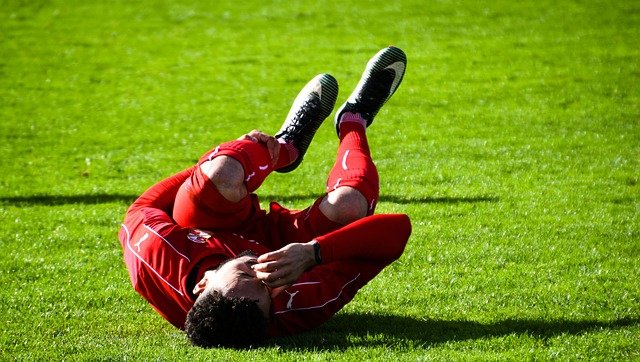
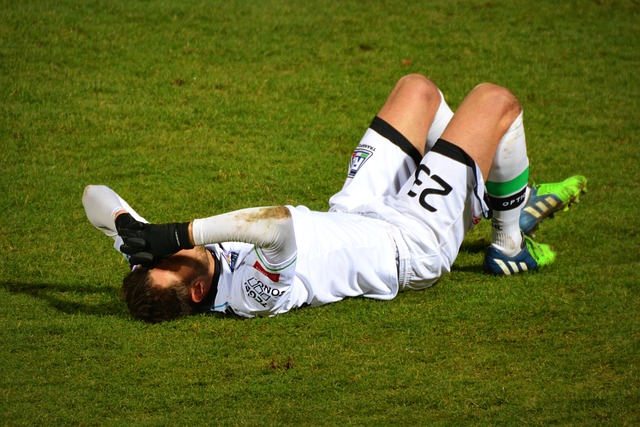
Sports injuries are very common and most of these injuries are caused by overuse of our muscles and joint or when greater pressure than what can normally be applied to a joint or muscle is exerted. Sports injuries occur during exercise or while participating in a sport. Children are particularly at risk for these types of injuries, but adults can get them too. Dr Biren Nadkarni, Sr. Consultant Orthopaedic and Joint Replacement Surgeon at Sitaram Bhartia Institute and Holy Family Hospital, and Medical Director at Joint and Bone Solutions, New Delhi, gives us a quick brief on the types of injuries and how one can prevent them.
You’re at risk for sports injuries if you:

·        Haven’t been regularly active

·        Don’t warm up properly before exercise

·        Play contact sports

Let’s take a look at some of the common sports injuries and their prevention methods:

1.     Ankle sprains: Ligaments are pieces of tissue that connect two bones to one another in a joint. Overstretching or tearing the ligaments results in a sprain.

2.     Muscle pull: Muscle pulls are very common and can happen to any athlete. Small tears occur within that lead to a strain when the muscle is stretched too far or exceeds its tensile load. Inadequate warm up exercises, muscle fatigue, lack of flexibility, and muscle weakness can cause all kinds of athletes to pull a muscle.

3.     Lower Back Pain: Usually affects runners, cyclists, golfers, tennis, and baseball players. Bulging discs, back spasms, stress fractures, and sciatica are some types of lower-back pain. Improper training techniques, weakness (especially of the core muscles) and poor preparation are the most common reason for sports-related back pain. The slightest discrepancy in leg length can also cause back pain in runners as well as poor lower limb biomechanics or inadequate footwear.

4.     Shin splints: It is mostly caused by inflammation of the muscles and their attachments to the shin bone (Tibia); it causes aching or stabbing pain on the insides of the lower leg. It mainly occurs in runners when the muscles around the tibia become inflamed.
5.     Tennis Elbow: One develops a tennis elbow when the forearm is overused by repetitive movements in sports like tennis, golf and badminton. These are the muscles that pull the wrist back. The tendons of the foreman that insert into the side of the elbow region tend to inflame that results in acute pain.

6.     Groin Strain: It results from putting too much strain on the muscles of the groin and the thighs. Athletes are more at risk of groin strain in sports like soccer, hockey, basketball, volleyball and even racket sports, as it is usually caused by sudden movements like twisting while running or jumping; the muscles situated in the upper thigh area that serve to pull the legs together tends to get strained.

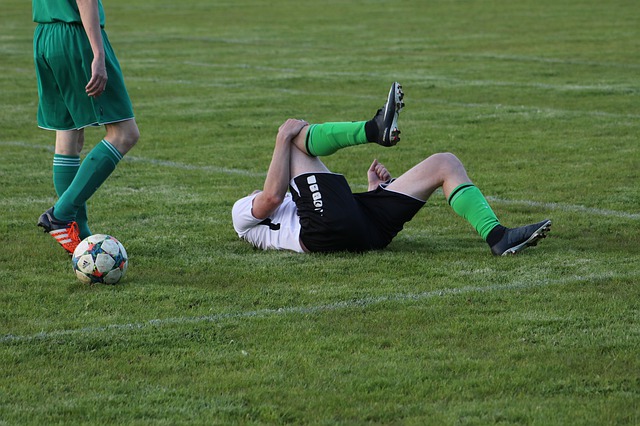
7.     ACL injuries: The anterior cruciate ligament (ACL) holds the leg bone to the knee. It is the most common knee injury. Sudden cuts or stops or getting hit from the side can strain or tear the ACL. A complete tear can make the dreaded pop sound. According to the severity of the injury, to regain full function of the knee, ACL reconstruction surgery may be required.

How Does One Prevent Sports Injuries?

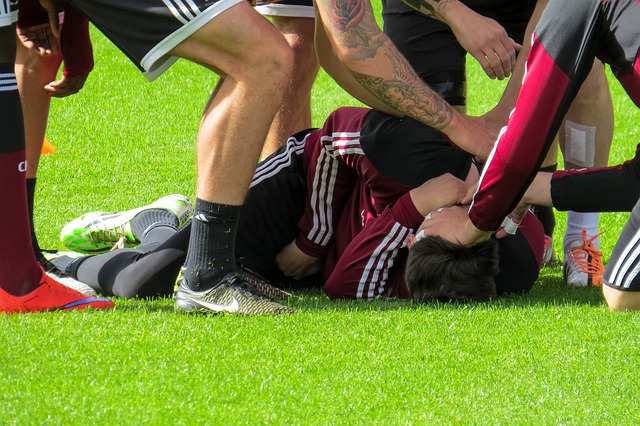
The immediate treatment for most of these injuries is following the RICE protocol – Rest, Ice and Compression, and Elevation. One must seek advice of an orthopaedic doctor for further treatment and rehabilitation. For best results, follow the RICE method within the first 24 to 36 hours after the injury. It can help reduce swelling and prevent additional pain and bruising in the early days after a sports injury. While the recovery period of some injuries may span from few days to weeks, other injuries like meniscal tear, cruciate ligament tear, or focal cartilage defects may require a surgical treatment.
Caution! Please do follow the following points to avoid sports injuries:

1. Use the proper technique

Learn the proper way to move during your sport or activity. Different types of exercise requires different stances and postures. For example, in some sports, bending your knees at the right time can help avoid an injury to your spine or hips.

2. Have the proper equipment

Wear the right shoes. Make sure you have the proper athletic protection. Ill-fitting shoes or gear can increase your risk for injury.

3. Don’t overdo it

The precaution is that don’t overdo anything, be it sports or exercise. If you do get hurt, make sure you’re healed before you start the activity again. Don’t try to ‘work through’ the pain.

4. Cool down

Remember to cool down after your activity. Usually, this involves doing the same stretching and exercises involved in a warmup.

5. Resume activity slowly

Don’t be tempted to nurse your injury for too long. Excessive rest may delay healing. After the initial 48-hour period of RICE, you can start using heat to help relax tight muscles. Take things slowly, and ease back into exercise or your sport of choice.
Leave a comment

Your email address will not be published. Required fields are marked *

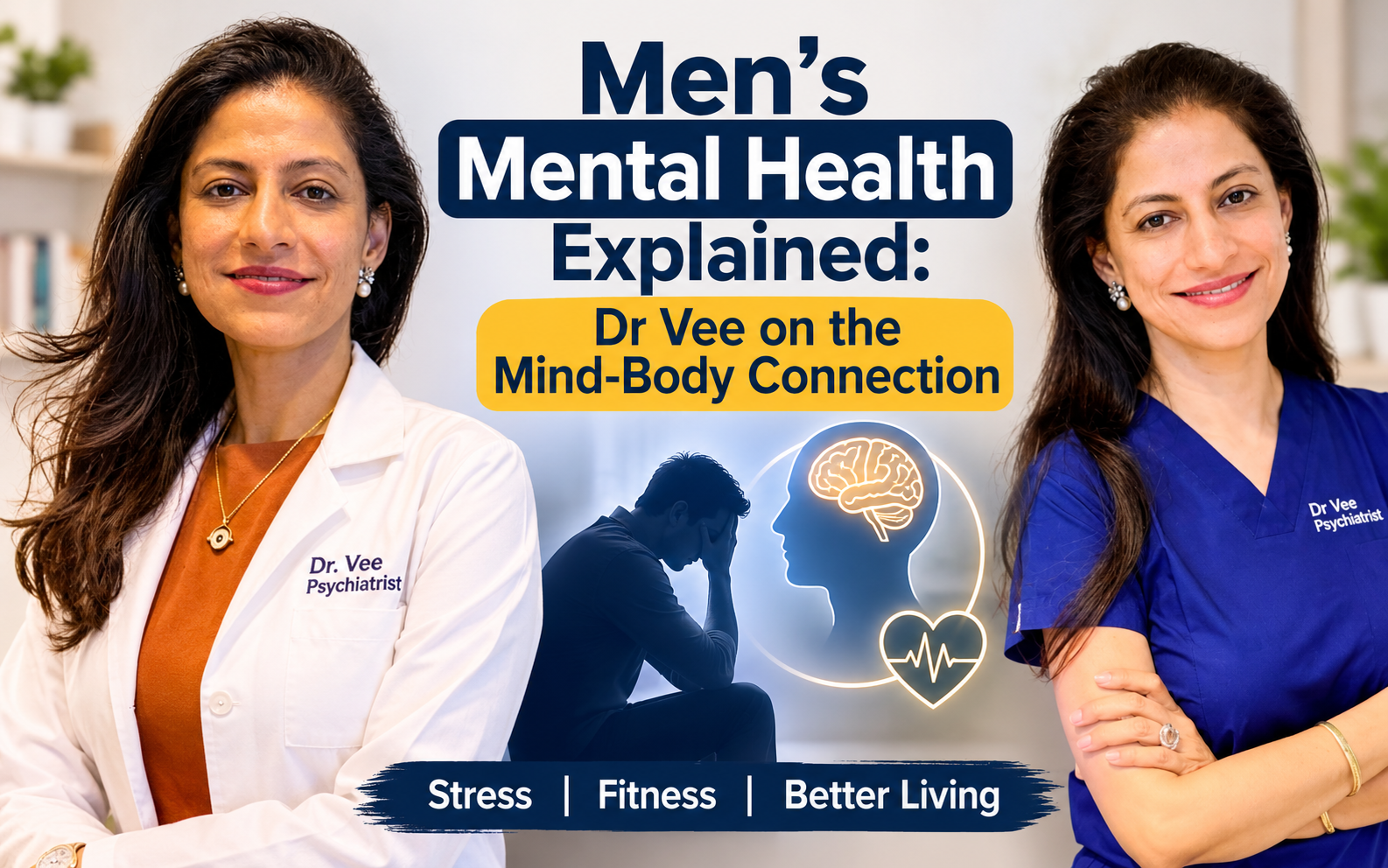
Men’s Mental Health: Dr Vee on Mind-Body Connection

Dr Vishakha Shivdasani, known as Dr Vee, is a medical doctor and a recognised voice in longevity medicine and metabolic health, with over 20 years of clinical experience in conditions like obesity, PCOS and type 2 diabetes. Through her platform @doctorvee and her bestselling book COVID and Post-COVID Recovery, she’s built a reputation for connecting the dots between emotional and physical health. Here, she breaks down why men’s mental health shows up differently, and what to actually do about it. What are the most common mental health challenges in men, and why do many hesitate to seek help?Men most commonly face depression, anxiety, burnout, substance use and chronic sleep disruption. The problem is, men often don’t recognise these as mental health issues. Depression in men frequently shows up as irritability, anger, fatigue, withdrawal or a reliance on alcohol rather than as sadness. The consequences are serious: men die by suicide at several times the rate of women, even though they seek help far less often. Many hesitate because they’ve been taught that vulnerability is weakness. In my practice, I see men who’ll see a doctor for a cholesterol number but stay silent about months of poor sleep, low mood or constant gut trouble. The body often says what the man won’t. How do work pressure, stress and societal expectations affect men’s emotional wellbeing?Men are often expected to be providers, problem-solvers and the strong ones. When that pressure never switches off, the body stays in a prolonged stress response. Elevated cortisol disrupts sleep, promotes abdominal fat, raises blood pressure and blood sugar, lowers testosterone, and alters the gut microbiome. This is the gut-brain axis at work: the gut produces most of the body’s serotonin, which is why chronic stress so often appears as acidity, bloating or irritable bowel symptoms alongside anxiety

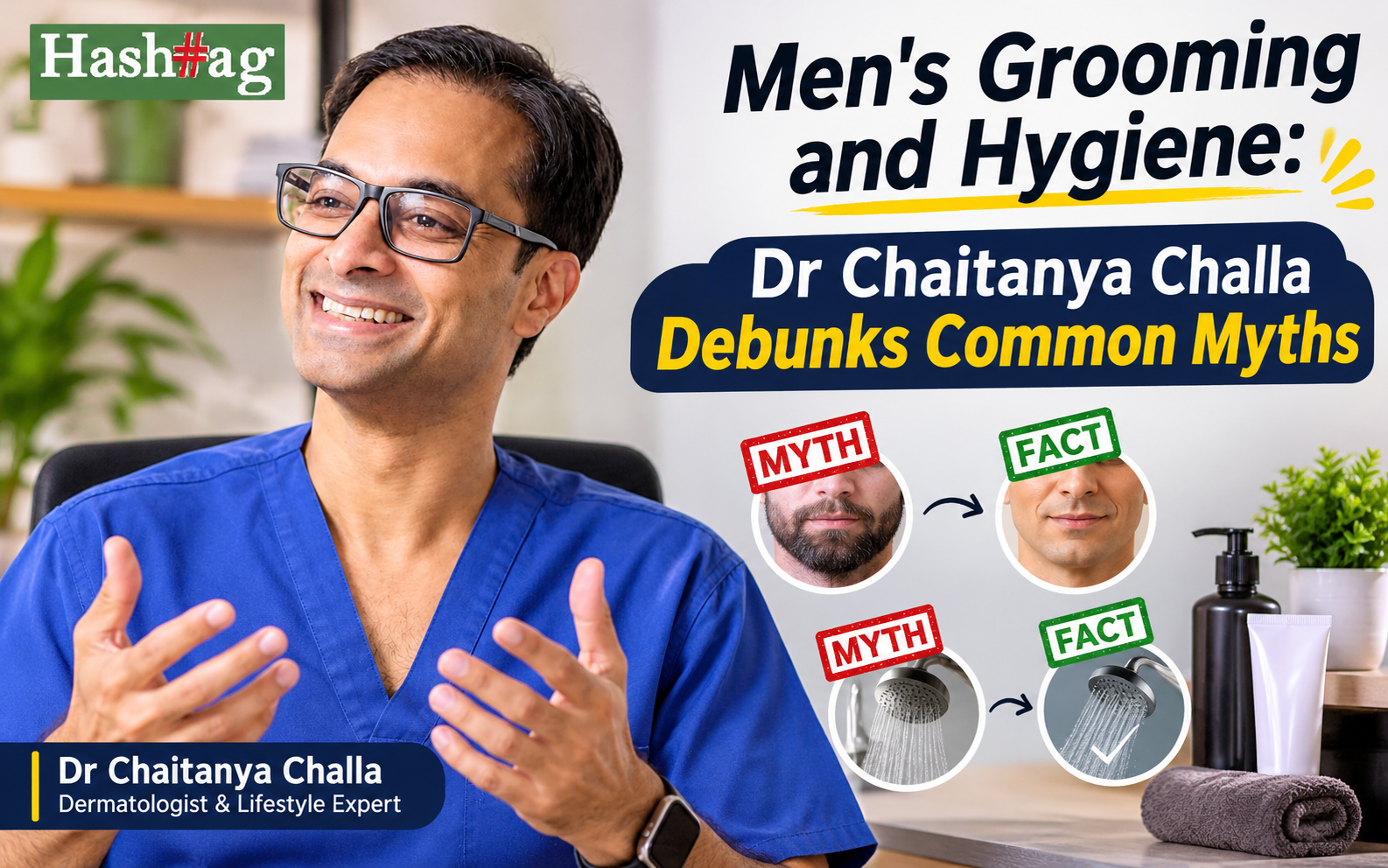
Men’s Grooming and Hygiene: Dr Chaitanya Challa Debunks Common Myths

Dr Chaitanya Challa is a Hyderabad-based physician specialising in Internal Medicine and Critical Care, with a focus on preventive healthcare and lifestyle-related disorders. He believes good health starts with everyday choices, including the ones men tend to overlook or get wrong. Here, he breaks down common hygiene mistakes, persistent myths and the essentials of a practical daily routine. Does sweating actually cause body odour, and what’s the risk of staying in sweaty clothes for too long?One of the most common mistakes is assuming that sweating itself causes body odour. Sweat is largely odourless; the smell develops when bacteria on the skin break down components of sweat. Areas like the underarms and groin are particularly prone to this. Staying in sweaty clothes for too long, especially after exercise, creates a warm, moist environment that encourages skin irritation and fungal infections. Men should change out of sweaty clothing, dry themselves thoroughly after bathing, and pay attention to areas where moisture accumulates. What should a basic daily grooming routine look like, including underarm and oral care?It doesn’t have to be complicated or expensive. Consistency matters far more than the number of products you use. Bathe regularly, paying attention to the underarms, groin, feet and other areas that accumulate sweat. Use a gentle cleanser, rinse thoroughly and dry properly, particularly between the toes and in skin folds. Change your underwear and socks daily, and change out of damp clothing after exercise. Underarm care also depends on choosing the right products. An antiperspirant helps reduce sweating, while a deodorant primarily controls odour. Choose what suits your needs and skin, and avoid applying fragranced products to irritated or freshly shaved skin. Oral hygiene deserves equal attention. Brush twice daily with fluoride toothpaste, clean between your teeth using floss or an interdental cleaner, and keep up with

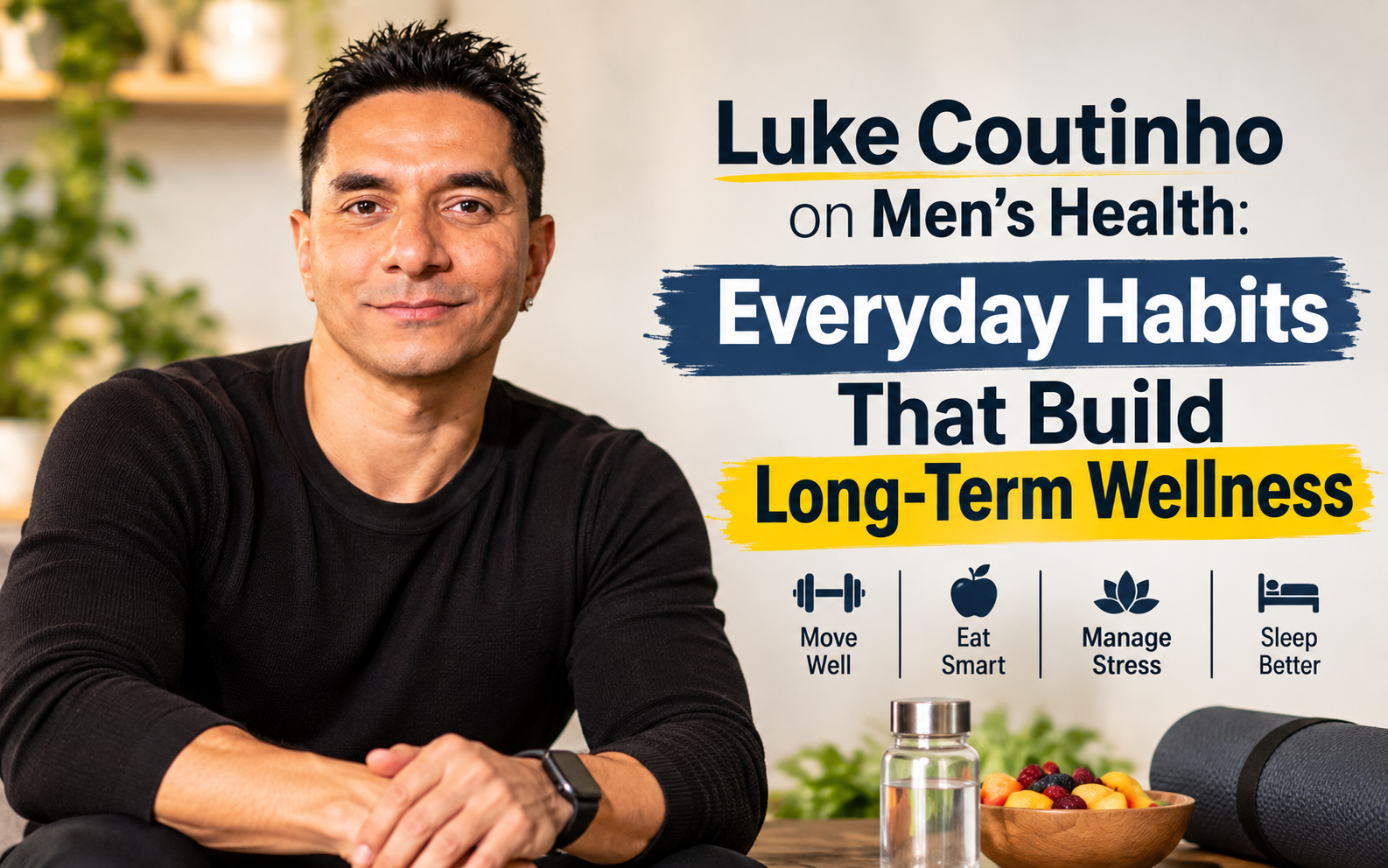
Luke Coutinho on Men’s Health: Everyday Habits That Build Long-Term Wellness

Luke Coutinho didn’t set out to become one of India’s most recognised voices in holistic health. He spent a decade at IBM, chasing a conventional corporate career, before a quiet realisation changed everything: the most successful people he knew, with access to the best doctors and trainers money could buy, still weren’t healthy. That gap between excellent medical care and the way people actually live became his life’s work. Fifteen years, a team of over 160, and thousands of patients later, his philosophy of Foundational Medicine and Lifestyle has become essential reading for anyone trying to understand why effort alone doesn’t always translate to health. His Journey From Goa to the corporate world I grew up in Goa in the late 90s and early 2000s. Like most young people, I went through different phases, and I think that’s how it should be. Each chapter teaches you something and leads you to the next. During college, I worked weekends at my cousin’s restaurant, waiting tables, helping in the kitchen and sometimes running the bar. It was hard work, but it taught me a lot about people and service. After college, I worked in hospitality before joining a multinational company that took me to Dubai, London and Qatar. When I returned to India, I spent 10 years at IBM. Throughout those years, nutrition remained a personal interest. I studied it out of curiosity, never imagining it would eventually become my career. The realisation that changed my approach to health My turning point came from what I saw in the corporate world. Many senior executives, people with impressive titles who travelled constantly, were neglecting their health. They had access to the best doctors, nutritionists, trainers and gyms. They could afford any superfood they wanted. And still, they weren’t healthy. That didn’t add up

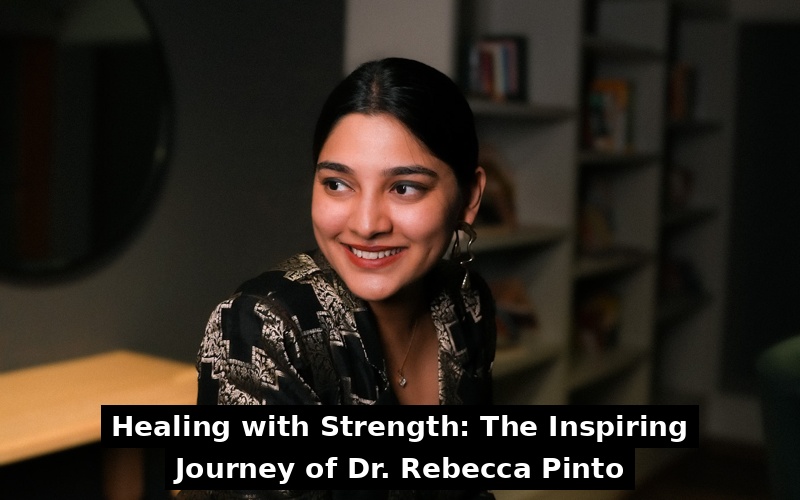
Healing with Strength: The Inspiring Journey of Dr. Rebecca Pinto

Based in Bangalore, Dr. Rebecca Pinto is a physiotherapist by qualification, but as she says, “My life has been shaped far more by experience than by textbooks.” Losing her mother at a young age, Rebecca grew up in a single-parent household with her father. Financial constraints were not abstract concepts; they were lived realities. “I saw what a lack of money really does, not just to your lifestyle, but to your peace, your choices, even your relationships,” she shares. That early exposure instilled two beliefs: financial independence creates freedom, but happiness remains a choice. Known among friends as vibrant and dependable, she describes herself as “caring, witty, and observant.” Her critics may call her detached, but she believes that detachment “has helped me survive more than anything else.” Health Beyond Information Today, Dr. Pinto wears multiple hats: physiotherapist, nutritionist, and content creator. But her mission extends beyond treatment plans. She challenges deeply ingrained habits. “When you understand health, you don’t just treat people, you change how they live,” she explains. Content creation began casually, a simple experiment. But the moment people began telling her, “This helped me,” the weight shifted. “That’s when it stopped being content and became responsibility.” For Rebecca, health isn’t about longevity alone. “It’s about living without constantly feeling tired, inflamed, or uncomfortable, which unfortunately has become normal.” Clarity Over Comfort In an industry flooded with trends, her voice stands out for its directness. “Most people don’t change because they lack information. They don’t change because no one has made them question their habits.” She positions herself deliberately between comfort and awareness. Her approach is simple, sometimes blunt, but always rooted in science. “If something is harming you, I’ll say it, even if it’s something you enjoy.” Her audience associates her with two defining qualities: clarity and

You May Also Like