Weaving the Mangalagiri Legacy

If you’re a sucker for traditional handlooms just like us, join Manjulika Pramod on this handloom trail where she unravels the beauty and charms of a sweet little town in Andhra—Mangalagiri. Not only does it attract people for its sacred temples but also the legacy of its handloom weaves and extraordinary saree creations.

Unravelling the beauty of Mangalagiri Sarees

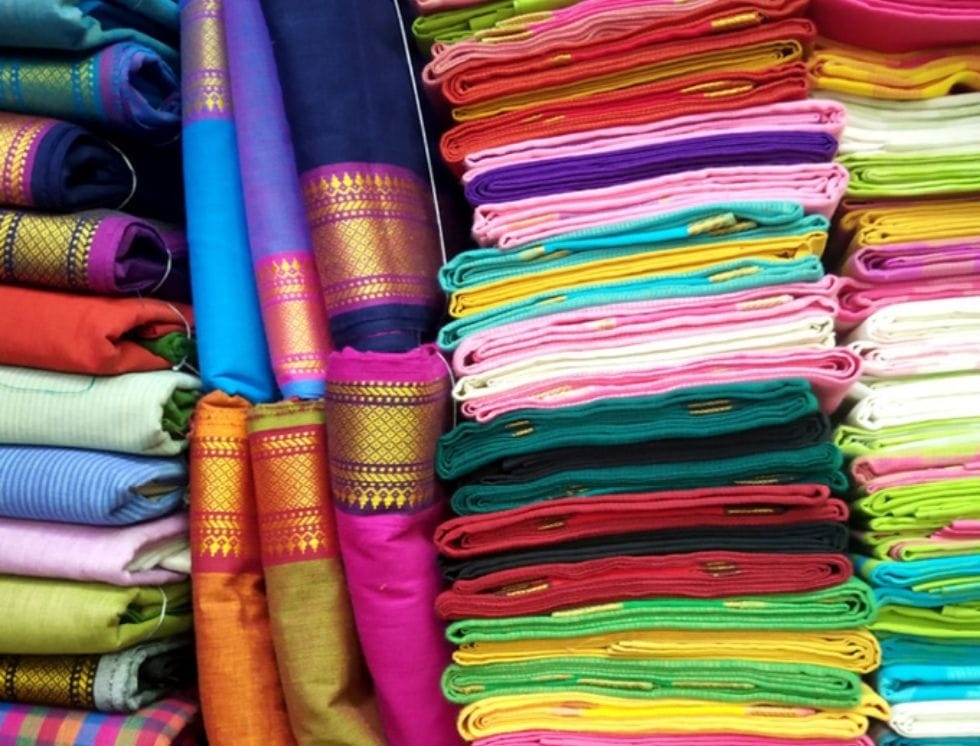
In the interest of the ‘Vocal for Local’ campaign and as a humble attempt to acknowledge the artisans and weavers of India, Hashtag Indiaunravels the beauty of a textile that has catapulted this Andhra town on the world map of the textile industry. The world famous Mangalagiri fabrics have a glorious history, and the Mangalagiri sarees in particular, gain admiration for their simple patterns, bold colours, and durability of the cotton. The ethnic designs of these sarees make it eternal.

Where is Mangalagiri?

Located 12 kms away from the city of Vijayawada, Mangalagiri is a picturesque town in the Guntur district of Andhra Pradesh. Colloquially, the name of the town, Mangalagiri translates to “Auspicious Hill” (Mangala=Auspicious, Giri=Hill). Interestingly, it is not only home to some of the most skilled weavers of India but is also a very popular pilgrimage destination. One of the most ancient and popular temples here is a Lord Panakala Narasimha Swamy temple, honoured as one of the eight Mahakshetrams (sacred places) of India. The legend goes that the pilgrims visit the temple not only to offer obeisance to the lord but also to buy sarees made by the local weavers to support their livelihood. The ancient town has flourished under cultural and artistic influence in the last few decades. 

The world famous Mangalagiri fabrics have a glorious history, and the Mangalagiri sarees in particular, gain admiration for their simple patterns, bold colours, and durability of the cotton.

Mangalagiri Cotton and Sarees

Mangalgiri sarees have a history of more than five centuries. Namesake of the town from where the handloom legacy originates, Mangalagiri sarees are known for their crisp-finish cotton fabric. They are used to produce sarees of dense colours and distinguished finesse. Cotton is a major crop of India and since time immemorial it has played a significant role in the growth of the modern textile industry in India too. Pure cotton is cultivated in many of our bountiful states and thus cotton sarees have always been a craze among the women of our country. Mangalagiri sarees are one such special type of cotton sarees with checks and patterns, along with zari or golden coloured borders. These sarees make for perfect summer wear. Traditional Nizami designs have been an all-time favourite but leaf, mango, parrot, gold coin motifs are also distinctive of these sarees. In the olden days, 12,000 looms were used for weaving but gradually these weavers’ families have been dwindling due to lack of business and demand.   

Features of Mangalagiri Sarees

  • The fine cotton wins hands-on.
  • The fabric is produced in pit looms in and around Mangalagiri.
  • The produce is crisp and sturdy.
  • The fabric is light and fluffy and this makes it easy to wear. 
  • The warp designs of the border enhance the look of the sarees. 
  • These sarees have dense weaves.
  • They can be dyed in a variety of colours.
  • They can be used as base for umpteen crafts.
  • These sarees have broad borders and are woven with gold or silver threads, adorned with zari. The Nizami border is popular as the “Nizam Zari Border”
  • Mangalgiri fabrics are cheerful and available in bright shades of pinks and purples. 
  • These sarees are host to geometric motifs and the stripes, checks and line patterns on the pallu add much elegance. 
  • These sarees are extremely comfortable and can be used for daily wear.

Process of Saree Weaving

It always begins with spinning of the cotton. The cotton fibres are converted into rope-like loose strands and the slivers of cotton fibre are converted into yarn. The Mangalgiri fabric is produced with the help of pit looms by warp and woof interlacing. After the reeling, it is rinsed and made appropriate for the dyeing process. During traditional dyeing, the white sarees are bleached and others are coloured. The dyeing process is followed by the warping process. While combing yarns from different cones, it is important to preserve the yarn elongation and maintain it at uniform level. 

Mangalagiri sarees are a special type of cotton sarees with checks and patterns, along with zari or golden coloured borders. These make for perfect summer wear.

After drying, it further goes for weaving, designing and cutting. Pure cotton threads are used in the weaving process and weaving is done with the help of pit looms. Once the colours fasten, it is cut in different forms to be segregated as dress material or sarees. 

How to reach Mangalagiri?

It is well connected by road, railways and airways. The closest city is Vijayawada and the airport is only 25 kilometres away. Mangalagiri is situated 36 km away from Andhra Pradesh’s proposed capital city, Amravati. The closest Mangalagiri bus stop and railway station is one kilometre and five kilometres, respectively. The weaver’s colony is on the outskirts of the town. One can explore variety in the shops in the markets.

Pro-tip: You can buy some of the sarees directly from the weavers instead of big shops and stores. 


2 comments

Leave a comment

Your email address will not be published. Required fields are marked *

Lifestyle Launches Taking Centre Stage in Kitchen, Spirits & Beauty

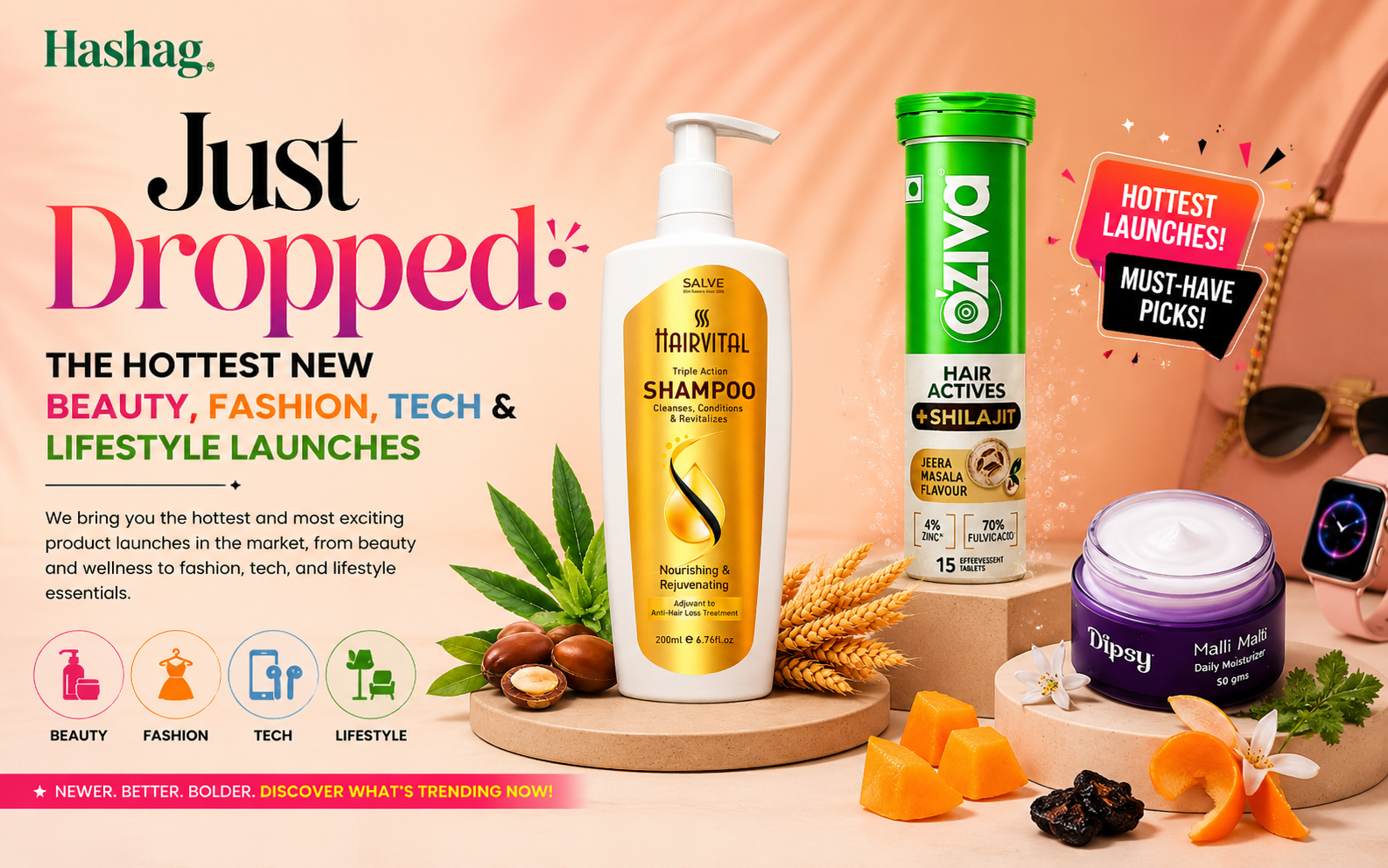
A quick look at the latest products making waves in the beauty, wellness, and lifestyle space. Hashtag Magazine takes a closer peek at what’s new on the shelves and worth adding to your routine. Pringle Alexa Nutri Blender 450W Rs 1699 Every kitchen needs one appliance that does more than it looks like it should, and the Pringle Alexa Nutri Blender earns its spot on that list. For those who want to eat better without overhauling their entire routine, it’s compact, efficient and genuinely versatile. At its core is a 450W high-speed motor, strong enough to smoothly blend, grind and mix everything from fruits and vegetables to tougher ingredients, without the usual stop-start struggle of weaker blenders. Whether it’s a post-workout protein smoothie, a quick juice before heading out, or grinding spices for a weekend curry, this one machine covers a surprising amount of ground. It doubles easily as a mixer grinder, which means one appliance replaces what would otherwise be two separate purchases taking up counter space. The dual blade system is where it earns its performance credentials: two blade sockets designed specifically for blending and grinding, delivering consistent results whether you’re making a silky smoothie or a coarser chutney. It comes with two food-grade jars, so hygiene and flexibility aren’t an afterthought; you can prep different things without cross-contamination or constant washing mid-recipe. The sipper cap is a genuinely useful touch; blend your shake and take it straight out the door. Two storage lids round out the set, making it just as easy to prep ahead and store for later. Backed by a one-year warranty, it’s a low-effort, high-utility addition to any kitchen, proof that eating well doesn’t have to come with extra hassle. Singhasan: India’s First Premium Blended Whisky Launched in early 2025 by Modi Illva India

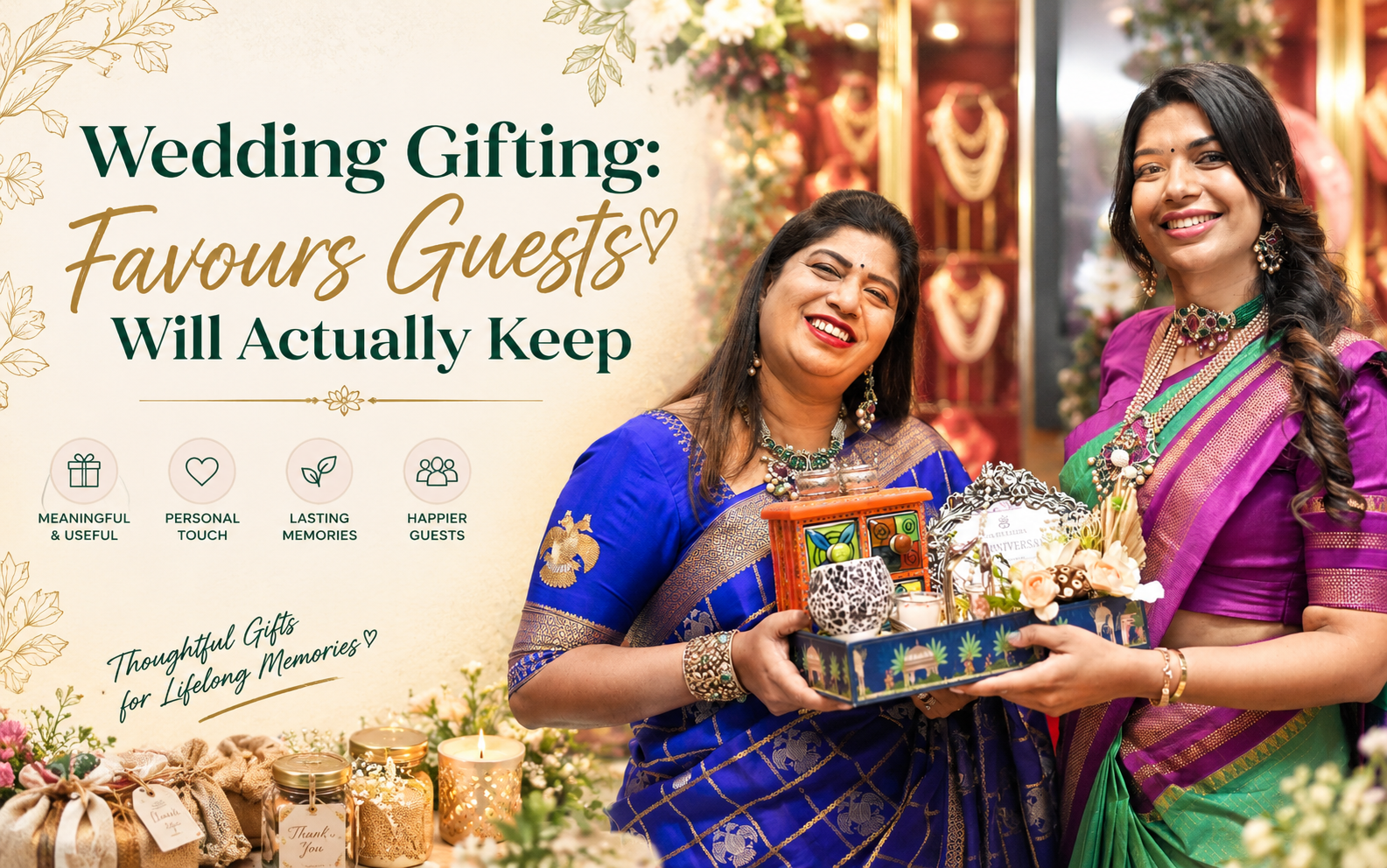
Wedding Gifting: Favours Guests Will Actually Keep

Handcrafted Pottery & CeramicsMugs, bowls and décor pieces that double as artistic keepsakes. Luxury Tea & Coffee BoxesPremium teas, speciality coffees and elegant accessories, sophisticated and actually useful. Mini Plants & TerrariumsLittle greens and personalised terrariums that symbolise growth and new beginnings. Personalised CandlesScented candles with names, initials, wedding dates or messages. Personalised JewelleryInitials, birthstones or custom charms guests can treasure. Custom Travel KitsStylish pouches, passport holders and luggage tags, personalised for each guest. Personalised Perfume & AttarGuests pick their favourite fragrance, a luxurious and deeply personal favour. Live Performances at the Wedding: Entertainment Guests Will Talk About Caricature ArtistLive artists sketch quirky, personalised caricatures of guests, a fun keepsake to take home. Interactive Photo BoothFrom 360° videos to AI portraits, booths let guests pose creatively and share moments instantly. Aerial PerformersGraceful aerial dancers and acrobats add drama to cocktail nights, sangeets and receptions. Candid Dhol & BaraatHigh-energy dhol beats, dancing guests and spontaneous baraat moments capture the true spirit of an Indian wedding.

Trending New Products in Beauty, Wellness & Lifestyle

A quick look at the latest products making waves in the beauty, wellness, and lifestyle space. Hashtag Magazine takes a closer peek at what’s new on the shelves and worth adding to your routine. Tramontina Aura Ceramic-Reinforced Cookware Price: Rs 3899 For home cooks who want everyday cookware that combines performance, practicality, and style, Tramontina Aura makes a compelling case. Designed by Tramontina, a global housewares brand with more than 115 years of expertise, the Aura range brings a contemporary approach to familiar kitchen essentials. At the heart of the range is a forged aluminium body paired with a ceramic-reinforced non-stick coating. The result is cookware that heats quickly and evenly, helping minimize hotspots while making low-oil cooking easier. For Indian kitchens, this versatility is particularly useful: the range is suited to sautéing vegetables, frying, simmering curries, preparing tadka and making dosas. The smooth non-stick surface is one of Aura’s biggest everyday advantages. Food releases cleanly, while the cookware is relatively straightforward to wash after use. Its lightweight construction also makes larger pieces, such as the deep kadhai, comfortable to handle during busy cooking sessions. Practical details add to the appeal. Ergonomic Bakelite handles are designed to stay cooler during cooking, while selected pieces feature glass lids with steam vents. Compatibility with gas, induction and other major cooktops makes the collection suitable for modern kitchens. The range includes fry pans, tawas, kadhais, saucepans and casseroles, as well as convenient multi-piece sets. Overall, Tramontina Aura strikes a pleasing balance between functionality and presentation. It is particularly well suited to cooks seeking durable, easy-to-use cookware that supports lower-oil everyday meals without sacrificing versatility. Dence Body Wash: Where Skincare Meets the Shower Price: Rs 499 onwards The daily shower is often treated as a functional part of the routine, but Dence wants to

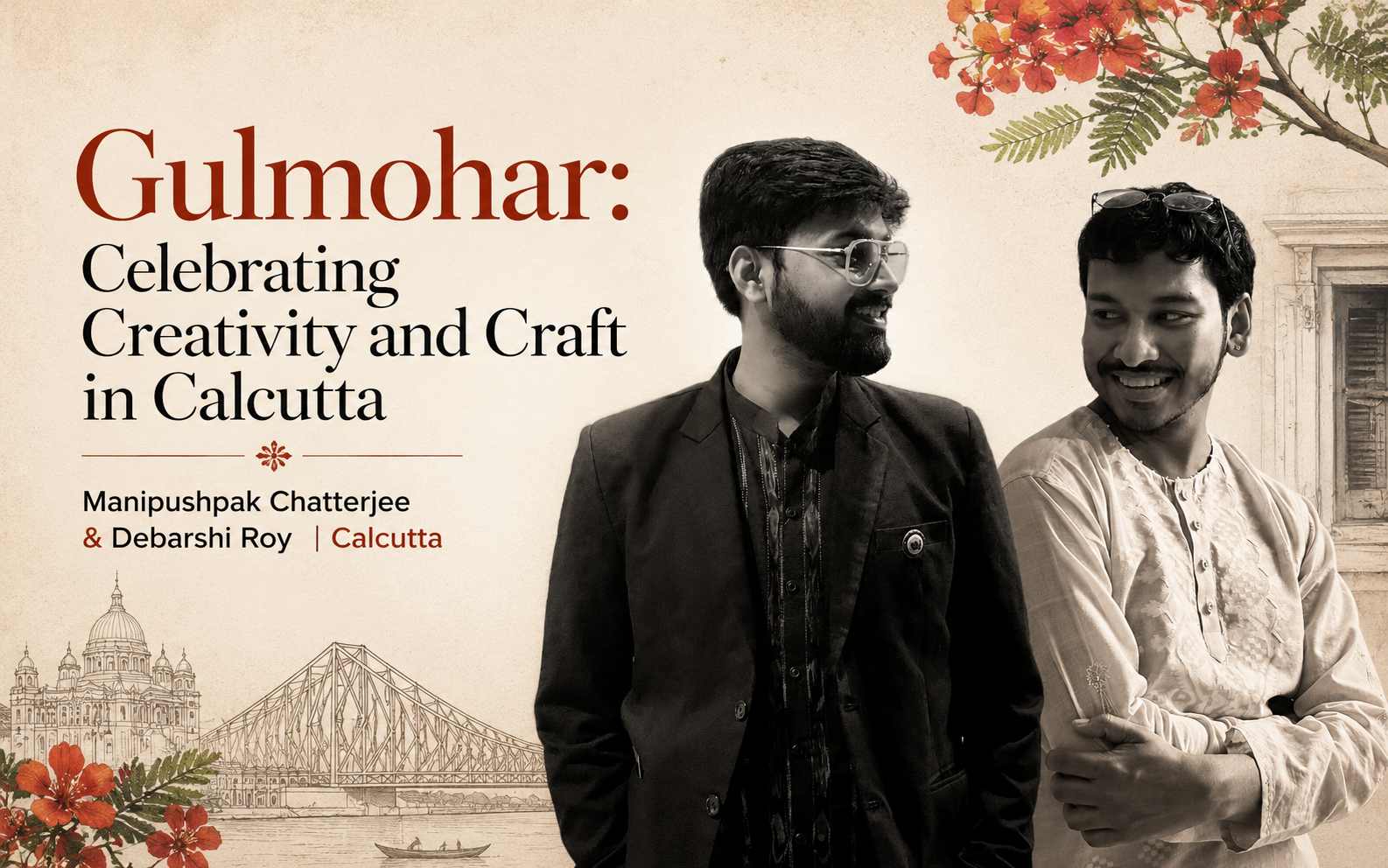
Gulmohar: Celebrating Creativity and Craft in Calcutta

Gulmohar Calcutta is a contemporary textile label rooted in Bengal’s rich handloom heritage. The brand seamlessly blends research, design, and artisan collaboration to create timeless handwoven textiles that honour traditional craftsmanship while embracing modern aesthetics. Working closely with weaving communities across Bengal, Gulmohar Calcutta is committed to preserving indigenous techniques, empowering artisans, and ensuring that handloom continues to thrive as a living cultural practice. 1. Tell us about your brand and how it is helping preserve and promote India’s rich handloom heritage. At Gulmohar Calcutta, we believe India’s handloom traditions are living knowledge systems, not relics of the past. Every textile we create reflects generations of craftsmanship, history, and cultural memory. We work closely with artisan communities to revive traditional weaving vocabularies, document indigenous knowledge, and reinterpret heritage techniques for contemporary audiences. Beyond creating textiles, we invest in artisan education, design development, and knowledge sharing so that these crafts remain culturally relevant and economically sustainable for future generations. 2.Which weaving traditions or artisan communities do you work with, and what makes their craftsmanship unique? We primarily work with artisan clusters across Bengal, specialising in Jamdani weaving and traditional Kantha embroidery. What makes these crafts extraordinary is the entirely handmade process. Jamdani motifs are woven directly onto the loom, thread by thread, while Kantha transforms fabric through delicate running stitches that tell stories through texture and pattern. Every piece is unique, carrying the individual artistry and skill of the artisan who created it. 3.Sustainability is at the heart of handloom. What ethical or sustainable practices does your brand follow? For us, sustainability begins with the handloom itself. We work directly with artisan communities, ensuring transparent partnerships and fair wages while eliminating unnecessary intermediaries. Our collections are produced in small batches following a slow-fashion philosophy that minimises waste and values quality over

You May Also Like