To Colour Or Not To Colour…

paradyes

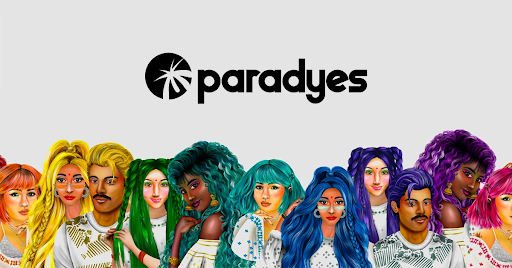
MEHAK WALIA, in conversation with YUSHIKA JOLLY, the founder of Paradyes, India’s first homegrown brand that provides semi-permanent, vegan, and cruelty-free hair dyes in vibrant fashion colours. 

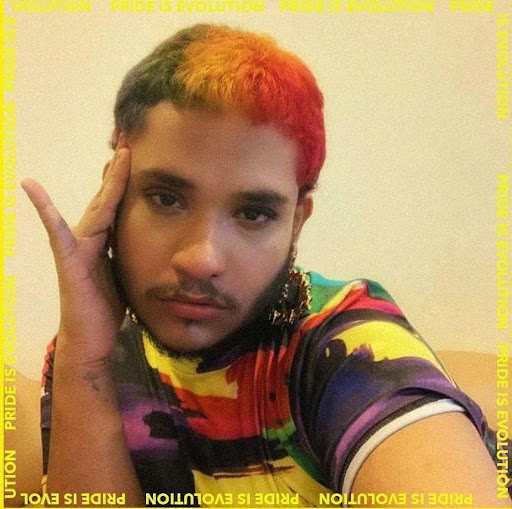
To colour or not to colour, that is the question. Hair colouring can be a source of great joy and stress at the same time. Meet Paradyes, the brand that is here to change the narrative around hair colouring for the Indian audience. It’s time to cut through the everyday blacks, browns, and blonde to make space for some yellow, pink, red and blue!

In The Beginning

Yushika Jolly, the founder of Paradyes, started the brand with the hopes of giving the market a massive makeover. As for when the idea for Paradyes came to be, she says, “Back in 2013, one bad experience at a salon left me with a head of half bleached hair frantically searching for the perfect blue dye at local beauty shops, salons, and malls. The only colours available in the market were the standard blacks, browns, and reds that apparently ‘best suit’ Indian hair. Disappointed with the lack of availability of any fashion colours, I eventually settled for a deep brown shade in hopes of finding a way to resolve this unfortunate event on a better day.”
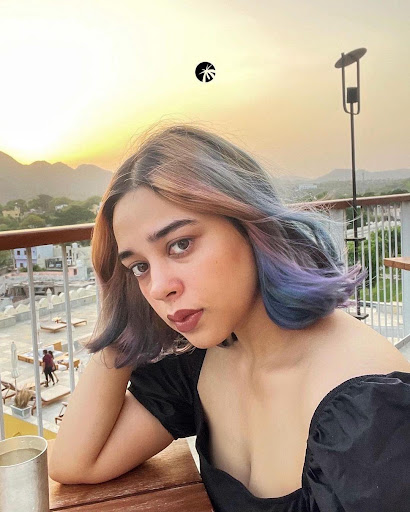
Colouring my hair boosted my confidence and soon became an indispensable part of my self-expression

She further adds, “Having always been fascinated by creatively coloured hair, I started experimenting with my hair by playing around with factory dyes being manufactured by my family business. These were not branded, formulated hair colours, just regular dyes. Colouring my hair boosted my confidence and soon became an indispensable part of my self-expression. I was sure many felt the same way, only being held back due to the societal pressure to look a certain way.”

Colouring Your Hair Has Never Been Safer

The Indian Story

Yushika soon found herself researching and experimenting with different brands and types of dyes. “In 2017 when I moved to London, I found a large variety of readily available fashion hair colours at local drugstores. This led to a year and a half of hair colour experiments, trying products from every possible brand available, and weighing the pros and cons. I had become the go-to person for hair colouring advice.” The market in India however, continued to fall short of expectations.  “After returning to India, I once again faced the lack of readily available DIY hair colour options. I decided to turn years of experiments with my hair colour into the foundation for the brand that Paradyes is today,” she exclaims. 
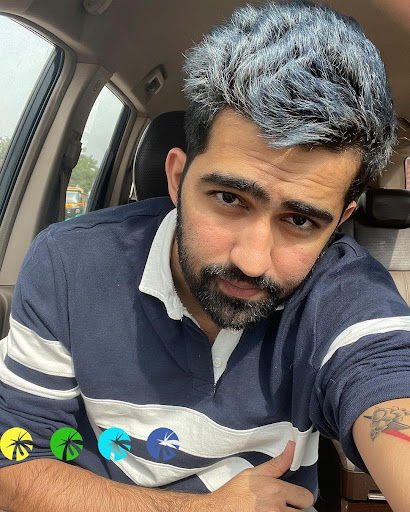
Brands like Paradyes are often perceived as ‘rebellious’, existing as they are in a culture that continues to be steeped in stereotypes regarding appearances and the urgent need to look ‘normal’ to be presentable. 

Yushika says, “Paradyes isn’t against our sanskaar; we stand for self-expression and a confident radiance that allows you to showcase your hair like a jewelled crown. Our colours are ammonia-free, paraben-free, PPD-free, and damage-free, made with amazing ayurvedic herbal extracts like amla, bhringraj, bhrahmi, aloe vera, and hibiscus to keep your hair healthy. It’s about time that society rids itself of these taboos and typecasts, one head at a time. Whoever said desi can’t go crazy hasn’t tried our product yet!”

(Birds of) Paradyes: Pushing the Envelope on Haircare
A Rising Star  

Perhaps as intriguing as their products is the name of brand itself. (Birds of) Paradyes is cleverly crafted as an easy-to-understand pun. When asked about the name, Yushika responded with a laugh, “You see, the name just fits perfectly because I believe that, whenever you apply our colours, you’re literally in paradise. That is what has made the brand name what it is today.”

Whoever said desi can’t go crazy hasn’t tried our product yet!

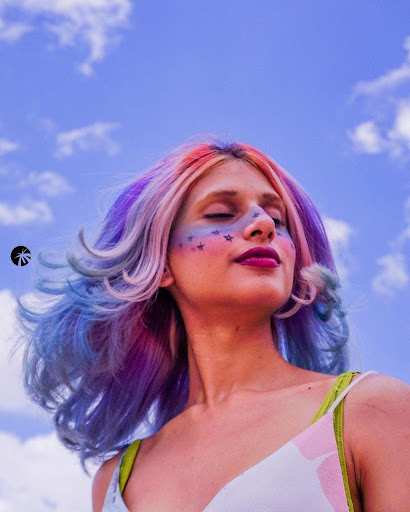
Although a nascent brand, Paradyes is already off to a—dare we say it—bright start. Thankful for the brand’s supporters and the eager response, Yushika comments, “The audience has been very supportive of Paradyes and they have been giving great reviews too. You should check our Instagram page—people look so stunning in the colours. So yes, the response has been amazing so far and I’m sure it will be even better in the future as it merges better with the Indian mindset.”
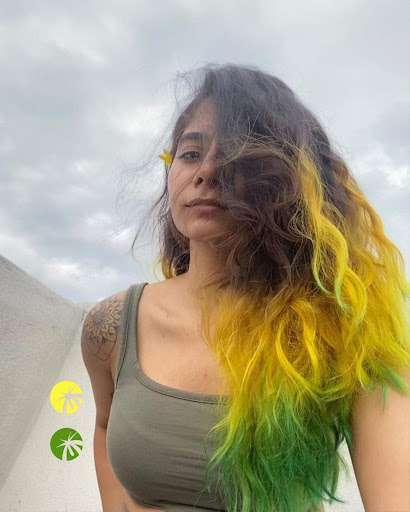
What does she then credit for the resounding success? “Overall, I think people are loving it. It’s like a breath of fresh air; people were bored of seeing and using the blacks, browns, blondes, and burgundy. The brand gives them a fresh take on what hair colouring can do for them and what it is capable of.”

…people were bored of seeing and using the blacks, browns, blondes, and burgundy.

On The Horizon

As to what the brand holds in store for the future, Yushika gave a sneak peek into the plans. “We are planning to add a lot more options to our collection. Recently, we have also come up with our conditioner which is great for coloured hair. Apart from this, we are also experimenting with other products like our very own bleach in the labs. It’s safe to say that the future is going to be very colourful and exciting for Paradyes users!” she concluded with a cheerful chuckle. 

Still pondering if you should take the leap? The answer to your dilemma is simple – it’s time to experiment and give yourself the makeover of the century. Paradyes colours are the breath of fresh air that your hair deserves!
More Details at:

Instagram:@birdsofparadyes

Shop at:https://www.birdsofparadyes.com/

Catch The Founder@Yushikajolly 

Leave a comment

Your email address will not be published. Required fields are marked *

Getting Sassiest: The Brand Making Sexual Wellness More Inclusive In India

In a country where conversations about sex are still low-key at dinner tables and turn school classrooms awkwardly silent, brands like Sassiest are changing the script, one meme, conversation, and pleasure-positive post at a time. From cheeky Instagram content and relatable humour to refreshingly honest takes on intimacy, confidence, and self-exploration, the brand is helping young Indians approach sexual wellness with far less awkwardness and a lot more openness. Mehak Walia gets sassy with Aishwarya Dua and Karishma Chavan, the co-founders of Sassiest. And honestly, that shift feels long overdue. For years, discussions around pleasure and desire in India have either been buried under shame or treated like something too scandalous to say out loud, especially when women are leading the conversation. Founded by Aishwarya Dua and Karishma Chavan, Sassiest is pushing back against that discomfort with a voice that feels warm, inclusive, funny, and unapologetically real. Instead of sounding clinical or preachy, the brand creates space for conversations around boundaries, body confidence, emotional well-being, and modern relationships in a way that actually feels relatable to today’s generation. For Karishma, the inspiration behind the brand came from noticing just how disconnected many women grow up feeling from their own bodies. “Most conversations around intimacy here are either hidden, judged, or purely medical,” she says. “Nobody was really talking about pleasure, confidence, self-exploration, or emotional wellness in a way that felt normal, safe, and relatable.” That silence, she explains, extends far beyond intimacy itself. Shame and conditioning often shape confidence, relationships, and even the way women exist in the world. “I wanted Sassiest to feel less clinical and more like a movement,” Chavan shares. “A space where women and queer people could feel seen without embarrassment.” Of course, building a sexual wellness brand in India came with its fair share of

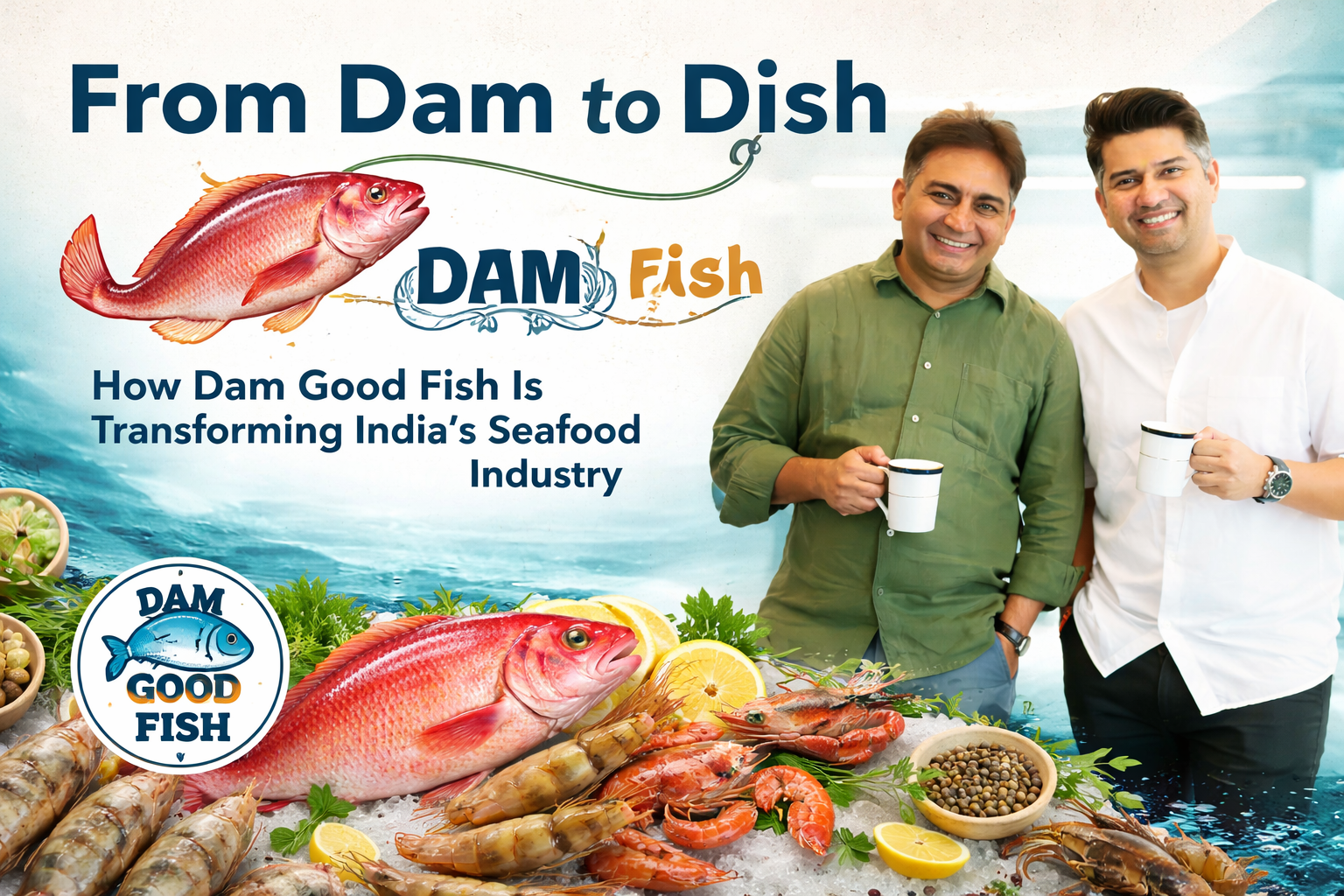
From Dam to Dish: How Dam Good Fish Is Transforming India’s Seafood Industry

With rising awareness around clean eating and traceable food sources, Dam Good Fish is rethinking how fresh seafood reaches urban consumers. Co-founders Shobhit Gaur and Shailesh Patel share how their unlikely partnership, built on complementary strengths in branding and aquaculture, led to a venture that prioritises natural sourcing, transparency, and freshness in India’s rapidly growing seafood market. Tell us a little about yourselves, your backgrounds, and personalities. Shobhit Gaur (Co-Founder & CEO):With a Master’s in Business Management and several years as National Head at a leading advertising agency, my career has always combined creativity with strategy. I see myself as a big-picture thinker who enjoys building disruptive ideas in traditionally unorganised markets. I’m naturally outgoing and enjoy exploring new concepts, whether in business or food culture. When I’m not working, I’m usually tracking food trends or spending time working out. Shailesh Patel (Co-Founder):My background is rooted in science, followed by a Master’s degree in business. Over the past decade, I’ve worked with multinational organisations and helped build ventures centred around sustainable solutions. I’m very hands-on and detail-oriented, someone who thrives on execution. For me, strategy must always be backed by strong ethics and measurable results. How did two people from different professional worlds come together to build a venture centred around fresh, natural seafood? Our paths crossed through shared sporting networks, where casual conversations gradually shifted toward food, health, and sustainability. Shobhit’s expertise in media and branding combined naturally with my background in aquaculture. As we discussed clean-label foods and the gaps in India’s seafood ecosystem, it became clear there was a real opportunity. In 2023, we decided to bootstrap Dam Good Fish. The idea was simple: combine strong storytelling and consumer awareness with operational expertise that ensures traceability and quality. Our complementary skill sets helped turn that idea into

Sujata & Taniya Biswas: Redefining the Everyday Indian Sari

A homegrown Indian fashion brand redefining the sari as an everyday, breathable, and expressive garment. Combining Sujata’s structured, systems-driven approach with Taniya’s creative vision, they work closely with artisan communities across India to create clothing rooted in comfort, honesty, and human connection. Their journey blends entrepreneurship with sisterhood, building a brand that values trust, craftsmanship, and mindful fashion. Taniya, you left a stable career with the Tata group and IBM after IIM Lucknow, and Sujata, you pivoted from IIFT Delhi and corporate life. What was the exact moment when both of you realised that the corporate path wasn’t enough and that Suta was waiting to happen? Taniya: It wasn’t a rebellion. It was recognition. I had done everything “right”: engineering, IIM, a Consulting role that looked perfect on paper. But somewhere between late-night presentations and early morning meetings, I realised I was living life from the neck up. My hands missed fabric. My heart missed stories. I kept returning mentally to memories of wet saris drying on clotheslines, of Maa moving through the house with her pallu tucked in. One evening, over chai, I said it aloud to Sujata: I don’t think this is it. The moment I spoke it, Suta was born. Sujata: For me, it came as the discomfort of becoming someone I wasn’t. The corporate world had given me growth, but it had also hardened me. I remember thinking: If success requires me to lose softness, I don’t want it. My PhD was an attempt to find meaning, but even that felt academic, distant. What we really wanted was to build something with our hands, our intuition, and our values. Suta didn’t arrive as planned. It arrived as relief. From travelling through remote weaving clusters in Meghalaya, Varanasi, MP, and Odisha to working directly with artisan families,

Blood, Bond & Business: The Real Equations behind Family-Driven Startups

February is the month of relationships, and at Hashtag, we’re celebrating the bonds that shape not just personal lives, but powerful businesses. This special edition explores entrepreneurs who share more than a company; they share roots. From siblings turning into strategic partnerships to spouses balancing love and leadership, we dive into the real dynamics behind relationship-driven ventures. This month, discover how strong relationships can become a business’s most valuable asset. Vijayaraghavan Venugopal is the Co-founder at Fast&Up and has been instrumental in building the brand in India. He has over 26 years of business experience in diverse fields, which includes pharmaceuticals, Healthcare and Information Technology. He has been responsible for business development in multiple geographies, including the Triad (USA, Europe and Japan). He has worked with TekFriday, Dr Reddy’s, Lupin and Emcure in different senior management roles. He was Lupin’s country head in China for three years between 2007 and 2010. He is a mechanical engineer and an MBA in International Business from the Indian Institute of Foreign Trade, Delhi. He is one of the fastest amateur marathoners in the country, having run in sub-3-hour marathons 12 times in major cities throughout the world, including Paris, Boston, Chicago, Berlin, London, Tokyo and New York, all while leading the growth of India’s fastest-growing nutrition brand, Fast&Up. He also has the distinction of being the first Indian to do all six world marathon majors under 3 hours, and is the winner of the recently held Tata Mumbai Marathon in his age group. Varun Khanna is the CEO of Fullife Healthcare Pvt. Ltd., a company he started at the age of 23 with the sole purpose to focus on healthy living. A relentless passion to do something innovative for the millennial need for an active life drove him to launch India’s first effervescent

You May Also Like

Connect with us