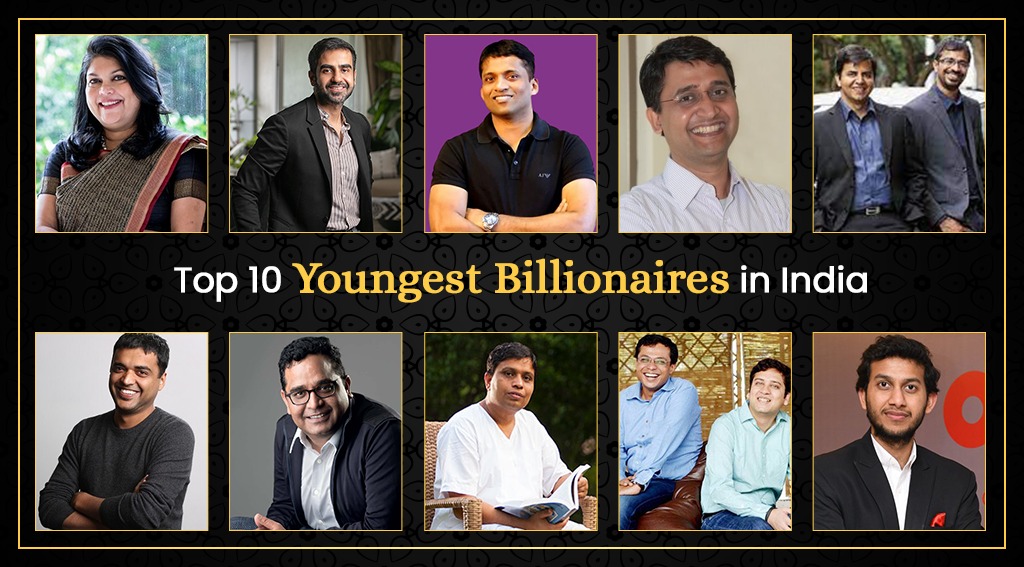
Top 10 Youngest Billionaires in India

Millennial Billionaires of India – History in the Making

India is the world’s second-largest populace and a fast-developing economic system in recent years. The twenty-first century has seen various entrepreneurs emerge across every region of India, each intending to provide a flourishing future for their fellow Indians. As such, diligence and perseverance are two important factors that help steer one towards accomplishing their goals. 

It is said that ‘Believe in yourself and you can achieve wonders.’ Several individuals have taken this statement to heart. Their persistence towards creating ergonomic inventions has led them to achieve their goals. Hashtag introduces you to the young millennial billionaires of India who have taken off to an early start towards making their mark. 

Top 10 Youngest Billionaires of India

Meet the people who have written their names in the book of success. Here we present to you India’s youngest billionaires.

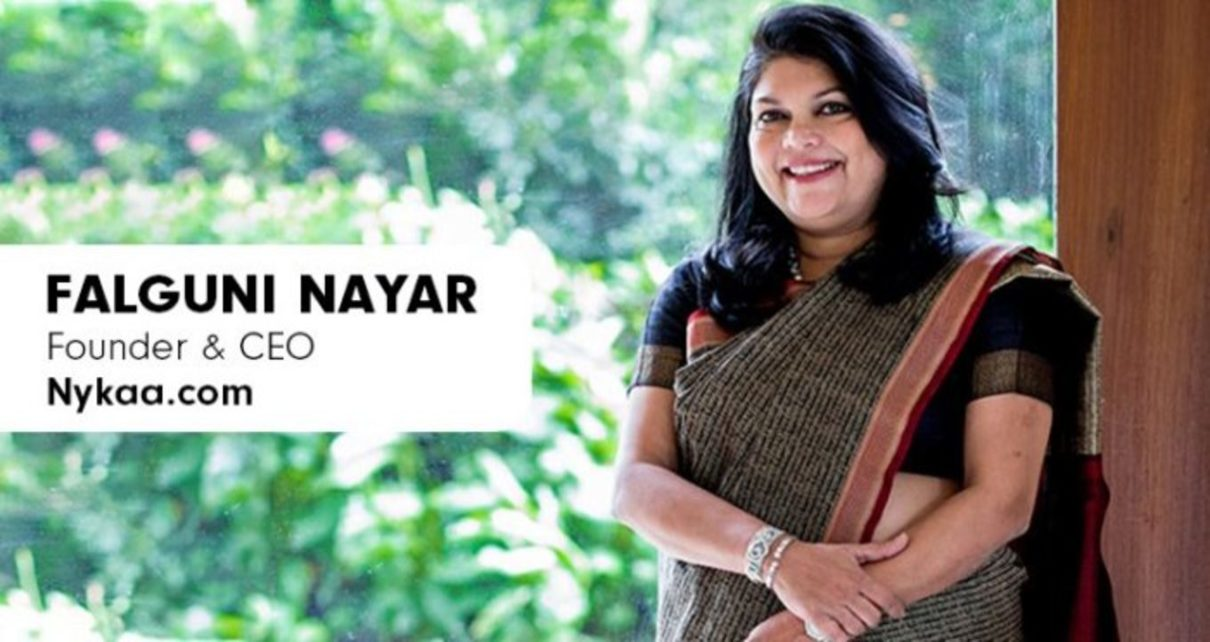
  1. Falguni Nayar: 

The youngest female billionaires in India adds a new name to the list and it is Falguni Nayar. 

She started Nykaa, India’s first billionaire business led by a woman, in 2012, offering cosmetics and personal grooming goods through its app and webpage.

Falguni has always been vehement about establishing a business of her own. After brainstorming her options for 2 years, in around 2011, she decided to become a multi-brand shop in the cosmetics industry. She was 49 years old when she resigned her job and founded Nykaa in March 2012.

Times immemorial, Nykaa’s reputation expanded, so did its branding value, with prominent Bollywood stars like Katrina Kaif, as well as other public figures and stars, assisting the e-commerce site in blazing a trail in the cosmetic and beauty bags sector. Starting 2015, the business has also created its own brand of items and has lately begun retailing clothing and home goods. Boasting 80 outlets in 40 cities, it has a rising upmarket influence.

Moreover, Nayar tops our list, with a gigantic net worth. 

Age: 58

Net worth: 48000 crores

Educational Qualification: Post Graduate from IIM Ahmedabad
  1. Nikhil Kamath

This 35-year-old entrepreneur simplified trading through a platform that is called ‘Zerodha.’  In one of his interviews, Nikhil talked about how he disliked going to school and dropped out at 14, with the primary aim to make money.  along with his friend, he started selling mobile phones, which infuriated her mother and they had to end the business. Later, in 2018, he began trading stocks and that is when everything changed. he received some his savings from his dad and moreover his dad believed in him. 

In 2010, Nikhil and his brother, Nithin Kamath, integrated their savings into making Zerodha.  

Zerodha is a firm that promises to tear down the cost, assistance, and technological barriers that stock investors encounter in India. Nikhil is also the creator of True Beacon, an investment firm that aspires to provide a network of innovative trading vehicles, asset management and consulting services, financial markets assistance, and customized programmes for professional investors.

Age: 35

Net Worth: 24,000 crores

Educational Qualification: Dropped out
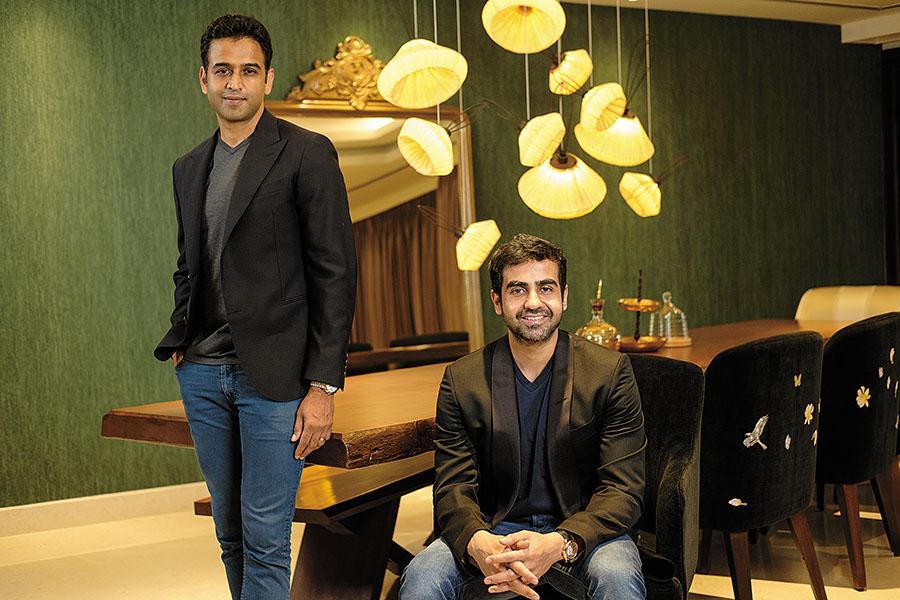
Forbes India - How Zerodha's Young Founders, Nithin And Nikhil Kamath, Made  Their Way To The Rich List
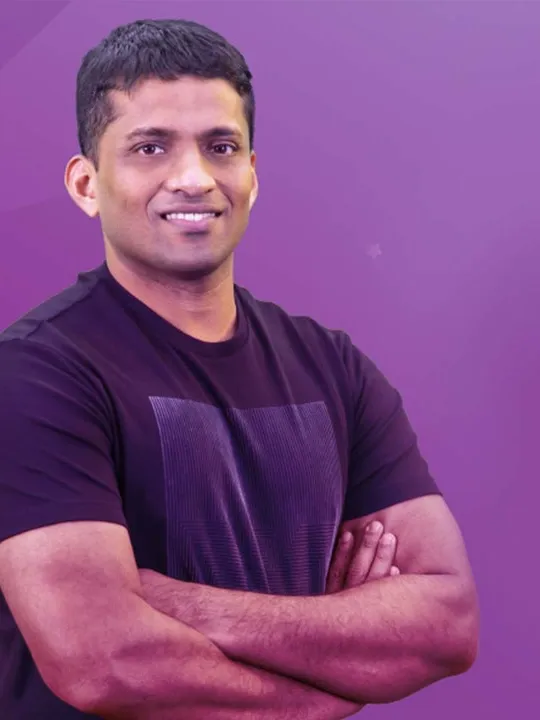
  1. Byju Raveendran

Having to educate more than 30 million students across India with an app has proven to be a thriving success, brought about by mastermind Byju Raveendran. Byjus, an application that educates students from kindergarten to 12th grade, was launched in 2015. 

He made it to Forbes India Rich List of being ranked the 72nd richest man in 2019 and also became the authorized sponsor for the Indian cricket jersey. Sharukh Khan is their brand ambassador. Byjus is among the leading digital educational apps. 

Age: 39

Net Worth: 22,500 crores

Educational Qualification: Graduated as a Mechanical Engineer from Government Engineering College, Kannur
  1. Amod Malviya

Technology has become all-encompassing in our daily lives. By harnessing innovation, Amod Malviya has contributed significantly to the Indian digital enterprise. Amod alone has reinforced the miracles of innovation as the co-founder and programmer of Udaan, a company that is reinventing B2B trade in India. He has also worked as ApnaPaisa’s vice chairman of engineering. Amod has demonstrated that a person with technological knowledge can strike it large as a businessman through his interventions.

Age: 39

Net Worth: 13,000 crores

Educational Qualification: Graduated from the Indian Institute of Technology, Kharagpur 

  1. Bhavish Agarwal and Ankit Bhati

These are the men behind the app that made travel easy, economical and adaptable. If you guessed Ola, you are right!

Ola is the product of the strenuous effort and consistency towards making the travel platform feasible for the normal population. This app culminated in a watershed moment in the evolution of the Indian economy. Ola is among the country’s rapidly growing companies. Bhavish Aggarwal has been the standard-bearer of Ola Cabs. He is in charge of client and associate interactions. Ankit Bhati is in charge of the firm’s technological elements. 

Age: Bhavish – 36; Ankit- 34

Net worth of Bhavish Agarwal: 3500 crores

Net worth of Ankit Bhati: 2400 crores

Educational Qualification: Graduates from IIT Bombay
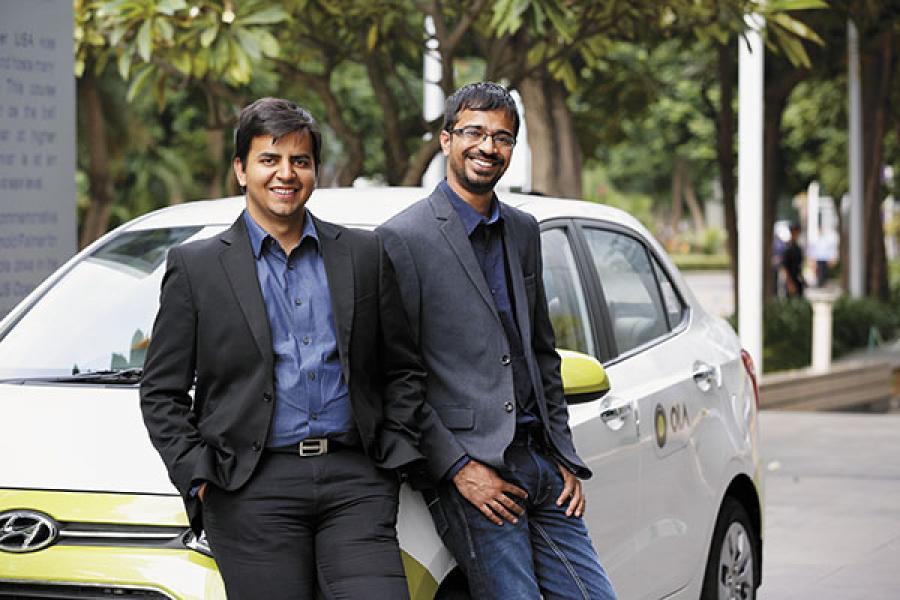
Forbes India - Ola: Taking India On A Ride
  1. Deepinder Goyal

India is a country where people are junkies for food. What’s more enthralling than receiving food that you like right at your doorstep. This wish was fulfilled by Goyal when he established Zomato. 

Deepinder Goyal is the creator of Zomato, a company that delivers meals from eateries to homes around the city. Foodiebay was the firm’s title when it first launched in 2008, but as it achieved fame in 2010, it was rebranded as Zomato.

Age: 38

Net worth: 2,200 crores

Educational Qualification: Graduate from IIT Delhi
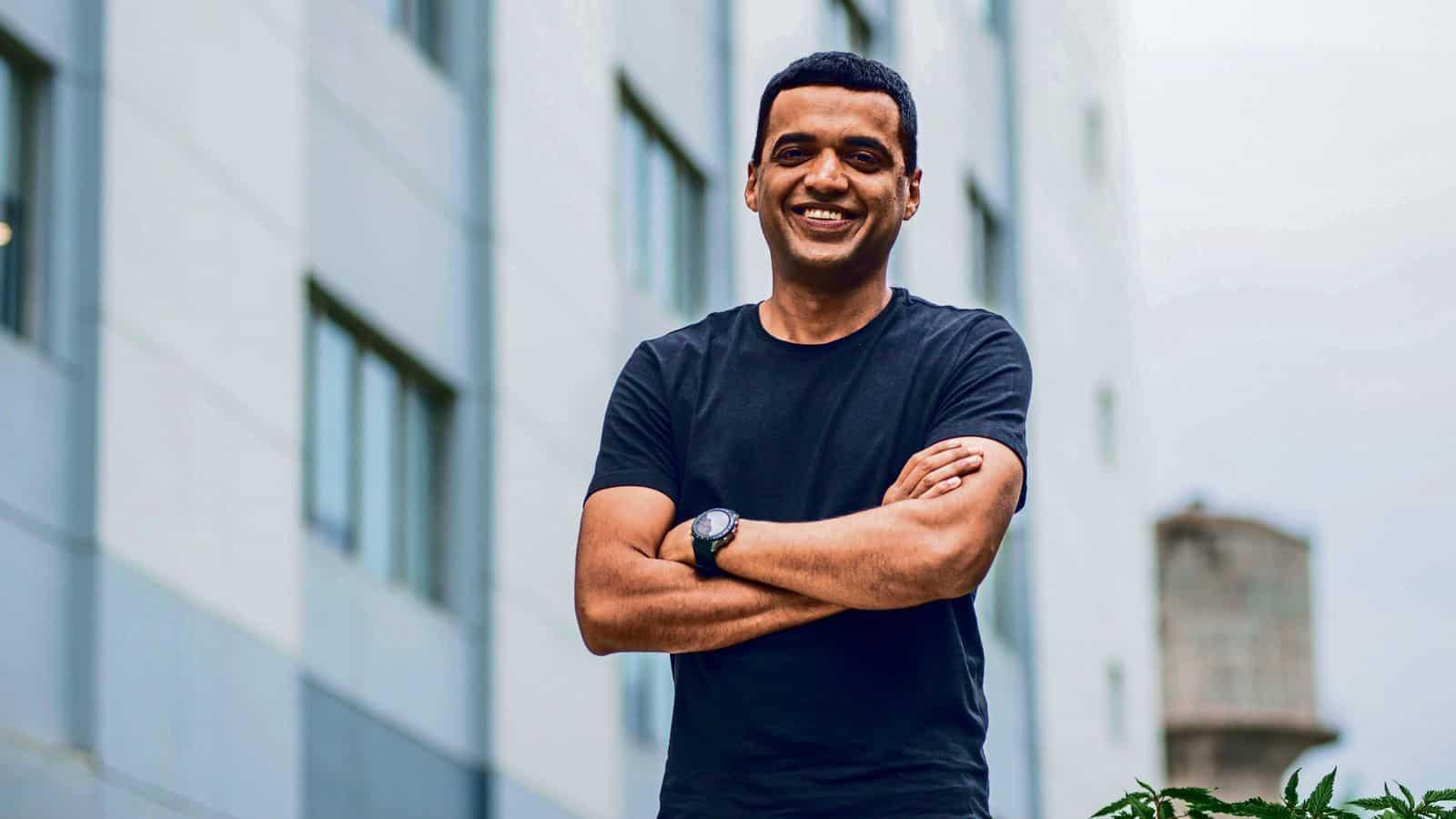
Zomato founder Deepinder Goyal joins Unacademy board
  1. Vijay Shekar Sharma

Simpler payments, easier transactions – online payment forums have made payments easy. One such platform is Paytm and it is the result of Vijay’s ingenuity. 

Paytm has approximately 400 million users and processes 25 million interactions every day. According to Forbes, he is among India’s youngest billionaires. In 2020, he was quoted by  Forbes as the 62nd richest person in India.

Age: 43

Net worth: 230 crores

Educational Qualification: Bachelor’s from Delhi College of Engineering

In college, I didn't understand what the teacher was saying: Paytm founder Vijay  Shekhar Sharma - Anniversary News - Issue Date: Jan 4, 2021
  1. Acharya Balkrishna

Patanjali is among the most prominent of ayurvedic brands in India, which is user-friendly for all its customers. Whilst Baba Ramdev is seen as the brand ambassador and co-founder, the brainbox of the brand is Acharya Balkrishna. 

The duo launched the Divya Yoga Pharmacy in Haridwar in 1995 and that is when it all began. In 2006, the men teamed together once more to establish Patanjali, an FMCG startup. Balkrishna has truly propelled his organisation to unprecedented levels. Patanjali items may now be purchased across all significant e-commerce platforms.

Age: 49

Net worth: 230 crores

Educational Qualification:  Graduated from Sampurnanand Sanskrit University, Varanasi
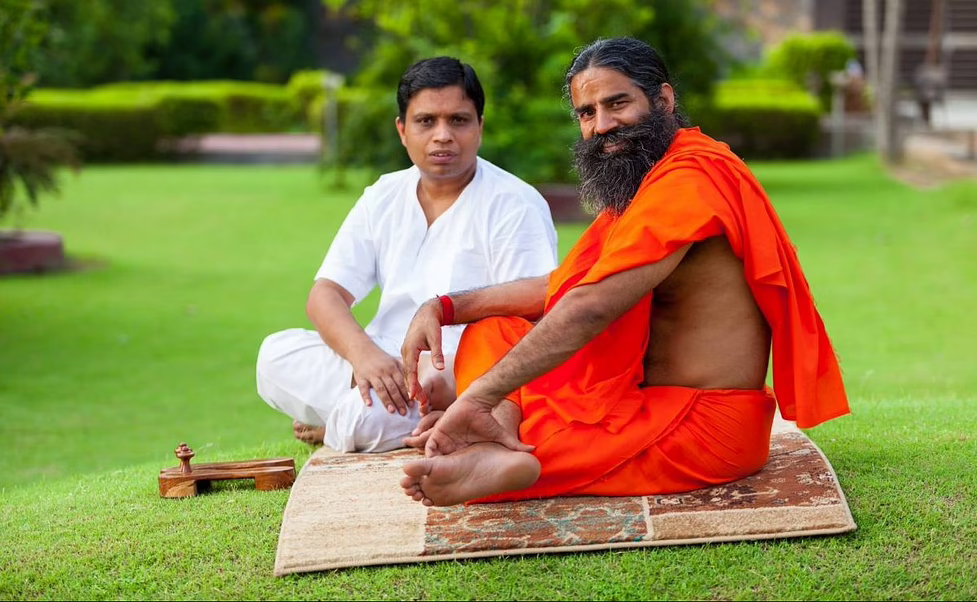
  1. Sachin Bansal and Binny Bansal

Sachin and Binny Bansal are the co-founders of one of the most extensively used digital shopping platforms, Flipkart. The story of these 2 men is quite different from any others.

People usually tend to anticipate that they are brothers, which they are not. Sachin and Binny, both have been graduates from the same college, but they’ve known each other once they moved to Bangalore for their work. However, in the latter part, they became colleagues at Amazon. The IIT graduates eventually, did observe the shifting technological trend and saw the possibilities of e-commerce. Soon, they pooled in money and set up Flipkart in 2007. Since then, there was no turning back. From co-workers to co-founders their journey has been compelling. 

Age: Sanchin – 40, Binny- 40

Net Worth of Sachin Bansal: 100 crores

Net Worth of Binny Bansal: 130 crores

Educational Qualification: Graduates from IIT Delhi
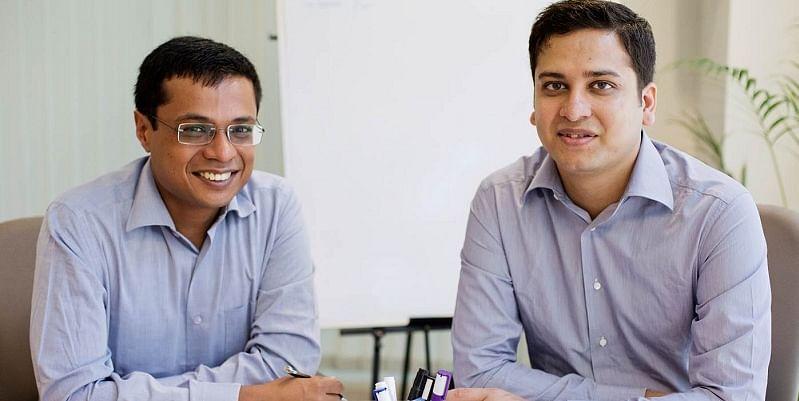
If not for Lady Luck, Sachin Bansal and Binny Bansal might never have met  or built Flipkart
  1. Ritesh Agarwal

Ritesh Agarwal, 28, is among the youngest executives at his firm, OYO Rooms. He is also the company’s creator and CEO. Ritesh quit education and he joined the Thiel Fellowship, a programme financed by billionaire internet entrepreneur Peter Thiel to offer funds to a select group of teenagers exploring entrepreneurial ideas. 

In 2012, Agarwal started his first startup, Oravel. The startup, which was an Airbnb, changed its name to OYO. In a place where affordable hotel chains are scarce, Oyo has established a system of 4,200 modest hotels in 152 cities throughout India, reserving a million stays every month. For customers travelling across the country, the firm offers a way to reserve inexpensive, standardised lodgings.

Age: 28

Net worth: 110 crores

Educational Qualification: College dropout
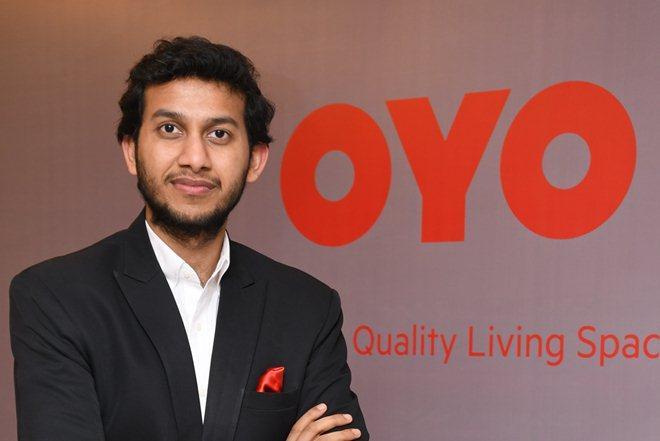
OYO founder Ritesh Agarwal: My mom says I won't find a bride as I don't  have college degree | INTERVIEW - The Financial Express

These 10 are the youngest billionaires of India. It is a proud moment for us to have the founders of these forums setting their base within the country. 

Leave a comment

Your email address will not be published. Required fields are marked *

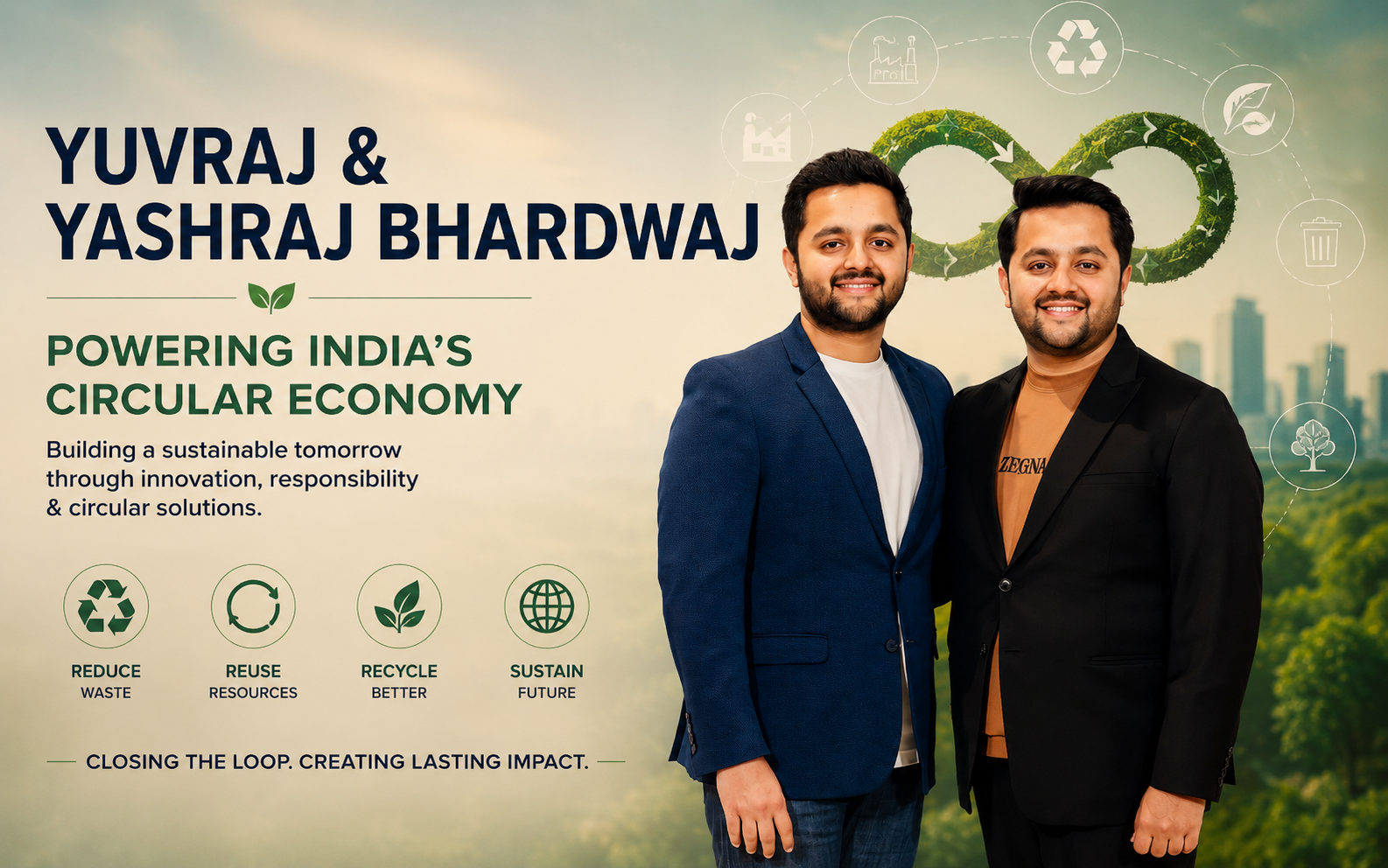
Yuvraj & Yashraj Bhardwaj | Powering India’s Circular Economy

Twin brothers Yuvraj Bhardwaj and Yashraj Bhardwaj are the co-founders of Plannex Recycling, a Gurugram-based circular economy company transforming waste management through technology and innovation. Both entrepreneurs began innovating at the age of 14, filing patents and undertaking research projects long before launching their ventures. Today, while Yuvraj, Co-Founder & CEO, leads operations, technology, and execution, Yashraj drives strategy, policy, partnerships, and global expansion. Together, the Forbes 30 Under 30 Asia honourees have built one of South Asia’s leading recycling platforms, processing over 500,000 metric tonnes of waste annually across 18 facilities in seven countries, proving that sustainability and scale can go hand in hand. 1. Tell us about your venture and how the idea first came to life. What made you decide to build it together as siblings? Yashraj: We’ve been building things together since we were 14, so becoming co-founders wasn’t really a decision; it was the natural next step. We saw India’s waste sector as a fragmented industry with enormous potential but very little technological intervention. While most people saw waste, we saw an opportunity to build infrastructure for the future. Yuvraj: Today, Plannex processes over 500,000 metric tonnes of waste annually across categories such as e-waste, PET plastics, batteries, tyres, and industrial waste, while creating employment for more than 2,000 people. Being twins gave us something every founder hopes to build: complete trust. We couldn’t imagine creating this business any other way. 2. How do your personalities and strengths complement each other? Yuvraj: Although we’re twins, we think very differently, and that’s our biggest advantage. I focus on operations, technology, and execution, making sure every facility runs efficiently and every process delivers on its promise. Yashraj: I spend more time on strategy, partnerships, policy, and investor relationships, helping Plannex expand globally. One of us imagines what’s

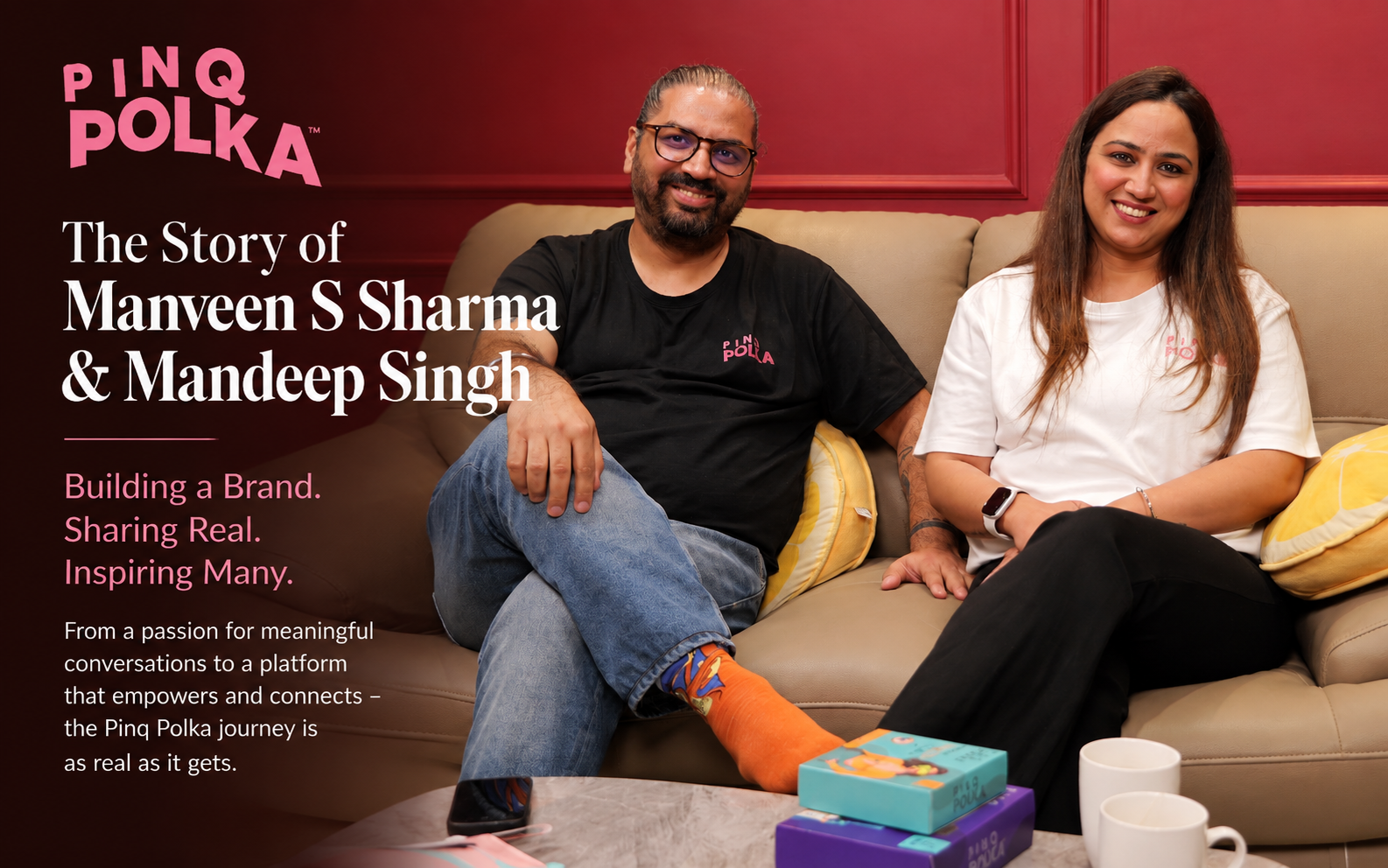
Pinq Polka: The Story of Manveen S Sharma & Mandeep Singh

Manveen S Sharma, CEO of Pinq Polka, brings over nine years of leadership experience across the automotive, mobility, and business sectors, with expertise in business strategy, operations, and customer-centric innovation. Alongside her is her brother, Mandeep Singh, Co-Founder, an entrepreneur with extensive experience in business development, sales, operations, and scaling businesses within the automotive and electric mobility ecosystem. Together, the sibling duo has transformed a simple consumer insight into one of India’s emerging women-first intimate wear and shapewear brands, combining strategic leadership with a shared commitment to creating products that prioritise comfort, confidence, and functionality. 1. Tell us about your venture and how the idea came to life. What made you decide to build it together as siblings? Manveen: Pinq Polka was born out of a personal experience. I often found myself buying women’s personal care products from abroad, because I couldn’t find the same quality in India. During a conversation with my brother, we realised there was a genuine gap in the market. Before launching, we spent months researching, speaking to women, testing products, and gathering honest feedback. That process confirmed we were solving a real problem. Building the brand together happened naturally; we trusted each other’s strengths and shared the same vision of creating products that genuinely improve women’s everyday lives. 2. How do your personalities and strengths complement each other? Manveen: I stay closely connected to our customers, spending time understanding their needs and translating those insights into better products. Many of our innovations have come directly from conversations with women who use our products every day. Mandeep: I focus on business strategy, partnerships, and sustainable growth. While Manveen leads product innovation and customer experience, I ensure we build a business that’s scalable and future-ready. We may approach challenges differently, but we’re united by one principle: never

Brick Brown Home Innovations: Meet Kirti & Yash Verma of Gurgaon

Sibling duo Kirti Verma and Yash Verma, founders of Brick Brown Home Innovations, are redefining modern living through thoughtfully designed home décor that blends traditional Indian craftsmanship with contemporary aesthetics. Based in Gurgaon, the brand creates handcrafted solid wood storage solutions, organisers, and home essentials that celebrate functionality, sustainability, and timeless design. Yash Verma leads product innovation, artisan collaborations, and technology-driven operations, while Kirti Verma shapes the brand’s creative vision, design language, and business strategy. Together, they have built Brick Brown into a contemporary homegrown brand that seamlessly blends heritage craftsmanship with modern design. 1. Tell us about your venture and how the idea first came to life. Why did you decide to build it together as siblings? Brick Brown began with a simple belief that homes should feel warm, personal, and lived in. We wanted to create handcrafted wooden pieces that people would cherish for years instead of following short-lived trends. Building the business together wasn’t a planned decision; it happened naturally. Having grown up with similar values and design sensibilities, we instinctively understood each other’s way of thinking, making us natural partners. 2. How do your personalities and strengths complement each other? We bring very different strengths to the table, and that’s what makes the partnership work. I (Yash) focus on product design, manufacturing, and working closely with artisans to perfect every detail. Kirti leads branding, creative direction, storytelling, and business growth. One of us builds products worth talking about, while the other ensures their story reaches the right audience. 3. Has your sibling bond made entrepreneurship easier or more challenging? It has definitely made the journey easier because trust was never something we had to build; it already existed. One moment we’ll always remember is opening our own studio in Gurgaon. Standing in that space, we realised

Getting Sassiest: The Brand Making Sexual Wellness More Inclusive In India

In a country where conversations about sex are still low-key at dinner tables and turn school classrooms awkwardly silent, brands like Sassiest are changing the script, one meme, conversation, and pleasure-positive post at a time. From cheeky Instagram content and relatable humour to refreshingly honest takes on intimacy, confidence, and self-exploration, the brand is helping young Indians approach sexual wellness with far less awkwardness and a lot more openness. Mehak Walia gets sassy with Aishwarya Dua and Karishma Chavan, the co-founders of Sassiest. And honestly, that shift feels long overdue. For years, discussions around pleasure and desire in India have either been buried under shame or treated like something too scandalous to say out loud, especially when women are leading the conversation. Founded by Aishwarya Dua and Karishma Chavan, Sassiest is pushing back against that discomfort with a voice that feels warm, inclusive, funny, and unapologetically real. Instead of sounding clinical or preachy, the brand creates space for conversations around boundaries, body confidence, emotional well-being, and modern relationships in a way that actually feels relatable to today’s generation. For Karishma, the inspiration behind the brand came from noticing just how disconnected many women grow up feeling from their own bodies. “Most conversations around intimacy here are either hidden, judged, or purely medical,” she says. “Nobody was really talking about pleasure, confidence, self-exploration, or emotional wellness in a way that felt normal, safe, and relatable.” That silence, she explains, extends far beyond intimacy itself. Shame and conditioning often shape confidence, relationships, and even the way women exist in the world. “I wanted Sassiest to feel less clinical and more like a movement,” Chavan shares. “A space where women and queer people could feel seen without embarrassment.” Of course, building a sexual wellness brand in India came with its fair share of

You May Also Like

Connect with us