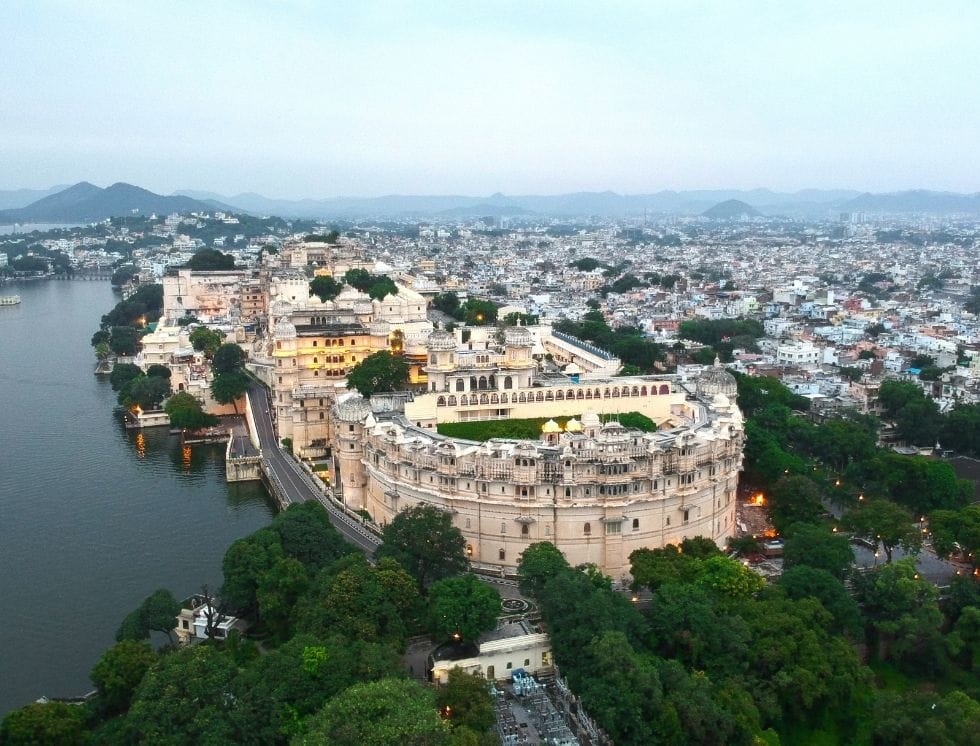
Udaipur: Spilling Opulence

Its famed precincts have served as a setting for movies as varied as Octopussy and Yeh Jawani Hai Diwani. Its picturesque setting dotting the magnificent Lake Pichola has ensured that it remains India’s best destination wedding. Mallik Thatipalli takes a walk down the majestic City Palace in Udaipur and details the wonder that is the City Palace Museum…

The brown façade of the City Palace can be viewed the minute one enters Udaipur. The city of lakes has long been a favoured destination for many a traveller since time immemorial and the City Palace is its crowning glory.     

Built in the year 1569 by Maharana Udai Singh II, and home to 42 rulers from the House of Mewar for over 400 years, the complex consists of 11 palaces built over centuries. Each ruler brought their taste, resulting in an eclectic melange of styles ranging from Rajasthani and Mughal to Oriental and European. Today, the City Palace is divided into three parts: The City Palace Museums, the heritage hotels and the private residences of the Mewar Royals.  
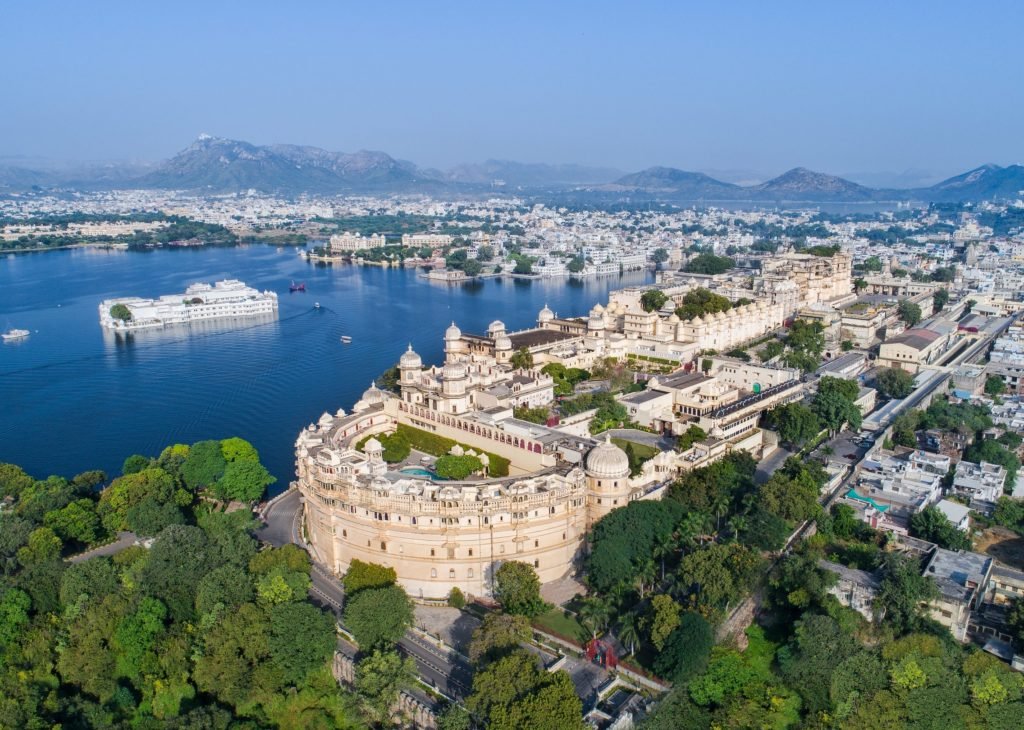
Udaipur City Palace

The Museum

Once you enter the gates of the majestic Badi Pol, a triple arched structure beckons you inside. It is where victorious Ranas and armies were welcomed back from their battles and even today, as tourists jostle to take selfies, one notices its regal aura.

The City Palace Museum was open to the public in 1969. Spread across 20,000 square metres, it is a literal walk-through the rich history of the House of Mewar. Immaculately maintained, it is interconnected via a labyrinthine maze of corridors and centuries-old staircases.  

On an annual average, the museum receives more than 10,00,000 visitors.

It provides direct employment to over 500 staff-members; indirect employment to 200,000 of Udaipur’s residents. Apart from the many galleries, the museum is known for the Maharana Mewar special library, established in 1999-2000 in the underground vaults of The City Palace and spread over 2000 square metres.

The extension of the library also houses the Maharana Mewar Research Institute which was established in 1985 and is today acknowledged as a unique research institute of Rajasthan.

The History of the Mewar Royals

The royal family of Mewar and its mighty kingdom are believed to have descended from the Sun, Suryavanshisas they are called, tracing its lineage from Lord Rama through his elder son Lav. 

Rawal Jaitra Singh (r. 1213-53 CE) shifted the capital to Chittor and constructed the fort wall for the first time. In the 16th century, Chittor faced several invasions; including rulers from Delhi, Malwa and Gujarat who were very ambitious and wanted to acquire Chittor for themselves. 
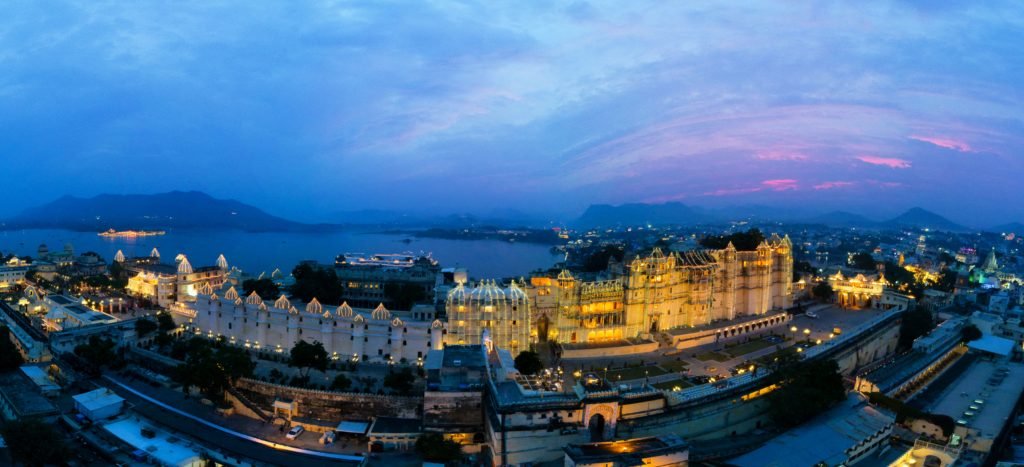
Maharana Udai Singh II (r. 1537-1572 CE) realized that he had to look elsewhere, someplace peaceful to establish his capital. After much wandering and deliberation, he came to this area, today known as Udaipur, named after the Maharana, in 1553 CE. The City Palace, Udaipur grew with successive reigns of the Maharanas, most of whom zealously pursued the architectural constructions and expansions of the established Palace Complex. 

The majestic City Museum

With its sprawling courtyards and jharokha offering panoramic views, each area offers a speciality which shows the grandeur of India royals at the zenith of their power and influence. 

The many collections the museum offers can rival the best museums in Europe and come showcasing the full might of Indian culture. 

  • Sculpture collection

The collection represents an unbroken tradition of stone carving from the 7th to 20th century including fine specimens from the Gurjara-Pratihara period; predominantly of serpentine and marble with limited examples of limestone and sandstone. 

All of the 308 sculptures in the collection were once part of thriving temples in and around Shree Eklingnath Ji Temple, Kailashpuri. Hinduism and Jainism being two faiths flourishing in Rajasthan and surrounding regions, the collection is composed of Brahmanical and Jain icons or sculptural motifs. 

It includes Gods, Goddesses, Surasundaris, animal motifs, architectural elements, narrative and decorative panels, and memorial stones. There are no Buddhist images in the collection. Each of the items provides an insight into the religious beliefs, faith and cultural traditions of the regions concerned. 

  • Photographs Gallery

The City Palace Museum, Udaipur, boasts of 28,000+ objects in the photographic archive, including old cameras, equipment, and glass plate negatives. The photographs vary in size and technique; cartes-de-visite, card photographs, photomontages, painted photographs with techniques including albumen prints, silver gelatin prints, platinum prints, and others, making for a vast repository of photographic material dating from the mid 19th to the early 20th centuries. They capture and feature not just the Maharanas and their courts or royalties from other regions but also the local elements; persons involved in the nitty-gritty of the Palace, as also visitors. The oldest photograph in the collection dates to 1860 CE, from the period of Maharana Swarup Singh (r. 1842-1861 CE).

  • Paintings Gallery

There are around 1800 paintings in the collection, the oldest of which dates to the late 1500s. The painting belongs to the Mewar School and makes use of rich, vibrant colours. Gold and silver were also used to highlight important elements in the painting.

Several aspects of the life in Mewar and the involvements of the local folk are captured in this medium of paint. The Maharanas at times commissioned portraits of themselves. They also patronized works which illustrated royal processions, celebrations and rituals, visits to religious places or shrines, extravagant hunting scenes, animal fights and wrestling scenes. They serve as excellent visual narratives of the past.

  •  The Silver Gallery

The museum also boasts of a vast collection of silver items, previously under the custodianship of several generations of the Mewar family. Much of these are on display in the Silver Gallery; the first of its kind in all of Asia. Some of the items were hitherto rarely glimpsed by even residents of the Palace or visitors to Udaipur but are now open to the public. 

Being a living heritage, some of the items find their way out of the gallery during certain parts of the year for rituals. The Ram Rewari, a portable shrine, is an example which transcends from a museum object into a sacred one for the Jal-Zoolni Ekadashi festival.

‘Regal seating’ in the collection includes a jewel-encrusted, lion motif throne, a Howdah to be mounted atop elephants, and a Tam-Jaam or a carry chair. Be it luxury or leisure, silver was carefully crafted to uttermost perfection; Huqqas, pen and inkstands, toys and even dressing cases. The museum also houses an exquisite collection of horse and elephant jewellery, and trappings that were used in grand ceremonial processions.

There are many other galleries ranging from arms and armament to clothes and musical instruments. Ideally, it takes one full day to take in the splendour on display, click that selfie and soak in the splendour of centuries of the House of Mewar. 

The museum can be visited by the public anytime between 9:30 AM – 5:30 PM. The entry fee of the museum is Rs 250/- per person and different fares apply for carrying cameras and video recorders inside the museum. 

Leave a comment

Your email address will not be published. Required fields are marked *

Family Road Trips in India: 6 Routes with Kid-Friendly Stops and Food

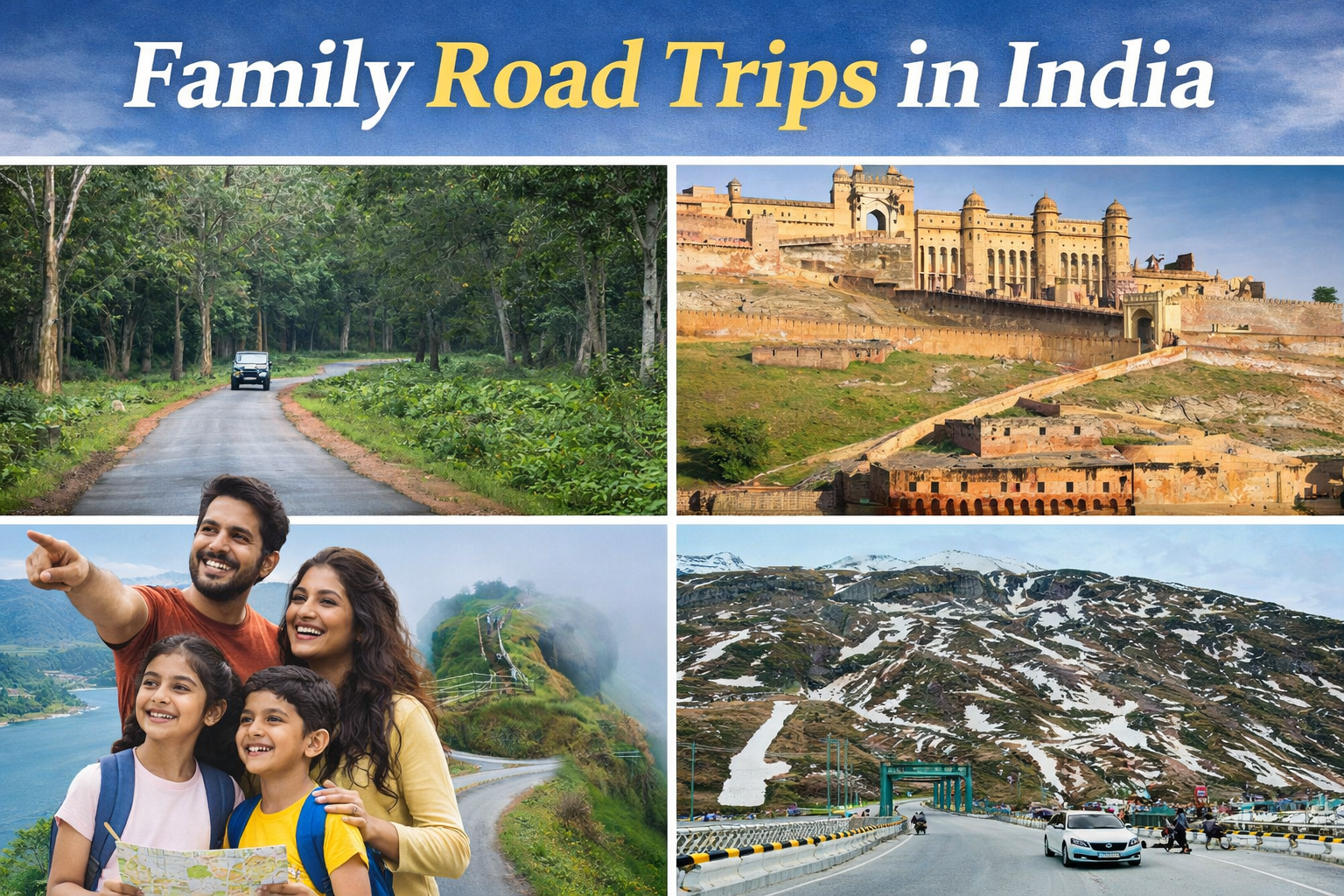
The engine is humming, the bags are packed, and the open road awaits. But as every parent knows, a successful family road trip in India is a fine art. It requires more than just a GPS; it requires a strategy for clean restrooms, engaging pit stops, and food that won’t result in a backseat tantrum. When the logistics are handled, a road trip becomes more than just travel; it becomes a core childhood memory. From the misty mountains of the North to the coastal breezes of the South, Dhanush Kumar brings you six iconic Indian routes designed to keep the kids happy and the parents’ stress levels low. 1. Delhi to Jaipur: The Golden Path The transition from the skyscrapers of Gurgaon to the pink walls of Jaipur is a visual treat. The expansion of the NH48 makes this a smooth drive for families. You can break the journey at Neemrana Fort Palace, the sprawling gardens are perfect for kids to burn off energy, and the vintage car museum is a guaranteed hit. On the way, you can stop at a dhaba and order Paneer Parathas and fresh curd. 2. Mumbai to Mahabaleshwar This route offers a dramatic climb through the Western Ghats. The Mumbai-Pune Expressway provides world-class tarmac, while the climb to the hill station offers cooler air and scenic views. You can stop at Mapro Garden, also known as Panchgani. This isn’t just a stop, it’s a destination. With dedicated play zones and a chocolate factory tour, it’s the ultimate reward for a long drive. 3. Bangalore to Coorg The drive through the lush landscapes of Karnataka is refreshing, but the winding roads near the end require planned breaks to keep motion sickness at bay. A slight detour near Dubare Elephant Camp allows children to interact with elephants

What Lies Ahead in 2026

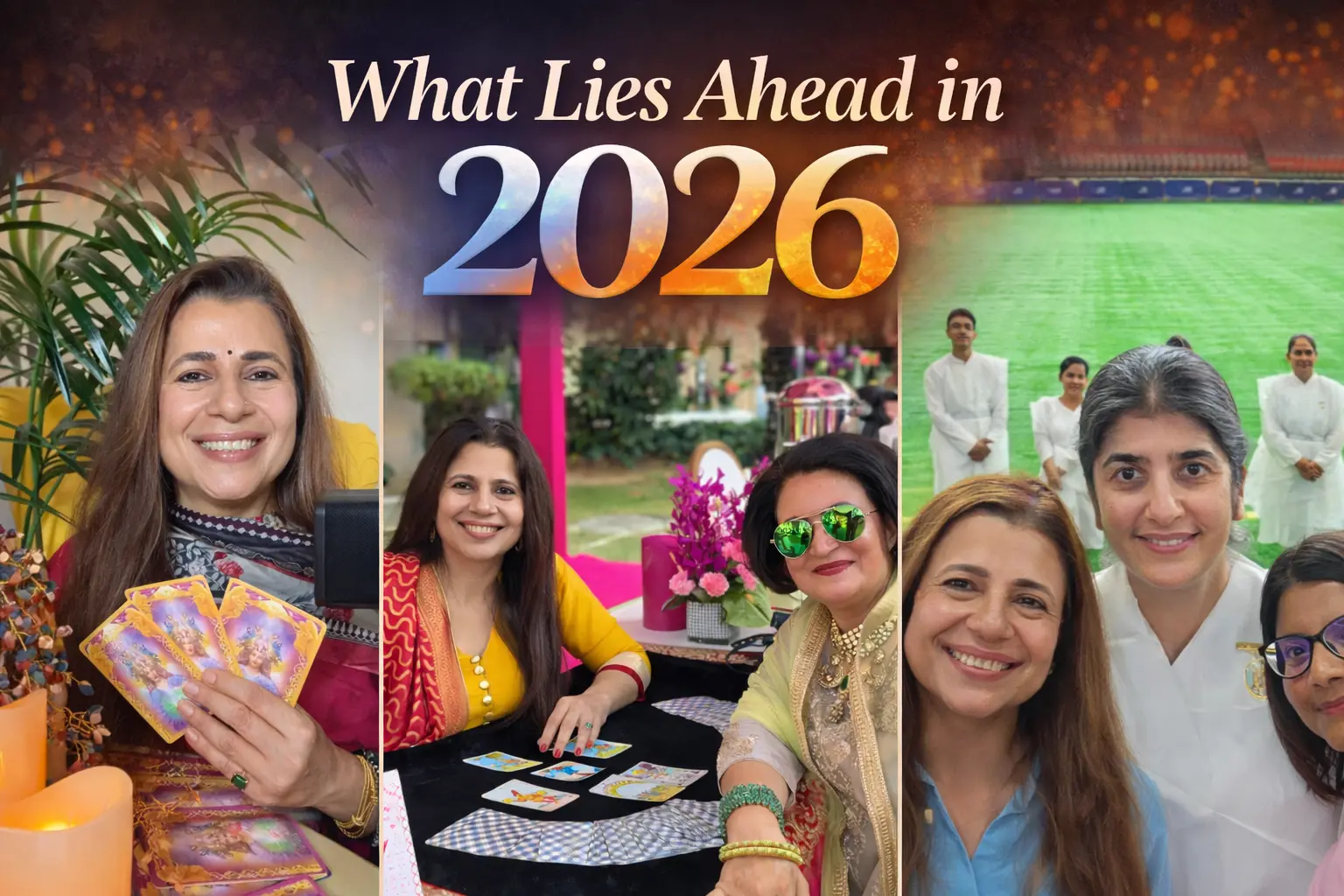
What Lies Ahead in 2026As we step into the year ahead, astrologer and psychologist Kirron Shahppuri gives us a playful, insightful peek at what the stars have planned from surprises and shifts to fresh beginnings worth getting excited about. ♈ ARIES (March 21 – April 19) Theme 2026: Leadership with emotional maturity Prediction: In 2026, Aries is pushed into positions of responsibility. Career growth is certain, but results come only through patience and strategic action. Financial stability improves gradually. Relationships become smoother once impulsive reactions are controlled. Health requires proper rest and stress management. Avoid: Anger-driven decisions, confrontations, and impulsive spending.Lucky Dates: 9, 18, 27Lucky Colours: Red, CoralRemedy: Offer water to the Sun daily and chant Om Suryaya Namah every Sunday. ♉ TAURUS (April 20 – May 20) Theme 2026: Stability through adaptability Prediction: This year strengthens Taurus financially, but only through long-term planning. Property, savings, and business foundations grow steadily. Emotionally, relationships demand flexibility and openness. Those who resist change may feel stuck. Avoid: Stubbornness, emotional possessiveness, risky investments.Lucky Dates: 6, 15, and 24Lucky Colours: Pastel Pink, Earthy GreenRemedy: Donate milk or rice on Fridays and chant Om Shukraya Namah. ♊ GEMINI (May 21 – June 20) Theme 2026: Mental clarity and communication power Prediction: Gemini experiences professional growth through communication, networking, teaching, and media-related work. New contacts open doors. Mental discipline is essential to avoid anxiety. Personal bonds improve with honest conversations. Avoid: Gossip, multitasking overload, mental exhaustion.Lucky Dates: 5, 14, and 23Lucky Colours: Light Green, YellowRemedy: Chant Om Budhaya Namah on Wednesdays and keep a green plant nearby. ♋ CANCER (June 21 – July 22) Theme 2026: Emotional healing and inner security Prediction: A deeply introspective year where home, family, and emotional balance take priority. Property-related matters may arise. Career growth remains steady if emotional boundaries are

The Year Ahead in Travel: Blogger Insights and Must-Visit Spots

As we step into 2026, Hashtag Magazine connects with travel bloggers to share their top destinations and stories, inspiring you to explore new places and experiences this year. Jatin Parmar: Young Explorer and Community Builder At just 23, Jatin Parmar has transformed his love for travel into impactful ventures that inspire young adventurers. As the founder of TheTeenTravels, he shares authentic travel stories from 26+ countries, while Amigoes brings together like-minded explorers through immersive group trips. Jatin’s mission goes beyond sightseeing—he aims to make travel social, relatable, and confidence-boosting for the next generation of globetrotters. Travel Picks for 2026 Mexico – From the tropical charm of Tulum to its lively party culture and rich heritage, Mexico offers the perfect blend of energy and relaxation. Japan – A mix of bustling shopping districts, Disneyland magic, and serene cherry blossoms, Japan balances tradition and modernity like no other.Norway – Ideal for a scenic road trip, Norway’s fjords, mountains, and pristine wilderness provide a breathtaking escape for nature lovers. Mahi Sharma: Finding Healing and Adventure through Travel For Mahi Sharma, 2025 became a year of transformation through travel. Starting the year heartbroken, she turned to exploration to heal, discovering new countries, cultures, and experiences that reshaped her perspective on life. Solo travel across 13 countries taught her resilience, self-awareness, and the joy of living fully in the present. My Top 3 Travel Experiences Masai Mara, Kenya Out of this world! The safari experience in the Masai Mara was surreal I felt like I was in pure discovery mode, seeing the animal world up close and in its natural habitat. Witnessing lions mating and a hunt unfold right in front of me made it unforgettable. If you love animals, skip the zoos and experience the Masai Mara it’s wholesome, breathtaking, and memorable. Montelpuchino, Tuscany,

The 5 Most Expensive Private Islands You Can Rent For New Year’s

There’s celebration, and then there’s arrival. New Year’s Eve isn’t meant to be lost in crowded parties or noisy resorts. It’s a moment that deserves space, serenity, and a horizon wide enough to hold your dreams for the year ahead. As India’s luxury travel scene steps into 2026, the idea of escape has transformed. No longer just vacations, private island rentals have become portals where time slows down, sea wind feels like scripture, and silence heals in ways noise never can. Dhanush Kumar writes about the five most extravagant private islands you can rent for the New Year in and around India. 1. Munjoh Private Island- Andaman & Nicobar Islands, India Tucked deep within the turquoise cradle of the Andaman lies Munjoh Private Island, a sanctuary carved for those who prefer whisper over crowds. This ultra-luxury island offers private beaches, palm-lined coves, and villas that blend barefoot simplicity with refined indulgence. At night, the sky becomes a cathedral of stars. At dawn, the island wakes in a golden hush.  Private chefs craft ocean-fresh menus, spa therapists arrive at your doorstep, and your very own yacht stands ready. 2.Fregate Island- Seychelles Just a few hours from India by air, the Seychelles unfold like a dream, and Fregate Island is its crown jewel. This is luxury at its most uncompromised. Only a handful of villas exist on the entire island, each carved into the landscape with an artist’s touch. Think infinity pools suspended above the sea, private butlers who know your preferences before you speak, and beaches so untouched they look ancient. Fregate is where billionaires and Hollywood royalty choose to vanish. A perfect place to let the New Year rise without the world watching. 3.Sirai Island, Zanzibar, Tanzania Far across the Indian Ocean, but spiritually close to India’s sense of coastal

You May Also Like

Connect with us