Tips For Choosing The Proper Foundation Shade

Each of us here enjoys donning make-up, getting dressed up, and presenting ourselves in the finest light possible. Whether you enjoy putting on make-up or not, a simple application of foundation is occasionally required. An important question then arises: How do I choose foundation shades? This is a problem that necessitates careful examination.

The objective is to pick a foundation that matches your skin tone. Hashtag offers a few recommendations to assist you to pick the ideal foundation hue to guide you to reach your objective.

WHAT IS FOUNDATION Shade?

Foundation is the makeup core that is used to conceal flaws and level out your countenance so that you can layer the entire makeup look on a consistent texture.

WHY IS IT IMPORTANT TO CHOOSE THE RIGHT FOUNDATION SHADE?

Using a foundation that does not compliment your face looks strange and makes you look like you are wearing a disguise. It is imperative to apply the perfect foundation shade since an improper foundation is noticeable and won’t provide a good surface for the remaining makeup look.

HOW TO CHOOSE FOUNDATION SHADE FOR YOUR SKIN: TIPS

Now that you’ve determined the importance of choosing the apt foundation shade, we present you with 4 important and doable tips on how to choose the right foundation shade.

  1. Skin tone or skin complexion determination: Knowing your skin complexion is a fundamental step in selecting a foundation. It will assist you in selecting the ideal foundation hue for you. Begin by determining if you have a cold or warm skin tone. Take note of your eyes and hair colour. They can help elucidate your tones. An alternative method to determine skin tone is to see if you tan or burn in the sun. You have a warm tone if you get tanned. You are likely to burn if you have a cold complexion and pale skin.
  1. Choose the sort of finishing appearance you want: The following step is to decide what type of appearance you desire. Look for a finish that piques your interest. A finish is just the gloss that a foundation product creates on your skin. There are dewy, matte, semi-matte, and radiant finishes, each of which is lovely in its way. However, whether one is better for you is determined by the look you choose. 
  1. Choose a shade that complements your skin complexion: The neckline and jawline are the greatest spots to see if a base is a perfect fit for your complexion. The right hue will integrate with your skin tone and will not render your appearance dreadful. If it leaves a pale tint on your complexion or makes you appear darker, it’s the wrong colour. During summers and winters, don’t ever be scared to blend two distinct hues. This is especially effective considering your skin tone fluctuates throughout the year and in multiple locations of your face.
  1. Take assistance from a skilled practitioner: You’ll discover excellent support from pros who will aid you. This is extremely useful for all of you newbies. Some firms also provide samples to prospective clients, which they may use for a short period in reflections and varied settings to evaluate how it pictures. Professionals usually do not suggest purchasing a foundation online as the tones may vary for different brands.
HOW TO APPLY FOUNDATION

The following steps aid you in understanding the foundation application for a natural look.

  • Step 1

Our skin is susceptible to large amounts of pollution, dirt and dust. Hence, washing your face before the foundation application is mandatory. Before wearing foundation, you must wash your skin using a makeup remover. This is the initial step in preparing your skin to be a flawless surface for the cosmetic items that will come next.

  • Step 2

Preparing your skin is the following step. In this step, you must moisturize your skin, so that it is rejuvenated and nourished. Moreover, to attain a natural look, skin prepping plays a vital role. This technique will protect your skin from seeming dry and brittle and will provide your foundation with a non-cakey texture. Let the cream soak into your skin for around 8 to 10 mins before continuing. This makes a huge impact on how the foundation looks on your face.

  • Step 3

Here we begin with the makeup procedure. The first product that should be applied is a primer. Primer and moisturiser are two very distinct products that perform separate functions yet are both highly vital. Pick a good silicone-based primer to assist you to achieve a seamless, clear skin appearance on your face.

  • Step 4

Begin by covering your face with a base and blending it in the outward direction of your face. If you notice any spots, these would be removed by the incorporation of a sponge. After you’ve done your foundation using a brush, dab a moist beauty sponge across your face. Make sure to avoid swiping the sponge, as this may rip the foundation off your skin and result in an uneven look. This method guarantees that the foundation blends into your complexion and appears natural!

  • Step 5

Fixing your foundation is critical, particularly for oily skin. Simply take a little amount of the compact powder on a wide plush cheek brush and softly brush it on the regions that are prone to get greasy. This would not only keep your base and fixer intact, but it will also keep the foundation from wrinkling and smudging up after several hours of usage.

Now that you know how to choose the right foundation for your skin type, keep these tips in use and ace your look like never before!

Leave a comment

Your email address will not be published. Required fields are marked *

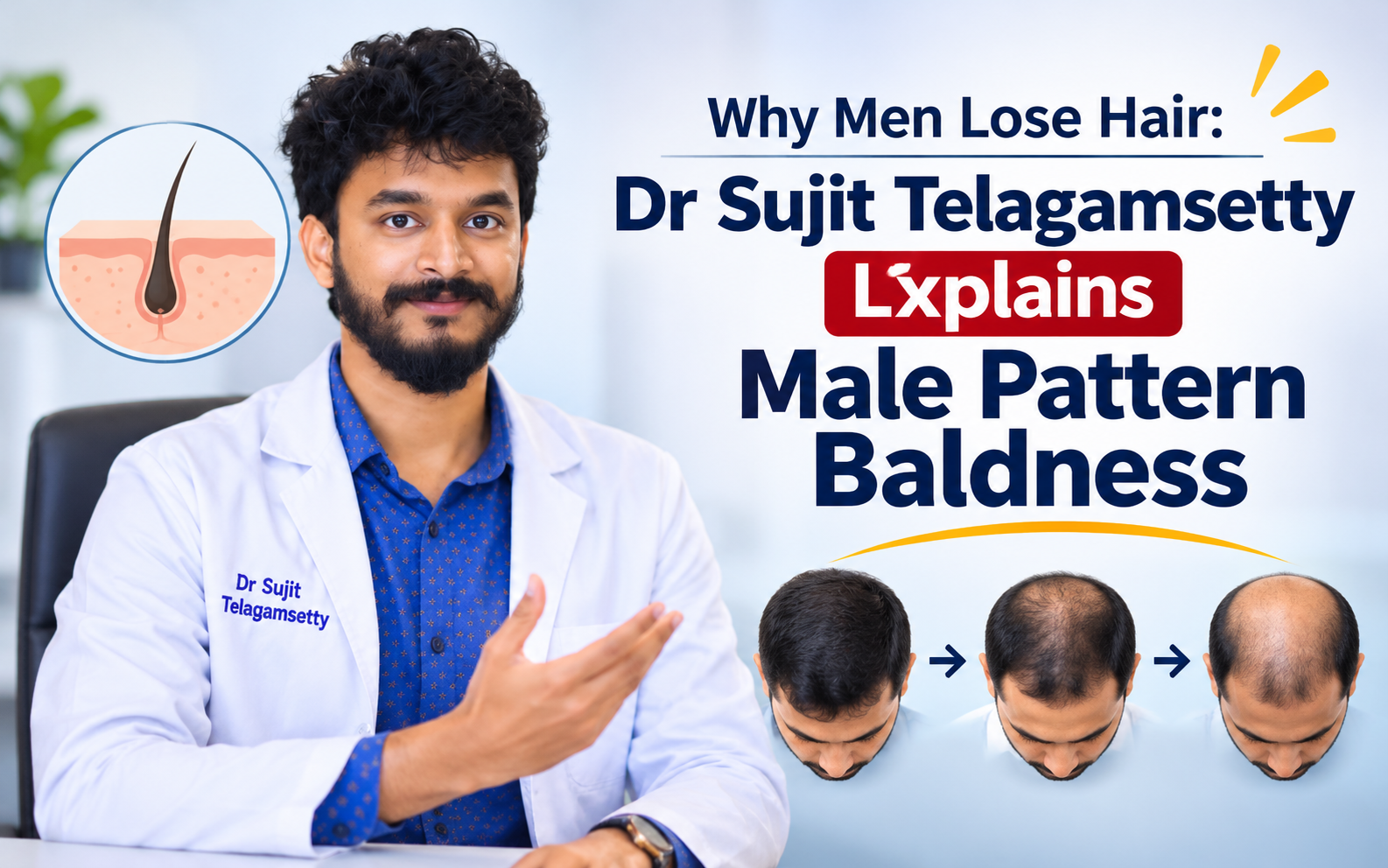
Why Men Lose Hair: Dr Sujit Telagamsetty Explains Male Pattern Baldness

Dr Sujit Telagamsetty is a first-generation doctor and founder of Helios Homoeopathy, with over eight years of clinical experience and more than 10,000 cases handled. A health educator with a community of roughly 475,000 followers on Instagram, he’s built a reputation for busting hair-loss myths with accessible, no-nonsense science. Here, he breaks down what’s really behind male pattern baldness, and why there’s no shortcut around it. What are the most common causes of hair loss and thinning in men, and how do genetics, stress, hormones and lifestyle habits contribute?Hair loss in men is influenced by several factors, including genetics, hormones, stress, nutrition and everyday lifestyle habits. One of the most common causes is male pattern baldness, which is strongly influenced by genetics and the sensitivity of hair follicles to a hormone called dihydrotestosterone (DHT). This hormone gradually miniaturises susceptible follicles, causing hair to become thinner, shorter and weaker over time. Stress also plays a significant role. Prolonged psychological stress, inadequate sleep, severe illness and sudden weight loss can disrupt the normal hair-growth cycle and trigger excessive shedding. Nutrition is equally important; hair follicles need adequate protein, iron, zinc and other essential nutrients to support normal growth. Crash dieting, skipping meals, and highly restrictive diets can compromise this and contribute to shedding. Lifestyle habits like smoking, poor sleep and chronically inadequate nutrition affect overall hair health too. My approach focuses on the fundamentals: strong nutrition, consistent sleep, stress management, regular physical activity and a healthy scalp. These habits can’t eliminate genetic baldness, but they support overall health and address the preventable contributors to hair shedding. What are the biggest myths around male pattern baldness, hair regrowth and hair-care products that men should stop believing?One common myth is that wearing caps or helmets causes baldness. Normal use doesn’t; hair loss is primarily

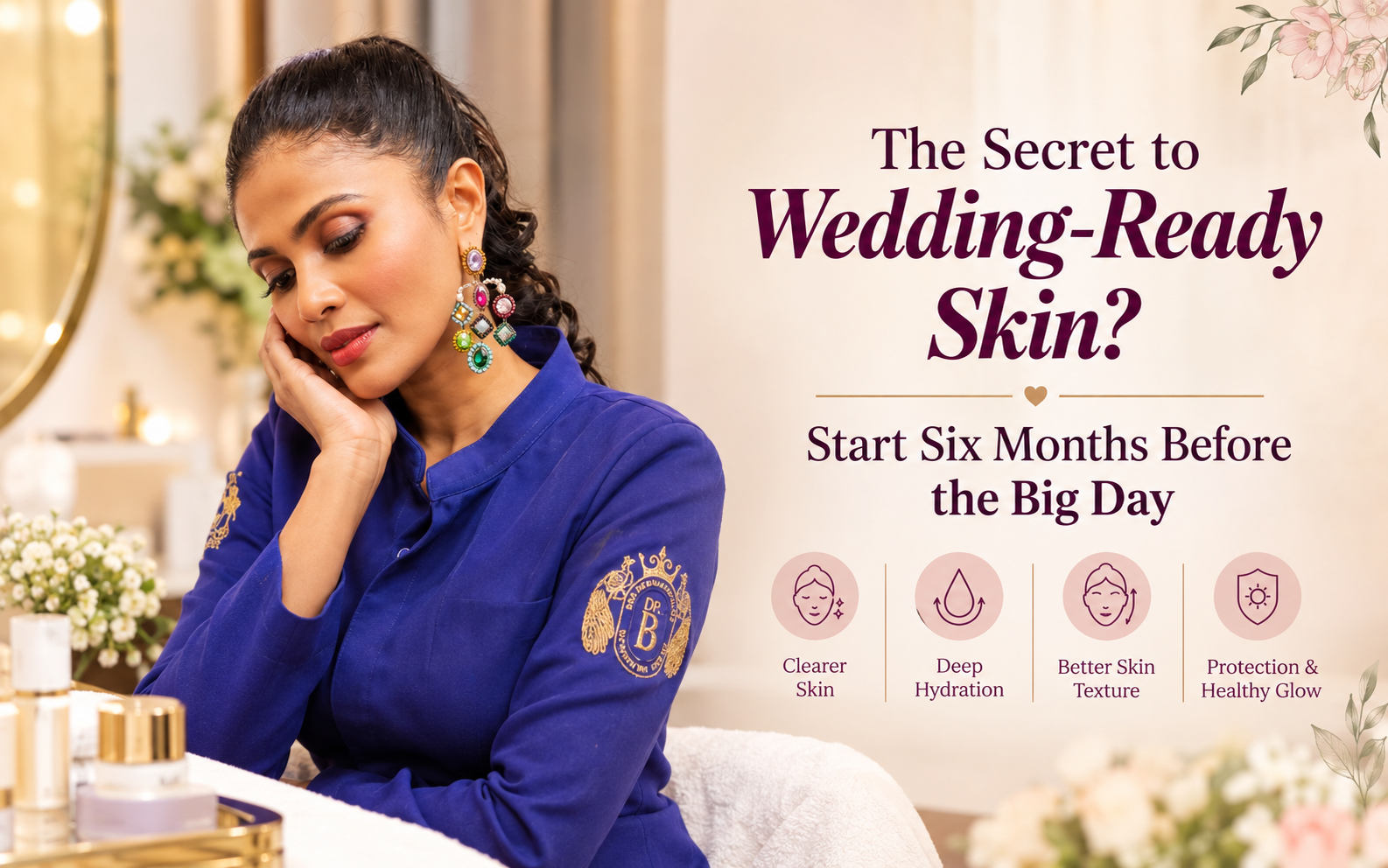
The Secret to Wedding-Ready Skin? Start Six Months Before the Big Day

Dr Bhairavi Senthil is a Chennai-based dermatologist and founder of The Dr B 360 Dermatology Experiential Centre. Her advice for 2026 couples: skip the last-minute “bridal glow” fix; real results come from starting six months ahead, and the final few weeks should be about stability and hydration, not experimenting with something new. Skincare Trends 2026Couples are moving away from a last-minute glow and toward skin preparation as a long-term process. Brides want to look like themselves, just healthier and more even-toned; not heavily treated or made up. Grooms are becoming far more proactive about skincare and grooming too. There’s also a shift toward personalised, science-led routines over viral trends, and a growing focus on prevention and maintenance rather than dramatically changing how skin looks. Pre-Wedding Treatments & TimelineThere’s no universal best treatment; it depends on your skin and timeline. Ideally, meet a dermatologist six months before the wedding, earlier if there’s active acne, pigmentation or hair concerns, since collagen remodelling and barrier repair can’t be rushed. Peels, lasers, microneedling and injectables like botulinum toxin or fillers may all be options depending on the concern, but they all need proper consultation and time to settle. The golden rule: don’t experiment close to the wedding; the final weeks should focus on stability and hydration. Customising Skincare PlansIt starts with one question: what do you want your skin to look and feel like on your wedding day? From there, the plan factors in barrier health, pigmentation, acne, hydration, the wedding timeline, climate and even travel plans. A bride with pigmentation needs a completely different approach from someone dealing with acne or sensitivity, and sometimes the healthiest skin needs no procedures at all, just maintenance. The goal isn’t perfection. It’s healthy, balanced skin that lets you feel confident without hiding behind makeup.

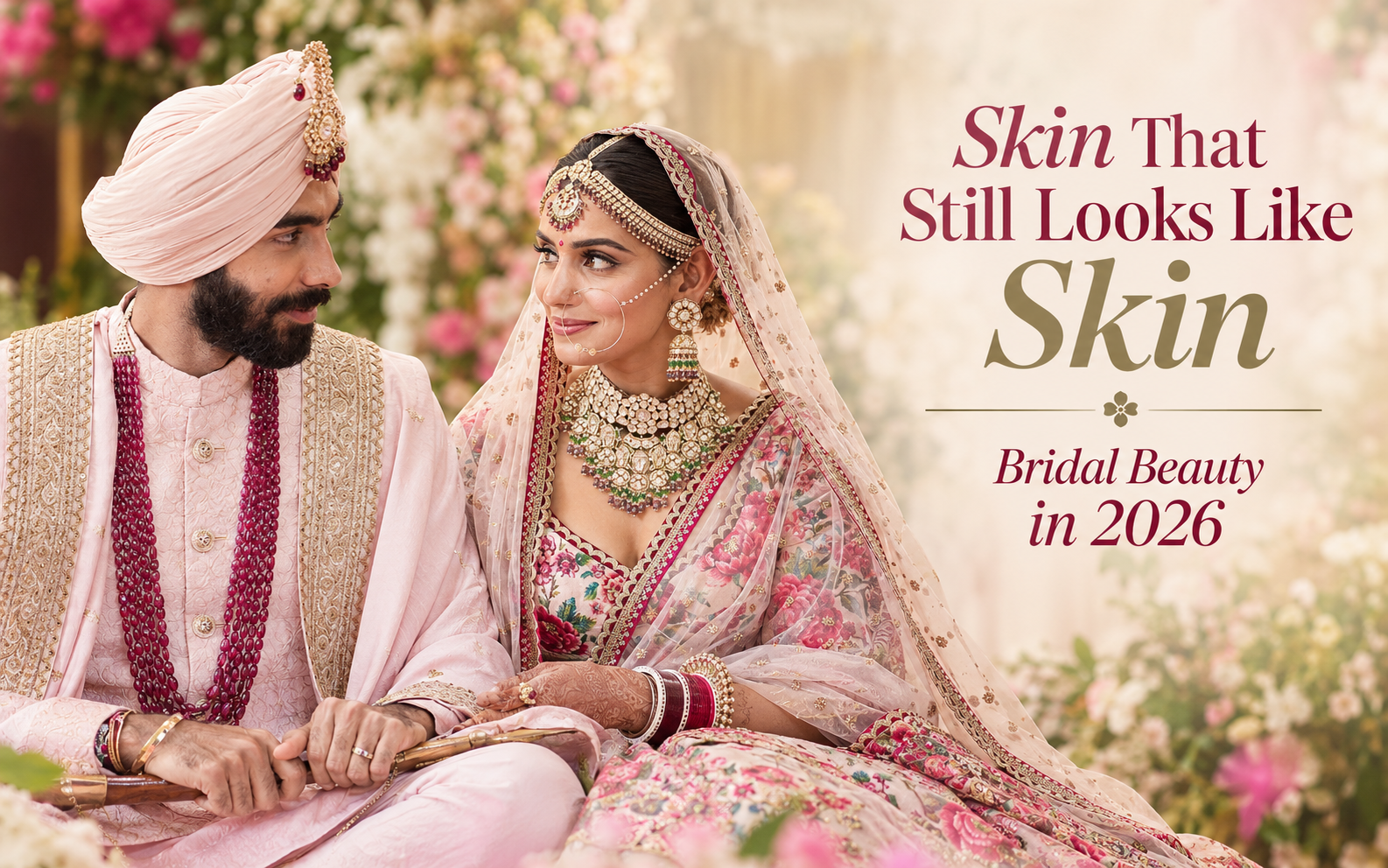
Skin That Still Looks Like Skin: Bridal Beauty in 2026

Celebrity makeup artist Bianca Louzado has spent over two decades in Indian beauty, from her start at India Couture Week working on Manish Malhotra to becoming one of the country’s most trusted names in luxury bridal makeup, with a portfolio that includes Jasprit Bumrah and Sanjana Ganesan, Randeep Hooda and Lin Laishram, and Radhika Ambani’s pre-wedding event. She breaks down why real bridal beauty starts weeks before the wedding, not the morning of, and why 2026 brides are choosing skin that still looks like skin over heavy, “done-up” makeup. What skin prep should brides start ahead of the wedding?Skin prep is about healthy, balanced skin, not last-minute transformation. Start a consistent routine 6–8 weeks out: gentle cleanser, moisturiser, daily SPF, and any new actives introduced early enough to see how skin responds. No experimenting in wedding week. In the final week, simplify: hydration, sleep, water, and skip aggressive treatments or picking at breakouts. Well-prepped skin means less product and a complexion that looks like skin, not a mask. What’s the biggest mistake brides make choosing their look?Picking a look because it worked on someone else, rather than one that suits their own features, outfit and personality. Chasing every trend at once is another; bridal makeup needs to photograph beautifully today and still feel elegant years later. References are useful, but they’re a starting point, not a blueprint. And don’t wait until the wedding morning to find your look; the trial is where that conversation happens. How has airbrush vs. traditional makeup evolved for 2026?The debate itself is outdated! It’s about what the skin needs. Brides want longevity without heaviness, especially for long Indian wedding days. Traditional techniques now allow thin, strategic layering with more control and natural dimension, and unlike airbrush, they can be touched up rather than redone entirely.

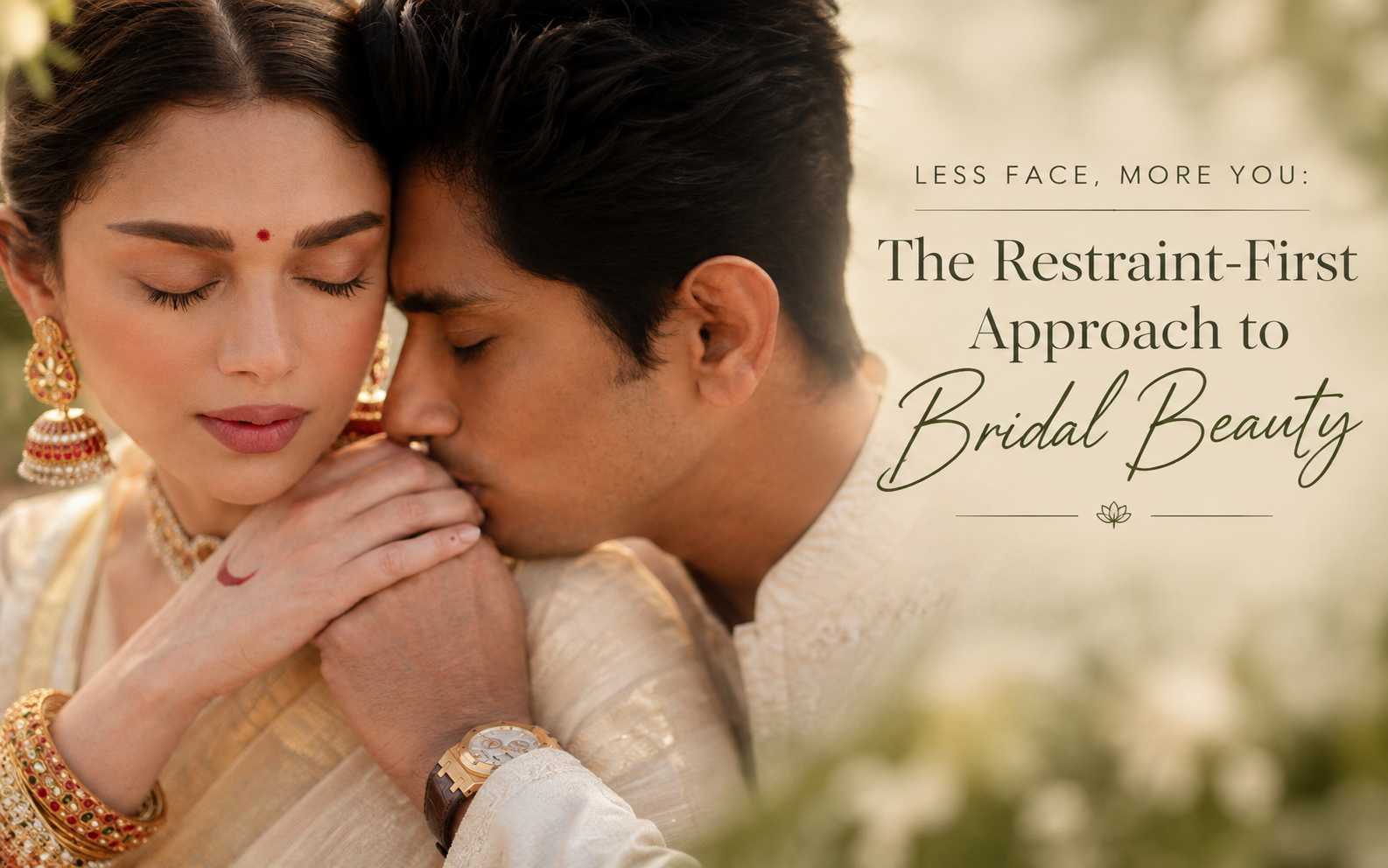
Less Face, More You: The Restraint-First Approach to Bridal Beauty

Mumbai-based makeup and hair artist Elton J Fernandez has spent nearly 25 years across fashion, advertising, celebrity, bridal and film work, from a nine-year run as Maybelline India’s spokesperson to backstage seasons at New York Fashion Week and India Fashion Week. Here, he makes the case for a very different kind of bridal beauty in 2026: less about a prescribed “bridal face” and more about restraint, identity and letting the woman herself remain present in the frame. What bridal makeup trends are defining 2026, versus 2025?The biggest shift is away from a prescribed bridal face. For years, trends travelled uniformly: the same brow, the same contour, accelerated by social media. Now brides want to recognise themselves in their photographs. That means skin that still behaves like skin, colour that responds to the person rather than the trend, and enough restraint to let the woman remain present. 2025 was about the look; 2026 is about the person wearing it. Has grooming for grooms become mainstream?Yes, but the bigger shift is that men are less afraid of being seen to care. Grooming today often means correcting fatigue or balancing skin rather than looking visibly “made up”; the best work is often invisible. The principle stays the same as with brides: understand who’s in front of you before deciding how much intervention is actually needed. How do you approach daytime ceremonies versus evening receptions?Daylight doesn’t automatically mean less makeup, and evening doesn’t mean more; context matters more than the clock. Light, climate, photography, jewellery and ceremony all shape the decision. Indian bridal beauty already carries so much visual information: textiles, jewellery, ritual- that makeup doesn’t need to compete for attention. Sometimes the most sophisticated choice is knowing what to leave alone. After 25 years, what’s changed most in how you see a face?Early

You May Also Like