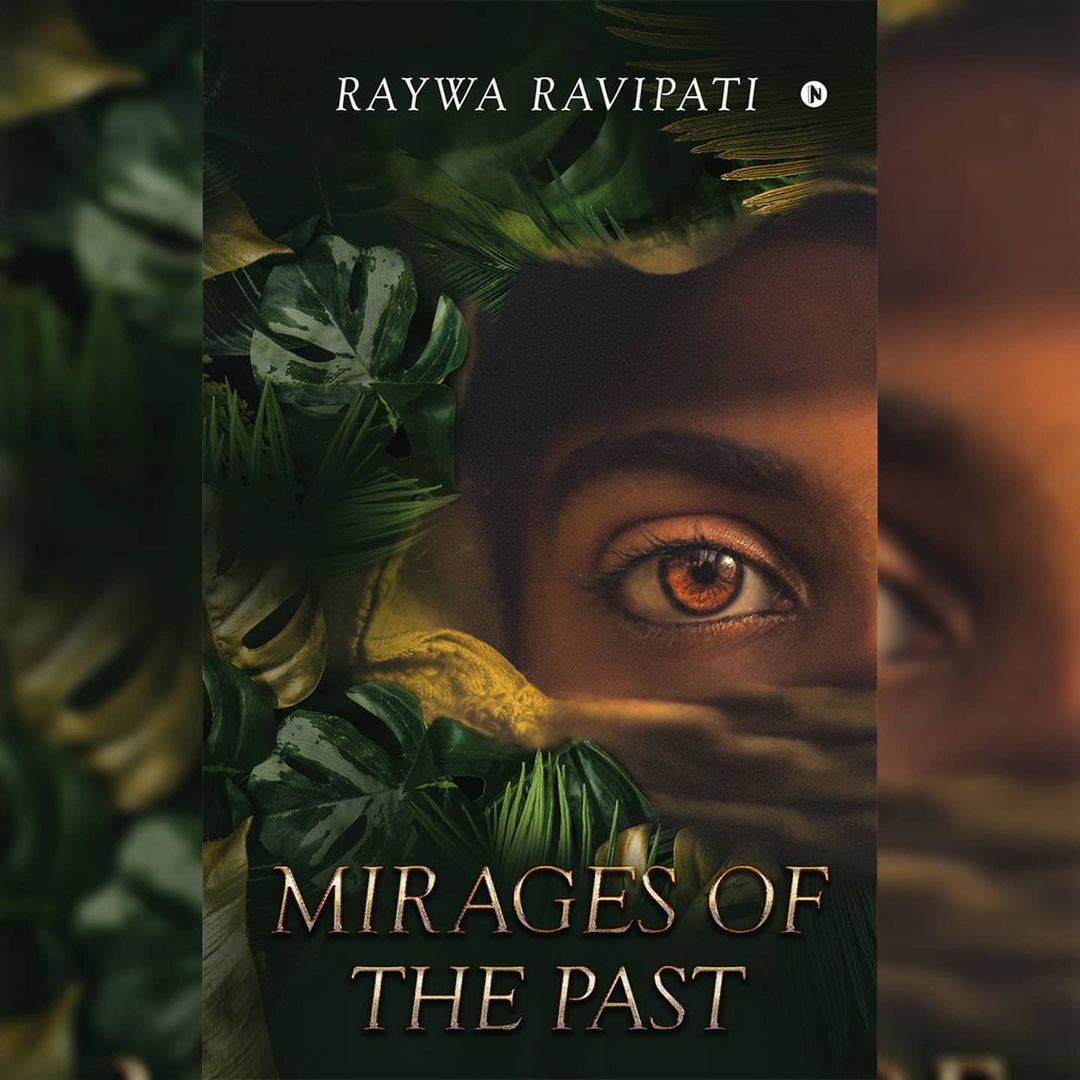
An Interview with poet Raywa Ravipati

Raywa Ravipati, author of the anthology of poems, Mirages of the Past, speaks with Mallik Thatipalli about her debut book and her inspiration for her work which deal with the themes of Life, Self-Reflection and Love and Friendship.

How did Mirages of the Past come about?

I have written these poems over five years but was able to take the step to submit them for publishing a poetry book during the lockdown time. 

What prompted you to write about poetry? Were you always interested in it?

Yes, I have been writing poetry since I was a child. Fortunately, it evolved from childhood poems of dragons and crayons to life experiences and emotions with age. Poetry is my way of expression and will always be. It is the form of writing for me when something, bad or good, is too hard for me to say 

What is the inspiration for your poems? 

My inspiration comes from everything around. From things to people. Nothing in specific. My environment by itself.

What are the challenges faced by you in writing the book and how did you overcome them?

The editing part was quite challenging as we need to keep the essence and pattern of the poem even while making changes. Another main challenge was accepting that people would be reading it because I’m an extremely private person.

What are you currently working on?

Currently, I’m writing poetry as my life moves forward about new experiences. But it’ll be quite some time before the second book is considered.

Leave a comment

Your email address will not be published. Required fields are marked *

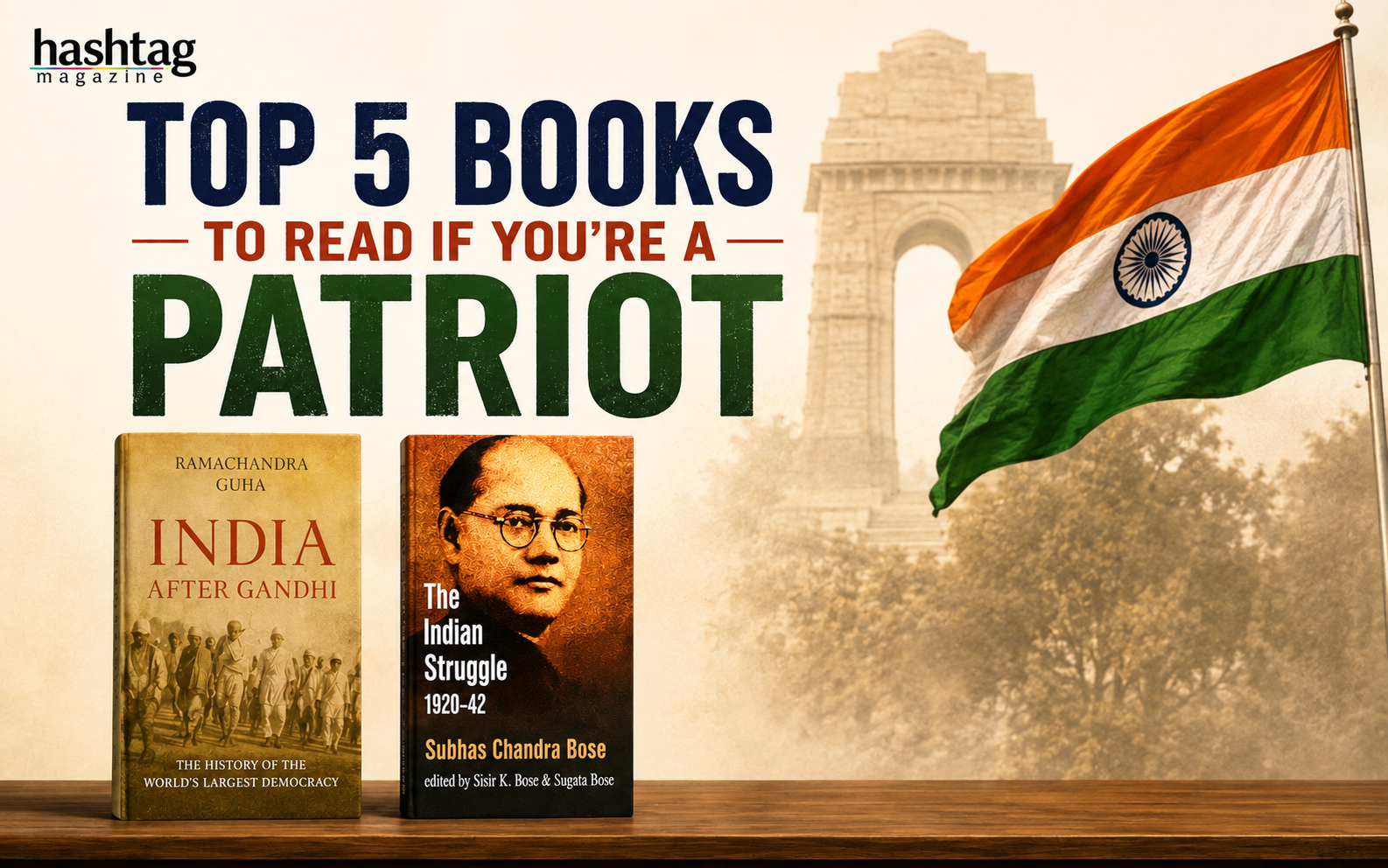
Top 5 Books to Read If You’re a Patriot

As India celebrates the spirit of freedom this August, there’s no better time to revisit the stories, sacrifices and ideas that shaped the nation. Whether you’re a history enthusiast, an avid reader, or simply looking to reconnect with India’s remarkable journey, these books deserve a spot on your reading list. 1. India’s Struggle for Independence by Bipan Chandra One of the most authoritative books on India’s freedom movement, this landmark work traces the country’s fight against British colonial rule from the Revolt of 1857 to Independence in 1947. Rich in historical detail, it highlights the contributions of leaders, revolutionaries, peasants, workers and ordinary citizens, making it an essential read for anyone seeking to understand the sacrifices behind India’s freedom. 2. India After Gandhi by Ramachandra Guha While many books end at Independence, this modern classic begins there. Guha explores the enormous challenges India faced after 1947, from Partition and integration of princely states to democracy, economic reforms and social change. It is a compelling account of how India evolved into the world’s largest democracy despite immense odds. 3. The Indian Struggle (1920–1942) by Subhas Chandra Bose Written by one of India’s most iconic freedom fighters, this book presents Bose’s firsthand account of the nationalist movement. It offers unique insights into the political developments of the era, the ideological differences among leaders, and Bose’s vision for achieving complete independence 4. The Battle of Rezang La by Kulpreet Yadav This gripping military history recounts one of the bravest chapters in the 1962 India-China War. It tells the extraordinary story of the soldiers of 13 Kumaon Regiment, who fought against overwhelming odds in Ladakh. Their courage, sacrifice and unwavering commitment to the nation make this an inspiring read for every Indian. 5. Train to Pakistan by Khushwant Singh Set during the Partition of

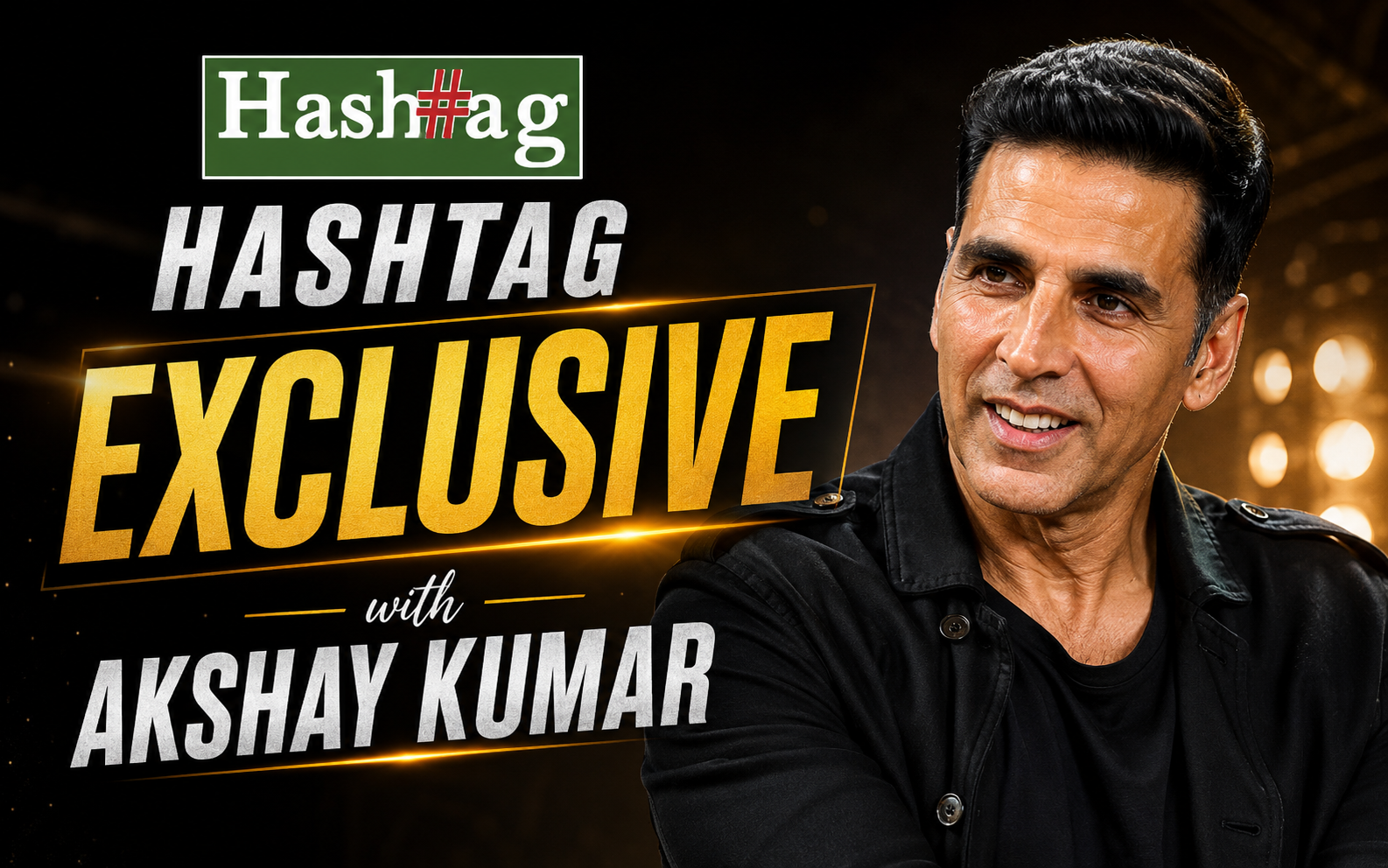
Akshay Kumar: “The Craft Has Changed, But Hard Work Never Goes Out of Style”

With a career spanning over three decades, Akshay Kumar continues to reinvent himself across genres, from action and comedy to social dramas and entertainers. As he looks ahead to his upcoming projects, including the action-thriller Haiwaan and a lineup of comedy entertainers, the actor reflects on his journey, his approach to cinema, discipline, and why staying connected to the craft remains his biggest priority. In conversation with Lipika Varma, Akshay opens up about his evolving approach to cinema, the importance of teamwork, and the values that guide him both on and off screen. You have played action heroes, comedians, romantic leads, and intense characters. What kind of roles excite you the most today? I enjoy all kinds of roles. When I entered the industry, people mostly saw me as an action hero. After that, I consciously chose to explore different genres and keep discovering myself as an actor. I have done comedy, romance, social dramas, and action films. Every genre brings a different challenge, and that is what keeps the journey interesting. Comedy has been one of your strongest genres. What makes it so special for you? Comedy is definitely one of the hardest genres. Making someone emotional can sometimes be supported by the situation or background music, but making someone genuinely laugh requires precision, timing, and a lot of hard work. Comedy often looks effortless on screen, but there is a lot of discipline behind creating that moment. That challenge is what makes it exciting for me. You have been part of several ensemble films. What is your view on multi-starrers? Everyone has their own approach. Some actors prefer solo films, while others enjoy working in ensemble projects. There is no fixed formula for success. A film works because of its content, storytelling, and execution, not simply because of

Exclusive Bollywood Interview: Varun Dhawan, Mrunal Thakur & Pooja Hegde

Varun Dhawan, Mrunal Thakur and Pooja Hegde step into a world of love triangles, high-voltage comedy and classic Bollywood chaos, where every scene is designed to make audiences laugh out loud. Behind the madness of Hai Jawani Toh Ishq Hona Hai lies a fast-paced entertainer shaped by humour, music and family drama in true David Dhawan style. Hashtag Magazine brings you a glimpse into the energy, spontaneity and comic rhythm that powers the film. Varun Dhawan Q: How is this film different from your earlier David Dhawan comedies? Every film has its own madness. This one has double the confusion and double the fun. In a David Dhawan film, you have to stay alert all the time because he can suddenly change a scene, a reaction or even the way you say a dialogue. As an actor, you are always on your toes. You have to fully surrender to the comedy and conviction of the character. Q: Did you feel pressure working with your father again?Working with him is never easy because he pushes me the most. He won’t go easy on me just because I’m his son. In fact, he becomes stricter. There’s pressure, because I know the audience has expectations from a David Dhawan comedy and from our combination as well. He’s very clear on set. If something is wrong, he says it immediately. There’s no sugarcoating. Q: What was the toughest part of the film?Comedy timing is the toughest thing. People think comedy is easy because everyone is laughing, but it’s actually very technical. One second early or late, and the joke dies. Maintaining energy through chaotic scenes while keeping the rhythm correct was the hardest part. David Sir’s comedy looks effortless on screen, but while shooting, it’s extremely demanding physically and mentally. Q: Salman Khan joked

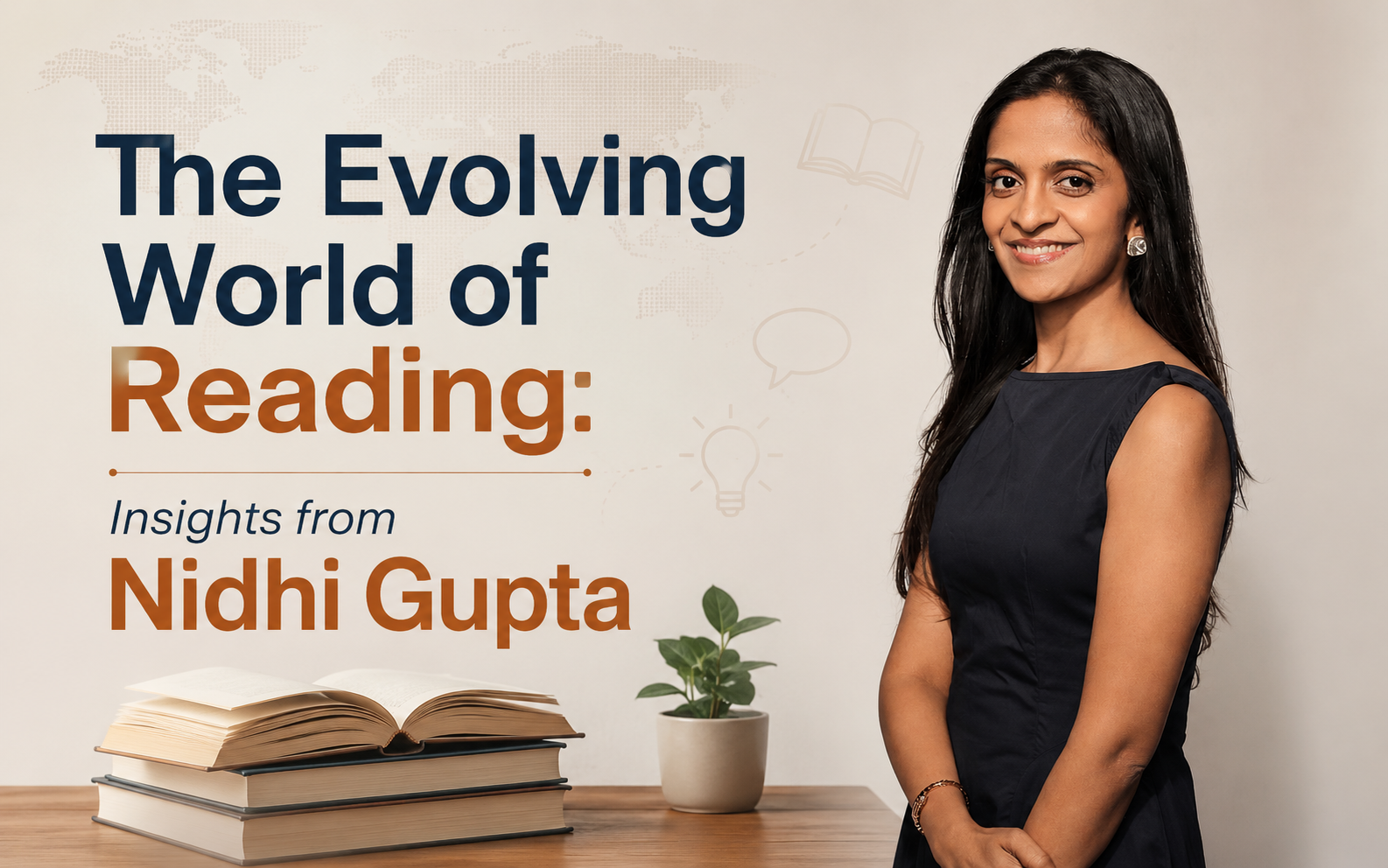
Turning Pages, Building Communities: Nidhi Gupta on the Evolving World of Reading

In a time when attention spans are shrinking and digital content dominates, the enduring power of books continues to find new ways to resonate. At the helm of Crossword Bookstores, Nidhi Gupta has spent over 15 years shaping not just a retail brand, but a thriving reading culture. In this conversation, she reflects on her personal relationship with books, the shifting habits of modern readers, and why bookstores today are as much about community as they are about commerce. You’ve spent over 15 years shaping Crossword’s journey. What role have books played in your own life, and which titles or authors have deeply influenced you personally and professionally? I’ve always shared a deep connection with books. They hold many roles in our lives, serving as companions, guiding us as teachers, and opening windows to perspectives we might never otherwise experience. Growing up, reading helped shape my curiosity and empathy, and over the years, it’s become integral to how I think and make decisions. I’ve been deeply influenced by authors who combine storytelling with insight, whether it’s literary fiction that explores human complexity or business writing that sharpens perspective. Professionally, books have taught me the importance of staying adaptable and constantly learning, which is essential in an ever-evolving industry like ours. In an age of short-form digital content and shrinking attention spans, how do you see the culture of reading evolving, especially among younger audiences in India? While it’s true that attention spans are being challenged, I don’t believe the desire to read has diminished. Younger audiences today are discovering stories in new ways, whether through curated recommendations, social media, or genre-driven communities. What’s encouraging is that when the right book reaches the right reader, the engagement is still deeply immersive. We’re also seeing a shift toward more accessible formats, relatable

You May Also Like

Connect with us