Popular Libraries In India

Popular Libraries In India - Hashtag Magazine

In the era of smartphones and kindles, nothing can beat the nostalgia of reading a book in the library. Libraries are a second home to readers and there are many libraries out there that have thousands of books, manuscripts, and rare texts. Some of the libraries in India are known for their history, and amazing architecture. Here are some of the iconic libraries in India that you can visit.

  1. The National Library Of India, Kolkata

The National Library of India is the largest in the country by volume. The library was established in the year 1836. This is one of the busiest libraries in India, it is spread over 30 acres and it houses almost 24 lakh books along with 86,000 maps and 3,200 manuscripts. The library was opened to the public on February 1st, 1953. 

Timings: 9:30 AM-8 PM 

Membership fee: Rs 200 for the book security, Rs 300 for rare books.

  1. State Central Library, Hyderabad

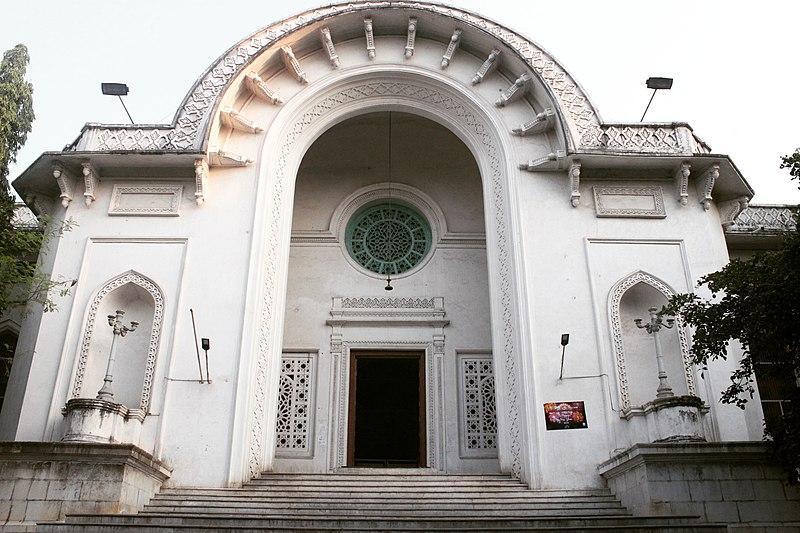
The State Central Library in Hyderabad began in 1891 due to the efforts of Moulvi Syed Hussain Bilgrami. The library is one of the most imposing structures in the city and it was granted heritage status in 1998. The library is located close to the Salarjung Museum and is spread across an area of 72,447 sq yards. In this library, there is a collection of 5 lakh books, 17,000 rare books, and valuable manuscripts.

Timings: 8 AM-8 PM. Membership fee: Rs 150/-

  1. Delhi Public Library, Delhi

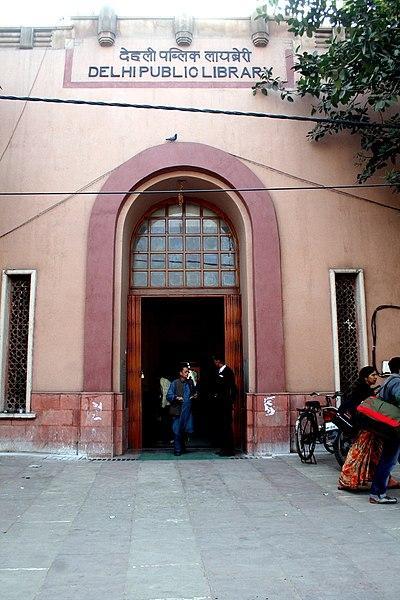
Delhi Public Library was started as a UNESCO project in 1951 by the Government of India. It is one of the most visited libraries in the country and it has a collection of 18 lakh books in various languages. There is also a separate section for Braille. The library has 37 branches across the state and it provides training facilities to both student librarians and social education workers.

Timings: 10 AM-5 PM. Membership fee: Rs 25/- to 100/- yearly.

  1. Asiatic Society, Mumbai

The iconic building of the Asiatic Society was established in 1804 and was designed by taking inspiration from Greek and Roman architecture. The library was started by Sir James Mackintosh and it has a huge collection of 15,000 rare books. The place is known for holding the original copy of Dante’s Divine Comedy. 

Timings: 10 AM- 6 PM. Membership fee: Rs 5,000/- yearly.

  1. Anna Centenary Library, Chennai

Anna Centenary Library named after the former chief minister of Tamil Nadu, C.N.Annadurai is one of the most popular libraries in the country. It was inaugurated on September 15th, 2010. The library was built with a budget of Rs 172 crores. It is an air-conditioned library with a total of eight floors. The library has a huge collection of 5 lakh books, and there is also a separate section for blind people. It also has a huge conference hall that can facilitate 150 members. 

Timings: 8 AM- 9 PM. Membership fee: Rs 100- 500/-

  1. Raza Library, Rampur

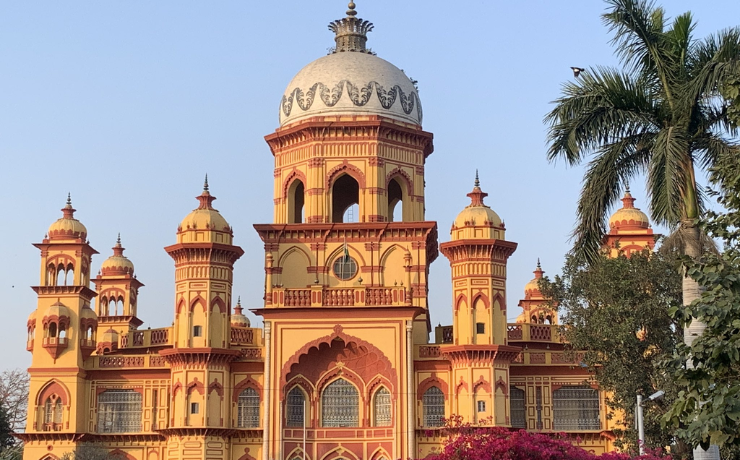
Raza Library is one of the biggest libraries in India. It is a government-protected property, and it is located inside a palace. Established by Nawab Faizullah Khan, it contains rare works of calligraphy, historical documents, and 30,000 books. Along with the books, there are 17,000 rare manuscripts, 5,000 paintings, and 205 hand-written palm-leaf manuscripts.

Timings: 10 AM- 5 PM 

  1. Trivandrum Public Library, Kerala

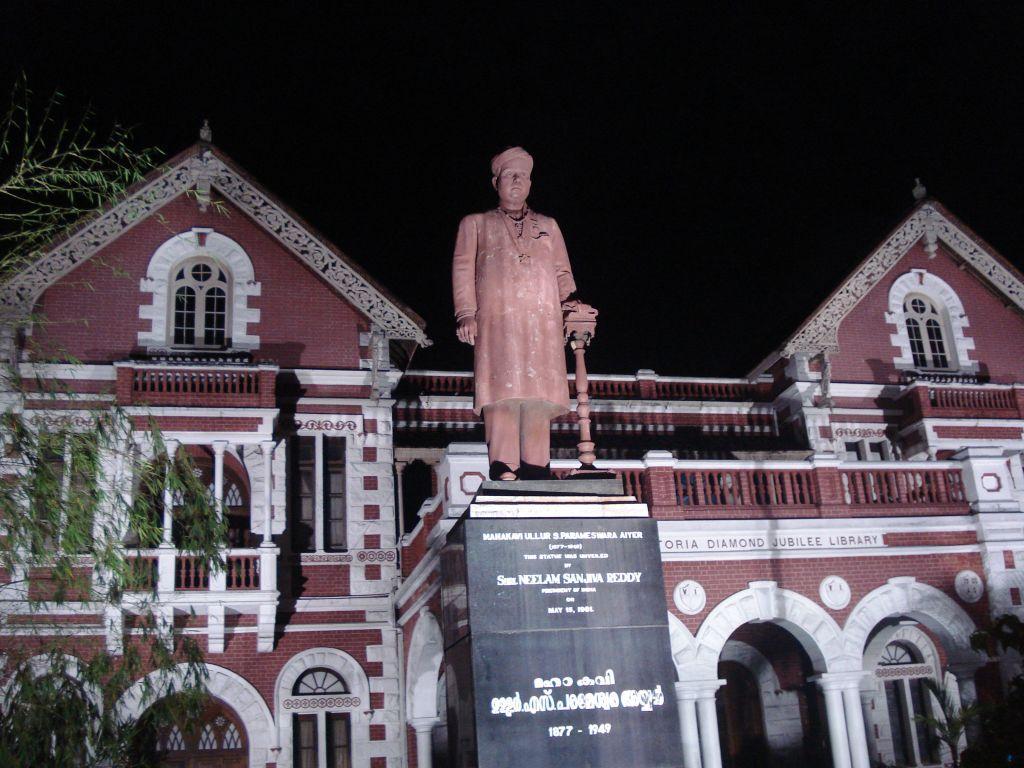
Trivandrum Public Library also called State central library is one of the oldest libraries in India. The library was established in the year 1829 during the reign of his highness Sree Swathi Thirunal Maharaja of Travancore. It has various collections of literature in different languages, with a separate library for children. The library has a digital collection in a searchable format in English and Malayalam. The library is also conducting a certificate course in Library and Information Services.

Timings: 8 AM- 7:45 PM. Membership fee: Rs 400-1,500/-

  1. Allahabad Public Library, Allahabad

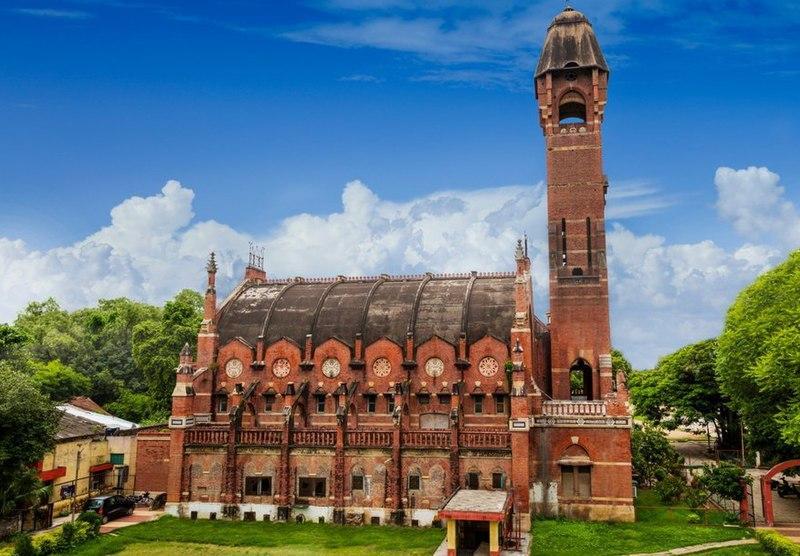
The public library is located in Alfred park, and it is one of the biggest libraries in Uttar Pradesh. The library was established in 1864 and it was designed in Scottish baronial architecture. It has a huge collection of 1,25,000 books, 40 types of magazines, and other manuscripts.

Timings: 10 AM- 6 PM. Membership fees: Rs 1,400- 5,000/yearly.

Conclusion: These are some of the most popular libraries in India. The other popular libraries in India are Krishnadas Sharma Central Library in Goa, Seshadri Memorial Library in Bengaluru, and Connemara Public Library in Chennai. You can visit these amazing libraries and pick up some amazing books and old manuscripts.

Leave a comment

Your email address will not be published. Required fields are marked *

Top 5 Books to Read If You’re a Patriot

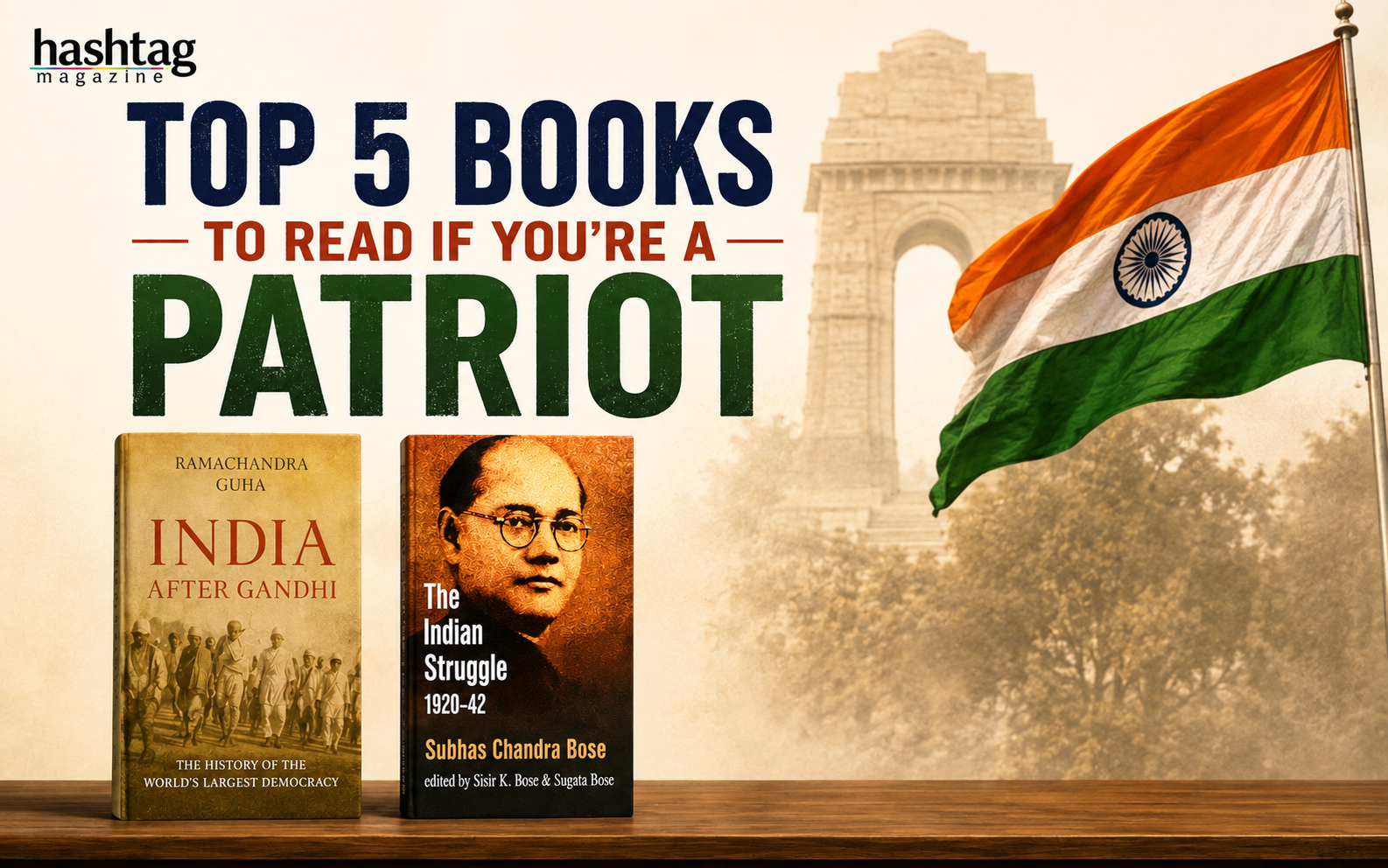
As India celebrates the spirit of freedom this August, there’s no better time to revisit the stories, sacrifices and ideas that shaped the nation. Whether you’re a history enthusiast, an avid reader, or simply looking to reconnect with India’s remarkable journey, these books deserve a spot on your reading list. 1. India’s Struggle for Independence by Bipan Chandra One of the most authoritative books on India’s freedom movement, this landmark work traces the country’s fight against British colonial rule from the Revolt of 1857 to Independence in 1947. Rich in historical detail, it highlights the contributions of leaders, revolutionaries, peasants, workers and ordinary citizens, making it an essential read for anyone seeking to understand the sacrifices behind India’s freedom. 2. India After Gandhi by Ramachandra Guha While many books end at Independence, this modern classic begins there. Guha explores the enormous challenges India faced after 1947, from Partition and integration of princely states to democracy, economic reforms and social change. It is a compelling account of how India evolved into the world’s largest democracy despite immense odds. 3. The Indian Struggle (1920–1942) by Subhas Chandra Bose Written by one of India’s most iconic freedom fighters, this book presents Bose’s firsthand account of the nationalist movement. It offers unique insights into the political developments of the era, the ideological differences among leaders, and Bose’s vision for achieving complete independence 4. The Battle of Rezang La by Kulpreet Yadav This gripping military history recounts one of the bravest chapters in the 1962 India-China War. It tells the extraordinary story of the soldiers of 13 Kumaon Regiment, who fought against overwhelming odds in Ladakh. Their courage, sacrifice and unwavering commitment to the nation make this an inspiring read for every Indian. 5. Train to Pakistan by Khushwant Singh Set during the Partition of

New on the Shelf: Fresh Reads to Pick Up Now

Intro: From introspective reflections on joy to gripping investigative journalism and atmospheric historical mysteries, this month’s bookshelf is as diverse as it is compelling. Whether you’re looking to pause and reflect, better understand your relationships, or lose yourself in a richly layered narrative, these new releases offer something for every kind of reader, thoughtful, engaging, and impossible to ignore. The Book of Joy Manoj V Jain The Book of Joy by Manoj V Jain is a thoughtful and visually engaging exploration of happiness, inner peace, and mindful living. Rather than following a conventional self-help format, the book unfolds through a series of reflective quotes, each page offering a pause for thought rather than prescriptive advice. Designed for today’s fast-paced world, it gently encourages readers to reconnect with themselves, shift perspective, and find clarity in everyday moments. The simplicity of its ideas makes it accessible, yet deeply resonant. What sets the book apart is its artistic dimension; each quote is interwoven with evocative artwork by Pradeep Mishra, creating a harmonious blend of words and visuals. Subtle yet impactful, The Book of Joy is not about telling you how to live, but inspiring you to reflect, reset, and rediscover joy in your own way. The Balancing Act Nedra Glover Tawwab From the bestselling author of Set Boundaries, Find Peace, The Balancing Act is a timely and insightful exploration of relationships, emotional boundaries, and self-awareness. The book centres on a simple yet powerful idea: every relationship requires balance. Too much dependence can make us lose ourselves, while too much independence can leave us isolated. Blending psychological insight with practical guidance, Tawwab breaks down concepts like codependency, attachment styles, and emotional needs in an accessible, relatable way. She offers tools to help readers recognise unhealthy patterns, communicate better, and build meaningful connections without compromising

Books Every Entrepreneur Should Read

Every successful entrepreneur shares one habit: they read constantly. Books allow founders to learn from decades of experience, failures, and breakthroughs in just a few hours. From Silicon Valley strategies to inspiring Indian startup stories, these titles have shaped how modern entrepreneurs think and build companies. Hashtag Magazines shortlists a few top recommendations. Global Bestsellers Every Founder Should Know The Lean Startup by Eric Ries This book introduces the famous “Build–Measure–Learn” cycle used by startups worldwide. Instead of building a perfect product first, entrepreneurs create a Minimum Viable Product (MVP), test it quickly, and improve based on feedback.How to read it: Treat it like a playbook, pause after each chapter and think about how to test your own idea. Zero to One by Peter Thiel & Blake Masters A powerful guide on building truly innovative businesses instead of copying existing ones. Thiel explains why successful startups create unique markets rather than competing in crowded ones.How to read it: Focus on the concepts about monopolies, innovation, and long-term thinking. The Hard Thing About Hard Things by Ben Horowitz Unlike typical motivational books, this one talks about the real struggles of running a company, including layoffs, crises, and tough leadership decisions.How to read it: Read it as a leadership manual for difficult situations in business. Rich Dad Poor Dad by Robert Kiyosaki A classic that changed how millions think about money. It explains why building assets and financial intelligence is essential for entrepreneurs.How to read it: Focus on the lessons about assets vs. liabilities and financial mindset. Inspiring Indian Bestseller Books for Entrepreneurs Stay Hungry Stay Foolish by Rashmi Bansal One of India’s most influential entrepreneurship books, telling the stories of 25 graduates from IIM Ahmedabad who left high-paying jobs to start businesses. The book sold hundreds of thousands of copies and

How Anoushka Jain is Redefining History for Young India

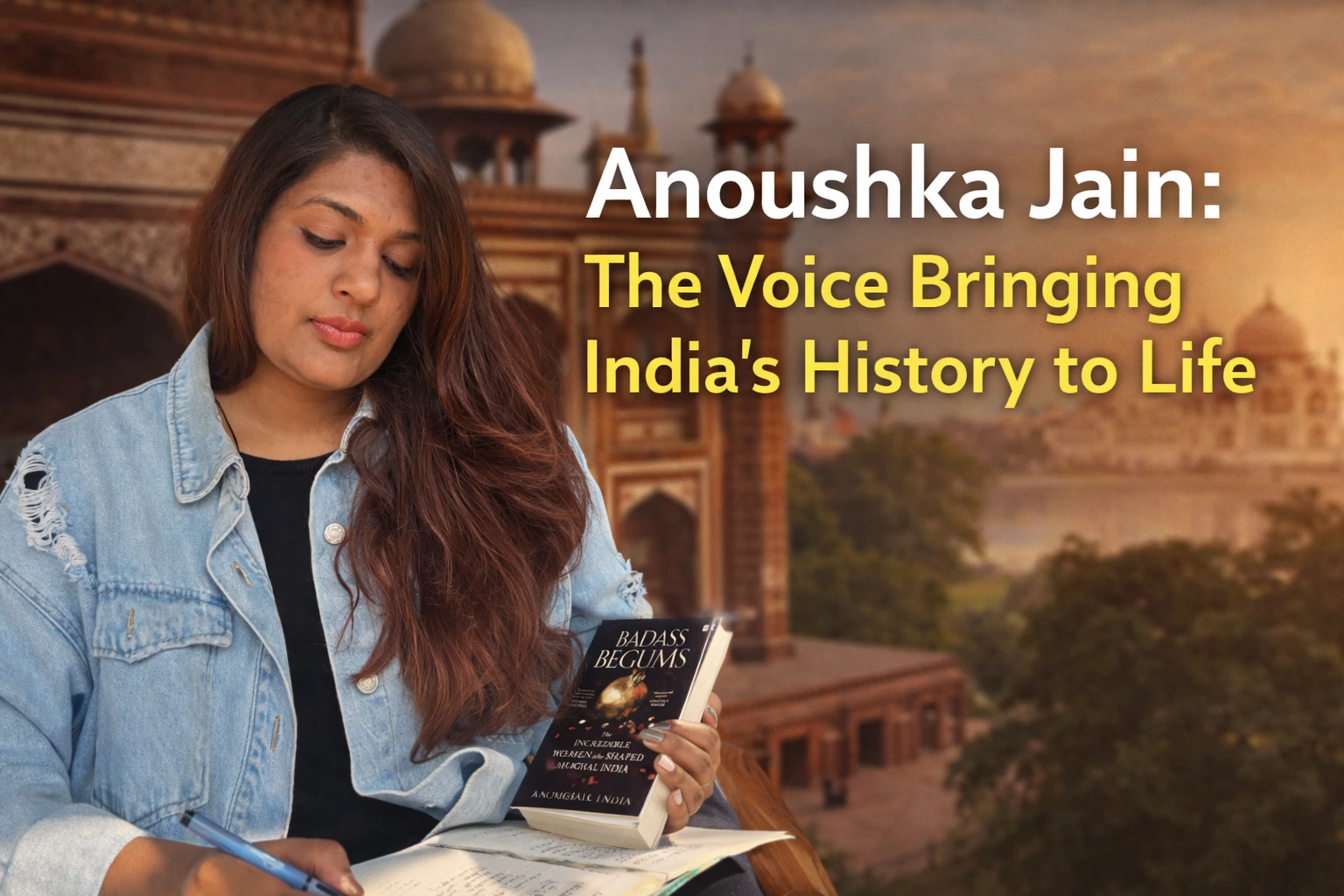
Anoushka Jain does not treat history as a static archive. For her, it is memory, identity, and inheritance. A trained historian, author, and founder based in Delhi, she grew up in a home where conversations revolved around politics, culture, and lived experience. Stories were currency. Yet she noticed a pattern early on: women’s narratives were often softened, sidelined, or erased. “I realised history wasn’t just a subject for me,” she reflects. “It was about whose stories survive.” An introvert by nature, Anoushka listens more than she speaks, a quality that has shaped both her writing and her leadership. Restoring Women to the Frame Anoushka is the author of Badass Begums, published by HarperCollins, and the founder of Enroute Indian History, a heritage initiative she launched in 2019. The idea stemmed from frustration. “History was being reduced to dates and dynasties,” she says. “I wanted it to feel alive.” Through her book and curated heritage walks, she works to restore visibility to women historically romanticised, villainised, or forgotten altogether. “If women are erased from history, they are erased from imagination.” History, Felt Before Analysed What sets her apart is her narrative lens. “I tell history like it is lived, not like it is memorised,” she explains. Her work explores emotional landscapes, power, gender, rebellion, love, and resistance, rather than mere chronology. Her leadership style mirrors this intimacy. She invites questions, encourages disagreement, and prioritises community over hierarchy. The goal is dialogue, not distance. Building Quietly, Persistently Enroute began without spectacle, early morning walks, solo logistics, research, finances, and self-doubt. “I chose this path because I couldn’t choose it,” she says. The breakthrough came when audiences returned not just for information, but for perspective. The publication of Badass Begums marked another milestone, proof that these layered stories belonged beyond city streets. Her

You May Also Like

Connect with us