Must try Punjabi Food!

Punjab, the land of rivers, is that place of the country, which is known for piquant and scrumptious food other than vast agricultural lands and the scorching heat of the sun!

The state’s cuisine customs are modest, primitive, and intriguing in their own right. Punjabi cuisine is recognised for its own luscious, creamy flavours, as well as a wide variety of vegetarian and meaty meals. One of its distinguishing aspects is the wide variety of foods available. Butter and ghee are used in significant quantities in restaurant-style recipes. Mahati Salike talks about the dishes you should never miss out!

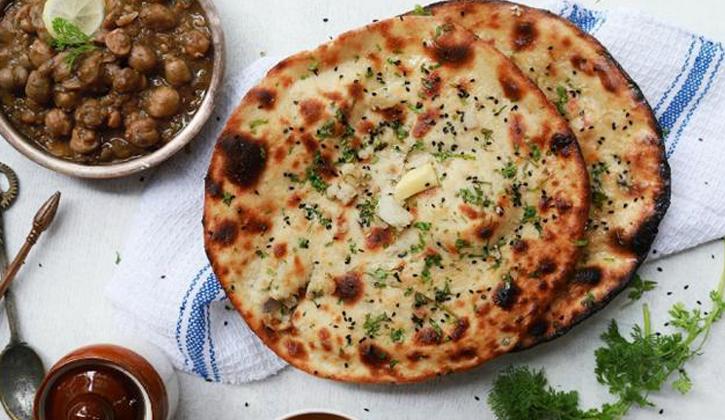
  • Amritsari Kulcha

This is the prominent dish of the Punjabi cuisine clan. Amritsari Kulcha might be defined as a special version of the renowned naan. The delicacy is well-known for its spice flavour and crunchy consistency, and it comes in a variety of variations such as Masala Kulcha, Paneer Kulcha, Aloo Kulcha, etc. It’s usually served with chhole and a drink of lassi.
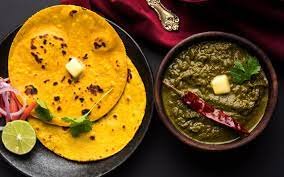
  • Sarson ka Saag and Makai Ki Roti

Sarso ka Saag with Makki di Roti is a significant indication of food consumed regularly in Punjabi families, especially during the colder months. It’s a filling dinner that’s usually eaten with light butter or ghee and jaggery. A classic vegan meal from the Indian subcontinent’s northern tip Sarson typically, the mustard greens and seasonings like minced garlic and tiny pieces of ginger are used to make it. This helps the body maintain all of the necessary nutrients it demands throughout the wintertime.
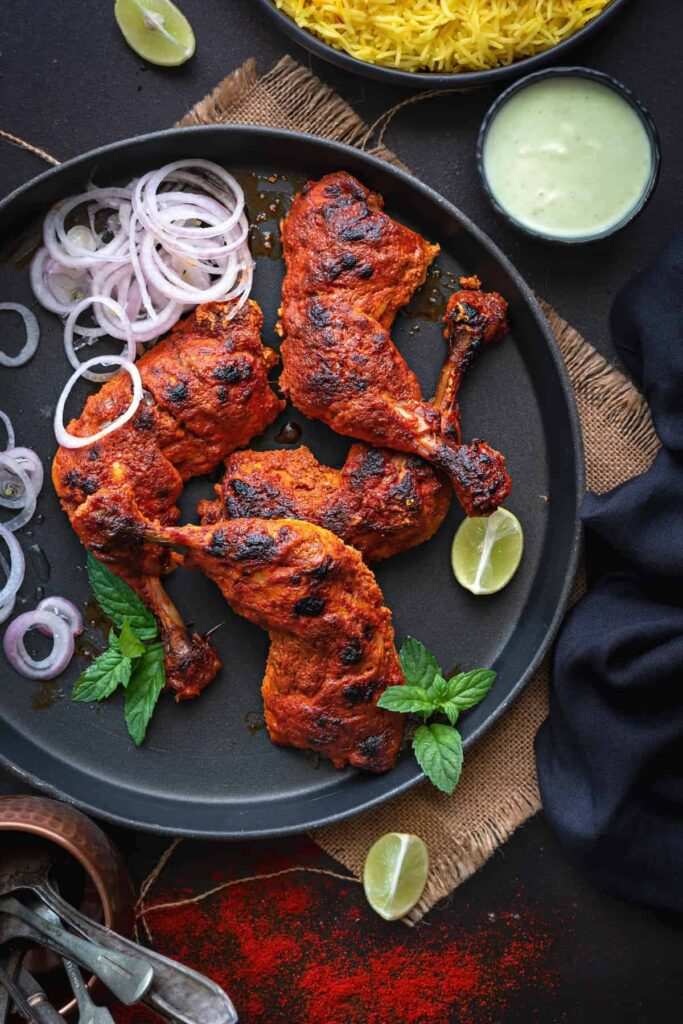
  • Tandoori Chicken

Tandoori Chicken, which comprises medium-sized chunks of chicken soaked in yoghurt and spiced using Punjabi spices as well as other seasonings, is a must-try for all meat lovers. The bird is roasted in a grill pan by skewering it. Amritsar features several of the greatest places to taste Tandoori Chicken.
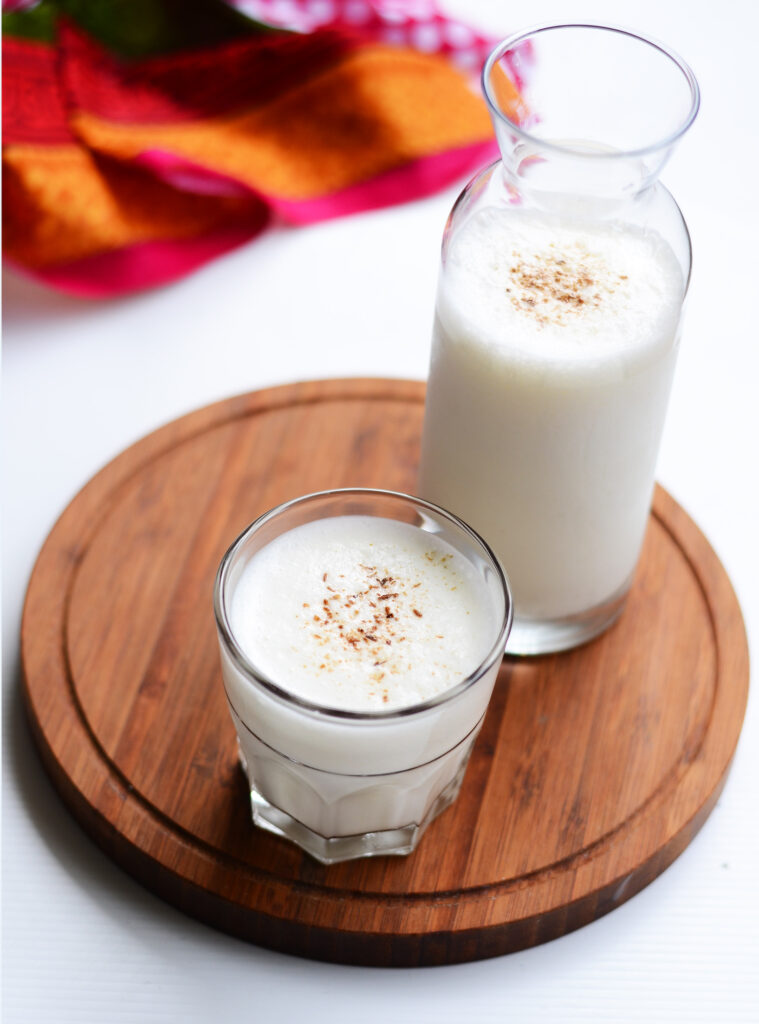
  • Lassi

Lassi is a famous traditional delicacy, which is a dahi (yoghurt)-a based beverage that originates within the Punjab area. Lassi is a yoghurt-based drink mixed with water, flavours, and often fruits. salty lassi is comparable to doogh, whilst sweeter and fruit lassis are comparable to smoothies. Lassi can indeed be laced with bhang, a kind of cannabis. Lassi is arguably the most popular beverage in Punjab and several other regions of Northern India, and it may appeal to everybody’s sense of taste.
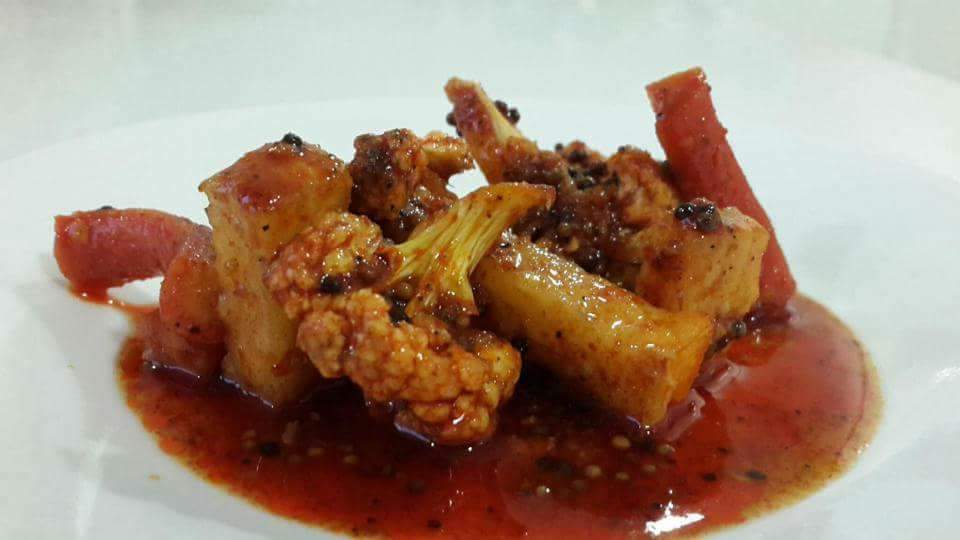
  • Gobi gajar shalgam achar

Gobi gajar shalgam achar is an iconic Punjabi relish prepared of cauliflower, turnips, and carrots. The pickle has a tart, tangy, and chilli flavour. It is often cooked in the winters and served with buttered Punjabi cuisine. This Punjabi gobi gajar shalgam achar complements chapatis and parathas wonderfully. This can also be served alongside a dal-chawal or roti-sabzi combination.
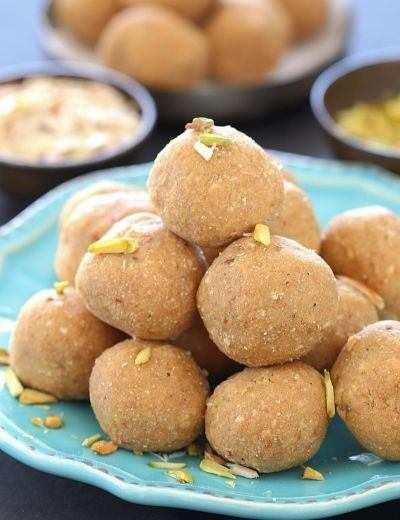
  • Pinni

Pinni is a sort of Punjabi food that is often consumed in the winter. It’s a treat prepared with desi ghee, wheat powder, jaggery, and walnuts. Raisins could also be substituted. A pinni variant includes urad dal pinni. Pinni is indeed a generic name for round-shaped treats or confectionery. Mostly pinnis incorporate khoya for extra taste. Pinni, also known as Pindi in Northern India as well as the Punjabi area, is a traditional sweet dessert. Pinnis are topped with chopped cardamom and usually served with chai or lukewarm milk.

Now that you are aware of all the must try’s, don’t miss out on these scrumptious delicacies!
Leave a comment

Your email address will not be published. Required fields are marked *

Men’s Hormonal Health: Dr Vikrant Singh Thakur on Nutrition, Sleep and Stress

Dr Vikrant Singh Thakur is a neurologist based in Karimnagar, Telangana, affiliated with Time Neuro Care Hospital and Orchid Hospitals. His work focuses on catching lifestyle-related health problems before they turn serious, especially in men who tend to deprioritise their own health. Here’s his take on nutrition, fad diets and the hormonal fallout of poor sleep and stress. The Convenience Food ProblemOne of the biggest nutritional challenges men face today is the increasing dependence on convenience foods, processed meals, sugary beverages, and diets that are high in calories but low in essential nutrients. Many men consume excess refined carbohydrates, unhealthy fats and added sugars while neglecting adequate protein, dietary fibre, fruits, vegetables and essential micronutrients. What that Imbalance actually causesThis imbalance can contribute to weight gain, abdominal obesity, insulin resistance, type-2 diabetes, high cholesterol, fatty liver disease and cardiovascular problems. Irregular eating makes it harder still; skipping meals, eating late at night, frequent restaurant meals and overeating after long working hours can make weight management difficult. Excessive alcohol consumption further affects liver health, nutritional status and metabolic function. The Deficiencies Nobody Talks AboutMicronutrient deficiencies are also worth considering. Inadequate intake of iron, vitamin B12, vitamin D, folate and other essential nutrients may contribute to fatigue, weakness or other health problems, depending on the specific deficiency, and these often go unrecognised for a long time because the symptoms are vague and easy to attribute to simply being busy or tired. What a Balanced Plate Actually Looks LikeThe advice is to focus on balanced, sustainable eating rather than restrictive diets. A healthy plate should generally include vegetables, whole grains, appropriate portions of protein, fruit and healthy fats. Pulses, eggs, dairy products, nuts, fish and lean meats can all be part of a balanced diet, depending on individual preferences and health requirements. The

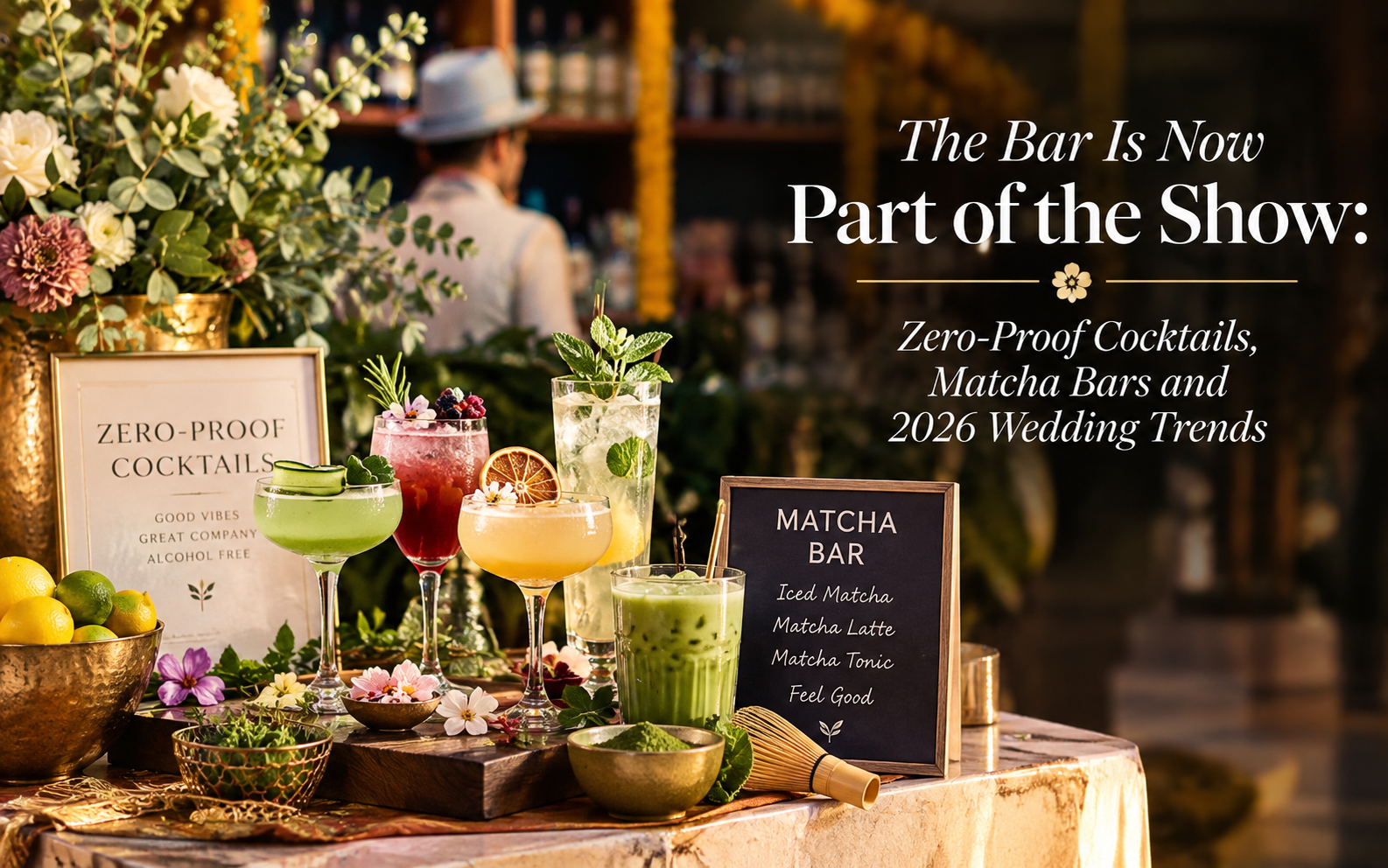
The Bar Is Now Part of the Show: Zero-Proof Cocktails, Matcha Bars and 2026 Wedding Trends

Founded in Bangkok in 2010 by a group of hotel bartenders, FLAIRMIX Thailand began with a single Indian wedding and has grown into a bar and beverage service company working across Thailand, India, Indonesia, Oman, Bahrain and Qatar. Their belief is that a bar is more than a place to pick up a drink: it can shape the atmosphere, the entertainment and the guest experience. Here is what they see changing behind the bar in 2026. Wellness Drinks and Zero-Proof CocktailsThe clearest change from 2025 is in what guests are asking for. Last year still centred on customised cocktails, classics with a twist and drinks with a fancy, luxurious presentation. In 2026, weddings are going beyond the traditional cocktail and mocktail, with hydration bars, electrolyte drinks, kombucha and fully developed zero-proof cocktails joining the menu. What sets this trend apart is the standard. These drinks are no longer treated as a secondary option for guests who don’t drink. They are designed with the same attention to flavour, ingredients, glassware and presentation as alcoholic cocktails. The principle is simple: a guest who chooses not to drink alcohol should enjoy the same level of creativity and experience as everyone else, and a zero-proof menu should be developed to the same standard as the main one. For multi-day Indian weddings, where guests move through a welcome party, haldi, mehendi, sangeet, ceremony, reception and after-party, a bar that offers refreshing, well-crafted options at every stage is a real upgrade for the guest experience. The Rise of the Matcha BarThe second trend is more surprising: Japanese matcha has grown steadily in popularity over the past year, particularly among younger consumers in Asia and internationally, and FLAIRMIX’s clients are now asking for dedicated matcha bars as part of the wedding experience.It also opens up new creative

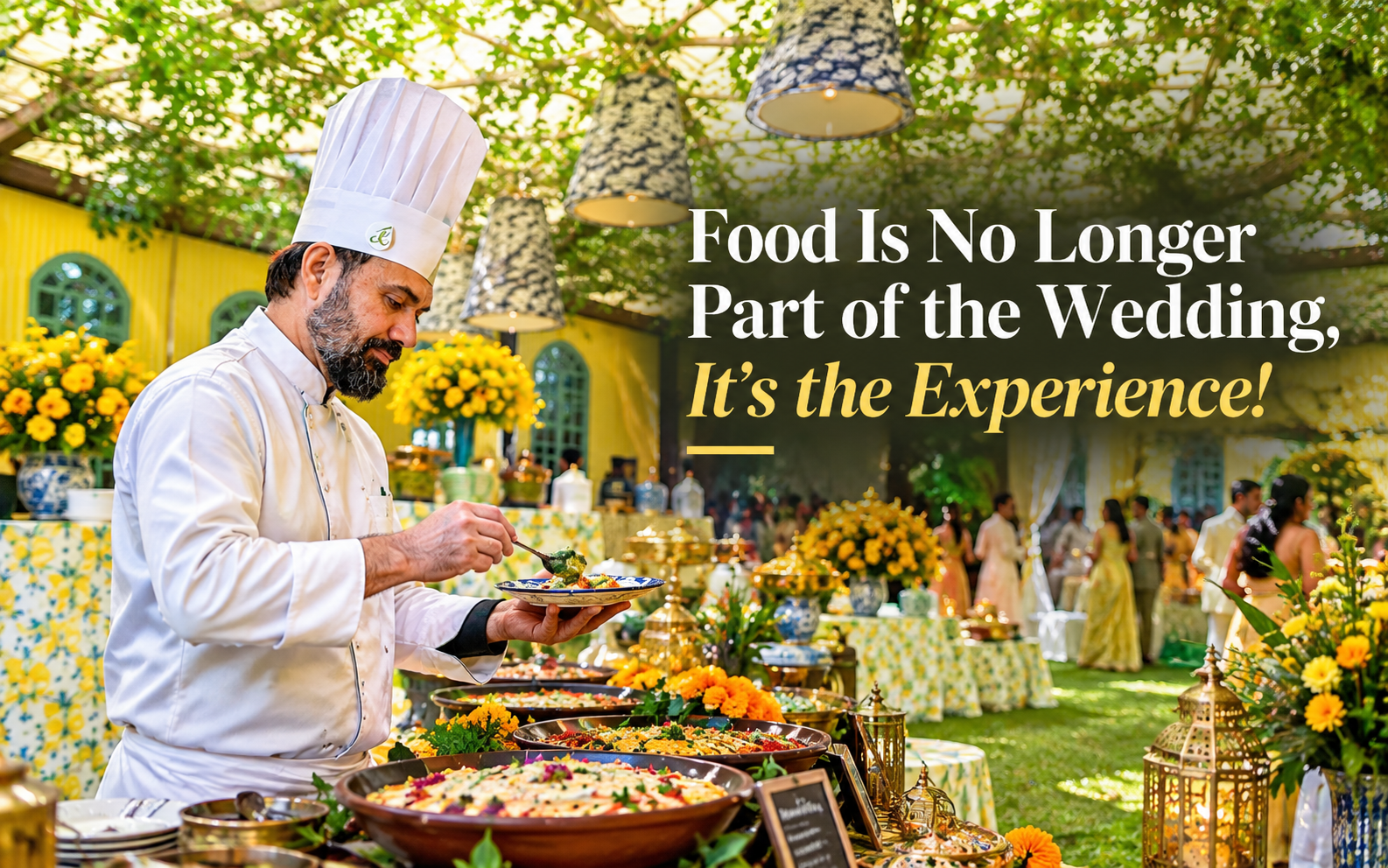
Food Is No Longer Part of the Wedding, It’s the Experience!

Sanjay Vazirani, Chairman & Managing Director of Foodlink Group, has curated menus for some of India’s most talked-about celebrations, including Deepika Padukone and Ranveer Singh’s Lake Como wedding, Allu Sirish’s celebrations and Arjun Tendulkar’s too. His view for 2026: couples no longer judge catering by the size of the spread, but by how well the food tells their story. Here’s what he sees defining the plate this wedding season. Food as the Defining ExperienceFood has moved from being an important part of a wedding to one of its defining experiences. Couples aren’t counting dishes anymore; they’re asking how the menu can tell their story and create moments guests remember. Hyper-PersonalisationMenus are being built from family traditions, regional heritage, travel memories and favourite cuisines, with growing interest in micro-regional and community-specific Indian cuisines presented with contemporary finesse. At Deepika and Ranveer’s Lake Como wedding, the menus drew on Sindhi and Kannada culinary traditions, brought to an Italian setting with an elevated presentation. Personalisation isn’t adding a few favourite dishes to a standard menu; it’s a culinary narrative that feels intrinsic to the couple. Experiential, Multi-Sensory DiningLive culinary theatres, interactive stations, artisanal grazing tables, regional food trails, bespoke beverage experiences and dessert ateliers are turning dining into entertainment. Aroma, presentation, live preparation and chef interaction are all part of the experience. Allu Sirish’s celebration showed this in action, with Mutton Brishta Dumplings in a bone-broth reduction, Smash Paratha Burgers and a Dal Makhani flambéed live with a Jack Daniel’s tadka. Nostalgia, ReimaginedThe best menus balance nostalgia and innovation. For Arjun Tendulkar, Foodlink curated a traditional Maharashtrian Pangat with aamras, puran poli, handmade modak and varan bhaat, alongside undhiyo and ghughra nodding to Anjali Tendulkar’s Gujarati roots. At a Maldives wedding, Mumbai Misal Pav and Dal Khichdi shared the table with Cannoli and

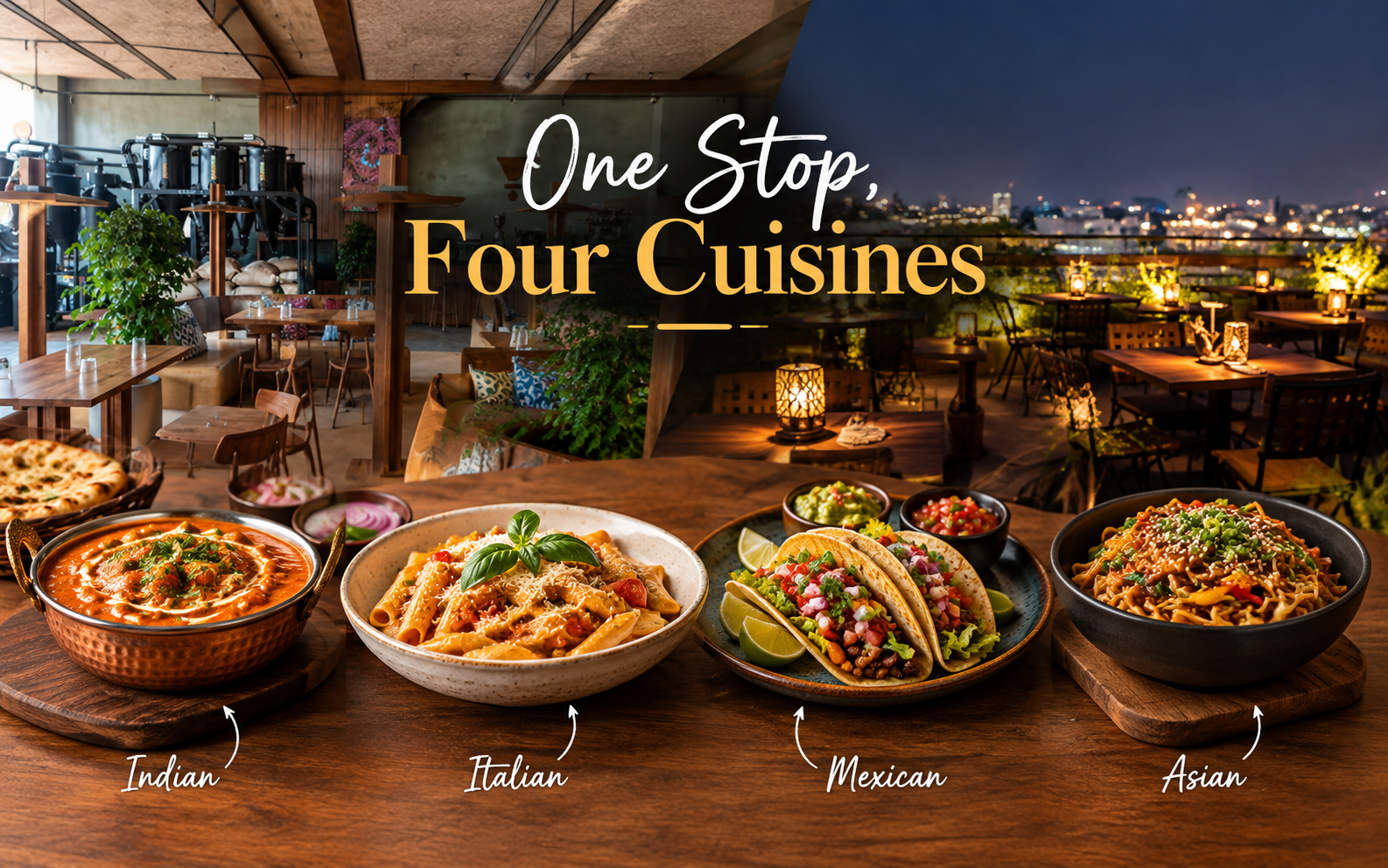
One Stop, Four Cuisines

A F&B revolution of sorts is quietly brewing in a building opposite Hyderabad’s landmark Durgam Cheruvu Cable Bridge, and the city of Nizams is approving wholeheartedly. Interestingly, the four F&B properties spawned by hospitality start-up Viksit Hospitality have distinct identities, ranging from regional cuisines showcased at Orlo (derived from our Indian hospitality anthem, Aur Lo Beta!), artisanal coffees from India at Naad, immersive nightlife experiences at Kadamba, to the latest addition of fine dining Japanese restaurant Izumi, in partnership with founder Nooresha Kably. Kadamba Cultural Compound A rooftop terrace bar, Kadamba has, arguably, the grandest ringside views of Durgam Cheruvu, with the night sights of an illuminated cable bridge and the city lights twinkling away on the distant horizon being a definite crowd-puller. The vibe is breezy (literally!) and informal, with the ambience highlights being the kadamba trees with pristine-white ‘chaupals’ (a la village panchayats) around them, where you can sit around and enjoy your drinks. The Japanese izakaya-styled bar promotes the concept of an easy, interactive experience with the team of mixologists. The cocktails are a rage, with colloquial names such as Rambha Ho, a rum-based offering with pineapple, lime juice and chilli pickle; a nod-to-Hyderabad-Kya Toh Bhi, a vodka drink; T-loop, which is tequila, mezcal, muskmelon cordial, caper foam, and Maska made with whisky, brown butter and lime cordial. The cuisine is Indian, including both comfort food and gourmet. Some of the iconic dishes here are the Chelo Kebabs platter; Compound walla Ceviche, which is steamed seabass topped with pani puri dressing, and 50-50, which is corn or bhutta in three different avatars. Orlo Orlo has, at its core, the idea of a Great Indian Dining table where everyone sits together for a relaxed meal, peppered with conversations and slow eating. The distinct aspect of dining at Orlo

You May Also Like