Indian cricket has always been a powerhouse of extraordinary talent, consistently producing legends who have left an indelible mark on both national and international stages. The era of Sunil Gavaskar laid the foundation for batting excellence, while Kapil Dev’s leadership brought India its first World Cup glory. Then came Sachin Tendulkar, whose unmatched brilliance inspired generations, followed by the calm resilience of MS Dhoni, who redefined captaincy, and the fiery passion of Virat Kohli, who has set new benchmarks in modern cricket. Together, these icons have cemented India’s status as a cricketing giant. At the core of this success is a steady pipeline of young talent, nurtured through grassroots programs, domestic leagues like the IPL, and a deep love for the game across the nation.
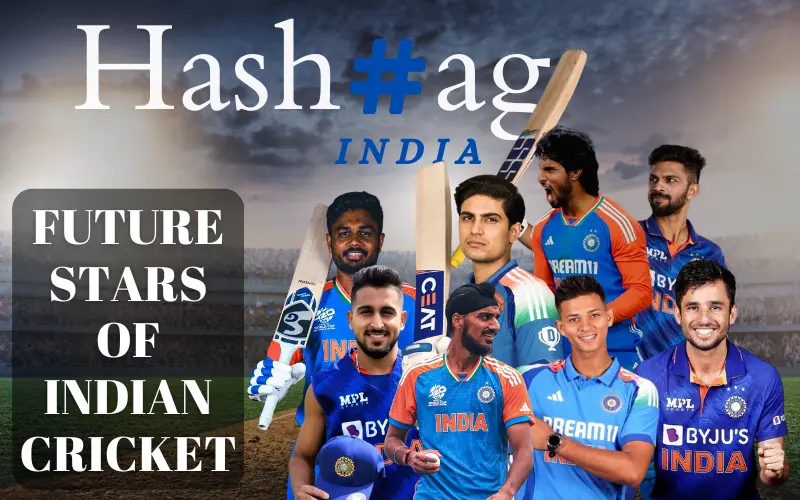
Today, anticipation surrounds the vibrant new generation of Indian cricketers. These young players, showing promise on domestic and international platforms, are poised to carry forward the legacy of excellence. Their fearless approach and adaptability to modern formats highlight their readiness to make an impact on cricket’s biggest stages. The growing interest extends to fans engaging with the sport in unique ways, such as exploring the top betting sites in India, where they follow the matches and support their favorite players by betting on them.
This article will spotlight the top 10 emerging talents from India, exploring their journeys, achievements, and potential to shape the future of Indian cricket. Let’s take a closer look at the stars of tomorrow.

Shubman Gill: Shubman Gill, hailed as the “prince of Indian cricket,” represents the future of India’s batting lineup. With a composed technique, Gill thrives as an opener, seamlessly transitioning between formats. By 2025, his ODI average exceeds 60, backed by seven centuries, including a stunning 208 against New Zealand. He was the Player of the Series during India’s ODI triumph over England, scoring 259 runs at an average of 86.33. Gill’s ability to anchor innings while maintaining a brisk strike rate ensures his indispensability. His performances at ICC tournaments affirm his trajectory toward becoming a global cricketing phenomenon.
Yashasvi Jaiswal: Yashasvi Jaiswal, a prodigious left-handed opener, is the epitome of grit and brilliance. Rising from humble beginnings, he became the youngest double-centurion in List-A cricket, showcasing a remarkable blend of patience and aggression. Jaiswal’s IPL exploits, including a 124-run knock in the 2024 campaign, highlight his ability to handle pressure on big stages. His domestic performances, such as topping the charts in the Ranji Trophy, earned him a spot in India’s Test squad, where he debuted with a century abroad. His consistency and flair make him a key contender to define India’s future batting dominance.
Tilak Varma: Tilak Varma’s meteoric rise from domestic cricket to the IPL spotlight reflects his versatility as a middle-order batter. A brilliant IPL season saw him amass over 400 runs with a strike rate surpassing 140, ensuring his selection for India’s T20 setup. Varma’s composure against diverse bowling attacks and ability to accelerate in crucial moments highlight his temperament. With consecutive match-winning knocks in the 2024 T20 World Cup, Varma solidified his role as a dependable finisher. His adaptability across formats and hunger for runs position him as a future lynchpin of India’s batting order.

Arshdeep Singh: Arshdeep Singh, a left-arm pacer known for his accuracy and composure in death overs, continues to shine as India’s T20 spearhead. His ability to swing the ball upfront and nail yorkers at the death has earned him accolades, particularly during the IPL and international outings. He took his career-best 5-wicket haul in a series decider against England, underlining his knack for delivering in high-pressure situations. Arshdeep’s maturity, field awareness, and focus on discipline make him an indispensable asset for India’s bowling line-up in the years to come.
Ruturaj Gaikwad: Ruturaj Gaikwad’s elegance at the crease is reminiscent of traditional Indian batting greats. A technically sound opener, Gaikwad grabbed global attention with his stunning performance in the 2024 IPL, where he amassed 600+ runs. His stellar form extended to ODIs, where he delivered consistent starts for India, including a match-winning century in his second international series. His calm demeanor and tactical understanding of the game position him as a crucial player for India, particularly in high-stakes matches requiring stability at the top.
Priyansh Arya: Priyansh Arya’s rise through Indian domestic cricket has been nothing short of spectacular. A power-hitter at the top of the order, Arya’s knack for clearing boundaries sets him apart. His breakthrough came with a record-breaking 199 strike rate in the Delhi Premier League. Arya’s aggressive batting, combined with his ability to rotate the strike, adds depth to India’s ODIs and T20s. His recent entry into the IPL, as a sought-after player, marks him as one of the most exciting batting prospects in Indian cricket.
Umran Malik: Umran Malik, India’s “pace sensation,” has redefined speed in cricket. Clocking deliveries regularly beyond 150 kmph, Umran troubles even the best batters. His raw pace earned him a debut spot in India’s T20 and ODI squads, where he quickly became a game-changer. Though initially inconsistent, his fitness-focused evolution has yielded a 5-wicket haul against Sri Lanka. With guidance, Umran has the potential to become one of cricket’s most feared bowlers, bolstering India’s pace dominance globally.

Ravi Bishnoi: A leg-spinner with unmatched guile, Ravi Bishnoi made waves with his impeccable control and knack for picking crucial wickets. His debut in international cricket saw him claim four wickets in a single T20, cementing his reputation as a match-winner. Bishnoi’s variations and fearless attitude make him a favorite in subcontinental conditions, where spin is key. With his ability to outsmart batters and handle match pressure, Bishnoi is primed to lead India’s spin-bowling future.
Sanju Samson: Sanju Samson, a naturally gifted wicketkeeper-batter, dazzles with his audacious stroke play. His IPL heroics, featuring multiple explosive innings, earned him leadership stints and national team recognition. Known for his quick hands behind the stumps and sharp tactics, Samson adds value as a captaincy candidate. His growing experience and maturity in finishing high-pressure matches position him as a leader in shaping India’s modern cricket approach.
Gurjapneet Singh: Gurjapneet Singh, a left-arm pacer, burst onto the cricketing scene with stellar performances in the Tamil Nadu Premier League. With 22 wickets over two seasons and a knack for dismantling top-order batters, he became a prized IPL acquisition. Singh’s control, especially in powerplays, complements India’s attack. His rise through domestic and franchise cricket signifies his potential to dominate the international arena as a versatile bowler.
Conclusion
The future of Indian cricket shines brightly, thanks to the remarkable young talents stepping onto the global stage. Players like Shubman Gill, Yashasvi Jaiswal, and Tilak Varma are setting benchmarks with their fearless performances, while emerging stars like Priyansh Arya and Gurjapneet Singh offer exciting prospects for both batting and bowling. These cricketers represent not just skill and determination, but also the legacy of excellence that has defined India’s cricketing story.
Nurturing this generation is crucial, as their growth will ensure India’s dominance across formats. The intensity and passion they bring to the game inspire both fans and aspiring cricketers alike. With the right guidance and opportunities, these young stars have the potential to lead India into an era of cricketing supremacy.
For fans, there’s every reason to be optimistic. Indian cricket’s future is in capable hands, promising thrilling days ahead on the field.