
Striking A Chord With When Chai Met Toast

When Chai Met Toast

 In a conversation with AAKANKSHA BAJPAI, members of the popular indie band When Chai Met Toast share the inner workings of how their creative juices flow and get turned into the music that we all love.

A blend of genres, multilingual yet soulful lyrics and tunes that you just have to hum under your brain. Yes, we’re talking about the band When Chai Met Toast. 

Founded in 2016, the band consists of Ashwin Gopakumar (vocalist), Achyuth Jaigopal (guitarist), Palee Francis (keyboard player) and Pai Sailesh (drummer). The members met in the musical circles of Kochi, Kerala. The rest, is history. 

Striking A Chord With When Chai Met Toast

Already well-known due to the breakout song ‘Khoj’, the band has recently reached new heights, making their way onto Spotify RADAR’s rising artists with their recent releases and acoustic versions of previous songs. We learn from the makers of music how they feel about rising recognition. 

How has your musical journey been during this pandemic?

We have been keeping ourselves busy, writing new material and doing music videos whenever possible. Live shows have definitely taken a hit, but there have been a few online events, interspersed with private events that we performed at. We also took it as a time to hone our skills, learn new things and be with family. 

The band was recently recognized as part of Spotify RADAR’s rising artists. How did this achievement feel? 

The team at Spotify has always been very kind to us and we are grateful to have been one of the first artists part of the RADAR rising artists. More than an achievement, we feel that the programme was, and continues to be, a great opportunity for independent music in India to gain global attention. 

Your series Nature Tapes and album When We Feel Young have been garnering attention. What was the creative process behind them?

There’s no particular process that we follow. We keep a bank of voice recordings containing rough ideas, be it a lyric idea, vocal melody, or instrumental hook.  We are a touring band, and a lot of our songs stem from experiences on the road. A few originate from jam sessions and sound checks. We take these ideas and develop them at Palee’s studio in Kochi. When We Feel Young talks about the emotions of love, nostalgia, and celebration. 

What was the experience of being on stage post-COVID-19 restrictions?

We did a small, limited capacity tour in March, and were overwhelmed by the response, selling out nearly every city. We were also playing the songs from the new album live for the very first time, and it felt great to have everyone sing back even the new songs word for word. 

What motivates the band to keep their creative juices flowing?

Just the four of us, who we are as people, and the dynamic we’ve built within the group over the last five years or so that the band has been active. Also, the aspiration to continue to experiment, learn and try new things. 

What was the biggest challenge for the band in the recent past?

Every song, show and project brings its own set of challenges, so it’s difficult to point out a single biggest one. 

What will you say about the future of Indie music in India?

Independent artists are slowly gaining mainstream attention in India, and we feel the future looks very bright. The future of the live industry remains to be seen, but we feel there will definitely be an upward trend of people listening to independent Indian music.

What can we expect next?

There’s new music, and possibly a larger tour. There are a few exciting undisclosed projects we are currently part of, and we are looking forward to these projects taking shape.  

Leave a comment

Your email address will not be published. Required fields are marked *

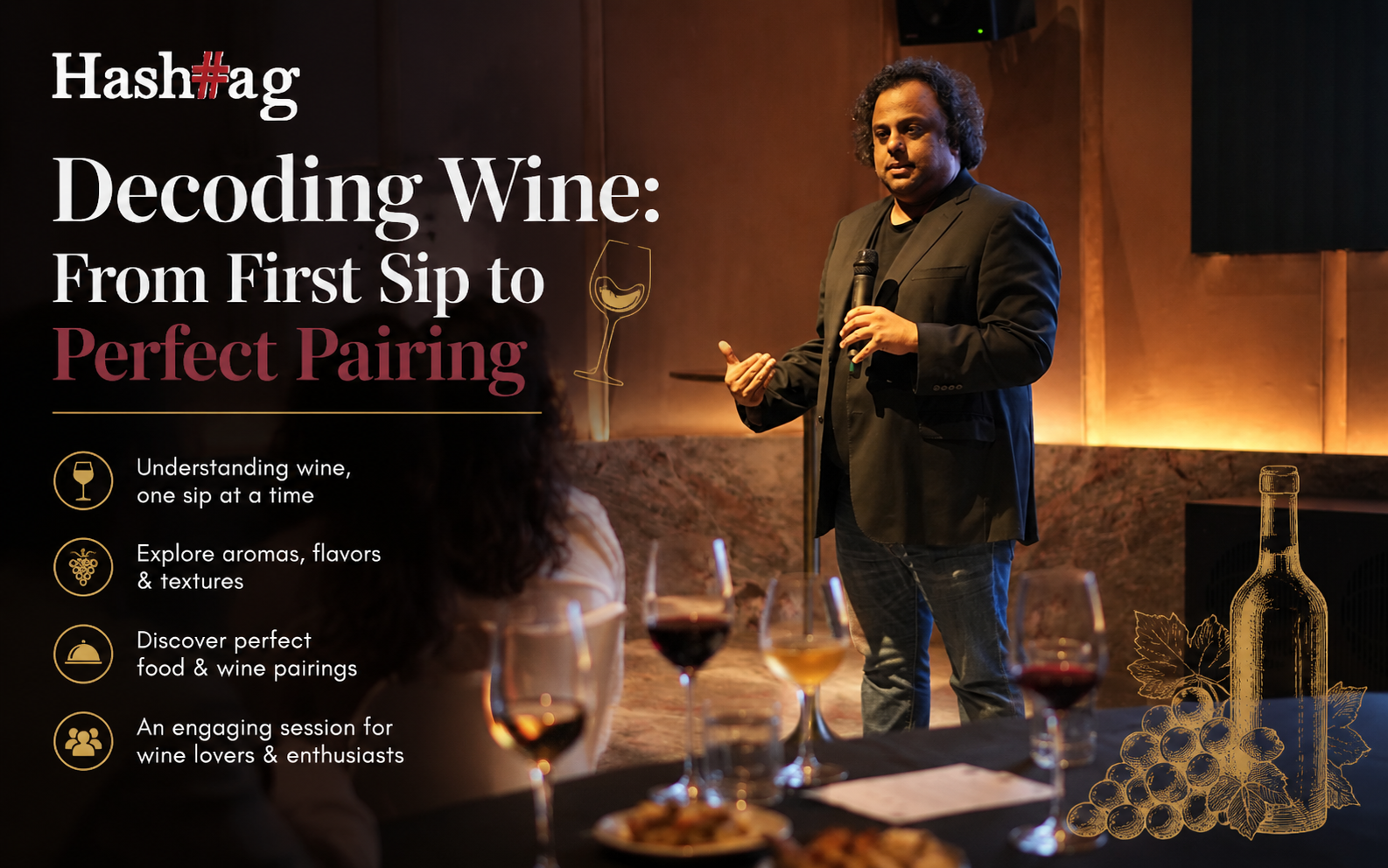
Decoding Wine: From First Sip to Perfect Pairing

Intro: As India’s dining and drinking culture evolves, wine is no longer seen as niche or intimidating; it’s becoming an integral part of modern lifestyle and experiential dining. To decode the basics, bust common myths, and understand how wine fits into the Indian palate, Sinduri Vuppala speaks with Nikhil Agarwal, Founder of All Things Nice. With over two decades of experience in the wine and spirits industry, he shares practical insights on wine fundamentals, pairing it with Indian cuisine, and navigating wine etiquette with ease. For someone new to wine, how would you explain the difference between red and white wines in simple terms?The juice inside the grape is clear, and the colour in the wine comes from the skin. When making white wines, the skin of the grape is separated from the juice. This applies to white grapes like Chardonnay, Sauvignon Blanc, etc. When making rosé, the skin of a red wine grape is kept in contact with the juice for a short period of time to extract a little colour and a longer time for red wine. The skin, while it provides colour, also provides flavour, structure and tannins. What is the correct way to taste wine for beginners, and what should they actually look for?They should look for pleasure. Does the wine smell and taste good? For beginners, that’s all that matters. ⁠Does the type of glass or serving temperature really make a difference to the experience?Serving wine in the wrong glassware can ruin a wine experience. You do not need to buy yourself expensive glassware, but a good thin glass for white, red, sparkling, etc., in the correct shape is a great start. Wine temperature plays an important role; white wine must be served at 11 degrees, red wine at 16 degrees and sparkling wine at

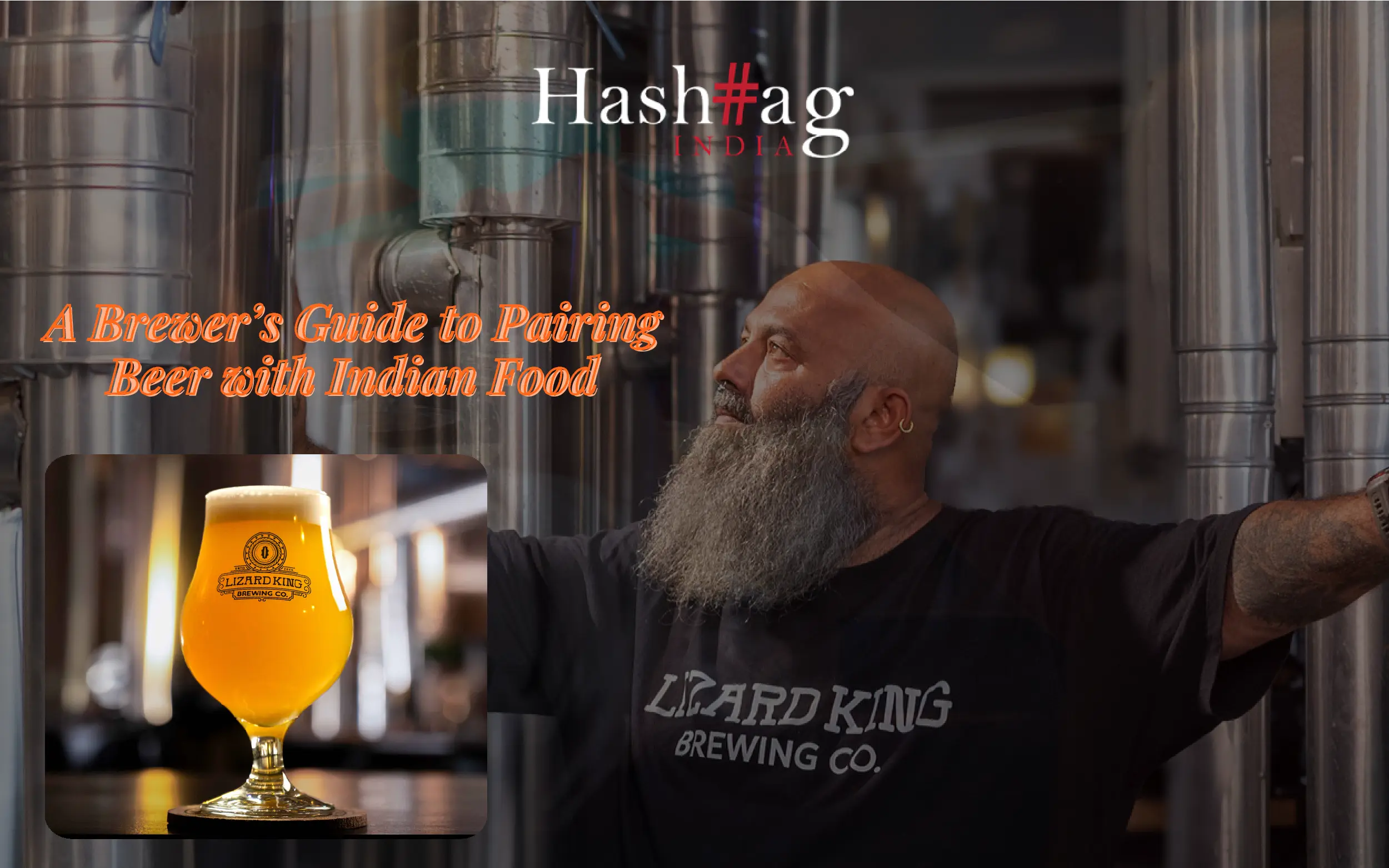
A Brewer’s Guide to Pairing Beer with Indian Food

India’s food culture is vast, layered, and unapologetically flavour-forward. Every region brings its own mix of spices, textures, and cooking techniques, which makes pairing beverages with Indian cuisine both exciting and challenging. Beer, however, has a unique ability to hold its own. Its versatility, carbonation, and balance of malt and hops make it a surprisingly effective partner for Indian food. A Night in Hyderabad That Proved the Point On one of my visits to Hyderabad, I found myself at Zero40 Brewing with a group of friends. The table was overflowing with spicy chicken wings, tangy paneer masala, and a fragrant biryani that could have been a meal in itself. Everyone was drinking my Munich Helles, the Go Swam–Light, crisp, and refreshing. It did a great job cooling the heat and giving us a clean palate between bites. But as the dishes got richer and more complex, the Helles didn’t quite elevate them. It refreshed, but it didn’t enhance. That evening reminded me of something I’ve noticed repeatedly: beer can transform an Indian meal, but only when the style matches the dish. Why does beer work so well with Indian food? Indian cuisine is built on intensity in terms of heat, tang, richness, smoke, and acidity. These flavours can overwhelm the palate quickly. Beer steps in with three key tools: Carbonation, Bitterness, and Malt sweetness. Carbonation helps clean your tongue and resets the palate. Bitterness from hops helps manage the heat/ spice, and malty sweetness softens sharp edges and supports richer flavour profiles. I remember a particularly spicy chicken curry where a simple sip of lager completely reset my palate. Suddenly, I could taste the dish again, not just the heat. That’s when beer stops being just a drink and becomes part of the meal. Kebabs, Grills, and Meats: Where Lagers

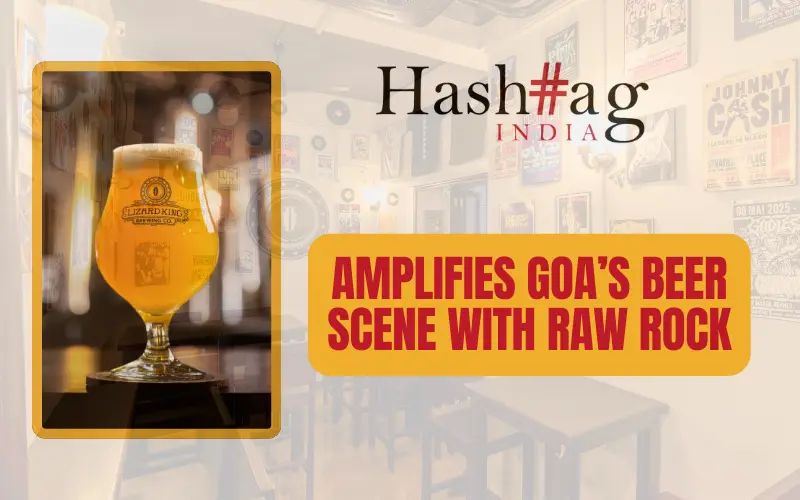
Lizard King Brewing Co. Amplifies Goa’s Beer Scene with Raw Rock ’n’ Roll Energy

Intro: Lizard King Brewing Co. isn’t just another new spot in Goa it’s a full-volume rebellion served by the pint. Tucked into Arpora and pulsing with the grit of a backstage green room, this brewpub tears away from the beach-bar norm with bold beers, loud design, and an unapologetic rock ethos. From the first pour to the final chord of the night, it announces itself as Goa’s newest stage for beer lovers, riders, and anyone craving something real. Lizard King Brewing Co. crashes into Goa’s beer scene with the swagger of a headlining band, trading beachy clichés for raw rock ’n’ roll grit. Tucked away in Arpora, this intimate 28-seater brewpub feels less like a bar and more like a backstage pass tanks gleaming under warm lights, rock posters lining the walls, and a mural that turns the brewing process into art. The beers are the real stars. From a crisp, oaked Apple Cider to a velvet-smooth Irish Stout, every pour hits with intention. The Pilsner is a clean, electric classic, while the Launch Special Saison brings a rustic, unpredictable edge. Brewmaster George Jacob’s world-tour pedigree shows; the lineup is tight, confident, and unapologetically beer-first. Food doesn’t play second fiddle. The stout-and-vodka–battered fish and chips, hearty pies, and indulgent chicken-fried steak echo the brewpub’s boldness, built to stand up to the beers rather than hide behind them. What sets Lizard King apart is its spirit loud, communal, and delightfully offbeat. With rider meet-ups, curated playlists, and a walk-in-only policy, it cultivates a crowd that wants something real. Lizard King Brewing Co. doesn’t just open its doors it takes the stage. Address: Arpora, Goa, IndiaTimings: Tuesday to Sunday, 12 PM – 11 PM (Closed Mondays) Phone: +91 93220 35187

Luxury vs Budget: Where Do You Get the Best Experience?

Picture the sun sets over a turquoise coastline, a cocktail in hand, and the roulette wheel spins like it holds the secret to your destiny (spoiler: the house still wins). Whether you’re in Monte Carlo, where even the air is probably taxed, or a buzzing budget casino in Goa, where the party never stops, the question remains: where’s the real jackpot of experience? Is it the velvet-lined luxury of a high-roller haven or the electric chaos of a place where every win feels like outsmarting the system? Somewhere in between, top online casino sites let you chase the thrill without even leaving your beach chair. Let’s break it down, because no glossy brochure will tell you the truth. Gilded Elegance vs. Chaotic Energy Luxury casinos are temples of indulgence. The moment you step into a place like Casino de Monte-Carlo, the chandeliers seem to whisper, Welcome to the good life. Velvet carpets, marble columns, and dealers who look like they moonlight as James Bond villains. The clientele? Mostly the kind who consider losing €10,000 in a single bet as an unfortunate miscalculation, not a life-altering disaster. Budget casinos, like Deltin Royale in Goa on the Mandovi River, are the opposite—loud, vibrant, and unpredictable. A floating casino packed with tourists, cheap drinks, and players who cheer when they win ₹2,000 on a slot machine. It’s not luxury—it’s a party. Factor Luxury Casino Budget Casino Ambience Elegant, quiet, exclusive Loud, energetic, casual Clientele High rollers, celebrities Tourists, locals, budget players Dress Code Strict (suits, cocktail dresses) Relaxed (smart casual) Drink Service Complimentary premium alcohol Often self-service or paid drinks Entry Fee €17 just to enter, and €500+ to access private salons ₹3,000 (€33) per person, includes food and drinks Betting Limits €100+ per hand (roulette, blackjack) ₹50 (€0.55) – ₹500 (€5.50) for

You May Also Like

Connect with us