The Mysterious Kakanmath Temple: Built By Ghosts Overnight?

The Mysterious Kakanmath Temple: Built By Ghosts Overnight

Hidden in the heart of Madhya Pradesh, India, lies the enigmatic Kakanmath Temple, a testament to ancient architectural brilliance and supernatural folklore. This 11th-century marvel, shrouded in mystery and legend, has captivated visitors for centuries with its intricate design and haunting beauty. Among the many tales surrounding its creation, one particularly chilling story suggests that supernatural forces constructed the temple overnight. Dhanush Kumar takes you on a journey to unravel the secrets of this architectural wonder.

The Magnificent Kakanmath Temple

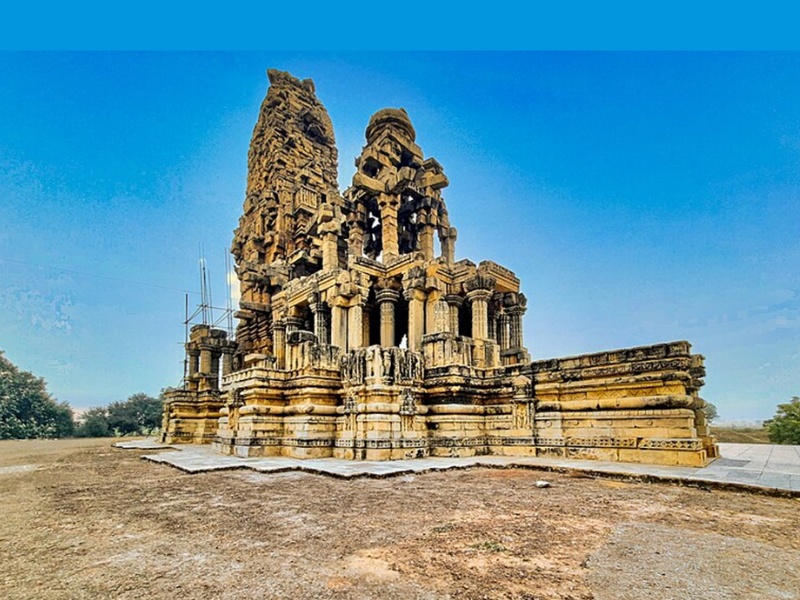
Nestled in the small village of Sihoniya in the Morena district of Madhya Pradesh, the Kakanmath Temple stands as a silent sentinel to a bygone era. Built during the reign of the Kachchhapaghata dynasty in the 11th century, this ancient structure is dedicated to Lord Shiva and showcases the pinnacle of medieval Indian architecture.

Kakanmath Temple

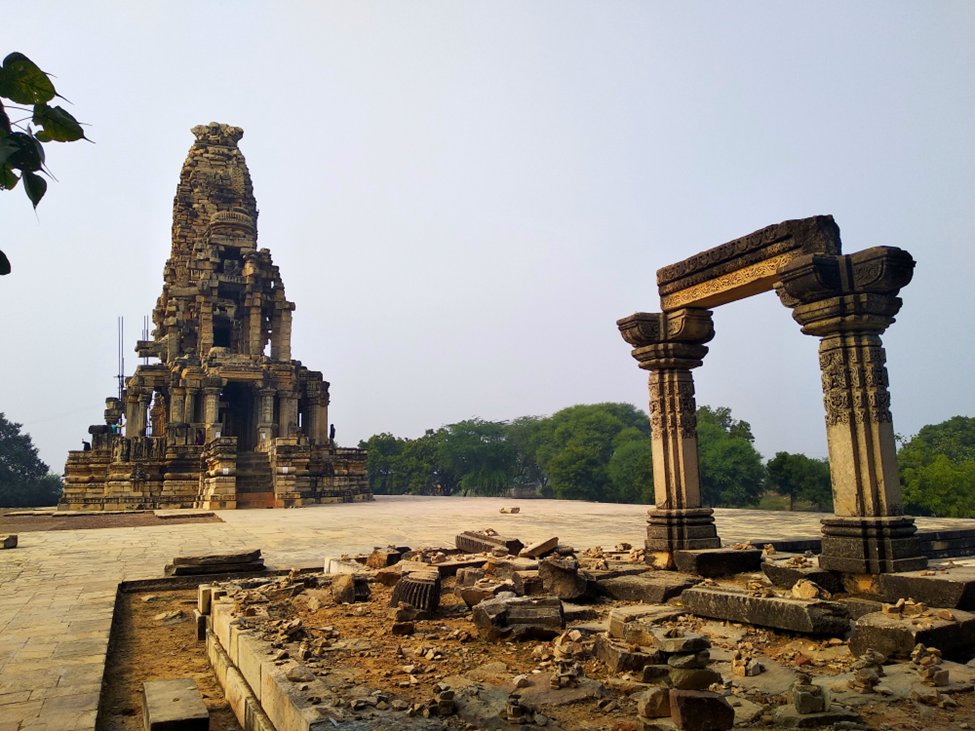
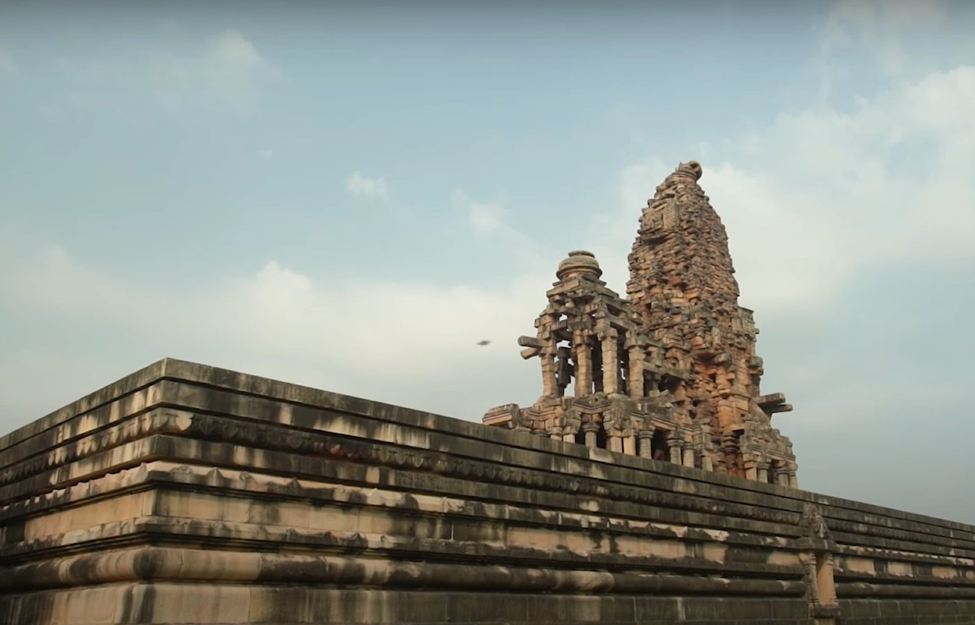
The temple’s most striking feature is its soaring shikhara, which once reached 100 feet. Though time and natural elements have taken their toll, reducing its height to about 40 feet, the temple’s grandeur remains undeniable. The intricate carvings, stunning sculptures, and perfect proportions speak volumes about the skill and artistry of its creators.

The Legend of Overnight Construction.

Local folklore weaves a fascinating tale around the creation of the Kakanmath Temple. According to legend, the temple was commissioned by a devout king who wished to build the grandest shrine to Lord Shiva in his kingdom. However, the scale and complexity of the project posed significant challenges.

The story goes that the king sought divine intervention, desperate to realize his vision. In his dream, Lord Shiva appeared to him and promised to complete the temple overnight with the help of celestial architects and spirits. The condition was that no human should witness the construction process.
Kakanmath Temple history

The king agreed and ordered all citizens to remain indoors that night. However, as with many such legends, human curiosity intervened. Unable to contain his excitement, a young boy peeked out his window to witness the miraculous construction.

The moment the boy saw the supernatural builders, they vanished, leaving the temple nearly complete but for the final touches. To this day, visitors can see evidence of the temple’s unfinished state, with some carvings left incomplete and certain areas appearing rough and unpolished. These imperfections are often pointed to as proof of the ghostly legend and the consequences of human interference in divine work.

The legend of ghosts building the temple is captivating, so archaeological studies provide a more grounded explanation for its construction. Excavations and studies suggest that the temple was indeed a product of meticulous planning and execution by skilled artisans over some time.

Preservation and Challenges

Preserving the Kakanmath Temple has been challenging due to its age and exposure to natural elements. Efforts have been made to maintain the structure and prevent further deterioration. However, the remote location and lack of resources pose significant obstacles.
Kakanmath Temple architecture

Visiting Kakanmath Temple

For those intrigued by history and architecture, Visiting Kakanmath Temple is a journey back in time. The temple is accessible from Gwalior, a major city in Madhya Pradesh. While the journey requires some effort, the reward is an up-close encounter with a masterpiece of medieval Indian architecture and the legends surrounding it.

Travel Tips:

  • Best time to visit: The ideal time to visit is during the winter months (October-March) when the weather is pleasant.
  • Getting There: Sihoniya is about 80 Kilometres from Gwalior. One can hire a taxi or use local transportation to reach the site.
  • Local Amenities: Basic amenities are available in the nearby village, but it is advisable to carry essentials like water and snacks is advisable.

Conclusion

The Kakanmath temple is a silent sentinel of India’s rich cultural and architectural heritage. Whether one believes in the ghostly legends or appreciates the temple’s historical and architectural significance, Kakanmath continues to captivate the imagination.


Leave a comment

Your email address will not be published. Required fields are marked *

The 5 Most Expensive Private Islands You Can Rent For New Year’s

There’s celebration, and then there’s arrival. New Year’s Eve isn’t meant to be lost in crowded parties or noisy resorts. It’s a moment that deserves space, serenity, and a horizon wide enough to hold your dreams for the year ahead. As India’s luxury travel scene steps into 2026, the idea of escape has transformed. No longer just vacations, private island rentals have become portals where time slows down, sea wind feels like scripture, and silence heals in ways noise never can. Dhanush Kumar writes about the five most extravagant private islands you can rent for the New Year in and around India. 1. Munjoh Private Island- Andaman & Nicobar Islands, India Tucked deep within the turquoise cradle of the Andaman lies Munjoh Private Island, a sanctuary carved for those who prefer whisper over crowds. This ultra-luxury island offers private beaches, palm-lined coves, and villas that blend barefoot simplicity with refined indulgence. At night, the sky becomes a cathedral of stars. At dawn, the island wakes in a golden hush.  Private chefs craft ocean-fresh menus, spa therapists arrive at your doorstep, and your very own yacht stands ready. 2.Fregate Island- Seychelles Just a few hours from India by air, the Seychelles unfold like a dream, and Fregate Island is its crown jewel. This is luxury at its most uncompromised. Only a handful of villas exist on the entire island, each carved into the landscape with an artist’s touch. Think infinity pools suspended above the sea, private butlers who know your preferences before you speak, and beaches so untouched they look ancient. Fregate is where billionaires and Hollywood royalty choose to vanish. A perfect place to let the New Year rise without the world watching. 3.Sirai Island, Zanzibar, Tanzania Far across the Indian Ocean, but spiritually close to India’s sense of coastal

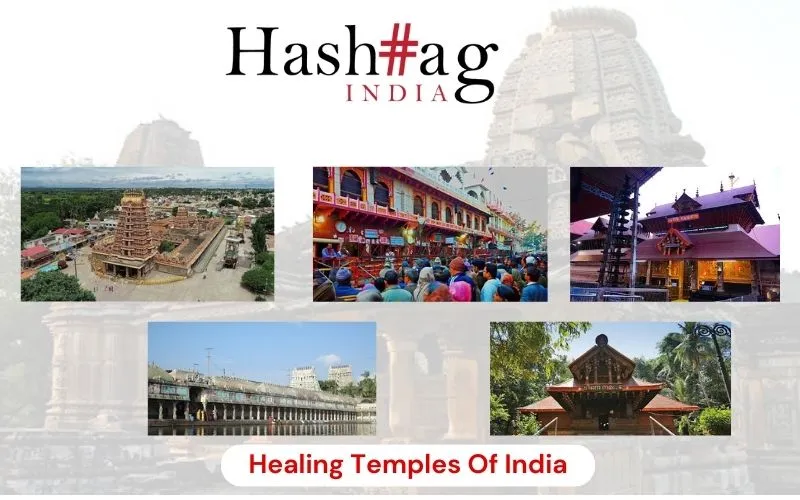
Healing Temples: Where Faith Meets Alternative Medicine In India

In India, the divine and the medicinal have never lived apart. Here, faith isn’t just a prayer; it’s a pulse. It flows through temple corridors scented with camphor, rises with mantras at dawn, and lingers in the herbal smoke of age-old rituals. Long before laboratories and hospitals defined health, Indians sought balance between the physical and the spiritual, between body, mind, and the cosmos. Today, as the modern world burns out in its search for healing, these healing temples stand quietly, bridging belief and therapy, mysticism, and science. They remind us that medicine need not always come in a bottle; sometimes, it’s found in devotion, energy, and sacred tradition. Dhanush Kumar takes us on a journey through the heart of India, where faith and alternative medicine walk hand in hand. 1.Vaitheeswaran Koil, Tamil Nadu Tucked in the heart of Tamil Nadu lies Vaitheeswaran Koil, named after Vaidyanatha Swamy, a form of Lord Shiva known as the Divine Healer. For centuries, devotees have arrived here with faith in the temple’s sacred waters and rituals for their curative powers. The temple’s theertham is believed to have medicinal properties, infused with herbs used in ancient Siddha medicine even the priests here know the old healing chants and herbal combinations. From skin diseases to chronic pain, this temple is seen as a place where faith amplifies natural healing, where medicine is both prayed for and practiced. 2.Kottiyoor Shiva Temple, Kerala Deep within the lush forests of Kerala’s Kannur district, the Kottiyoor Shiva Temple blooms every year during its monsoon festival. What makes it extraordinary isn’t its architecture but its elemental simplicity. Built near natural springs, it turns into an open-air altar of mud, water, and air, the original Ayurvedic ingredients. Devotees bathe in the spring believed to balance the body’s doshas, Vata, Pitta, and

Hidden Gems I Can’t Stop Talking About

Who: Dimpi Sanghvi – Travel & Lifestyle Creator, Storyteller, and Curator of Slow Travel Experiences With a lens that finds beauty in the simplest of details, Dimpi Sanghvi is redefining mindful travel. A creator with a love for storytelling and design, she transforms ordinary journeys into visual poetry evoking nostalgia, warmth, and curiosity in every frame. Through her platform, she brings together her twin passions travel and slow living encouraging her audience to pause, wander, and feel. Whether she’s exploring Cuba’s colourful streets or uncovering hidden gems around the world, Dimpi’s storytelling reminds us that travel isn’t just about distance it’s about depth. Featured Destination: Cuba Why Dimpi Recommends It:“Cuba is like stepping into another era,” Dimpi says. “Havana’s pastel-hued buildings, cobblestone lanes, and beautifully preserved vintage cars feel like a living time capsule. What makes it special is the rhythm the music that flows through the streets, the impromptu dancing, and the locals’ warmth that instantly makes you feel at home. Cuba isn’t just a destination; it’s a mood, a melody, an emotion.” Top 3 Must-Do Experiences: Take a ride in a classic vintage car through the vibrant streets of Havana the city’s most iconic experience. Witness the cannon shot ceremony at La Cabaña, a fascinating ritual that’s been performed nightly since the 18th century. Visit a Cuban cigar and Havana rum factory to experience the meticulous artistry behind the island’s most famous exports.Best Local Dish or Drink: “Order a Daiquiri at El Floridita the birthplace of the cocktail and Ernest Hemingway’s favourite haunt,” Dimpi says. “It’s the perfect way to cool off after a day under the Cuban sun.” One Thing Travellers Should Know: Vegetarian options can be limited, so carrying some essentials or snacks is a good idea. “But honestly, the charm of Cuba more than makes

Places I’d Go Back to in a Heartbeat

Who: Roop Verma Travel Creator, Storyteller, and Seeker of Global Magic Meet Roop Verma, a creator who finds joy in both quiet European mornings and electric Asian nights. Whether it’s sipping espresso on a sun-drenched street in Paris or chasing neon reflections through Tokyo’s midnight rain, Roop travels to feel alive to find beauty in hidden corners and capture fleeting moments that make the world pause. Through his lens and words, Roop brings his audience along for the ride every trip feels like a shared heartbeat, a collective discovery. “Travel changes you,” he says. “Each place leaves me a little more in awe and a lot more in love with this crazy, beautiful world.” Featured Destination: Provence, France Why I Recommend It: “Provence feels otherworldly,” Roop says with a smile. “It’s a place where lavender fields stretch forever, sunsets look hand-painted, and every village feels like a dream you never want to wake up from.” What Makes It Special: “There’s a calm magic here a rhythm that makes you slow down and just exist. In Provence, time doesn’t rush; it breathes.” Top 3 Must-Do Experiences: Wander through endless lavender fields at sunrise.2. Sip rosé in a café in Gordes, watching the village come alive.3. Explore local markets in Aix-en-Provence overflowing with cheeses, pastries, and vintage trinkets. Best Local Dish or Drink: “Freshly baked tarte aux fruits paired with a chilled glass of rosé it’s Provence on a plate,” says Roop. “And my favourite thing? Losing myself in the farmers’ markets of Aix-en-Provence they’re pure sensory bliss.” One Thing Travelers Should Know: “Provence moves at its own pace slow, intentional, and full of wonder. So, don’t rush it or you’ll miss the magic.” Insider Tip: “Rent a car and drive through the lavender hills. Every turn is a postcard, every stop

You May Also Like

Connect with us