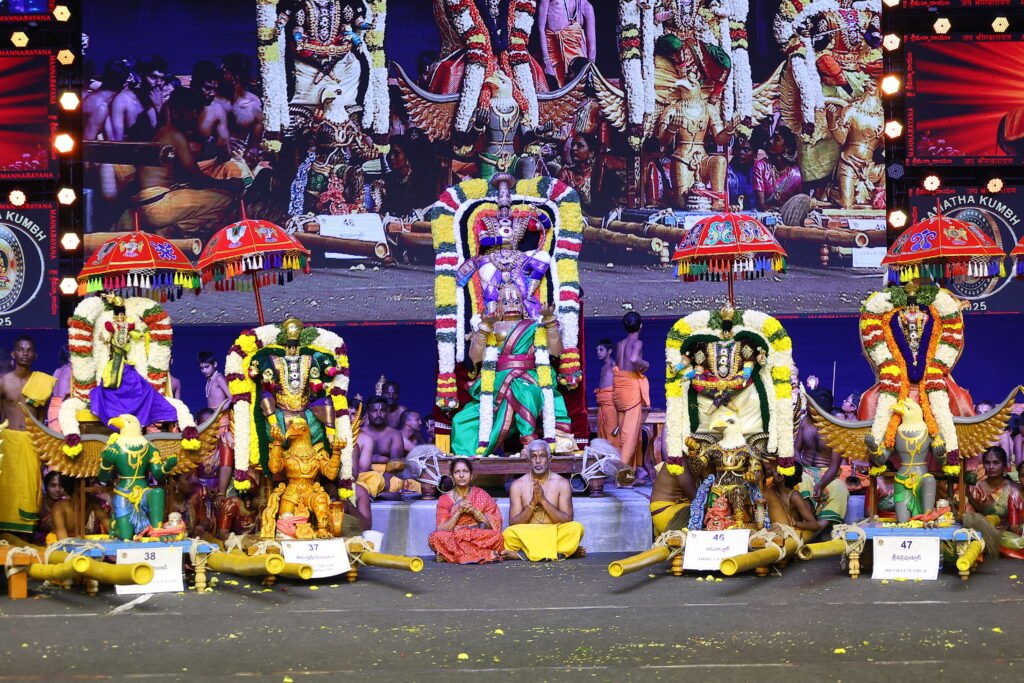
A Rare Spectacle of 18 Garuda Sevas in One Evening

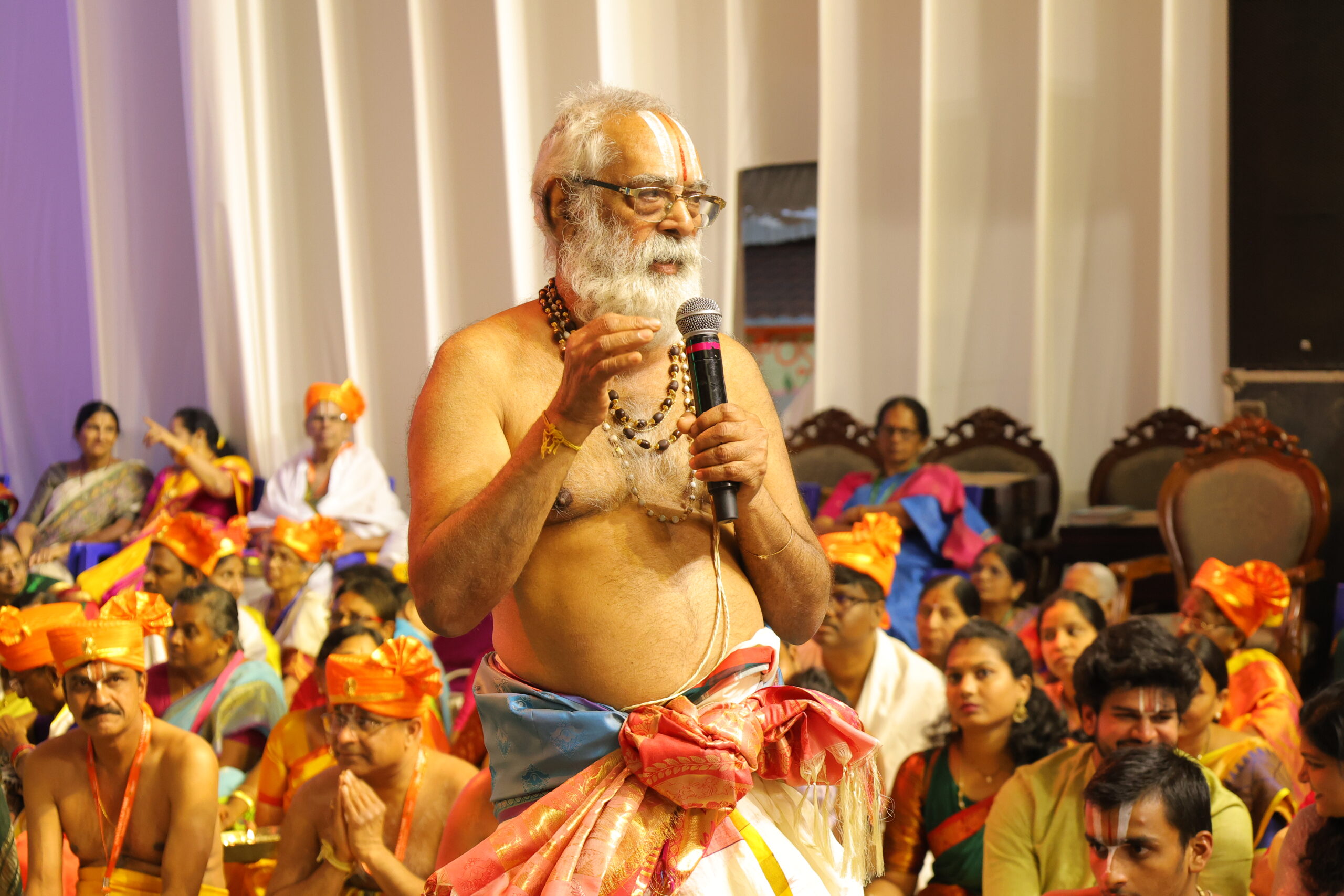
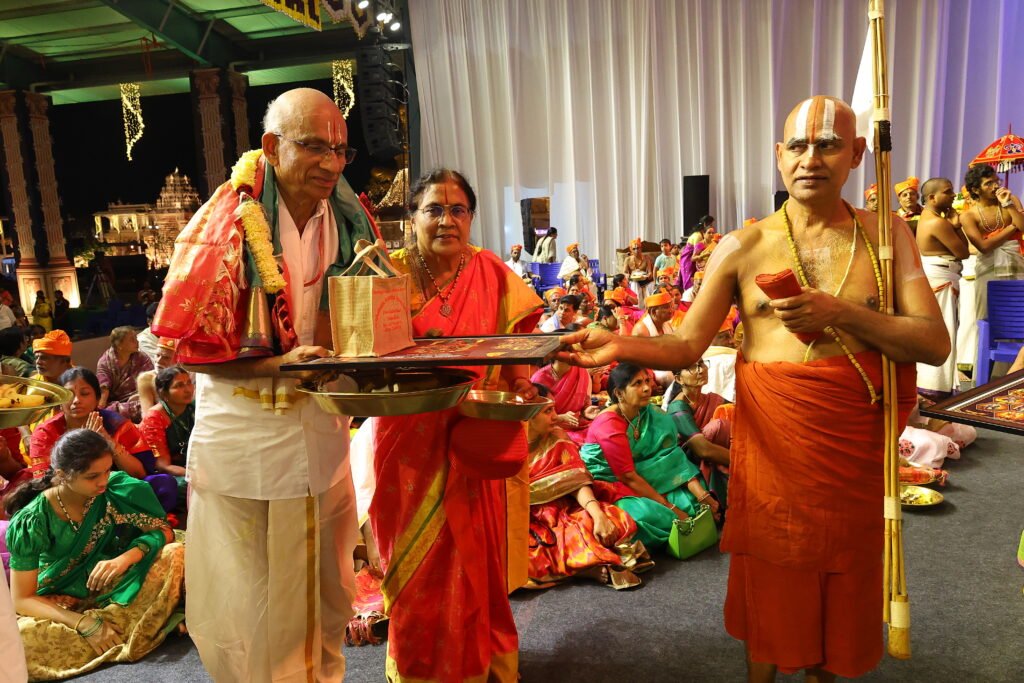
The 3rd Annual Brahmotsavams, known as Samatha Kumbh 2025, is underway at the grand Statue of Equality (a 216-foot-tall statue of Swami Ramanujacharya) surrounded by 108 Divya Desams. The event offers devotees the rare opportunity to witness 18 Garuda Sevas in a single evening, creating an atmosphere of spiritual and mental upliftment.
Highlights of the Day’s Events

Morning Meditation and Prayers

The day commenced at 6 AM with a serene and disciplined meditation session led by HH Chinna Jeeyar Swamiji. Young participants joined in Pra:thah Smaraneeyam / Ashtakshari Japam, followed by morning prayers at the Yaga Sala. Swamiji elaborated on the correct way to meditate, guiding the assembled devotees through the process.
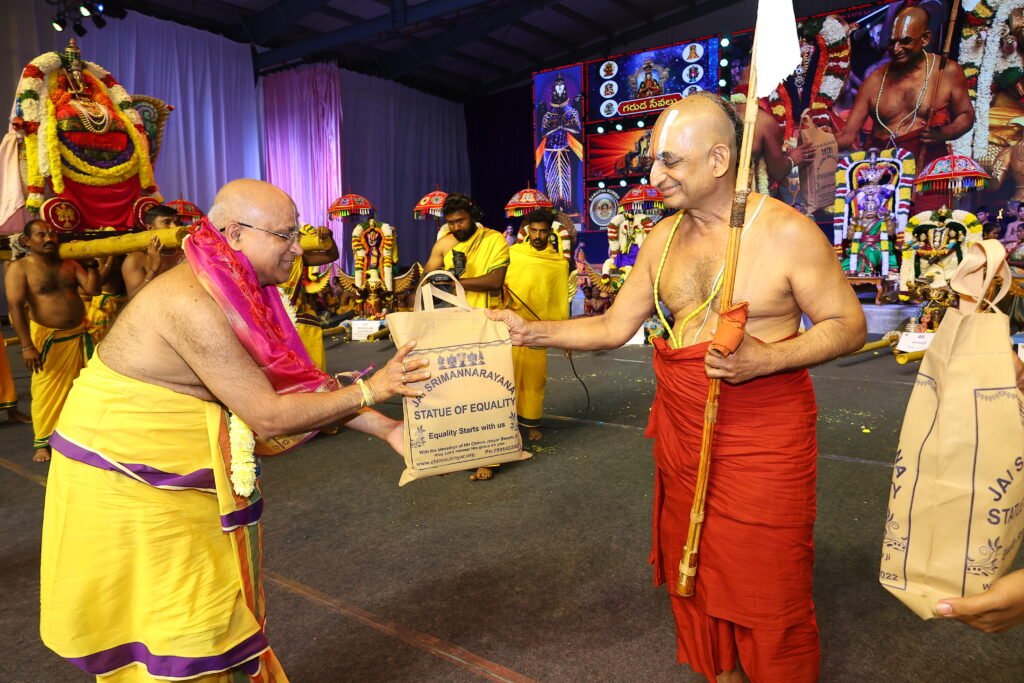
Seva Kalam and Thirumanjanam for 18 Divya Desa Perumals

Devotees gathered at the Yaga Sala for morning prayers and aradhana. The sacred Teertha Goshti was conducted, and 18 Divya Desa Perumals prepared for Thirumanjanam, a ceremonial bath.

  • Lord Ramachandra of Divya Saketam also received Thirumanjanam along with the 18 Perumals.
  • The ritual used herb-infused water, milk, curds, honey, and fruit extracts.
  • Sahasra-dhara Abhishekam followed, including Shankha-dhaara and Chakra-dhaara Snanam.
  • Bhagavad Ramanuja also received the sacred service.

The Abhisheka theertham was sprinkled on devotees, offering divine blessings
Narasimha Ashtottara Namarchana – Devotees’ Collective Worship

Being a Tuesday, the Narasimha Swami Aradhana was a special highlight. Swamiji explained how Lord Narasimha upheld Prahlada’s words, manifesting in a unique form to overcome Hiranyakashipu’s boon.

  • Devotees actively participated in the puja, following Swamiji’s meticulous instructions.
  • Arrangements were made for comfortable seating for elderly devotees.
  • Participants kept the idols used in the puja as souvenirs, enhancing their spiritual connection.

Ramayana Super Memory Contest

A unique Ramayana Memory Contest saw participants ranging from 10-year-old children to 80-year-old elders showcasing their deep knowledge of the epic.

  • Round 1: The audience picked a Kanda and Sarga, and contestants instantly narrated its content.
  • Round 2: Contestants were given a theme or incident and had to specify its Kanda and Sarga number.
  • The event highlighted how young students are taking keen interest in heritage and epics.
  • Swamiji encouraged more devotees to study and memorize Ramayana.

A live quiz link (tinyurl.com/sk-day1) was shared, allowing remote participants to engage in the contest.

Sri Ramanuja Vijnana Vedika – Debate on “Temples: Then and Now”

A thought-provoking debate featuring students from six colleges focused on the role of temples in modern society. The event began with the lighting of lamps, followed by insightful discussions.

Key Discussion Points:

  • Are temples still relevant in an era of rapid scientific progress?
  • Commercialization of temples – is it necessary?
  • Do temples still function as centers of knowledge as they did in ancient times?
  • The shift of temples into tourist attractions rather than places of devotion.
  • VIP and normal devotee divisions – is this fair?

Speakers and Insights

  • Chief Guest: Sriman Narasimha Sharma, Additional Solicitor General of India (Telangana High Court).
  • Speaker: Sriman Raghavulu ji, Vishwa Hindu Parishad.
  • Swamiji’s Address:
    • The importance of temples in spiritual and social life.
    • Their role in fostering self-discipline, devotion, and cultural preservation.
    • Insights into Bhagavad Ramanuja’s contributions to temple traditions.

The event concluded with a mangala neerajanam and chanting of sacred prayers.

Conclusion

Samatha Kumbh 2025 continues to inspire thousands of devotees through spiritual practices, insightful discussions, and immersive cultural experiences. The day was marked by a harmonious blend of devotion, knowledge, and participation, strengthening the connection between tradition and the modern world.

Leave a comment

Your email address will not be published. Required fields are marked *

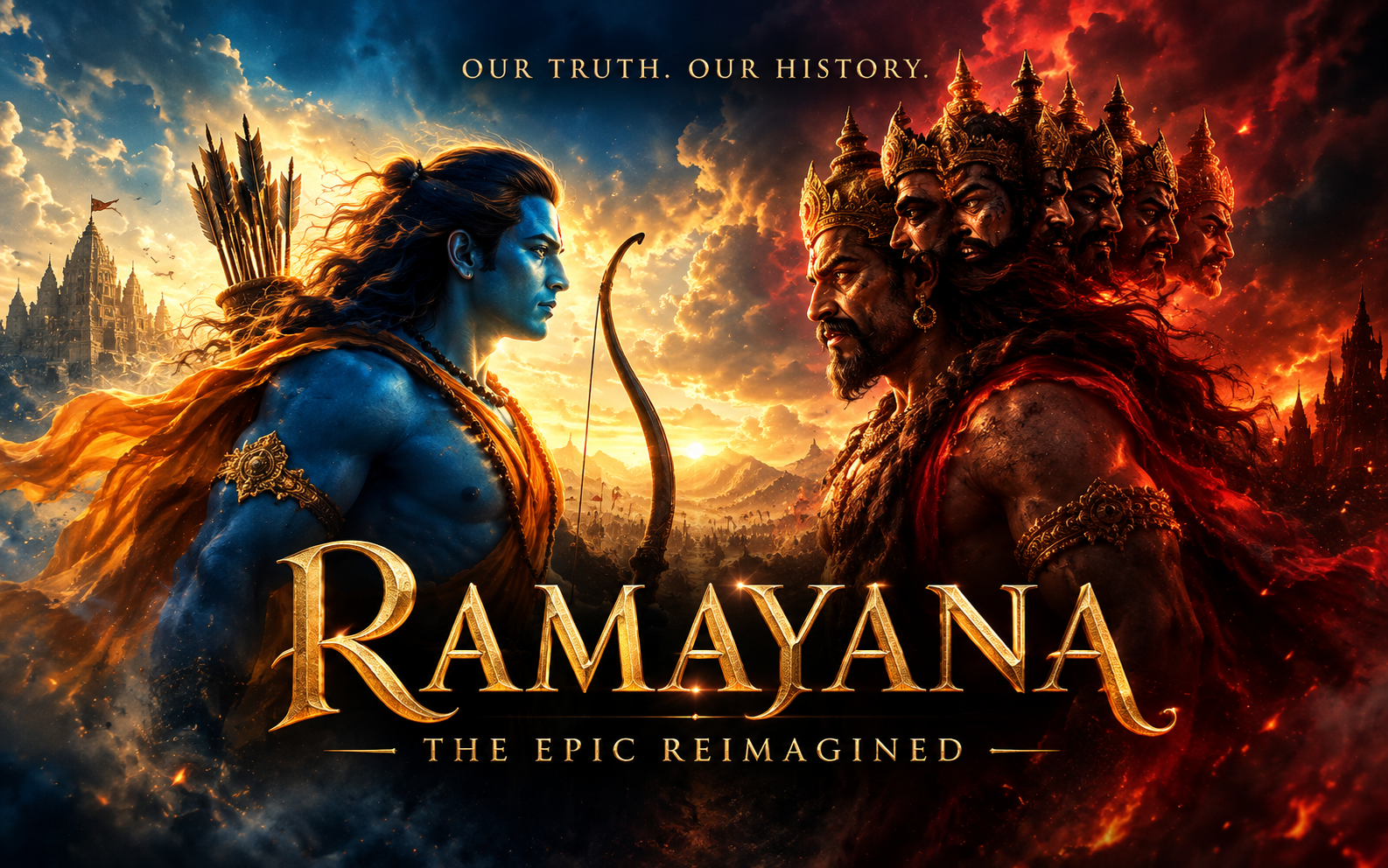
RAMAYANA: THE EPIC REIMAGINED

Ramayana: The Epic Reimagined is shaping up to be one of Indian cinema’s most ambitious productions, bringing together a star-studded cast and an international creative team. From its two-part format and reported ₹4,000-crore budget to its cutting-edge visual effects and global release plans, here are 10 things to know about the epic cinematic spectacle. 1.Two films, one epic Ramayana is planned as a two-part cinematic project. The first instalment is scheduled for release during Diwali 2026, with the second chapter planned for Diwali 2027. The films are directed by Nitesh Tiwari and produced by Namit Malhotra. Ranbir Kapoor has revealed that the team shot around six hours of footage for the first film before editing it down. A Chinese listing reportedly indicates a runtime of about 166 minutes for Part One. 2.Ranbir Kapoor as Rama: The first choice Ranbir Kapoor plays Lord Rama, amid years of speculation over other names. Mahesh Babu, Hrithik Roshan and Ram Charan were among the actors linked to various versions of the project. However, director Nitesh Tiwari and producer Namit Malhotra have clarified that Ranbir was always their first choice for their current Ramayana. Tiwari cited his physicality, screen presence and ability to convey emotion through his expressions. Interestingly, Yash, who plays Ravana, was also reportedly considered for Rama before taking on the antagonist. 3.Sai Pallavi is Sita Sai Pallavi plays Sita opposite Ranbir Kapoor’s Rama. The role marks a major Hindi-film project for the acclaimed South Indian actor and adds another prominent South Indian star to the cast alongside Yash. 4.A large ensemble cast An extensive ensemble supports the three leads. Sunny Deol plays Hanuman, Ravi Dubey plays Lakshman, Arun Govil plays Dasharath, Lara Dutta plays Kaikeyi, Indira Krishnan plays Kausalya, Kajal Aggarwal plays Mandodari, Rakul Preet Singh plays Shurpanakha, Kunal Kapoor plays Indra

Exclusive Interview: Nikhil Siddhartha on Swayambhu, Family and Politics

After the pan-India success of Karthikeya 2, Nikhil Siddhartha finds himself at a pivotal phase in his career. The actor is currently gearing up for the release of Swayambhu, one of the most ambitious projects he has undertaken to date, a historical action drama that demanded nearly two-and-a-half years of dedication, extensive physical transformation, and months of post-production work. In a candid conversation with Priyanka Goud, Nikhil opens up about the challenges of mounting a large-scale period film, why he prioritises quality over quantity, how fatherhood has changed his outlook on life, and his belief in using cinema as a tool for social awareness. A Two-and-a-Half-Year Commitment Describing Swayambhu as a project unlike any other in his career, Nikhil revealed that he dedicated nearly two and a half years exclusively to the film.“Some films are easy to make, and some are difficult. Swayambhu falls into the category of films that demand complete commitment. I underwent a significant transformation for the role, growing my hair long, maintaining a specific physique, and immersing myself in the character and story throughout the production period,” he said. A Historical Story with Universal Appeal One of the aspects that attracted Nikhil to Swayambhu was its historical backdrop. Nikhil plays Krishnan Raman, a historical figure whose name appears on ancient copper plate inscriptions that have recently gained attention. “This story is rooted in history, but its themes are universal,” he said. “It’s not confined to one region; audiences across India will be able to connect with it.” The actor also highlighted the growing importance of visual effects in modern filmmaking. Swayambhu reportedly contains nearly 2,700 VFX shots, making post-production one of the most demanding phases of the project. “We completed principal photography in December 2025, but for the last five to six months it has been

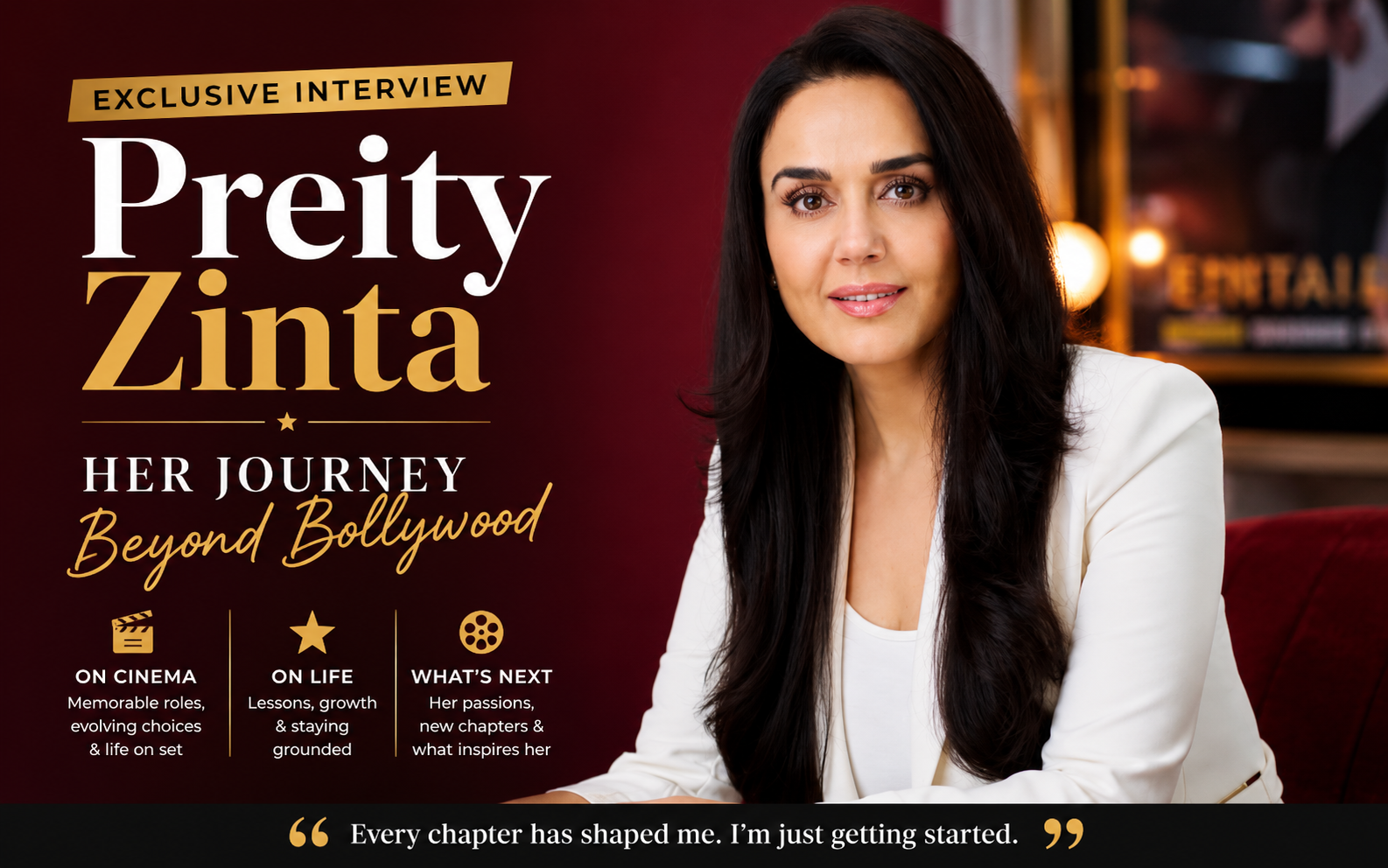
Preity Zinta on Batwara 1947, Motherhood and Finding Her Way Back to Cinema

For Preity Zinta, returning to the screen with Batwara 1947 is about more than making a comeback. The period drama allowed her to explore a chapter of India’s history, work with director Rajkumar Santoshi for the first time, and step into a world far removed from her own. But the film also made her reflect on how much life has changed since she began her career, from the freedoms available to women today to the perspective that comes with becoming a mother. For Zinta, Batwara 1947 is ultimately a story about family, resilience and hope, as she tells Lipika Varma in an exclusive conversation. Why did you say yes to doing this film? What touched you the most? There were a couple of things. First, I really wanted to work with Raj ji. I had never worked with him before, so working with him was always on my bucket list. I had also always wanted to do a period film. Beyond that, I genuinely loved the story. What touched me most was that even in the darkest of times, there is always a ray of hope. People may see this as a story about two countries, but for me, it is essentially about a family. I was also deeply affected by stories of families who believed they were leaving their homes temporarily, even burying their jewellery and valuables, thinking they would return. They never imagined they would lose everything forever. Since this is my first period film, I spent time researching and understanding that era. After such a long break from films, why did you choose this project? I was enjoying my personal life, focusing on my family and raising my children. Professionally, I had always wanted to work with Raj ji and also wanted to do a period film.

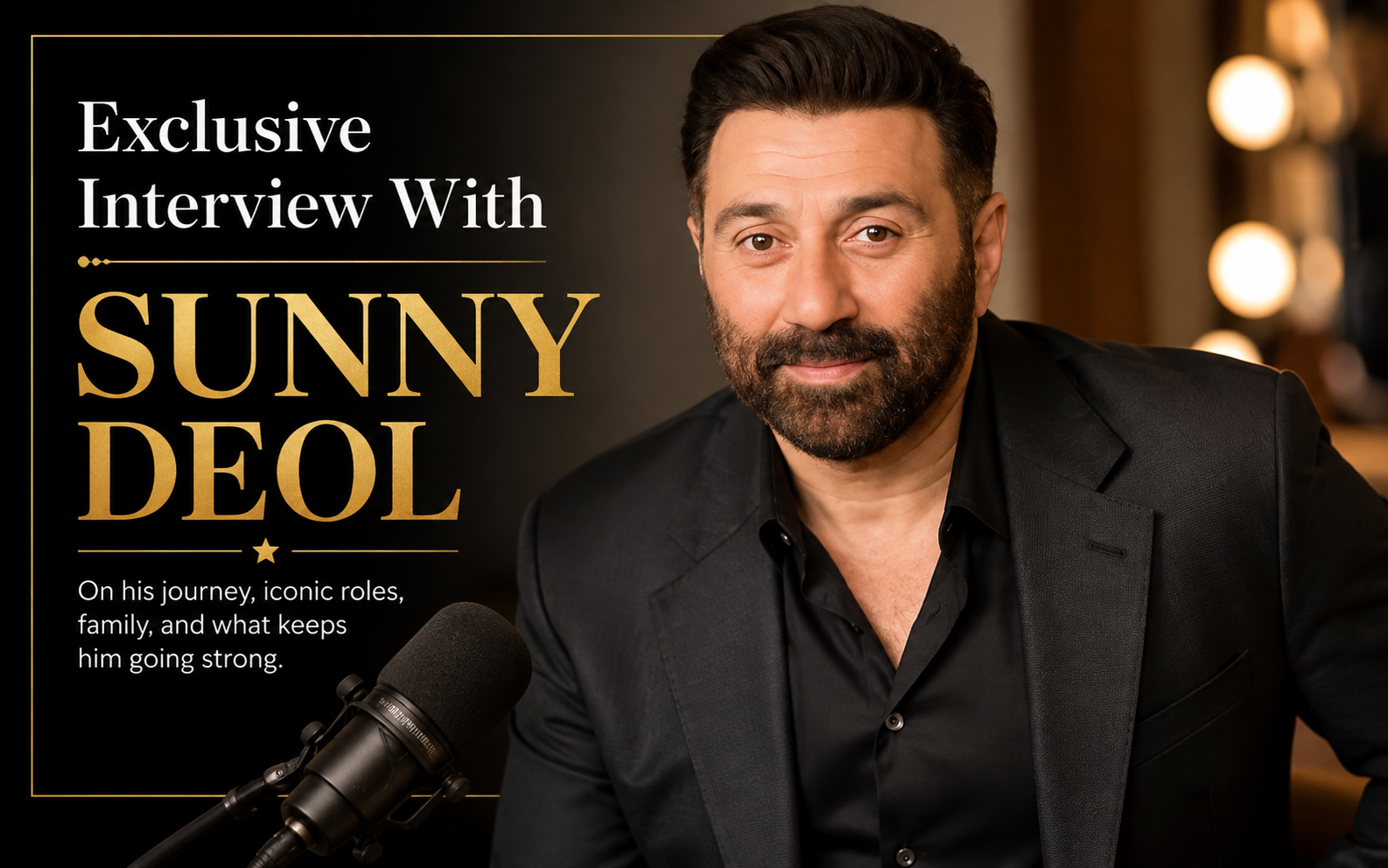
Exclusive Interview with Sunny Deol: Life Beyond Bollywood

Sunny Deol: “Every Film Leaves Some Kind of Impact” With Batwara 1947, Sunny Deol returns to a story rooted in Partition, family and the human cost of one of the most defining moments in Indian history. The actor reflects on why he sees the film as fundamentally different from Gadar, his long-standing association with director Rajkumar Santoshi, his father Dharmendra’s connection to their shared cinematic history, and the responsibility actors carry when their work leaves a lasting impact on audiences. In conversation with Lipika Varma, Sunny Deol also opens up about playing a character outside the action-driven image audiences often associate with him and working alongside his son Karan. How did you approach the character in this film? For me, it was the subject, the story and the character that I had heard about, and I approached it accordingly. I don’t know exactly what was tweaked. I didn’t read the original play or see it. Vivek Raj had read it, and we had been working on this story since 2010. Unfortunately, we couldn’t make it back then, so we had been waiting all these years. As soon as we got the opportunity, we jumped into it. Sunny, are you happy that your fans, including those in Pakistan, will get to see you in a completely different kind of role this time, without the iconic hand-pump moment or typical action scenes? Actually, I don’t think it’s about that. Fans are always there, and they love you no matter what. Sometimes journalism and politics come into the picture and change the colours of things. But the actual viewer, the person sitting in the theatre and watching the film, doesn’t necessarily look at things that way. They simply watch the film. I’ve met a lot of fans across the country and around the