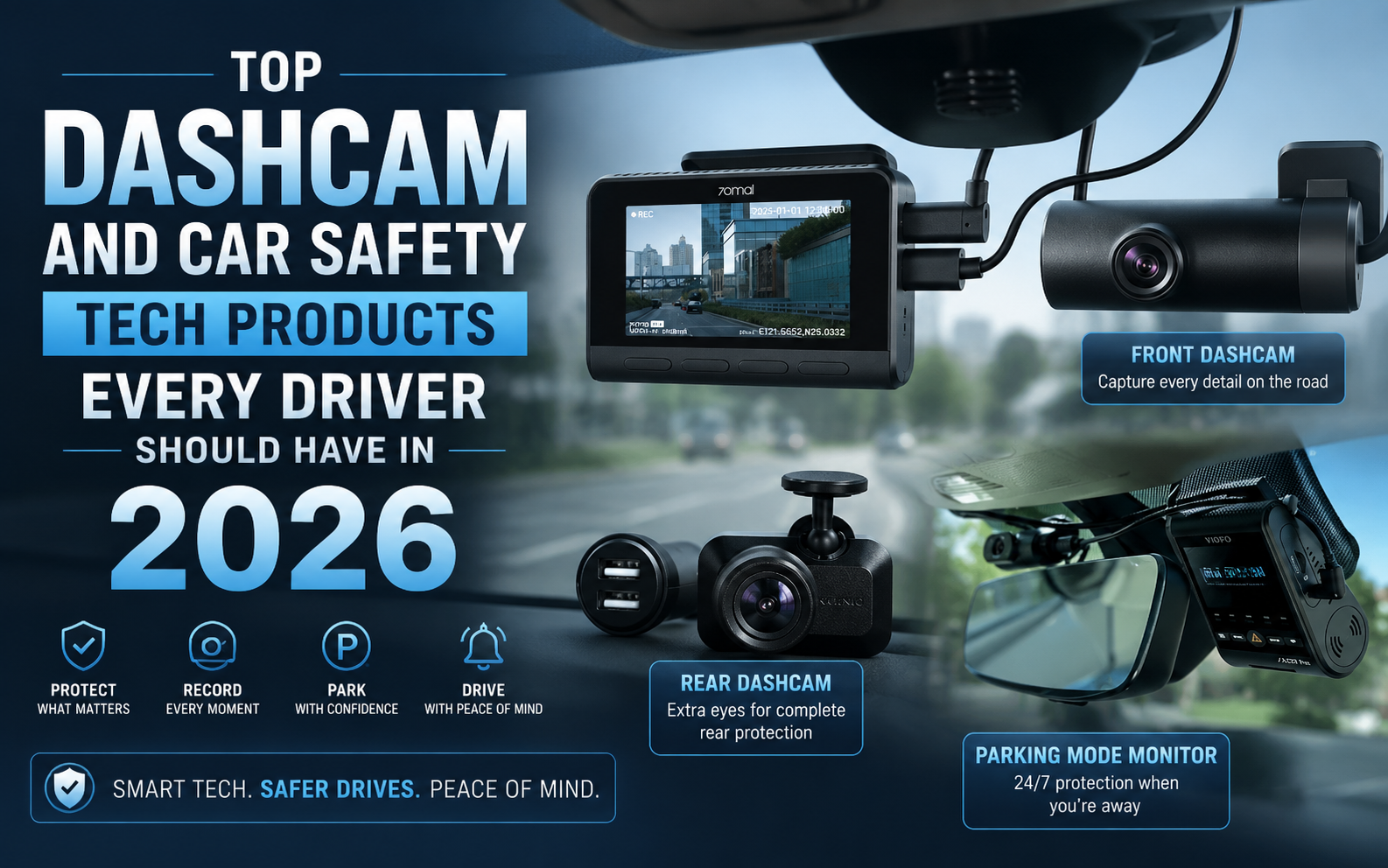
Best dashcams and car safety tech every driver needs in 2026, from AI collision alerts to tyre monitors. Drive smarter, drive safer. Think about the last time you were on a highway at night. Trucks overtaking from the left. Potholes with no warning signs. Someone running a red light at a junction you thought was clear. Indian roads are not forgiving. They are among the most unpredictable in the world, and that is not an exaggeration. In 2024, India recorded over 1.7 lakh road accident deaths, which is roughly one every three minutes.
But here is what is changing. In 2026, the technology available to ordinary drivers, not just luxury car owners, is genuinely remarkable. Dashcams that record everything and call for help automatically. Tyre sensors that warn you before a blowout happens. Blind spot monitors: systems that keep you awake on long drives.
Viofo A229 Pro 3-Channel
If there is one dashcam built for Indian road reality, this is it. The Viofo A229 Pro covers three angles simultaneously: front, rear, and the cabin interior. So whether someone rear-ends you, you have a dispute at a toll booth, or a passenger causes trouble, it is all on record.
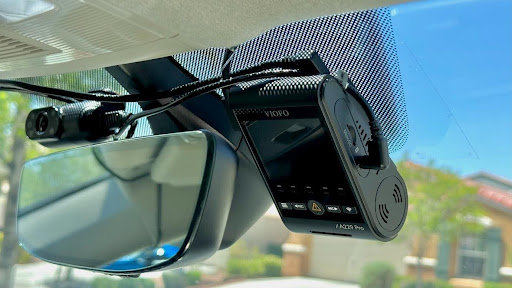
The 4K front camera footage is clear enough to read number plates even at night. And night is when most serious accidents happen on Indian highways. The Sony STARVIS 2 sensor inside handles low light better than most cameras twice the price. It also has built-in GPS, which stamps your exact location and speed onto every clip, making it incredibly valuable as evidence in insurance claims or legal disputes.
The parking mode is genuinely useful too. Park on a busy street, and if anyone bumps your car or breaks in, the camera wakes up and records it. In cities like Bengaluru and Mumbai, where parking scrapes are practically a daily ritual, that alone is worth the price.
70mai Dash Cam 4K A810
70mai has quietly become the dashcam brand that Indian drivers trust, and the A810 is their best yet. It shoots true 4K at 30fps, has built-in Wi-fi and GPS, and connects to your phone via the 70mai app so you can review clips without pulling out an SD Card.
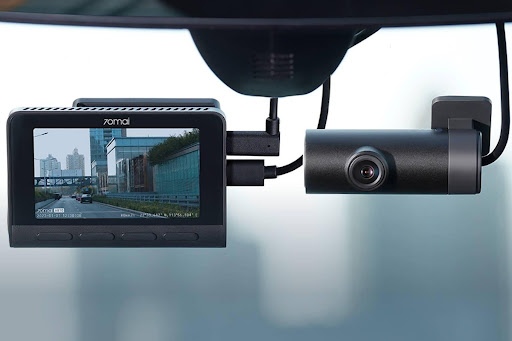
What makes it a standout for Indian drivers specifically is the ADAS- Advanced Driver Assistance System. It reads lane markings and warns you when you drift. It detects the car in front getting too close and buzzes an alert. On highway drives between cities, this feature has almost certainly prevented accidents. It is not perfect; it struggles on unmarked village roads, but on national highways, it works well.
Garmin Dash Cam Mini 3
Some people do not want a big camera stuck to their windscreen. They want something discreet, reliable, and invisible to thieves. The Garmin Dash Cam Mini 3 is the answer; it is literally the size of your thumb and almost impossible to notice from outside the car.
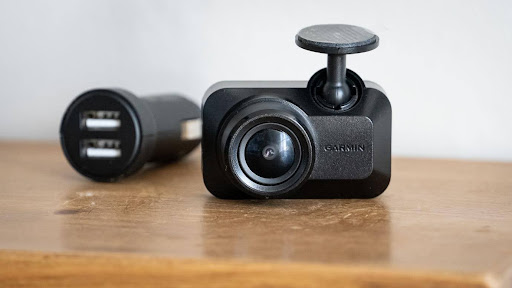
Do not let the size fool you. It shoots crisp 1080p, has an ultra-wide 140° lens, automatically uploads clips to Garmin Vault cloud storage over Wi-Fi, and has Incident Detection that saves footage automatically when it senses a sudden jolt or impact. For city commuters who just want quiet, always-on protection without any fuss, this is perfect. Plug it in, forget it, and let it do its job.
Syska TPMS Tyre Pressure Monitor
Tyre blowouts cause a shocking number of highway deaths in India, and almost all of them start with a slow pressure leak that the driver never notices. A TPMS-Tyre Pressure Monitoring System fixes this completely. Four small sensors screw onto your tyre valves and send real-time pressure and temperature data to a small display on your dashboard.
The Syska unit is affordable, widely available, solar-powered, so you never need to change batteries, and accurate enough to alert you the moment a tyre starts losing pressure. If a tyre drops below your set threshold, the display flashes and beeps. You pull over safely, instead of finding out a 100 km/h on the expressway. This is one of those products that only needs to save you once to be worth every rupee.
Anti-Sleep Alarm
Every driver has done it. Eyes heavy on the highway at 2 am. Head nodding. A few seconds where you were not really there. Most of the time, nothing happens. Sometimes, it does.
Fatigue driving alert devices clip to your ear and detect the micro-movements of a head beginning to droop. The moment your head tilts beyond a threshold, the device beeps loudly, right next to your ear, and wakes you instantly. It sounds simple. It is. And for truck drivers, night bus passengers, and anyone doing a solo Ladakh-style road trip, it is the kind of simplicity that saves lives. Available for under ₹500 and requires no installation whatsoever.
Smart buyer’s guide for Indian drivers
- Check heat tolerance. Indian summers push dashcam temperatures past 60°C inside a parked car. Always check the operating temperature range before buying. Cheap cameras fail and lose footage in extreme heat.
- SD card matters more than people think. Always use a high-endurance SD card (Samsung or Sandisk) in your dashcam. Regular cards fail within months of constant recording in the Indian heat.
- Hardwire your dashcam if possible. A dashcam plugged into the cigarette lighter turns off with the ignition. Hardwiring keeps parking mode active 24/7. Any car electrician can do this for ₹300–₹500.
- Insurance matters.Dashcam footage is now accepted as evidence by most Indian insurance companies and increasingly by courts. Having timestamped, GPS-tagged video can be the difference between a settled claim and a long dispute.
- Start with the basics.If the budget is tight, prioritise in this order: dashcam first, then TPMS, then reverse camera. Those three alone will cover the majority of risks Indian drivers face daily.
Where should you start?
If you do nothing else after reading this, fit a dashcam. The Viofo A229 Pro is the best, but if you are looking for value, the 70mai A810 is the one you want. Either one will protect you in ways you will not appreciate until the day you actually need the footage. Then get a TPMS. Then, a reverse camera if your car does not have one. Each step makes you meaningfully safer on roads that are not going to get any easier.
You cannot control how other people drive. But you can control how prepared you are when they do something stupid.