3 common mistakes to avoid while buying a smartphone

smartphone

From the endless range of smartphones launching every month it gets very confusing for a buyer to put their finger on the right fit for them. Oftentimes prospective consumers commit some banal mistakes which make all the difference in acquiring a device perfect for your needs. Tech guru Ankit Pande decodes these mistakes and how you can avoid them…

Myth: Higher the RAM and Storage capacity, better the Performance

Fact: Retail partner chains and local stores often propagate this common misconception. RAM capacity is not the only factor that contributes to performance, and one must be cautious in terms of capacity and price of the device. If you are buying a smartphone in the price bracket of Rs 15-35,000, make sure the RAM is at least type LPDDR4 or LPDDR4x. A flagship smartphone must have a LPDDR5 RAM These are the types of RAM which usually operate on higher clock frequencies, enhancing your multitasking experience. Buying a smartphone on the basis of just capacity like 64 GB or 128 GB should be avoided. The storage type is equally important as it provides faster read/write speeds and supports faster app loading. Most smartphones under Rs 10,000 come with an eMMC based storage which is quite slow but acceptable in that segment. However, anything above that price range requires at least a UFS 2.1 based storage.
technology

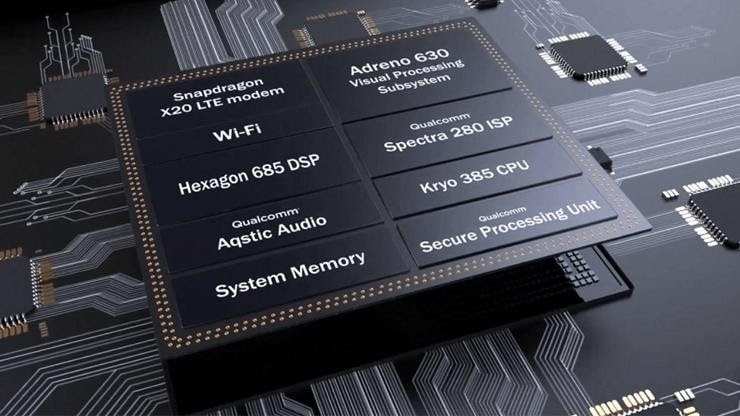
Myth: Higher Core=Better Processor

Fact: While buying a smartphone checking its processor or SOC (System on chip) is extremely important. A processor shouldn’t only be considered if you play a lot of mobile games. The SOC of a smartphone consists of multiple components which includes the main CPU which helps in performing day to day tasks efficiently, GPU (Graphic Processing Unit) which helps in graphic intensive tasks like gaming, and MODEM which gives you network functionalities like 4G and 5G. Even the download and upload speeds of your smartphone depends on the same. A DSP (Digital Signal Processor) and NPU (Neural Processing Unit) are used for AI operations. A GHz Deca-core Processor isn’t necessarily better than a 1.8 GHz Octa-core if factors such as the CPU’s architecture (ARM cortex A76, A77, A78, A55) and the Manufacturing/Fabrication processes are not considered. Software optimization on a smartphone is equally important for a processor to run on its full potential.

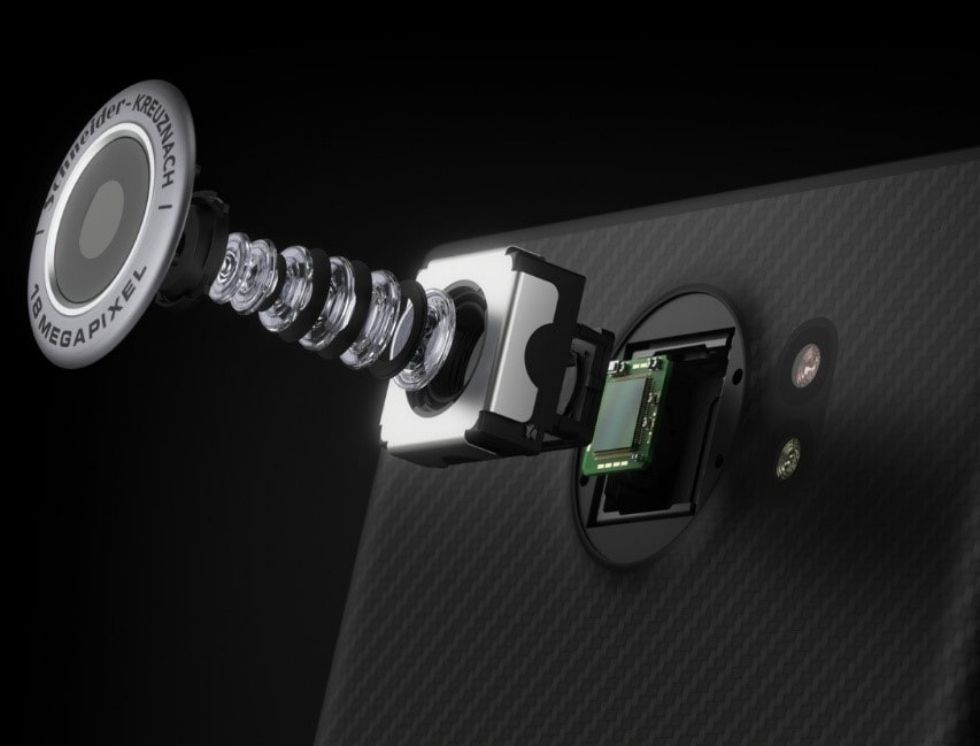
Myth: Higher Megapixels=Better Camera Performance

Fact: Smartphone cameras have evolved over the years, and the current generation smartphones in our pockets are capable of clicking some incredible pictures. A lot of hype has been created by smartphone brands about megapixels and with 64 MP and 108 MP cameras being launched recently. The hype, however, is extremely misplaced. I have personally tested smartphones with 48 MP, 64 MP and even 108 MP cameras and all a higher megapixel count does is capture more details in the picture. Features of the camera’s sensor also play a huge role in helping you capture flawless pictures. Aperture controls light in a camera, and a sensor with a higher aperture of f/1.7 allows better low light photos. The ISP (Image Signal Processor) of your smartphone which processes raw data from the camera sensor and produces the final image. The ISP plays a crucial role in the overall camera performance and that’s the reason even a 12 MP camera of an iPhone or a Google Pixel device clicks a lot better pictures compared to a 108 MP camera smartphone. 

Leave a comment

Your email address will not be published. Required fields are marked *

Top Gaming Laptops That Can Handle Indian Summer Heat

April in Hyderabad, May in Delhi, and June in Chennai, you know what that feels like! The kind of heat that makes your phone hot just sitting on a table. The kind that turns a power cut into a genuine crisis. Now imagine gaming in that.Most laptops panic. The fans scream. The frame rates drop. The machine thermal throttles, which is a technical way of saying it gives up and slows down to stop itself from burning alive. But some laptops were built differently. Dhanush Kumar writes about the laptops that handle the heat, keep their cool, and let you game through an Indian summer without melting down. ASUS ROG Strix G16 If there is one laptop that truly understands Indian summer, it is this one. Asus put a Tri-fan technology system inside the ROG Strix G16, three fans working together, so no single part of the machine overheats. There are also liquid metal thermal compound pads on the CPU, which is a premium touch you usually only find on much more expensive machines. Even during long gaming sessions at room temperatures of 35 to 38 degrees, this laptop holds steady. Frame rates stay consistent. The keyboard doesn’t become a frying pan. The RTX 4070 inside pushes beautiful visuals in everything from BGMI to Cyberpunk. This is the one we would put our money on for an Indian summer. Lenovo Legion Pro 5i Gen 9 Lenovo’s Legion line has always been serious about thermal management, and the Pro 5i Gen 9 is their best effort yet. The Cold Front 5.0 cooling system uses a hybrid fan design with a bigger air intake. Translation: more cool air comes in, more hot air goes out, faster. What makes this special for India is how it handles dust. Indian summers come with dust.

Top AI Tools Everyone Must Use in 2026

Artificial Intelligence is no longer limited to tech companies or programmers. In 2026, AI tools are becoming essential everyday companions for students, professionals, entrepreneurs, designers, and content creators. From writing emails and designing visuals to coding software and researching complex topics, AI-powered platforms are transforming how we work and create. Experts say generative AI tools now help automate repetitive tasks, speed up creativity, and improve productivity across industries. They allow users to produce content, analyze data, generate visuals, and even compose music within minutes. Here are some of the most powerful AI tools everyone should consider using in 2026. 1. ChatGPT – The All-Purpose AI Assistant ChatGPT remains one of the most widely used AI tools globally. It can help users write articles, generate ideas, summarize information, plan projects, and even assist with coding. Its conversational interface allows people to interact with AI as if they were talking to a colleague. Best for: Writing and editing content Brainstorming ideas Coding and debugging Learning new topics For many professionals, ChatGPT has become a daily productivity companion. 2. Google Gemini – AI for Research and Productivity Google Gemini is designed to integrate deeply with Google’s ecosystem, including Gmail, Docs, Sheets, and Android devices. It excels at analyzing large amounts of information, summarizing reports, and answering complex research questions. Best for: Research and information analysis Email drafting and document summaries Data insights and knowledge work Because of its integration with Google tools, Gemini is especially useful for students and professionals. 3. Microsoft Copilot – The Workplace AI Microsoft Copilot is embedded directly into Microsoft 365 apps like Word, Excel, Outlook, and Teams. It can generate reports, create presentations, summarize meetings, and analyze spreadsheets. Best for: Office productivity Data analysis in Excel Drafting professional emails and reports For businesses and corporate teams, Copilot acts

India’s New Digital Leisure Trends: From Streaming to Interactive Gaming

India is increasingly going digital in every facet imaginable. That should not be super surprising given that the country now has close to a billion Internet users and more than six hundred and fifty million active smartphone ones. According to many, the digital revolution in the world’s most populous nation began in the mid-2010s, when the Digital India platform launched, spreading fiber optic infrastructure across the nation, Reliance Jio activated 4G while lowering data transfer rates, and Chinese smartphones entered this market. These three things, along with the rise of UPI-powered payments, fueled a wave of digital adoption in The Golden Sparrow, which dramatically increased during the start of the 2020s, amidst the COVID pandemic and stay-at-home government-imposed measures. This was a time when people had to look for more modern forms of entertainment, and OTT streaming platforms posted record user numbers. People also turned to playing mobile games and enjoying sites like Casino Days in India. Hence, the 2020s marked a new era in leisure activities in this part of the world, and below, we explore the trends that have defined this new age characterized by novel ways to have fun. The JioHotstar and OTT Streaming Explosion At the start of this decade, India saw a massive expansion of OTT users, with the number of individuals subscribing to these platforms continuing to grow throughout today. As noted above, COVID-19 spurred many Indians to test streaming video entertainment. Because movie theaters were closed for months during the pandemic, some film studios decided they could not wait for them to open back up and chose to release their movies directly on streaming platforms. This further boosted the visibility of Over-the-Top services, as they are called here, which skyrocketed their subscriber counts. The fact that more people than ever had smartphones that

2026 Automotive Outlook: The Most Anticipated Cars, Bikes, & EVs

The wait-and-watch phase of the Indian automotive market is officially over. If you have been holding off on a new purchase, 2026 is the year the industry finally delivers on its biggest promises. We aren’t just looking at minor facelifts; we are looking at the return of icons, the entry of mass-market EV giants, and a shift toward experience-led cockpits. Whether you are a long-distance tourer or a city commuter looking to slash your fuel bill, the 2026 line-up is designed to solve specific pain points. Here is what you should expect to see in showrooms and on the streets. The Battle of the EV Titans: Tata Sierra Vs Maruti e-Vitara January 2026 is set to be the most consequential month for Indian EVs, as two of the most prominent players launch their flagship solutions. Tata Sierra.ev–This isn’t just a car, it’s a nostalgia trip. Look for the Lounge Seating in the rear and the panoramic sunroof. While the 500km claimed range is the headline, the real winner is the Gen 2 Acti.ev platform, which promises much better floor space and a flat rear floor for passengers. Maruti Suzuki e-Vitara–This is Maruti’s first serious move into EVs. Don’t just look at the battery, look for the AllGrip-e AWD system. It’s designed to provide the grip of a traditional SUV without the mechanical lag. Expect a real-world range of approximately 350-400 km from the larger 61kWh pack. The Tech Forward Family SUV: Mahindra XUV.e8 If you found the XUV700 impressive, the e8 is designed to turn the cabin into a command centre. The triple-screen Dashboard is the standout feature. We are talking about three 10.25-inch high-definition displays stretching across the entire width of the car. Beyond the screens, expect 175kW fast charging. This means a 20 to 80% charge in under

You May Also Like

Connect with us