Top 5 Features of Android 14

Top 5 Features of Android 14 - Hashtag Magazine

When it comes to buying a new smartphone, Android is the go-to choice for the majority of people. According to some reports, as of January 2023, Android holds a total market share of 71.77% in the mobile OS market with more than 2.5 billion active users across 190 countries. This definitely shows how much people love Android not just for its features and the customisation it offers, but also due to the variety of options available in the market. Since the launch of Android, Google has been continuously working on enhancing the user experience by introducing some new features in every new Android update. Aniket Pande from BlazeTechnica lists the top five features of Android 14 which you should know.

Cloned Apps
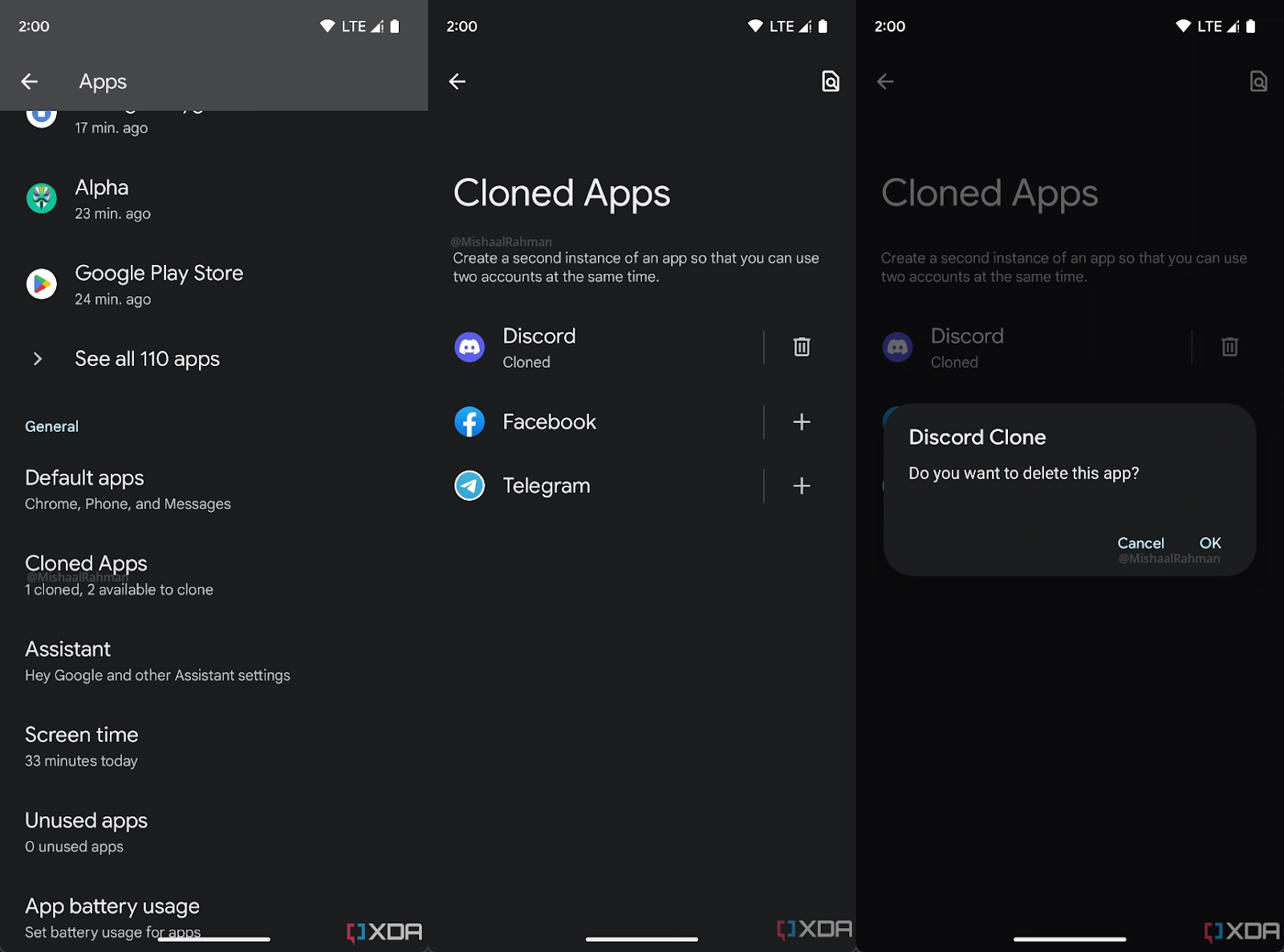
Google is finally bringing the much-awaited Cloned Apps feature in its stock UI with Android 14 which will let a user to use two instances of the same app and a user can login into two WhatsApp, Facebook or any other accounts on the same device at the same time. This feature was already present in custom android UIs of other smartphone brands by the name of Dual Apps or Parallel Apps and now it is finally making its way to the stock android.

Bloatware Finder
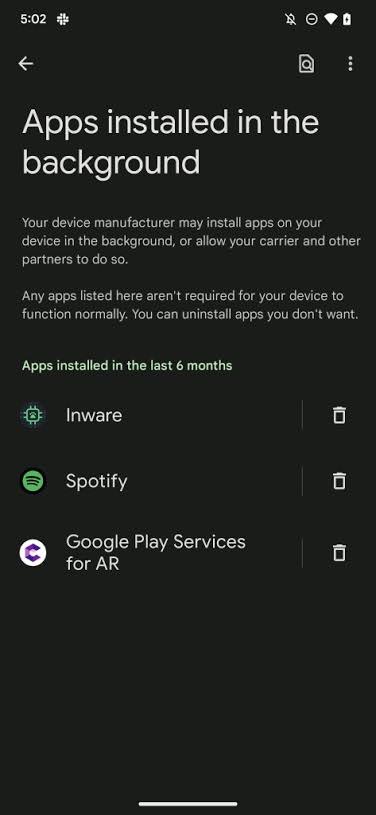
Bloatware or pre-installed apps have been a problem, especially in smartphones coming from Chinese brands like Xiaomi, Realme, OPPO etc., and the reason behind getting these is also pretty straightforward. The App company pays the smartphone brand a certain amount to get their app preinstalled in their newly launched device which eventually helps the smartphone brand to earn some extra profit or keep the price a bit low of the device they are selling to attract more customers. Well from a business perspective, this sounds good but from a buyer’s perspective, it isn’t. Google is finally coming up with a solution to tackle this problem in Android 14 by introducing a feature called ‘Apps installed in the background’. This feature will show a list of all pre-installed apps and even those apps which are secretly installed during the setup and will let the user uninstall them quickly. Definitely, a very useful feature and hope this makes its way to the final release of Android 14.

Regional Preferences

Another major improvement in Android 14 is the feature called Regional Preferences. This feature will allow a user to set app preferences according to the region he is living in, for example, if the first day of the user’s week starts on Sunday or Monday then this can be set accordingly in the calendar app. Apart from this, a user can also set different system languages for different apps which will help in a more personalised experience.

Selected Photos/Videos Access
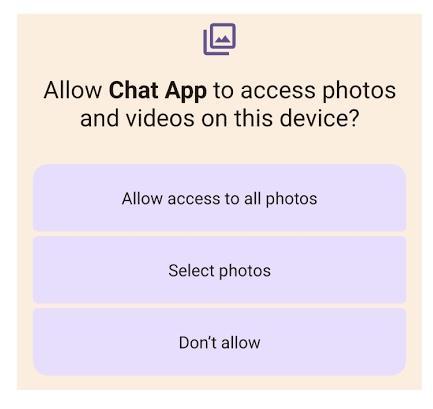
With Android 14, Google has also added a much-needed privacy feature. This gives users a lot more control over the device’s media including photos and videos shared with any app. If an app asks for permission to access photos and videos, a user can give access to only a few selected photos and videos which are required rather than giving access to the entire phone gallery. Surely a great step towards user privacy.

Integrated Health Connect 
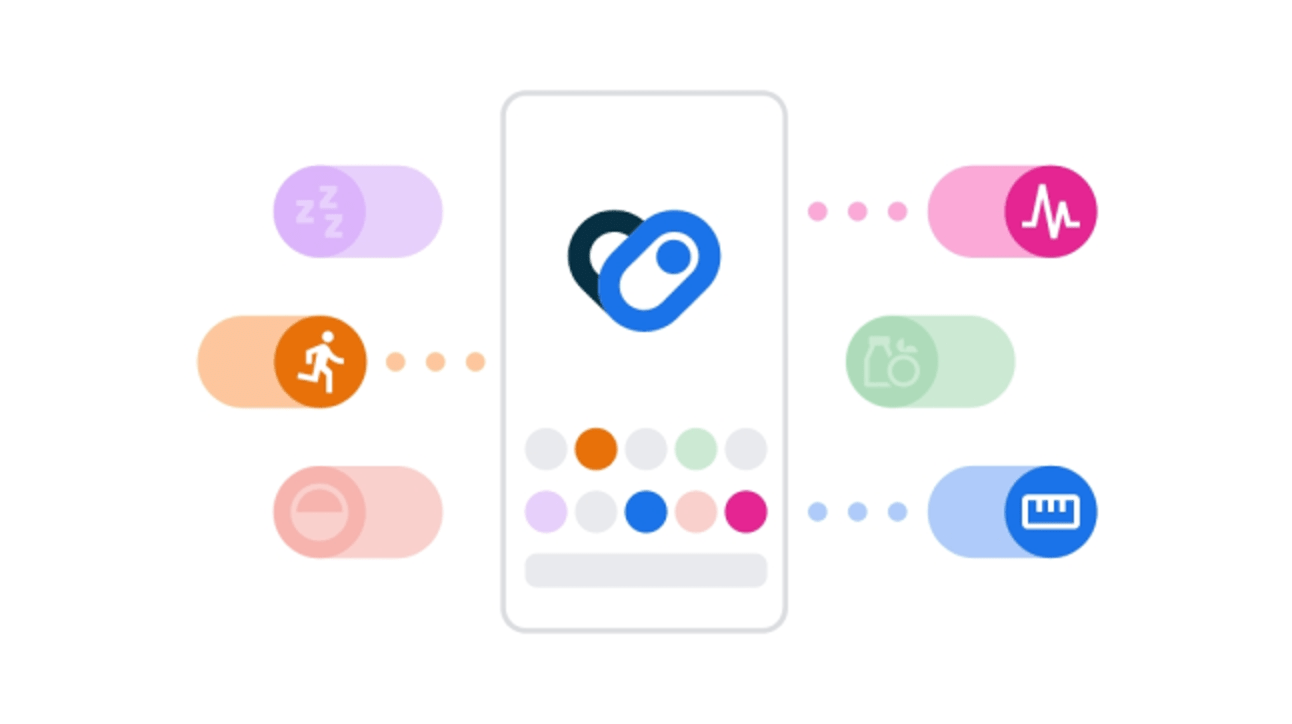
Health Connect is an app from Google which allows users to sync data from different fitness apps like Google Fit, Samsung Health, Fitbit etc. The beta version of this app is already available for download on the play store, but with Android 14, Google will be integrating health connect in the UI itself. This means that with the next update Android users don’t need to download the app separately.

Google is expected to make the final and stable release of Android 14 with the launch of their Pixel 8 series of devices which will happen sometime in Q3 or Q4 of 2023.


Leave a comment

Your email address will not be published. Required fields are marked *

How PMS Portfolios Perform During a Market Crash | Risk Management Guide

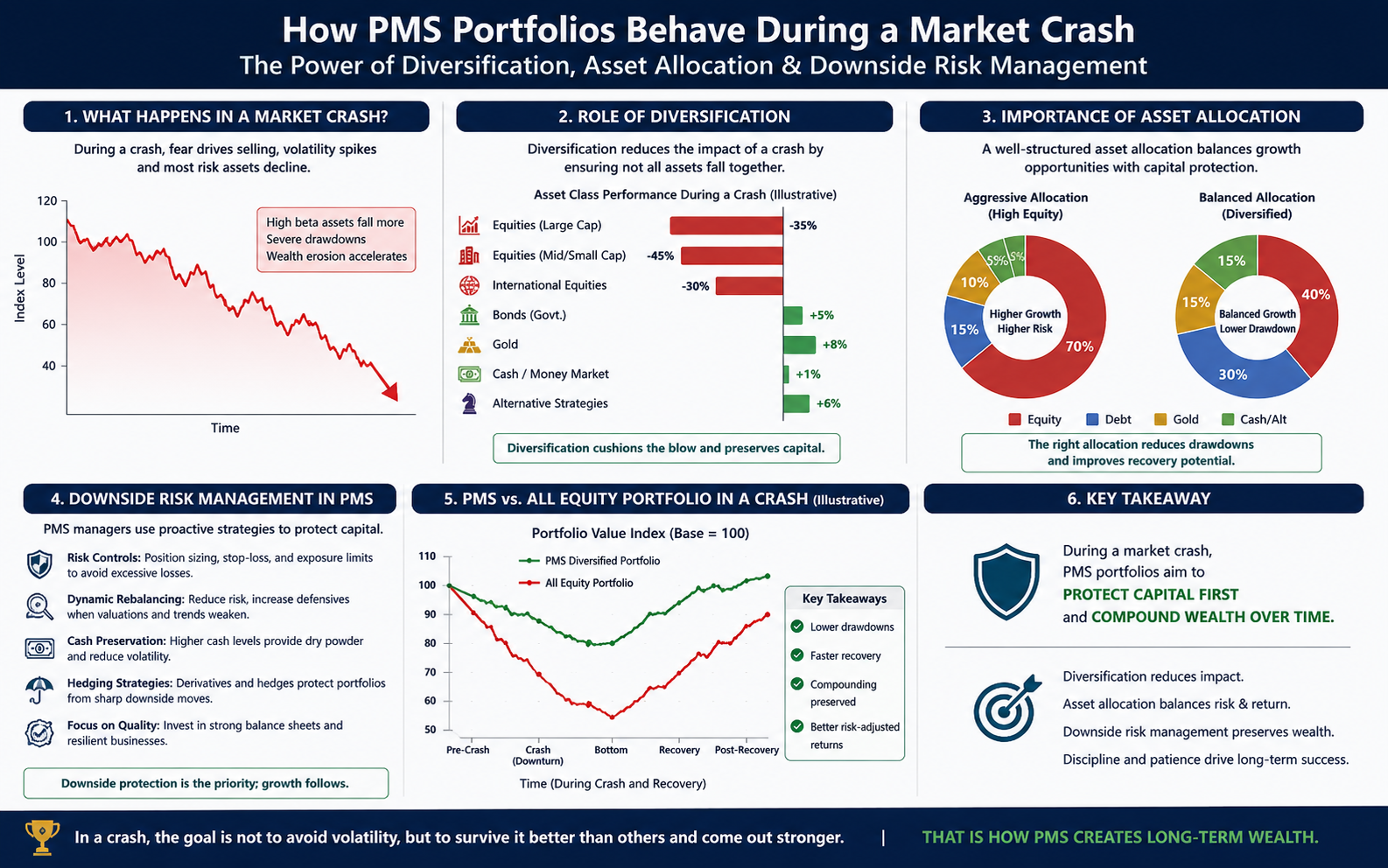
Market crashes are the ultimate stress test for any investment strategy. While returns dominate conversations during bull markets, it is during downturns that the true structure and resilience of a PMS portfolio become visible. Many investors assume that all portfolio management services portfolios behave similarly in a crash. In reality, outcomes can vary significantly depending on how the portfolio is constructed. 1. What a Traditional PMS Looks Like A traditional equity PMS is typically built as a concentrated portfolio of 15–30 individual stocks. This structure is intentional: Managers aim to generate alpha through high-conviction bets Capital is allocated meaningfully to each idea Diversification is limited compared to mutual funds However, during a market crash, this concentration becomes a double-edged sword. What happens in a crash? If a few key holdings fall sharply, the overall portfolio can decline disproportionately Single-stock risk gets amplified Liquidity issues in mid and small caps can worsen drawdowns For example, if a PMS holds 20 stocks and 3–4 of them fall 40–50%, the portfolio impact can be severe. This is the structure most investors picture when they think “PMS in a crash” — and it is also what has given PMS an unfair reputation for being high-risk by default. But concentration in direct stocks is a choice, not a requirement of the PMS structure. What sits inside the portfolio is what determines crash behaviour. 2. Not All PMS Portfolios Are Built the Same It is a common misconception that all PMS providers only buy direct stocks. In reality, a PMS is simply a personalized account managed by a professional. The strategy inside can vary wildly. While many providers stick to equities, others take a multi-asset approach. These providers build portfolios using a mix of mutual funds, direct bonds, gold, REITs (Real Estate Investment Trusts), and InvITs

Top Gaming Laptops That Can Handle Indian Summer Heat

April in Hyderabad, May in Delhi, and June in Chennai, you know what that feels like! The kind of heat that makes your phone hot just sitting on a table. The kind that turns a power cut into a genuine crisis. Now imagine gaming in that.Most laptops panic. The fans scream. The frame rates drop. The machine thermal throttles, which is a technical way of saying it gives up and slows down to stop itself from burning alive. But some laptops were built differently. Dhanush Kumar writes about the laptops that handle the heat, keep their cool, and let you game through an Indian summer without melting down. ASUS ROG Strix G16 If there is one laptop that truly understands Indian summer, it is this one. Asus put a Tri-fan technology system inside the ROG Strix G16, three fans working together, so no single part of the machine overheats. There are also liquid metal thermal compound pads on the CPU, which is a premium touch you usually only find on much more expensive machines. Even during long gaming sessions at room temperatures of 35 to 38 degrees, this laptop holds steady. Frame rates stay consistent. The keyboard doesn’t become a frying pan. The RTX 4070 inside pushes beautiful visuals in everything from BGMI to Cyberpunk. This is the one we would put our money on for an Indian summer. Lenovo Legion Pro 5i Gen 9 Lenovo’s Legion line has always been serious about thermal management, and the Pro 5i Gen 9 is their best effort yet. The Cold Front 5.0 cooling system uses a hybrid fan design with a bigger air intake. Translation: more cool air comes in, more hot air goes out, faster. What makes this special for India is how it handles dust. Indian summers come with dust.

Top AI Tools Everyone Must Use in 2026

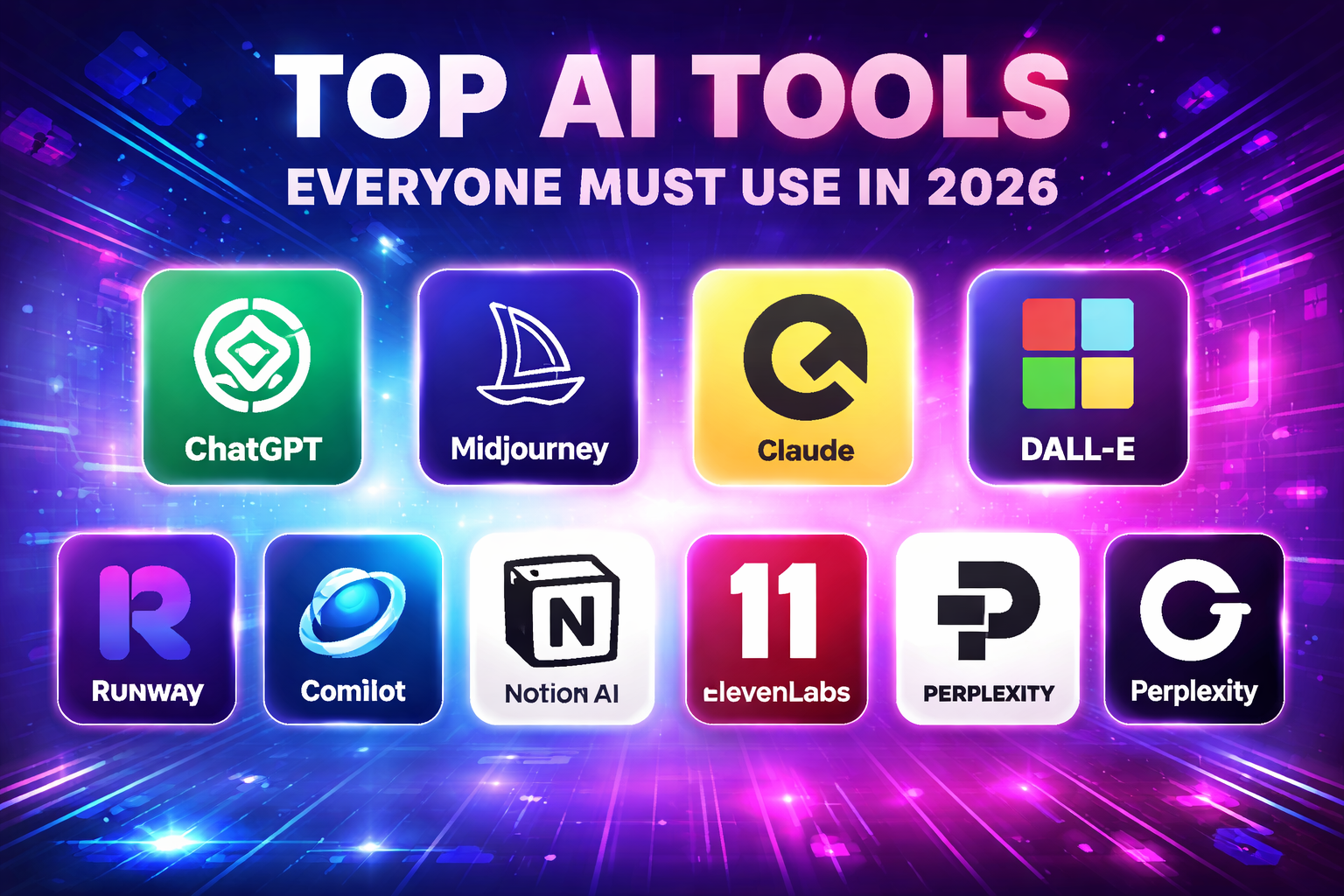
Artificial Intelligence is no longer limited to tech companies or programmers. In 2026, AI tools are becoming essential everyday companions for students, professionals, entrepreneurs, designers, and content creators. From writing emails and designing visuals to coding software and researching complex topics, AI-powered platforms are transforming how we work and create. Experts say generative AI tools now help automate repetitive tasks, speed up creativity, and improve productivity across industries. They allow users to produce content, analyze data, generate visuals, and even compose music within minutes. Here are some of the most powerful AI tools everyone should consider using in 2026. 1. ChatGPT – The All-Purpose AI Assistant ChatGPT remains one of the most widely used AI tools globally. It can help users write articles, generate ideas, summarize information, plan projects, and even assist with coding. Its conversational interface allows people to interact with AI as if they were talking to a colleague. Best for: Writing and editing content Brainstorming ideas Coding and debugging Learning new topics For many professionals, ChatGPT has become a daily productivity companion. 2. Google Gemini – AI for Research and Productivity Google Gemini is designed to integrate deeply with Google’s ecosystem, including Gmail, Docs, Sheets, and Android devices. It excels at analyzing large amounts of information, summarizing reports, and answering complex research questions. Best for: Research and information analysis Email drafting and document summaries Data insights and knowledge work Because of its integration with Google tools, Gemini is especially useful for students and professionals. 3. Microsoft Copilot – The Workplace AI Microsoft Copilot is embedded directly into Microsoft 365 apps like Word, Excel, Outlook, and Teams. It can generate reports, create presentations, summarize meetings, and analyze spreadsheets. Best for: Office productivity Data analysis in Excel Drafting professional emails and reports For businesses and corporate teams, Copilot acts

India’s New Digital Leisure Trends: From Streaming to Interactive Gaming

India is increasingly going digital in every facet imaginable. That should not be super surprising given that the country now has close to a billion Internet users and more than six hundred and fifty million active smartphone ones. According to many, the digital revolution in the world’s most populous nation began in the mid-2010s, when the Digital India platform launched, spreading fiber optic infrastructure across the nation, Reliance Jio activated 4G while lowering data transfer rates, and Chinese smartphones entered this market. These three things, along with the rise of UPI-powered payments, fueled a wave of digital adoption in The Golden Sparrow, which dramatically increased during the start of the 2020s, amidst the COVID pandemic and stay-at-home government-imposed measures. This was a time when people had to look for more modern forms of entertainment, and OTT streaming platforms posted record user numbers. People also turned to playing mobile games and enjoying sites like Casino Days in India. Hence, the 2020s marked a new era in leisure activities in this part of the world, and below, we explore the trends that have defined this new age characterized by novel ways to have fun. The JioHotstar and OTT Streaming Explosion At the start of this decade, India saw a massive expansion of OTT users, with the number of individuals subscribing to these platforms continuing to grow throughout today. As noted above, COVID-19 spurred many Indians to test streaming video entertainment. Because movie theaters were closed for months during the pandemic, some film studios decided they could not wait for them to open back up and chose to release their movies directly on streaming platforms. This further boosted the visibility of Over-the-Top services, as they are called here, which skyrocketed their subscriber counts. The fact that more people than ever had smartphones that

You May Also Like

Connect with us