How a Zero Waste Shop is Helping Retail Go Green In India

Bioroots

Bioroots

Kamayani Tiwari, the founder of Bioroots, is an enthusiastic minimalist and ardent nature lover. With her zero-waste shop, she is in a bid to put a check on the circulation of single use plastic in India, and make conscious living a daily habit. Surela Chakraborty gets chatting with the entrepreneur…

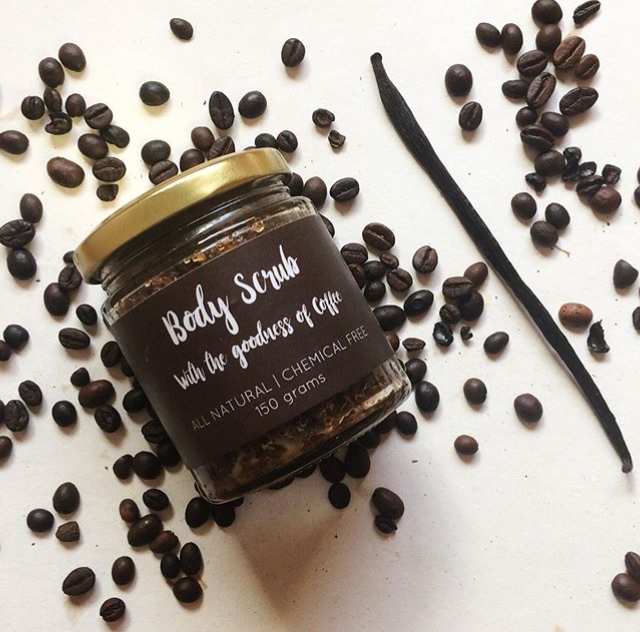
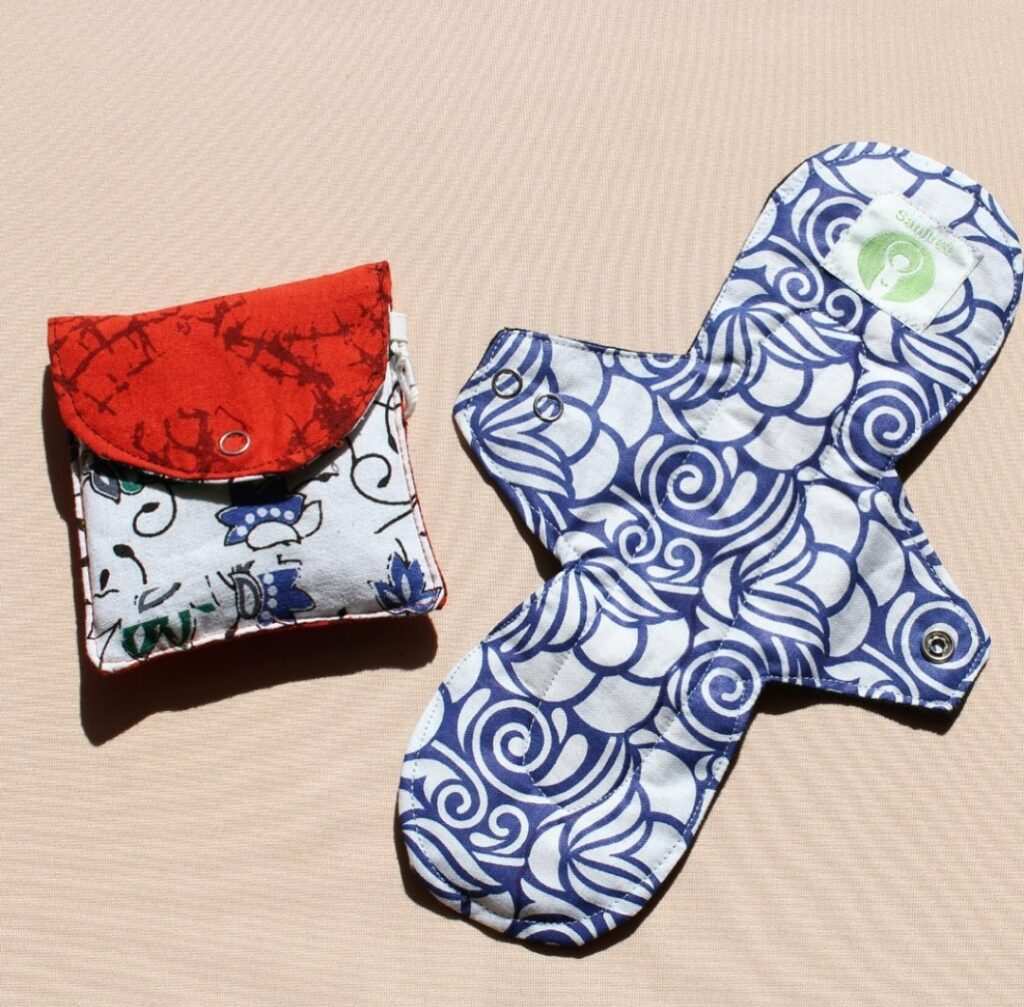
Zero waste stores are fast gaining traction in India as a viable option that provides eco-friendly alternatives to plastic in items of daily use. What makes them really different from retail outlets and e-commerce stores is how they meticulously package their products attractively in non-plastic alternatives. Their catalogues are only lined up with chemical free, organically sourced items, be it food grains or cosmetics. A zero waste store is not only about promoting minimalist conscious lifestyle but ethical business practices. This implies collaborations are only made with organizations that do not exploit their labor force and natural resources during production, follow fair trade practices and contribute towards the betterment of society. 

While reducing carbon footprint is the aim of such stores, they also directly help small businesses thrive. The concept of zero waste shops was initially popular in Europe, and with the rest of the world now catching up, entrepreneurs such as Kamyani are leading this charge in India. 

In a candid interview, Kamayani reveals what inspired her to take a leap of faith and how she plans to make zero waste store the future of the retail scene in India one step at a time…

How did you come up with the idea of starting an online zero waste store?

KT: I have been silently following minimalism for more than one and a half years, but I never forced people to do it. A point came when I thought it was important after reading up on what is harming animal life and speeding up global warming. The penny really dropped when days after ganpati visarjan I saw statues just lying around roads and waterbodies. They were made of non-biodegradable POP. A lot of other factors contributed too, and I wanted to simply write a registrar or a blog on sustainable products. It was only after rigorous research that I discovered there was no one place for all of them. So, I simply created one.

Online-only stores is a concept that is slowly picking up in India. How challenging was that process for you? 

KT: Though the idea is picking up and physical stores are simply amazing, not everyone has access to zero waste stores nearby, with our zerowasteshop.in we reached corners of India, including small towns with simply no waste generated.

How do you come up with ideas to curate products both for daily use and luxury items which are organic and chemical free? What are your criteria to choose such partners or sellers who make these products?

KT: We believe in ethical business; we are not a money-driven business. While Zerowasteshop India has big brands, we also have small brands which are new and emerging. We want to provide products for all kinds of budgets and hence we have products such as soaps ranging from Rs. 80 to Rs. 300. We must check most products in our store ourselves. We help our brands or sellers with packaging, and even with R&D on plastic free packaging, if they are curious. We support small NGOs who work with specially-abled people and local artists and most of it is not profit-based work.

This pandemic has been especially tough on small businesses, and since you started up just last year, how has the traffic been on your website? 

KT: March-April was quite harsh, and then with the complete lockdown, we hardly got any orders and we had to cancel them due to lockdown and people were not willing to wait. I was lucky enough to be able to sustain and be patient during this time. 

With many zero waste stores coming up, do you think there has been a steady increase in awareness amongst people to opt for a more environment-friendly product? 

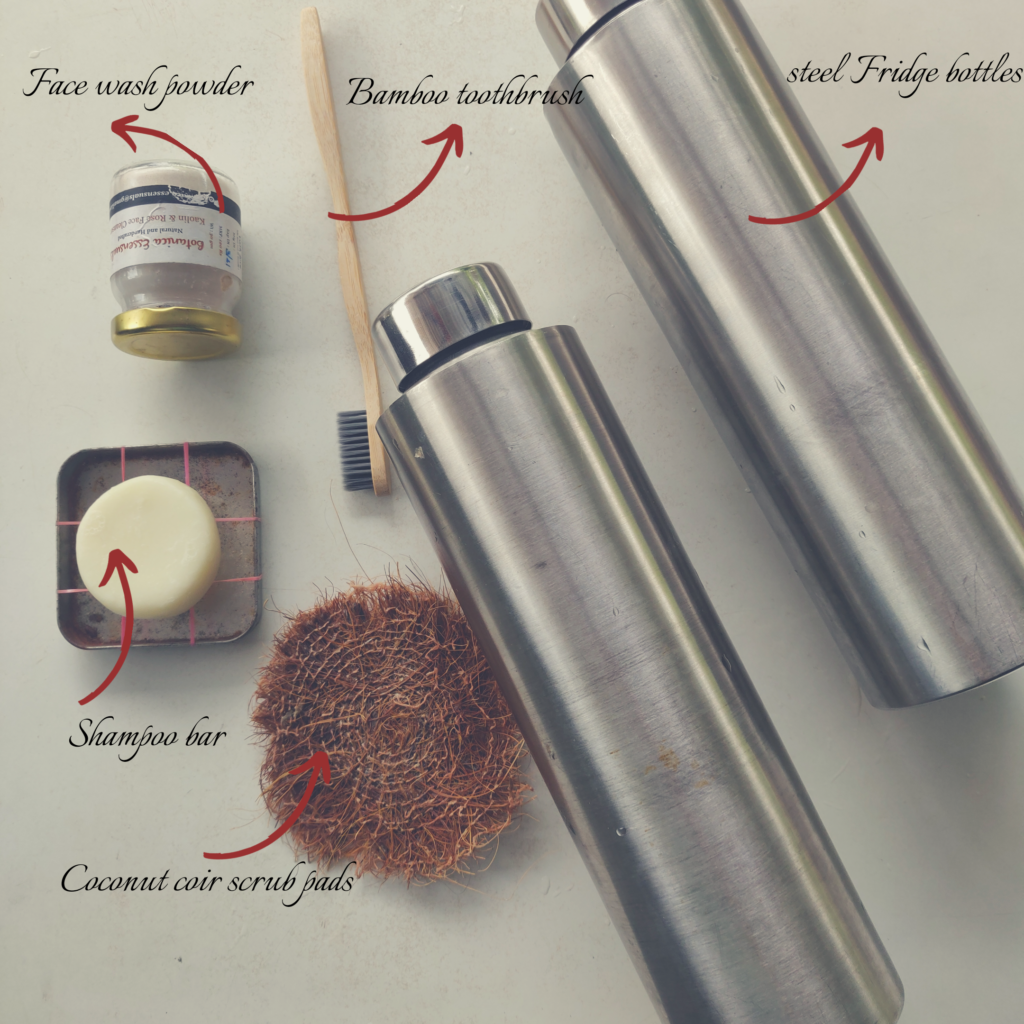
KT:  When we started, there were manufacturers, but there were no zero waste stores online. That has changed in the last few months, and it is quite heartening. It only means that people are now shifting and accepting a lifestyle once considered too complex to live. There is still a stigma around eco-friendly products being too costly, but that is not true. We have products which are the same as the cost of a plastic alternative like our coir scrub pads, face wash, shampoo bar, skincare, among others. 

As a young start up how are you planning to expand your product line in the years to come, as you have mentioned the focus is more on creating a better planet than just profit? 

KT: Money is important, but like I said before, we do green business, and the planet always comes first. For instance, for every order shipped, we spend an amount based on the CO2 emissions and donate to our carbon offsetting partner, pachama.com. That cost isn’t put on the customer, but is directly paid by us. 

We educate and encourage today’s youth towards waste segregation. Providing tools to schools and organisations is our upcoming project. 

As a team you make a conscious decision to choose eco-friendly packaging for your products, can you elaborate on how to try to choose plastic-free packaging?

We do a lot of research. Initially, some of our brands were not into the idea of plastic-free packaging, but we were able to encourage them with viable alternatives. We do a lot of R&D with minimal packaging. We send only digital invoices, our packaging is all newspaper and waste paper out of some other packaging, compostable packaging, twigs, jute strings, paper tapes and envelopes.

  • It is pretty simple, if you are aligned towards sustainability, we are here for you, no matter how small or big you are.
  • It is such a wrong perception that eco-friendly products are costly. I switched to all reusables and ditched single use products which I would throw away after every use. I use a shampoo bar and conditioner which lasts more than a month and costs only Rs. 270 and a face wash that puts me back only by Rs. 130. I understand money is important, but if you really think about it, a minimal lifestyle saves a hell lot of money. It did for me, at least.


Leave a comment

Your email address will not be published. Required fields are marked *

Yuvraj & Yashraj Bhardwaj | Powering India’s Circular Economy

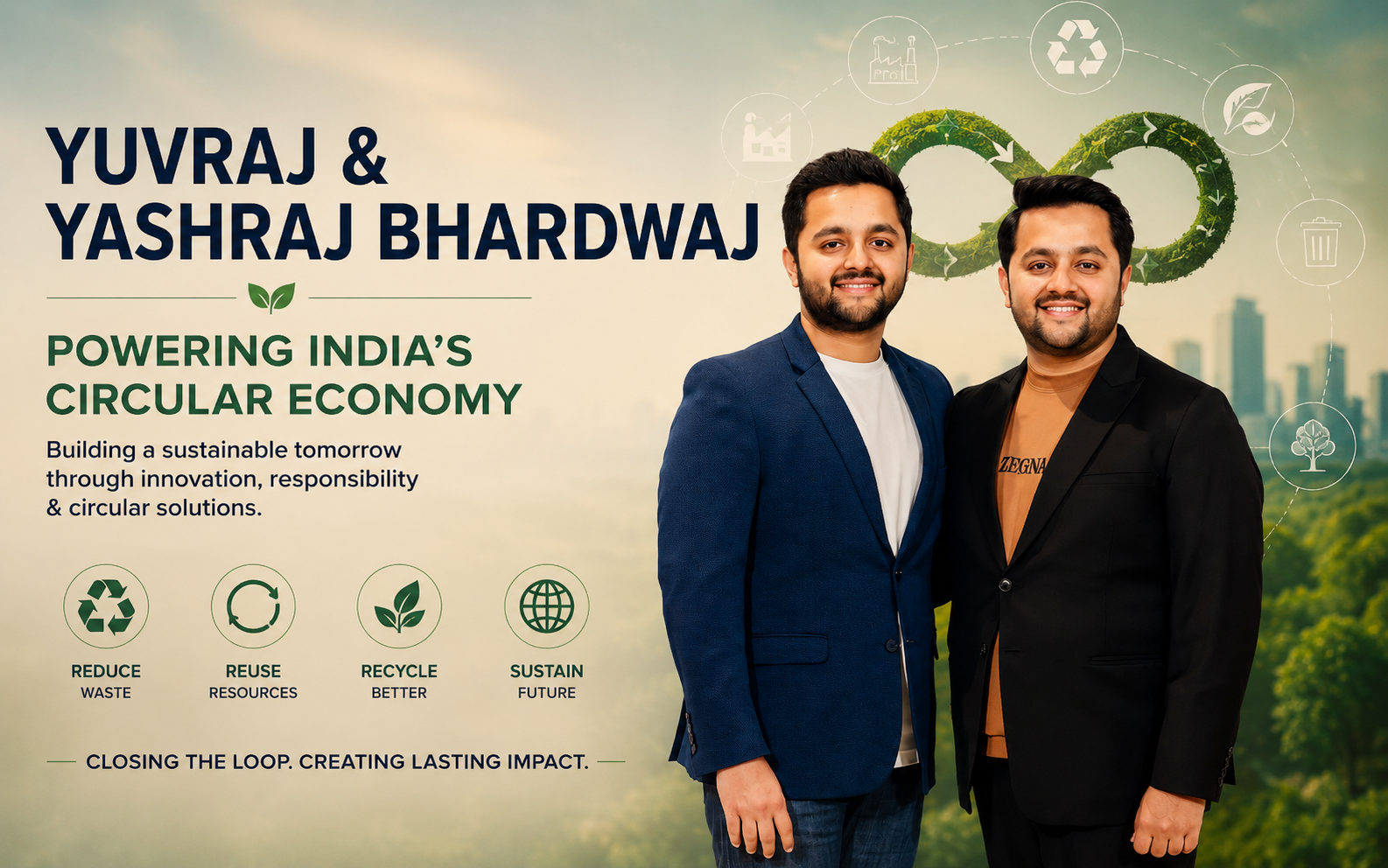
Twin brothers Yuvraj Bhardwaj and Yashraj Bhardwaj are the co-founders of Plannex Recycling, a Gurugram-based circular economy company transforming waste management through technology and innovation. Both entrepreneurs began innovating at the age of 14, filing patents and undertaking research projects long before launching their ventures. Today, while Yuvraj, Co-Founder & CEO, leads operations, technology, and execution, Yashraj drives strategy, policy, partnerships, and global expansion. Together, the Forbes 30 Under 30 Asia honourees have built one of South Asia’s leading recycling platforms, processing over 500,000 metric tonnes of waste annually across 18 facilities in seven countries, proving that sustainability and scale can go hand in hand. 1. Tell us about your venture and how the idea first came to life. What made you decide to build it together as siblings? Yashraj: We’ve been building things together since we were 14, so becoming co-founders wasn’t really a decision; it was the natural next step. We saw India’s waste sector as a fragmented industry with enormous potential but very little technological intervention. While most people saw waste, we saw an opportunity to build infrastructure for the future. Yuvraj: Today, Plannex processes over 500,000 metric tonnes of waste annually across categories such as e-waste, PET plastics, batteries, tyres, and industrial waste, while creating employment for more than 2,000 people. Being twins gave us something every founder hopes to build: complete trust. We couldn’t imagine creating this business any other way. 2. How do your personalities and strengths complement each other? Yuvraj: Although we’re twins, we think very differently, and that’s our biggest advantage. I focus on operations, technology, and execution, making sure every facility runs efficiently and every process delivers on its promise. Yashraj: I spend more time on strategy, partnerships, policy, and investor relationships, helping Plannex expand globally. One of us imagines what’s

Pinq Polka: The Story of Manveen S Sharma & Mandeep Singh

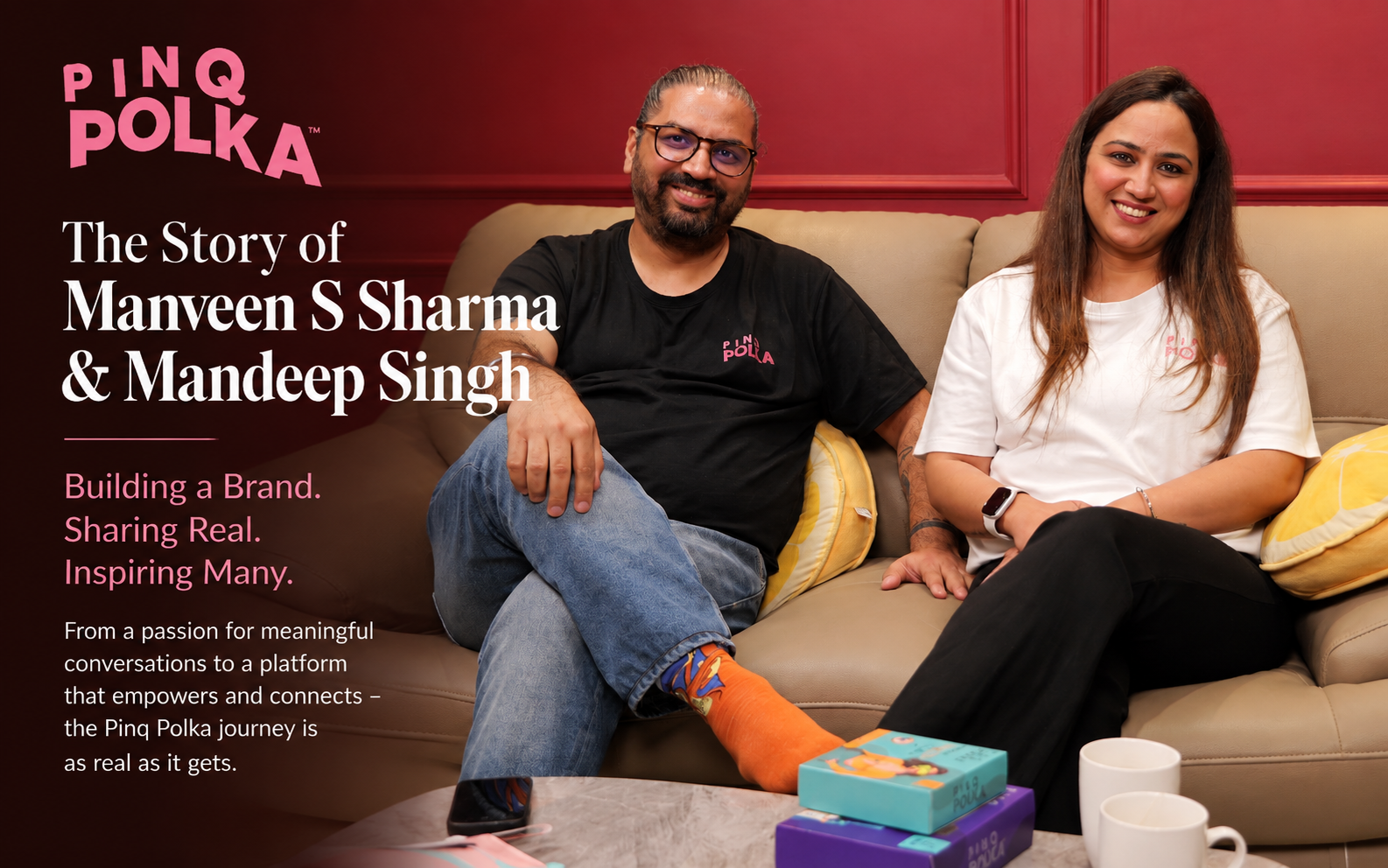
Manveen S Sharma, CEO of Pinq Polka, brings over nine years of leadership experience across the automotive, mobility, and business sectors, with expertise in business strategy, operations, and customer-centric innovation. Alongside her is her brother, Mandeep Singh, Co-Founder, an entrepreneur with extensive experience in business development, sales, operations, and scaling businesses within the automotive and electric mobility ecosystem. Together, the sibling duo has transformed a simple consumer insight into one of India’s emerging women-first intimate wear and shapewear brands, combining strategic leadership with a shared commitment to creating products that prioritise comfort, confidence, and functionality. 1. Tell us about your venture and how the idea came to life. What made you decide to build it together as siblings? Manveen: Pinq Polka was born out of a personal experience. I often found myself buying women’s personal care products from abroad, because I couldn’t find the same quality in India. During a conversation with my brother, we realised there was a genuine gap in the market. Before launching, we spent months researching, speaking to women, testing products, and gathering honest feedback. That process confirmed we were solving a real problem. Building the brand together happened naturally; we trusted each other’s strengths and shared the same vision of creating products that genuinely improve women’s everyday lives. 2. How do your personalities and strengths complement each other? Manveen: I stay closely connected to our customers, spending time understanding their needs and translating those insights into better products. Many of our innovations have come directly from conversations with women who use our products every day. Mandeep: I focus on business strategy, partnerships, and sustainable growth. While Manveen leads product innovation and customer experience, I ensure we build a business that’s scalable and future-ready. We may approach challenges differently, but we’re united by one principle: never

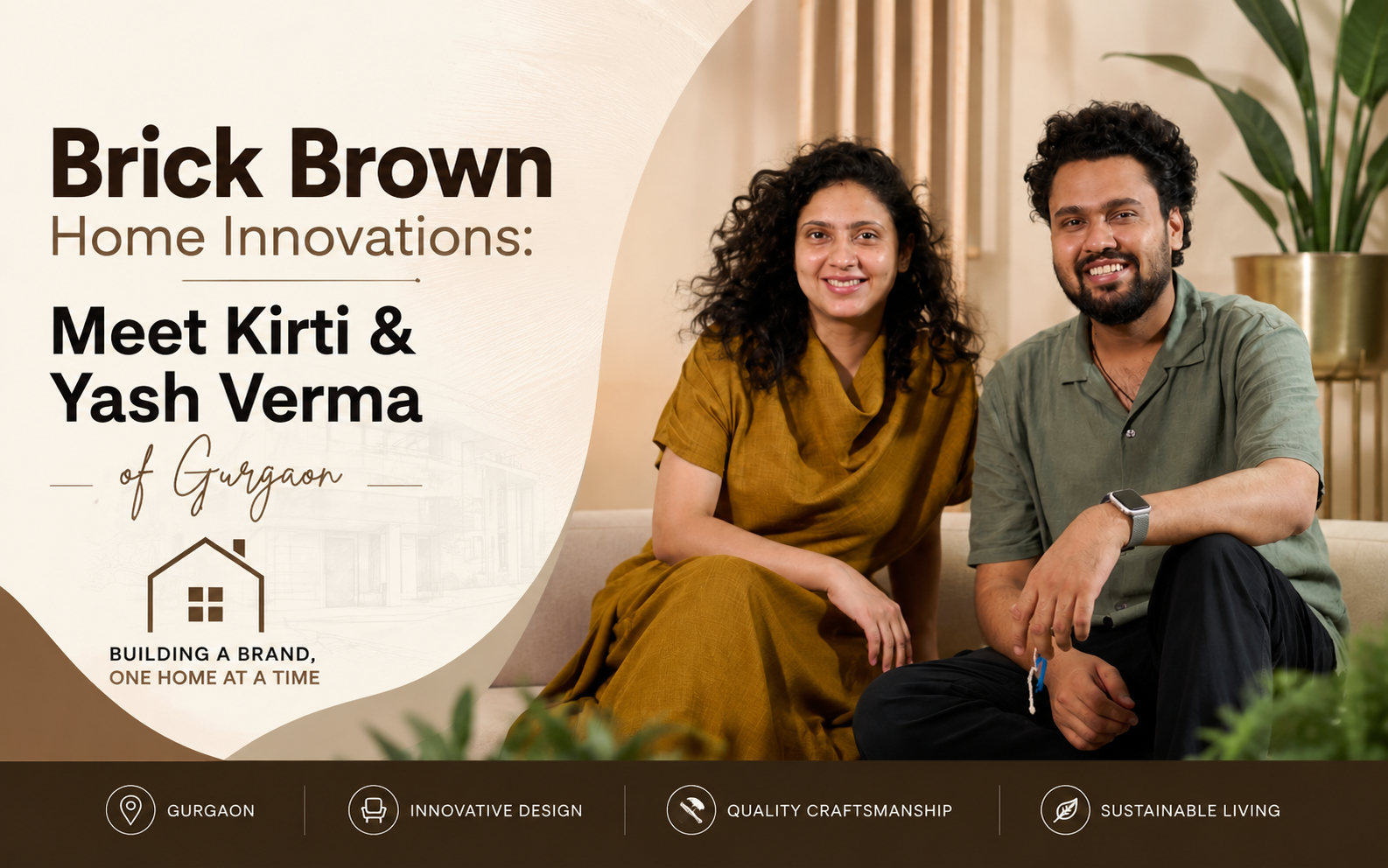
Brick Brown Home Innovations: Meet Kirti & Yash Verma of Gurgaon

Sibling duo Kirti Verma and Yash Verma, founders of Brick Brown Home Innovations, are redefining modern living through thoughtfully designed home décor that blends traditional Indian craftsmanship with contemporary aesthetics. Based in Gurgaon, the brand creates handcrafted solid wood storage solutions, organisers, and home essentials that celebrate functionality, sustainability, and timeless design. Yash Verma leads product innovation, artisan collaborations, and technology-driven operations, while Kirti Verma shapes the brand’s creative vision, design language, and business strategy. Together, they have built Brick Brown into a contemporary homegrown brand that seamlessly blends heritage craftsmanship with modern design. 1. Tell us about your venture and how the idea first came to life. Why did you decide to build it together as siblings? Brick Brown began with a simple belief that homes should feel warm, personal, and lived in. We wanted to create handcrafted wooden pieces that people would cherish for years instead of following short-lived trends. Building the business together wasn’t a planned decision; it happened naturally. Having grown up with similar values and design sensibilities, we instinctively understood each other’s way of thinking, making us natural partners. 2. How do your personalities and strengths complement each other? We bring very different strengths to the table, and that’s what makes the partnership work. I (Yash) focus on product design, manufacturing, and working closely with artisans to perfect every detail. Kirti leads branding, creative direction, storytelling, and business growth. One of us builds products worth talking about, while the other ensures their story reaches the right audience. 3. Has your sibling bond made entrepreneurship easier or more challenging? It has definitely made the journey easier because trust was never something we had to build; it already existed. One moment we’ll always remember is opening our own studio in Gurgaon. Standing in that space, we realised

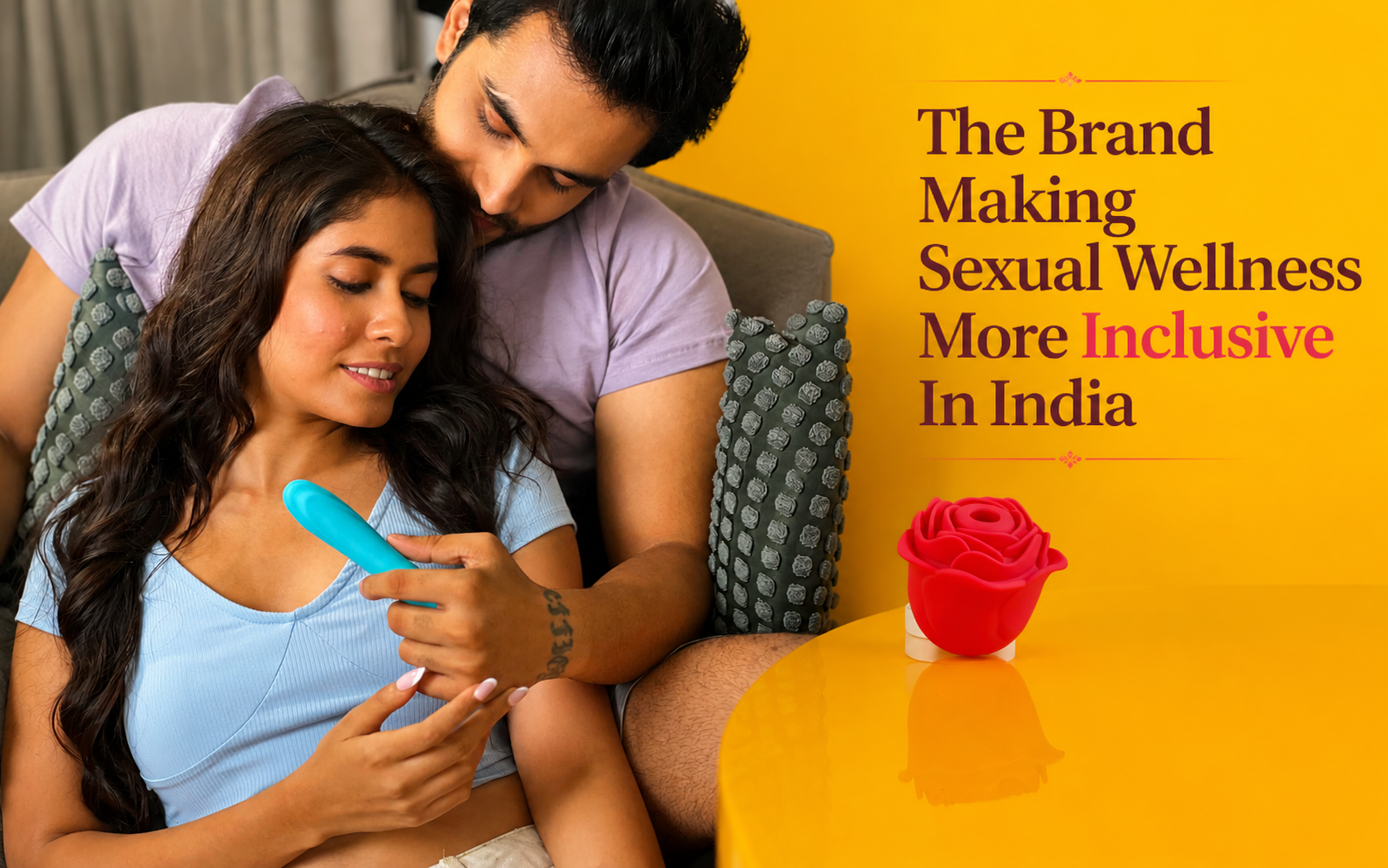
Getting Sassiest: The Brand Making Sexual Wellness More Inclusive In India

In a country where conversations about sex are still low-key at dinner tables and turn school classrooms awkwardly silent, brands like Sassiest are changing the script, one meme, conversation, and pleasure-positive post at a time. From cheeky Instagram content and relatable humour to refreshingly honest takes on intimacy, confidence, and self-exploration, the brand is helping young Indians approach sexual wellness with far less awkwardness and a lot more openness. Mehak Walia gets sassy with Aishwarya Dua and Karishma Chavan, the co-founders of Sassiest. And honestly, that shift feels long overdue. For years, discussions around pleasure and desire in India have either been buried under shame or treated like something too scandalous to say out loud, especially when women are leading the conversation. Founded by Aishwarya Dua and Karishma Chavan, Sassiest is pushing back against that discomfort with a voice that feels warm, inclusive, funny, and unapologetically real. Instead of sounding clinical or preachy, the brand creates space for conversations around boundaries, body confidence, emotional well-being, and modern relationships in a way that actually feels relatable to today’s generation. For Karishma, the inspiration behind the brand came from noticing just how disconnected many women grow up feeling from their own bodies. “Most conversations around intimacy here are either hidden, judged, or purely medical,” she says. “Nobody was really talking about pleasure, confidence, self-exploration, or emotional wellness in a way that felt normal, safe, and relatable.” That silence, she explains, extends far beyond intimacy itself. Shame and conditioning often shape confidence, relationships, and even the way women exist in the world. “I wanted Sassiest to feel less clinical and more like a movement,” Chavan shares. “A space where women and queer people could feel seen without embarrassment.” Of course, building a sexual wellness brand in India came with its fair share of

You May Also Like

Connect with us