Axone: The Taste of North-East India

Axone The Taste of North-East India - Hashtag Magazine

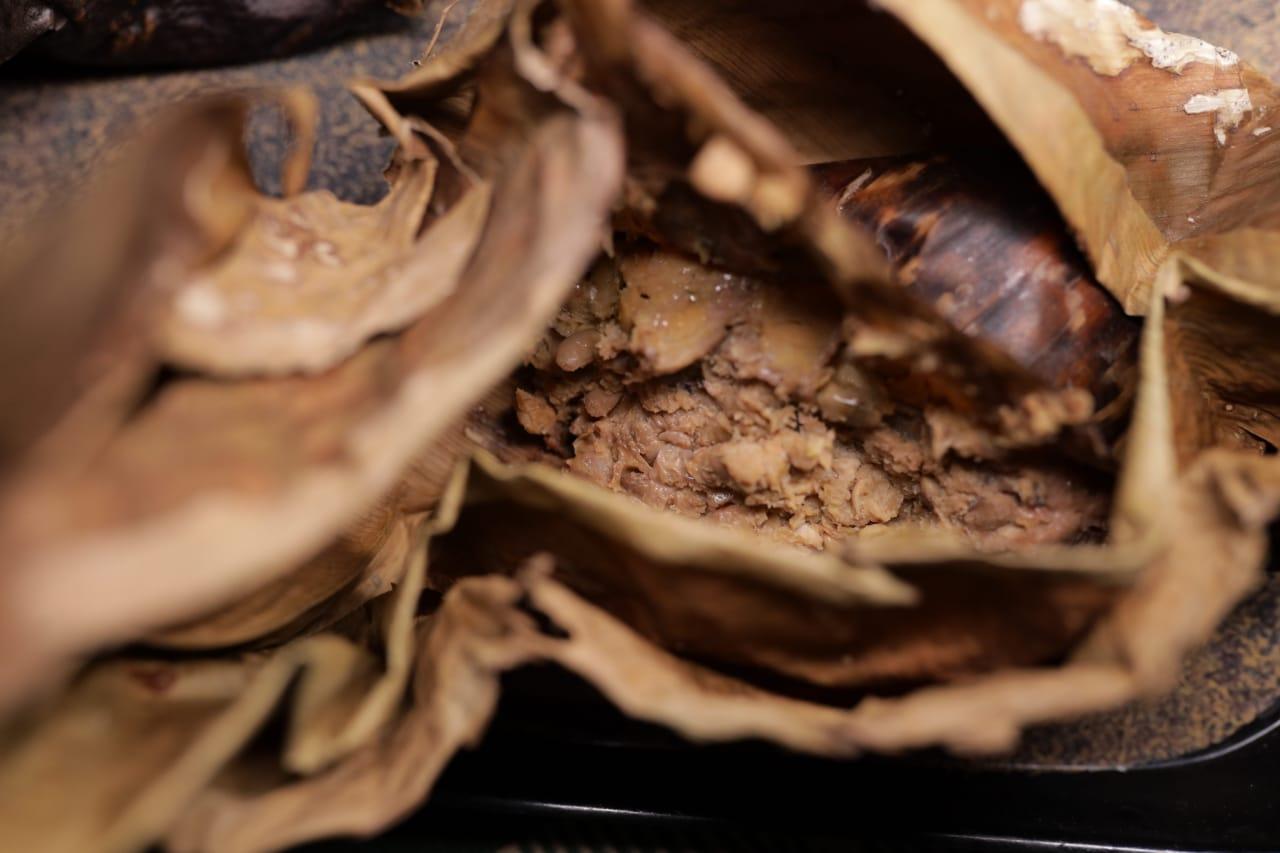
Axone (pronounced as Ak-khun-i) is an ethnic dish eaten widely in areas of North-East India originating from the Sumi tribe in Nagaland. Imnasanen talked to some locals who explain that axone is made from fermented soybeans which is used both as an ingredient as well as a condiment while making dishes like chutneys or meat curries, etc. It is also interesting to see that each tribe has their own creative spin on the dish and added their own unique recipes to making axone.
The folktale behind axone

Axone is derived from the Sumi word ‘Axo’ which means ‘smell’. The origin of Axone can be traced back a long time, back to Kujunakali who was the granddaughter of Mutale. Kujunakali’s parents died at a young age and she was looked after by her uncle and his wicked wife who made her work in the fields all alone and was given only the leftover food when she returned home. One day, as she set out to work, her aunt packed half-cooked soybeans mixed with a meagre amount of shredded bamboo sticks, a few vegetables and eggs all wrapped in a banana leaf. After a long day of work, when she returned to eat the food packed by her aunt, she realized that it was not fit to eat. Hence, she buried it in between a layer of haystack before going home without food. 

A few days later as she went to the fields without food, she remembered that she had set aside some food in the hay and as she went to retrieve it, she discovered that the half-cooked soybean was already smelly and faulty by that time but it strangely looked appealing to her eyes. She tasted it and found it to be tasty despite the foul smell. After some days, she invited her friends to come and try a sample of what she made. All of them became fond of it and praised her, and soon, news about her dish spread like wildfire. Kujunakali was able to earn money from the little venture she made and years later, she became known for the wealth she possessed selling axone. 
The way axone is made

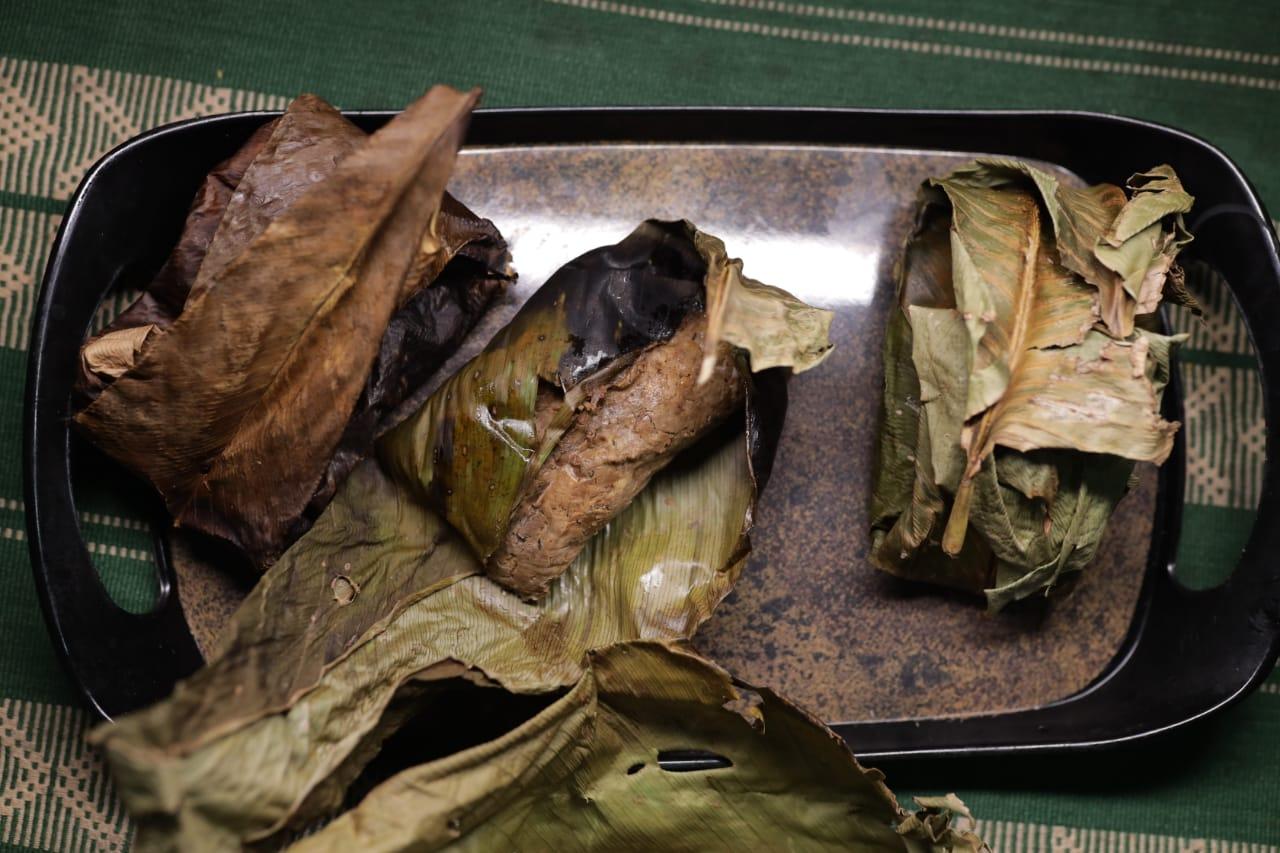
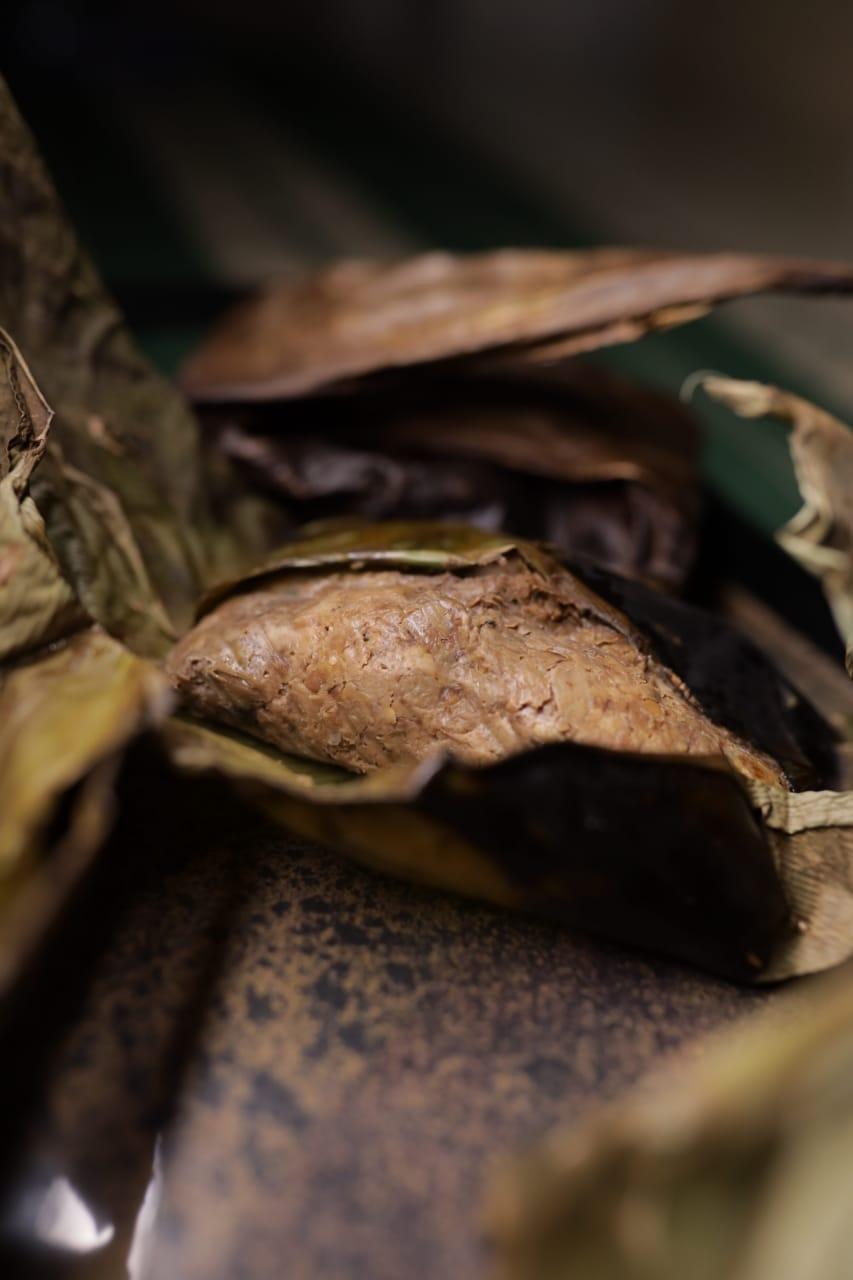
The process of making a dish with axone is very simple. Ayeluto Awomi, a local from the Sumi tribe explains, “To make axone, you must first wash the soybeans and soak them for about 20-30 minutes. After that, the soybeans should be cooked in a pressure cooker and then strained to dry. To follow up, it must be kept in a wooden basket for 2-3 days. Sun drying the soybeans for about 3-4 days is completely optional. Next, the soyabeans are ready to be pounded into a paste before they are wrapped in sycamore or banana leaves and hung in the fireplace for two nights.” Additionally, he adds, “The paste will last for months and if you want to preserve it for a long period, you can keep it on the top of the fireplace or in an air-tight container in the fridge.”
Similar dishes like axone

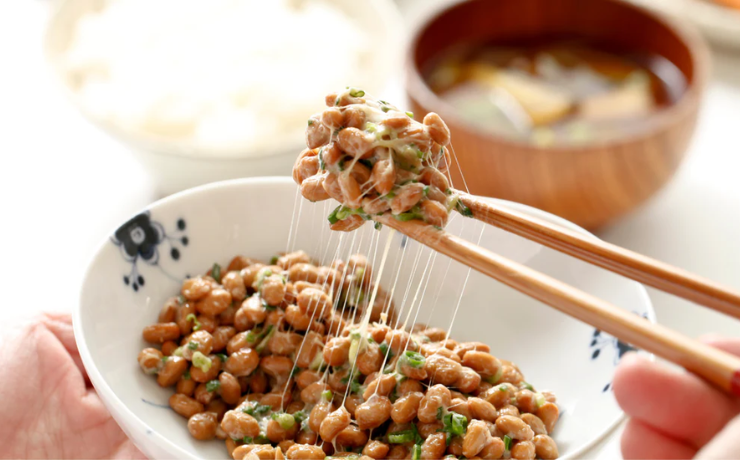
Axone is a fairly common dish that is eaten frequently everywhere in the north-eastern states, especially popular in pork and beef curry. Flavourful in its taste with a hint of acidity, it is said that one’s first experience with axone is often unforgettable. Coincidentally, there are also similar dishes like axone in and around other Asian countries. For example, Natto (Japan), Doenjang (South Korea), and Tempeh (Indonesia). 
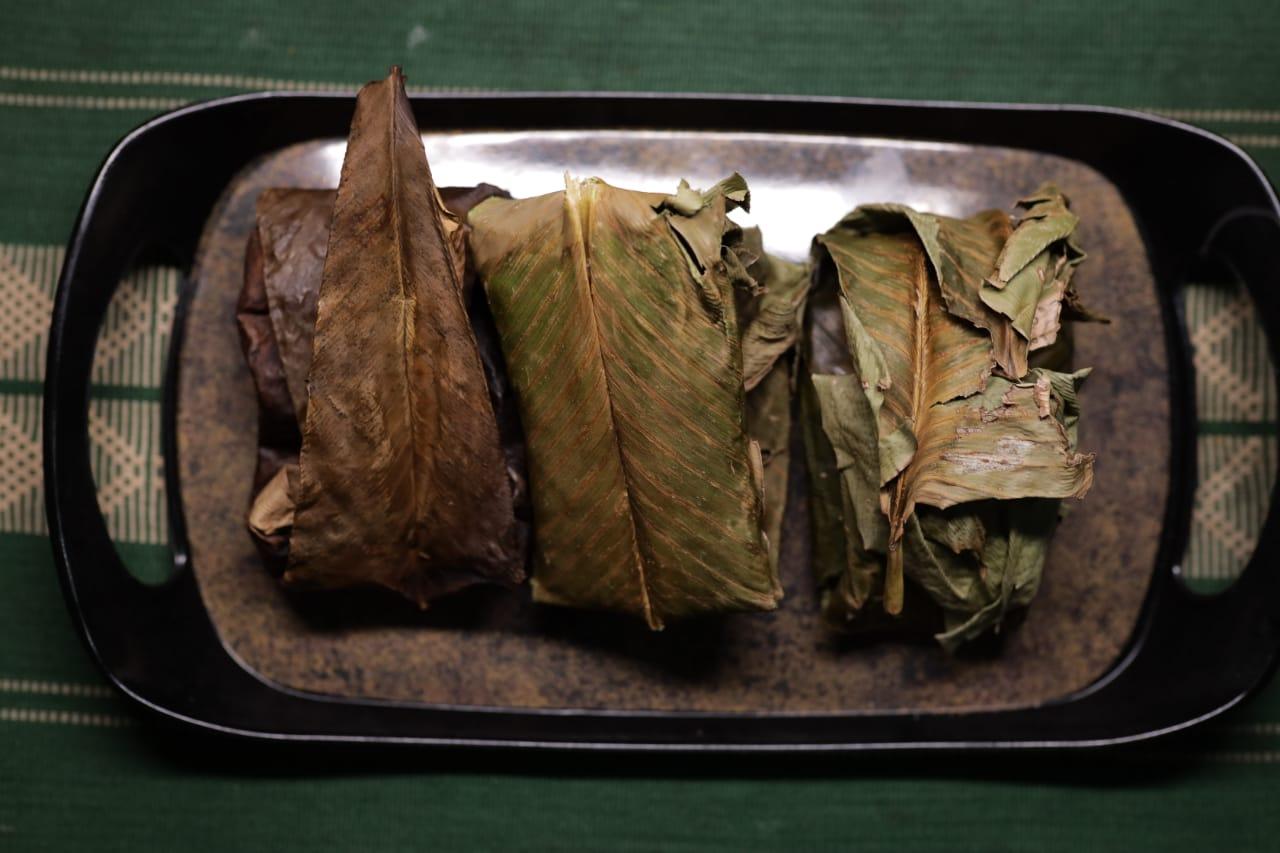

In recent years, the popularity of axone has risen in central India due to the exposure of North-Eastern culture through social media and increasing curiosity towards them. Axone (2020) is one such movie produced by Yoodlee Films where the main highlight of the film was the dish axone. Even the portrayal of the dish itself remains accurate to the fact that the dish has a pungent smell but the taste is quite contrary to how it smells; a classic case of ‘Don’t judge a book by its cover’, or rather in this case, ‘Don’t judge a dish by its smell.’


Leave a comment

Your email address will not be published. Required fields are marked *

Cool & Nourish: Refreshing Summer Drinks to Beat the Heat

As temperatures rise during the summer months, staying hydrated becomes essential for maintaining energy, digestion, and overall health. While water remains the most important source of hydration, traditional summer drinks made with natural ingredients can provide additional nutrients and cooling benefits. Across India and other tropical regions, seasonal beverages made from fruits, herbs, and dairy have long been used to regulate body temperature and replenish minerals lost through sweat. These refreshing drinks not only quench thirst but also support digestion, boost immunity, and help the body stay balanced during intense heat. Here are some easy summer beverages along with their health benefits and simple recipes you can try at home. Aam Panna (Raw Mango Summer Cooler) Aam Panna is a classic summer drink known for its tangy flavour and cooling properties. It is made from raw mangoes blended with spices and herbs. Health BenefitsRaw mangoes are rich in vitamin C and antioxidants, which help boost immunity and prevent dehydration. The drink also restores electrolytes lost through excessive sweating and protects against heatstroke. Why You Should Drink ItAam Panna is considered one of the best traditional drinks to combat summer fatigue and heat exhaustion. Recipe Ingredients 2 raw mangoes 3 tablespoons sugar or jaggery (adjust to taste) ½ teaspoon roasted cumin powder A few fresh mint leaves A pinch of black salt 2 cups chilled water Method Boil or pressure-cook the raw mangoes until soft. Peel the skin and extract the pulp. Blend the pulp with sugar, mint leaves, cumin powder, and black salt. Add chilled water and mix well. Serve cold with ice and a few mint leaves for garnish. Buttermilk (Chaas) Buttermilk is a light, refreshing drink made from yogurt diluted with water and flavoured with spices. Health BenefitsIt is rich in probiotics, which support gut health and digestion.

From Menus To Memories: Top Hosting Tips For The Ultimate Dinner Party

There’s something magical about a well-executed dinner party. Whether you’re rounding up your best friends for a catch-up or entertaining extended family for a celebratory night in, the joy of feeding those you love never goes out of fashion. As much as we love a night out at a fancy restaurant, there’s a certain charm about staying in, lighting some candles, and serving up your signature dish with pride. For many Indian hosts, a dinner party is more than just a meal it’s a full-blown experience. From the starters to the send-off, every detail adds up to make your guests feel welcome, well-fed, and genuinely impressed. But pulling it off requires more than just a decent butter paneer and some extra plates. Whether you’re a seasoned host or dipping your toes into the world of dinner parties, here are some top tips for hosting with ease, style, and a whole lot of heart. Start With The Invite to Set The Tone Early Planning for a dinner party starts way before the guests come knocking at your door it begins with your invitation. A blasé “Dinner on Friday?” text on WhatsApp doesn’t cut it. If you want to elevate the vibe, design your own PDF invitation cards it’s a small touch that shows thought, effort, and makes everything feel more intentional. Plus, you get a chance to convey the essentials date, dress code (if applicable), theme, and what to bring or not bring (i.e., a bottle of wine, or no surprise plus-ones). Creating your own invitations also helps you set expectations in a classy way. Fancy a relaxed rooftop vibe with finger food and sangria? Or something a bit more traditional, with thalis and mithai? Either way, when your invite looks the part, your guests know what to bring and the

Shruti Mahajan: From Home Kitchens to Digital Food Education

Shruti Mahajan’s relationship with food began long before social media. Raised in a home where meals symbolised comfort and connection, she grew up understanding that food was never just functional; it was emotional infrastructure. Today, based in Delhi NCR, she balances a full-time corporate career alongside a steadily growing culinary platform. Her dual life reflects her personality: equal parts structured and creative. “I’ve always balanced discipline with imagination,” she shares. Managing time, health, and responsibility firsthand shaped her belief that food solutions must work in real life, not just on screen. Simplifying the Everyday Shruti identifies as a culinary content creator and digital educator, but her core mission is simpler: make healthy eating realistic. She noticed that nutrition-forward cooking often felt overwhelming or aspirational. “Food is something we deal with every single day,” she says. “If we can make it easier and healthier, it genuinely improves quality of life.” Her content is built around that practicality, short, efficient recipes designed for busy schedules. Shruti’s signature format includes 30–40 second recipes that viewers can watch, save, and cook without friction. She focuses on ingredients already present in Indian kitchens and has carved a niche by making millets engaging, from Ragi Brownies and Ragi Dhokla to Millet Sambar Khichdi. Built on Consistency Her journey began quietly, experimenting in her own kitchen and sharing what worked. There was no dramatic pivot, only persistence. Balancing content creation alongside a demanding job required discipline. That phase reinforced her core belief: consistency outweighs perfection. The turning point came when followers began writing, “I actually tried this.” That validation signalled impact. Today, she is focused less on virality and more on systems, structured PDFs, nutrition-led education, and scalable tools that empower everyday cooks. Power in Balance Shruti operates on three principles: balance over extremes, progress over pressure,

Nidhi Goyal on Reinvention and Food Entrepreneurship

Nidhi Goyal’s story is one of quiet endurance and deliberate rebuilding. Based in Jaipur, she holds a Bachelor’s degree in Computer Applications (BCA), a foundation that sharpened her analytical thinking and discipline, qualities that would later prove vital in entrepreneurship. Raised in a middle-class business family, she grew up absorbing lessons in independence and responsibility from her father. But life tested her early. Married in 2017, the years that followed brought emotional challenges that deeply impacted her confidence and health. After the birth of her son in 2019, circumstances led her to return to her parental home. Today, as a single mother raising her child with the support of her parents, Nidhi stands self-aware and purpose-driven. “Life may not turn out the way you planned,” she reflects, “but you still have the power to rebuild it.” Cooking as Independence Nidhi is the creator behind Fun2oosh Food, where she shares simple, practical, and relatable recipes for everyday households. But beyond content, her work represents something far deeper: financial independence and dignity. “Every decision I make is driven by one purpose: to give my son a secure and value-driven future,” she says. Content creation became her pathway to rebuilding her life on her own terms. Honest Food, Real Connection Her culinary philosophy is rooted in authenticity. She creates “honest, no-fuss, everyday food,” recipes tested with patience and precision. Over time, her confidence has grown alongside her platform, earning her audience’s trust. Her community associates her work with warmth and reliability. The food feels personal, not performative, a reflection of the care behind every dish. The Courage to Begin Nidhi began her journey in 2021 during a period of vulnerability. Monetisation was slow; it took four months to earn her first $100 on YouTube, an amount that covered her son’s expenses at the

You May Also Like

Connect with us