Famous Foods of Sikkim

https://www.britannica.com/place/Sikkim

Food consumed and the traditions practiced in a state depict their forebears while also enlightening the the facts about the circumstances that were relevant. It delineates how the cuisines, cultures flourished and developed. Sikkim is called the state of the famous food in India. To explore the most out of Sikkim’s various gastronomic pleasures, you must visit several native cafes, eateries, and food stalls. There’s no getting away from Sikkim’s fiery, salted, spicy, and bitter meals if you’re in Sikkim. Hashtag Magazine compiles a list of all the traditional foods of Sikkim you must try.

What Makes Sikkim’s Cuisine Special?

Sikkim’s cuisine is a spread of a diverse range of flavours as well as a reflection of the multi-ethnic blend of individuals and traditions within the state. This richness is mirrored in Sikkim’s wonderful menu, which incorporates dishes from neighbouring states as well as bordering nations Nepal, Bhutan, and Tibet. Sikkim is regarded as an ecological state and the cuisine centres on organic foods from local farms. Whenever the tastes of Sikkim combine in this magnificent merge of spices, the outcome is a broad variety of delectable dishes. A curated list of Sikkim food images with names is this piece. 

The optimum blend of deliciousness and energy filled with spices can be relished in the traditional food of Sikkim that you certainly enjoy. From Momos to Thukpa, Sikkim’s famed cuisine is deliciously simple.

10 Famous Foods of Sikkim

We have curated a list of ten of the best and most flavourful of Sikkim’s piquant spread of dishes for your perusal.

  1. Momos 

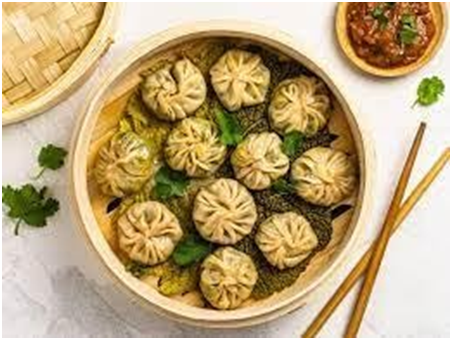
A kind of Tibetan dumpling, momos is consumed in various places like in India that include Darjeeling, Ladakh, Pakistan, Assam, Sikkim and other states. However, Sikkim and momos are a delicious blend. This authentic dish of Nepal is extensively consumed in the state that it shares border with – Sikkim.

Momos are steamed dumplings, which are loaded with stuffing that may comprise meat or vegetables and spices along with cheese, tofu or paneer. The exterior shell of this dish is made of maida, also called all-purpose flour, and water, to make its dough. The dough is made into small flat circles where the stuffing is filled in and wrapped like dumplings. Later, these can be steamed. A tad of yeast is incorporated in the dough for an appealing lift to the dough.

The stuffing has undergone several changes over the years, culminating in the dumplings’ prominence. Momos nowadays are the most extensively consumed dish in various parts of India.

2.  Thenthuk
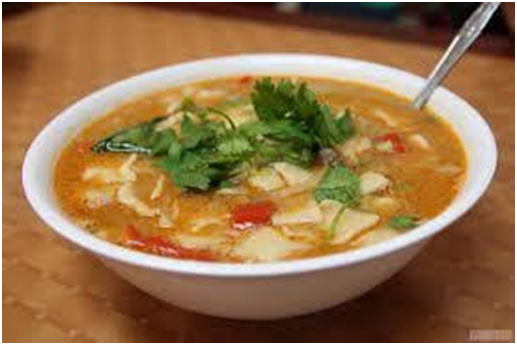
Thenthuk is another tasty and healthful leisure dish. It is one of Sikkim’s regional delicacies. Made out of wheat flour, this comfort dish is served in a broth containing vegetables and meat. Unlike thukpa, the thentuk dough is flattened rather than shaped into typical noodle strands.

It is only introduced after the veggies and meat have been thoroughly cooked. The people of Sikkim usually tend to savour this dish during supper.  

3. Khapse

Khapse is a classic Tibetan cracker made for the Tibetan New Year, or Losar. All-purpose flour, butter, eggs, and sugar are mixed together to make the Khapse mixture and later the mixture is moulded into various shapes and sizes.

4.  Thupka
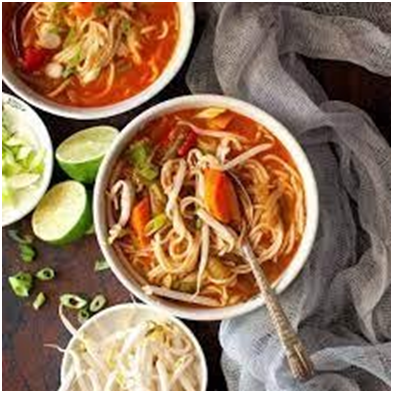
Do not even skip out on the Thukpa when you’re touring Sikkim! This Sikkim delicacy origins in Tibet’s highlands and is sure to please your taste buds. The soup’s spicy flavour is complemented with chopped onion and chopped peppers. This meal comes in both vegan and non-vegetarian varieties. Non-veg thupka would include meat and poached eggs. This exquisite dish is accessible at almost every restaurant in the area, save for roadside kiosks.

5. Bamboo Shoot Curry
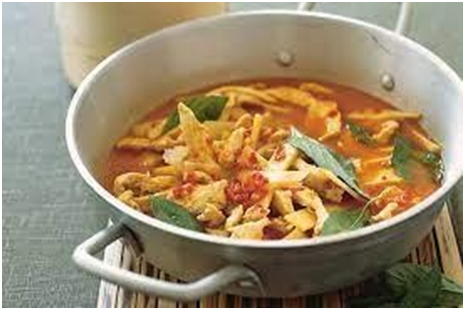
Sikkim cuisine is fostered by several fern-based dishes and one among them is the Bamboo Shoot Curry. Bamboo Shoot Curry is a Sikkim-style cuisine prepared from pickled bamboo. The curry is seasoned with turmeric to ameliorate the aroma of a meal whilst also to overcome the harshness of bamboo plant. This classic Sikkim dish can be truly enjoyed when it is served with rice.

6.  Wachipa
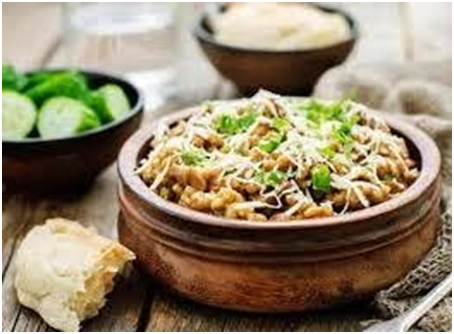
 Wachipa is made of cooked rice, finely diced chicken, and powdered and roasted meat feathers. The powder has a characteristic sour taste. It is feasible to produce a meatless Wachipa by replacing the chicken with the caustic Damlapa leaves and stems or blossoms. It is often eaten only on exceptional occasions. This dish is considered to be the authentic Kirat Rai indigenous firm’s native Sikkim food.

7.  Sel Roti
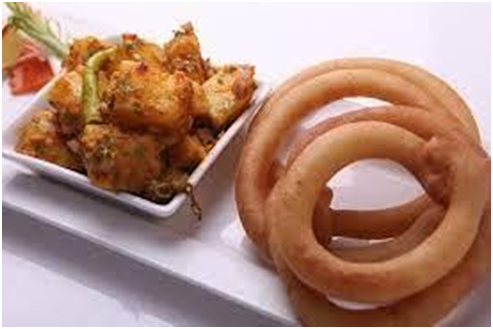
Sel roti is a conventional sugary rice dessert that is round in shape and is common in Nepal and the Kumaon area. Cardamom is introduced to the flavour of the dessert. It is put into the boiling oil in a circular pattern. If you would like to fry it, you’ll require a great deal of experience because it seems simple but can be difficult to prepare. Dashain and Tihar are two extensively commemorated occasions in Nepal, Darjeeling, and Sikkim. Usually, this dish is prepared during that time of the year.

8.  Gundruk
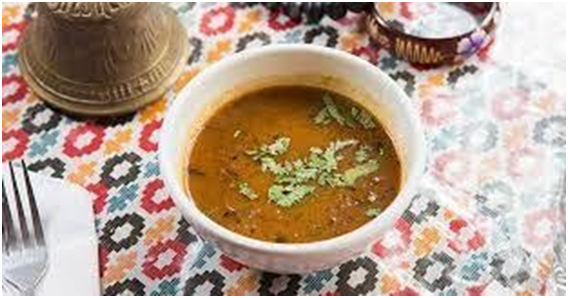
Gundruk is produced by fermenting green plants. It is offered as an appetiser with a primary plate of food. It must be prepared with mustard and lettuce or turnip greens. It’s a tad bit sour, but it still tastes amazing. Gundruk is an essential source of nutrients, especially throughout the off-season whenever the cuisine comprises predominantly potatoes and corn, both of which are mineral-deficient.

9.   Dal-Bhaat

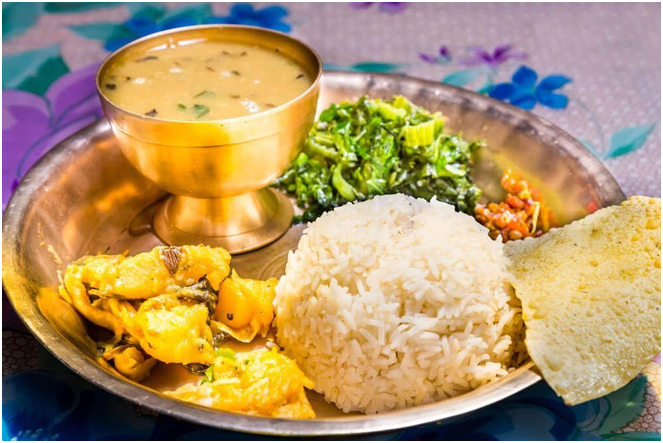
Dal-Bhaat is a classic Indian subcontinental dish that is prevalent in different parts of India, Nepal, and Bangladesh. It involves cooked rice with dal, seared lentils or other vegetable dishes. It is a traditional meal in several nations. In a variety of Indo-Aryan dialects, bhaat or chawal denotes ‘cooked rice.’  Dal-Bhaat is a great option for people who wish to keep things simple and eat little portions of food.
10. Sha Phaley

Sha Phaley, sometimes called as Shabhaley, is a Tibetan delicacy made of toast, packed with flavoured pork and lettuce, which would then be shaped into spherical forms and deeply fried or skillet fried depending upon regional differences. Eventually, a crispy meal with a delicate, scrumptious centre is the result. Tofu and cheddar cheese have just been included into the ingredients for vegetarian meals.

In this state of scrumptious food, these delectable dishes should not be missed. For all those travel freaks out there, whenever you travel to Sikkim, these dishes would make your visit worthwhile.   

Leave a comment

Your email address will not be published. Required fields are marked *

Como Agua Reimagined: Goa’s Freshest Culinary Escape

Tucked into Vagator’s lush tropical edge and gazing out at the Arabian Sea, Como Agua has always been one of Goa’s most striking venues. But this season, it has transformed from a beloved pizzeria and Negroni bar into a full-bodied culinary destination one that’s as committed to craft as it is to creativity. Ratna Vuppala gives a lowdown of this place. A Menu Built on Freshness — and You Can Taste It The refreshed menu, led by Chef Amit Kumar, is anchored by a simple, rare promise: no processed ingredients. Everything from the citrus infusions in the cocktails to the buttermilk in the fried chicken is made fresh, in-house, and handled with intention. My meal began with the Citrus Avocado Toast, an unassuming dish elevated by its creaminess and surprising brightness. The avocado was lush without being heavy, with citrus cutting through in all the right ways. The Fried Chicken Tenders were a standout juicy, crisp, and coated in a house-made buttermilk batter. The sweet chilli dip on the side delivered the perfect hint of warmth without overpowering the chicken’s tenderness. Then came the star of their new commitments: the Burrata with Garlic Chimichurri, served with warm focaccia. Light, fresh, fragrant and unmistakably high-quality. Their fresh mozzarella and burrata are made in-house using A2 milk, giving the cheese a rich yet clean flavour that sets it apart from anything you’ll usually find in Goa. Pasta That Surprises, Pizza That Comforts For mains, the Fettuccine was easily one of the best I’ve had in recent memory silky, perfectly cooked, and subtly indulgent without being overwhelming. The Spaghetti Aglio Olio was simple, bold, and executed with confidence: exactly how Italian classics should be. Of course, Como Agua’s heritage lies in its pizza and their Neapolitan-style pies, slow-fermented for 48 hours, continue to

The 5 Most Expensive Private Islands You Can Rent For New Year’s

There’s celebration, and then there’s arrival. New Year’s Eve isn’t meant to be lost in crowded parties or noisy resorts. It’s a moment that deserves space, serenity, and a horizon wide enough to hold your dreams for the year ahead. As India’s luxury travel scene steps into 2026, the idea of escape has transformed. No longer just vacations, private island rentals have become portals where time slows down, sea wind feels like scripture, and silence heals in ways noise never can. Dhanush Kumar writes about the five most extravagant private islands you can rent for the New Year in and around India. 1. Munjoh Private Island- Andaman & Nicobar Islands, India Tucked deep within the turquoise cradle of the Andaman lies Munjoh Private Island, a sanctuary carved for those who prefer whisper over crowds. This ultra-luxury island offers private beaches, palm-lined coves, and villas that blend barefoot simplicity with refined indulgence. At night, the sky becomes a cathedral of stars. At dawn, the island wakes in a golden hush.  Private chefs craft ocean-fresh menus, spa therapists arrive at your doorstep, and your very own yacht stands ready. 2.Fregate Island- Seychelles Just a few hours from India by air, the Seychelles unfold like a dream, and Fregate Island is its crown jewel. This is luxury at its most uncompromised. Only a handful of villas exist on the entire island, each carved into the landscape with an artist’s touch. Think infinity pools suspended above the sea, private butlers who know your preferences before you speak, and beaches so untouched they look ancient. Fregate is where billionaires and Hollywood royalty choose to vanish. A perfect place to let the New Year rise without the world watching. 3.Sirai Island, Zanzibar, Tanzania Far across the Indian Ocean, but spiritually close to India’s sense of coastal

India’s Hottest Food Trends For 2026: What’s On Every Menu

Food in India has never been just about taste, it’s about tradition, togetherness, and transformation. And as we step in 2026, the Indian palate is rewriting its story. This isn’t just about what’s served on our plates, it’s about why we eat, how we eat, and who we are becoming as a nation. The new year brings an explosion of innovation to our kitchens and menus. From hyper-local ingredients finding Michelin- star fame to Luxe Indian Desserts, India’s culinary scene is brimming with reinvention. It’s a delicious balance between ancestral wisdom and futuristic creativity. Dhanush Kumar takes you on a flavorful journey through the hottest food trends of 2026, the ones already shaping how India eats, cooks, and celebrates food. 1. Conscious & Climate-Smart Eating 2026 is the year Indians are eating with awareness. Sustainability isn’t a buzzword anymore, it’s a lifestyle. Chefs and households alike are turning to climate-friendly menus featuring millets, seasonal vegetables, and plant-based proteins. Restaurants in metros like Bengaluru, and Delhi are championing “Zero-waste cooking.’ Where every peel and stalk finds a purpose. Expect menus that proudly mention carbon footprint scores, ethically sourced grains, and farm-to-table origins. 2. Regional Indian Revival India’s culinary roots are deep, diverse, and now rediscovered. Luxury restaurants are now serving Heirloom Andhra pickles, Nagaland’s smoked meats, Kashmiri haakh, and Cheetinad kuzhambhu with five-star flair. 2026 is seeing a surge in hyper-regional pride, food that celebrates dialect, soil, and story. Chefs are collaborating with home cooks and village artisans, ensuring authenticity isn’t lost in translation. What was once humble “ghar ka khana’ is now the most desired plate in fine dining. 3.Fusion Thalis Fusion thalis are the talk of the town. Imagine a South Indian dosa paired with Thai Peanut chutney, or butter chicken sliders served with Korean kimchi. Restaurants across Mumbai,

Healing Temples: Where Faith Meets Alternative Medicine In India

In India, the divine and the medicinal have never lived apart. Here, faith isn’t just a prayer; it’s a pulse. It flows through temple corridors scented with camphor, rises with mantras at dawn, and lingers in the herbal smoke of age-old rituals. Long before laboratories and hospitals defined health, Indians sought balance between the physical and the spiritual, between body, mind, and the cosmos. Today, as the modern world burns out in its search for healing, these healing temples stand quietly, bridging belief and therapy, mysticism, and science. They remind us that medicine need not always come in a bottle; sometimes, it’s found in devotion, energy, and sacred tradition. Dhanush Kumar takes us on a journey through the heart of India, where faith and alternative medicine walk hand in hand. 1.Vaitheeswaran Koil, Tamil Nadu Tucked in the heart of Tamil Nadu lies Vaitheeswaran Koil, named after Vaidyanatha Swamy, a form of Lord Shiva known as the Divine Healer. For centuries, devotees have arrived here with faith in the temple’s sacred waters and rituals for their curative powers. The temple’s theertham is believed to have medicinal properties, infused with herbs used in ancient Siddha medicine even the priests here know the old healing chants and herbal combinations. From skin diseases to chronic pain, this temple is seen as a place where faith amplifies natural healing, where medicine is both prayed for and practiced. 2.Kottiyoor Shiva Temple, Kerala Deep within the lush forests of Kerala’s Kannur district, the Kottiyoor Shiva Temple blooms every year during its monsoon festival. What makes it extraordinary isn’t its architecture but its elemental simplicity. Built near natural springs, it turns into an open-air altar of mud, water, and air, the original Ayurvedic ingredients. Devotees bathe in the spring believed to balance the body’s doshas, Vata, Pitta, and

You May Also Like

Connect with us