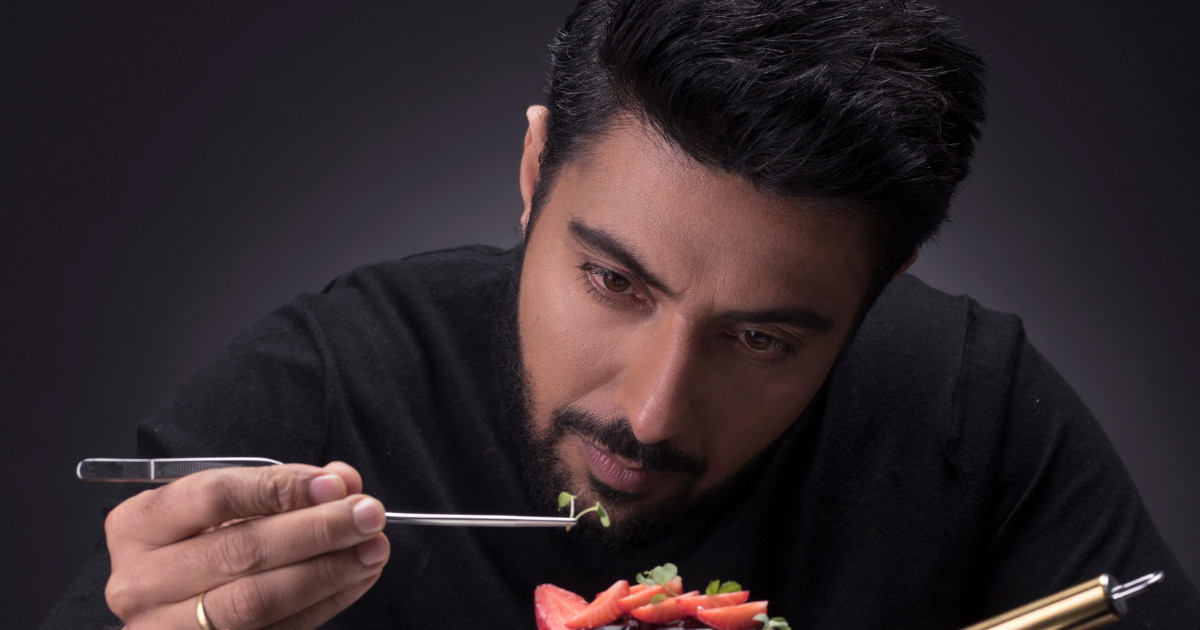
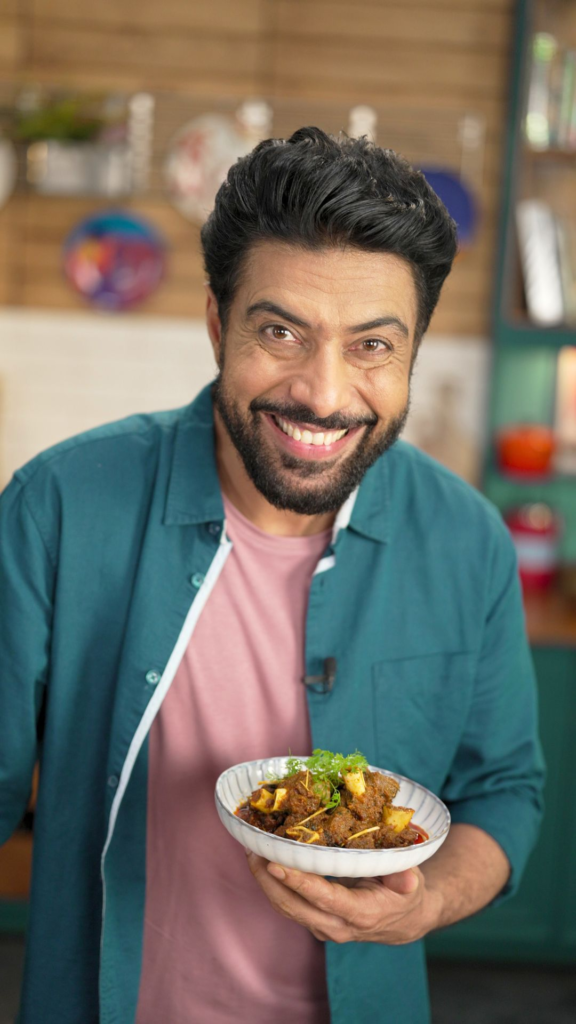
Meet Chef Ranveer Brar, the culinary prodigy from Lucknow, whose passion for cooking began at six when he started preparing food for a Gurudwara langar. From this humble start, he has become a renowned chef and TV personality internationally. With upcoming appearances on MasterChef and ‘Star vs Food,’ Chef Brar’s influence continues to grow. Join Sinduri Vuppala as she delves into his remarkable journey and future adventures.

- You’ve come a long way, from cooking in a community kitchen to curating menus for luxury cruises to being an author, a judge, a restaurateur, and, recently, an actor. What has been your motivation throughout your journey?
When you fall in love with your medium of expression, food, in my case, there’s no looking back! Every avenue I explore and venture into is a new mode of expression. That will always be a work in progress for me.
- You debuted as an actor with ‘Modern Love Mumbai,’ where you played a gay chef; tell us how you ventured into acting.
Extending my real-life persona into a reel version sounded like an exciting prospect when I was approached with the idea. As I said, artists constantly look for new modes of expression to reinvent themselves. For me, acting seemed like a perfect opportunity. The role of Rajveer was truly endearing for me, as was working with Hansalji, Pratik, and the entire team.
- Apart from returning with a new MasterChef season, you are also hosting ‘Star VS Food’; tell us more about it…
This show’s concept touched all the right chords in me. The episodes feature several celebrities and me as the culinary expert and host as we explore India’s uncharted culinary treasures. We shot in Coorg and Spiti Valley. But I’ll stop here; watch the show to find out more!
- How do you handle the pressure and fame of being a celebrity?
Being in the moment is my trick to stay grounded. No matter what’s happening around me, the highs and the lows, it’s all about attending to what needs attention at that time. Reading, yoga, and Kalaripayattu help discipline the mind and stay focused.
- How has the recent launch of Kashkan in Dubai been?
The response has been quite positive till now; the concept has been to deliver the best food experience from every region to appeal to every palate.
- As a celebrity chef, you influence people’s food choices significantly. How do you balance promoting healthy eating while still indulging in delicious dishes?
I’ve always maintained that healthy doesn’t need to be bland or boring. For us, the concept of health has always been holistic. Our basic Indian home cooking has the essential qualities of a balanced meal; it’s what makes our DNA. When you understand that significance, then mindful eating automatically follows.
- You’ve been able to travel and explore different regional cuisines. How has this influenced your cooking and the dishes you create?
Travel helps me connect with food better. Unless you savour any dish at the source and familiarise yourself with the local ingredients and topography, you cannot justify your recreation of that dish. Every recipe I cook, whether for my YouTube channel, or at events, has been inspired and observed from my travel and home memories.
- What advice would you give someone aspiring to become a successful chef in today’s culinary world?
Three rules – Get the basics rights, stick to the genre of food that you feel most connected to, and persevere with patience and focus.
- What moment or experience made you decide to be a chef?
I was a teenager, and Mom was unwell. I made Rajma for the first time with a mere memory of how I had watched Mom make it. It turned out well because I overheard my father praise it to my mother! That was a decisive moment for me.
- You’ve advocated for preserving traditional Indian recipes and culinary heritage. Could you tell us more about your efforts in this regard?
We did a Millets month a few years ago, encouraging people to experiment with Millets beyond just Vrat food. The response was heart-warmingly overwhelming. I still work with organisations to bring millet back into mainstream food. Presently I am the chief curator for World Food India, organised by the Ministry of Food Processing Industries in November, where we will be celebrating Street food and millet in a big way.

Quick takes:
- Favourite destinations worldwide and how have they inspired your food? – Lucknow, Benares, and Turkey for their deep-rooted food traditions and stories.
- Your top two favourite ingredients – Dhaniya and ghee
- Your choice of comfort food – Khichdi
- A cooking tip or technique that every home cook should know? Keep finding ways to repurpose food.
- Do men cook differently from women? Women connect to food better, so we can never beat the taste of mothers’ or grandmothers’ cooking.
- A chef who has been an inspiration – Many, Imtiaz Qureshi, Charlie Trotter, Anthony Bourdain, to name a few.
- Your favourite restaurant – Hard to name one!
- When you fall in love with your medium of expression, food, in my case, there’s no looking back!
- Artists constantly look for new modes of expression to reinvent themselves.
- Our basic Indian home cooking has the essential qualities of a balanced meal; it’s what makes our DNA.
Recipes-
Navratri Dahi Vada recipe:

Ingredients
For Batter
½ cup Barnyard Millet, समा चावल
2 tbsp Curd, beaten, दही
¼ cup Sago pearl, soaked, साबूदाना
Rock Salt to taste, सेंधा नमक स्वादअनुसार
½ tsp Sugar, चीनी
1 tbsp Sago pearls, soaked, साबूदाना
2-3 Green chilli, chopped, हरी मिर्च
½ inch Ginger, chopped, अदरक
2 tbsp Coriander leaves, chopped, धनिया पत्ता
4-5 Raisins, chopped, किशमिश
¼ tsp Fruit salt, फ्रूट साॅल्ट
½ tsp Oil, तेल
Oil for frying, तलने के लिए तेल
For Soaking
2 tbsp Curd, दही
½ cup Water, पानी
Rock Salt to taste, सेंधा नमक स्वादअनुसार
½ tsp Sugar, चीनी
For Chutney
2-4 Green chilli, हरी मिर्च
¼ cup Coriander leaves, धनिया पत्ता
¼ cup Mint leaves, पुदीना पता
2-3 Cashew nut, काजू
Rock Salt to taste, सेंधा नमक स्वादअनुसार
1 tbsp Curd, दही
For Curd Mixture
1 ½ cup Curd, beaten, दही
Rock Salt to taste, सेंधा नमक स्वादअनुसार
1 tsp Caster sugar, कॉस्टर शुगर
For Tadka
1 ½ tsp Oil, तेल
1 tsp Cumin seeds, जीरा
5-6 Cashew nut, काजू
5-6 Raisins, किशमिश
1 Green chilli, slit into half, हरी मिर्च
½ tbsp peanut, मूंगफली
For Garnish
Curd mixture, दही का मिश्रण
Green chutney, हरी चटनी
Pomegranate pearls, अनार के दाने
Fresh Mint leaves, पुदीना पता
Process-
For Batter
- In a bowl, add barnyard millet, curd, and sago pearl.
- Add rock salt to taste and sugar, transfer this into a grinder jar, and grind it into a smooth paste.
- Transfer the paste into a bowl, add sago pearl, green chilli, ginger, coriander leaves, and raisins, and mix it well.
- In a small bowl, add fruit, salt, oil and mix it well.
- Transfer this mixture into a batter and mix it well.
For Frying
- Heat oil in a kadai, and fry a small portion of the batter in medium hot oil.
- Fry the vada on medium flame until it’s cooked from inside.
- Dip the fried vada into the curd water and soak it for 15-20 minutes.
- Now gently squeeze the vadas and arrange them in a serving dish.
- Garnish it with a curd mixture and green chutney on top of it.
- Add pomegranate pearl, mint leaves, and prepared tadka on top of it and serve.
For Soaking
- In a bowl, add curd, water, and rock salt to taste sugar and mix it well.
- Keep aside for further use.
For Chutney
- In a bowl, add green chilli, coriander leaves, mint leaves, cashew nut, and rock salt to taste, and curd.
- Transfer this into a grinder jar and grind it into a smooth paste.
- Keep it aside for further use.
For Curd Mixture
- In a bowl, add curd, rock salt to taste, caster sugar and mix it well.
- Keep aside for further use.
For Tadka
- Heat oil in a non-stick pan, add cumin seeds, and let it splutter well.
- Add cashew nuts, raisins, green chillies, peanuts and sauté it well.
- Keep aside for further use.
Kacche Kele ke Seekh Kebab:
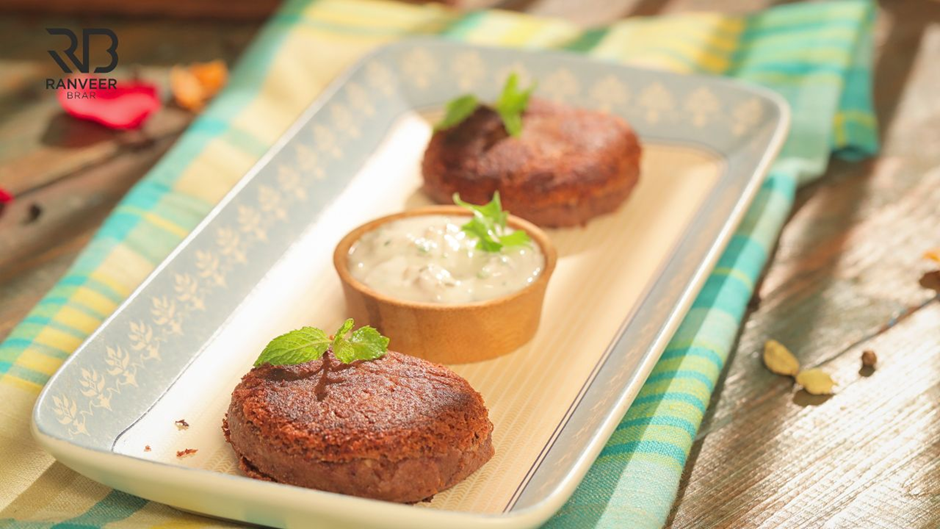
Ingredients
3 large raw banana, boiled and peeled
3 tbsp Rajgira atta
1 tsp carom seeds powder
1 tsp Cumin Powder
3-4 Green Chilies, finely chopped
½ inch Ginger, finely chopped
1 tsp Chaat masala, optional
Sendha Namak, to taste
Coriander, chopped
Process
- Pressure cook the raw bananas. Peel and mash them.
- Combine mashed banana, Rajgira atta, powdered carom seeds, cumin powder, green chilies, ginger, chaat masala, chopped coriander, and salt. Mix well.
- Divide the mixture into equal portions. Grease hands with oil, roll each one on skewers, and shape it.
- Heat oil in a pan on medium-high flame. Shallow fry the kebab from both sides.
- Serve hot with yogurt and mint chutney.
Achaari Paneer Tikka with Grilled Watermelon:
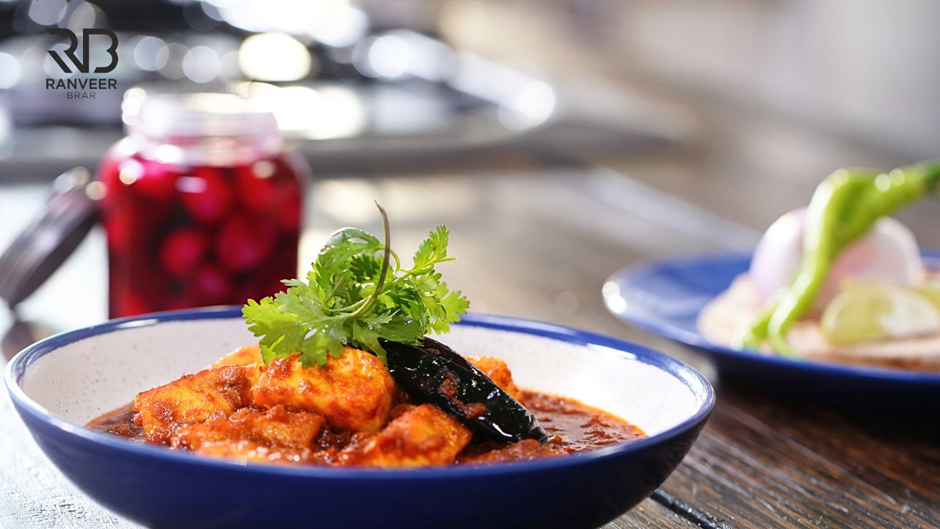
Ingredients
500 Gms Paneer, cut into 1 inch cubes
2-3 tbsp nimboo achaar masala
10-12 Cherry tomatoes
1 cup capsicum
1 tbsp coriander leaves, chopped
1 tbsp oil
10-12 bamboo skewers
½ Watermelon, seedless, peeled
1 cup apple juice
1 tsp olive oil
¼ cup feta cheese
Process
- Marinate paneer and capsicum with nimboo achaar masala and keep aside for 30 minutes. Arrange them onto skewers.
- Heat oil in a pan and grill it on medium flame for 3 minutes on each side.
- Remove and serve immediately.
Navratan Pulao:
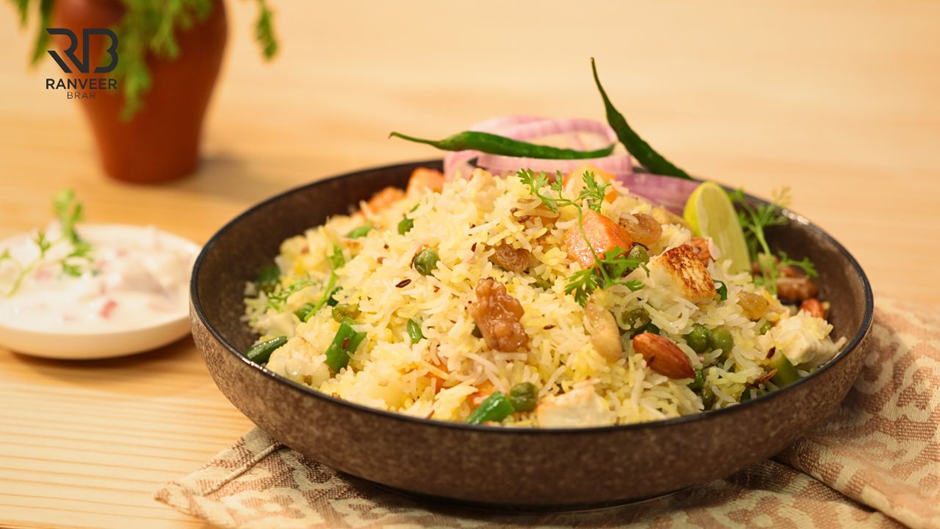
Ingredients
¼ cup oil/ तेल
1 small potato, diced/ आलू
1 carrot, diced/ गाजर
¼ cup French beans, chopped/ ग्रीन बीन्स
100gm paneer, cut into cubes/ पनीर
¼ cup cauliflower florets/ गोभी
2 tbsp almonds/ बदाम
2 tbsp walnuts/ अखरोट
2 tbsp cashew nuts, halved/ काजू
¼ cup green peas/ मटर
2 tbsp raisins/ किशमिश
1 tsp ginger garlic paste/ अदरक लहसुन का पेस्ट
2-3 garlic cloves, chopped/ लहसुन
2-3 black peppercorns/ काली मिर्च
2 bay leaf/ तेज पत्ता
1 inch-cinnamon stick/ दालचीनी
2 green cardamoms/ इलाइची
1 cup cooked rice/ पक्का हुआ चावल
Salt to taste/ नमक स्वाद अनुसार
1 tbsp ghee/ घी
1 tsp lemon juice/ निम्बू का रस
For tempering
1 tbsp ghee/ घी
1 tsp cumin seeds/ ज़ीरा
Pinch of saffron soaked in ¼ cup milk/ केसर दूध
For garnishing
Coriander sprig/ धनिया
Sliced onion/ प्याज़
Lime wedge/ निम्बू
Green chillies/ हरी मिर्च
Process
- Heat oil in a kadhai, add potatoes, carrots, and French (केसर दूध) beans, sauté for 5-6 minutes. Remove from the pan and keep aside till further use.
- In the same oil, add paneer and cook till golden brown from all sides. Remove from the pan and keep aside till further use.
- Add cauliflower florets, and sauté for a minute. Mix well with walnuts, almonds, cashew nuts, and green beans.
- Add ginger garlic paste, chopped garlic, black peppercorns, bay leaf, cinnamon stick, and green cardamom, and mix well.
- Add cooked rice, salt, and ghee, mix well. Cover and cook for 5-6 minutes on medium flame.
- Heat ghee in another pan; add cumin seeds, saffron milk, and water, mix well, and pour the tempering on the rice.
- Add the cooked vegetables and lemon juice and mix well. Cover and cook for another 5 minutes.
- Transfer to a serving plate.
- Garnish with coriander sprig, lime wedge, sliced onion, and green chillies.
- Serve hot with raita.
CHOCOLATE BROWN RICE KHEER SHOTS:
Ingredients
For Kheer
¼ Cup Basmati Brown Rice
2 Cups Full-fat Milk
½ Cup Sugar
1 tsp Cardamom Powder
For Chocolate Truffle
¾ Cup Dark Chocolate, finely Chopped
¾ Cup Fresh Cream
1 tbsp Butter
Other Ingredients
Few Salty Crackers, crushed
Process
- Rinse and soak the brown rice for 30 minutes.
- Heat milk in a pot and bring it to a boil.
- Add 4 Cups of water to another pot and bring it to a boil. Add the soaked rice and cook it till ¼ done. Drain the water and add rice to the milk. Cook on medium flame till the rice is cooked.
- Add sugar and cardamom powder and cook for 3-4 mins.
- Remove from flame and keep the kheer aside to cool. Once it’s cooled to room temperature, refrigerate till the chocolate truffle is prepared.
- For the chocolate truffle, heat cream on low flame till bubbles form around the edges of the pot. Bring it to a light boil.
- Switch off the flame. Add chocolate and whisk till there are no lumps. Let cool to room temperature. Then refrigerate for 10 mins.
- To serve, take shot glasses and add crushed salty crackers at the bottom of the glass. Follow up with some chocolate truffle. For the last layer, pour kheer.
- Sprinkle some cocoa powder and garnish with chocolate cigars. Serve chilled.