Hopping onto Herbal Teas

Herbal Teas

Herbal teas are all the rage these days with people becoming increasingly health-conscious thanks to the ongoing pandemic. Hashtag India gets you some expert insight into this new fad with dietitian B. Vaishnavi Satheesh, and lists out some cool recipes for you to try.

Herbal teas are beverages made with the process of infusion or decoction of herbs or spices in hot water. The word tisane is usually used to refer to herbal tea, because these teas are non–caffeinated. While most herbal teas are beneficial for health, they are some which pose some ill–effects. In today’s pandemic days, herbal teas are getting some spotlight, and are believed to build immunity, reduce weight, and much more. Thus it has become a trend to have a sip of herbal tea every morning. 

  • Protect the body from aging.
  • Reduces nausea
  • Promotes relaxation and induces sleep
  • Effective treatment for cold and cough
  • Reduces inflammation
  • Cleans the kidney and other vital organs
  • Aids in the digestion

Some of the interesting recipes of tisanes are shared for you.
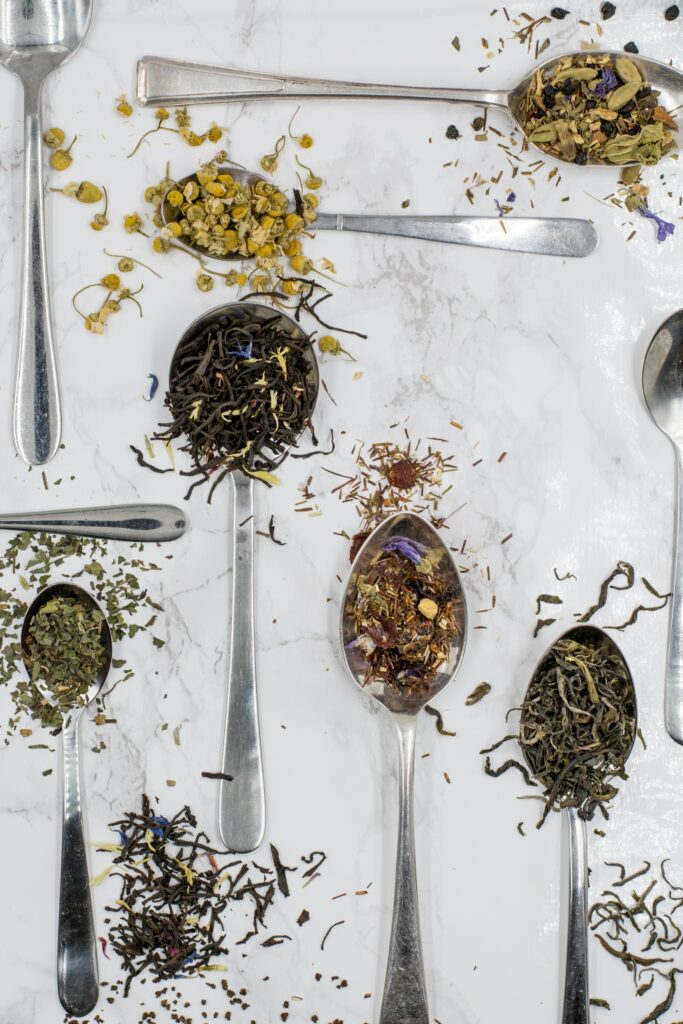
Hibiscus tea 

Hibiscus tea is a herbal tea that is made from the infusion of deep magenta coloured hibiscus petals. The tea is prepared by steeping 1.25gm of the dried flower petals into ¾ cup of water, and bringing it to a boil for 5-10 minutes. This tea is effective in the treatment of hypertension, weight loss and boosts liver health. Several studies claim that the polyphenols present in the plant possess an anti-cancer property. The best time to consume the hibiscus tea is after your dinner. This is because; the flavonoids present in the flower has the ability to reduce the fat absorption, thus sipping the tea after dinner aids your body not to cling on to the excess fat deposition. Enjoy having this tea and reap its benefits.

Chamomile tea

Chamomile tea is a herbal infusion of the chamomile flowers, which is an herb that belongs to the daisy family. These chamomile flowers are reported to produce calm in an anxious mind and also possess a settled stomach. Chamomile tea is prepared by mixing the fresh chamomile flowers in hot water and it is allowed to infuse for two to three minutes. Adding honey would improve its quality. This tea is best for the treatment for diabetes and menstrual pain. The anti–inflammatory property reduces the inflammation and is also a best remedy for long term inflammations like auto-immune disorders, gastro-intestinal problems and so on. This tea can be consumed in any time of the day, but it is mostly recommended during evenings, due to its relaxing properties.

Fenugreek Tea

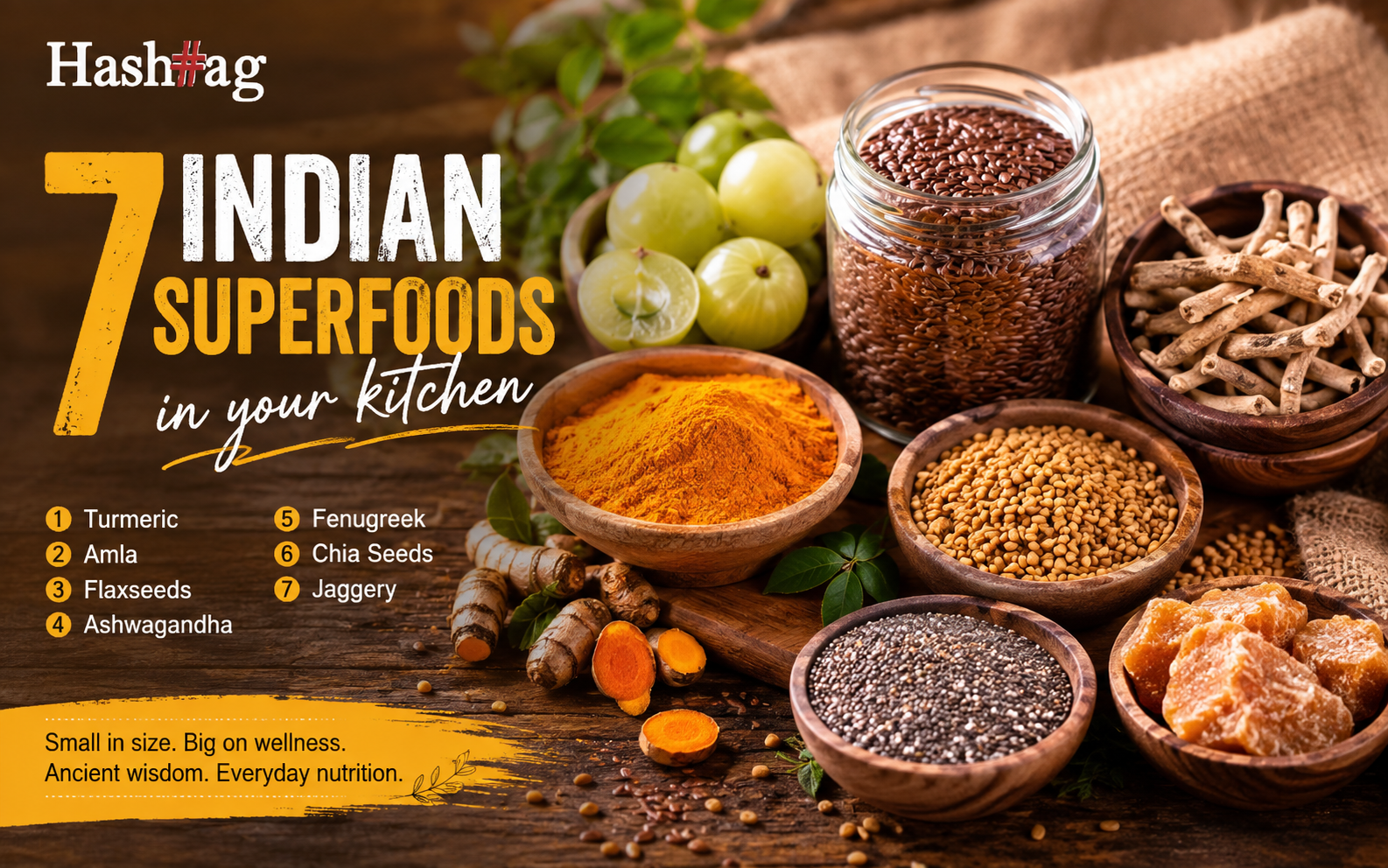
Fenugreek is an important spice in south Indian kitchen pantry. Holding many more special benefits, this spice has gained importance in recent times. Fenugreek seeds are thought to work well for breastfeeding moms. One can drink fenugreek tea up to three times a day. Dry roast the methi seeds and grind into a grainy form. Boil water and add the seeds. Rest the extract for a few minutes. Sift the tea and enjoy. It is best when you add basil leaves or regular tea leaves for taste. Adding a teaspoon of honey would improve its flavor and nutritional profile. Do try fenugreek tea if you are tackling diabetes.

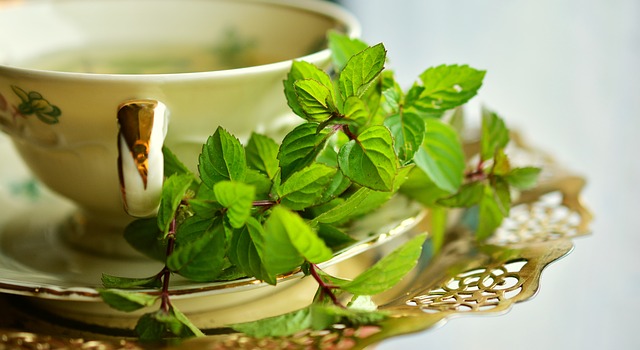
Peppermint tea
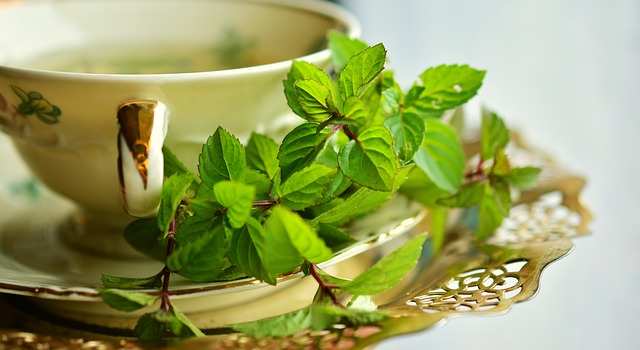
This tea has gained popularity due to its anti-microbial and anti-viral properties. It is effective in fighting infections and thus benefiting your immune system. Boil two cups of water and add 15-20 fresh mint leaves. Turn off the flame. Allow this mixture to rest for 5-10 minutes. Strain and enjoy the tea. A tea after a meal aids in digestion, while a tea at evenings and nights may boost your energy and relax your mind respectively.

Cinnamon tea
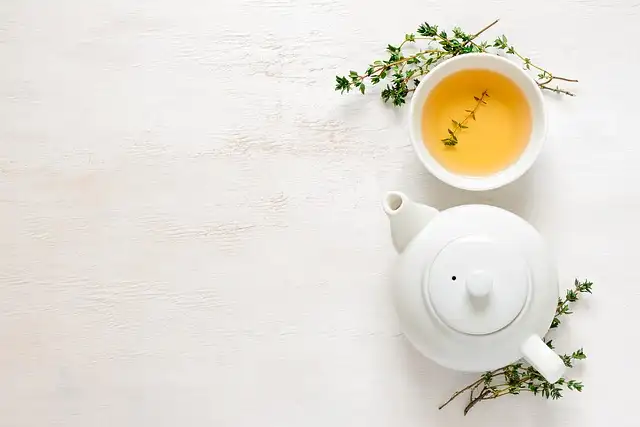
Cinnamon, one among the most flavorsome spice, helps in treating many major disorders like obesity, diabetes and so on. The preparation being very simple, this tea has acquired popularity among the people. Place a cinnamon stick in a mug. Add boiling water into the mug and cover it and let it steep for a few minutes. Add tea bag and again allow for steeping. After a few minutes, take out the stick and tea bag, and enjoy the tea. To improve its medicinal property, one can add ginger, honey and other spices like black pepper. 

Matcha tea

Matcha tea is a Japanese green tea powder, made with finely dried tea leaves. Though with a slight bitter taste, it has gained much popularity in the health industry. When you make matcha tea, remember to whisk the tea powder in hot water or milk. This tea helps in the lowering blood pressure and reduces the risk of heart diseases and boosts metabolism. The antioxidants present in the tea have proven to provide significant benefits to one’s health. And to add its nutritional quality, this tea is absolutely caffeine free. I personally recommend my clients to enjoy matcha tea with few drops of maple syrup.

Turmeric tea

Turmeric, one of the important spices that should be consumed to obtain its effectiveness. Curcumin, the nutritive component has low bioavailability, and so we use turmeric supplements which have predominantly Curcumin. This turmeric tea is brewed with the gratings of the turmeric root and this is considered to be the best process. Turmeric helps in reducing arthritis symptoms, reduces the risk of cardiovascular disorders, treats irritable bowel syndrome, and boosts immune function. To brew this tea, boil 4 cups of water and add a few gratings of turmeric root(1-2 teaspoons of powder). Simmer and allow it to boil for a few minutes. Strain and enjoy the tea. To improve its medicinal quality, addition of black pepper powder, honey, ginger or lime is recommended.

Leave a comment

Your email address will not be published. Required fields are marked *

The Secret to Wedding-Ready Skin? Start Six Months Before the Big Day

Dr Bhairavi Senthil is a Chennai-based dermatologist and founder of The Dr B 360 Dermatology Experiential Centre. Her advice for 2026 couples: skip the last-minute “bridal glow” fix; real results come from starting six months ahead, and the final few weeks should be about stability and hydration, not experimenting with something new. Skincare Trends 2026Couples are moving away from a last-minute glow and toward skin preparation as a long-term process. Brides want to look like themselves, just healthier and more even-toned; not heavily treated or made up. Grooms are becoming far more proactive about skincare and grooming too. There’s also a shift toward personalised, science-led routines over viral trends, and a growing focus on prevention and maintenance rather than dramatically changing how skin looks. Pre-Wedding Treatments & TimelineThere’s no universal best treatment; it depends on your skin and timeline. Ideally, meet a dermatologist six months before the wedding, earlier if there’s active acne, pigmentation or hair concerns, since collagen remodelling and barrier repair can’t be rushed. Peels, lasers, microneedling and injectables like botulinum toxin or fillers may all be options depending on the concern, but they all need proper consultation and time to settle. The golden rule: don’t experiment close to the wedding; the final weeks should focus on stability and hydration. Customising Skincare PlansIt starts with one question: what do you want your skin to look and feel like on your wedding day? From there, the plan factors in barrier health, pigmentation, acne, hydration, the wedding timeline, climate and even travel plans. A bride with pigmentation needs a completely different approach from someone dealing with acne or sensitivity, and sometimes the healthiest skin needs no procedures at all, just maintenance. The goal isn’t perfection. It’s healthy, balanced skin that lets you feel confident without hiding behind makeup.

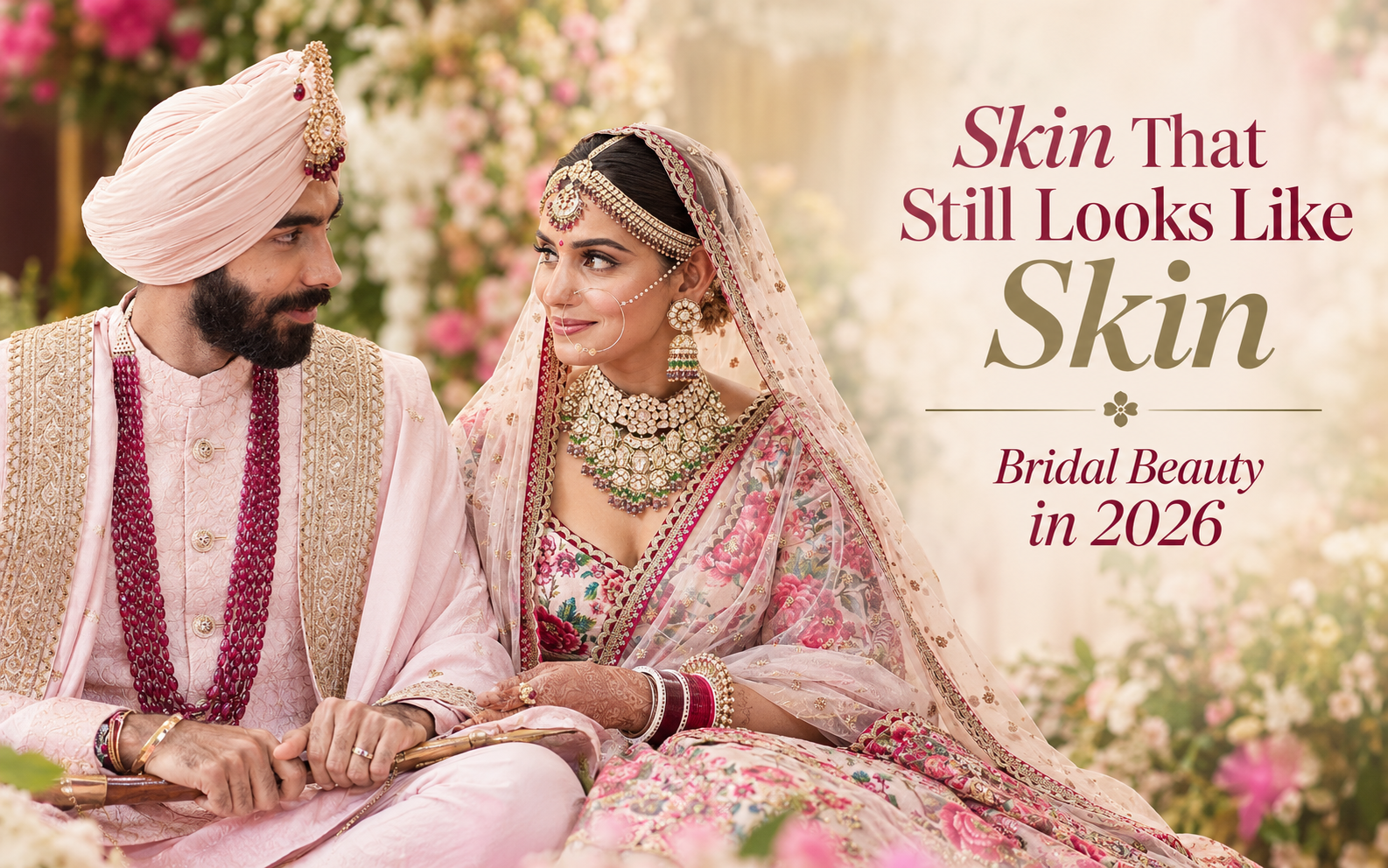
Skin That Still Looks Like Skin: Bridal Beauty in 2026

Celebrity makeup artist Bianca Louzado has spent over two decades in Indian beauty, from her start at India Couture Week working on Manish Malhotra to becoming one of the country’s most trusted names in luxury bridal makeup, with a portfolio that includes Jasprit Bumrah and Sanjana Ganesan, Randeep Hooda and Lin Laishram, and Radhika Ambani’s pre-wedding event. She breaks down why real bridal beauty starts weeks before the wedding, not the morning of, and why 2026 brides are choosing skin that still looks like skin over heavy, “done-up” makeup. What skin prep should brides start ahead of the wedding?Skin prep is about healthy, balanced skin, not last-minute transformation. Start a consistent routine 6–8 weeks out: gentle cleanser, moisturiser, daily SPF, and any new actives introduced early enough to see how skin responds. No experimenting in wedding week. In the final week, simplify: hydration, sleep, water, and skip aggressive treatments or picking at breakouts. Well-prepped skin means less product and a complexion that looks like skin, not a mask. What’s the biggest mistake brides make choosing their look?Picking a look because it worked on someone else, rather than one that suits their own features, outfit and personality. Chasing every trend at once is another; bridal makeup needs to photograph beautifully today and still feel elegant years later. References are useful, but they’re a starting point, not a blueprint. And don’t wait until the wedding morning to find your look; the trial is where that conversation happens. How has airbrush vs. traditional makeup evolved for 2026?The debate itself is outdated! It’s about what the skin needs. Brides want longevity without heaviness, especially for long Indian wedding days. Traditional techniques now allow thin, strategic layering with more control and natural dimension, and unlike airbrush, they can be touched up rather than redone entirely.

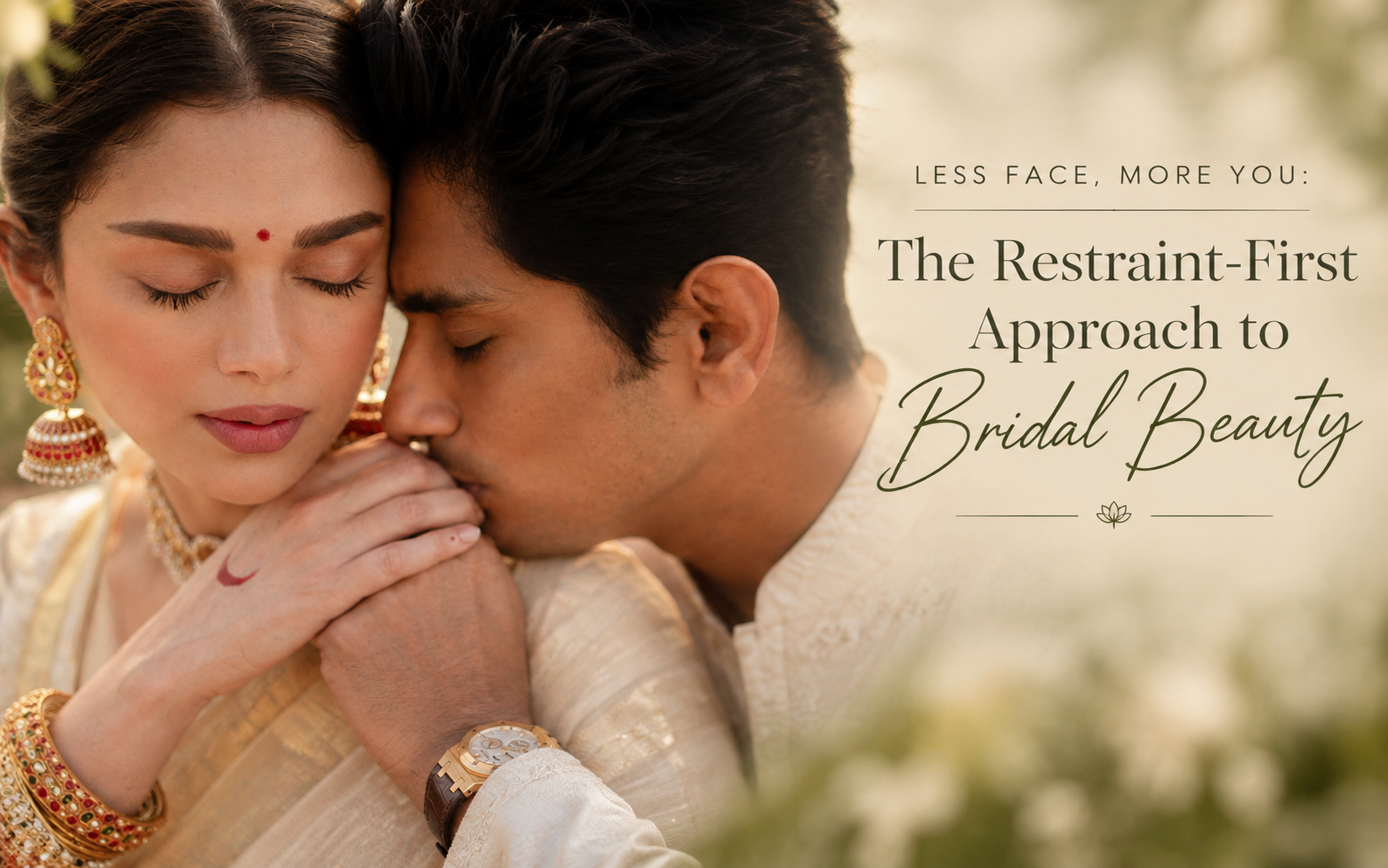
Less Face, More You: The Restraint-First Approach to Bridal Beauty

Mumbai-based makeup and hair artist Elton J Fernandez has spent nearly 25 years across fashion, advertising, celebrity, bridal and film work, from a nine-year run as Maybelline India’s spokesperson to backstage seasons at New York Fashion Week and India Fashion Week. Here, he makes the case for a very different kind of bridal beauty in 2026: less about a prescribed “bridal face” and more about restraint, identity and letting the woman herself remain present in the frame. What bridal makeup trends are defining 2026, versus 2025?The biggest shift is away from a prescribed bridal face. For years, trends travelled uniformly: the same brow, the same contour, accelerated by social media. Now brides want to recognise themselves in their photographs. That means skin that still behaves like skin, colour that responds to the person rather than the trend, and enough restraint to let the woman remain present. 2025 was about the look; 2026 is about the person wearing it. Has grooming for grooms become mainstream?Yes, but the bigger shift is that men are less afraid of being seen to care. Grooming today often means correcting fatigue or balancing skin rather than looking visibly “made up”; the best work is often invisible. The principle stays the same as with brides: understand who’s in front of you before deciding how much intervention is actually needed. How do you approach daytime ceremonies versus evening receptions?Daylight doesn’t automatically mean less makeup, and evening doesn’t mean more; context matters more than the clock. Light, climate, photography, jewellery and ceremony all shape the decision. Indian bridal beauty already carries so much visual information: textiles, jewellery, ritual- that makeup doesn’t need to compete for attention. Sometimes the most sophisticated choice is knowing what to leave alone. After 25 years, what’s changed most in how you see a face?Early

From Creator to Founder: Sarah Sarosh’s Impulse Journey

Sarah Sarosh’s foundation lies in her training in Occupational Therapy at KEM, Mumbai, a discipline that shaped her understanding of behaviour, confidence, and well-being far beyond textbooks. “It trained me to look at self-image and lifestyle as more than surface-level experiences,” she explains. That holistic lens continues to influence how she creates and builds today. Raised in a middle-class household, she learned early that stability comes from discipline, not shortcuts. There was no predefined creative roadmap or safety net, which meant resilience and independence were cultivated organically. Her personal struggles with acne and self-image also played a defining role. “It made me more observant of how deeply appearance is tied to confidence and belonging,” she says. That sensitivity now informs her approach to beauty, representation, and storytelling. Where Storytelling Meets Building Sarah describes her work as a blend of storytelling and entrepreneurship. “Content and business may look separate from the outside, but for me they stem from the same instinct, the desire to create something meaningful.” Her content journey began while she was still a student, documenting beauty, health, and self-image through lived experience. Entrepreneurship followed with the launch of Impulse Coffees, born from identifying a gap in how instant coffee was positioned in India. “It was widely consumed but rarely treated with care or storytelling,” she notes. Building Impulse introduced her to sourcing, product development, packaging, and customer experience, expanding her role from creator to founder. “Storytelling helps me understand people. Building helps me translate that understanding into something tangible.” Real, Not Remote “At its core, my work is about documenting life as it unfolds,” she says. Rather than presenting polished perfection, Sarah has consistently allowed her audience to witness transitions, uncertainties, and growth in real time. “It feels less like performance and more like continuity.” She is most

You May Also Like

Connect with us