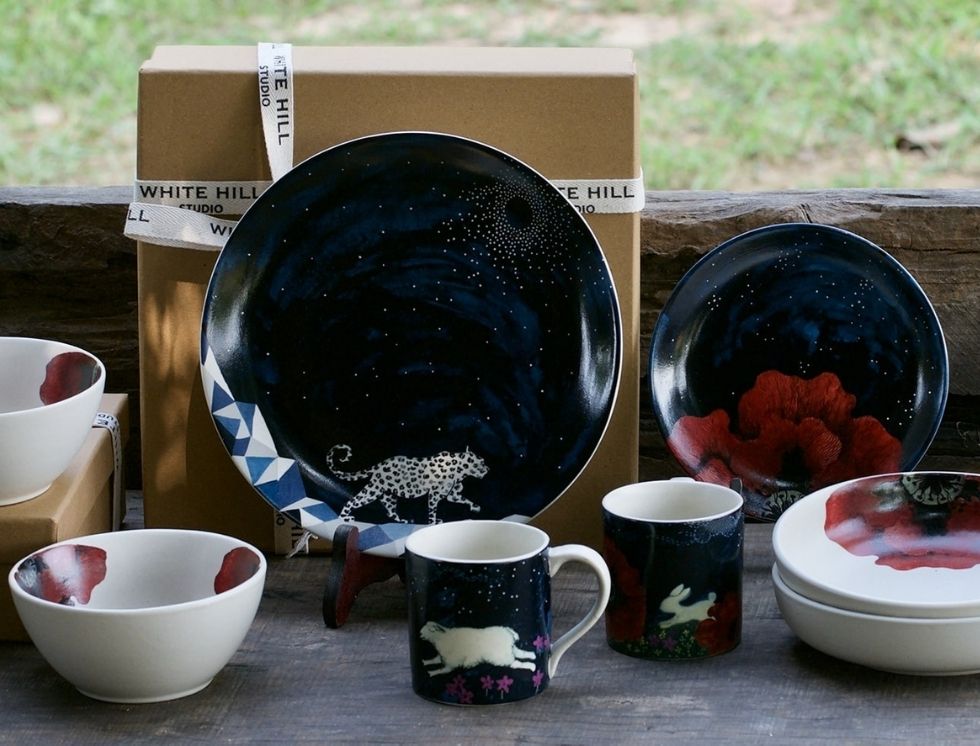
Ceramic in Home décor: Classic and Chic

Aesthetic and eco-friendly, ceramic is one of the most versatile materials that is popularly being used to accentuate homes and interiors. Whether in the form of earthenware, porcelain, stoneware, terracotta, bone china or even brick, ceramics lend a rustic vibe and natural charm to any space. Tough, heat resistant and electrically insulant, ceramics are durable, resilient and perfectly suited for homes. Rashmi Gopal Rao speaks to interior design experts and gets you some cues on refurbishing your home with this natural material…

“Ceramic is easy to source and also inexpensive when compared to other materials,” says Vandana Sarawgi, CEO and Head Designer, SR Artefacts, adding that since they are harder than other conventional metals, they do not get damaged easily due to their low coefficient friction. Ceramics also have high heat and chemical resistance. “Since glazed ceramic products do not stain easily, they are a perfect fit for multi-purpose use,” she says. Ceramic also does not react very quickly with the elements in the atmosphere and hence remains free of discolouration.

Myriad uses

Whether it is flooring tiles, wall installations, light fixtures, lamps, cookware or artefacts like planters, vases and wall plates, ceramic can be used in innumerable ways. “Colourful ceramics are a fun way of adding a pop of colour and infuses life to spaces like the living room, kitchen and even bedroom,” says Aashini Shah, Creative Director, Baro Market.
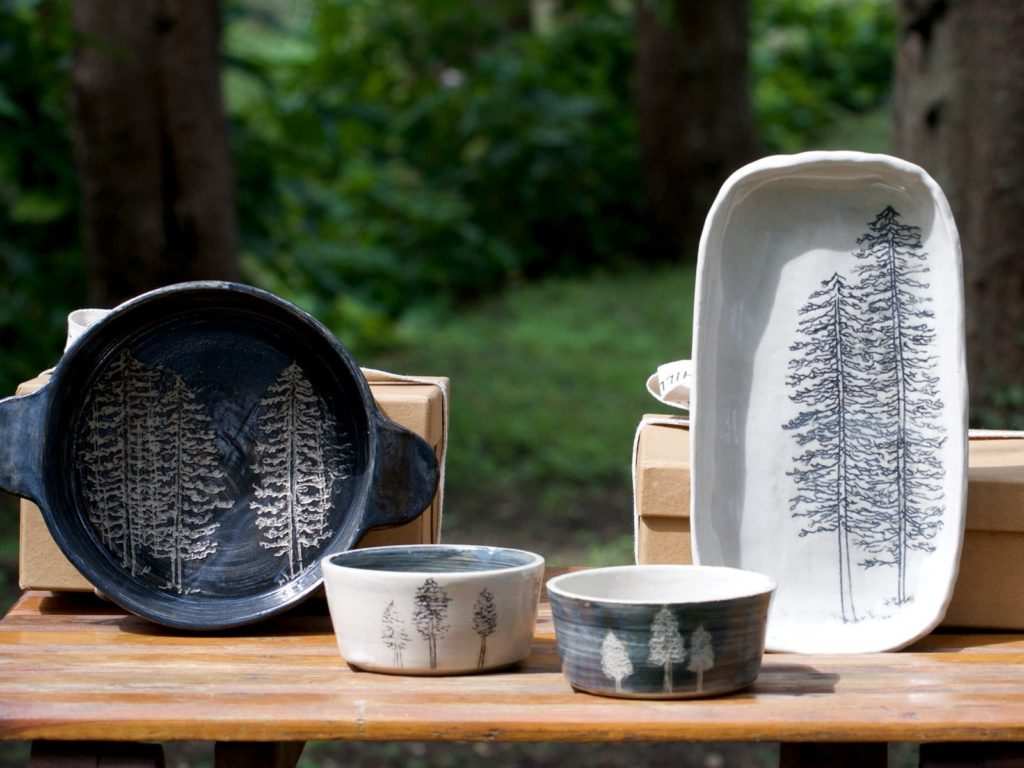
Ceramic artefacts

When used in flooring, ceramic tiles are not only easy to maintain and clean but also do not attract allergens like pollen and dust. Ceramic tiles are made in natural wooden tones, contemporary colour palettes and even in speckled patterns. Chic and contemporary, they add a sense of sophistication to living rooms, kitchens, hallways and balconies. Ceramic murals and wall installations are wonderful ideas for a statement or accent wall. They not only make the space attractive but also add texture and form for a great conversation starter.  

Ceramic as a lighting option is also extremely popular. Available in a plethora of shapes and sizes, they are a perfect material for table lamps, pendant lamps, floor lamps and wall lights. You can choose between a matte finish which lends more depth, while a glossy finish can add a wee bit of oomph and glitter to your space. Then there are ceramic lights crafted with an industrial finish which is ideal if you are looking for a boho chic or quirky vibe.  

Ceramic artefacts

There is nothing like ceramic to add some character to your interiors. Whether it is ceramic pots, planters, an abstract centerpiece or bowls, it is sure to enhance the beauty of the space and elevate its visual appeal. Vases that come in different sizes are perfect to host those pretty fresh bouquets or even the ever-attractive dry flowers.  Place them in corners and you have your Instagram worthy spot ready! Ceramic planters make greens look more appealing and presentable especially if you are looking to have some large sized plants indoors. Available in myriad colours, they add an earthy appeal to your space. Colourful wall plates and hand-painted tiles add style and panache to otherwise dull and bare walls.
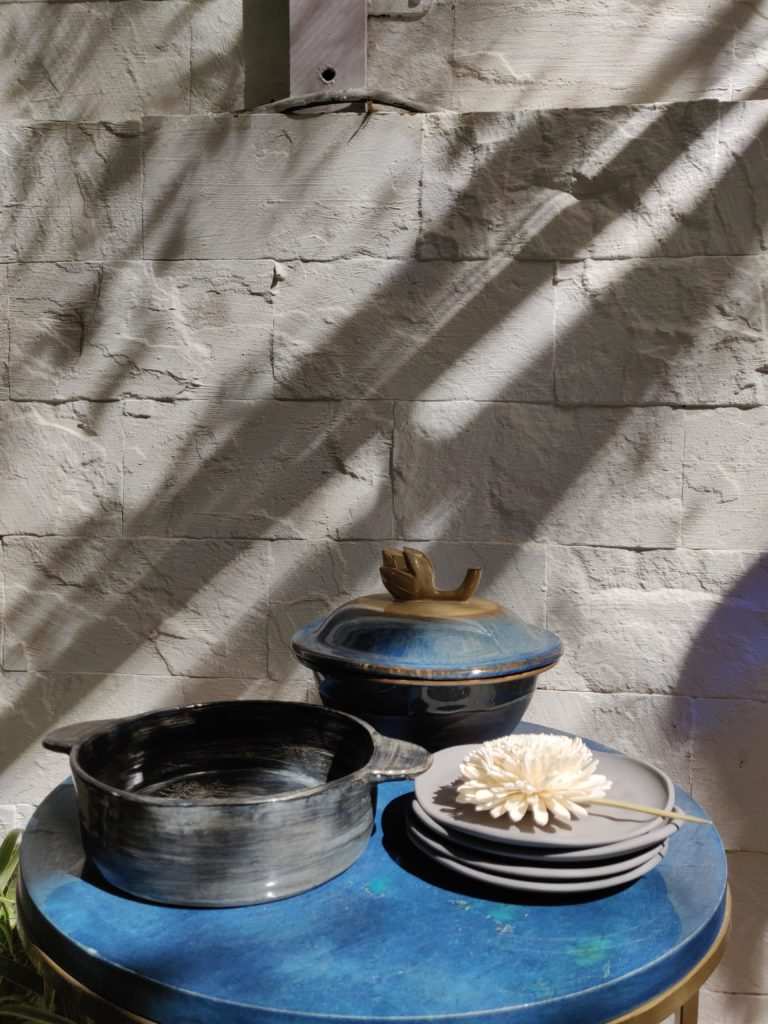
Ceramic utensils

No mention of ceramic is complete without the quintessential kitchenware, be it bowls, mugs, jugs, tea pots or just plates. Apart from being functional and oven-safe, they serve as great display pieces and can elevate the look of your kitchen by several notches. Consider displaying some aesthetic pieces on an open shelf in your kitchen.  Throw in some plants and books and you have a wonderful vignette ready! Earthy palettes and warm tones are apt choices if you are looking to curate an elegant look.

Trends and cues

Artisanal hand painted designs, unconventional hues, silver inlays and geometric designs are just some trends in ceramics. “A solid monocoloured piece with a chiselled exterior would occupy a place of pride on your centre table, while a glazed noir-blanc piece with a fine metallic outline would make a statement of luxury and opulence,” says Punam Kalra, Creative Director at Centre for Applied Arts. Ceramic as a material is also great to work with in terms of getting creative and crafting DIYs. Hence it is no surprise that it figures in the mood boards of artists, designers and architects alike.  
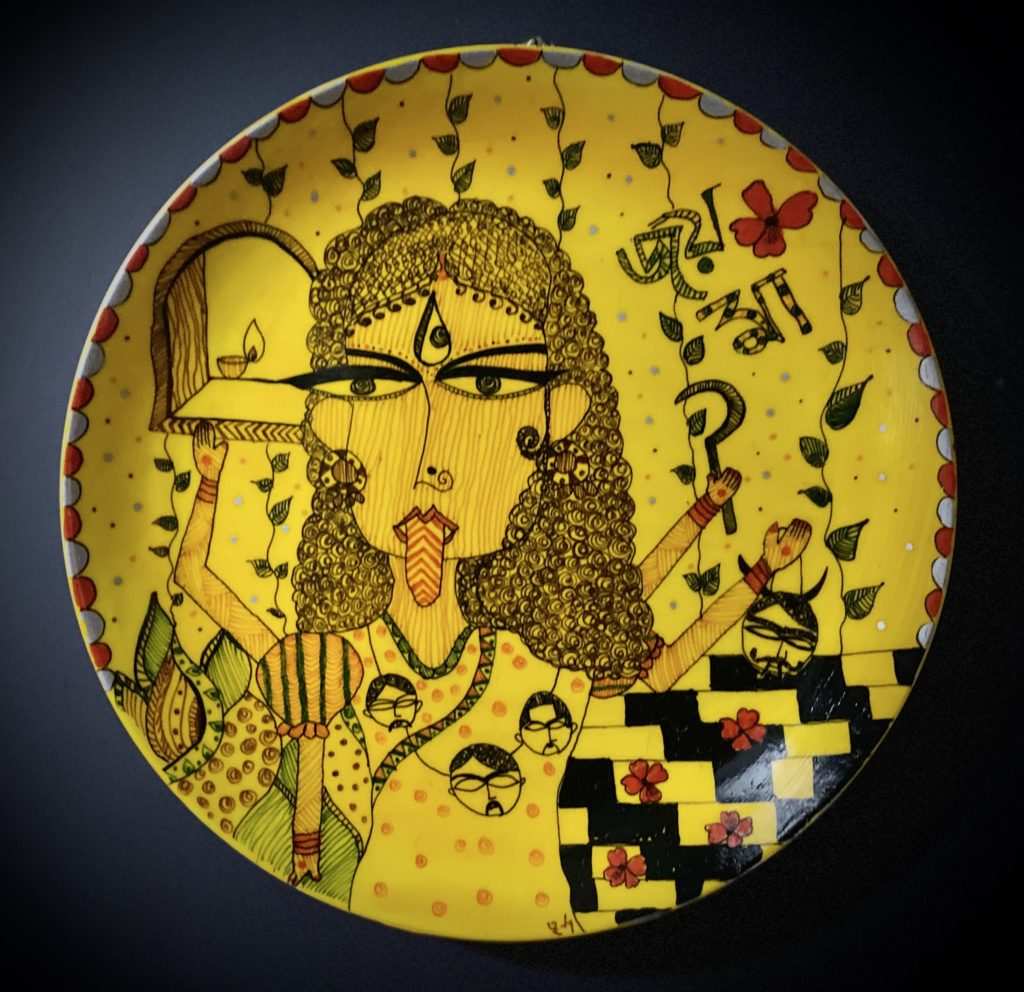
Ceramic art

Ceramic is easy to maintain but one must keep in mind that acidic cleaning liquids must be avoided while wiping its surface. Also, since it is vulnerable to breaking and damage one needs to handle ceramic with care. Since it is a natural material, ceramic is best paired with other artefacts that have an earthy appeal like dried flowers and fresh blossoms. Artificial flowers, plastic and other synthetic materials are best avoided with ceramic.

Leave a comment

Your email address will not be published. Required fields are marked *

How to Keep Your Home Cool without Increasing AC Bills

When summer arrives in full force, so do the electricity bills. The air conditioner becomes your best friend, and also your biggest expense. But what if you could enjoy a cool, comfortable home without watching your energy costs skyrocket? The good news is, you can! With a few strategic changes and smart habits, it’s possible to reduce heat indoors while keeping AC usage efficient and affordable. Dhanush Kumar brings you a practical, lifestyle-friendly guide to staying cool without overloading your electricity bill. Block the heat before it enters The easiest way to cool your home is to stop the heat at the source. Close curtains and blinds during peak sun hours. Sunlight streaming through windows can significantly raise indoor temperatures. Use thick curtains, blackout drapes, or reflective blinds during afternoon hours. Light-coloured curtains work best as they reflect heat instead of absorbing it. Additionally, using window films, which are heat-reflective and affordable, can reduce solar heat gain without darkening your home too much. Switch to Energy-Efficient Lighting Traditional incandescent bulbs generate heat. Switching to LED lights not only lowers electricity consumption but also keeps rooms cooler. LED bulbs consume less energy and emit minimal heat, a small change that makes a noticeable difference during peak summer. TIPS Let Air Circulate Naturally Good airflow reduces dependence on air conditioning. Cross Ventilation is Key Open windows early morning and late evening when temperatures are lower. Allow fresh air to circulate naturally. Use Ceiling Fans Smartly Ceiling fans don’t cool the air; they circulate it. But that circulation helps sweat evaporate faster, making you feel cooler. Pro tip: Set ceiling fans to rotate counter clockwise in summer for a cooling effect. Seal Gaps and Insulate Properly Cool air escaping means your AC works harder. Close gaps around doors, windows & AC vents. Use

Dinaz’s Décor Diaries 2025: Wedding Trends & Tips

Nestled comfortably between luxury and elegance, Dinaz’s eye for imaginative design and impeccable execution creates multi-layered décor and immersive experiences that delight all the senses. From vintage elegance to contemporary glamour, Design & Décor by Dinaz has grown into a trendsetting firm curating celebrations that remain rooted in memory. From Ambanis to the Ram Charans and the who’s who of the country, weddings feel incomplete without her touch. Here, Dinaz shares her expert insights on wedding décor in 2025. 1.What are the most prominent wedding decor trends you’re observing across India in 2025?This year, weddings are less about grandeur for its own sake and more about experiences. Décor is becoming highly immersive each wedding tells a story through layered themes, curated art, and thoughtful detailing. Couples are leaning towards fusion concepts traditional Indian elements blended seamlessly with contemporary luxury. 2.In your view, what is the single biggest decor transformation shaping Indian weddings this year?The biggest transformation is the rise of personalisation at scale. Even the largest celebrations are designed to feel intimate and meaningful, where every detail reflects the couple’s journey. Décor has shifted from just visual beauty to becoming a medium of storytelling. 3.Which colour palettes are dominating the season? Have you noticed any surprising comebacks?We’re seeing muted pastels paired with regal jewel tones sapphire blues, emerald greens, and deep burgundy. The surprising comeback is gold but not in its loud avatar; instead, antique, and brushed gold accents are adding understated richness. 4.Are couples leaning more towards luxurious opulence or sustainable minimalism in their decor choices?Interestingly, they want both. Couples are very conscious today they desire the glamour and drama of a luxury wedding, but with choices that reflect responsibility and mindfulness. So, the décor is opulent in aesthetic but minimal in waste, a balance of indulgence and intent.

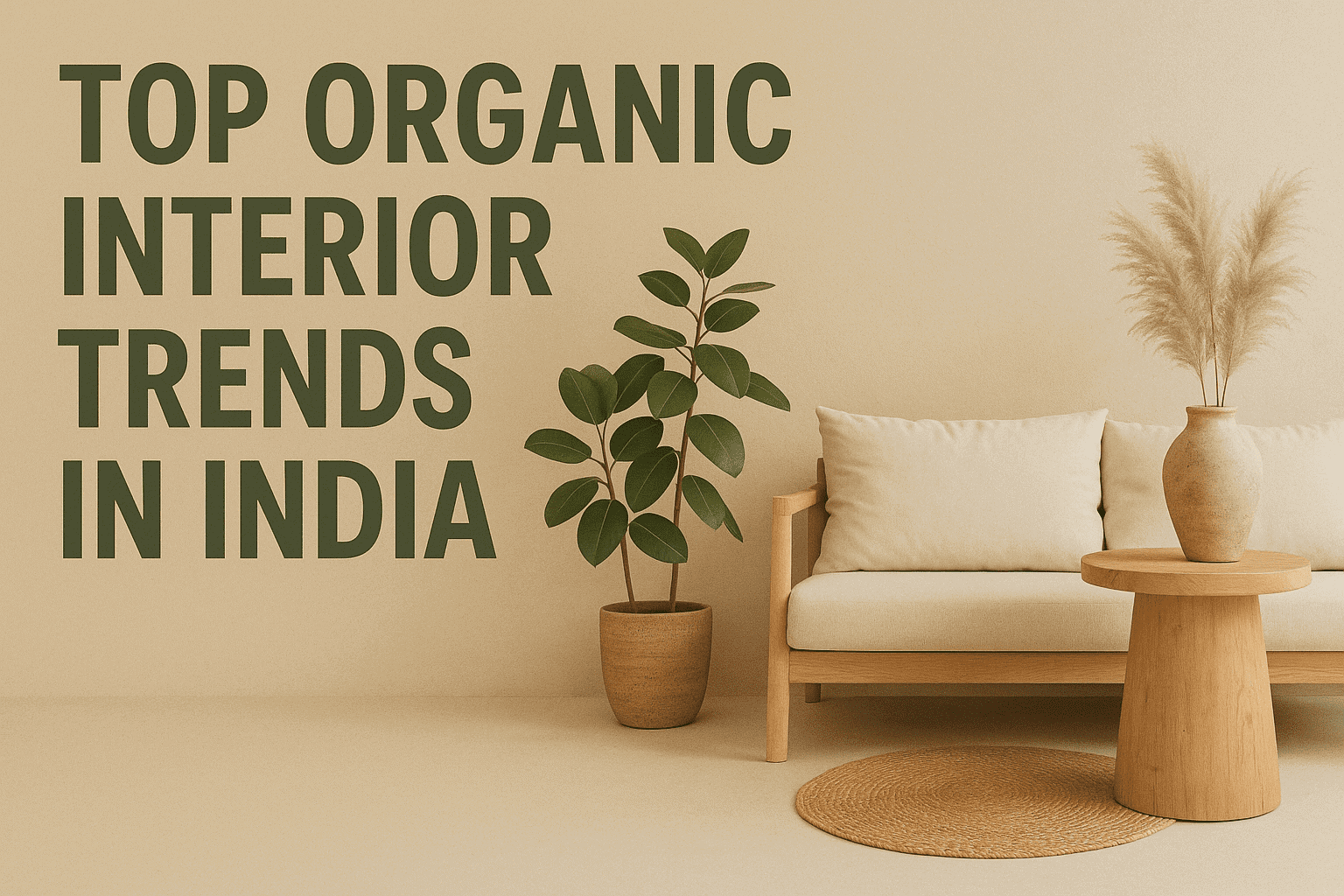
Embracing Organic Interior Trends in India: A Return to Nature at Home

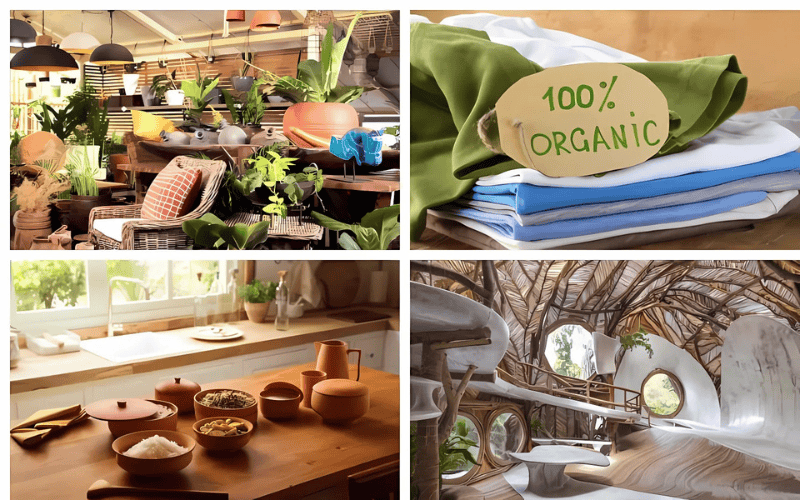
In an age of hyperconnectivity and urban chaos, Indian homeowners are increasingly turning inward — quite literally — to create organic, nature-inspired interiors that soothe the senses and connect with tradition. Whether it’s the rustic charm of mud-plastered walls, the calming presence of indoor plants, or the earthy textures of jute and cane, the shift towards organic design in India is both aesthetic and deeply rooted in cultural heritage. This movement isn’t just about trends — it’s about sustainability, well-being, and reconnecting with indigenous materials. What Are Organic Interiors? Organic interior design is about incorporating natural elements, textures, colours, and materials into your living space. It emphasises sustainability, biophilic design, and the use of locally-sourced, eco-friendly materials. In India, this translates beautifully through the use of: Why Organic Design Makes Sense in the Indian Context India’s rich heritage in vernacular architecture and handcrafted decor makes it a fertile ground for the organic trend. From the thatched roofs of Kerala to mud homes of Gujarat, Indian living has long embraced natural design, long before it became a global trend. Top Organic Interior Trends in India and How to Incorporate Them 1. Earthy Colour Palettes Use shades like terracotta, olive green, sand, ochre, and clay to evoke a grounded, warm feel. Tip: Use lime-washed walls or clay-based paints for an authentic and toxin-free finish. 2. Sustainable Furniture Choose reclaimed wood, bamboo, rattan, or handcrafted cane furniture. Tip: Brands like Baro Design (Mumbai) and Phool Patti (Lucknow) offer handcrafted, eco-conscious furniture made by Indian artisans. 3. Indoor Plants as Living Décor Biophilic design is central to organic interiors. Plants improve air quality and aesthetics. Tip: Try low-maintenance plants like snake plant, money plant, or areca palm. Place them in terracotta pots or brass planters for a traditional touch. 4. Handmade and Textured Fabrics

The Rise of Earth Tones and Organic Textures in India: Where Nature Meets Design

Across Indian homes, wardrobes, and stores, there’s a noticeable shift away from synthetic gloss and mass production toward something deeper, calmer, and more rooted. Earth tones and organic textures have emerged as the leading design trend of the moment. But in India, this isn’t just a passing aesthetic, it’s a return to heritage. Whether it’s the handwoven texture of khadi, the terracotta of rural homes, or the ochre walls of Rajasthan’s palaces, India has always had a strong connection to natural materials and earthy palettes. Today’s movement is a modern reimagining of that age-old wisdom. Hashtag Magazine captures the trend.  Why Are Earth Tones and Organic Textures Trending in India? Cultural familiarity: India’s architecture, crafts, and textiles have always drawn from nature — red earth, turmeric yellow, indigo, stone, jute, and clay. In Indian Interior Design Natural materials and earthy palettes are finding their way into urban homes, boutique resorts, and even co-working spaces. Indian Brands Leading the Way: Freedom Tree (Mumbai): Known for its bold yet earthy colour palettes, Freedom Tree combines handcrafted Indian sensibilities with contemporary design — think teak wood furniture, hand-printed textiles, and terracotta accents.  In Indian Fashion India’s fashion scene is embracing natural fabrics and subdued colours — a counter to the once-dominant trend of bling and embellishment. Top Indian Brands Embracing Earthy Aesthetics: · Anavila: Known for her linen saris in muted tones, Anavila is synonymous with earthy elegance. Her palette includes pale greys, olive greens, and natural browns — woven with stories of craft revival.· Nicobar: This contemporary lifestyle brand offers earthy wardrobe basics, travel gear, and home décor with Indian soul. Their use of khadi, cotton, and bamboo blends modern cuts with a grounded colour scheme.· Okhai: Backed by Tata Chemicals Society for Rural Development, Okhai supports rural artisans and offers naturally

You May Also Like

Connect with us