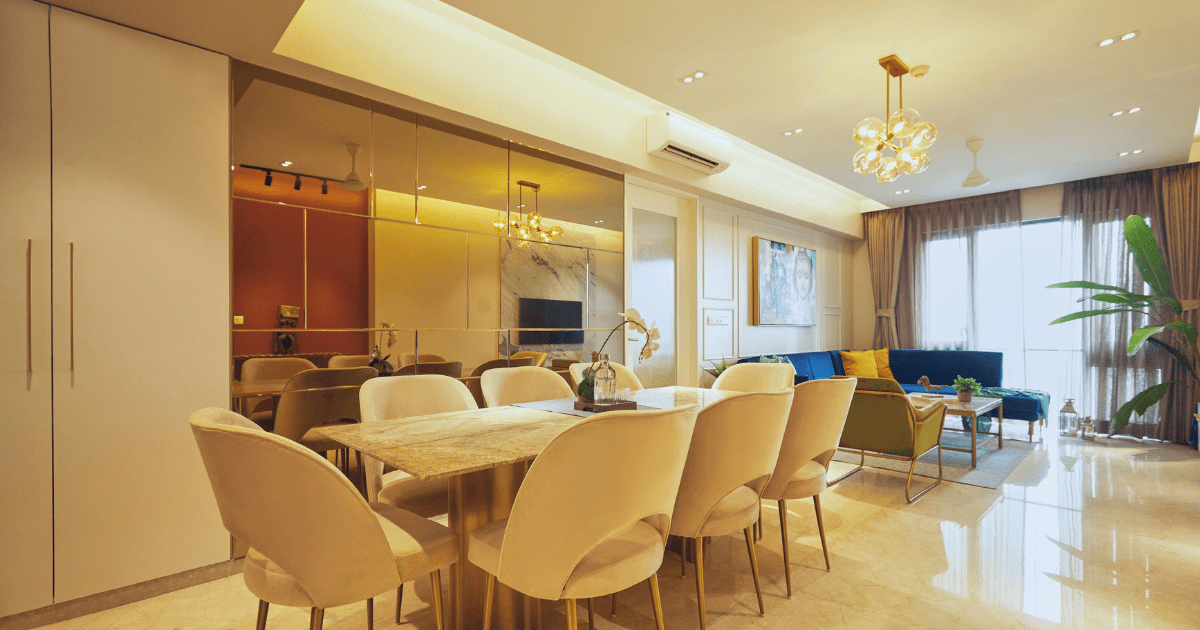
Guide to creating the perfect nursery

Few events in life are more exciting than the birth of your little bundle of joy. A roller coaster of emotions, the birth of a newborn sparks abundant joy and intense feelings of satisfaction and fulfilment. And while you get ready mentally to prepare for the arrival of your little one, it is also imperative that you make your house ready for the baby. Rashmi Gopal Rao explores how you can get organised and create a space, aka the nursery which can seamlessly integrate with the rest of the house.

“Designing a nursery can be an unforgettable experience,” says Pankaj Poddar, co-founder of Hipcouch, the Interior Design Company. With endless options and ever-changing trends in design today, the interiors for a nursery has evolved from the typical ‘pink for girls and blue for boys’ and has become more concept driven. “A good place to start is to pick out a theme that resonates with your style and personality. The theme then gives a clear design direction by defining the colour palette, furniture and decor elements like artwork and accessories,” says Pankaj.
Themes galore

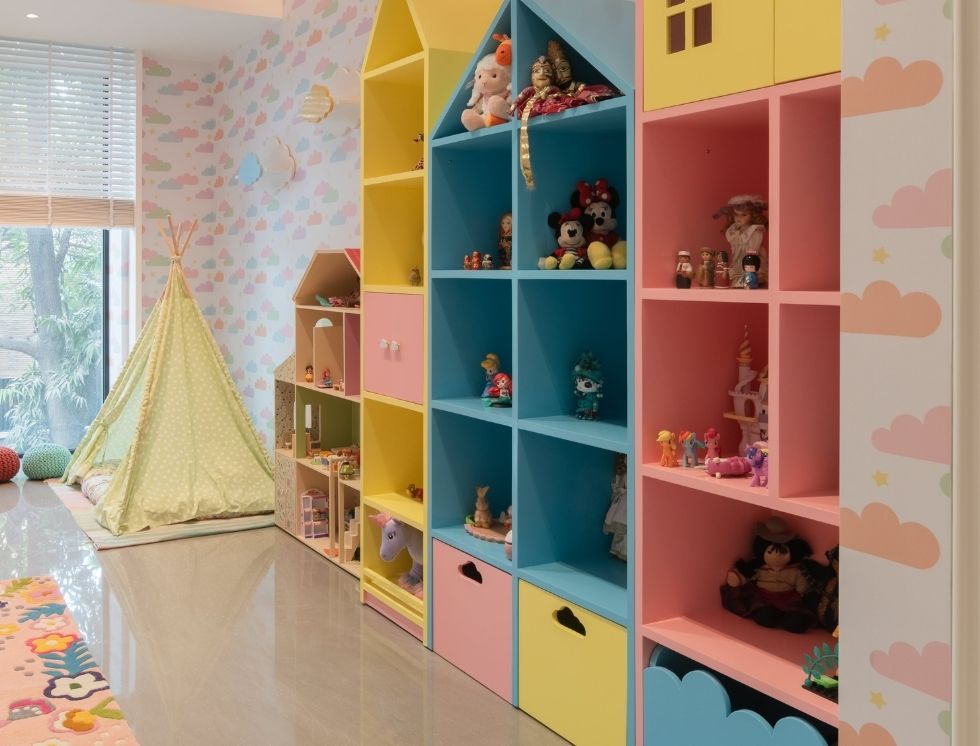
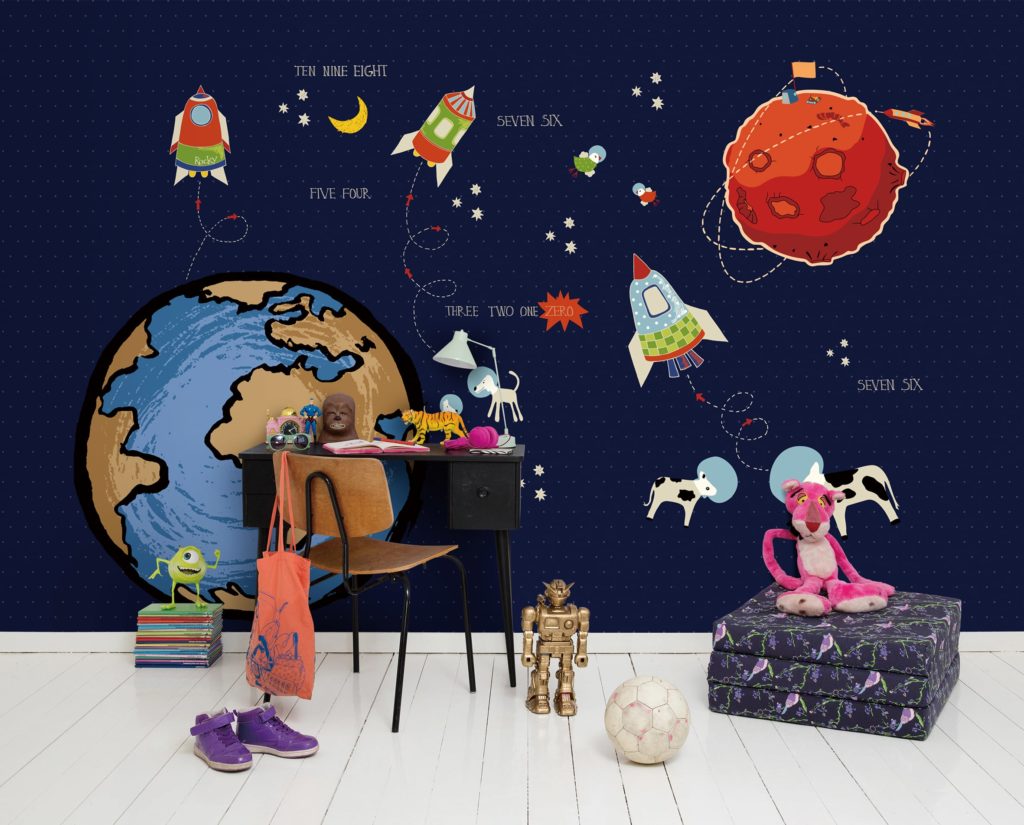
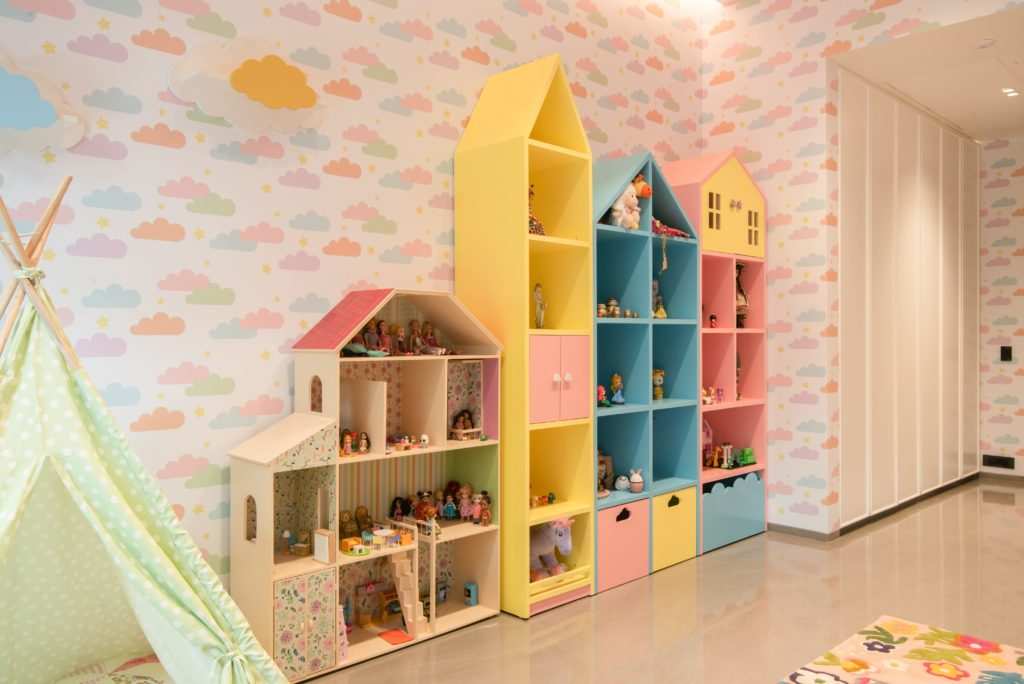
The nursery has often been an aspirational space for most parents and hence is designed to reflect their individual tastes. From bright hues to pastels to minimal whites, neutral themes are very popular. Scandinavian minimal designs are popular with parents who are fond of straight lines and clean looks. “The most loved themes these days are rainbows, jungle and space,” says Neha Jain, co-founder and creative director of UDC Homes. Irrespective of the theme, the nursery should be an open and welcoming space for the child to explore in, with or without adult supervision. “Speaking of aesthetics, create a sense of playfulness in simplicity. Adding elements of colour help liven up the space, but find balance within the various elements and hues,” say Siddharth Sirohi, founder of Baro Design, and Lakshya Elouise, Pre and Postnatal birth educator.  

It is quite likely that the baby will spend a lot of time staring at the ceiling. Having innovative patterns and prints on the ceiling can create a comforting and stimulating ambience.

Furniture and Storage options

The importance of having thoughtful, multipurpose and functional furniture to stay organised can hardly be overemphasized.  The focal point of every nursery is of course the crib. It is of utmost importance to choose a crib that is safe and comfortable for not only the child but the new mother as well. According to Romilla Tewari, Creative director & Founder of ThinkCutieful“The crib should have rails and adjustable height of the mattress so that the mother does not have to bend too much particularly in the first two postpartum months. As the baby grows it is key for the baby’s safety that the mattress is lower.”
Apart from the crib, a feeding chair or a rocking/gliding recliner for comfortably feeding and rocking the baby is extremely useful. A day bed for the parents to relax while taking care of the baby is always a good idea. A functional changing table with drawers to store diapers and swaddle sheets is an important piece of nursery furniture. You can choose a changing table in such a way that it is useful even after the baby grows up either as a side table or a simple chest of drawers that is used to store the baby’s clothes, toys, and books.  

Nuances of Décor

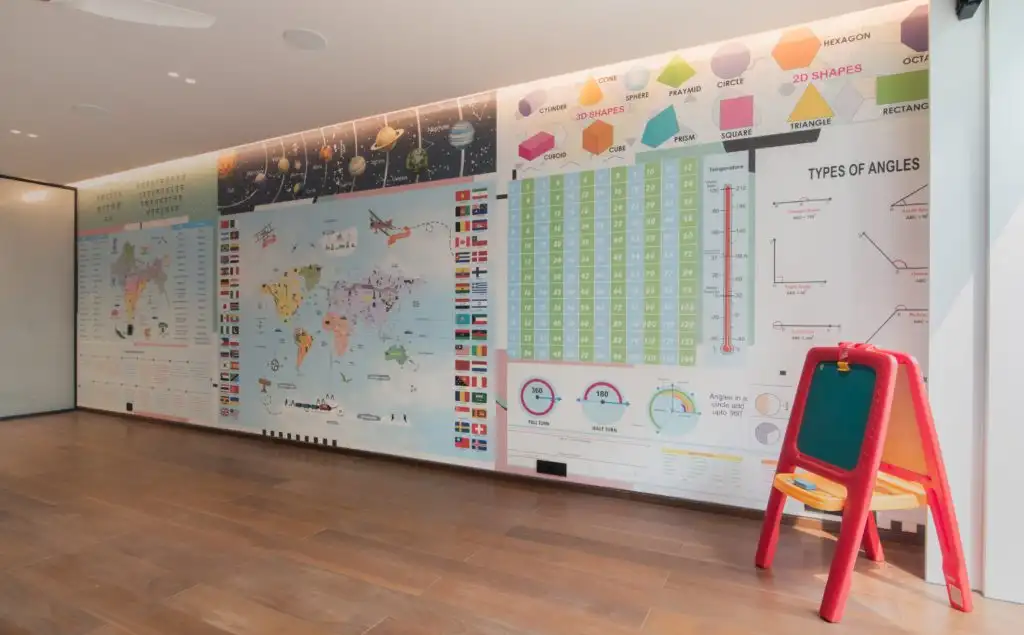
As they say, the devil is in the details, and hence small things can make a lot of difference. While it is easy to have pleasant colours and pictures on the wall given the plethora of wallpapers and decals that are available, the ceiling is often neglected. It is quite likely that the baby will spend a lot of time staring at the ceiling. Hence, having innovative patterns and prints on the ceiling can create a comforting ambience. Other accessories like a woollen rug, a dream catcher or a wind chime can infuse warm and positive vibes. Dark curtains help a child sleep better during the sunny middays and afternoons while sheer curtains can help soften the light.  
Dos and don’ts

While designing the nursery, certain safety measures need to be necessarily incorporated. Avoid sharp edges on furniture, choose comfortable cotton materials for bedding and sheets and ensure that there are no low-level electric switches, plug points, frames or accessories of any kind. “Do not clutter the space. A good idea is to circulate their toys and books and keep only a limited number to access for a given duration. This creates a constant renewal within the space and even the same objects will be experienced anew,” add Siddharth Sirohi and Lakshya Elouise.

Finally, it helps to keep things flexible and plan with a slightly longer time frame in mind. Afterall it is a space that needs to keep changing as per the requirements of the baby as they grow up. “Transition is an important aspect of a baby’s room,” says Romilla, “it is a room that should have space to grow, evolve and transform from an infant’s space to a toddler’s and a young baby’s with lots of space to crawl, cruise and finally take those first little steps.”


Leave a comment

Your email address will not be published. Required fields are marked *

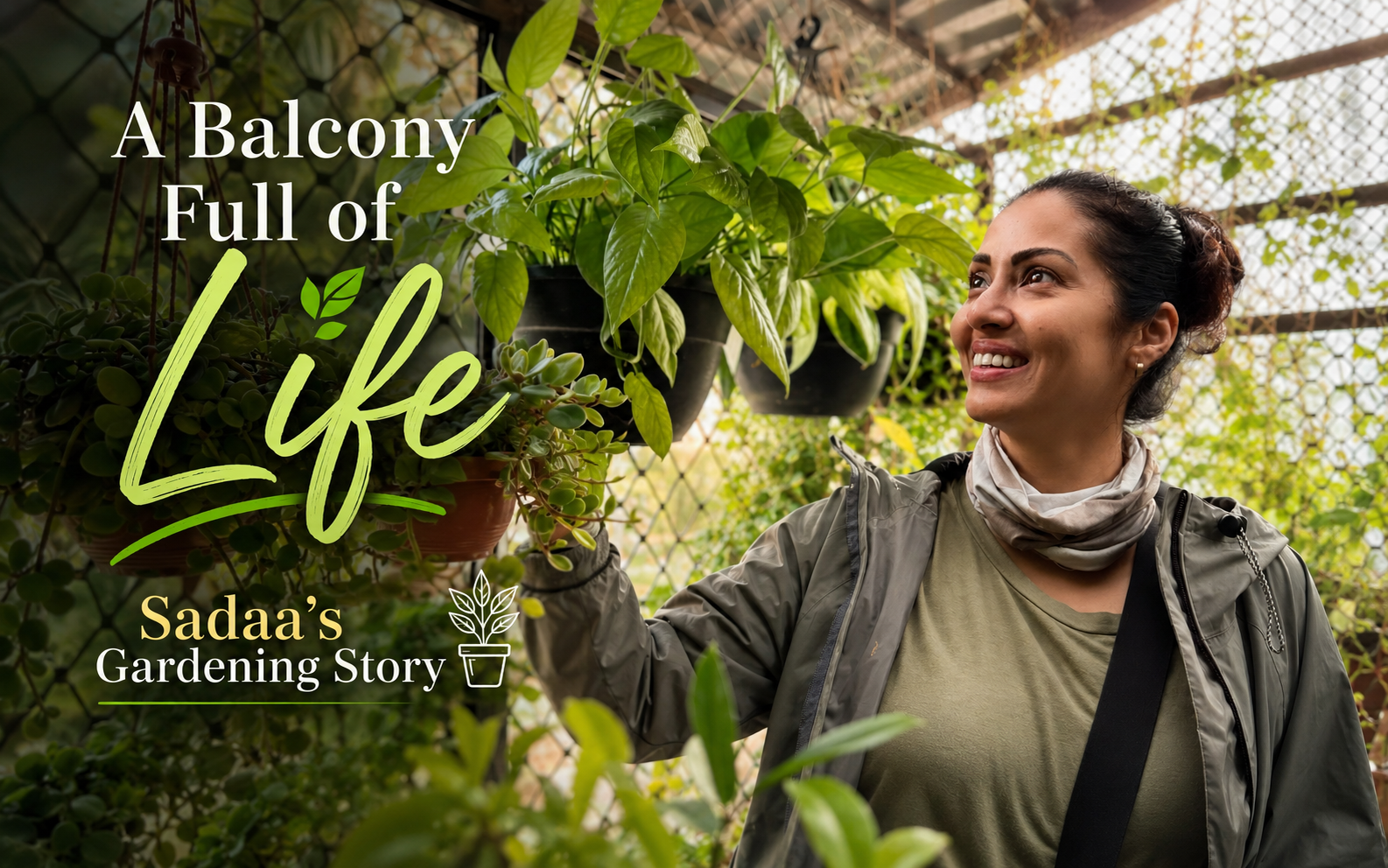
A Balcony Full of Life: Sadaa’s Gardening Story

For actress Sadaa Sayed, best known for films like Jayam, Anninyan, Aethirree, etc., gardening wasn’t a lifelong passion; it was something that gently found its way into her life, one phase at a time. What began as a quiet act of rescuing dying plants during the stillness of lockdown slowly transformed into a deeply personal journey of healing, especially after the loss of her father. Today, her balcony is a thriving sanctuary of over 200 plants, with a special love for the delicate yet resilient Hoya family. But beyond the numbers and rare collections, it’s the emotional connection that defines her space. In an exclusive tête-à-tête with M Priyanka Goud, Sadaa shares how her garden is more than just greenery; it’s where grief softened, routines found meaning, and life, in its most organic form, continued to grow.” Her journey towards gardening Gardening found me in phases. Growing up, I watched my father lovingly tend to everything, from chikoo and coconut trees to mango trees and vibrant flowering plants. But back then, I never felt that connection. Even later, in our Mumbai home, while my parents cared for hibiscus, tulsi, curry leaves, and humble money plants in our balcony, I remained a distant observer. It was only during the lockdown that something shifted. I began rescuing dying plants I’d see outside shuttered shops, bringing them home and nurturing them back to life. That’s when I discovered my love for foliage, collecting varieties like Hoya and surrounding myself with greens that felt quietly alive. Life got busy again, and I was left with only the hardy ones, money plants and philodendrons, while delicate beauties like calatheas slowly faded away. Gardening became therapy through life’s phases After losing my father, I returned to my plants in a completely different way. Repotting root-bound greens

How to Keep Your Home Cool without Increasing AC Bills

When summer arrives in full force, so do the electricity bills. The air conditioner becomes your best friend, and also your biggest expense. But what if you could enjoy a cool, comfortable home without watching your energy costs skyrocket? The good news is, you can! With a few strategic changes and smart habits, it’s possible to reduce heat indoors while keeping AC usage efficient and affordable. Dhanush Kumar brings you a practical, lifestyle-friendly guide to staying cool without overloading your electricity bill. Block the heat before it enters The easiest way to cool your home is to stop the heat at the source. Close curtains and blinds during peak sun hours. Sunlight streaming through windows can significantly raise indoor temperatures. Use thick curtains, blackout drapes, or reflective blinds during afternoon hours. Light-coloured curtains work best as they reflect heat instead of absorbing it. Additionally, using window films, which are heat-reflective and affordable, can reduce solar heat gain without darkening your home too much. Switch to Energy-Efficient Lighting Traditional incandescent bulbs generate heat. Switching to LED lights not only lowers electricity consumption but also keeps rooms cooler. LED bulbs consume less energy and emit minimal heat, a small change that makes a noticeable difference during peak summer. TIPS Let Air Circulate Naturally Good airflow reduces dependence on air conditioning. Cross Ventilation is Key Open windows early morning and late evening when temperatures are lower. Allow fresh air to circulate naturally. Use Ceiling Fans Smartly Ceiling fans don’t cool the air; they circulate it. But that circulation helps sweat evaporate faster, making you feel cooler. Pro tip: Set ceiling fans to rotate counter clockwise in summer for a cooling effect. Seal Gaps and Insulate Properly Cool air escaping means your AC works harder. Close gaps around doors, windows & AC vents. Use

Dinaz’s Décor Diaries 2025: Wedding Trends & Tips

Nestled comfortably between luxury and elegance, Dinaz’s eye for imaginative design and impeccable execution creates multi-layered décor and immersive experiences that delight all the senses. From vintage elegance to contemporary glamour, Design & Décor by Dinaz has grown into a trendsetting firm curating celebrations that remain rooted in memory. From Ambanis to the Ram Charans and the who’s who of the country, weddings feel incomplete without her touch. Here, Dinaz shares her expert insights on wedding décor in 2025. 1.What are the most prominent wedding decor trends you’re observing across India in 2025?This year, weddings are less about grandeur for its own sake and more about experiences. Décor is becoming highly immersive each wedding tells a story through layered themes, curated art, and thoughtful detailing. Couples are leaning towards fusion concepts traditional Indian elements blended seamlessly with contemporary luxury. 2.In your view, what is the single biggest decor transformation shaping Indian weddings this year?The biggest transformation is the rise of personalisation at scale. Even the largest celebrations are designed to feel intimate and meaningful, where every detail reflects the couple’s journey. Décor has shifted from just visual beauty to becoming a medium of storytelling. 3.Which colour palettes are dominating the season? Have you noticed any surprising comebacks?We’re seeing muted pastels paired with regal jewel tones sapphire blues, emerald greens, and deep burgundy. The surprising comeback is gold but not in its loud avatar; instead, antique, and brushed gold accents are adding understated richness. 4.Are couples leaning more towards luxurious opulence or sustainable minimalism in their decor choices?Interestingly, they want both. Couples are very conscious today they desire the glamour and drama of a luxury wedding, but with choices that reflect responsibility and mindfulness. So, the décor is opulent in aesthetic but minimal in waste, a balance of indulgence and intent.

Embracing Organic Interior Trends in India: A Return to Nature at Home

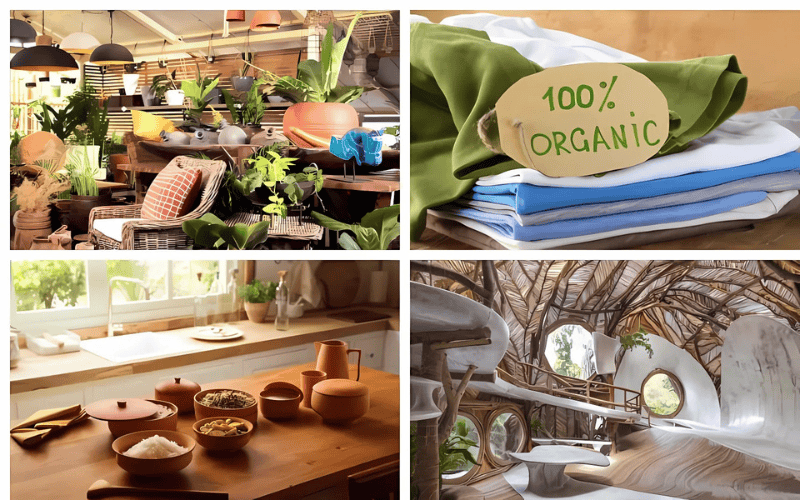
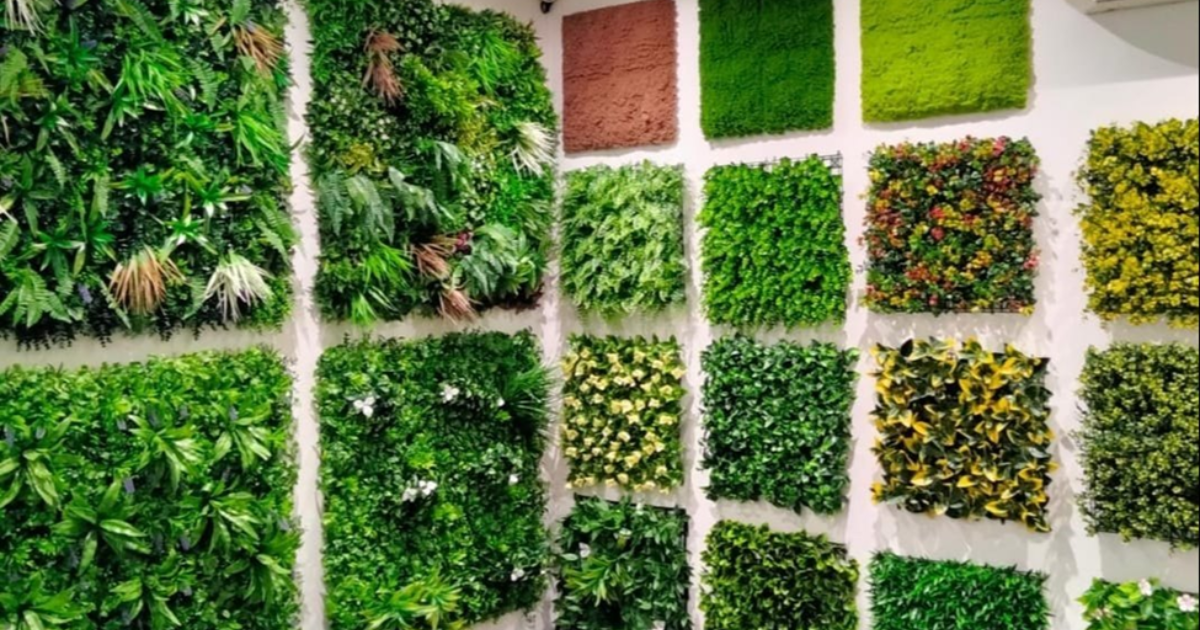
In an age of hyperconnectivity and urban chaos, Indian homeowners are increasingly turning inward — quite literally — to create organic, nature-inspired interiors that soothe the senses and connect with tradition. Whether it’s the rustic charm of mud-plastered walls, the calming presence of indoor plants, or the earthy textures of jute and cane, the shift towards organic design in India is both aesthetic and deeply rooted in cultural heritage. This movement isn’t just about trends — it’s about sustainability, well-being, and reconnecting with indigenous materials. What Are Organic Interiors? Organic interior design is about incorporating natural elements, textures, colours, and materials into your living space. It emphasises sustainability, biophilic design, and the use of locally-sourced, eco-friendly materials. In India, this translates beautifully through the use of: Why Organic Design Makes Sense in the Indian Context India’s rich heritage in vernacular architecture and handcrafted decor makes it a fertile ground for the organic trend. From the thatched roofs of Kerala to mud homes of Gujarat, Indian living has long embraced natural design, long before it became a global trend. Top Organic Interior Trends in India and How to Incorporate Them 1. Earthy Colour Palettes Use shades like terracotta, olive green, sand, ochre, and clay to evoke a grounded, warm feel. Tip: Use lime-washed walls or clay-based paints for an authentic and toxin-free finish. 2. Sustainable Furniture Choose reclaimed wood, bamboo, rattan, or handcrafted cane furniture. Tip: Brands like Baro Design (Mumbai) and Phool Patti (Lucknow) offer handcrafted, eco-conscious furniture made by Indian artisans. 3. Indoor Plants as Living Décor Biophilic design is central to organic interiors. Plants improve air quality and aesthetics. Tip: Try low-maintenance plants like snake plant, money plant, or areca palm. Place them in terracotta pots or brass planters for a traditional touch. 4. Handmade and Textured Fabrics

You May Also Like

Connect with us