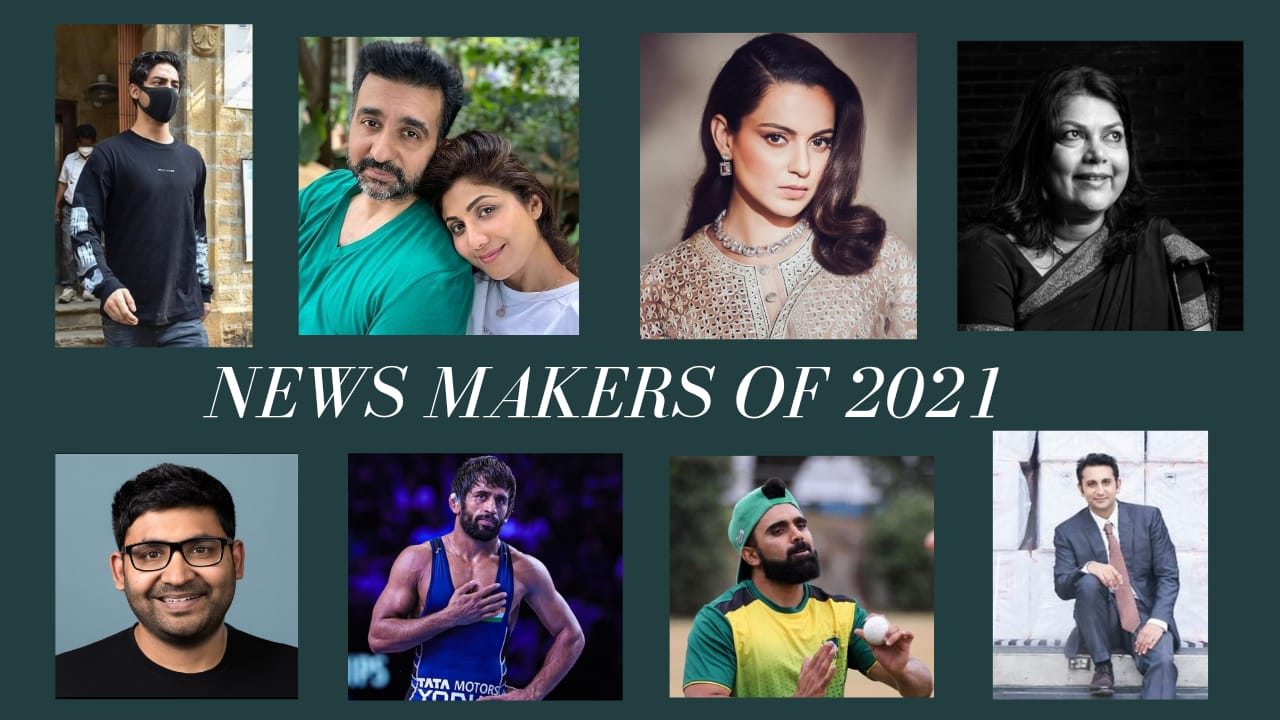
NEWSMAKERS OF 2021

Bidisha Barik reviews the news cycle of the year that has been, recalling those who dominated our trends to become the newsmakers of 2021.

With controversies, criticisms, scandals, and achievements galore, it surely has been the year of newsmakers. The buzz of COVID-19 and the rise of the second wave dominated the first half of 2021. Despite the pandemic, 2021 saw a robust news cycle. We list those celebrities and entrepreneurs who made it big in the press and created a buzz that has had an impact on the country’s demography.

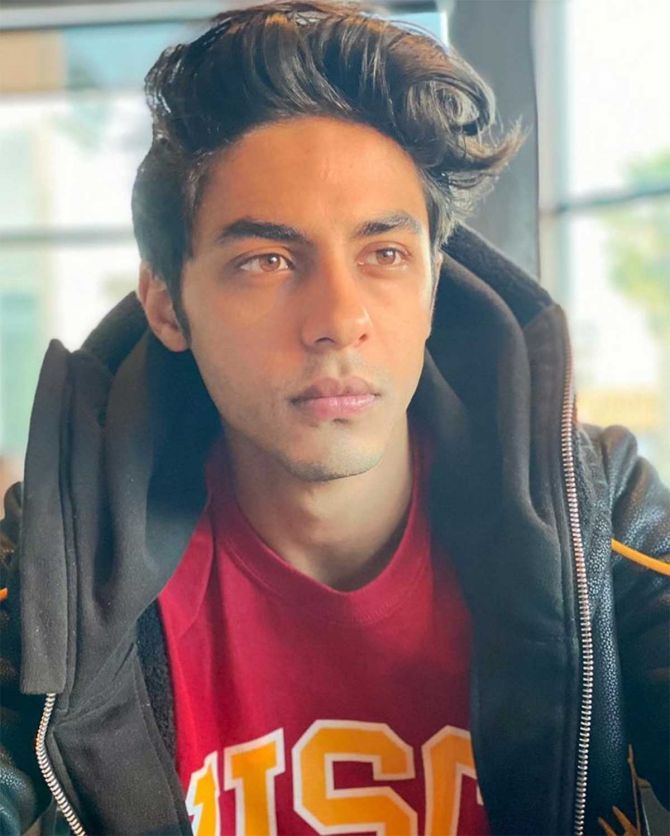
  • Aryan Khan

October was a tense month, with everyone rooted to fresh news every minute for Shah Rukh Khan and Gauri Khan’s eldest son, Aryan Khan. The voiceover artist and rising actor usually crashes the internet anytime he shares a photo on social media. He was on his way to a party on the Cordelia Cruises’ Empress ship, which was part of a two-day musical cruise organised by a Delhi event company. He made news for his suspected involvement in a narcotics raid on a cruise liner in Goa by the Narcotics Control Bureau (NCB) and was arrested on 3rd October. 
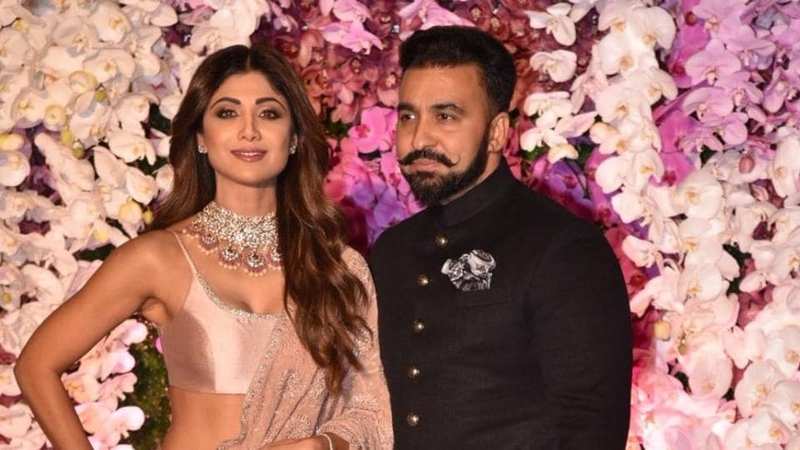
  • Shilpa Shetty and Raj Kundra

. Raj Kundra, businessman and husband of popular Indian actress Shilpa Shetty, was voted 198th richest British Asian. He was linked to investments in cricket and mixed martial arts, and he joined the top five newsmakers list in 2021 after being charged with producing and transmitting pornographic content, gaining infamy for the couple.
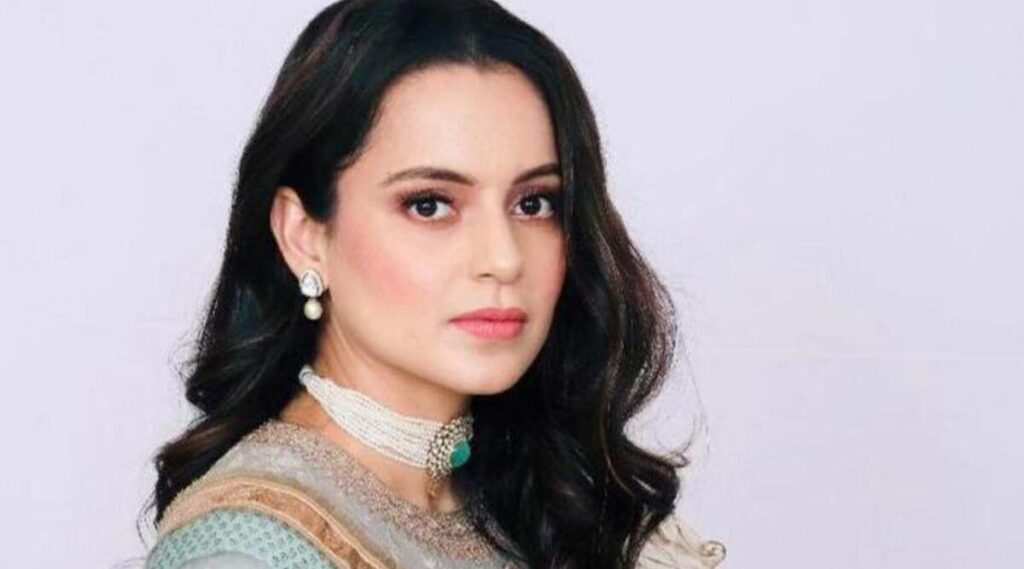
  • Kangana Ranaut

Kangana Ranaut is known for her versatility and portrayal of strong women in female-centric films. She has been awarded several awards including Padma Shri in 2020. The Manikarnika actress and controversies go hand in hand – she generated headlines throughout 2021 for her numerous conflicts involving entertainment, politics, social media…the list continues.
  • Vir Das

Vir Das, who began his career as a stand-up comedian before moving on to Hindi films such as Badmaash Company, Go Goa Gone, and Delhi Belly, has now been criticized for the views he expressed in Two Indias, a stand-up special he performed throughout the world. He was also up for an international Emmy Award in 2021 for his Netflix comedy special, Vir Das: For India, which touched upon the already sensitive subject. After it went viral, he insisted that his monologue was pure satire and that he’d continue to work as a comedian.

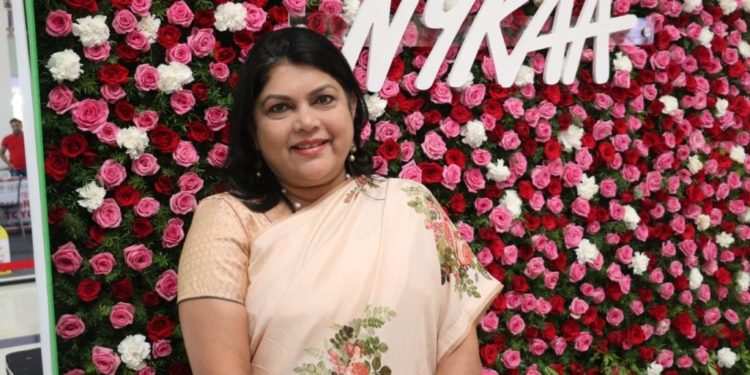
  • Falguni Nayar

After serving as managing director of the Kotak Mahindra Group, Falguni Nayar established herself as a retailer of beauty and personal care items. She is the CEO and Founder of Nykaa, and in 2021, she became India’s first self-made female billionaire. Nayar’s choice to launch Nykaa at the age of 50, following more than two decades in the banking industry, has boosted female motivation and has been received with grave praise. 
  • Parag Agarwal

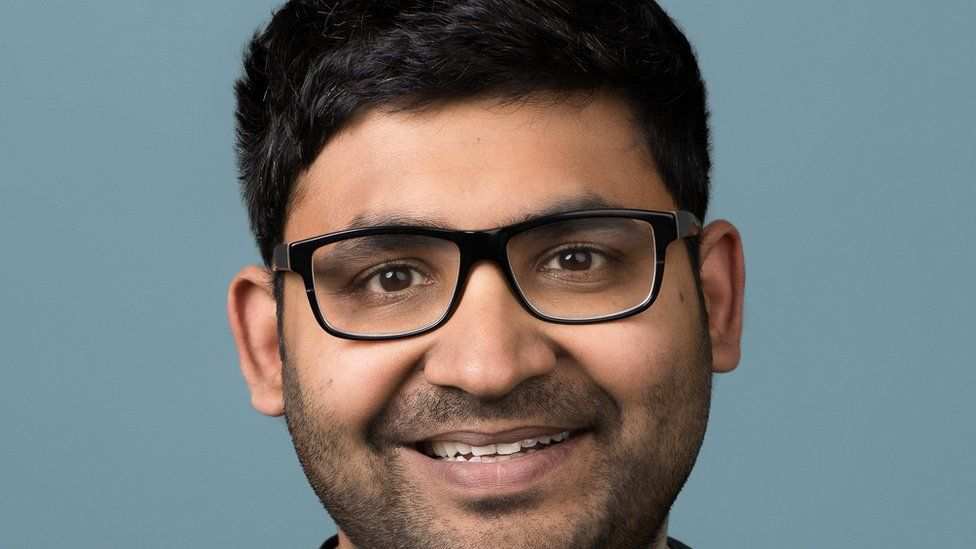
In 2000, the now well-known CEO from India placed 77th in the IIT combined admission test. He later relocated to the United States to earn a doctorate in computer science from Stanford University. Jack Dorsey’s unexpected resignation in 2021 saw Parag, a 37-year-old Indian-American, rise from software developer to Twitter CEO, having worked at the company for 10 years.
  • Adar Poonawalla

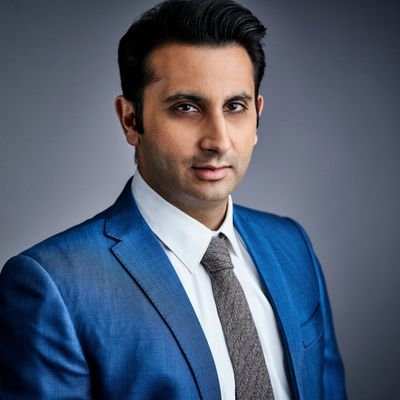
The current CEO of Serum Institute of India joined SII soon after his graduation and was designated CEO in 2011. In 2014, he founded and released the Serum Institute of Oral Polio Vaccine, which quickly became the company’s best-selling product, and he was enthused about producing flu and cervical cancer vaccinations the same year. Adar Poonawalla and Serum Institute of India (SII), the world’s largest vaccine manufacturer, made headlines at the start of 2021 for developing the COVID-19 vaccine Covishield, a SII/AstraZeneca vaccine manufactured in India. They were also noted for providing preventative and protective supplies for the medical personnel, the elderly, and the general public.
  • All-Women Cockpit

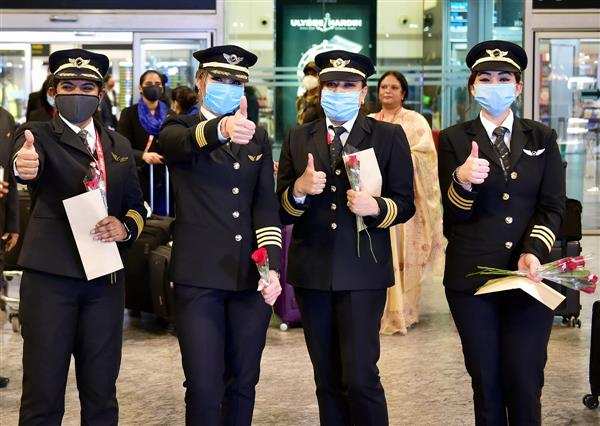
Captain Zoya Aggarwal, Captain Papagari Thanmai, Captain Akansha Sonaware, and Captain Shivani Manhas of Aviation India’s AI176 all-female cockpit crew conducted a record voyage over the North Pole on the world’s longest air route from San Francisco to Bengaluru on January 9, 2021. The All-Women Crew completed the first non-stop flight over the North Pole, spanning over 16,000 kilometres. The aerial distance between San Francisco and Bengaluru is one of the longest in the world.
  1. Bajrang Punia

Punia is the only Indian wrestler to have won three World Wrestling Championship medals. For his wrestling practice, this man with a grandiose vision would skip his school. In 2021, Indian wrestler Bajrang Punia won his second straight gold medal in the 65 kg freestyle category in the Matteo Pallicone Ranking Series tournament in Rome, defeating Mongolia’s Tulga Tumur Ochir 2-2 by criteria. This victory places Punia as currently the world’s No. 1 in the 65 kg class.
  • Ajaz Yunus Patel 

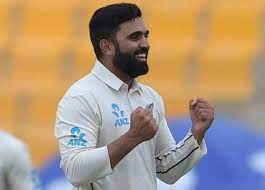
New Zealand cricketer and orthodox left-arm spinner Ajaz Patel was voted Men’s Domestic Player of the Year at the New Zealand Cricket Awards in April 2018. Patel of New Zealand couldn’t stop breaking records in India’s second Test match against New Zealand, which took place at Wankhede Stadium on December 10, 2021. After taking all 10 wickets in the first innings, Patel’s four-wicket spell in the second innings helped him break Ian Botham’s 41-year-old record.
Leave a comment

Your email address will not be published. Required fields are marked *

Wear It Beyond the Wedding: The New Rules of Bridal Jewellery

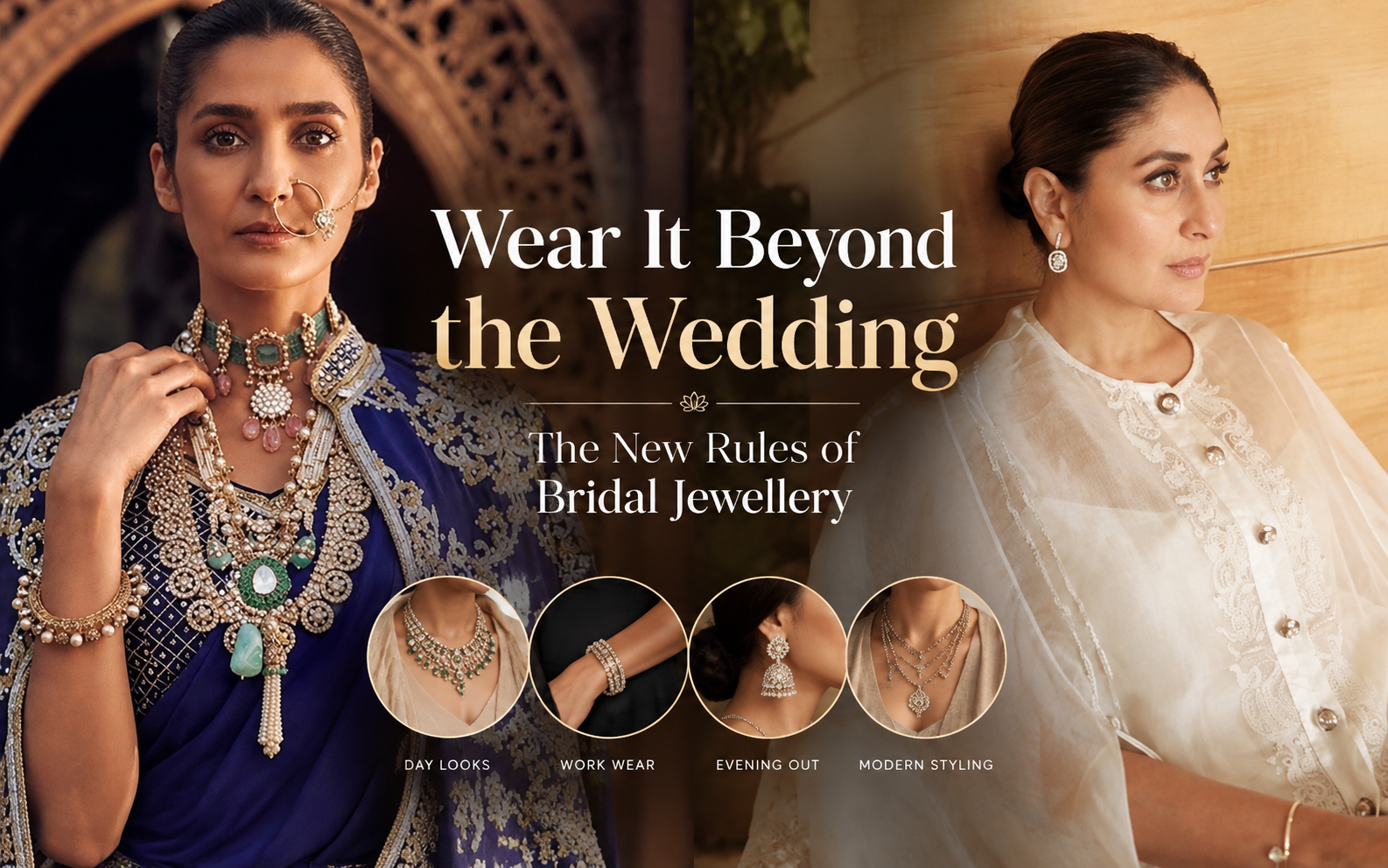
Mohar Jewels, the Mumbai fine jewellery house founded by Nakul and Priyanka Jain and rooted in a three-generation legacy of gemstones and craftsmanship, sees 2026 bridal jewellery becoming more personal, versatile and made to be worn long after the wedding. Here, the brand shares the trends brides are turning to, from coloured gemstones to detachable polki. Bridal Jewellery Trends 2026Bridal jewellery is becoming more personal, versatile and expressive. Brides are moving beyond jewellery worn only on the wedding day and want pieces that become part of their wardrobe for years. Coloured gemstones, particularly emeralds, rubies and sapphires, are gaining importance alongside classic diamonds and polki, adding colour and individuality. There’s also growing interest in refined layering, detachable pieces and jewellery that can be styled in multiple ways across celebrations. Compared to 2025, when statement sets and traditional silhouettes were still dominant, 2026 is more considered: brides are mixing heritage-inspired elements with contemporary silhouettes rather than committing to one uniform look. Balancing Tradition and PersonalityThe balance comes from respecting the craft while letting the design evolve. Traditional elements like polki, diamonds and coloured gemstones are presented through cleaner silhouettes, unexpected combinations and contemporary proportions, such as classic polki and emerald pieces alongside baguette diamonds, unusual gemstone cuts and more minimal designs. The modern bride wants jewellery that feels like an extension of her personality, not something chosen purely because it’s traditional. The idea isn’t to choose between heritage and modernity, but to make the two coexist in one piece. Dressing Every Celebration Each celebration has its own mood, and jewellery should complement it rather than compete. For daytime functions like haldi and mehendi, think lighter, versatile pieces: delicate polki chains, gemstone earrings, refined bracelets and rings that can be layered, plus detachable polki necklaces. For grand evening receptions, jewellery turns dramatic,

The Biggest Bridal Trends of 2026: Fresh Drapes and Statement Jewellery

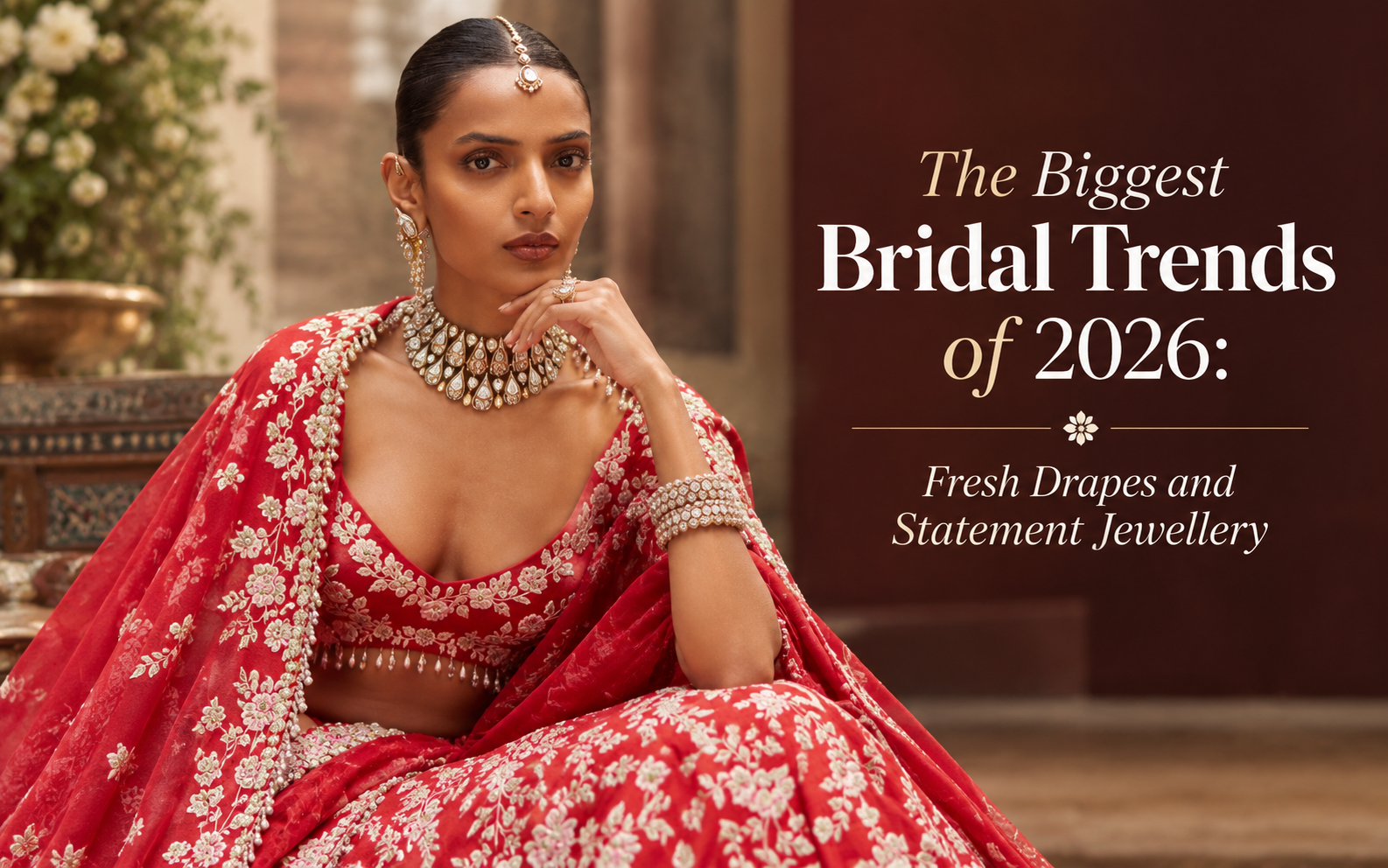
What are the three biggest bridal trends you predict will dominate 2026? For me, it’s the reimagining of the drape, the beauty of crafts like chikankari and lace, and a much stronger focus on jewellery. Whether it’s a traditional necklace from our High Jewellery or a contemporary ear cuff that can completely change the feel of an outfit. I think we’ll see the sari and different interpretations of the drape becoming a big part of bridalwear again. There is something so timeless about it, but there are endless ways to make it feel fresh and personal. Which colours and fabrics are going to be particularly relevant? I see a beautiful mix. Ivory and soft pastels continue to feel very relevant, but I also see deeper jewel tones, wine, garnet and unexpected blues becoming important. In fabrics, I love organza, tissue, lace and chiffon for their lightness and movement, balanced with richer silks and velvets. What interests me most is mixing textures rather than allowing one fabric to dominate the entire look. What is one bridal fashion choice you think women should avoid? Wearing something simply because it is trending. Your wedding photographs stay with you forever, and the most beautiful brides are always the ones who still look like themselves. Experiment, absolutely, but don’t allow the outfit to wear you. How should couples approach the challenge of dressing for multiple wedding events without making every look feel repetitive? I always look at a wedding wardrobe as a story. If the wedding is traditional, perhaps the sangeet becomes more glamorous and experimental, the mehendi lighter and playful, and the reception sharper and more contemporary. Change the silhouette, colour, texture and jewellery rather than simply changing the outfit. Every event should reveal another side of you, but together they should still feel

CINTA & Pantai Pura Founder Rupika Harshwardhan P

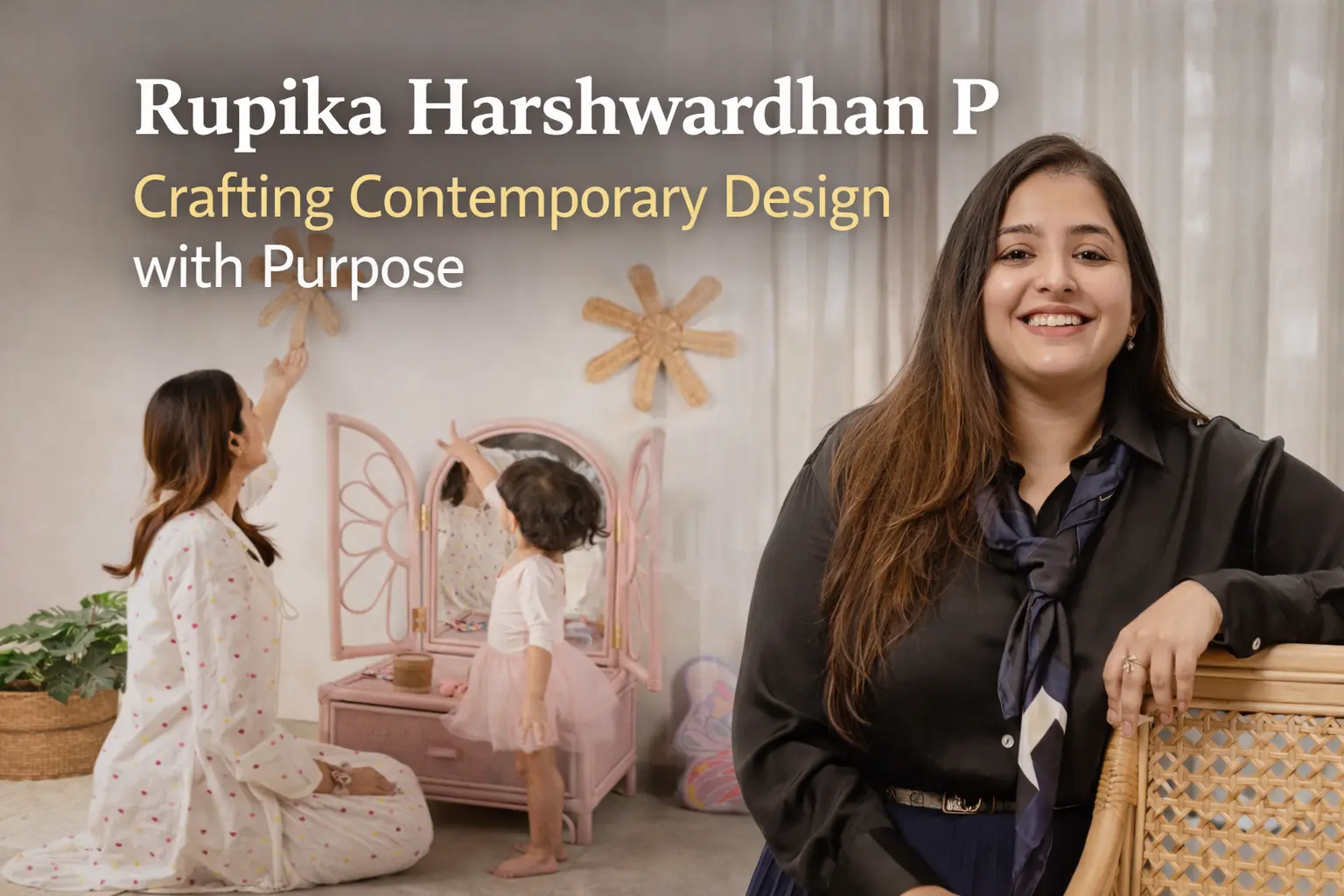
For Rupika Harshwardhan P, design has never been merely aesthetics; it is emotional architecture. A graduate of Srishti School of Art and Design, with further studies in art history at Chitrakala Parishad, her education trained her to see spaces as layered narratives shaped by material, form, and feeling. An early internship at Elle Decor India proved pivotal. It offered her an insider’s view of the design industry and crystallised a quiet but firm decision: she would not simply participate in design, she would build something of her own. Drawn instinctively to craft traditions and handmade objects, Rupika’s understanding of “home” is rooted in belonging. For her, furniture is not functional; it is memory made tangible. Brands Built on Meaning Rupika is the Founder and Creative Director of CINTA and Pantai Pura. CINTA, meaning “love,” is a children’s home décor brand centred on imagination and family bonds. Pantai Pura, “Sacred Beach,” explores natural harmony and mindful living. “I didn’t create these brands just to sell furniture,” she explains. “I wanted to change how we see materials and craftsmanship.” Her work bridges tradition and modernity, connecting artisan communities with contemporary homes. Particularly through CINTA, she reflects on how a child’s first furniture piece can become part of their emotional blueprint. Reimagining Rattan At the core of her practice is rattan, a material she champions for its agility, durability, and quiet elegance. Challenging misconceptions that it is dated or interchangeable with bamboo, Rupika reinterprets rattan through a contemporary lens while honouring traditional craft. Her approach rests on three pillars: craftsmanship, co-creation, and community. Designs are developed collaboratively with artisans, resulting in bespoke pieces that respond to real homes rather than fleeting trends. “Design is a conversation, not a monologue,” she says. From Online Beginnings to Experiential Spaces Both brands began online, where one

Power Dressing 2025: How Women Can Own Formal Wear with Confidence

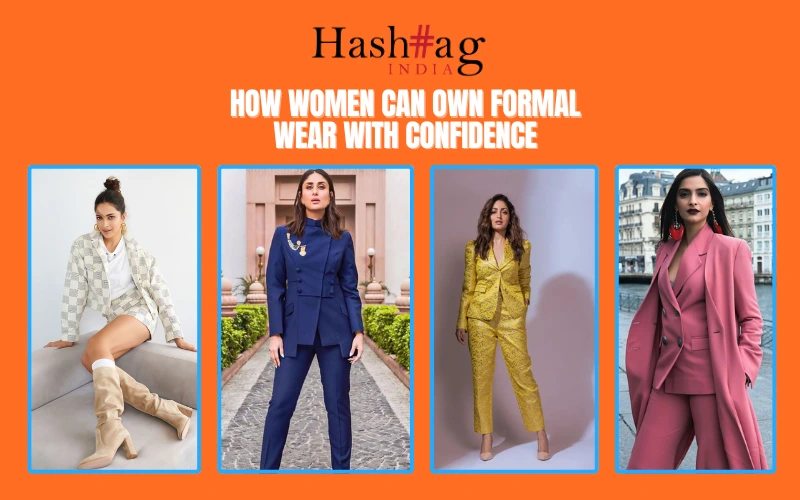
Power dressing is no longer about boxy blazers and stiff formals it’s about striking a balance between authority and style. Today’s formal wear for women reflects individuality, inclusivity, and modern flair, making it perfect for boardrooms, networking events, and even hybrid workspaces. The key? Dressing smart while staying authentic. 1. The New Rules of Power Dressing Fit is Everything: Tailored Silhouettes are back. Invest in well-fitted trousers, blazers, and dresses that complement your body type. Monochrome Magic: Neutral palettes (beige, cream, navy, black) remain timeless, but bold single-tones like emerald, cobalt, or burgundy are trending. Comfort with Structure: Think stretch fabrics, breathable cotton-blends, and soft linen with sharp cuts robust yet wearable. 2. Key Trends in Women’s Formal Wear Relaxed Blazers: Oversized yet structured blazers paired with slim trousers or skirts. Statement Shirts: Ruffles, asymmetrical collars, or tie-up necklines that add flair without being loud. Wide-Leg Trousers: High-waisted, floor-grazing trousers elongate the frame while exuding confidence. Skirt Suits: Pair pencil skirts and A-line midi skirts with blazers for a feminine twist. Minimalist Accessories: Sleek belts, layered chains, or geometric earrings that enhance but don’t overpower. 3. How to Wear Formal Wear Right Balance Masculine & Feminine: Pair a strong-shouldered blazer with soft silk blouses or delicate heels. Invest in Classics: A crisp white shirt, tailored black trousers, and a navy blazer form the foundation of a classic power look. Shoes Matter: Block heels, loafers, or pointed-toe flats comfort without compromise. Play with Prints (Sparingly): Pinstripes, houndstooth, or checks add character while maintaining a professional look. 4. Accessories & Grooming for the Win A structured handbag or tote keeps things polished. Watches remain the ultimate power accessory. Groomed hair (sleek buns, soft waves) and neutral-toned makeup complete the look. Pro Tip: True power dressing isn’t just about clothes it’s about wearing

You May Also Like

Connect with us