Popular Libraries In India

Popular Libraries In India - Hashtag Magazine

In the era of smartphones and kindles, nothing can beat the nostalgia of reading a book in the library. Libraries are a second home to readers and there are many libraries out there that have thousands of books, manuscripts, and rare texts. Some of the libraries in India are known for their history, and amazing architecture. Here are some of the iconic libraries in India that you can visit.

  1. The National Library Of India, Kolkata

The National Library of India is the largest in the country by volume. The library was established in the year 1836. This is one of the busiest libraries in India, it is spread over 30 acres and it houses almost 24 lakh books along with 86,000 maps and 3,200 manuscripts. The library was opened to the public on February 1st, 1953. 

Timings: 9:30 AM-8 PM 

Membership fee: Rs 200 for the book security, Rs 300 for rare books.

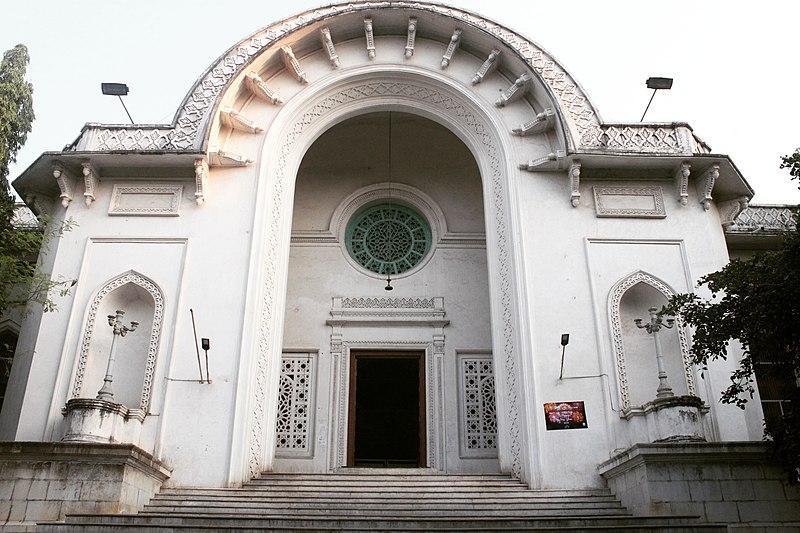
  1. State Central Library, Hyderabad

The State Central Library in Hyderabad began in 1891 due to the efforts of Moulvi Syed Hussain Bilgrami. The library is one of the most imposing structures in the city and it was granted heritage status in 1998. The library is located close to the Salarjung Museum and is spread across an area of 72,447 sq yards. In this library, there is a collection of 5 lakh books, 17,000 rare books, and valuable manuscripts.

Timings: 8 AM-8 PM. Membership fee: Rs 150/-

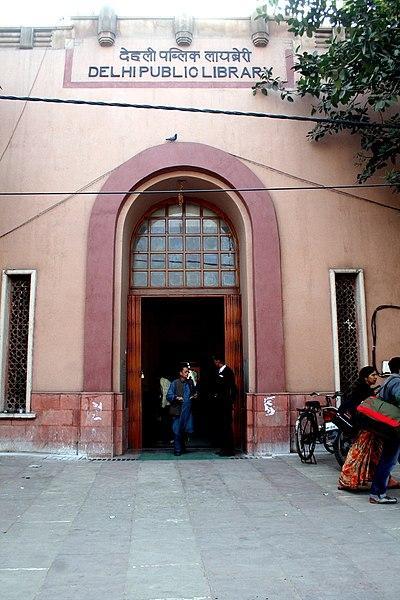
  1. Delhi Public Library, Delhi

Delhi Public Library was started as a UNESCO project in 1951 by the Government of India. It is one of the most visited libraries in the country and it has a collection of 18 lakh books in various languages. There is also a separate section for Braille. The library has 37 branches across the state and it provides training facilities to both student librarians and social education workers.

Timings: 10 AM-5 PM. Membership fee: Rs 25/- to 100/- yearly.

  1. Asiatic Society, Mumbai

The iconic building of the Asiatic Society was established in 1804 and was designed by taking inspiration from Greek and Roman architecture. The library was started by Sir James Mackintosh and it has a huge collection of 15,000 rare books. The place is known for holding the original copy of Dante’s Divine Comedy. 

Timings: 10 AM- 6 PM. Membership fee: Rs 5,000/- yearly.

  1. Anna Centenary Library, Chennai

Anna Centenary Library named after the former chief minister of Tamil Nadu, C.N.Annadurai is one of the most popular libraries in the country. It was inaugurated on September 15th, 2010. The library was built with a budget of Rs 172 crores. It is an air-conditioned library with a total of eight floors. The library has a huge collection of 5 lakh books, and there is also a separate section for blind people. It also has a huge conference hall that can facilitate 150 members. 

Timings: 8 AM- 9 PM. Membership fee: Rs 100- 500/-

  1. Raza Library, Rampur

Raza Library is one of the biggest libraries in India. It is a government-protected property, and it is located inside a palace. Established by Nawab Faizullah Khan, it contains rare works of calligraphy, historical documents, and 30,000 books. Along with the books, there are 17,000 rare manuscripts, 5,000 paintings, and 205 hand-written palm-leaf manuscripts.

Timings: 10 AM- 5 PM 

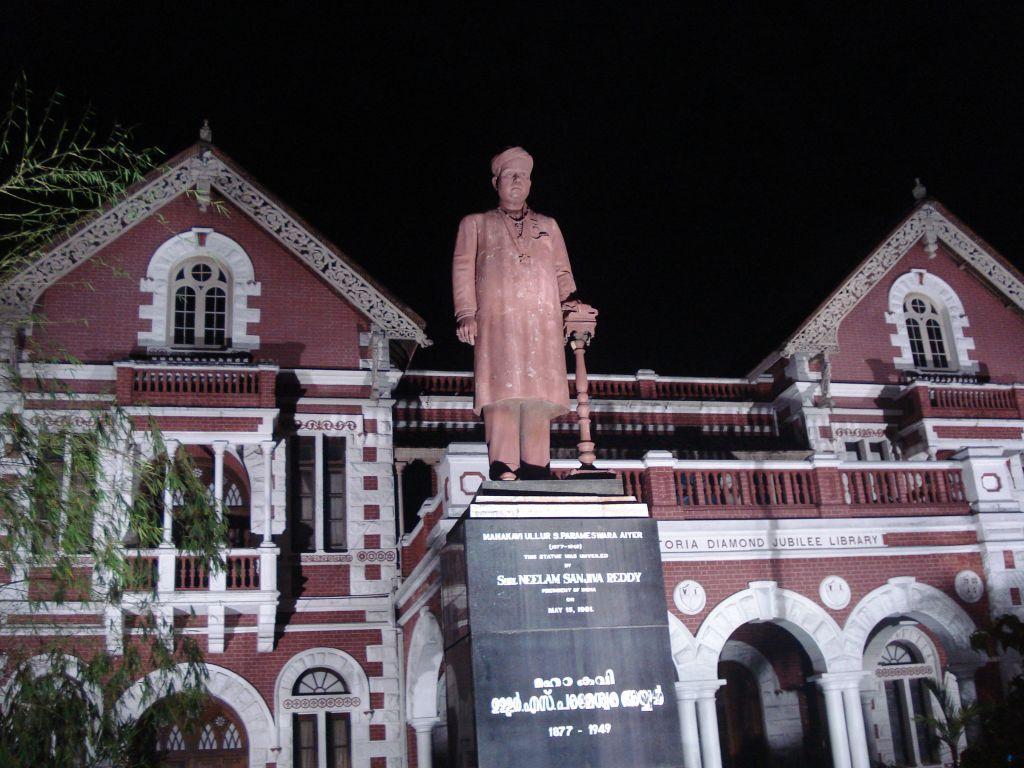
  1. Trivandrum Public Library, Kerala

Trivandrum Public Library also called State central library is one of the oldest libraries in India. The library was established in the year 1829 during the reign of his highness Sree Swathi Thirunal Maharaja of Travancore. It has various collections of literature in different languages, with a separate library for children. The library has a digital collection in a searchable format in English and Malayalam. The library is also conducting a certificate course in Library and Information Services.

Timings: 8 AM- 7:45 PM. Membership fee: Rs 400-1,500/-

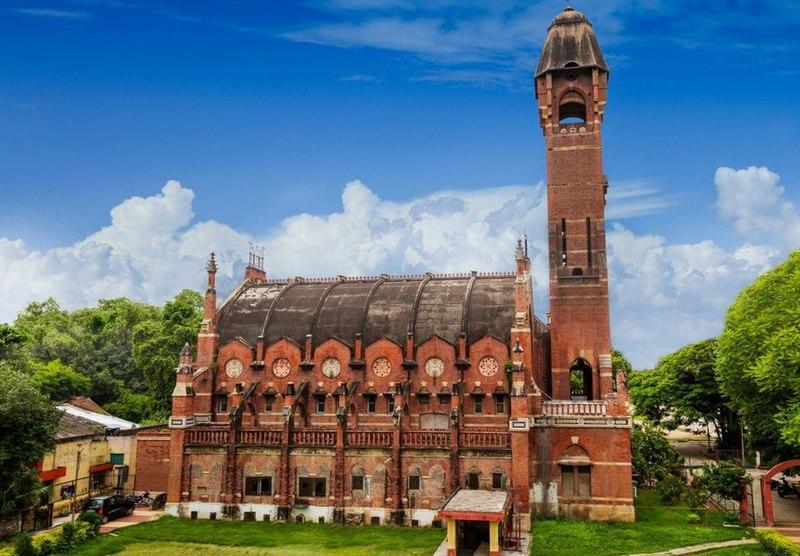
  1. Allahabad Public Library, Allahabad

The public library is located in Alfred park, and it is one of the biggest libraries in Uttar Pradesh. The library was established in 1864 and it was designed in Scottish baronial architecture. It has a huge collection of 1,25,000 books, 40 types of magazines, and other manuscripts.

Timings: 10 AM- 6 PM. Membership fees: Rs 1,400- 5,000/yearly.

Conclusion: These are some of the most popular libraries in India. The other popular libraries in India are Krishnadas Sharma Central Library in Goa, Seshadri Memorial Library in Bengaluru, and Connemara Public Library in Chennai. You can visit these amazing libraries and pick up some amazing books and old manuscripts.

Leave a comment

Your email address will not be published. Required fields are marked *

New Books Worth Picking Up This Month

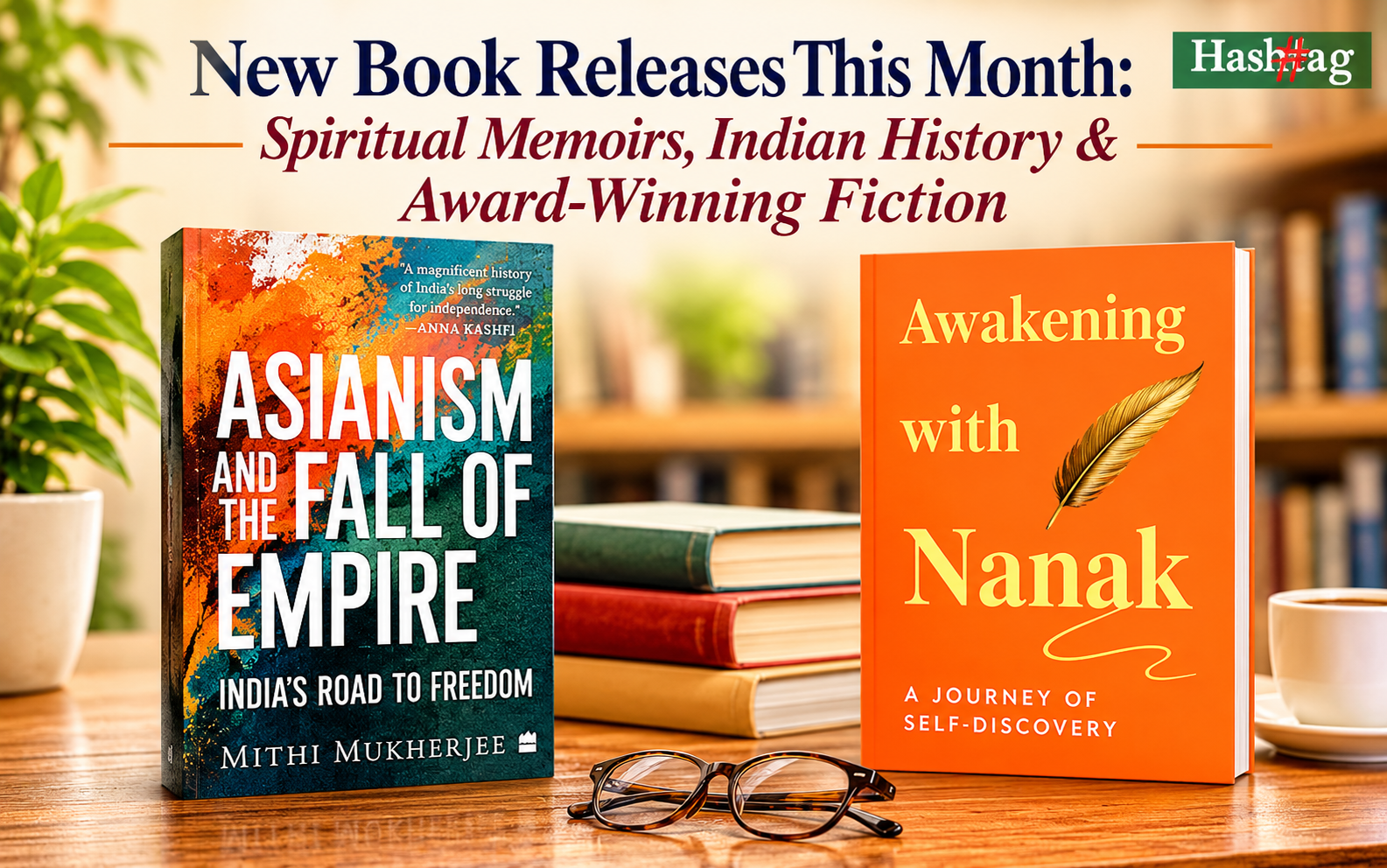
From a deeply personal spiritual memoir to a bold re-examination of India’s road to independence, this month’s new releases offer something for every kind of reader. Here’s what’s landed on shelves and why they’re worth your time. Awakening with Nanak: A Journey of Self-Discovery Author: Kamla K. Kapur Written during a period of severe illness, Kamla K. Kapur’s latest book unfolds across 21 essays that blend memoir, philosophy, and a deeply personal engagement with Guru Nanak’s teachings. Unlike her earlier spiritual fiction, this book is unguarded; Kapur examines her own doubts and failures rather than offering easy answers. What makes it particularly relevant is how she draws direct lines between Nanak’s teachings and modern anxieties like stress, comparison, and self-doubt. The result is less a lecture and more a companion, a slow, honest meditation on awakening as an ongoing inward journey, not a destination. Asianism and the Fall of Empire: India’s Road to FreedomAuthor: Mithi Mukherjee Published by the University of California Press in March 2026, this book boldly reframes how British rule in India actually ended. Historian Mithi Mukherjee argues that ‘Asianism’, rather than nationalism alone, was a driving force behind the movements that brought down the British Empire. What makes the book compelling is how it weaves together two forms of resistance usually treated separately: Gandhi’s nonviolent movement, shaped in South Africa, and Subhas Chandra Bose’s military campaign, in which the Indian National Army fought alongside Japanese forces against British rule in India. Chapters trace this arc from the aftermath of 1857 through the Russo-Japanese War, the Amritsar Massacre, and the Indo-Japanese invasion that hastened the Empire’s fall. The book’s larger argument is that Asia functions here as an active force in world history, not a passive backdrop. Spanning 344 pages, It’s a work of serious scholarship for

5 Books Every Man Should Read to Improve His Life

Intro: Between work, family and the endless scroll, reading is often the first thing to go. But the right book at the right time can change how you think, how you work and how you show up for the people around you. Here are five that deserve a place on every man’s shelf, plus a few more for when you want to keep going. 1. Man Up! (The Dangerous Book for Men) by Rod Green A throwback to the practical skills many of us never learned. It covers outdoor survival, navigating by the stars and other classic self-reliant know-how. Fun, useful and a good reminder that capability is a confidence booster. 2. The Way of the Superior Man by David Deida A thought-provoking look at masculine responsibility, purpose and drive, and how they play out in love and relationships. It’s worth reading if you want to think harder about what you want from your work and your partnership, and how to bring more presence to both. 3. No More Mr. Nice Guy by Robert A. Glover This one takes on what the author calls “Nice Guy Syndrome”: the habit of people-pleasing, avoiding conflict and hiding what you really want. It’s a candid push toward emotional honesty, healthier boundaries and being genuine rather than agreeable. 4. Atomic Habits by James Clear A simple, practical system for building good routines and dropping bad ones through small, daily changes. Its big idea is that habits are tied to identity, so every small action is a vote for the person you want to become. Easy to read and easy to start applying the same day. 5. Man’s Search for Meaning by Viktor E. Frankl A profound memoir of surviving the Holocaust, and an argument that purpose can carry a person through deep suffering. Short

Top 5 Books to Read If You’re a Patriot

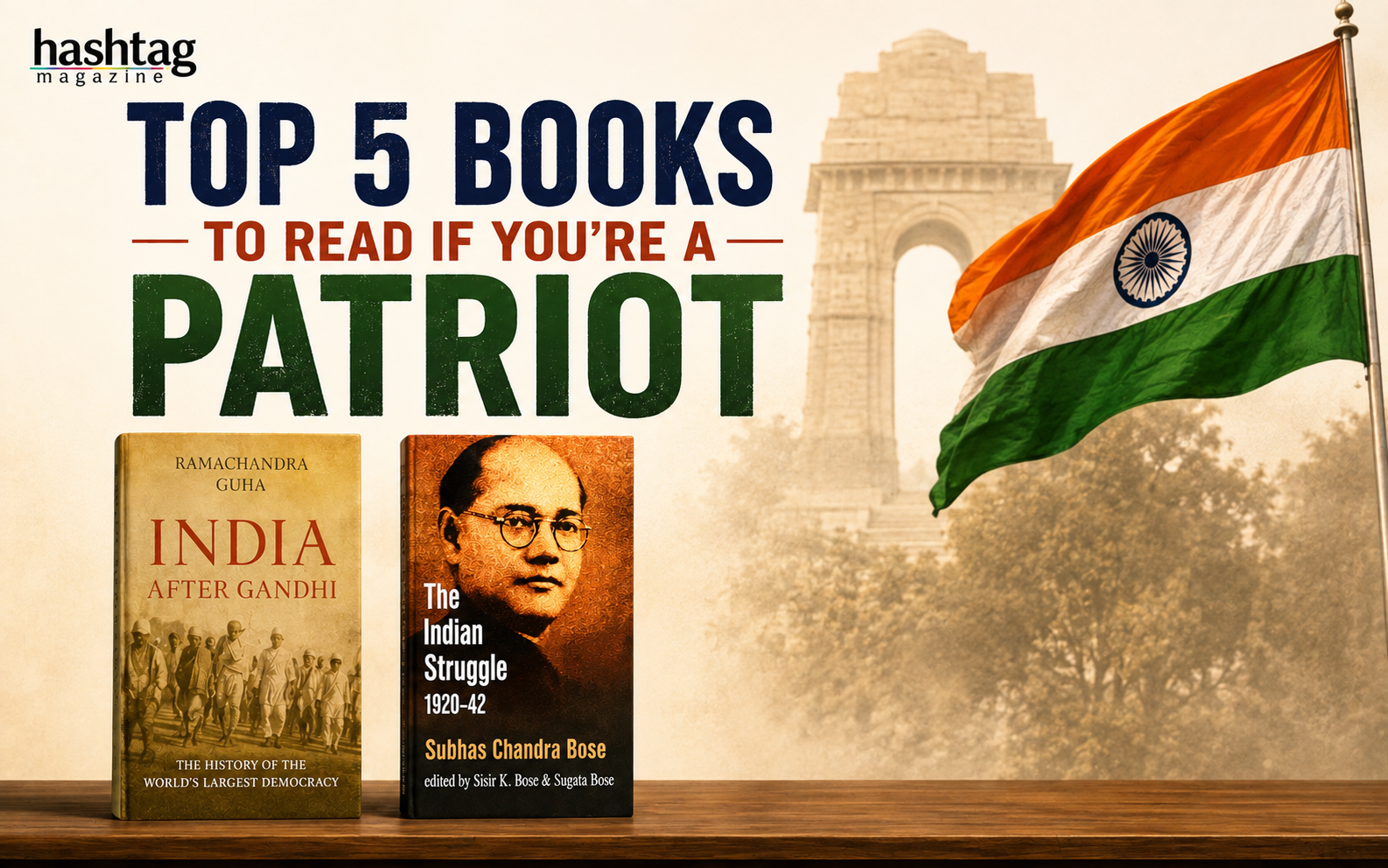
As India celebrates the spirit of freedom this August, there’s no better time to revisit the stories, sacrifices and ideas that shaped the nation. Whether you’re a history enthusiast, an avid reader, or simply looking to reconnect with India’s remarkable journey, these books deserve a spot on your reading list. 1. India’s Struggle for Independence by Bipan Chandra One of the most authoritative books on India’s freedom movement, this landmark work traces the country’s fight against British colonial rule from the Revolt of 1857 to Independence in 1947. Rich in historical detail, it highlights the contributions of leaders, revolutionaries, peasants, workers and ordinary citizens, making it an essential read for anyone seeking to understand the sacrifices behind India’s freedom. 2. India After Gandhi by Ramachandra Guha While many books end at Independence, this modern classic begins there. Guha explores the enormous challenges India faced after 1947, from Partition and integration of princely states to democracy, economic reforms and social change. It is a compelling account of how India evolved into the world’s largest democracy despite immense odds. 3. The Indian Struggle (1920–1942) by Subhas Chandra Bose Written by one of India’s most iconic freedom fighters, this book presents Bose’s firsthand account of the nationalist movement. It offers unique insights into the political developments of the era, the ideological differences among leaders, and Bose’s vision for achieving complete independence 4. The Battle of Rezang La by Kulpreet Yadav This gripping military history recounts one of the bravest chapters in the 1962 India-China War. It tells the extraordinary story of the soldiers of 13 Kumaon Regiment, who fought against overwhelming odds in Ladakh. Their courage, sacrifice and unwavering commitment to the nation make this an inspiring read for every Indian. 5. Train to Pakistan by Khushwant Singh Set during the Partition of

New on the Shelf: Fresh Reads to Pick Up Now

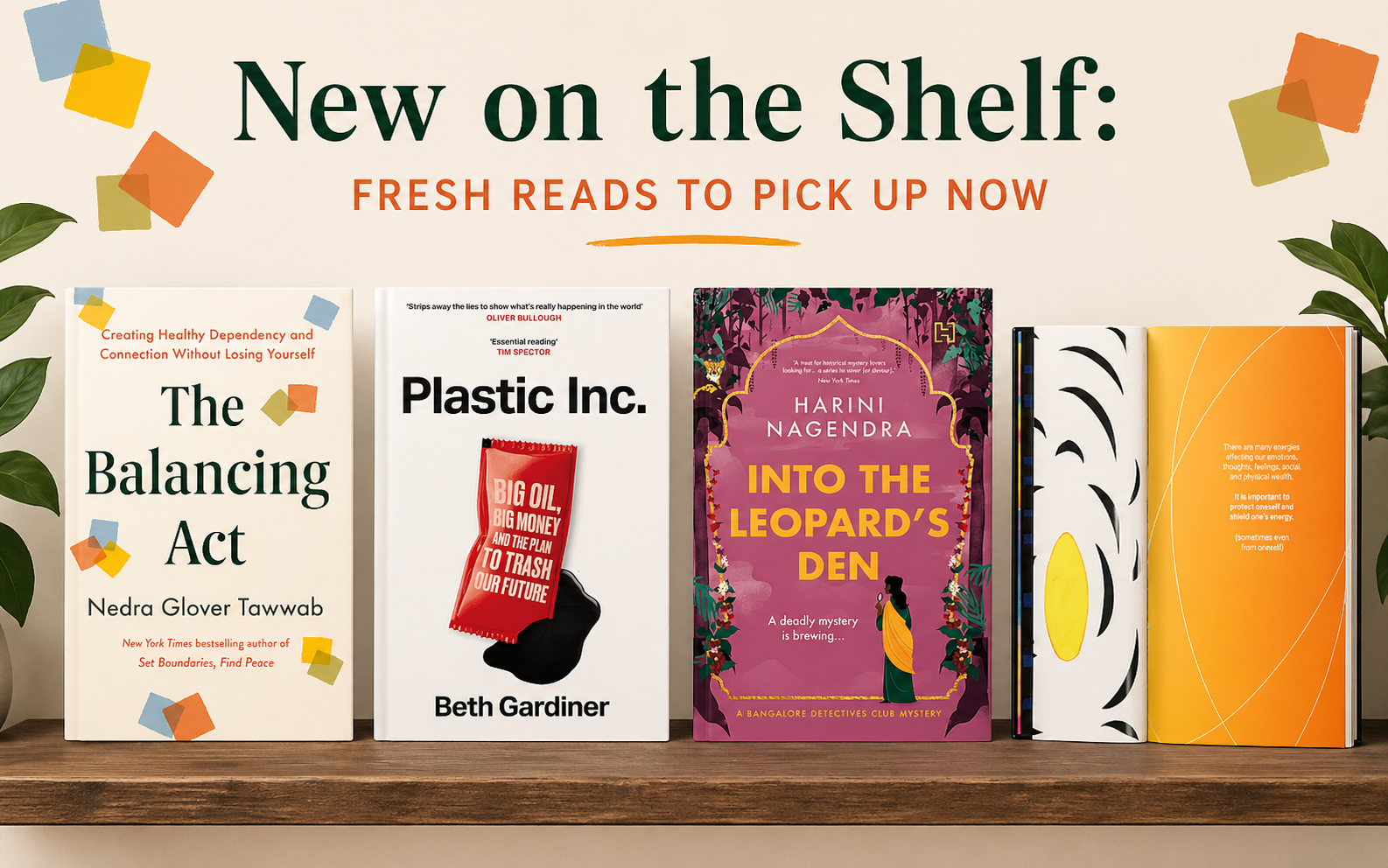
Intro: From introspective reflections on joy to gripping investigative journalism and atmospheric historical mysteries, this month’s bookshelf is as diverse as it is compelling. Whether you’re looking to pause and reflect, better understand your relationships, or lose yourself in a richly layered narrative, these new releases offer something for every kind of reader, thoughtful, engaging, and impossible to ignore. The Book of Joy Manoj V Jain The Book of Joy by Manoj V Jain is a thoughtful and visually engaging exploration of happiness, inner peace, and mindful living. Rather than following a conventional self-help format, the book unfolds through a series of reflective quotes, each page offering a pause for thought rather than prescriptive advice. Designed for today’s fast-paced world, it gently encourages readers to reconnect with themselves, shift perspective, and find clarity in everyday moments. The simplicity of its ideas makes it accessible, yet deeply resonant. What sets the book apart is its artistic dimension; each quote is interwoven with evocative artwork by Pradeep Mishra, creating a harmonious blend of words and visuals. Subtle yet impactful, The Book of Joy is not about telling you how to live, but inspiring you to reflect, reset, and rediscover joy in your own way. The Balancing Act Nedra Glover Tawwab From the bestselling author of Set Boundaries, Find Peace, The Balancing Act is a timely and insightful exploration of relationships, emotional boundaries, and self-awareness. The book centres on a simple yet powerful idea: every relationship requires balance. Too much dependence can make us lose ourselves, while too much independence can leave us isolated. Blending psychological insight with practical guidance, Tawwab breaks down concepts like codependency, attachment styles, and emotional needs in an accessible, relatable way. She offers tools to help readers recognise unhealthy patterns, communicate better, and build meaningful connections without compromising

You May Also Like