
Top Indian Startups Working For The Greener Earth

Top Indian Startups Working For The Greener Earth - Hashtag Magazine

Many Indian Startups are favoring the young generation to work and gain experience in their fields of interest. These startup companies are emerging to save the environment to a certain extent. Most of these startups are working to make environmentally conscious decisions and encouraging people to protect the environment. Here are the top startup companies that are manufacturing eco-friendly products.

  1. Banyan Nation

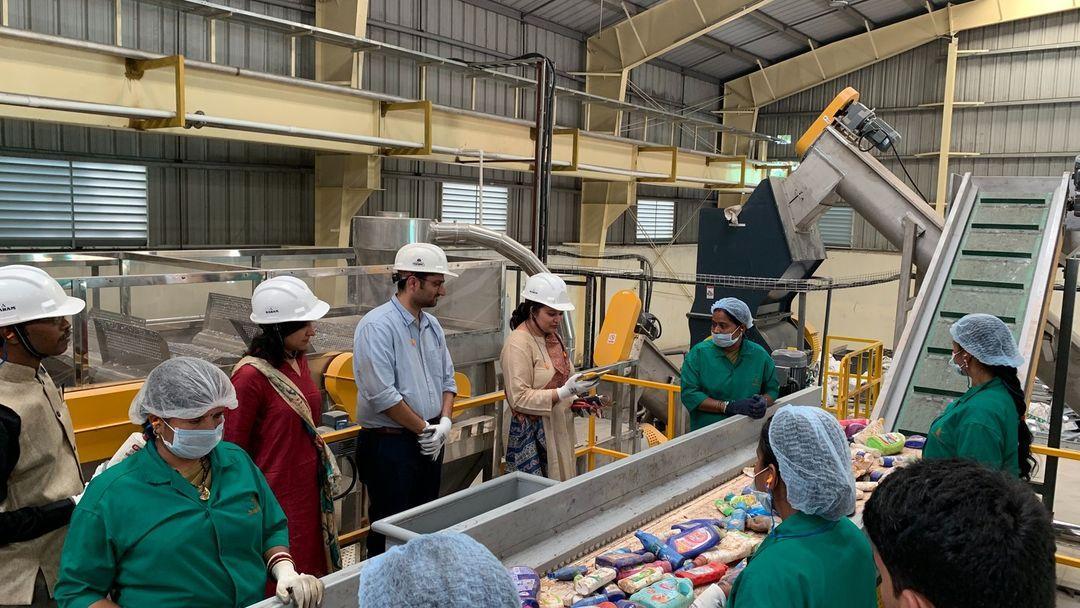
Banyan Nation is a waste management company founded by Mani Vajipeyajula and Rajkiran Madangopal. It is India’s first vertically integrated plastic recycling company. The startup company helps global brands to use more recycled plastic instead of contaminated plastic. The company also uses eco-friendly detergents in cleaning plastic that removes contaminants. The company has won the World Economic Forum Global Technology Pioneers in 2021, and the Circulars Award at the World Economic Forum in 2018.

2) Ather Energy
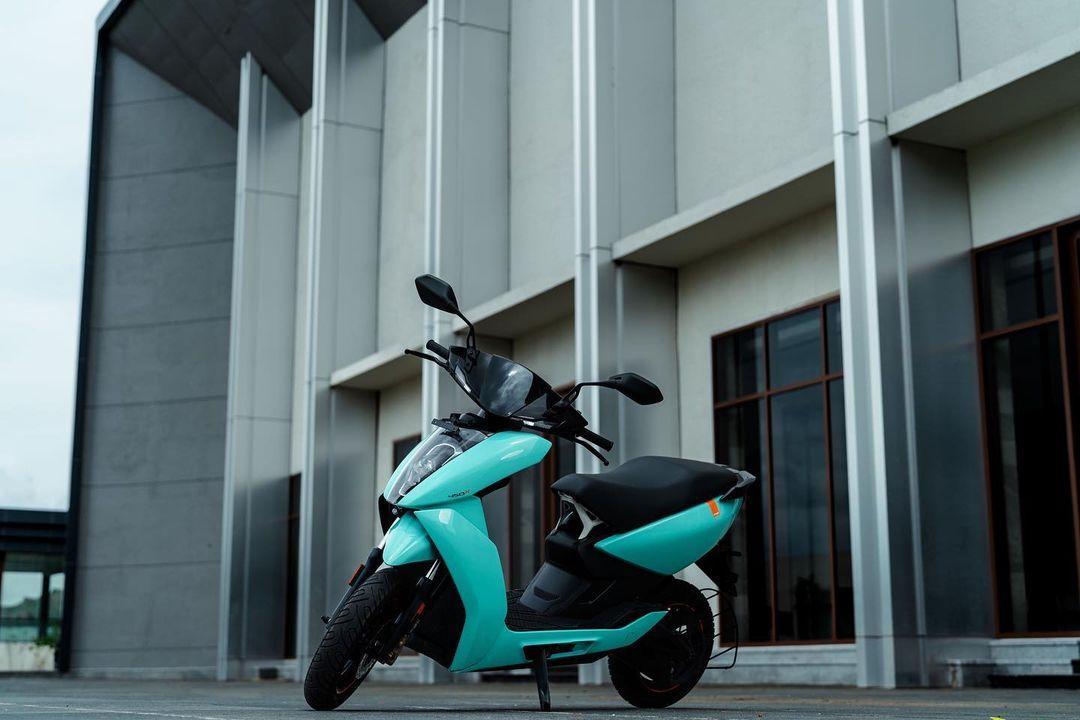
Ather Energy is a startup company founded by Tarun Mehta and Swapnil Jain that manufactures electric vehicles to reduce air pollution. The company aims to redefine the automobile sector by introducing electric scooters that are powered by Artificial Intelligence. The company has more than 350+ charging stations across 38 cities in India. The company is looking to expand its manufacturing facilities for testing and the launch of the vehicle.

3) Phool
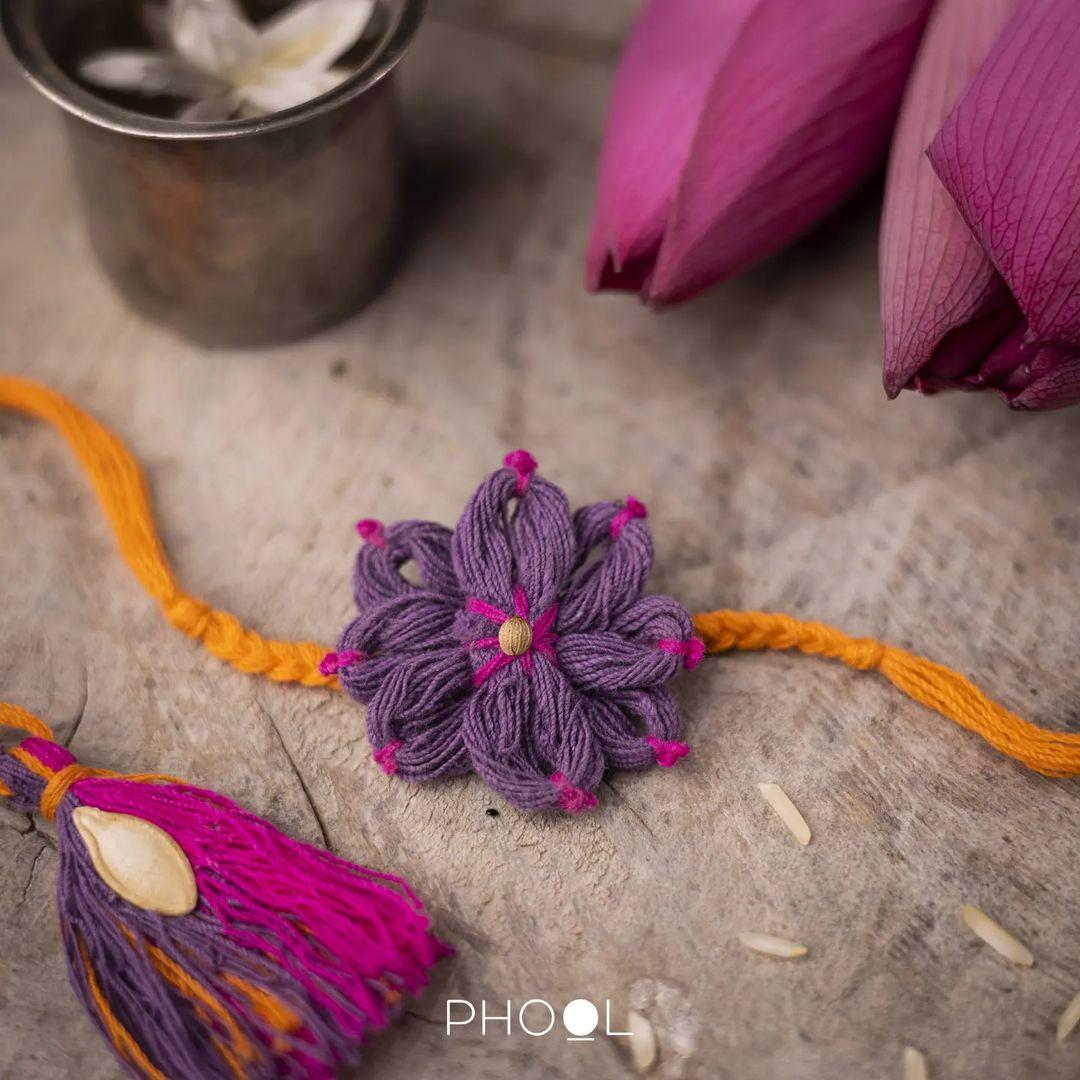
Phool is India’s first biomaterial startup and fragrance wellness brand founded in 2017 by Ankit Agarwal and Prateek Kumar. To produce organic fertiliser and charcoal-free incense products, the startup company collects floral waste from temple waste in rivers. By doing this, they have stopped 13 tonnes of waste flowers and harmful chemicals from entering the river each day. Additionally, the business offers floral foam, a moldable material made from recycled flowers.

4) Beco
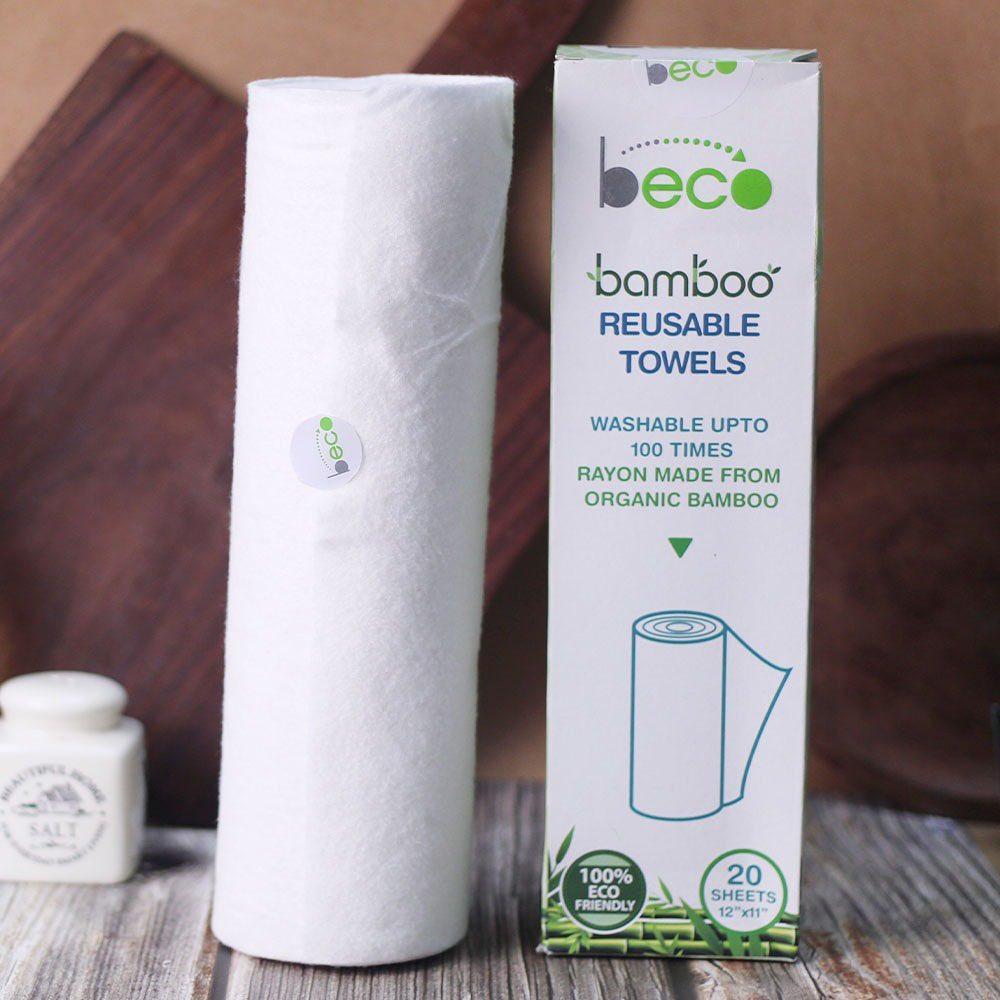
Beco is a sustainable startup company that is known to develop sustainable products made with Bamboo and cornstarch. The company is founded by Aditya Ruia, Anuj Ruia, and Akshay Varma. The company aims to reduce the usage of plastic products and also offers alternatives to products like tissues, and cotton balls by offering a wide range of home and personal care products. 

5) Zunroof

Zunroof is a leading solar energy startup in India that is creating waves by providing the best on-grid solar solutions. The company was founded in 2016 by Pranesh Chaudhary and Sushant Sachan. The company helps its customers to harness the power of the sun and use it as energy. The company has installed over 10,000 plus residential solar rooftops in Ahmedabad, Surat, and Vadodara. The company is divided into residential, commercial, and industrial scales where the sizes of the project vary. 

6) Just Organik
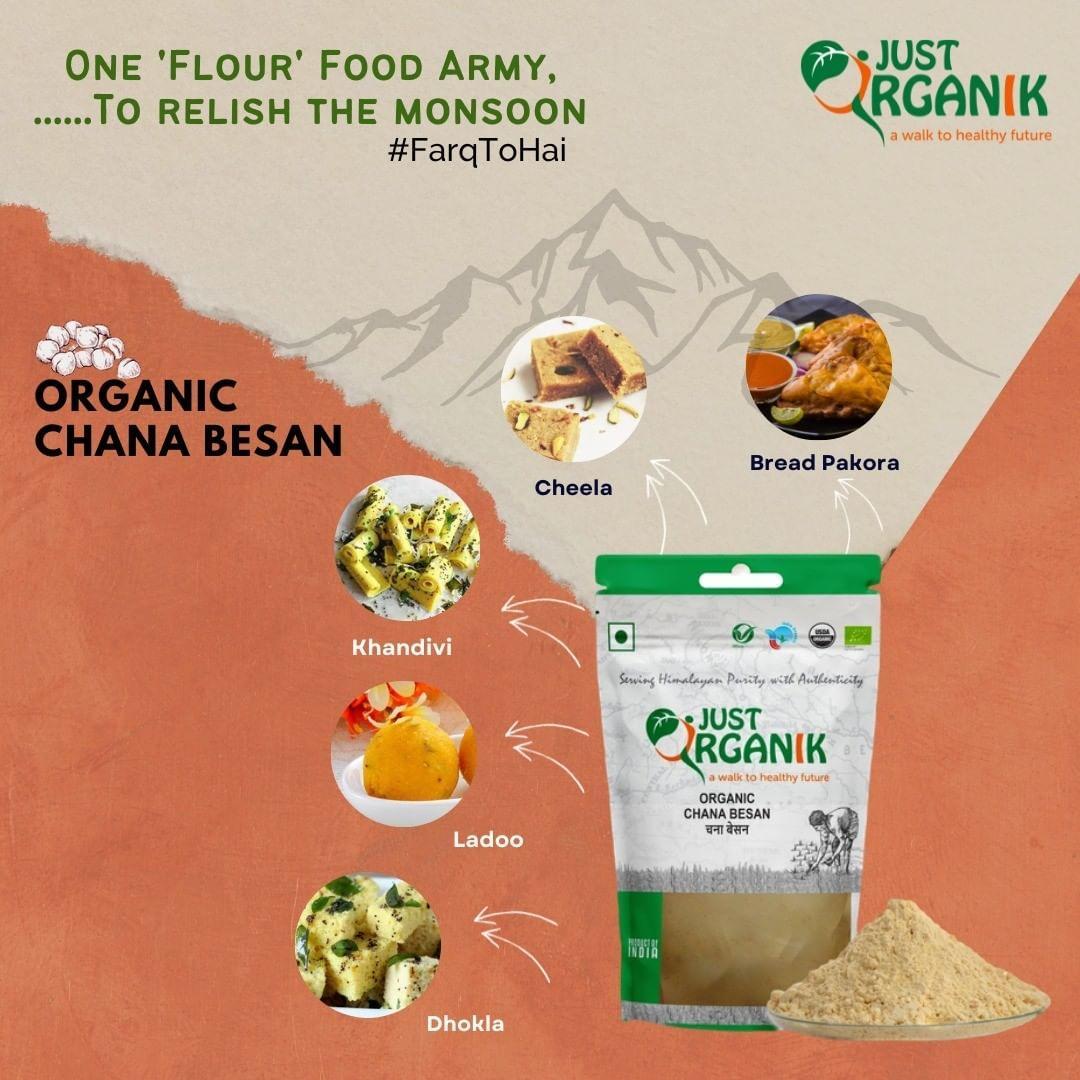
Just Organik was founded by Pankaj Agarwal and Richa Agarwal. It is a certified organic food manufacturing company that aims to make safe and healthy organic food more accessible to customers. The company started in a basement in 2013 and now there are two major branches across the nation. They motivate the farmers to start practising organic farming in India. The company supplies chemical-free, affordable, healthy, and tastier food. 

7) Takachar
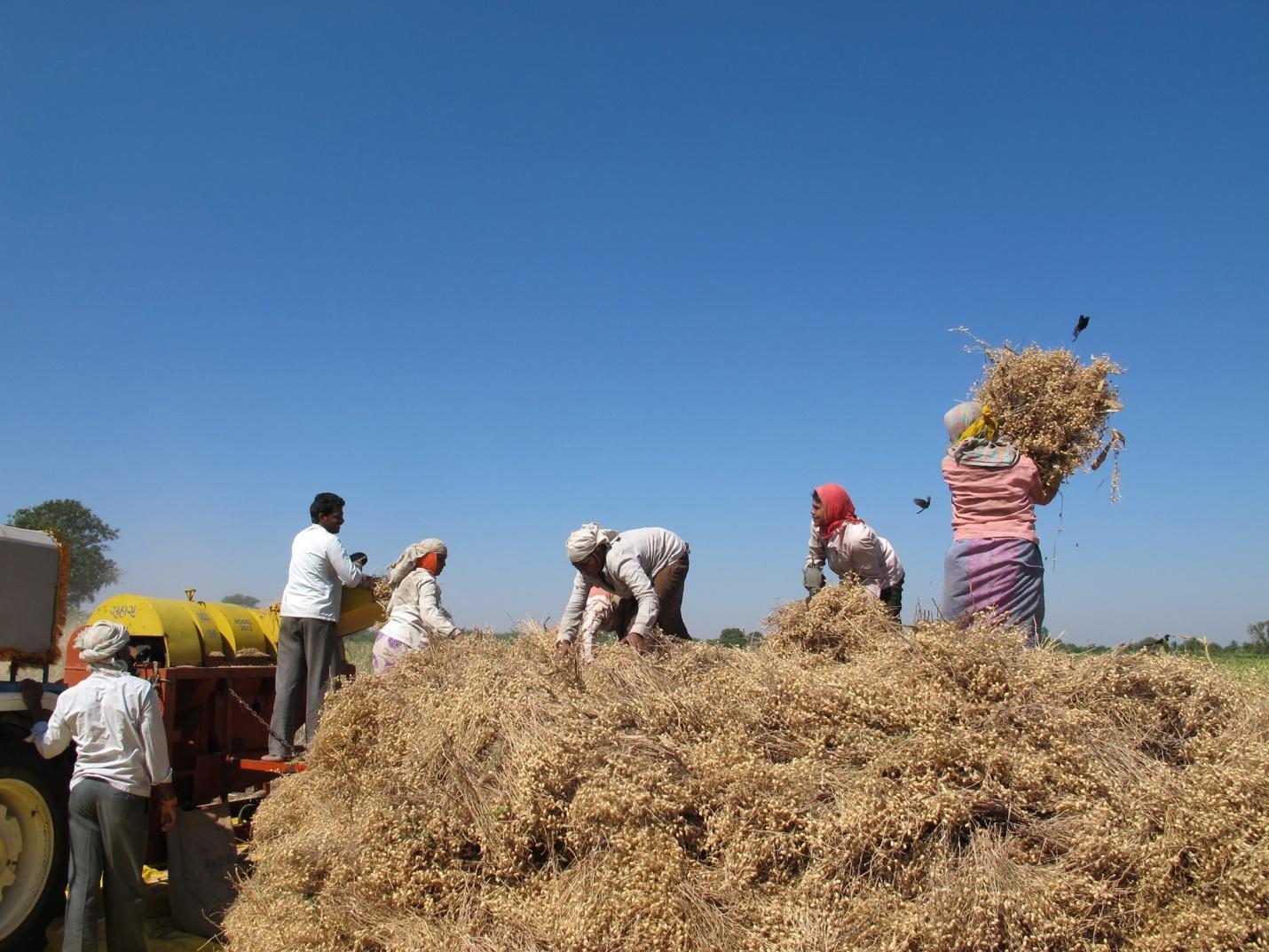
Takachar is a startup company that has developed a machine that converts agricultural waste biomass into marketable products. We all are aware of the fact that India is one of the world’s largest agricultural economies and it also generates a lot of agricultural waste. This agricultural waste is burnt down which is the major reason for air pollution. To stop this, Takachar’s affordable and innovative machines will help farmers turn agricultural waste into products like fuel and fertilizers. 

8) Boss Lady
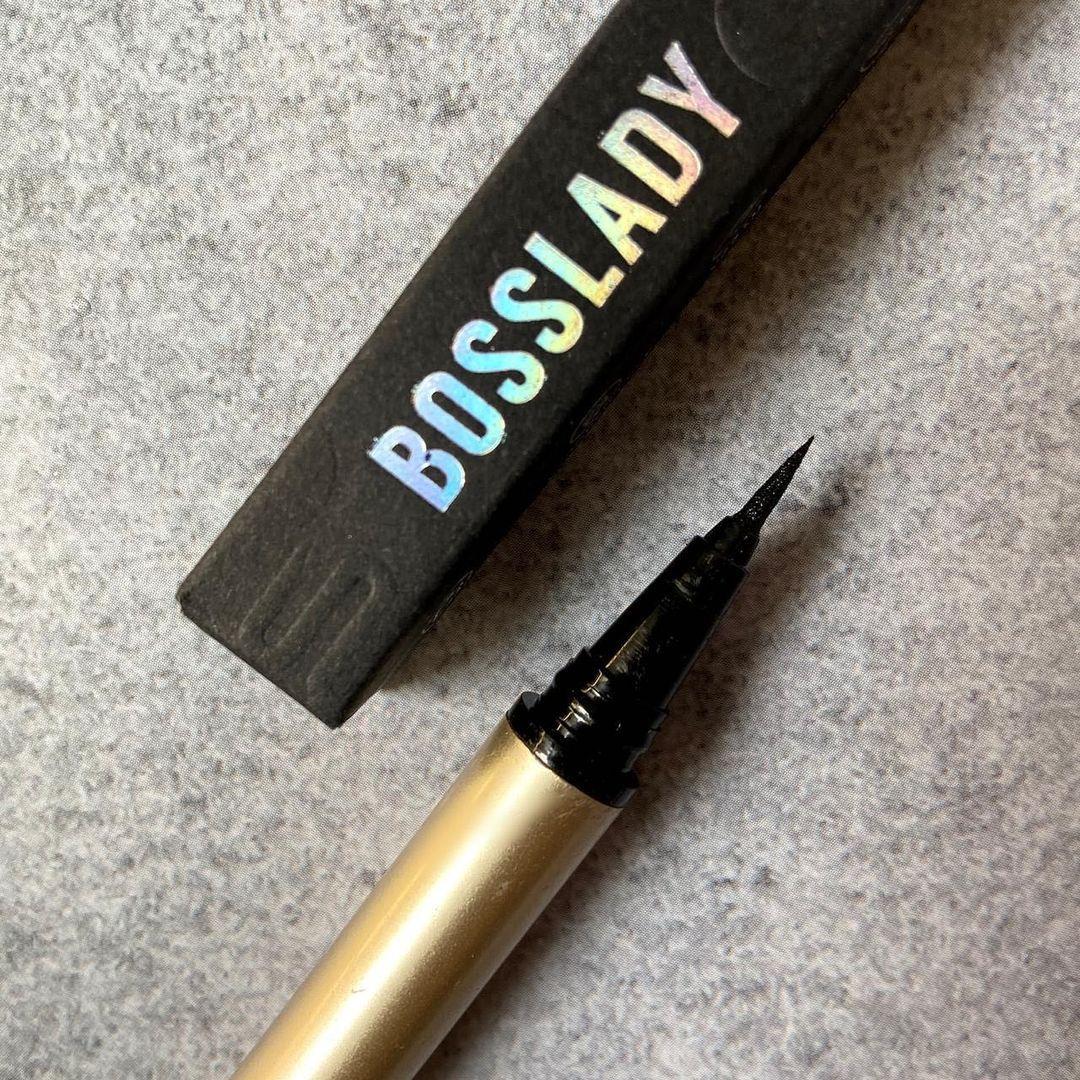
Boss Lady is a Mumbai-based startup company founded by Kajol Bafna. They aim to sell cosmetic products that are Vegan, natural, and cruelty-free. The products are made using ingredients like sunflower wax, almond oil, calendula wax, and others. They have launched about 15 products that contain various shades of lipsticks, eyeliners, and highlighters. 

Conclusion: 

These are some of the startups that are trying to make a difference in the world by adopting environmentally friendly methods to improve the environment and provide innovative methods for environmental problems.


Leave a comment

Your email address will not be published. Required fields are marked *

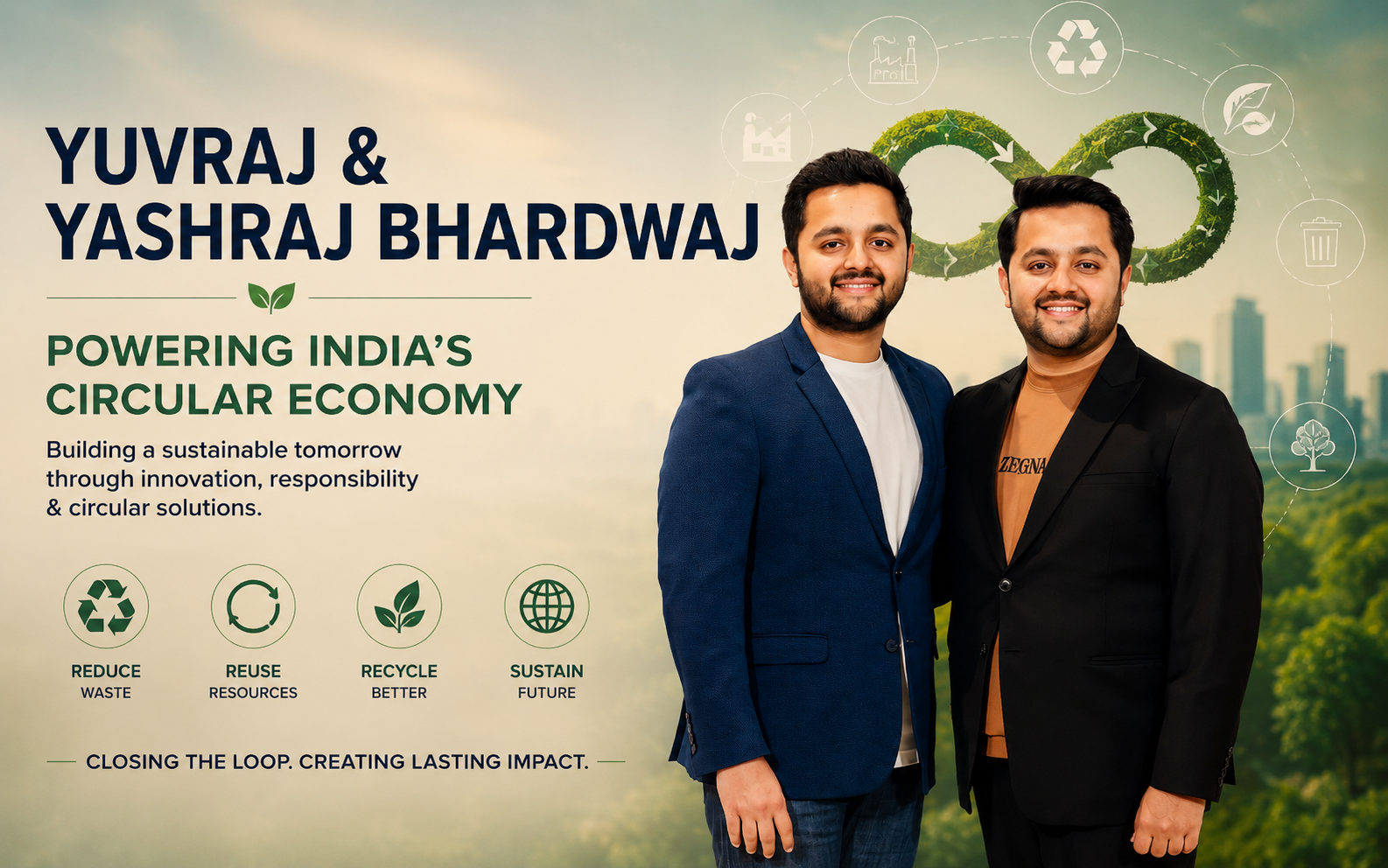
Yuvraj & Yashraj Bhardwaj | Powering India’s Circular Economy

Twin brothers Yuvraj Bhardwaj and Yashraj Bhardwaj are the co-founders of Plannex Recycling, a Gurugram-based circular economy company transforming waste management through technology and innovation. Both entrepreneurs began innovating at the age of 14, filing patents and undertaking research projects long before launching their ventures. Today, while Yuvraj, Co-Founder & CEO, leads operations, technology, and execution, Yashraj drives strategy, policy, partnerships, and global expansion. Together, the Forbes 30 Under 30 Asia honourees have built one of South Asia’s leading recycling platforms, processing over 500,000 metric tonnes of waste annually across 18 facilities in seven countries, proving that sustainability and scale can go hand in hand. 1. Tell us about your venture and how the idea first came to life. What made you decide to build it together as siblings? Yashraj: We’ve been building things together since we were 14, so becoming co-founders wasn’t really a decision; it was the natural next step. We saw India’s waste sector as a fragmented industry with enormous potential but very little technological intervention. While most people saw waste, we saw an opportunity to build infrastructure for the future. Yuvraj: Today, Plannex processes over 500,000 metric tonnes of waste annually across categories such as e-waste, PET plastics, batteries, tyres, and industrial waste, while creating employment for more than 2,000 people. Being twins gave us something every founder hopes to build: complete trust. We couldn’t imagine creating this business any other way. 2. How do your personalities and strengths complement each other? Yuvraj: Although we’re twins, we think very differently, and that’s our biggest advantage. I focus on operations, technology, and execution, making sure every facility runs efficiently and every process delivers on its promise. Yashraj: I spend more time on strategy, partnerships, policy, and investor relationships, helping Plannex expand globally. One of us imagines what’s

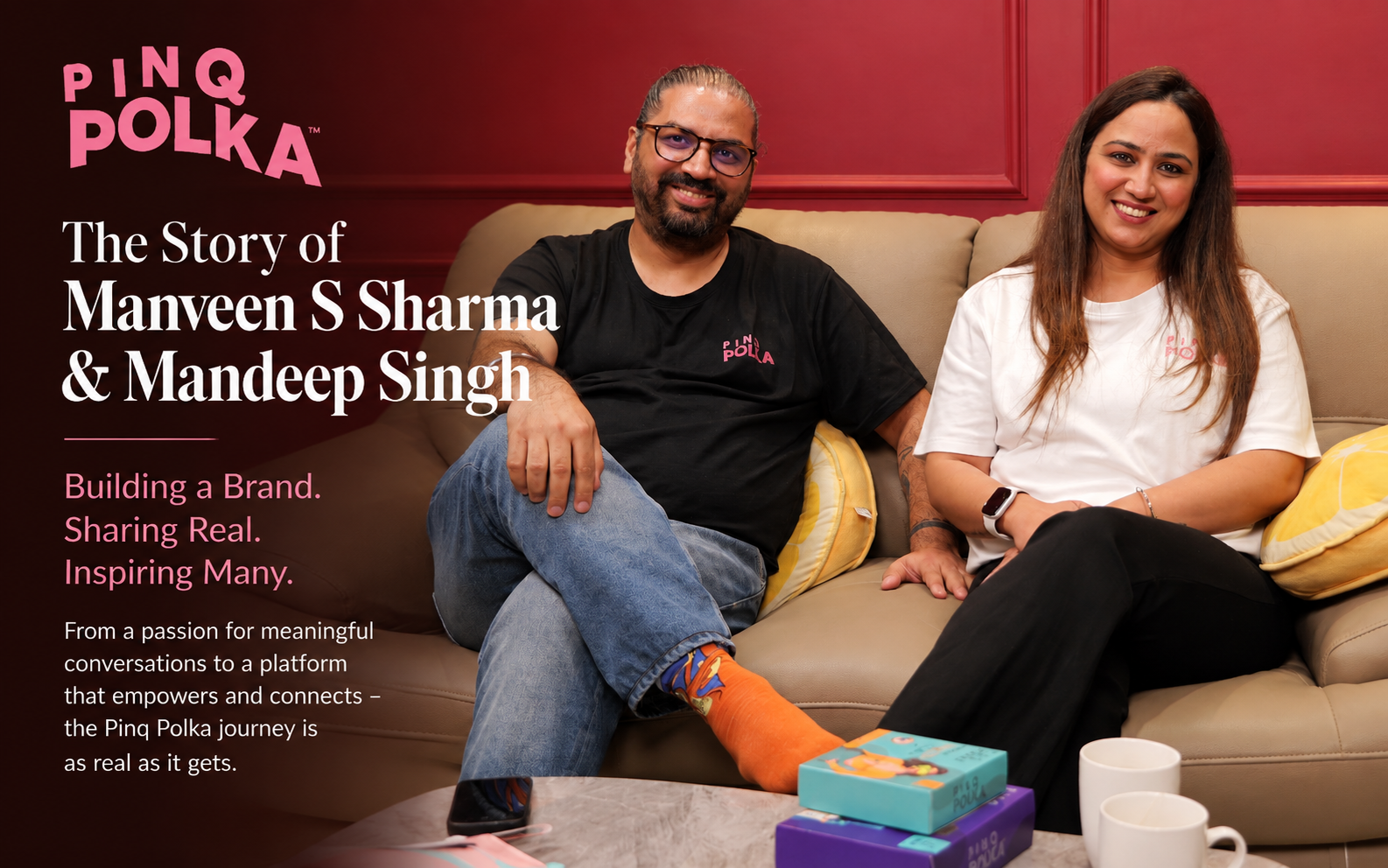
Pinq Polka: The Story of Manveen S Sharma & Mandeep Singh

Manveen S Sharma, CEO of Pinq Polka, brings over nine years of leadership experience across the automotive, mobility, and business sectors, with expertise in business strategy, operations, and customer-centric innovation. Alongside her is her brother, Mandeep Singh, Co-Founder, an entrepreneur with extensive experience in business development, sales, operations, and scaling businesses within the automotive and electric mobility ecosystem. Together, the sibling duo has transformed a simple consumer insight into one of India’s emerging women-first intimate wear and shapewear brands, combining strategic leadership with a shared commitment to creating products that prioritise comfort, confidence, and functionality. 1. Tell us about your venture and how the idea came to life. What made you decide to build it together as siblings? Manveen: Pinq Polka was born out of a personal experience. I often found myself buying women’s personal care products from abroad, because I couldn’t find the same quality in India. During a conversation with my brother, we realised there was a genuine gap in the market. Before launching, we spent months researching, speaking to women, testing products, and gathering honest feedback. That process confirmed we were solving a real problem. Building the brand together happened naturally; we trusted each other’s strengths and shared the same vision of creating products that genuinely improve women’s everyday lives. 2. How do your personalities and strengths complement each other? Manveen: I stay closely connected to our customers, spending time understanding their needs and translating those insights into better products. Many of our innovations have come directly from conversations with women who use our products every day. Mandeep: I focus on business strategy, partnerships, and sustainable growth. While Manveen leads product innovation and customer experience, I ensure we build a business that’s scalable and future-ready. We may approach challenges differently, but we’re united by one principle: never

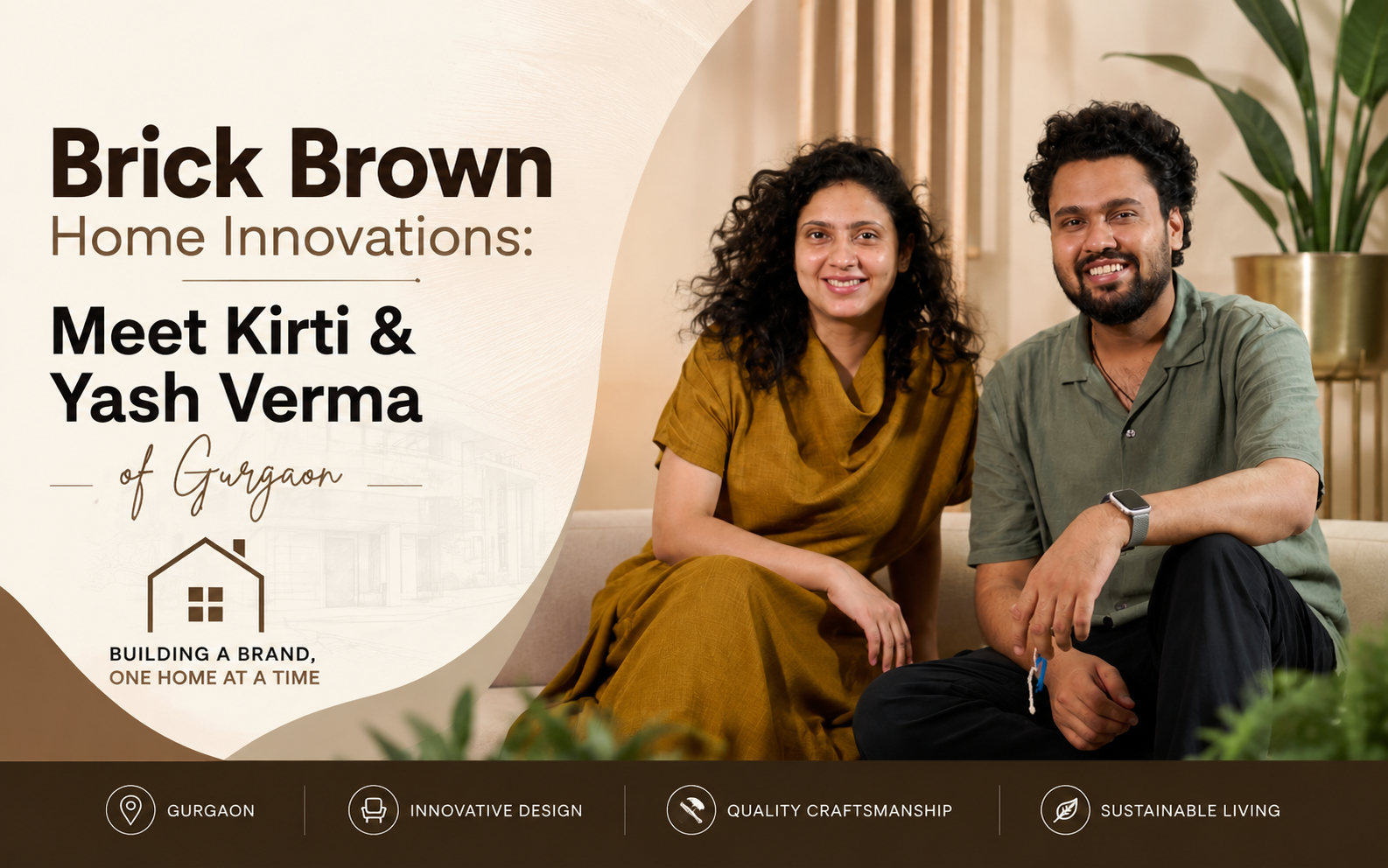
Brick Brown Home Innovations: Meet Kirti & Yash Verma of Gurgaon

Sibling duo Kirti Verma and Yash Verma, founders of Brick Brown Home Innovations, are redefining modern living through thoughtfully designed home décor that blends traditional Indian craftsmanship with contemporary aesthetics. Based in Gurgaon, the brand creates handcrafted solid wood storage solutions, organisers, and home essentials that celebrate functionality, sustainability, and timeless design. Yash Verma leads product innovation, artisan collaborations, and technology-driven operations, while Kirti Verma shapes the brand’s creative vision, design language, and business strategy. Together, they have built Brick Brown into a contemporary homegrown brand that seamlessly blends heritage craftsmanship with modern design. 1. Tell us about your venture and how the idea first came to life. Why did you decide to build it together as siblings? Brick Brown began with a simple belief that homes should feel warm, personal, and lived in. We wanted to create handcrafted wooden pieces that people would cherish for years instead of following short-lived trends. Building the business together wasn’t a planned decision; it happened naturally. Having grown up with similar values and design sensibilities, we instinctively understood each other’s way of thinking, making us natural partners. 2. How do your personalities and strengths complement each other? We bring very different strengths to the table, and that’s what makes the partnership work. I (Yash) focus on product design, manufacturing, and working closely with artisans to perfect every detail. Kirti leads branding, creative direction, storytelling, and business growth. One of us builds products worth talking about, while the other ensures their story reaches the right audience. 3. Has your sibling bond made entrepreneurship easier or more challenging? It has definitely made the journey easier because trust was never something we had to build; it already existed. One moment we’ll always remember is opening our own studio in Gurgaon. Standing in that space, we realised

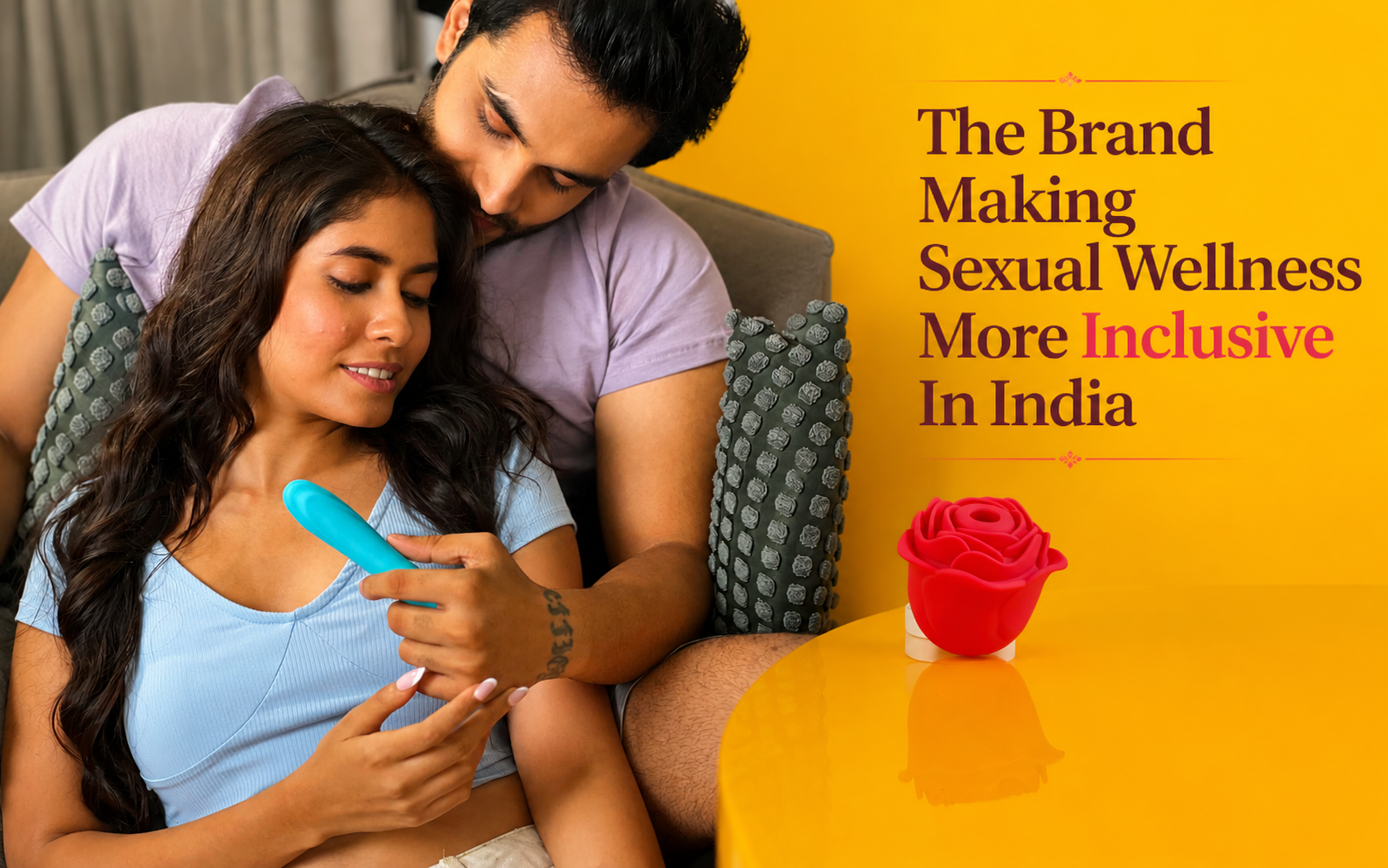
Getting Sassiest: The Brand Making Sexual Wellness More Inclusive In India

In a country where conversations about sex are still low-key at dinner tables and turn school classrooms awkwardly silent, brands like Sassiest are changing the script, one meme, conversation, and pleasure-positive post at a time. From cheeky Instagram content and relatable humour to refreshingly honest takes on intimacy, confidence, and self-exploration, the brand is helping young Indians approach sexual wellness with far less awkwardness and a lot more openness. Mehak Walia gets sassy with Aishwarya Dua and Karishma Chavan, the co-founders of Sassiest. And honestly, that shift feels long overdue. For years, discussions around pleasure and desire in India have either been buried under shame or treated like something too scandalous to say out loud, especially when women are leading the conversation. Founded by Aishwarya Dua and Karishma Chavan, Sassiest is pushing back against that discomfort with a voice that feels warm, inclusive, funny, and unapologetically real. Instead of sounding clinical or preachy, the brand creates space for conversations around boundaries, body confidence, emotional well-being, and modern relationships in a way that actually feels relatable to today’s generation. For Karishma, the inspiration behind the brand came from noticing just how disconnected many women grow up feeling from their own bodies. “Most conversations around intimacy here are either hidden, judged, or purely medical,” she says. “Nobody was really talking about pleasure, confidence, self-exploration, or emotional wellness in a way that felt normal, safe, and relatable.” That silence, she explains, extends far beyond intimacy itself. Shame and conditioning often shape confidence, relationships, and even the way women exist in the world. “I wanted Sassiest to feel less clinical and more like a movement,” Chavan shares. “A space where women and queer people could feel seen without embarrassment.” Of course, building a sexual wellness brand in India came with its fair share of