Udaipur: Spilling Opulence

Udaipur

Udaipur

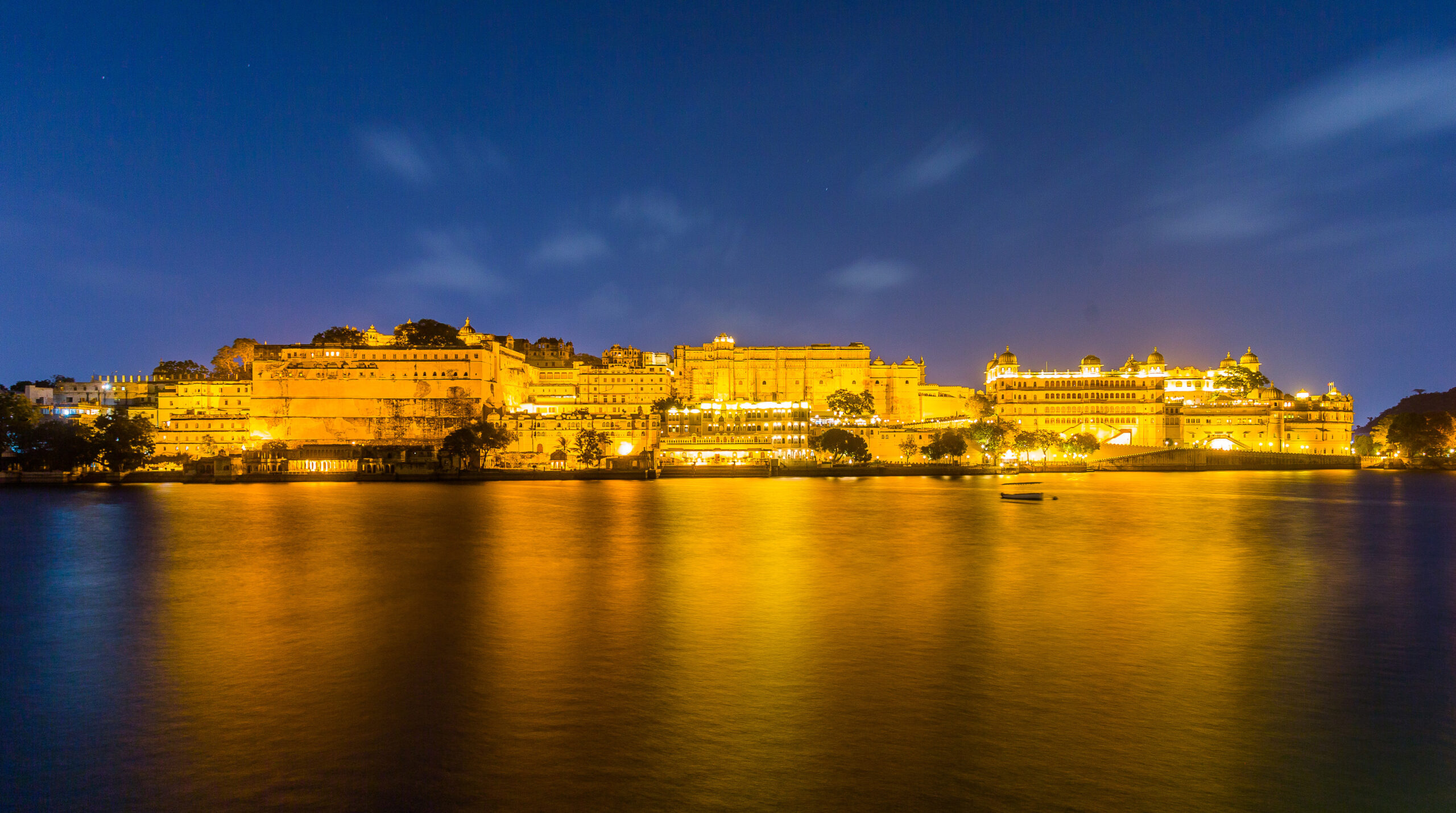
Its famed precincts have served as a setting for movies as varied as Octopussy and Yeh Jawani Hai Diwani. Its picturesque setting dotting the magnificent Lake Pichola has ensured that it remains India’s best destination wedding. Mallik Thatipalli takes a walk down the majestic City Palace in Udaipur and details the wonder that is the City Palace Museum…

The brown façade of the City Palace can be viewed the minute one enters Udaipur. The city of lakes has long been a favoured destination for many a traveller since time immemorial and the City Palace is its crowning glory.      Built in the year 1569 by Maharana Udai Singh II, and home to 42 rulers from the House of Mewar for over 400 years, the complex consists of 11 palaces built over centuries. Each ruler brought their taste, resulting in an eclectic melange of styles ranging from Rajasthani and Mughal to Oriental and European. Today, the City Palace is divided into three parts: The City Palace Museums, the heritage hotels and the private residences of the Mewar Royals.

The Museum

Once you enter the gates of the majestic Badi Pol, a triple arched structure beckons you inside. It is where victorious Ranas and armies were welcomed back from their battles and even today, as tourists jostle to take selfies, one notices its regal aura.

The City Palace Museum was open to the public in 1969. Spread across 20,000 square metres, it is a literal walk-through the rich history of the House of Mewar. Immaculately maintained, it is interconnected via a labyrinthine maze of corridors and centuries-old staircases.  

On an annual average, the museum receives more than 10,00,000 visitors.

It provides direct employment to over 500 staff-members; indirect employment to 200,000 of Udaipur’s residents. Apart from the many galleries, the museum is known for the Maharana Mewar special library, established in 1999-2000 in the underground vaults of The City Palace and spread over 2000 square metres.

The extension of the library also houses the Maharana Mewar Research Institute which was established in 1985 and is today acknowledged as a unique research institute of Rajasthan.

The History of the Mewar Royals

The royal family of Mewar and its mighty kingdom are believed to have descended from the Sun, Suryavanshis as they are called, tracing its lineage from Lord Rama through his elder son Lav. 

Rawal Jaitra Singh (r. 1213-53 CE) shifted the capital to Chittor and constructed the fort wall for the first time. In the 16th century, Chittor faced several invasions; including rulers from Delhi, Malwa and Gujarat who were very ambitious and wanted to acquire Chittor for themselves. 

Maharana Udai Singh II (r. 1537-1572 CE) realized that he had to look elsewhere, someplace peaceful to establish his capital. After much wandering and deliberation, he came to this area, today known as Udaipur, named after the Maharana, in 1553 CE. The City Palace, Udaipur grew with successive reigns of the Maharanas, most of whom zealously pursued the architectural constructions and expansions of the established Palace Complex. 

The majestic City Museum

With its sprawling courtyards and jharokha offering panoramic views, each area offers a speciality which shows the grandeur of India royals at the zenith of their power and influence. 

The many collections the museum offers can rival the best museums in Europe and come showcasing the full might of Indian culture. 

  • Sculpture collection

The collection represents an unbroken tradition of stone carving from the 7th to 20th century including fine specimens from the Gurjara-Pratihara period; predominantly of serpentine and marble with limited examples of limestone and sandstone. 

All of the 308 sculptures in the collection were once part of thriving temples in and around Shree Eklingnath Ji Temple, Kailashpuri. Hinduism and Jainism being two faiths flourishing in Rajasthan and surrounding regions, the collection is composed of Brahmanical and Jain icons or sculptural motifs. 

It includes Gods, Goddesses, Surasundaris, animal motifs, architectural elements, narrative and decorative panels, and memorial stones. There are no Buddhist images in the collection. Each of the items provides an insight into the religious beliefs, faith and cultural traditions of the regions concerned. 

  • Photographs Gallery

The City Palace Museum, Udaipur, boasts of 28,000+ objects in the photographic archive, including old cameras, equipment, and glass plate negatives. The photographs vary in size and technique; cartes-de-visite, card photographs, photomontages, painted photographs with techniques including albumen prints, silver gelatin prints, platinum prints, and others, making for a vast repository of photographic material dating from the mid 19th to the early 20th centuries. They capture and feature not just the Maharanas and their courts or royalties from other regions but also the local elements; persons involved in the nitty-gritty of the Palace, as also visitors. The oldest photograph in the collection dates to 1860 CE, from the period of Maharana Swarup Singh (r. 1842-1861 CE).

  • Paintings Gallery

There are around 1800 paintings in the collection, the oldest of which dates to the late 1500s. The painting belongs to the Mewar School and makes use of rich, vibrant colours. Gold and silver were also used to highlight important elements in the painting.

Several aspects of the life in Mewar and the involvements of the local folk are captured in this medium of paint. The Maharanas at times commissioned portraits of themselves. They also patronized works which illustrated royal processions, celebrations and rituals, visits to religious places or shrines, extravagant hunting scenes, animal fights and wrestling scenes. They serve as excellent visual narratives of the past.

  •  The Silver Gallery

The museum also boasts of a vast collection of silver items, previously under the custodianship of several generations of the Mewar family. Much of these are on display in the Silver Gallery; the first of its kind in all of Asia. Some of the items were hitherto rarely glimpsed by even residents of the Palace or visitors to Udaipur but are now open to the public. 

Being a living heritage, some of the items find their way out of the gallery during certain parts of the year for rituals. The Ram Rewari, a portable shrine, is an example which transcends from a museum object into a sacred one for the Jal-Zoolni Ekadashi festival.

‘Regal seating’ in the collection includes a jewel-encrusted, lion motif throne, a Howdah to be mounted atop elephants, and a Tam-Jaam or a carry chair. Be it luxury or leisure, silver was carefully crafted to uttermost perfection; Huqqas, pen and inkstands, toys and even dressing cases. The museum also houses an exquisite collection of horse and elephant jewellery, and trappings that were used in grand ceremonial processions.

There are many other galleries ranging from arms and armament to clothes and musical instruments. Ideally, it takes one full day to take in the splendour on display, click that selfie and soak in the splendour of centuries of the House of Mewar. 

The museum can be visited by the public anytime between 9:30 AM – 5:30 PM. The entry fee of the museum is Rs 250/- per person and different fares apply for carrying cameras and video recorders inside the museum. 

  • The royal family of Mewar and its mighty kingdom are believed to have descended from the Sun, Suryavanshis as they are called, tracing its lineage from Lord Rama through his elder son Lav. 
  • The museum boasts of a vast collection of silver items, on display in the Silver Gallery; the first of its kind in all of Asia.


Leave a comment

Your email address will not be published. Required fields are marked *

Top 10 Destination Wedding Locations for 2026

Explore the top wedding destinations in India and abroad, from the royal palaces of Udaipur and Jaipur to the beaches of Goa and the serene backwaters of Kerala. International favourites including Thailand, Bali, Dubai, Turkey and Sri Lanka offer spectacular settings for multi-day celebrations, luxury experiences and memorable ceremonies. This guide highlights the unique vibe, appeal and estimated budget ranges for each destination, helping couples and families compare options based on style, guest experience and overall wedding vision. Top Indian Destinations – Box Destination Vibe & Appeal Estimated Budget Range Udaipur Palaces, lakes, and royal heritage; Wedding Capital of India ₹50 lakh to ₹70 lakh (palace venues range from ₹70 lakh to ₹2.5 crore) Goa Beachfront luxury, sunset backdrops, and coastal resorts ₹40 lakh to ₹1 crore Jaipur Pink City fortresses, historic courtyards, and grand heritage properties ₹30 lakh to ₹70 lakh Jaisalmer Golden dunes and majestic desert fortress properties like Suryagarh Palace ₹50 lakh to ₹1.2 crore Kerala Peaceful backwater houseboats and palm-fringed lakeside resorts ₹35 lakh to ₹80 lakh Top 5 International Destinations: Destination Vibe & Operational Appeal Estimated Budget Range (100–150 Guests) Thailand (Phuket / Hua Hin) Tropical Beach Luxury: Easiest logistics, massive inventory of seasoned Indian caterers, and a highly optimised system for multi-day South Asian rituals. ₹50 lakh to ₹1.2 crore (Highly flexible packages) Bali, Indonesia (Uluwatu / Nusa Dua) Exotic Clifftops & Jungles: Breathtaking ocean backdrops and Hindu cultural synergy, though specialised Indian buffet menus often require bringing in outside culinary teams. ₹75 lakh to ₹1.8 crore (Luxury resorts command premium rates) Dubai / UAE (Ras Al Khaimah) Glamour & Ultra-Luxury: Unmatched skyline or desert resort backdrops. Phenomenal flight connectivity from all major Indian transit hubs makes guest transit completely seamless. ₹80 lakh to ₹2.5 crore+ (Can scale exponentially for ultra-luxe properties) Turkey (Bodrum

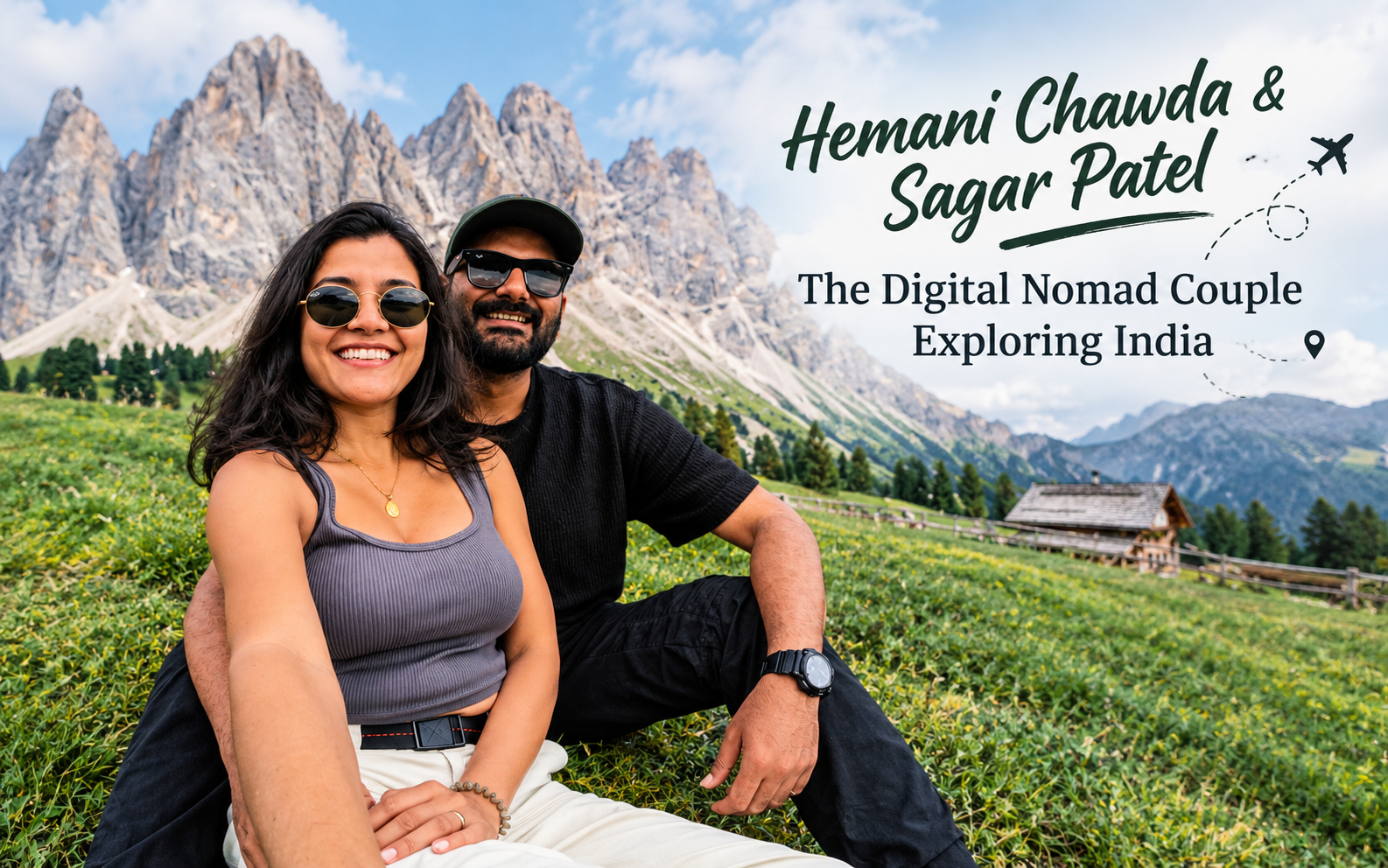
Hemani Chawda and Sagar Patel

Hemani Chawda and Sagar Patel are a travel-content-creator couple and digital nomads who chose a life of exploration over convention. Based between Jhabua, Madhya Pradesh, and Raipur, Chhattisgarh, the duo has built a journey around discovering new places, embracing different cultures, and sharing authentic travel stories. Hemani, a former Radio Jockey, left her career seven years ago to follow her passion for travel and storytelling. Sagar, a post-graduate engineer, later stepped away from the corporate world to join her in creating a life centred around experiences rather than routines. Through their content, they go beyond showcasing destinations to capture the emotions, challenges, connections, and everyday moments that shape life on the road. From ancient traditions to untouched landscapes, here are three countries that have left the deepest impression on their journey. 1. Japan — Where Tradition Meets Tomorrow “Japan holds a special place in our hearts for its incredible balance of ancient traditions, modern innovation, and breathtaking landscapes.” From the peaceful streets of Kyoto and its centuries-old temples to the vibrant energy of Tokyo, every experience feels like discovering a new story. What we love most about Japan is the way it preserves its cultural roots while embracing the future. Whether it is experiencing a quiet tea ceremony, exploring traditional neighbourhoods, or discovering local cuisine, Japan constantly inspires us with its attention to detail, warm hospitality, and endless storytelling possibilities. 2. Philippines — A Tropical Paradise Filled With Human Connections “The Philippines is a destination that feels magical at every turn, with turquoise waters, stunning islands, and some of the warmest people we have met during our travels.” From swimming alongside marine life and exploring hidden lagoons to discovering local communities and untouched beaches, the country offers the perfect blend of adventure and relaxation Beyond its natural beauty, what makes

Mehzabin Shaikh (Maahie) | Mumbai

Meet Maahie, a Mumbai-based travel content creator who transformed her passion for storytelling into a full-time career. After stepping away from engineering to follow her creative calling, she has spent the last 3.5 years building a journey around travel, exploration, and meaningful connections. For Maahie, travel goes beyond popular destinations; it is about discovering lesser-known places, meeting people, understanding their lifestyles, and experiencing cultures through local food, conversations, and everyday moments. Supported by her best friend and travel partner Rahul Yadav, Maahie continues to create stories that inspire people to step beyond their comfort zones and discover that every journey has a story worth sharing. 1. Bhadarwah, Jammu — A Hidden Paradise Beyond the Usual Kashmir Trail “When people think of snowfall and breathtaking Himalayan landscapes, Kashmir is often the first destination that comes to mind. But for me, Bhadarwah in Jammu is one of the most beautiful places I have ever experienced.” What makes Bhadarwah special is its untouched beauty. The snow-covered landscapes feel peaceful, personal, and far away from the crowds and commercialisation of popular hill stations. However, the real magic of Bhadarwah lies in its people. During my first visit, we stayed at a small homestay run by a family of three a husband, wife, and their young daughter. We instantly connected, and by the end of the trip, saying goodbye felt impossible. Over time, they became more than hosts; they became family. Today, visiting Bhadarwah has become an annual ritual. It is a place that reminds me that travel is not just about destinations; it is about the people and relationships you discover along the way. 2. Thailand — The Journey That Introduced Me to Freedom “Thailand will always hold a special place in my heart because it gave me a feeling I had never experienced

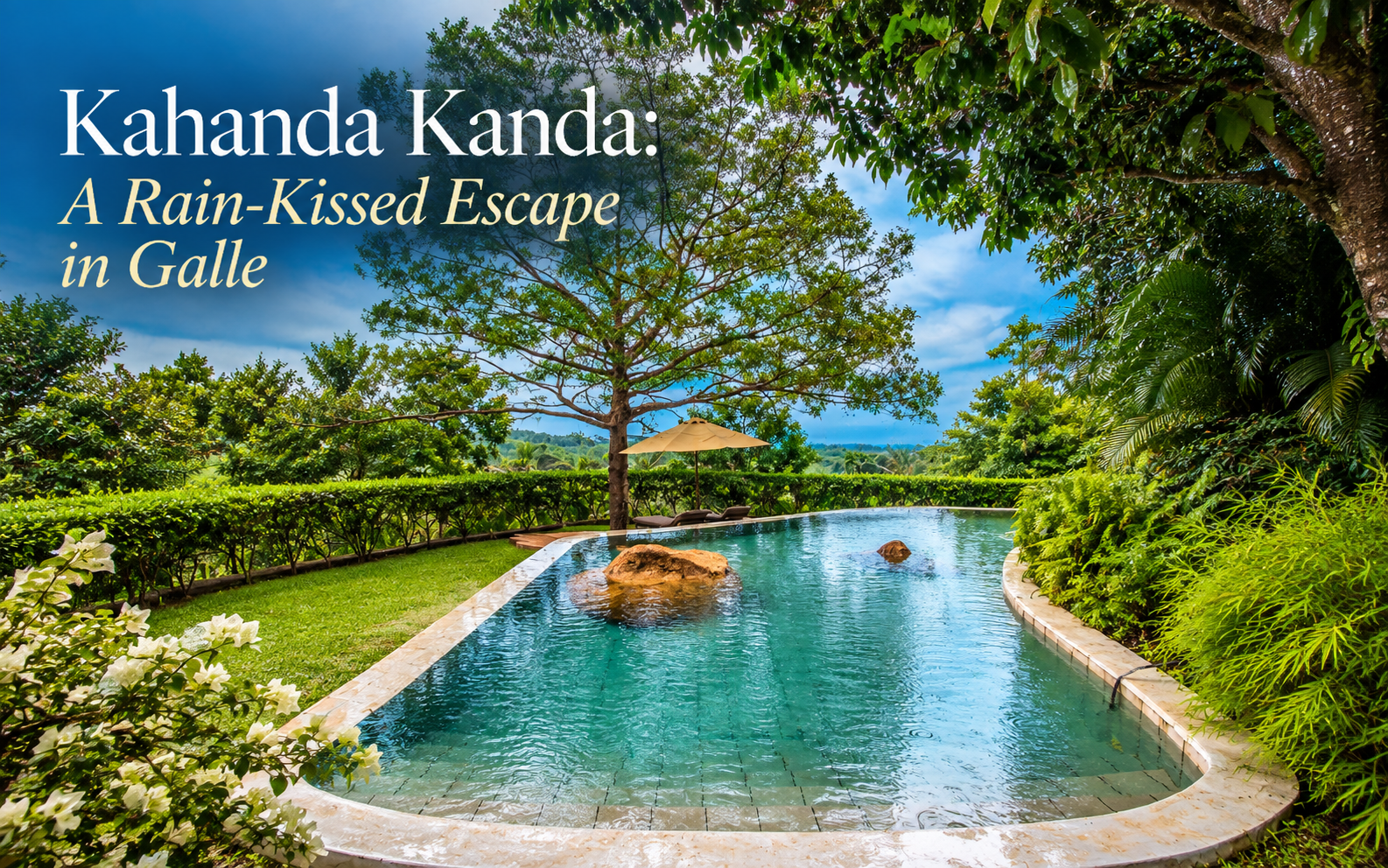
Kahanda Kanda: A Rain-Kissed Escape in Galle

Rain, mist and 17 villas that don’t look alike. Kahanda Kanda is a hidden gem above Koggala Lake in Galle, Sri Lanka. Spread across 14 acres of tea-fringed grounds, this intimate retreat is built around one simple idea: slowing down. Sinduri Vuppala spends a few unhurried days at the estate, discovering its distinctive design, fascinating history and the quiet luxury of doing very little. There’s a particular kind of luxury that has nothing to do with thread counts or infinity pools, and everything to do with being left alone in the best possible way. That’s the feeling that defines a stay at Kahanda Kanda, a boutique estate tucked into the hills above Koggala Lake in Galle, Sri Lanka. The journey there is part of the story. After a stint in the busier coastal town of Bentota, the drive inland feels like a decompression, roads turning greener and quieter, the pace of the island slowing with every mile. By the time the gates swing open onto a sweep of tea bushes, garlands, and a welcome glass of estate-grown lemongrass cordial, you’ve already left the “resort” mindset behind. We arrived off-season and were the only guests on the property. There’s something disorienting about having a place this beautiful entirely to yourself, mist over the tea plantation, no queue for breakfast, just birdsong somewhere in the canopy. When the rain came, it didn’t spoil anything; it turned the estate into something softer and more private. The Villas Kahanda Kanda comprises 17 stand-alone villas, and the property’s defining trick is that none of them looks alike. Rather than the interchangeable rooms you’d find at a larger resort, each villa here has its own layout, its own mix of antiques, and its own mood, a blend of European and Asian pieces alongside contemporary art, none

You May Also Like

Connect with us