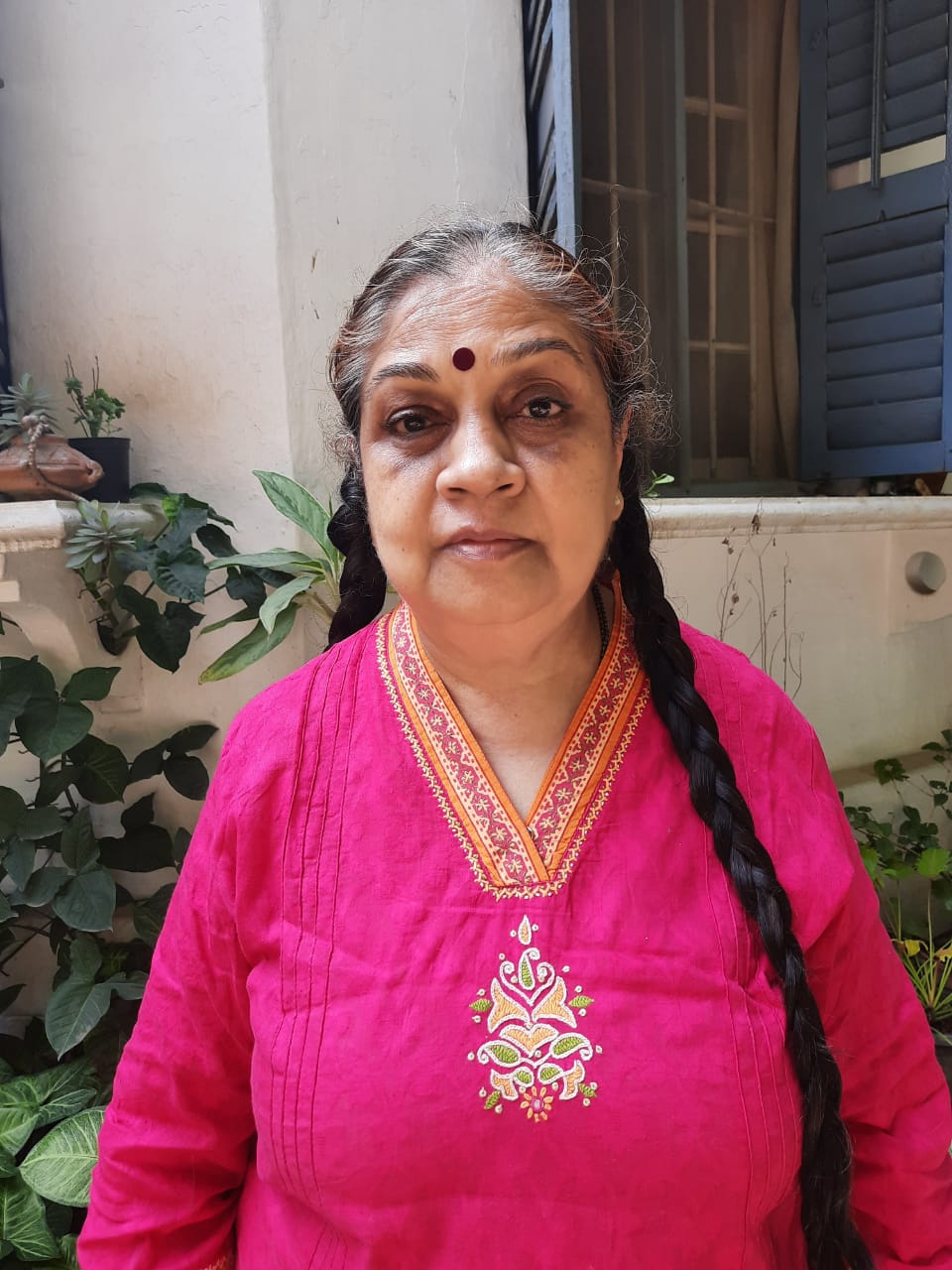
The Crystal Queen

Bela Patel

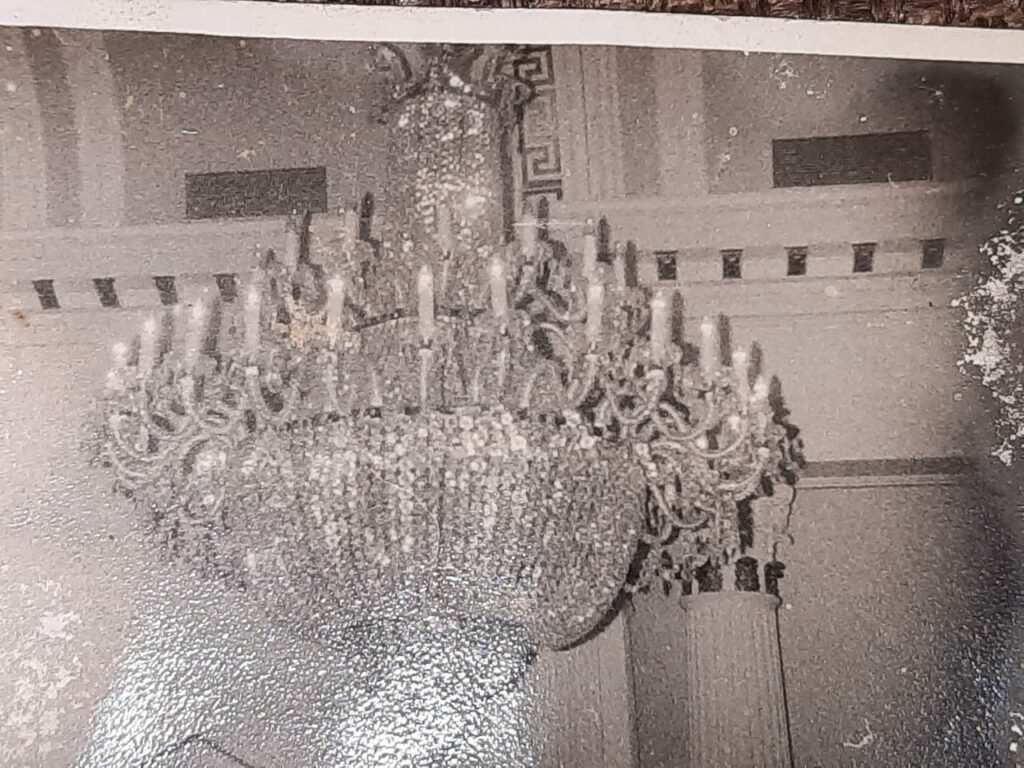
There are very few who create chandeliers with love and Bela Patel is one amongst them. She carries the unique family legacy on her firm shoulders. Hashtag India, in a candid conversation with Bela Patel finds out what all it takes to restore and create a chandelier from scratch. 

A young and enterprising housewife, Kundan Patel, started making chandeliers as a hobby and soon became a name to reckon with. The Patel family previously lived in Hyderabad. Kundan used to visit The Salar Jung Museum when family and friends from home visited them. Kundan’s first major order came from The Taj Mahal Hotel, Mumbai. The Crystal Room was done by Crystal Town. Then there was a call from Oberoi Sheraton. They wanted chandeliers for their banquet Hall. This was when Kundan with her husband Jagdish went to Firozabad, to make crystal glass for their chandeliers. Thus, the chandelier glass industry was started in India.

In fact, Prime Minister, Indira Gandhi visited one of the exhibitions held in Delhi. Soon the ITC group and other small hotels wanted chandeliers. From a housewife next door, she became the most sought-after lady for designing chandeliers. At the same time, she balanced home and work with perfection.
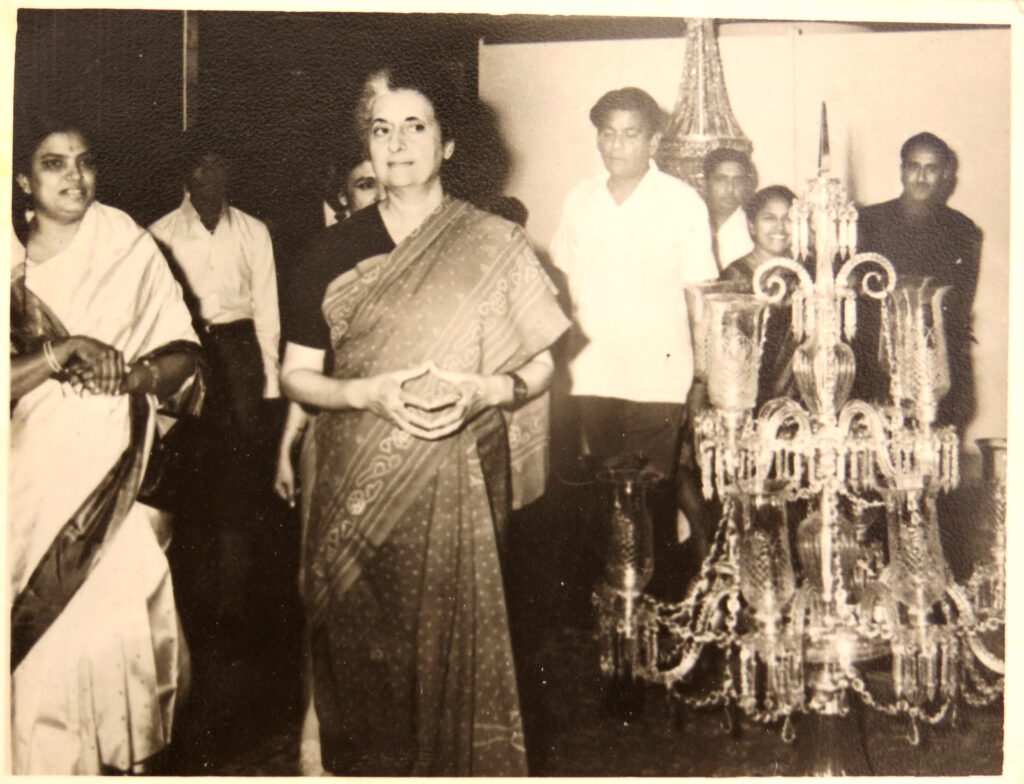
Indira-Gandhi

In some of her projects, her daughter and two sons accompanied her. At times, the children spent their evenings after school observing their parents at work.

Soon they started exporting chandeliers.

Kundan’s chandeliers hang in the main hall of the Governor’s residence in Hong Kong. In Saudi Arabia, The Oberoi Damam has a 14 ft square fixture with a 16 ft drop. It has been placed where sunlight washes over it and the sparkle of a myriad facets makes a glorious picture.

In 1994, an article on Kundan Patel’s work was published in the esteemed ‘Inside Outside’ magazine, by journalist Jeanne Roby.

By then Kundan had retired, but her daughter’s address in Bangalore was given for inquiry. Bela has been in Bangalore since 1979 after her marriage. Her two boys had grown up and were attending school. With the article getting published, people came in gushing about it and for inquiry.

That’s when Bela got support from her journalist friend, Snehalata Naidu who helped her organise an exhibition in Safina Plaza. There she got the right attention and big establishments started inviting her to work for them in both restoring vintage chandeliers and creating new ones. This was the beginning of her journey.

Chandeliers in Bangalore Club, Annexe Hall were designed and supplied by Crystal Town.

In 2000, Bela and her sons accompanied Kundan and Jagdish to restore the Chandelier in the Darbar Hall, Rashtrapati Bhavan.

  “This was a challenging job. New glass was made according to the specification or samples given. All of us still remember how Kundan and Jagdish drove from Agra to Firozabad to check and get the glass quality that was in the original chandelier.”

Since 2007, Bela started working on her own, as her mother Kundan had to go to Gujrat. It was difficult for Bela to handle the work alone. But her husband and boys helped out, whenever they could.

The Auditorium, in INS VENDURATHY, Kochi has contemporary chandeliers designed by them.

Chandeliers by Crystal Town also adorn the entrance of the auditorium of IIM Lucknow, Noida Campus.

She also restored two big chandeliers at the Sawantwadi Rajwada which now occupies a place of pride in the Darbar hall in 2017. The work was so magnificent that Maharani Radhika Raje Gaekwad of the Laxmi Vilas Palace got the reference of Crystal Town from the royal family of Sawantwadi Rajwada.

Bela shares a funny anecdote as to how a staff member at ITC WINDSOR could not believe that the chandelier was not a new one!

Actually, Bela had done the restoration for that chandelier and made subtle design changes keeping the basic framework intact. When the GM saw her work, he was confident that the chandeliers could be restored. She also restored and changed other chandeliers in the hotel. Most of the chandeliers in the hotel have been restored, with custom made glass and Swarovski spectra crystals.

Through several anecdotes, we go back to the time when Bela was restoring the chandeliers at Laxmi Vilas Palace in 2019. Some of the glass pieces were damaged over the years. They were sent to Firozabad and the replicas were made. It takes a lot of time and effort to get the exact replicas of the original glass to ensure that they exude the old-world charm.

The silver plating of the brass framework was tarnished. So, the Rajmata got the silver plating done. It took us two months to complete the restoration work.

“Making a new chandelier is far easier than restoring it. One has to remove all the parts including the metal links joining the crystals and clean and join them again.”

One of the chandeliers at Laxmi Vilas Palace had crystals with cut work. Some were plain. The crystals were replaced as they were. Later on, we were told to replace them to the cut ones. However, the project was delayed and then the Lockdown started. Some crystal pieces replicas were not done according to the samples. So that work is still pending.

Apart from restoring these classic pieces for big names, Bela is trying to push the envelope and create contemporary pieces.

In June 2020, she collaborated with Architect Shreedhar Rudrappa and Architect Manju from Designpreneur to create contemporary light designs for a private residence. Bela worked in tandem with architect, interior designer and the client to deliver the chandeliers of their dreams.

Bela informs, “We mostly use brass and custom-made glass and Swarovski crystals. Sometimes the brass is silver plated according to the client’s preference. When Swarovski is not available, Egyptian crystals are used and avoid using Chinese crystals.”

She signs off, “My husband supports me like my father once supported my mother in the business. He provides good suggestions regarding the technical aspects of making a chandelier.” She desires to carry on working as long as she can. Her architect and interior decorator daughter-in-law Miloni Patel also assist her with the projects.

Contact Bela Patel- 9740084304
Or email: crystal.town.bela@gmail.com
By Appointment Only

Leave a comment

Your email address will not be published. Required fields are marked *

How to Plan an Eco-Friendly Wedding in 2026

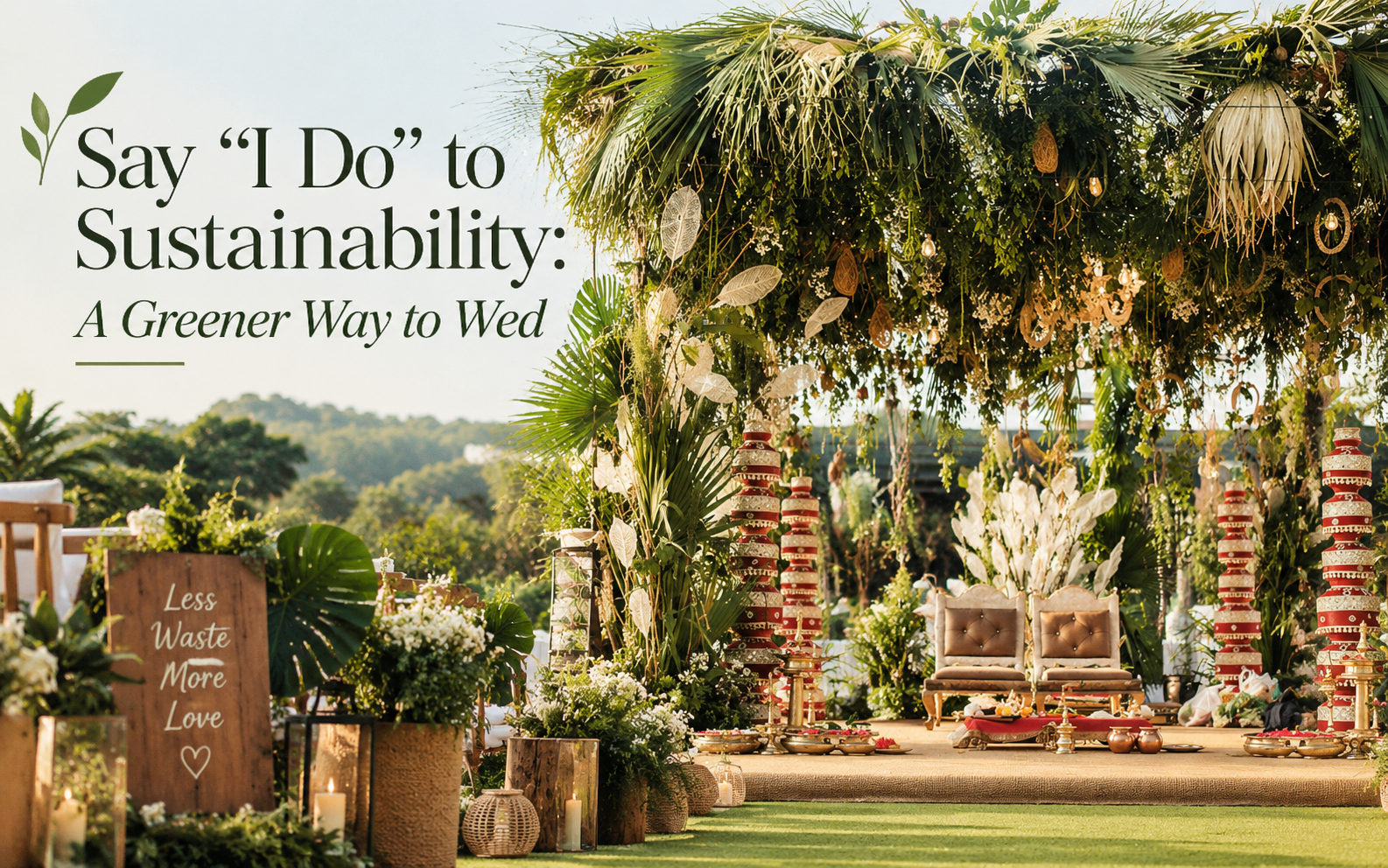
Sustainability doesn’t mean scaling back the celebration; it just means being intentional about how you celebrate. Hashtag Magazine tells you how to plan a wedding that’s as kind to the planet as it is memorable. Decor: Rent, Reuse, Repurpose Skip single-use installations and think circular instead: Rent your florals and structures. Many decor companies now offer rental mandaps, backdrops, and furniture instead of building one-time-use setups that get discarded after a single event. Choose potted plants over cut flowers. Fresh flowers wilt within hours; potted plants and flowering shrubs can be gifted to guests, donated, or replanted at home afterwards. Go local and seasonal. Sourcing flowers and greenery from local growers cuts down transport emissions and supports regional farmers, while seasonal blooms are naturally more sustainable to grow. Reimagine fabric, not plastic. Swap plastic drapes, balloons, and synthetic backdrops for natural fabrics like cotton, jute, and silk; many of which can be reused across multiple functions (mehendi, sangeet, reception) with different styling. LED over traditional lighting. LED string lights and fixtures use a fraction of the energy of conventional wedding lighting and last considerably longer. Plates & Catering: Ditch the Disposables Food service is one of the biggest, and most avoidable sources of wedding waste: Use reusable or biodegradable dinnerware. Steel, ceramic, or banana-leaf plates are far better alternatives to plastic or styrofoam, which often end up in landfills within hours of the event. Use Compostable cutlery and cups. Made from materials like areca leaf, bamboo, or cornstarch break down naturally and are increasingly available through eco-catering vendors. Plan portions carefully. Work with caterers to estimate realistic quantities based on RSVPs, and arrange for surplus food to be donated to local shelters or food banks rather than thrown away. Say no to plastic water bottles. Install water stations or use

Less About Filling a Space, More About Giving It a Soul

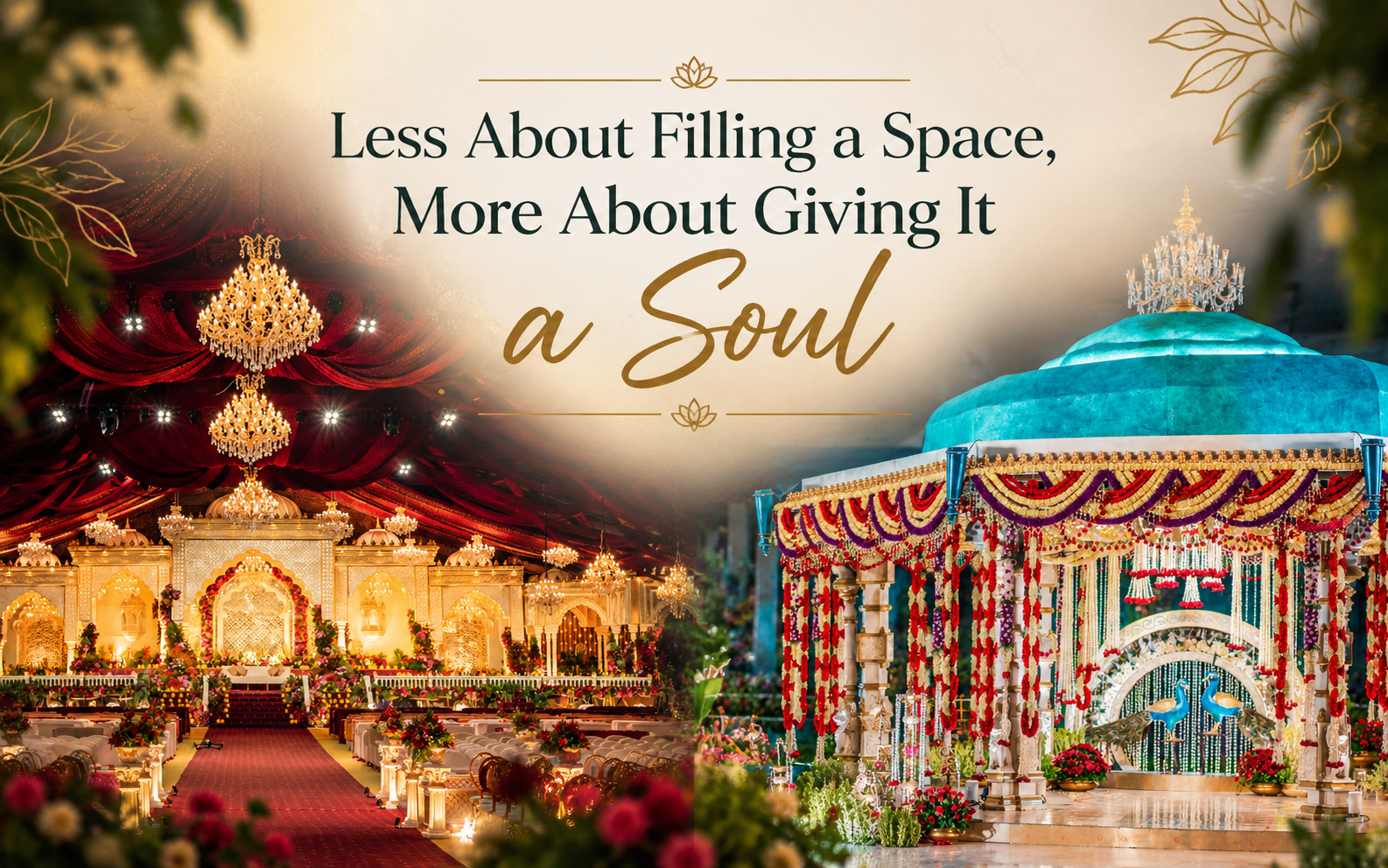
Chennai-based design house Wedding Chakra, founded by Sasi and Vetri, is redefining wedding décor for 2026, moving from decoration to immersive storytelling rooted in Indian heritage. Here’s their take on individuality, restraint, and what really creates a “wow” moment. What wedding décor trends are defining 2026?2026 is seeing a shift from wedding décor to wedding world-building: spaces that feel personal and transportive rather than just beautifully decorated. Think sculptural installations, layered textures and dramatic lighting over sheer abundance, with Indian craft reinterpreted through a modern lens. The real shift: couples aren’t asking “what’s trending” anymore; they’re asking “what feels like us.” Individuality over imitation is the biggest trend of all. How are couples using décor to tell their personal story?Personalisation has moved beyond monograms and favourite colours to journeys, memories and heritage translated into design, sometimes as a subtle motif, sometimes as an entire celebration built around a feeling. The best personalisation doesn’t announce itself; it’s felt. And no décor gets repeated just because it worked for someone else; the couple is the inspiration, not the last wedding. What’s creating the biggest “wow factor” at weddings today?Not one element, but the experience of the whole space. Statement mandaps are becoming architectural centrepieces, and projection mapping lets venues transform mid-event, but the real impact comes when design, lighting, sound and storytelling work together. The favourite move: taking a bare, unexpected space and building an entirely different world inside it, so guests have no reference to what came before. One 2026 décor trend you’re loving, and one you’re ready to leave behind?Loving: immersive, story-led design where the whole space becomes part of the experience. Ready to retire: over-decoration for the sake of grandeur; more flowers and layers don’t automatically mean luxury. The philosophy: one extraordinary idea, executed beautifully, with room to breathe.

Will This Feel Like Us? Rethinking Wedding Entertainment in 2026

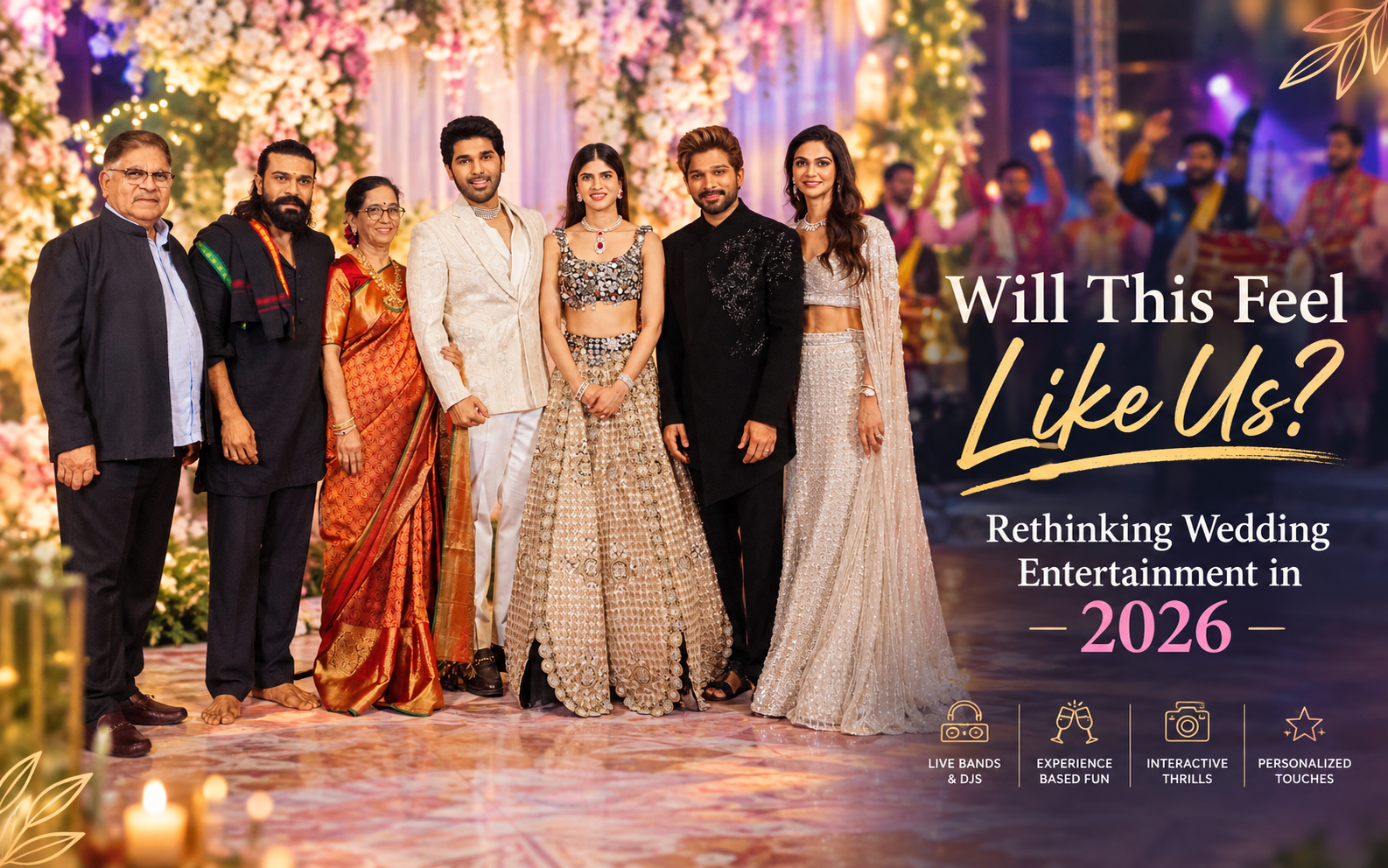
Since founding Shreem Events in Mumbai in 2014, Devanshi Patel has planned over 650 celebrations worldwide, including high-profile weddings like Allu Sirish and Nayanika’s in Dubai and Hyderabad, and Anshula Kapoor and Rohan’s in Mumbai. Her philosophy: entertainment isn’t about booking an artist; it’s about reading a family and choreographing how guests feel from the moment they arrive to the last song. What wedding entertainment trends are defining 2026, and how have they evolved from what we saw in 2025? In 2025, there was a strong appetite for headline performances and ambitious production. Those still have their place, but in 2026 I’m seeing couples ask a more thoughtful question: will this feel like us? The most exciting celebrations now have different kinds of energy across the wedding: a live musician may make a ceremony feel deeply intimate, an unexpected performance can change the mood of a dinner, and a party can build naturally towards a major artist rather than beginning at its loudest. The artist matters, but so do the timing, setting and emotional connection. Guests are now really looking at immersive entertainment rather than just performances; we specialise in entertainment curation, and we’re fortunate to have clients who trust the suggestions we provide. How do you understand a couple’s personality and bring it into the entertainment experience? We begin by listening to the couple and their families. We ask what they actually enjoy, and also understand what their guests would enjoy too: which songs carry memories, how they like to celebrate, how they want their guests to feel. Often, the most useful details come out in ordinary conversations rather than a formal brief. From there, we build an entertainment journey across the events. At one wedding, that might mean music rooted in family tradition during the pheras and a

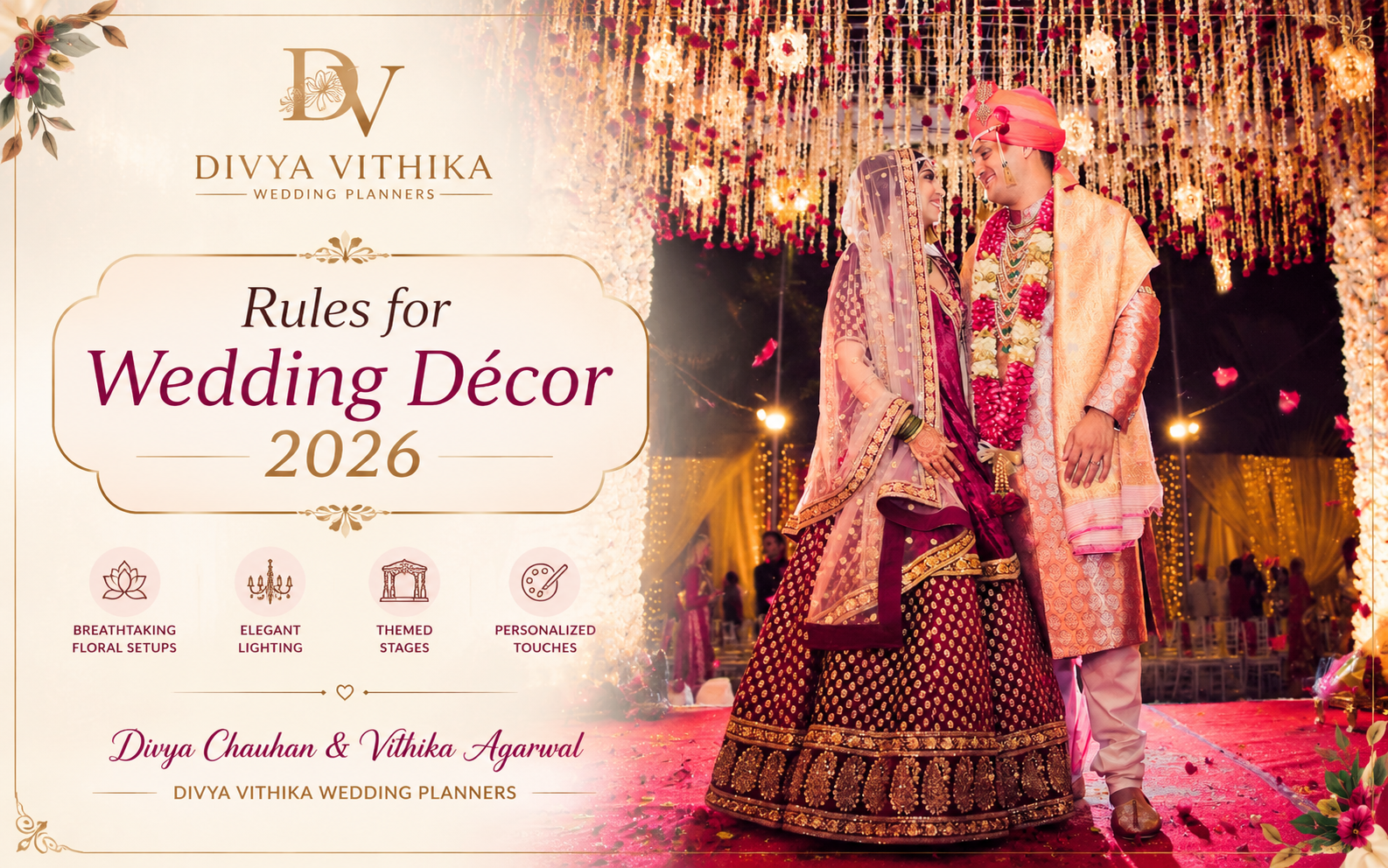
Rules for Wedding Décor 2026 Divya Chauhan & Vithika Agarwal, Divya Vithika Wedding Planners

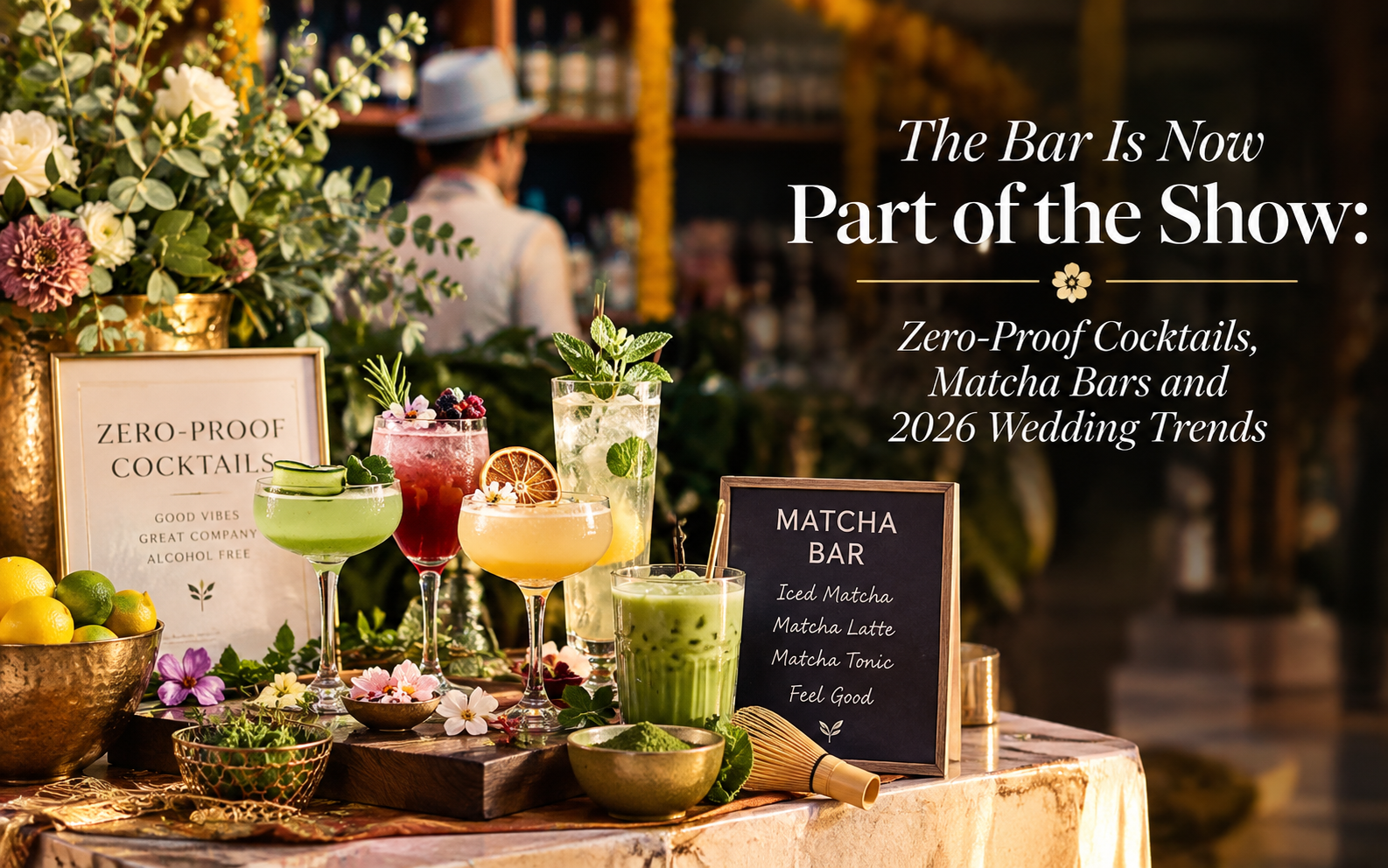
Founded by former Miss India titleholders Divya Chauhan (1997) and Vithika Agarwal (1998), Divya Vithika Wedding Planners has spent 17 years turning couples’ visions into thoughtfully designed, unforgettable celebrations. We caught up with the duo on what makes a wedding décor truly memorable in 2026. What’s the one décor element that can instantly transform a wedding venue?A beautifully designed focal structure: particularly a mandap for an Indian wedding. Take a venue with incredible natural beauty; rather than overwhelming it with décor, we create one strong focal point, like a wooden mandap with marigold garlands and foliage, that immediately gives the space a sense of occasion. The secret isn’t always adding more; it’s knowing what to add and letting the venue itself shine. What are the three must-haves for a wedding that looks beautiful and feels unforgettable?A statement focal point, beautiful lighting, and considered table and guest styling. The focal point: a mandap, floral installation or stage that gives the eye somewhere to land and sets the mood. Lighting changes the atmosphere entirely, whether it’s how natural light interacts with décor by day or a mix of chandeliers, candles and pin lighting by night. And the tablescape and finer details like linen, tableware, and seating are what guests experience up close. That’s what elevates a wedding from beautifully decorated to thoughtfully designed. What’s one wedding décor trend you’re loving in 2026?We love bars taking centre stage: bold florals, clever lighting, real drama. They’ve become a destination within the wedding, not just where you grab a drink. And we’re glad to see identical centrepieces on every table fading out. Tablescapes are such an important part of the design now, and we love seeing different arrangements on different tables, each with its own character, while still telling one cohesive story.

You May Also Like

Connect with us