The Rise of FWBs: Are They Becoming the New BFFs?

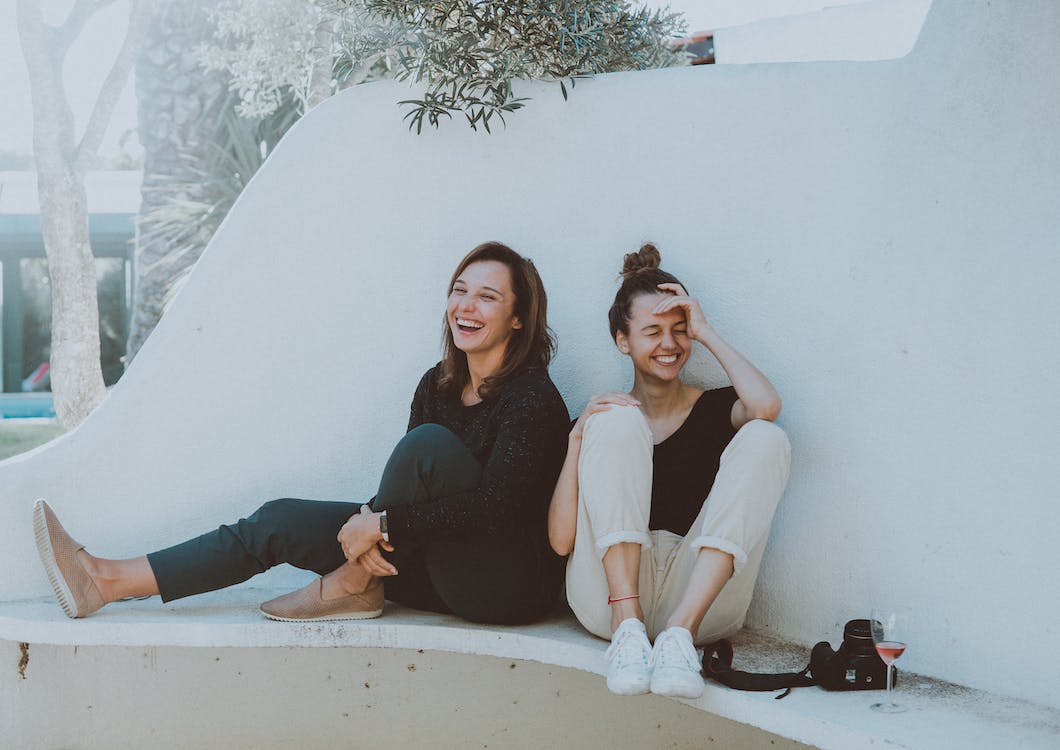
In today’s evolving landscape of relationships, the concept of “Friends with Benefits” (FWB) has gained significant attention. Often depicted in popular culture as casual, no-strings-attached encounters, FWBs have become a subject of fascination and debate. But are they blurring the lines between friendship and romance, leading to a new kind of “best friends forever” (BFF) relationship? Mehak Walia delves into this intriguing topic and explores the evolving dynamics of modern connections.
The Emergence of FWBs:

Let’s get one thing straight, FWBs relationships haven’t just emerged suddenly, they have been around for quite some time. But, their visibility and acceptance have increased in recent years. The fast-paced nature of modern life, shifting societal norms, and the rise of dating apps have all contributed to the growth of this relationship style. Friends-with-benefits arrangements typically involve two individuals who are friends and engage in sexual activities without the commitment of a romantic relationship.

While FWBs primarily revolve around physical intimacy, the foundation of these relationships is often built on friendship. The partners involved share common interests, engage in conversations, and provide emotional support. This connection can blur the lines between friendship and romance, leading some to wonder if FWBs are indeed becoming the new BFFs. Although, one major aspect that distinguishes FWBs from traditional romantic relationships is the absence of romantic expectations. In many cases, FWBs provide a safe space for individuals to explore their sexuality without the pressure of long-term commitment. The lack of expectations allows for greater emotional intimacy, as partners can openly share their thoughts, fears, and dreams without the fear of judgment or the burden of traditional relationship obligations.

Furthermore, FWB relationships rely heavily on clear communication and mutual understanding. Unlike traditional friendships or romantic partnerships, FWBs require honest conversations about boundaries, expectations, and the potential for evolving feelings. This emphasis on communication fosters a deeper understanding between the involved parties and allows them to maintain a strong connection while respecting each other’s autonomy. With the rise of FWBs, the lines between friendship and romance have indeed become more nuanced. Some argue that the emotional and physical intimacy shared in FWBs can create a bond resembling that of a BFF. The absence of societal expectations and the freedom to explore intimacy can strengthen the foundation of the friendship, leading to a deeper and more trusting connection.

But, what does the modern generation have to say about this transition? We spoke to some individuals who have participated or are participating in such relationships, to try and find out more.

Natasha Khanna, a 28-year-old cisgender woman believes that “FWB relations don’t always work, there are clichés everywhere but if you have an open channel of communication, it works perfectly. TBH, most of the time women just have to be mommies to men and handhold them through relationships, so being FWB works just fine for us. This is because it’s convenient, you’re not answerable to them, you can depend on them for support without committing to them and, of course, you can get sex on demand (at least most of the time). And sometimes I feel, some people are just not meant to be together, and if that’s the case and there’s sexual tension and chemistry, fayada uthao!”

Similarly, Jason, a 26-year-Old cisgender man exclaims, “I honestly think when you have great chemistry with a friend and a sexual tension to go with, why not make the most of it, in that moment? Such relationships are highly advantageous for everyone.”

On the other hand, Shreya Singh, a 24-year-Old bisexual woman strongly believes that “FWBs can be helpful, but I don’t think the bond is comparable to that of true friendships. Like, yes, I would love to cuddle and talk with my FWB but I would only let them into the point where I’d let my best friend in I believe that there’s still a difference, at least for me. I have seen other people integrate the two as well but to each their own.”
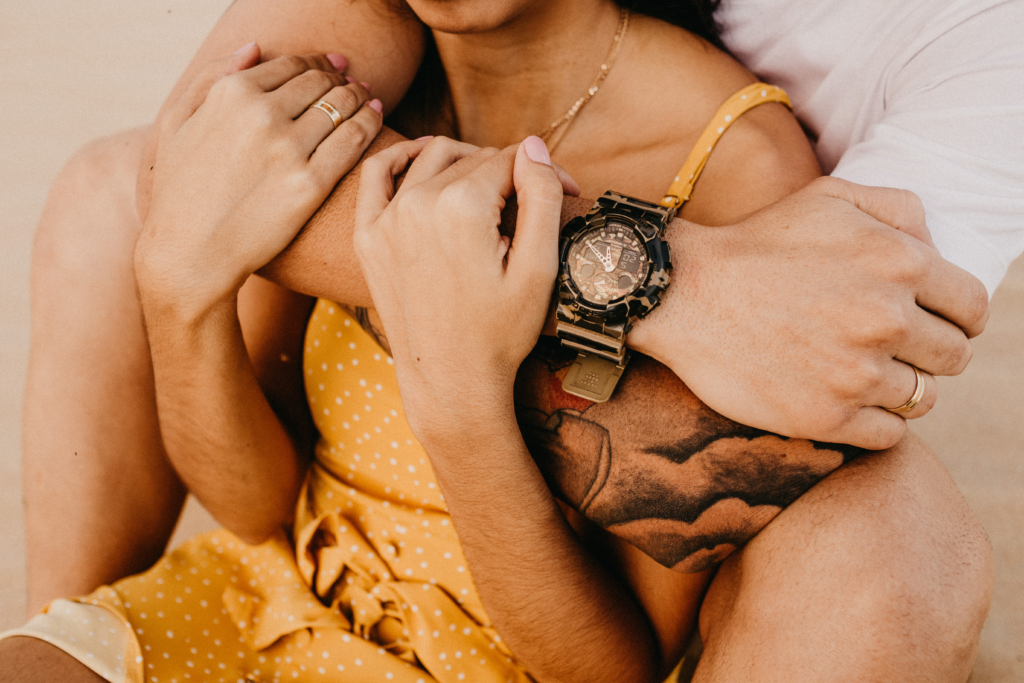
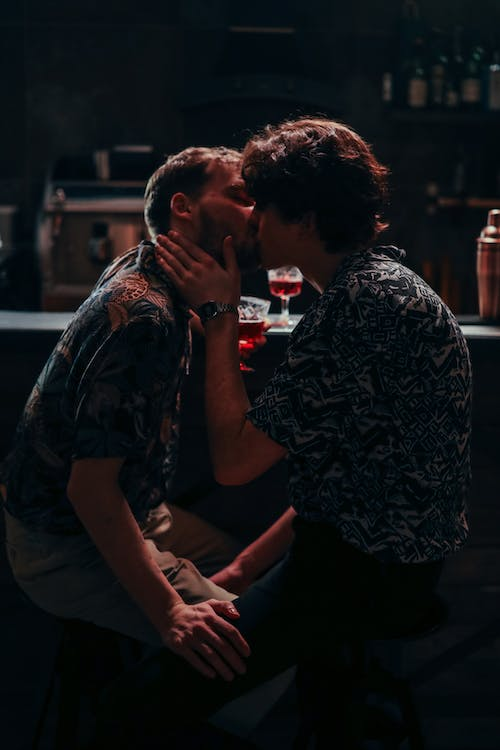
Meanwhile, Raghu Das, a 22-year-Old gay man adds, “I and my FWB have been friends and more for about 3 years now. It’s such a convenient and giving relationship because at the end of a hard day, you sometimes just want some calming sex or you just want your close friend to watch some movie with you and chill so you can trash talk your boss. Guess what? I get both of them in the same man minus expectations. How is that not amazing?”
Aisha Walia, a 20-year-old lesbian woman looks back at her own experience and recounts, “I was lucky enough to find my FWB in my best friend. She and I have grown up together and we just decided to experiment once and it stuck. We did have the decision to convert this into a relationship, but we were both scared of the complication that comes with it and decided just to nurture our friendship and remain FWBs. So, we do go out on dates with other people and bitch about them to each other and go out to shop or binge-watch shows but as a cherry on top, we also support each other sexually. It’s a plus, plus, plus!”

In a similar tone, Hargun Singhania, a 30-year-old cisgender man comments, “My FWB is one of the most important people in the world, for me. If I have a bad date, get screamed at, at home, or just have an awful day at work, she’s there for me and I’m there for her when she needs me too. But, we also help fulfil each other’s sexual needs and fantasies. It’s like the greatest thing ever because, at the end of the day, we don’t expect the other person to treat us differently, shop for us, propose to us, or anything cliché, it cuts all the absurdities that a relationship is usually filled with and leaves us with happiness, fun, support, and sex. What’s not to love?”

As FWBs continue to evolve, it remains to be seen whether they will become a new kind of BFF relationship. While some argue that the lack of commitment and expectations makes FWBs an ideal middle ground, others believe that the traditional BFF relationship is distinct and irreplaceable. Ultimately, the changing landscape of relationships calls for a broader understanding and acceptance of various connection styles, allowing individuals to define their unique paths. With their unique blend of friendship and physical intimacy, FWBs have undeniably challenged conventional notions of relationships and given birth to new connections to cherish for life and beyond.

Leave a comment

Your email address will not be published. Required fields are marked *

Yami Gautam on Haq: Courage, Controversy, and the Power of a Woman’s Voice

Yami Gautam’s latest film Haq has struck a powerful chord with audiences for its bold storytelling and emotional honesty. In a candid conversation with Lipika Varma, Yami reflects on what drew her to the film, her collaboration with Emraan Hashmi, the responsibility of portraying a character inspired by real struggles, and how motherhood and support have shaped her personal and professional life. On working with Emraan Hashmi: “When the film was first offered to me, and I learned I’d be cast opposite Emraan, I couldn’t imagine anyone else in the role,” Yami shares. “I’ve always admired him his grace, dignity, the music, the performances, the aura. He has a legacy that spans generations.” She adds, “When you watch the film, you’ll see the incredible energy he brings to his character. Emraan is a brilliant actor respectful, secure, and inspiring. It was a joy to work with him.” Why She Chose a Hard-Hitting Role in Haq: “I go by instinct and this story needed to be told,” Yami says. “This character reflects courage, truth, and resilience. I haven’t met the real woman it draws inspiration from, but her journey deeply moved me. It captures the true meaning of a woman’s power.” She clarifies that the film is not a biopic but a blend of facts and fiction. “As an artist, I had to understand why this case became so important. I wasn’t representing one woman I was representing many.” On Taking Up Socially Sensitive Subjects: “As actors, we have only one lens the tone of the film,” she explains. “Is it made to create controversy or to start a discussion? There’s a difference. I don’t believe in controversies. I do my work and go home.” She adds, “A film must create discussion or debate. There is no scope for being ‘average’.

Get Ready for a Blockbuster November

The wait is finally over November’s screen calendar is stacked with some of the most anticipated returns in entertainment. Clear your weekends, because your watchlist just got a serious upgrade. Stranger Things Season 5 Where to watch: Netflix The wait is nearly over for fans of Stranger Things, as the fifth and final season of the global phenomenon hits Netflix this November. Titled Stranger Things 5, the season promises an epic conclusion to the beloved sci-fi horror saga, unfolding across three releases: two volumes on November 26 and December 25, 2025, and a grand finale on December 31. Created by the Duffer Brothers and produced alongside Shawn Levy and Dan Cohen, this eight-episode season is expected to deliver the biggest emotional and visual spectacle yet. All your favourite characters return including Millie Bobby Brown, Finn Wolfhard, Sadie Sink, and David Harbour joined by Terminator legend Linda Hamilton and Anne with an E star Amybeth McNulty, now part of the main cast. As Hawkins faces its final showdown with the Upside Down, fans can brace for nostalgia, heartbreak, and the end of an era in pop culture storytelling. Family Man Season 3 Where to watch: Prime Video The Family Man returns with its highly anticipated Season 3 on November 21. Manoj Bajpayee reprises his iconic role as Srikant Tiwari, navigating new dangers and deeper moral dilemmas as he confronts powerful global threats while balancing family life. Created by Raj & DK under D2R Films, the season promises high-stakes action, razor-sharp humour, and emotional depth. Joining the cast are Jaideep Ahlawat as Rukma and Nimrat Kaur as Meera, alongside returning favourites Sharib Hashmi, Priyamani, and Shreya Dhanwanthary. With higher risks and fresh adversaries, Season 3 is set to be the most thrilling chapter yet. From the supernatural thrills of Stranger Things to

Siddhu Jonnalagadda Interview With Hashtag Magazine

Siddhu Jonnalagadda on love, learning, and life beyond labels Siddhu Jonnalagadda: “I want audiences to know me through my work, not my personal life.”“Every role I play has a bit of Siddhu in it,” says Siddhu Jonnalagadda With Telusu Kada currently running in theatres, Siddhu Jonnalagadda steps into new territory as a romantic lead, breaking away from his much-loved Tillu image. The romantic drama shows him as Varun a man caught in the web of emotions, relationships, family ties, and the search for his own identity. Directed by debutant Neeraja Kona and featuring Raashii Khanna and Srinidhi Shetty as the leading ladies, the film marks a refreshing shift for Siddhu. In a candid chat with Priyanka Goud, he opens up about shedding stereotypes, navigating success and failure, and staying deeply rooted in his craft. On receiving mixed responses for his role in Telusu Kada I’m glad that Telusu Kada is doing well. It’s my first time playing a full-fledged romantic hero, and there’s been a lot of talk about my role. Like you said, I did come across a few people calling my character a ‘walking red flag.’ But honestly, I don’t really look at that whole ‘red flag’ part. Everyone is entitled to their opinion, and that’s absolutely fine. For us, it was never about labelling the character we just wanted to portray him truthfully, with all his layers and flaws, and we went with that. On working with a debutant female director I never looked at it as working with a woman filmmaker or compared it to working with a male director. For me, she was simply my director that’s all that mattered. The thought of gender never even crossed my mind. Neeraja has always been very clear, confident, and straightforward about how she wanted things to be

Stars Light Up Diwali with Love 

Intro: Diwali is more than lamps and fireworks it’s about rituals, relationships, and creating cherished memories. Celebrities, too, embrace this spirit in their own ways, blending cultural traditions with modern celebrations. From heartfelt pujas to guilt-free feasts, here’s how stars like Adivi Sesh, Neha Shetty, and Avika Gor celebrate Diwali and what it truly means to them. Celebrity Quotes: Adivi Sesh: “I love the festive spirit that flows from Navaratri to Dussehra and then Diwali. At home, we perform Lakshmi Puja, and while I avoid crackers because of our pets, I enjoy watching the colourful sky. No festival is complete without sweets and spreading joy.” Neha Shetty: “Diwali is not just about lighting lamps, it’s about illuminating our hearts with hope, kindness, and courage. For me, parties, festive food, and time with close ones make this celebration special every year.” Avika Gor: “For me, Diwali is about spreading love, kindness, and warmth. I celebrate responsibly, visiting family and friends, exchanging hugs, and sharing sweets. The true spirit of Diwali lies in joy and togetherness.”

You May Also Like

Connect with us