Slow and Steady Sustainability

sustainable fashion brands1

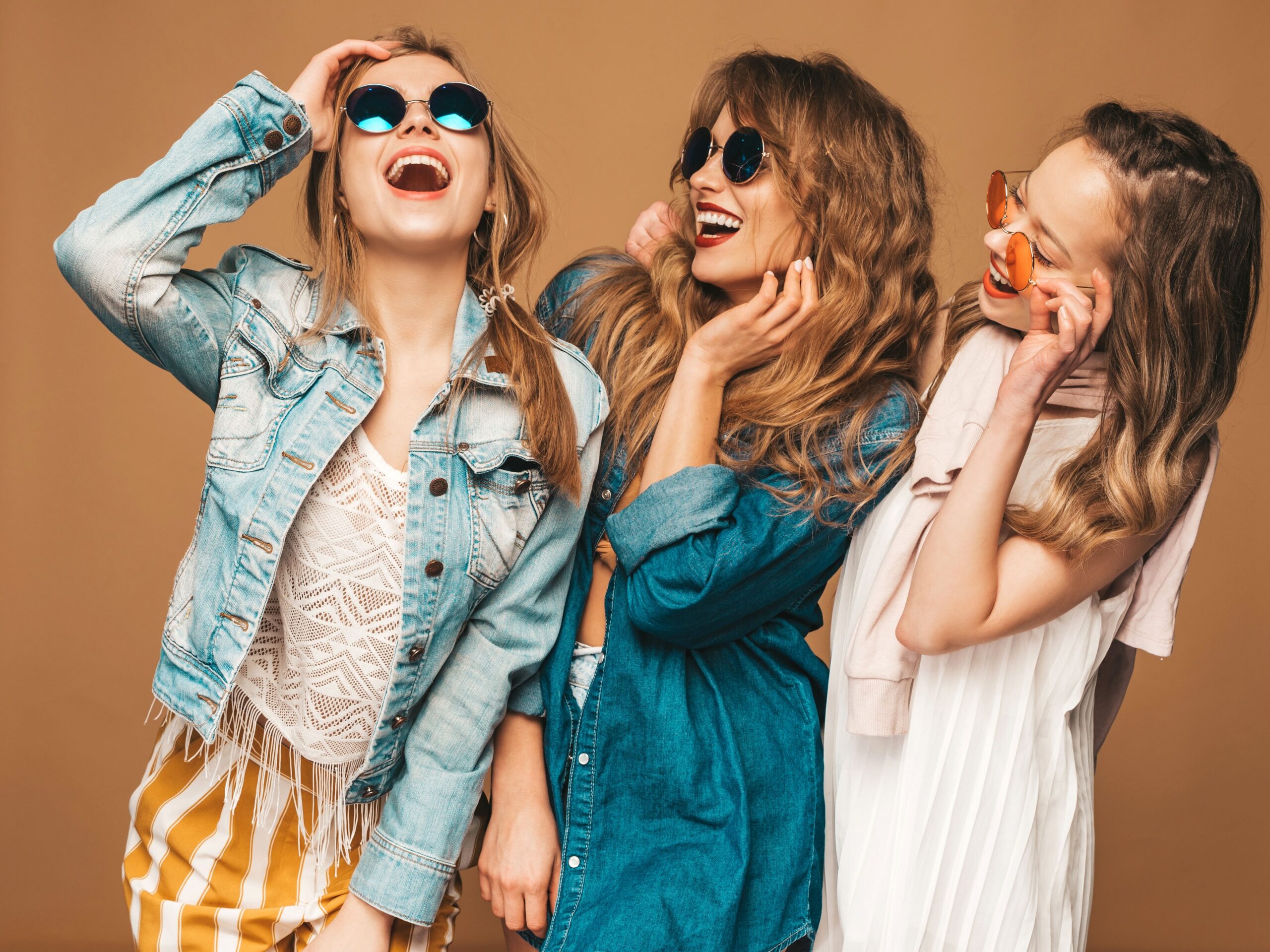
Gone are the days of fast, unsustainable, and exploitative fashion. Slow fashion is making a steady rise, providing clothes that are made to last. Made with eco-friendly materials and produced ethical, slow fashion is fast pulling the attention of conscious shop-goers everywhere. SHAMBHAVI DUTTA discovers three Sustainable Fashion Brands From India for you to check out…

Increscent 
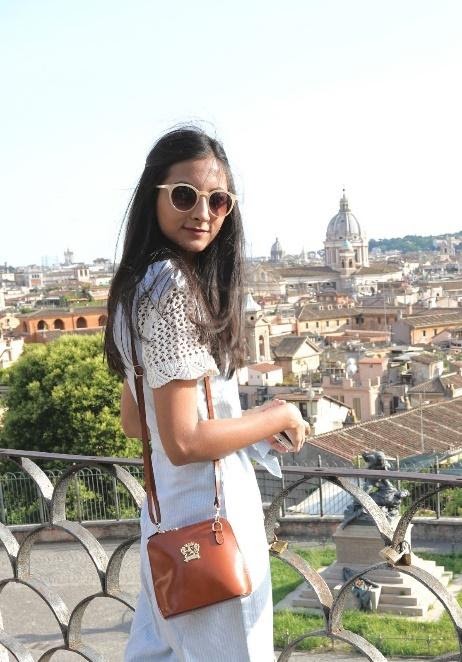
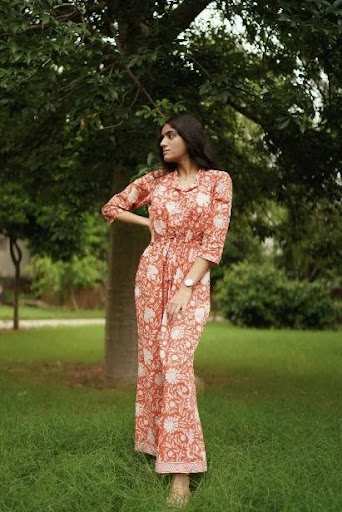
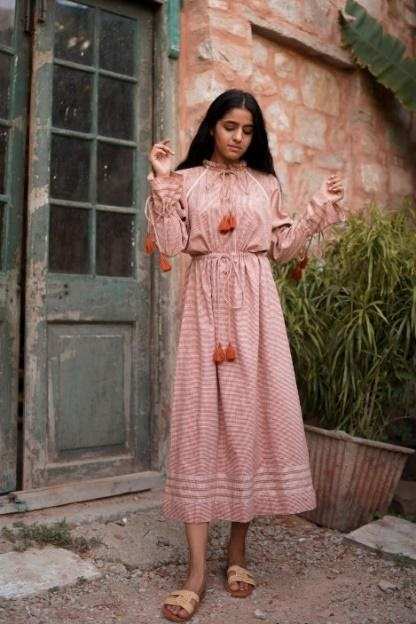
Increscent is a zero-waste online store from Jaipur, Rajasthan, that sells vintage clothes for women. Their collection consists of flowy dresses, scarves, jumpsuits, summery tops, and skirts, in a variety of design options. 

After graduating in fashion styling, founder Kamakshi Singh realised that her work generated excessive deadstock fabrics. Always wanting to start her small venture, Kamakshi decided to utilise this leftover fabric to create her own garment business, thus starting Increscent in 2018.

Increscent is a brand that is combating the wastefulness of fast fashion by sourcing its raw material from fabric waste of export houses. Further, they create garments to prevent stock pileup. Quality and durability are paramount to Increscent as they endeavour to produce timeless pieces for all sizes. They have also launched the ‘Pre-Loved Project’ where they accept and repurpose old clothes for secondary sales, thus strengthening their resolve that nothing goes to waste

“Sustainability is when you work in harmony with the ecosystem and find a balance… it is being mindful about the impact of your decisions and choices you make.” – Kamakshi Singh, founder, Increscent

While the business is already minimising waste, Kamakshi also aims to optimise her production process to regulate its carbon footprint and maintain sustainable practices. For her, sustainability in the fashion industry is multifaceted. It can range from working with plant fibres to creating timeless, durable fashion products mindfully. She also says that green fashion does not have to be boring, and her collection is testimony to that. Increscent looks to the future with hope; Kamakshi states that they “intend to continue working on their [our] zero-wastage policy and are striving towards incorporating more eco-friendly practices.”

Dressed to Save: Fashion for the Planet
Contact Details:

Website: https://www.increscent.in/ (online store only)

Instagram: @increscent.in

Price range: Approx. Rs 2000 to Rs 6000

Ka Sha
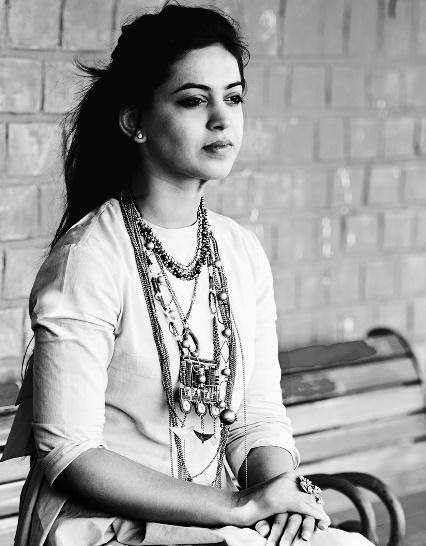
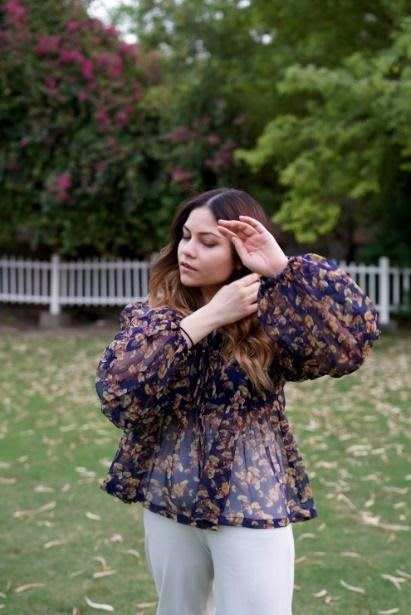
Ka Sha is a women’s apparel store in Pune, Maharashtra, specialising in bold tie-dyed colours. Their collection includes dresses, jackets, tunics, skirts, scarves and pants. ‘Ka Sha’ are the initials of Karishma Shahani Khan, who began the business in 2012. The brand goes beyond using eco-friendly or organic materials, focusing on the way garments are used and reused and all other mindful processes that are involved in the production. It is the constructive environment built at work and interacting with each other that inspires their ideas.

The brand aims to champion the artisans that create the clothes. As is the case with most sustainable fashion brands, Ka Sha garments are also made to prevent waste. The waste fabric produced from Ka Sha’s garments is utilised again in their sister venture ‘Heart to Haat’; this extends their zero-waste policy.
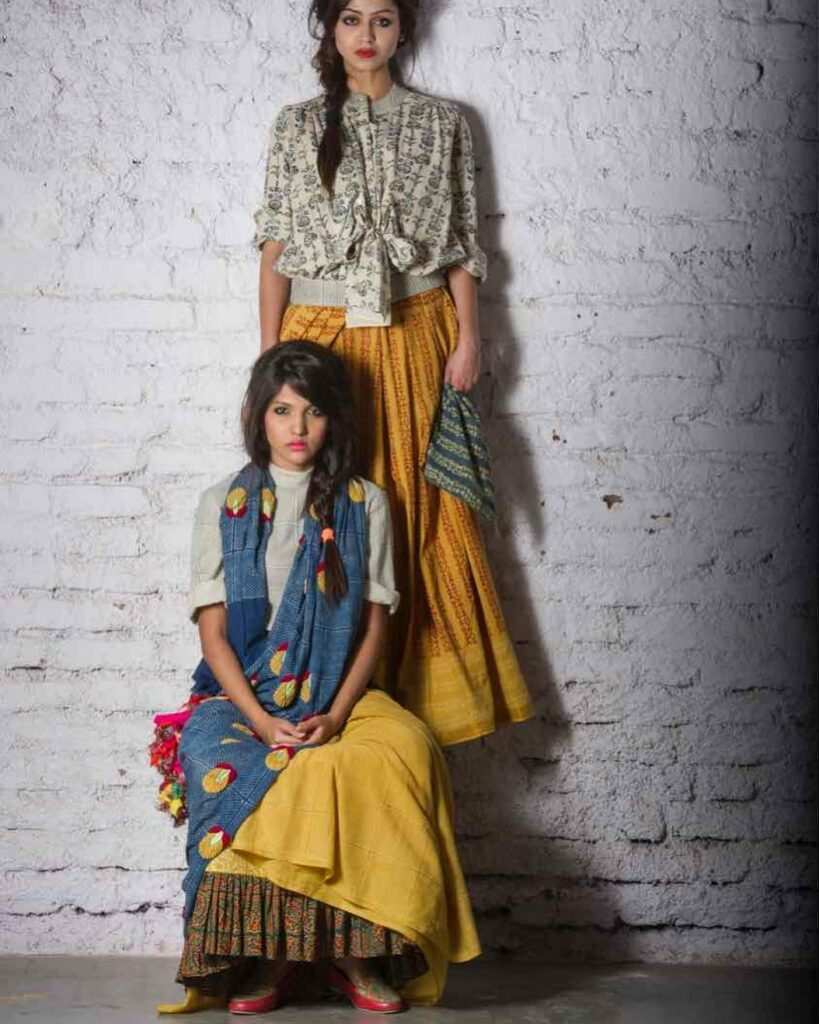
Although Ka Sha started merely a conscious brand, their ideology has evolved to be shaped by a passion for textiles and craft, for the hands that create them and mindful processes that go behind the production process. As Karishma states, “The diversity of handwork and craft we have here in India is unlike any other and the way it can take on any form, contemporary or traditional, is something very challenging and inspiring to work with.”

While Ka Sha is already upcycling, recycling and repurposing, their vision is to encourage mindfulness in the process of production and to find more purpose through work and awareness. 

Contact Details:

Website: https://ka-shaindia.com/home

Instagram: @ka_sha_india

Price: Approx. Rs 500 to Rs 25,000

Offline store: Gold Field Enclave CHS, Row House No. 1, S Main Rd, Koregaon Park, Pune Pune, Maharashtra.

Pomogrenade
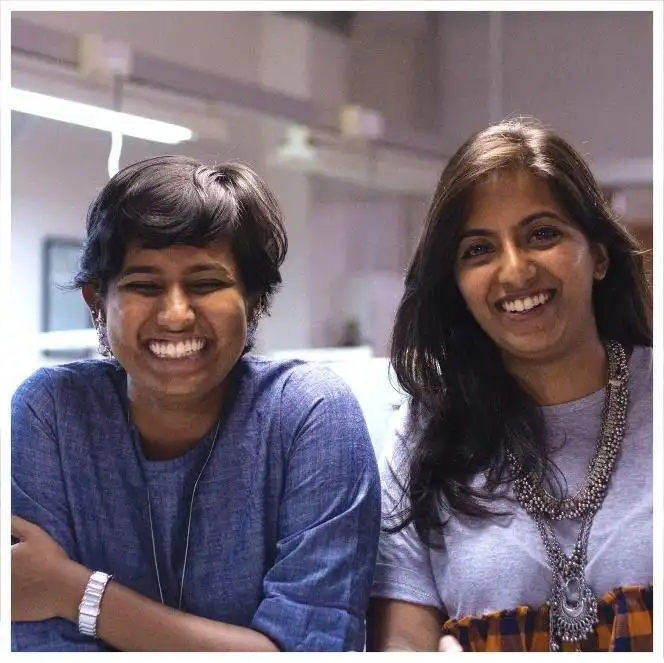
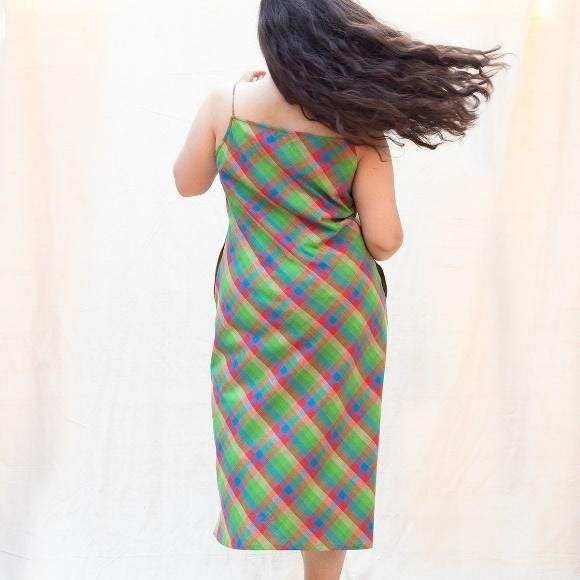
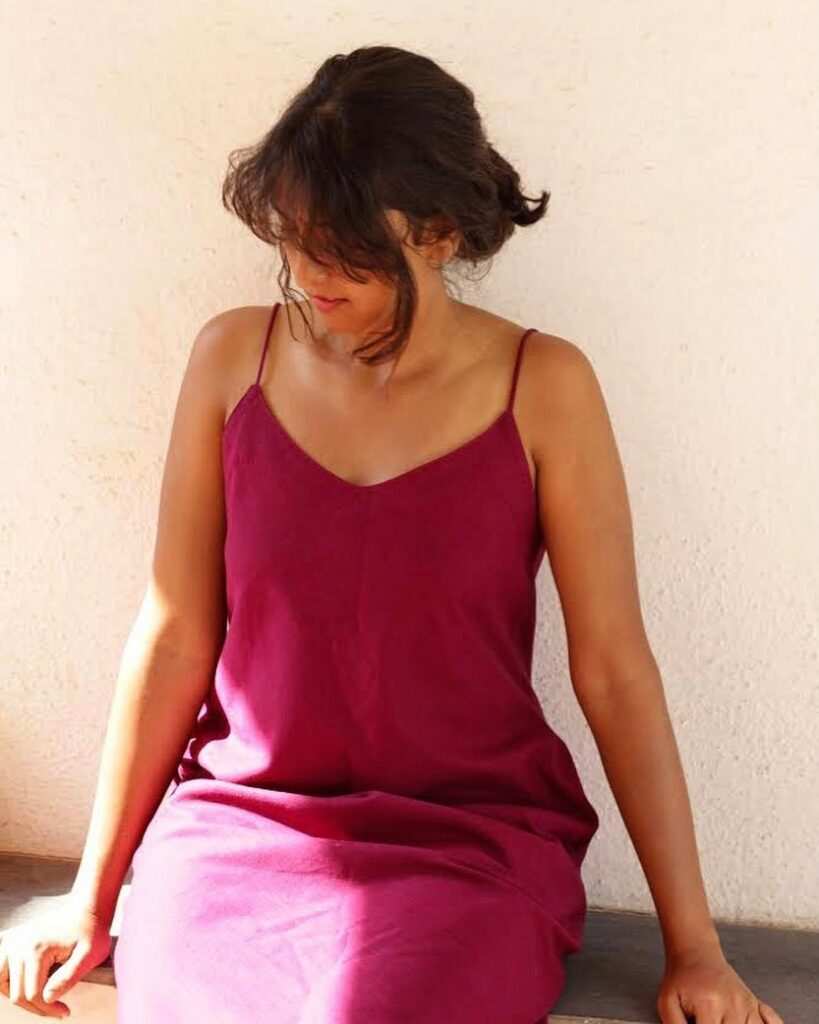
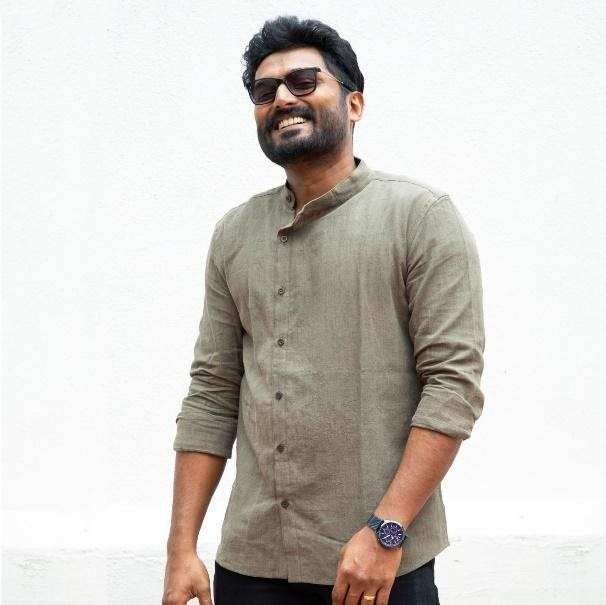
This online store from Bangalore, Karnataka, sells comfortable clothes for both men and women in plain and chequered patterns. The accessories in their collection include scarves, pins, and cloth belts. 

Madhulika Umapathy and Aiswarya Kutty started their ethical fashion brand Pomogrenade in 2015 with the belief that we are what we wear. For them, one’s fashion reflects their identity and beliefs. Fashion is about people and Pomogrenade aims to reinforce this by giving each garment a story of its own. Aiswarya and Madhulika want to transform the shopping landscape from malls and retail showrooms to one that reminds us of stories of crafts, art, artisans & producers working together to make something beautiful. 

Pomogrenade recycles waste fabric and reduces its carbon footprint by using handloom fabrics that do not require electricity. They also emphasise fair trade, vegan raw materials, local sourcing, and enable conscious fashion. For orders, they try to maintain transparency. Clothes do not have to be trendy and profit-oriented for them, but ethical and long-lasting. 
Aiswarya and Madhulika are constant learners and try to integrate everything they learn from various sources into their goal of becoming more and more sustainable. As they state, “We’d like to believe that each conversation we have imbibed a little bit of goodness from each source that has shaped us & our journey so far and will continue to do so.” Pomogrenade clothes can be found in ‘Go Native’ stores in Bangalore. 

Contact Details:

Website: https://www.pomogrenade.com/ (online store only)

Instagram: @ pomogrenade.shop

Price: Approx. Rs 600 to Rs 4000

What exactly is slow fashion?

Slow Fashion emerged in the fashion scene as an earth-friendly answer to fast fashion.  Maybe you’re reading this article with a metal straw between your lips, drinking water from a reusable glass bottle. You use cloth tote bags everywhere you go, but you only buy from brands like Zara, H&M, Fashion Nova, and Mango. Your lifestyle choices are sustainable to an extent, but your clothing sure is not. 
Brands like Shein, GAP and GUESS are fast fashion brands. This means that they rapidly produce clothes that are trending on the fashion ramp. While globally popular, these brands tend to mass-produce clothes with cheap, inorganic raw materials, and these clothes soon find their way to overflowing landfills. 

“To us, sustainable fashion is us tracing back to our roots, going back to appreciating the clothes and fabrics that define us and creating that cultural identity again for the modern-day.” – Madhulika Umapathy and Aiswarya Kutty, founders, Pomogrenade

Not only is fast fashion dangerous for the environment, but it is also wasteful and is slowly abolishing the notion that each cloth has a story to tell and memories to store. So, the next time you want to invest in long-lasting clothes that you can pass on as an heirloom, make sure your legacy is ethical and sustainable for the coming generations.  “The most sustainable garment is the one already in your wardrobe.” – Orsola de Castro

Leave a comment

Your email address will not be published. Required fields are marked *

Fashion Trends 2026 for India

As India’s fashion ecosystem matures at the intersection of culture, technology, and sustainability, 2026 is poised to be a defining year. Below is a structured outlook on the key fashion trends expected to shape India this year… Sustainable Fashion Becomes the Default, Not the Differentiator By 2026, sustainability will no longer be a niche or premium positioning in India—it will be an expectation. Materials: Increased adoption of organic cotton, bamboo blends, banana fibre, hemp, and recycled polyester. Practices: Circular fashion models—resale, repair, and upcycling, and rental— gain mainstream traction. Consumer mindset: Shoppers demand transparency around sourcing, labour practices, and carbon footprint. Brands that fail to integrate sustainability at the core level risk losing relevance, particularly among Gen Z and urban millennials. Indian Craft Revival with a Modern Lens Indian fashion in 2026 doesn’t abandon tradition; it reinvents it: Handloom fabrics and artisanal textiles such as khadi, chanderi, and bandhani are being updated with modern cuts and silhouettes.   Ethnic pieces like sharara and gharara bottoms return with drama and movement, balanced by shorter kurtas or attached cape drapes.   Indo-western blends—co-ord sets, dhoti pants with crop tops, and sari gowns—continue to appeal to younger gen.  This trend reflects India’s fashion duality: honouring heritage while embracing global styling sensibilities. Fluid Fashion and Gender-Inclusive Design Gender boundaries in Indian fashion continue to dissolve, becoming more visible and commercially viable in 2027 Silhouettes: Kurta dresses, dhoti pants, oversized shirts, co-ord sets, and draped forms designed without gender labels. Retail evolution: Gender-neutral sections in both online and offline stores. Cultural impact: Particularly strong among urban youth and creative professionals. This shift reflects broader social acceptance and a move toward personal expression over conformity. Statement Accessories and Maximalist Flourishes While minimalism remains influential, accessories in 2027 are loud and expressive: Brooches, once relegated to formals, have made

The Rise of the New Gen at Lakmē Fashion Week 2025

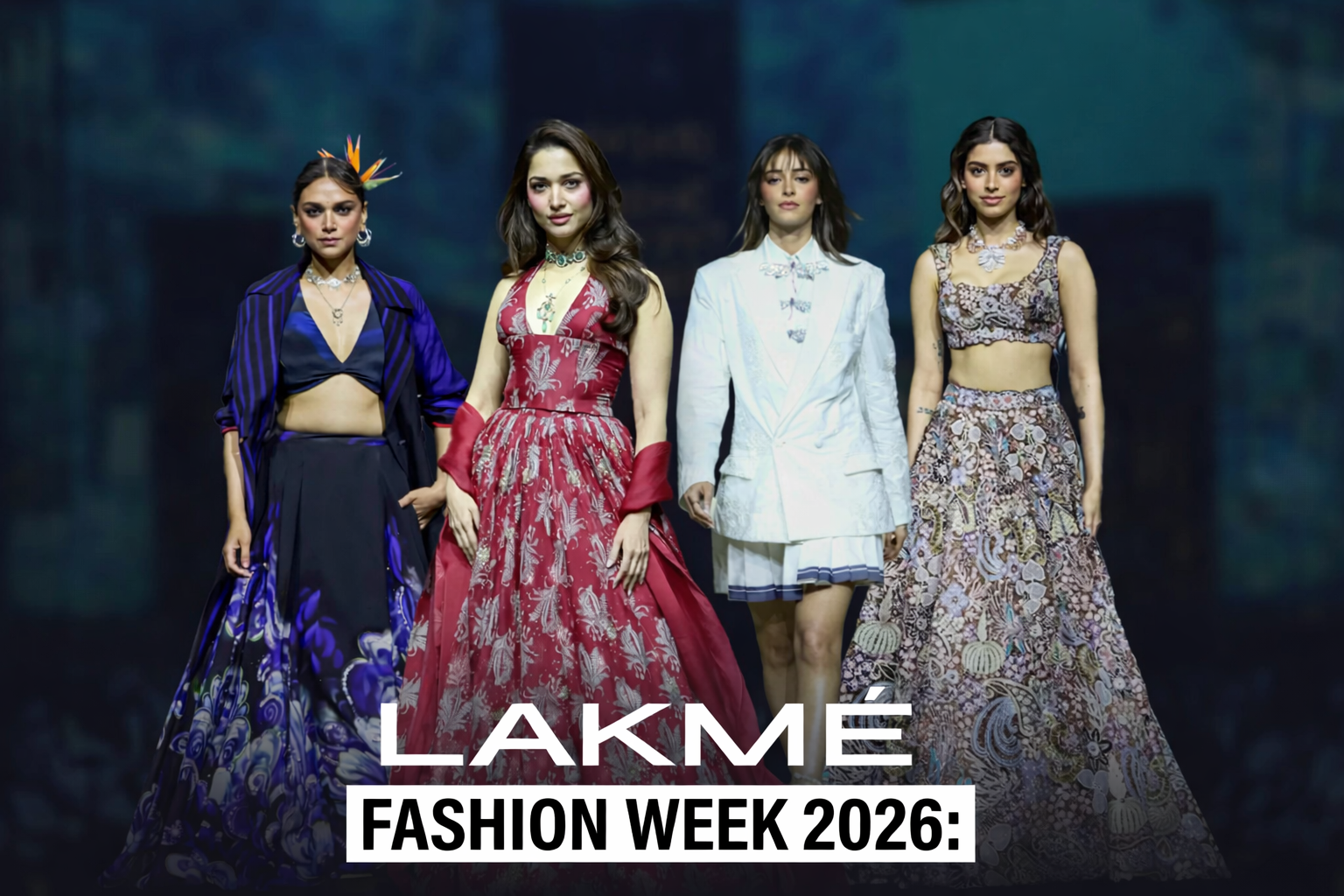
A new wave of designers is redefining the landscape of Indian fashion one that values purpose as much as aesthetics. At Lakmē Fashion Week x FDCI’s GenNext 2025, presented by NIF Global, we recently saw emerging talents that are fusing storytelling, sustainability, and cultural heritage to craft a more conscious, expressive future for design. Hashtag Magazine spotlights the rising stars who are weaving purpose into every thread the designers shaping not just what we wear, but why we wear it. This year’s GenNext 2025 cohort proves that the next generation isn’t just creating clothes they’re crafting conversations. From denim rebirths and handcrafted heritage to poetic sustainability and textile innovation, these visionaries are transforming Indian fashion into an art form rooted in authenticity, emotion, and soul. 1. Designer: Anam Hussain Label: Anam HussainCollection: Cut-PutlyUSP: A conceptual, sustainable exploration of empowerment through design. Inspired by Rajasthan’s Kathputlis the puppets that dance between control and liberation Anam Hussain’s Cut-Putly examines power, agency, and freedom through geometry and form. Structured, angular silhouettes represent restraint, while oversized shapes express release and individuality. The collection’s strength lies in its sustainability: over 1,000 kilograms of post-consumer denim waste was transformed through patchwork, crocheting, and hand-weaving into sculptural garments that balance grit with grace. For Hussain, waste isn’t discarded matter it’s creative potential. With hints of crochet handbags and accessories in development, Cut-Putly sets the tone for a label that is as thoughtful as it is experimental. 2. Designer: Mohammed Anas Sheikh Label: 23°N 69°ECollection: Unnamed (Kachchh-Inspired)USP: A poetic revival of Kachchh’s indigenous craft, rooted in minimalism and authenticity. Mohammed Anas Sheikh’s collection celebrates Kachchh’s artisanal spirit weaving its heritage into modern silhouettes that exude quiet strength. Centered around Kala cotton, a rain-fed indigenous fibre, his pieces highlight broken Ajrakh block prints, mirror work embroidery, and hand-dyed hues

Latest Festive Fashion Trends In India

Intro: The smell of marigold flowers, the glow of diyas, the happy noise of families coming together. India’s festive season is here again, and with it comes the excitement of dressing up. Clothes are not just clothes during festivals; they are part of the celebration itself. This year’s festive fashion is a mix of tradition and modern style. From sarees to lehengas, from bold jewellery to subtle embroidery, here’s what is trending in 2025. 1. Sarees with a twist The saree is timeless. But this year, designers are giving it new life. Pre-draped sarees, gown-style sarees, and double-pallu drapes are everywhere. Designer Anamika Khanna is renowned for her dramatic draping styles, which add movement and glamour. Stars like Deepika Padukone and Kiara Advani have been wearing sarees with bold pleats, sculpted borders, and fresh silhouettes. It’s the same saree we love but reimagined for today. 2. Mix and Match Festive Separates Gone are the days of sticking to one complete set of a lehenga or a sari. Now people are mixing and matching. Heavy skirts are paired with light blouses or embroidered jackets, often accompanied by plain shararas. 3. Colours that surprise Traditional festivals’ colours like red, maroon, and gold are still there, but 2025 is experimenting. Soft tones like sage green, dusty mauve, teal, and ochre are shining this year. At Diwali parties, many celebs wore gold tissue sarees that looked festive yet classy. For Navaratri, green became the star colour, especially on the day dedicated to Goddess Skanda Mata. 4. Craft Revival and Sustainable Touch This year, old crafts are making a comeback in new and innovative ways. Hand embroidery, block prints, and vintage fabrics are being reused to create stunning outfits. Designer Mayyur Girotra even created a lehenga from five old brocade sarees, proving that fashion can

The Fashion Maestro: Exclusive Interview with Manish Malhotra On Bridal Trends

Hashtag Magazine brings you an exclusive interview with the legendary MANISH MALHOTRA, India’s most celebrated fashion designer. From redefining Bollywood glamour to shaping global couture, he opens up about his creative journey, inspirations, and the evolving world of fashion in 2025, offering rare insights into his iconic legacy. How are you making your signature bridal style more accessible to younger or more experimental brides while keeping that Manish Malhotra charm? You know, brides today are really fearless. They love their traditions, of course, but they also want to bring in their own personality, and I think that’s beautiful. For me, it’s about giving them the grandeur they’ve come to expect from a Manish Malhotra bridal look, but doing it in a way that feels fresh. That could mean innovative construction, modern silhouettes, or just a more effortless styling. The glamour will always be there, it’s just evolved. Sometimes it’s through a sharper corset, sometimes through a softer drape, but the magic is always alive. What are the top three bridal trends you see ruling weddings in 2025? So, first, I think it’s about layering. Whether it’s a signature head veil or even a cape, it allows a bride to really play with her look across different celebrations. It’s about showcasing unique embroidery or luxurious fabrics that can be styled in multiple ways. Then second, I’ve been loving crystal drapes, they bring in this beautiful sensuality and shimmer. It’s glamorous without trying too hard. And third, statement blouses – brides today are embracing unique necklines, dramatic sleeves, and corsetry to make the blouse the highlight. Which colours are defining the Manish Malhotra bridal palette this season? This season, I have been drawn to deep, decadent tones such as rich maroons, soft almond shades, old rose, and metallics that never go out

You May Also Like

Connect with us