Why Does Sustainable Fashion Matter?

Why Does Sustainable Fashion Matter?

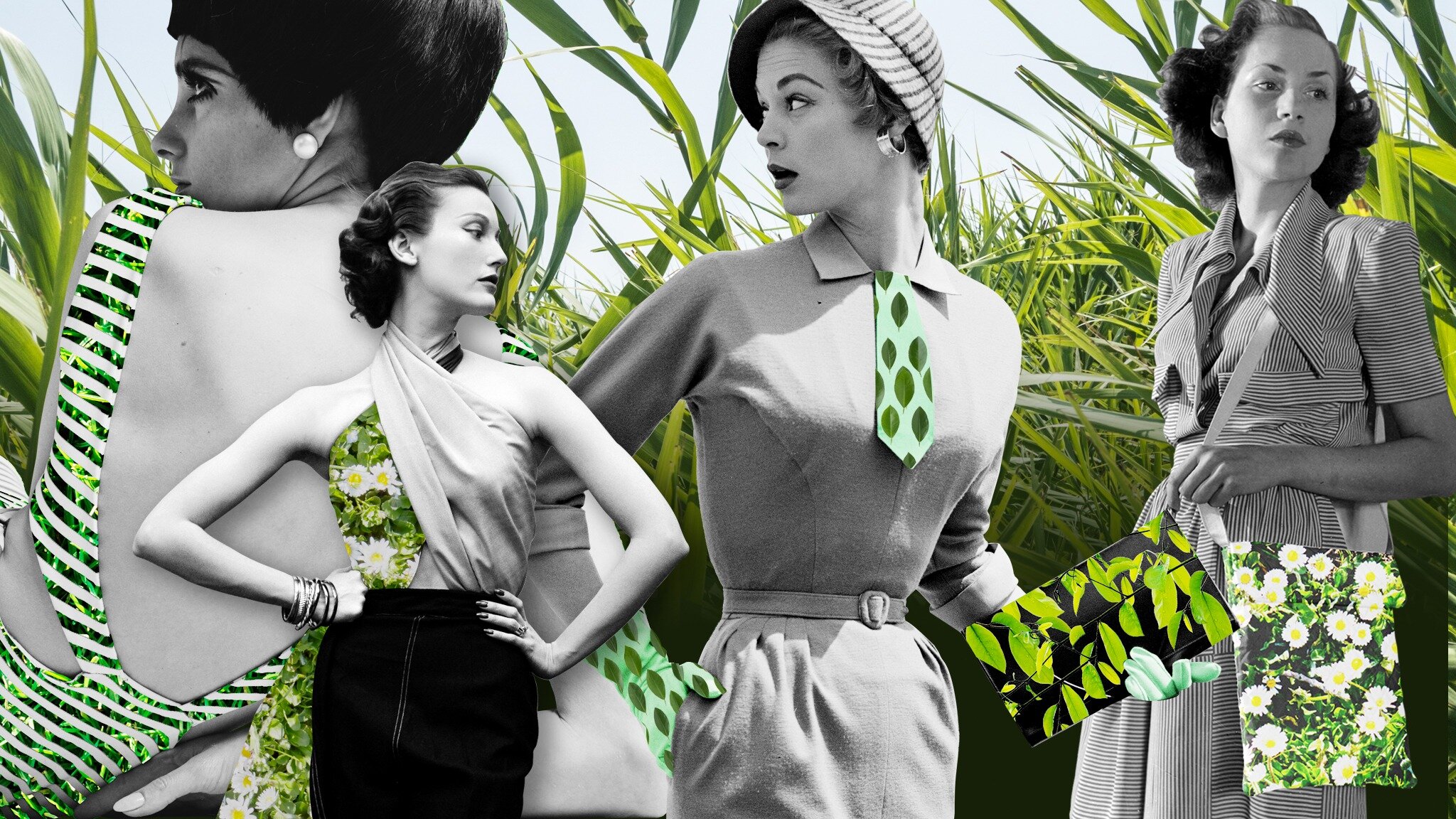
Fashion has impacted the environment in numerous ways. Many celebrities, influencers, and other people are promoting, influencing and educating people in sustainable fashion. As we all know Fast Fashion mostly focuses on speed and low costs which is damaging the environment rapidly by drying up water sources, rivers, and water streams. We appeal to you to try these fashion brands which promote sustainable fashion and contribute to the environment from our side.
Why Does Sustainable Fashion Matter?

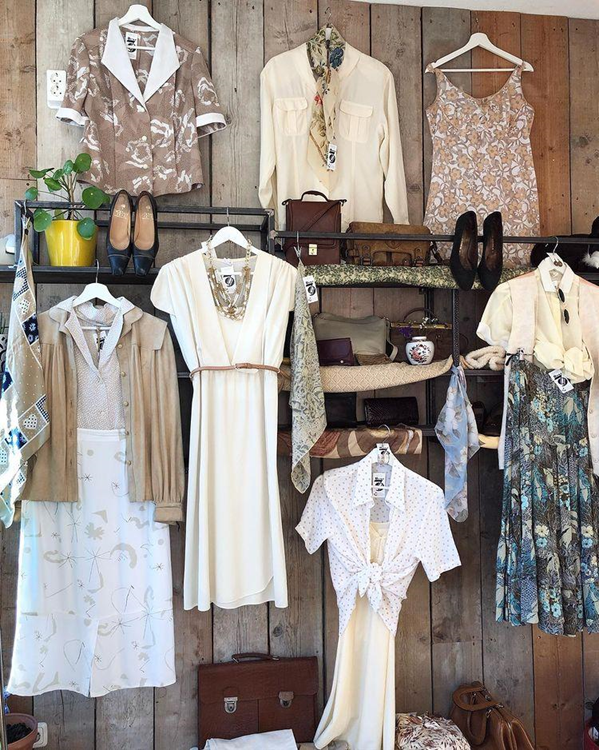
Sustainable Fashion is important because it saves natural resources and reduces carbon footprint. Most sustainable fashion brands use materials from natural or recycled fabrics that require less energy, and water, and less involvement of fertilizers or pesticides. Sustainable fashion also saves animals’ lives because it has been estimated that the leather industry has been slaughtering 430 million animals per year. Sustainable fashion is healthier for us and the planet. So it is important to educate ourselves and bring awareness amongst the people on who made our clothes, what they are made of, and how the production of clothes is impacting us and our planet.
Top 8 Sustainable Fashion Brands

Here are some of the top Sustainable Fashion brands to shop from-

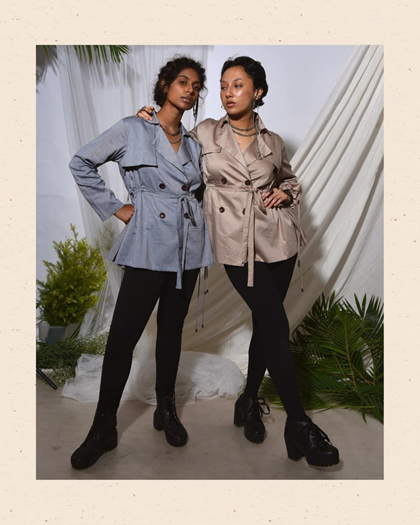
1. InSom– InSom brand was founded by Sejal Jain. Insom assures its customers that the production process is sustainable and 100% eco-friendly. The clothes are stylish and comfortable. The company focuses on converting defective textiles from large-scale organic fabric production companies into wearable works. The brand assures its customers that it is 100% zero waste and sustainable production process. Apart from denim, InSom sells other products like dresses, jumpsuits, pants, and tops.

https://www.instagram.com/wear_insom/
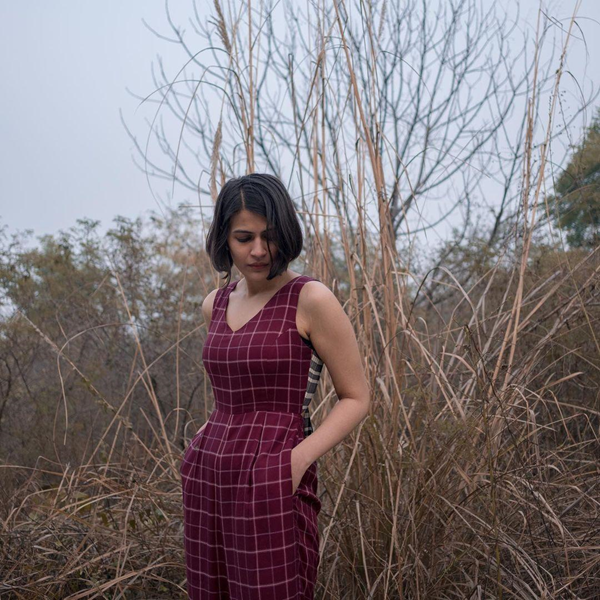
2. Doodlage– Doodlage is a brand founded by Paras Arora. Doodlage has been turning factory waste into limited-edition collections. They recycle post-consumer waste and scraps into new fabrics and create garments made for longevity. They also use materials like organic cotton, corn, and banana fabrics in their products. The brand collaborates with like-minded organizations for special projects. Some of the products sold by Doodlage are dresses, jumpsuits, co-ords, bags, wallets, pants and shirts.

https://www.instagram.com/doodlageofficial/
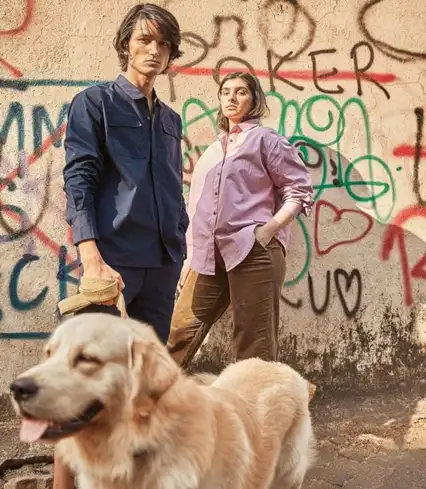
3. No Nasties– No Nasties is one of the famous sustainable fashion brands that are both long-lasting and fashionable. This brand was founded by Apurva Kothari in 2011. No Nasties offers a wide range of Vegan clothing made from 100% organic cotton. The company has influenced many other companies to promote eco-friendly products. No Nasties sell different types of products like sarees, kurtis, pants, kurtas, earrings, and necklaces.

https://www.instagram.com/nonasties/
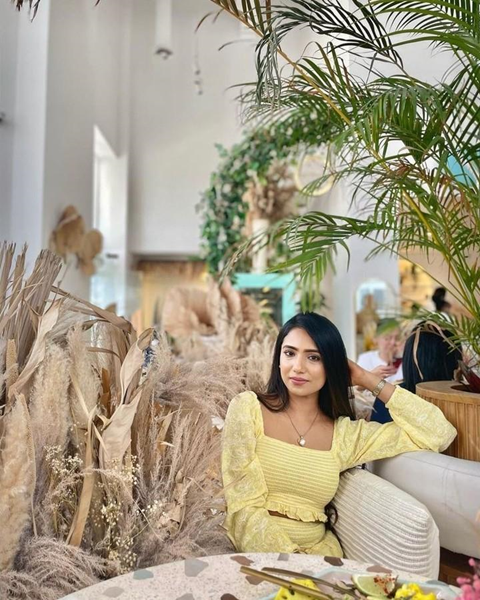
4. Renge– Renge is a sustainable fashion brand founded by Sheena Uppal. The brand has been creating beautiful clothes that are made with eco-friendly methods and some part of the factory runs on Solar energy to reduce carbon footprint. All the fabrics by Renge are skin-friendly and each collection is created out of the best fabrics. Renge also offers custom fits for all styles. Renge has a wonderful collection of dresses, bottoms, jackets, tops and jumpsuits.

https://www.instagram.com/renge_india/
5. B-label– This brand started by Chirag Tekchandaney has been creating sustainable clothing for many years using hemp fiber which is one of the strongest fibers on earth. The fabric is UV resistant, carbon-negative and every piece of clothing is made with precision to detail to ensure that the customers feel comfortable, relaxed, and stylish as well. B-Label products help you take a step towards a better environment, they fit you perfectly and last for a very long time. They sell shirts, trousers, co-ords, cushions, tops, and pants.

https://www.instagram.com/blabelindia
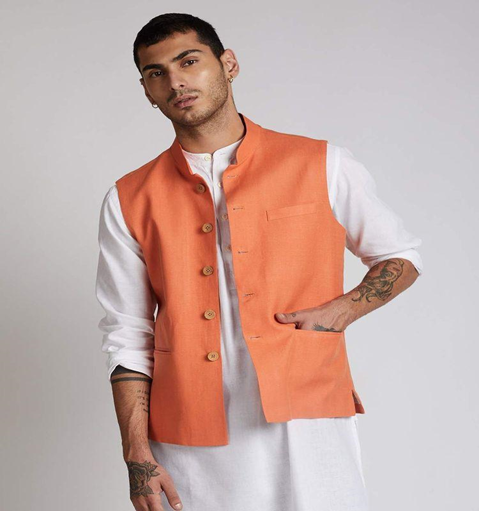
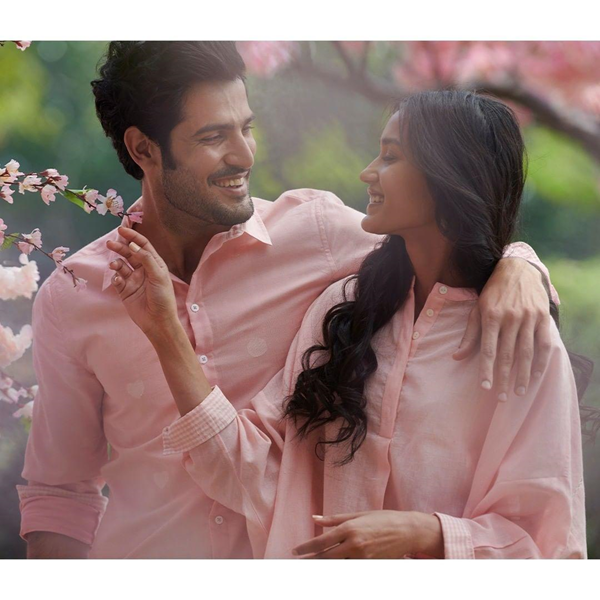
6. Nicobar– Nicobar is one of the popular sustainable clothing brands founded in the year 2016 by Simran Lal and Raul Rai. The brand became famous because of its modern designs combined with traditional elements to give the best of them both. All the clothes are made with organic material and sustainable fabrics like bamboo, modal, and Tencel to decrease pollution and carbon footprint on the earth. Nicobar sells different types of sustainable products like Sarees, Kurtis, Pants, Kurtas, Earrings, and Necklaces.

https://www.instagram.com/nicojournal
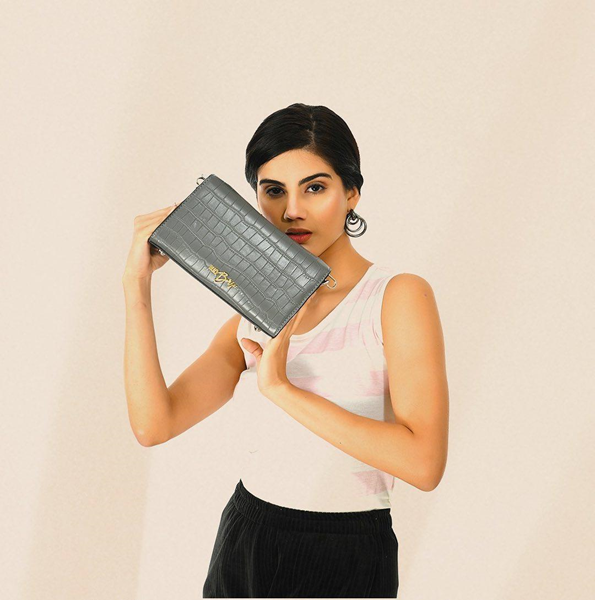
7. Mio Borsa– If you are looking for Vegan leather bags, then Mio Borsa is the place for you. Mio Borsa, a vegan brand founded by Pallavi Behl that focuses on creating handbags made from vegan leather. The bags look classy and look similar to real leather. The handbags are environmentally friendly and do not harm animals. Some of the other products by Mio Borsa are wallets, bags, clutches, and totes.

https://www.instagram.com/mio.borsa
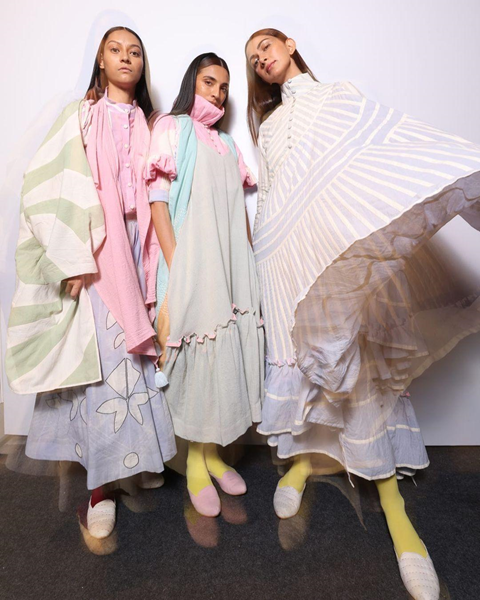
8. Ka-Sha– Founded in the year 2012 by Karishma Shahani Khan, it is one of the popular sustainable fashion brands in India. The brand has been producing sustainable and ethical clothes to reduce global carbon footprint. All the clothes are made with natural fabrics and hand-dyed to ensure that there is no damage done to the environment. Some of the eye-catching products sold by Ka-Sha are Dresses, Tunics, Tops, and Scarves.

https://www.instagram.com/ka_sha_india
Conclusion- These are some of the top sustainable fashion brands which have been contributing to protect the environment. So let’s take this step toward sustainable fashion and protect our environment and resources.

Leave a comment

Your email address will not be published. Required fields are marked *

Best Summer Fashion Outfits 2026

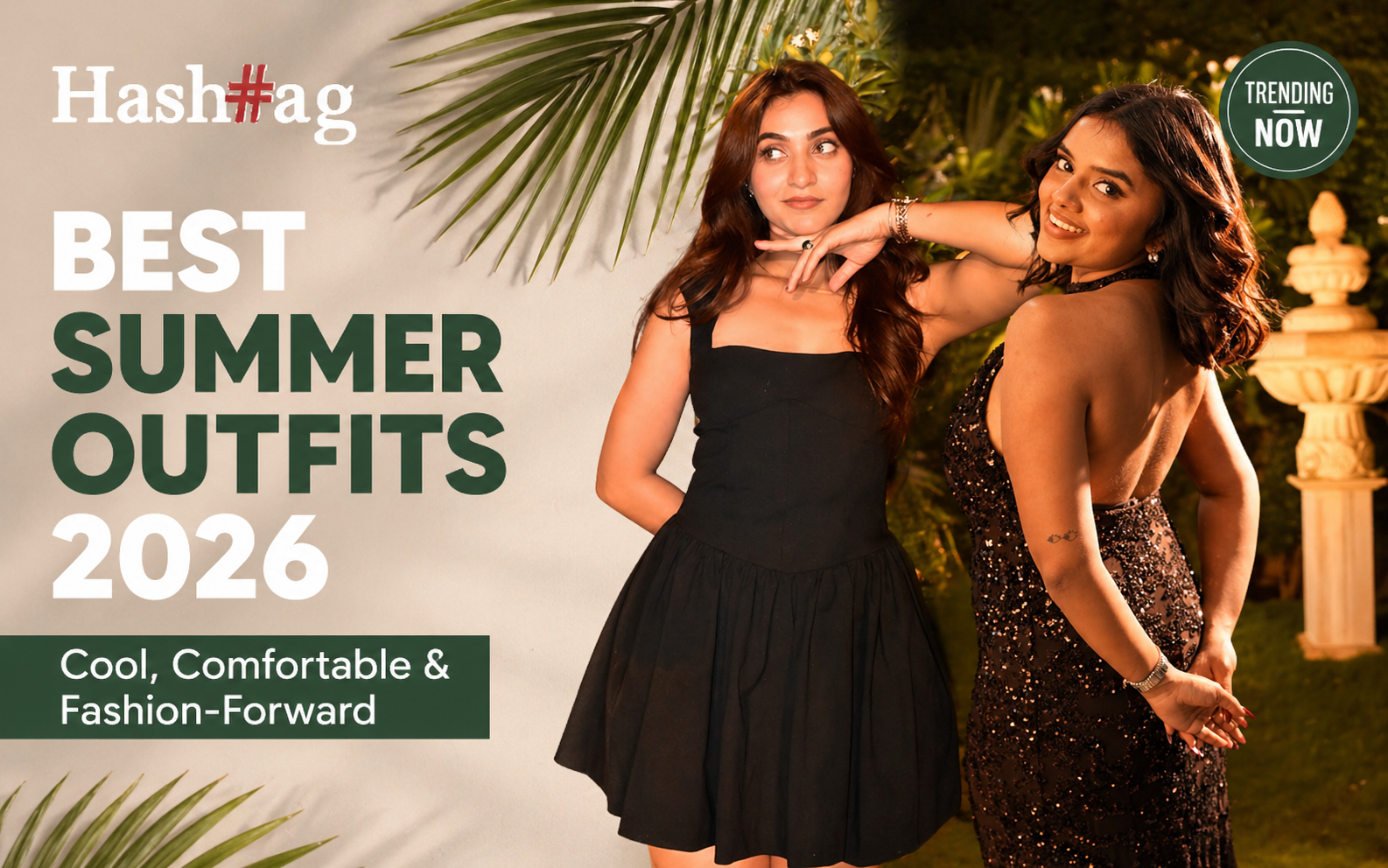
Wondering what to wear this summer? Hashtag Magazine brings you effortless style tips from fashion creators to help you stay cool, chic, and on-trend all season long. Jahanvi Tiwari, Mumbai YouTuber & Beauty Content Creator Jahanvi Tiwari, the face behind Thebrowndaughter, has built a strong voice in the beauty and lifestyle space with a community of nearly 1.5 million followers. Known for her authentic approach and focus on representation, her style reflects ease, confidence, and trend awareness. Her Summer Essentials: Linen Love: Invest in breathable linen trousers and shirts easy, elevated, and perfect for the heat. Soft Colour Palette: Think butter yellow, baby pink, and light blue for a fresh, summery feel. Maximalist Accessories: Pair minimal outfits with bold bangles, rings, or waist chains to add personality. Deepa Rani, Delhi Fashion & Lifestyle Creator Deepa Rani is known for her minimal, refined aesthetic rooted in simplicity and authenticity. Her style leans toward timeless pieces that feel both elegant and practical. Her Summer Style Guide: Breathable Fabrics First: Choose linen, cotton, and mulmul over synthetics for a luxe yet comfortable look. Relaxed Silhouettes: Flowy trousers, oversized shirts, and co-ords keep things polished yet easy. Minimal Accessories: Opt for dainty gold jewellery, a classic tote, or sleek sunglasses less is more. From breezy fabrics to statement details, summer dressing is all about balance comfort meets style, with a touch of individuality.

Lakmé Fashion Week 2026: Designers Shaping the Future of Indian Fashion

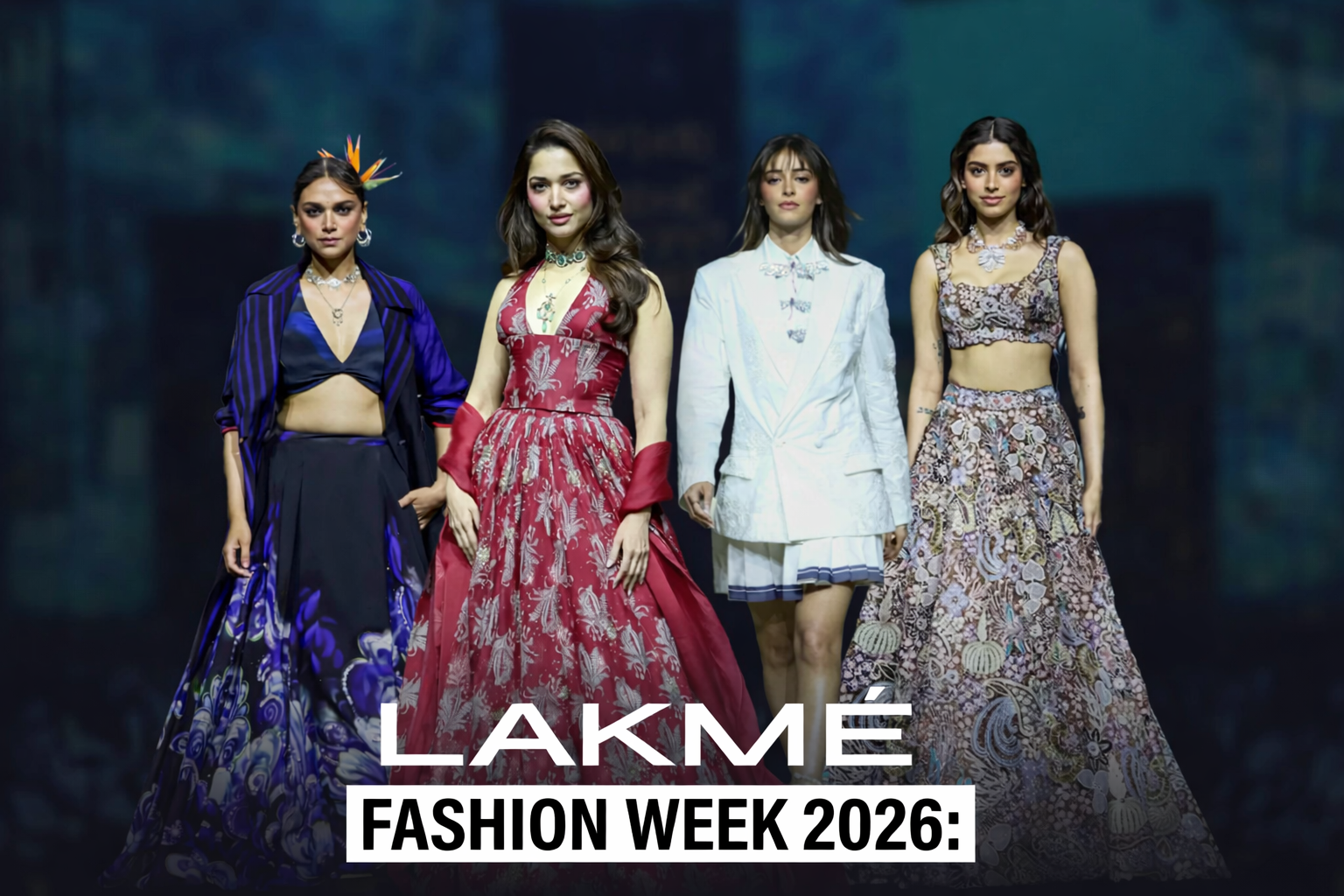
At Lakmé Fashion Week March 2026, Indian fashion moved beyond spectacle into a more process-driven, thoughtful era. This season wasn’t just about trends; it was about how clothes are made, who makes them, and why they matter. From artisanal revival to futuristic textiles, designers showcased a powerful blend of sustainability and innovation. Hashtag magazine gives you the key highlights Péro by Aneeth Arora: Out of Office Background: Known for “international clothing with an Indian heart,” Aneeth Arora focuses on artisanal, handmade textiles. Collection Spotlight: The runway was transformed into a theatrical office space complete with desks and telephones. The collection used a strict palette of blue and white to reimagine rigid workwear as playful, comfortable attire. USP: Sartorial theatre that addressed the modern work-life balance through hand-embroidered, “carefree” garments. Manish Malhotra: Luxury Prêt & Accessories Debut Background: India’s premier bridal couturier, Malhotra, is famous for his cinematic glamour and association with Bollywood. Collection Spotlight: This show marked his first dedicated luxury prêt (ready-to-wear) line and the launch of MM Accessories. The collection focused on “Quiet Luxury”, multi-wear separates and travel-ready couture. USP: Lifestyle Branding. A pivot from heavy bridal couture to a versatile, modern wardrobe that maintains his signature “timeless glamour”. AFEW by Rahul Mishra: White Gold Background: Mishra is a global pioneer in sustainable luxury and was the first Indian to win the International Woolmark Prize. Collection Spotlight: In partnership with SUPIMA, this collection explored the ecology of cotton. Motifs included dragonflies, marigolds, and insects, all hand-embroidered on fine cotton and Chanderi weaves. USP: “Cotton into Couture.” Repositioning humble cotton as a high-luxury fibre through artisanal density and a quieter, more restrained aesthetic. Amit Aggarwal: Orizon Background: A master of structured, architectural fashion who uses recycled materials and signature metallic polymer strips. Collection Spotlight: In collaboration with Indriya Jewels,

Gold Is Back: Why Classic Jewellery Is Regaining Its Shine in 2026

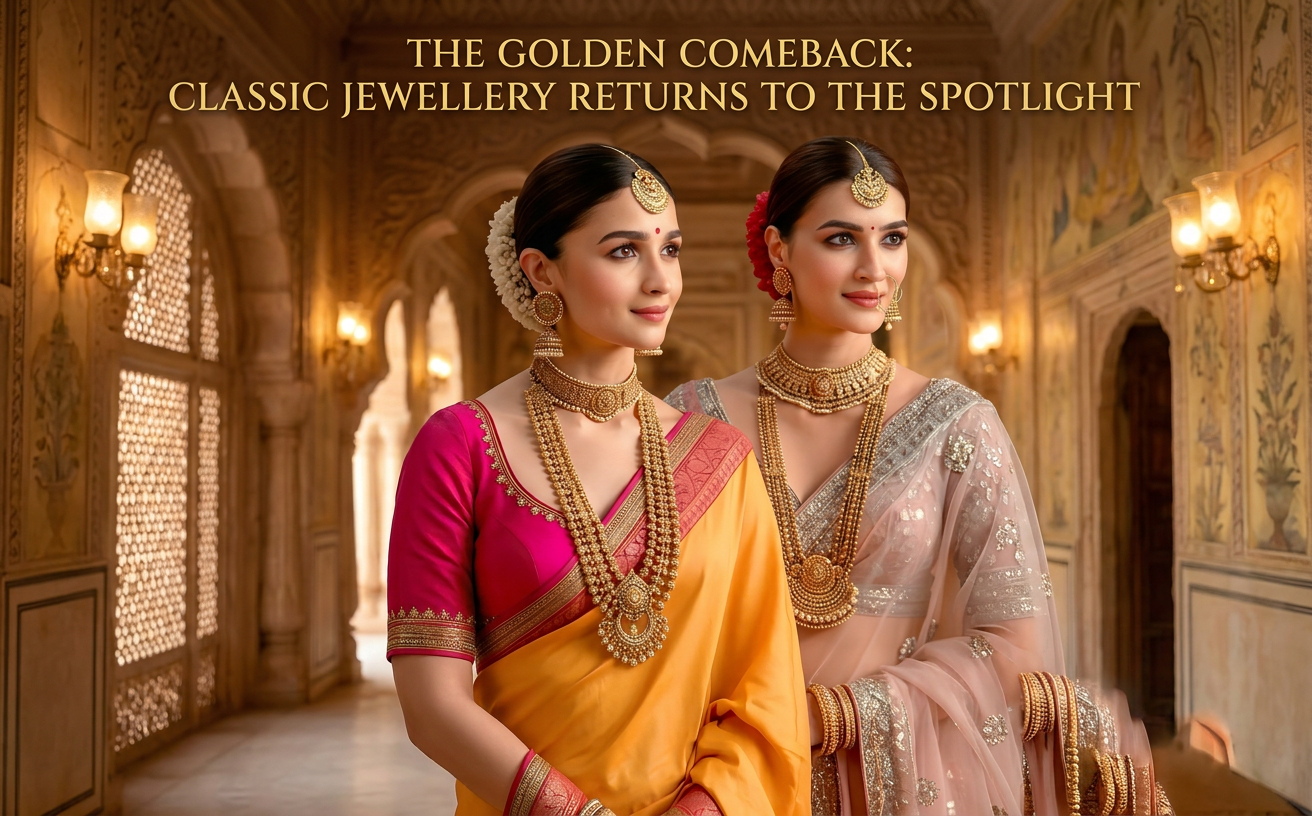
For the past decade, the jewellery industry has seen waves of change. Artificial jewellery, minimalist designs, and the rapid rise of lab-grown diamonds have transformed consumer preferences, especially among younger buyers looking for affordable luxury. Yet in 2026, gold jewellery is quietly reclaiming its throne. From weddings to everyday fashion and even men’s accessories, gold is experiencing a powerful resurgence not just as ornamentation, but as a trusted investment. The Investment Factor One of the biggest reasons for gold jewellery’s comeback is simple: stability. While diamonds and lab-grown alternatives have gained popularity due to affordability, they often lack strong resale value. Gold, on the other hand, remains a tangible asset that can be sold, exchanged, or passed down generations. This financial security has made gold increasingly attractive to modern buyers who want jewellery that doubles as an investment. During recent wedding seasons in India, jewellers have reported rising demand for plain gold jewellery in 22K, 18K and 14K forms as buyers prioritise long-term value over heavily diamond-studded pieces. With gold prices steadily climbing in recent years, many consumers now view gold jewellery as a form of wearable wealth something that carries emotional significance while also retaining monetary value. Celebrity Influence and the Wedding Effect Celebrity culture continues to play a major role in shaping jewellery trends. A recent example is the high-profile wedding of actors Rashmika Mandanna and Vijay Deverakonda, which sparked widespread discussion about heritage jewellery. The couple’s wedding looks prominently featured elaborate handcrafted gold pieces inspired by South Indian temple architecture. Rashmika reportedly wore eleven pieces of traditional gold jewellery, while Vijay made headlines for embracing bold groom jewellery including layered necklaces, ear studs, cuffs and other royal-inspired ornaments. Their wedding highlighted something significant: gold jewellery is no longer just for brides. Men Are Embracing Jewellery Again Historically,

Alfiya Karim Khan: Mumbai YouTuber Redefining Modest Fashion and Digital Influence

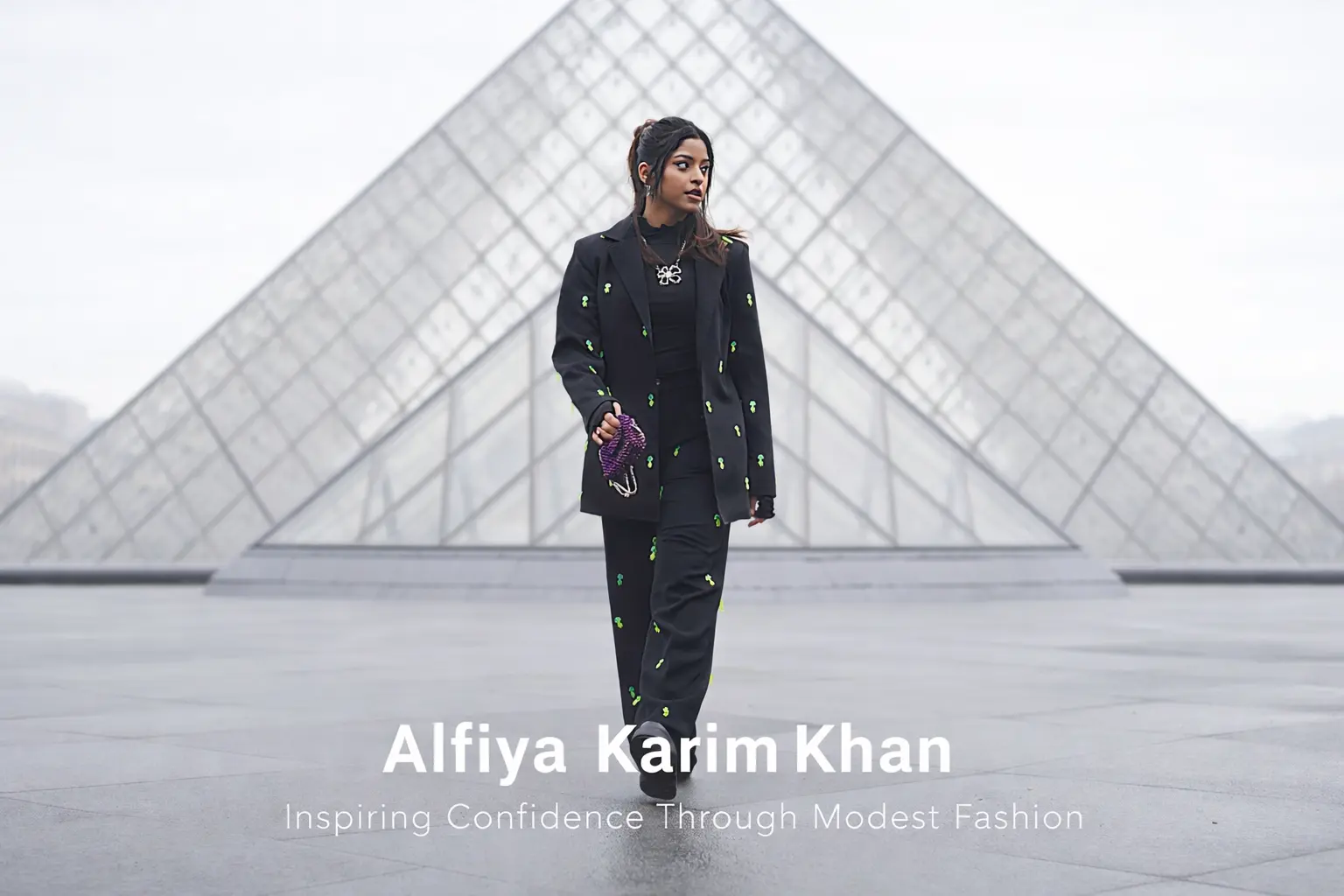
Alfiya Karim Khan grew up in Mumbai in a family where education was non-negotiable, and ambition was encouraged, so long as it followed a conventional path. Academically strong, medicine seemed almost predetermined for her. But internally, she felt drawn elsewhere. “Deep down, I always knew my life did not belong in a hospital corridor,” she says. “It belonged in the creative industry.” Choosing to pursue a Bachelor’s degree in Mass Media instead of medicine was met with hesitation and doubt. Coming from a background where most women were financially dependent, she had rarely seen female entrepreneurship firsthand. That absence became fuel. “Every time someone questioned whether content creation was serious, it pushed me to take it more seriously,” she reflects. What began quietly in her bedroom evolved into financial independence and professional stability. Today, her work represents more than a career; it symbolises “choosing conviction over comfort.” A Cultural Voice in Modest Fashion Alfiya identifies as a digital entrepreneur and a cultural voice within the modest fashion space. A decade ago, the online fashion landscape felt misaligned with her personal style. “I did not want to shape-shift just to belong,” she explains. “I decided to build around my authenticity instead of bending away from it.” Over the past 10 years, she has collaborated with global and legacy brands, been recognised among Forbes’ Top 100 Digital Stars, and represented modest fashion at Paris Couture Week. For her, these milestones represent more than visibility; they signal representation. “This is not just fashion content,” she says. “It is about showing that ambition and values can coexist.” Reinterpreting, Not Rejecting At its core, her work reinterprets mainstream fashion through a modest lens. Rather than rejecting trends, she modifies them, layering strategically and reshaping silhouettes. “Fashion does not have to be abandoned to align with

You May Also Like

Connect with us